

- 15 Times History Was Changed by a Single Speech - September 25, 2026
- “20 Authors Who Captured the American Dream Like No One Else” - September 25, 2026
- 20 Literary Rivalries That Shaped the American Canon - September 25, 2026
The dark corners of real-life crime have always fascinated storytellers. There’s something about the raw terror of actual events that captures our imagination in ways fiction never could. When directors and screenwriters dig into these true stories, they’re not just making movies. They’re preserving a horrifying kind of history.
These aren’t just crime stories. They’re windows into the human mind at its most twisted, and Hollywood has transformed them into some of cinema’s most gripping films. Some of these cases remain unsolved decades later. Others were solved only because the perpetrators themselves wanted the world to know what they did. Let’s be real, the truth behind these films is far more chilling than anything purely fictional.
The Zodiac Killer Case
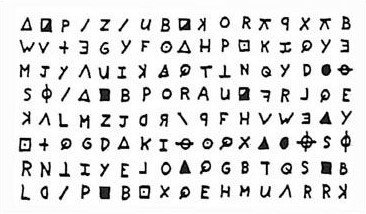
Northern California became a hunting ground for an unidentified serial killer between 1968 and 1969. The killer mailed taunting letters to Bay Area newspapers, took credit for murders, and included cryptograms with his correspondence. What made this case particularly disturbing wasn’t just the murders themselves. The killer’s letters, sent from 1969 to 1974, were signed with a symbol resembling the crosshairs of a gunsight and typically began with the phrase, ‘this is the Zodiac speaking.’
Two of the Zodiac’s four cryptograms were decrypted in 1969 and 2020, and the other two remain unsolved. Investigators agree on seven confirmed assault victims, all in Northern California, though the killer claimed in letters to have murdered thirty-seven people. Despite numerous suspects over the years, including Arthur Leigh Allen, no one has ever been arrested. David Fincher’s critically acclaimed dramatic film Zodiac was released in 2007.
The case remains open in multiple California jurisdictions. The murders, cryptograms, and letters to newspapers have made this one of the most famous unsolved cases in American history.
Henry Hill and the Lucchese Crime Family
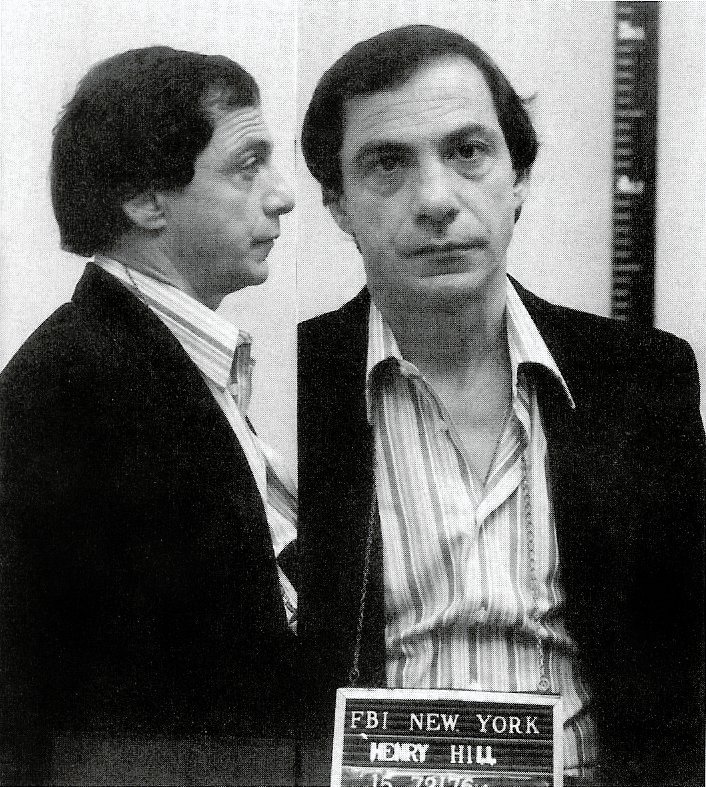
Henry Hill was an American mobster associated with the Lucchese crime family of New York City from 1955 until 1980, when he was arrested on narcotics charges and became an FBI informant, testifying against his former associates and resulting in fifty convictions. Hill wasn’t your typical mobster. He grew up in Brooklyn, fascinated by the power and respect commanded by organized crime figures in his neighborhood.
By the 1960s, Hill was firmly embedded within the Lucchese crime family and had committed a string of felonies when he took part in the 1967 robbery of Air France at John F. Kennedy International Airport. Hill’s biggest score came in 1978 when he played a central role in the infamous Lufthansa heist, orchestrated by his mobster mentor Jimmy Burke, netting nearly six million dollars in cash and jewels, equivalent to approximately twenty-nine million dollars today.
Hill’s downfall came quickly. Hill’s mafia rise unraveled in 1980 when he was arrested on narcotics-trafficking charges, and he accepted an offer to become an FBI informant in exchange for protection. Hill’s life story was documented in the true crime book Wiseguy by Nicholas Pileggi, which was subsequently adapted by Martin Scorsese into the critically acclaimed 1990 film Goodfellas, in which Hill was portrayed by Ray Liotta.
Frank Abagnale Jr. Check Fraud Case
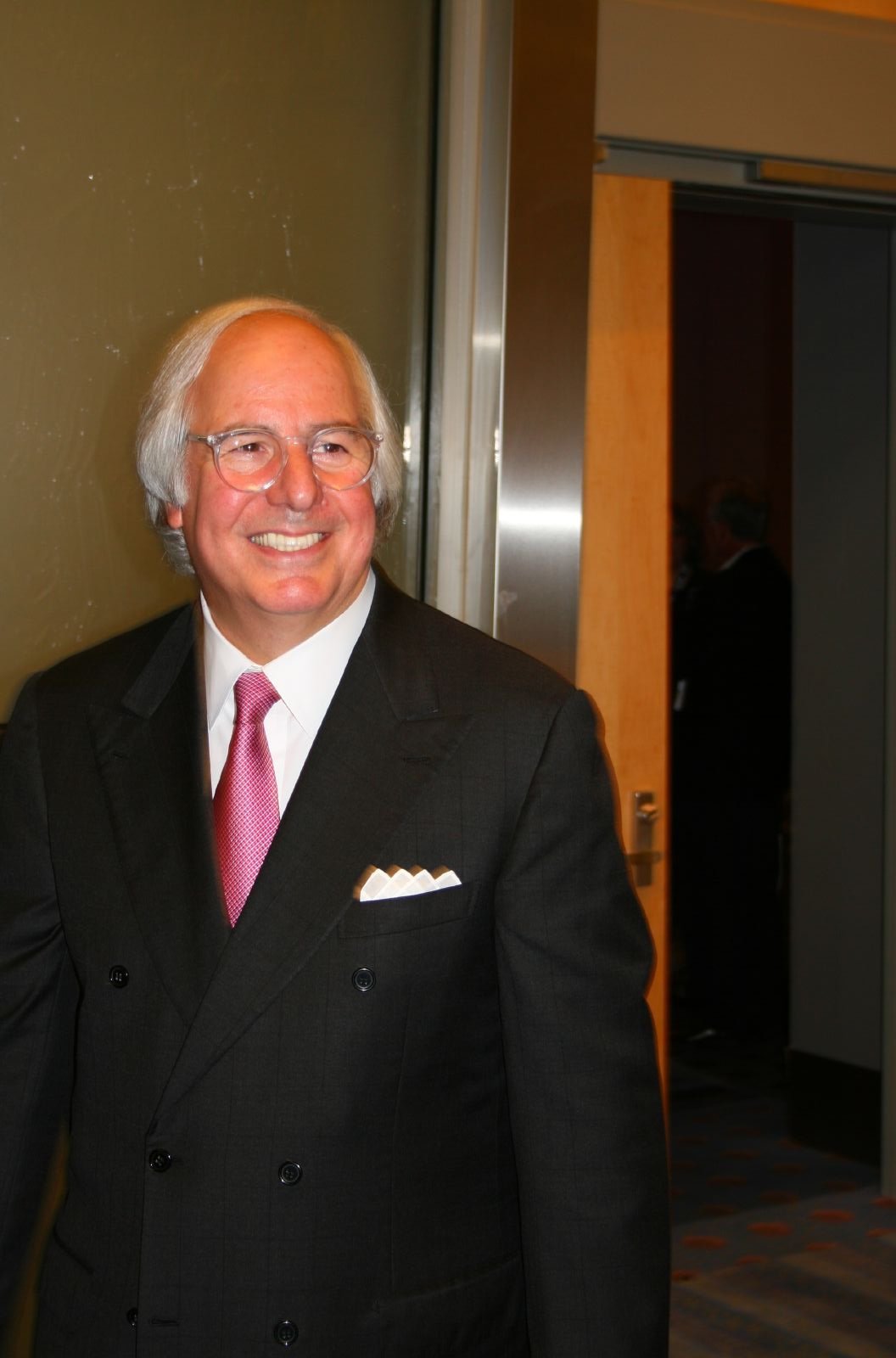
The story of Frank Abagnale Jr. sounds too outrageous to be true, though honestly, much of it might be. Frank Abagnale Jr. became a household name after the 1980 publication of his memoir, Catch Me If You Can, which tells the story of his various fraudulent activities throughout the 1960s and seventies, and in 2002 a film adaptation directed by Steven Spielberg was released, starring Leonardo DiCaprio.
Abagnale claims to have worked as an assistant attorney general in Louisiana, served as a hospital physician in Georgia, and impersonated a Pan American World Airways pilot who logged over two million air miles. Starting when he was just a teenager in the mid to late 1960s, Abagnale managed to defraud banks and businesses out of more than two and a half million dollars by forging fraudulent checks.
Here’s the thing, though. Many of Abagnale’s claims about his life experiences have been credibly disputed in recent years, and the veracity of most of his claims has been questioned. In November 1970, Abagnale was arrested on counts of check fraud totaling about one thousand four hundred dollars, and he was released on federal parole in 1974. He started his fraud consulting business, Abagnale & Associates, in 1976. Whether the movie is accurate or not, it remains a captivating tale of deception.
Aileen Wuornos Serial Murders
Aileen Carol Wuornos was an American serial killer who, between 1989 and 1990, while engaging in street prostitution along highways in Florida, shot, killed, and robbed seven of her male clients. Unlike typical serial killers who are predominantly male, Wuornos became one of the rare female serial killers in American history. FBI profiler Robert Ressler noted Wuornos as the sole exception when discussing female serial killers because they tend to kill in sprees instead of in a sequential fashion.
Wuornos had a deeply troubled childhood, and when she was almost four years old, she and her older brother went to live with their maternal grandparents after being abandoned by their mother. Wuornos’s killing spree started around late November 1989 and earned her the nickname ‘Damsel of Death,’ and after being arrested in January 1991, she confessed to seven murders before receiving death sentences in the six cases brought against her.
In mid-January, Wuornos admitted to murder in a phone call, saying she’d committed her crimes because she was desperately in love and wanted them to stay together, and police videotaped Wuornos as she confessed to seven murders. Wuornos died by lethal injection on October 9, 2002. The biographical drama film Monster starred Charlize Theron as Wuornos in 2003. Theron’s portrayal earned her an Academy Award, bringing Wuornos’s tragic and terrifying story to a wider audience.
Ed Gein Murders (Wisconsin)
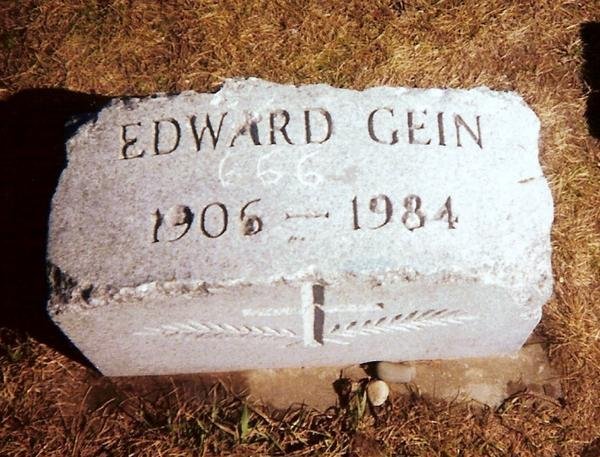
Edward Theodore Gein, also known as the Butcher of Plainfield and the Plainfield Ghoul, committed crimes around his hometown of Plainfield, Wisconsin, that gathered widespread notoriety in 1957 after authorities discovered that he stole corpses from local graveyards and fashioned keepsakes from their bones and skin, and he also confessed to killing two women: tavern owner Mary Hogan in 1954 and hardware store owner Bernice Worden in 1957.
When police entered Gein’s farmhouse, they discovered a scene straight out of a nightmare. Police found Bernice Worden’s body hanging in a shed on Gein’s property, decapitated and disemboweled, and inside the house, they found her head along with the preserved remains of fifteen women, including a skull made into a soup bowl, human face masks carefully peeled from skulls, and a vest of preserved female flesh with breasts and sexual organs attached.
Gein was initially found unfit to stand trial and confined to a mental health facility, but by 1968 he was judged competent to stand trial and was found guilty of the murder of Worden, though he was found legally insane and thus was remanded to a psychiatric institution. Gein’s behavior inspired numerous books and movies, notably three of the most influential horror films ever made: Psycho directed by Alfred Hitchcock, The Texas Chain Saw Massacre, and The Silence of the Lambs.
Ed Gein died at Mendota on July 26, 1984 at age 77 due to respiratory failure related to lung cancer, and after repeated thefts and vandalism, his gravestone was removed. His crimes continue to haunt American culture, influencing countless horror stories and films.
When Reality Becomes Cinema
These five cases share something deeply unsettling. Each one pushed the boundaries of what we thought humans were capable of. The films they inspired became cultural touchstones, but they also serve as reminders of real victims and real families left devastated. Hollywood has a way of sanitizing horror, turning genuine tragedy into entertainment that we can digest.
It’s worth remembering that behind every thriller and every psychological drama based on true crime, there are people who suffered unimaginably. These weren’t just stories. They were real lives interrupted, destroyed, or ended by violence. The fascination we have with these cases speaks to something primal in human nature, a need to understand evil even when it defies explanation.
What do you think draws us to these dark stories? Is it morbid curiosity, or something deeper? Let us know in the comments.

Besides founding Festivaltopia, Luca is the co founder of trib, an art and fashion collectiv you find on several regional events and online. Also he is part of the management board at HORiZONTE, a group travel provider in Germany.
