

For any feedback please reach out to info@festivalinside.com
- 12 Fashion Trends From the 70s and 80s That Are Making a Huge Comeback - August 15, 2026
- 15 Most Popular Music Festivals in the World, According to Instagram - August 15, 2026
- 8 Music Festivals That Defined an Era and Where Their Spirit Lives On. - August 15, 2026
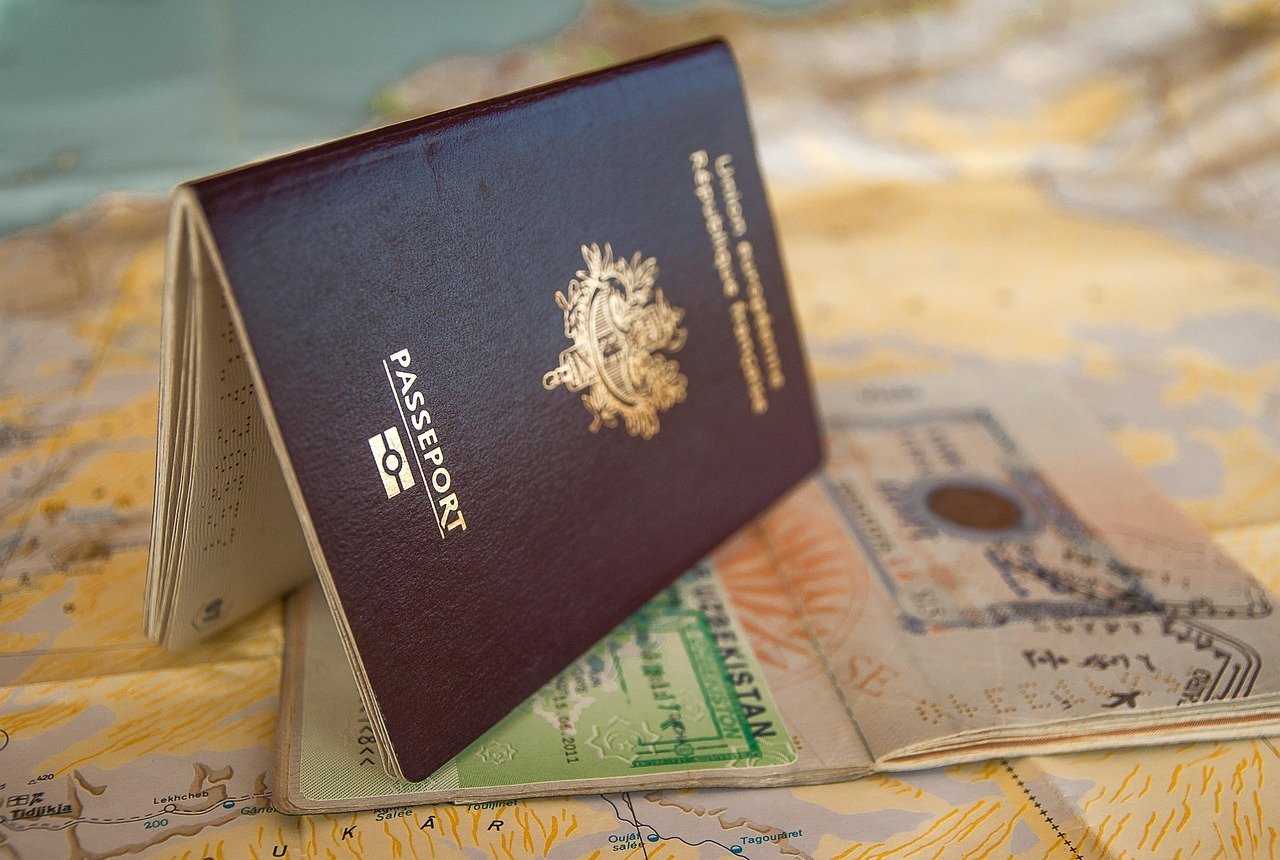
A stunning discovery of rampant H-1B visa fraud in Minnesota has triggered a wave of investigations across the U.S., with citizens and officials alike digging into suspicious patterns in their own backyards. Federal authorities revealed that up to half of certain visas in the state, including H-1B work permits, may be fraudulent, involving fake job offers and ghost operations. This scandal, now under Operation PARRIS by DHS and USCIS, exposes deep flaws in a program meant to bring top global talent. Here’s the thing: what started in the Midwest is rapidly turning into a national firestorm, threatening to upend the entire system.
Public outrage simmers as displaced American workers share stories of being sidelined for cheaper foreign labor. States like Texas have already frozen H-1B hiring in public agencies amid probes into abuse. With policy shifts looming, experts see 2026 as the year this powder keg detonates.
Minnesota’s Fraud Revelation Lights the Fuse
Federal investigators in Minnesota uncovered systemic H-1B abuses that shocked the nation, prompting Operation PARRIS to surge resources into the state. Authorities found evidence of falsified applications, including workers sponsored for jobs that didn’t exist or mismatched their skills. Claims emerged that nearly half of immigration cases, encompassing H-1B visas, involved deception like fake documentation and benching idle employees. This breakthrough followed earlier efforts like Operation Twin Shield, which exposed bizarre schemes but zeroed in on broader visa mills. Ordinary residents began scrutinizing public records, uncovering ties to outsourcing firms. The momentum has forced USCIS to ramp up site visits and audits nationwide.
The Deceptive Tactics Fueling the Abuse
Companies exploit H-1B loopholes by submitting phony job descriptions and salary promises to snag visas, then deploying workers in low-skill roles at cut rates. Bench fraud keeps visa holders on payroll without real assignments, prolonging their stay while undercutting U.S. wages. Staffing firms operate body shops, cycling temporary hires through gigs and pocketing fees from inflated sponsorships. These practices violate core immigration rules designed for specialty occupations. Let’s be real: such schemes have persisted for years, displacing qualified Americans in tech and IT fields. Recent probes highlight how repeated filings by the same entities game the annual lottery.
Nationwide Probes Gain Steam
Emboldened by Minnesota, sleuths in California, Texas, New York, and beyond are combing federal databases for red flags like ghost offices and mass sponsorships. Texas Attorney General Ken Paxton launched a sweeping investigation into three North Texas firms accused of H-1B scams using fake addresses. Governor Greg Abbott ordered a freeze on new H-1B visas for state agencies and universities, citing abuse reports. Florida followed suit, halting such hires at public institutions. Social media amplifies findings, pressuring USCIS for transparency. This grassroots push signals a shift from whispers to widespread accountability.
Key Players Facing Intense Scrutiny
Giant IT consultancies like Infosys, Tata Consultancy Services, and Cognizant dominate H-1B approvals, sponsoring thousands for entry-level posts amid U.S. layoffs. Infosys settled a record $34 million fine in 2024 for systemic visa fraud, yet patterns persist. Minnesota pinpointed over 100 body shops recycling workers through short stints. Public data reveals these firms snag a huge chunk of the 130,000-plus annual approvals. Executives risk charges for perjury and conspiracy as whistleblowers step forward. Critics question lottery favoritism toward such repeat offenders.
Economic Toll on American Workers
U.S. tech pros endure firing or demotions to accommodate H-1B hires paid up to 40% less, stifling wages in STEM sectors. Advocacy groups peg billions in lost output from suppressed hiring. Minnesota workers described a visa mill culture prioritizing imports over locals. Even legitimate visa seekers suffer reputational damage from the abuses. Bipartisan calls grow for reforms favoring domestic talent. This fallout underscores how fraud warps job markets nationwide.
Government Response and 2026 Outlook
USCIS has revoked hundreds of visas, issued subpoenas, and boosted audits, with DOL fining millions for wage theft. Lawmakers eye ditching the lottery for wage-based selection and mandatory site checks. A cooling tech economy may spike questionable filings as backlogs swell. Strengthened whistleblower shields encourage insiders to expose rackets. States’ freezes add pressure for federal overhaul. All signs point to 2026 as the tipping point for massive revelations.
Final Thought
This H-1B crisis demands swift reform to protect jobs and restore trust in skilled immigration. The convergence of probes, policy tweaks, and public fury could finally dismantle entrenched fraud. What state do you think uncovers the next big bust? Share your thoughts in the comments.
Source: Original YouTube Video

Christian Wiedeck, all the way from Germany, loves music festivals, especially in the USA. His articles bring the excitement of these events to readers worldwide.
For any feedback please reach out to info@festivalinside.com
