

- 15 Times History Was Changed by a Single Speech - September 25, 2026
- “20 Authors Who Captured the American Dream Like No One Else” - September 25, 2026
- 20 Literary Rivalries That Shaped the American Canon - September 25, 2026
Florida residents are being targeted. The calls come without warning. A voice on the other end claims there’s trouble with your bank account, suspicious activity that needs immediate attention. What happens next can wipe out savings in just minutes.
Right now, law enforcement across the Sunshine State is scrambling to warn people about a wave of financial scams that are more sophisticated and more devastating than anything we’ve seen before. These aren’t your typical robocalls. These are calculated, convincing criminals who know exactly what buttons to push.
The Anatomy of a Modern Heist
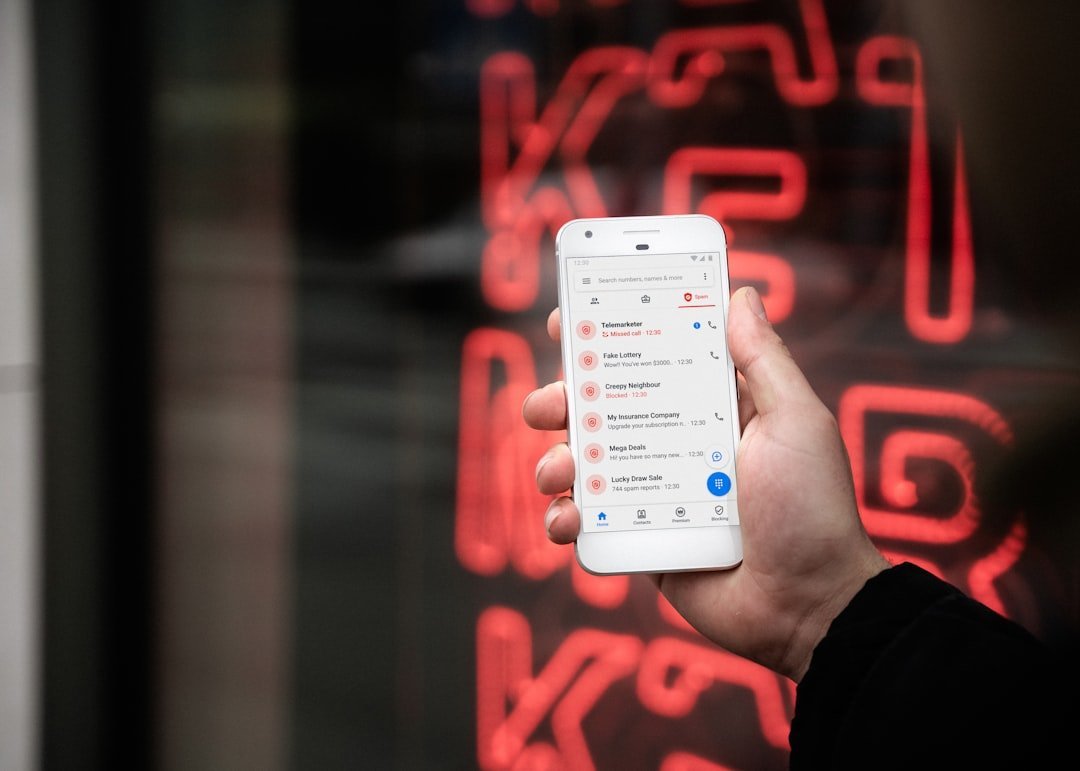
These fraudsters often pose as bank representatives or fraud investigators, contacting victims and warning them of suspicious withdrawals before instructing them to withdraw cash and ship it to specific addresses. The tactics are chilling in their precision. Scammers use spoofed caller IDs that make it look like your actual bank is calling. They send text alerts that mirror the exact format your bank uses.
Some victims report receiving verification codes that seemed legitimate. The pressure is intense. Scammers create a sense of urgency, often calling late in the day when banks are about to close. They’re not giving you time to think, and that’s exactly the point.
Real People, Real Losses

In Broward County, a 22-year-old man from Pompano Beach was arrested after allegedly scamming an elderly victim out of tens of thousands of dollars by posing as a Wells Fargo representative and instructing the victim to withdraw more than twenty thousand dollars and ship it to an address in Deerfield Beach. The victim, living out of state, described going into panic mode.
In another disturbing case, a 26-year-old woman from Deerfield Beach allegedly approached an elderly and blind victim outside her apartment, eventually convincing her to cancel her debit card and change her account after asking personal questions including her Social Security number. These aren’t isolated incidents. They’re part of a pattern that’s spreading throughout Florida and beyond.
The National Crisis Behind the Headlines

Since January 2025, the FBI Internet Crime Complaint Center has received more than 5,100 complaints reporting account takeover fraud, with losses exceeding 262 million dollars. Let that sink in. We’re talking about a quarter billion dollars stolen through impersonation schemes in less than a year.
Once criminals gain access to accounts, they quickly wire funds to other criminal-controlled accounts, many of which are linked to cryptocurrency wallets, making funds difficult to trace and recover. The money vanishes into digital black holes before victims even realize what happened. Think about that: one wrong move, one piece of information shared, and your entire savings could be gone within minutes.
Who’s Really at Risk Here
Officials keep saying older adults are especially vulnerable, but honestly, anyone can fall for these scams. The fraudsters exploit fear and urgency. They’re trained manipulators who study human psychology. They know that when someone tells you your hard-earned money is at risk, rational thinking goes out the window.
For the first half of 2024, Florida had 71,351 fraud reports representing nearly 389 million dollars in losses to victims. These numbers represent real people. Retirees who lost their nest eggs. Working families who saw their savings accounts drained. People who trusted the wrong voice on the phone.
Your Defense Strategy Starts Now
Financial institutions will never ask for account numbers, PIN numbers, CVV codes or full Social Security numbers in a text or email. This is the golden rule. No exceptions. Your bank already has this information. They will never call you asking for it.
If someone contacts you claiming to be from your bank, hang up. Call your bank back using the number on your card or statement, not the number the caller gave you. It might seem paranoid, but this simple step could save you thousands. Multi-factor authentication is crucial, though scammers are getting better at working around it by convincing victims to share verification codes.
What Banks Will Never Ask You to Do

No legitimate financial institution will ever tell you to withdraw large amounts of cash. They won’t ask you to hand over your debit card. They absolutely will not arrange for a rideshare driver to pick up money or cards from your home.
Banks will never contact you and ask for your password, PIN, or one-time codes, nor will they send you a link and ask you to log in. If someone is asking you to do any of these things, you’re talking to a criminal. Period. It doesn’t matter how official they sound or what company name shows up on your caller ID.
The Technology Making Scams More Convincing

Scammers often use Caller ID spoofing, a technology that makes it easy to disguise a phone number and the location they’re calling from. That means when you see your bank’s actual number on your phone screen, it could still be a scammer. The technology is cheap and widely available.
Some criminals even use sophisticated phishing websites that look identical to your bank’s real site. They manipulate search engine results to make their fake sites appear at the top when you search for your bank. The line between legitimate and fraudulent has become terrifyingly blurred.
When Scammers Impersonate Law Enforcement

In some instances, cyber criminals impersonating financial institutions tell account owners their information was used to make fraudulent purchases, including firearms, then convince the account owner to provide information to a second cyber criminal impersonating law enforcement. This double-impersonation tactic is particularly effective because it plays on multiple fears at once.
The mention of illegal firearm purchases terrifies people into compliance. Then a fake officer gets involved, adding a layer of authority that makes victims feel they must cooperate. It’s manipulation at its finest, and it works far too often.
Protecting Your Elderly Relatives

Here’s the thing: older adults often grew up in an era when you could trust a phone call from someone claiming to be an authority figure. That social conditioning makes them prime targets. If you have parents or grandparents in Florida, have this conversation with them now, not after they’ve been victimized.
Set up code words. Establish verification procedures before they ever take financial action based on a phone call. Some families create a rule that any financial decision over a certain amount requires a call to an adult child first. It might feel awkward, but it’s far less painful than watching someone you love lose their retirement savings.
The Cryptocurrency Connection
Criminals quickly wire funds to accounts linked to cryptocurrency wallets, making funds difficult to trace and recover. Once your money enters the crypto ecosystem, it’s essentially gone. Traditional banking protections don’t apply. Law enforcement faces massive challenges tracking these transactions across blockchain networks and international borders.
This is why speed matters so much to these scammers. They need to move your money into crypto before you realize what’s happening and contact your actual bank. The entire operation from initial contact to cryptocurrency conversion can happen in under an hour.
What to Do If You’ve Been Targeted

Contact your bank immediately using a verified phone number. Don’t use any contact information the caller provided. Report the incident to your local police department. Florida residents can also report fraud to the Attorney General’s Office by visiting MyFloridaLegal.com or calling 1-866-9-NO-SCAM. File a complaint with the Federal Trade Commission as well.
Time is critical. The faster you act, the better chance authorities have of tracing the money and potentially recovering some of it. Also, reporting these incidents helps law enforcement identify patterns and warn other potential victims. Your report might prevent the next person from losing everything.
The Future of Financial Fraud
These scams are evolving. Criminals are using artificial intelligence to clone voices and create more convincing fake websites. They’re studying social media to gather personal information that makes their impersonations more believable. The technology gap between legitimate institutions and criminals is narrowing.
Digital account takeover climbed 21 percent from the first half of 2024 to the first half of 2025, and 141 percent since the first half of 2021, with the FBI receiving over 5,100 complaints and losses hitting 262 million dollars. These aren’t just statistics. They represent a fundamental shift in how financial crime operates in 2026.
Building Your Personal Defense System
Use unique, complex passwords for every financial account. Enable two-factor authentication, but never share those verification codes with anyone. Limit what you share online or on social media, as even seemingly harmless details can help scammers guess passwords or security answers. Review your bank statements weekly, not monthly.
Bookmark your bank’s official website instead of searching for it each time. Check your credit reports regularly for unauthorized accounts. Set up alerts for any transaction over a certain amount. These steps take time, sure, but they’re infinitely less painful than losing your life savings.
Staying Informed and Protected
Florida’s Attorney General’s Office maintains a consumer alerts page with the latest scam warnings. The FBI’s Internet Crime Center provides regular updates on emerging threats. Sign up for these alerts. Share them with friends and family, especially those who might be more vulnerable.
The criminals are organized and constantly adapting. Your defense needs to be just as proactive. Remember: legitimate banks and law enforcement will never pressure you to act immediately without giving you time to verify their identity. That sense of urgency is the biggest red flag.
Have you talked to your family about these scams yet? The conversation might be uncomfortable, but it’s necessary. These criminals are counting on people feeling embarrassed or afraid to ask questions. Don’t give them that advantage. Share this information, verify every suspicious contact, and protect what you’ve worked so hard to build.

Besides founding Festivaltopia, Luca is the co founder of trib, an art and fashion collectiv you find on several regional events and online. Also he is part of the management board at HORiZONTE, a group travel provider in Germany.
