
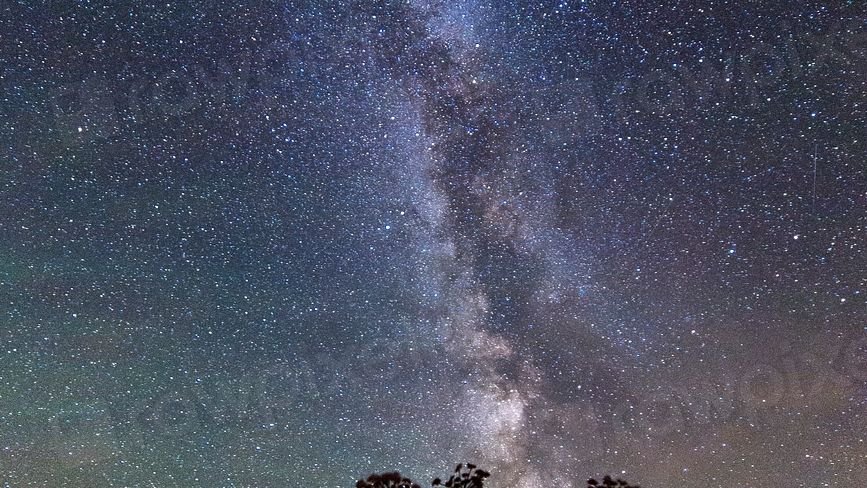

- 15 Times History Was Changed by a Single Speech - September 25, 2026
- “20 Authors Who Captured the American Dream Like No One Else” - September 25, 2026
- 20 Literary Rivalries That Shaped the American Canon - September 25, 2026
Montana isn’t just about pretty postcards and tourist traps. It’s the place where so much of what we associate with the American West was forged, refined, and permanently stamped into the nation’s collective imagination. When you think about the kind of country this is supposed to be, the story often starts here.
The landscape shaped everything. Still does. Those who came to Montana didn’t just visit. They stayed, or they told stories about it that traveled everywhere. This is the state that taught Americans what space really means.
The ‘Big Sky’ Vision of America Started Here
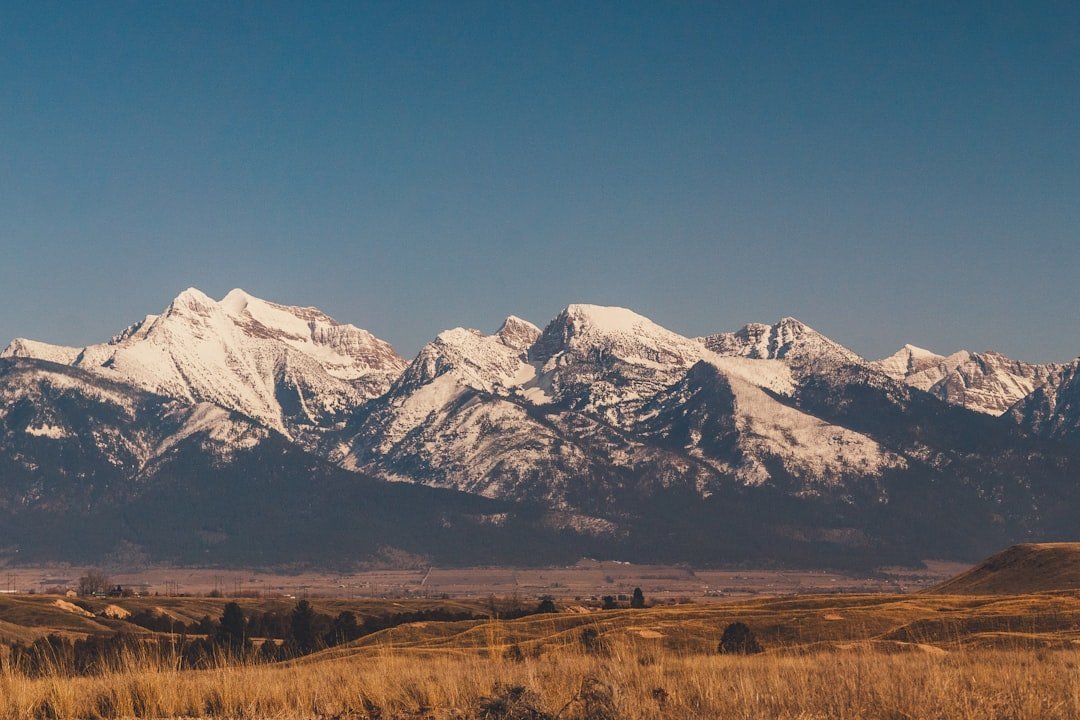
Montana’s nickname ‘Big Sky Country’ was first introduced in 1962 by the Montana State Highway Department in a promotional campaign, gaining wider cultural recognition through A.B. Guthrie, Jr.’s 1947 novel The Big Sky. That phrase wasn’t just advertising. It captured something Americans desperately wanted after decades of crowded cities and industrial sprawl: room to exist without bumping into somebody else.
Montana is called ‘Big Sky Country’ because of its abundance of wide-open spaces and skies that stretch uninterrupted to the horizon, from the biggest national parks, Glacier and Yellowstone, to its mountain ranges, lakes, and expansive prairies. The visual reality here is different from other places. This is where Americans started thinking of freedom not as an abstract idea but as an actual feeling you get when nothing blocks your view.
Let’s be real, Montana shaped the way the entire country imagined itself. When politicians talk about the frontier or opportunity or starting fresh, they’re pulling from a playbook Montana helped write.
Western Films Found Their Most Authentic Backdrop Here
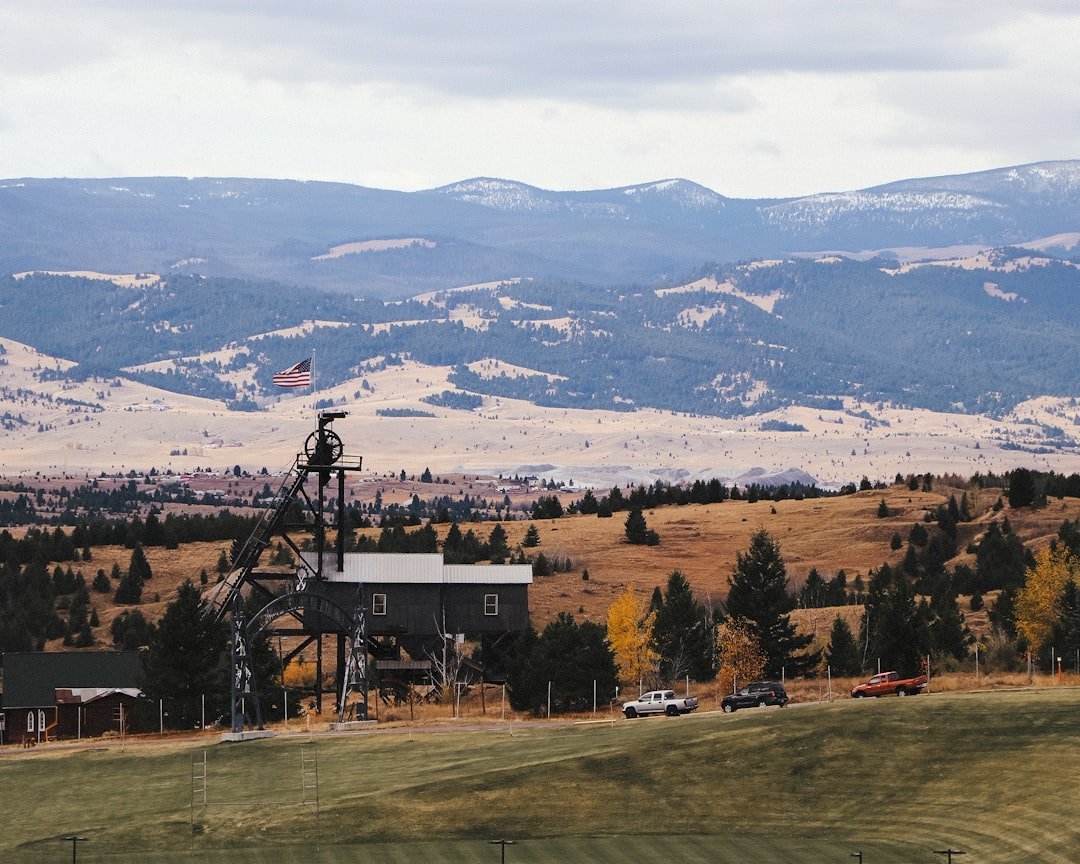
A River Runs Through It, directed by Robert Redford and starring Brad Pitt, won the Academy Award for Best Cinematography in 1993 and has since secured its place in the film canon as an American classic. It wasn’t just the cinematography people responded to. It was that Montana made the movie feel true.
Hollywood knew what it was doing. The Missouri Breaks takes its name from a region in northeastern Montana where the Missouri river has cut deep ‘breaks’ in the landscape, a part of Montana that had always been known for being a bit rough, both in terrain and in culture, serving as a perfect backdrop for this harrowing tale. Directors kept coming back to Montana because nowhere else looked quite as convincing.
The Revenant, inspired by the true story of fur trapper Hugh Glass, delivers a visceral portrayal of survival, revenge, and resilience in Montana’s untamed wilderness, with director Alejandro González Iñárritu capturing the rugged beauty of Montana’s snowy mountains, dense forests, and icy rivers. The rawness wasn’t manufactured. When filmmakers needed authenticity, they came here. Montana didn’t pretend to be something it wasn’t, and that changed what audiences expected from westerns.
Modern Conservation Ethics Took Hold Here
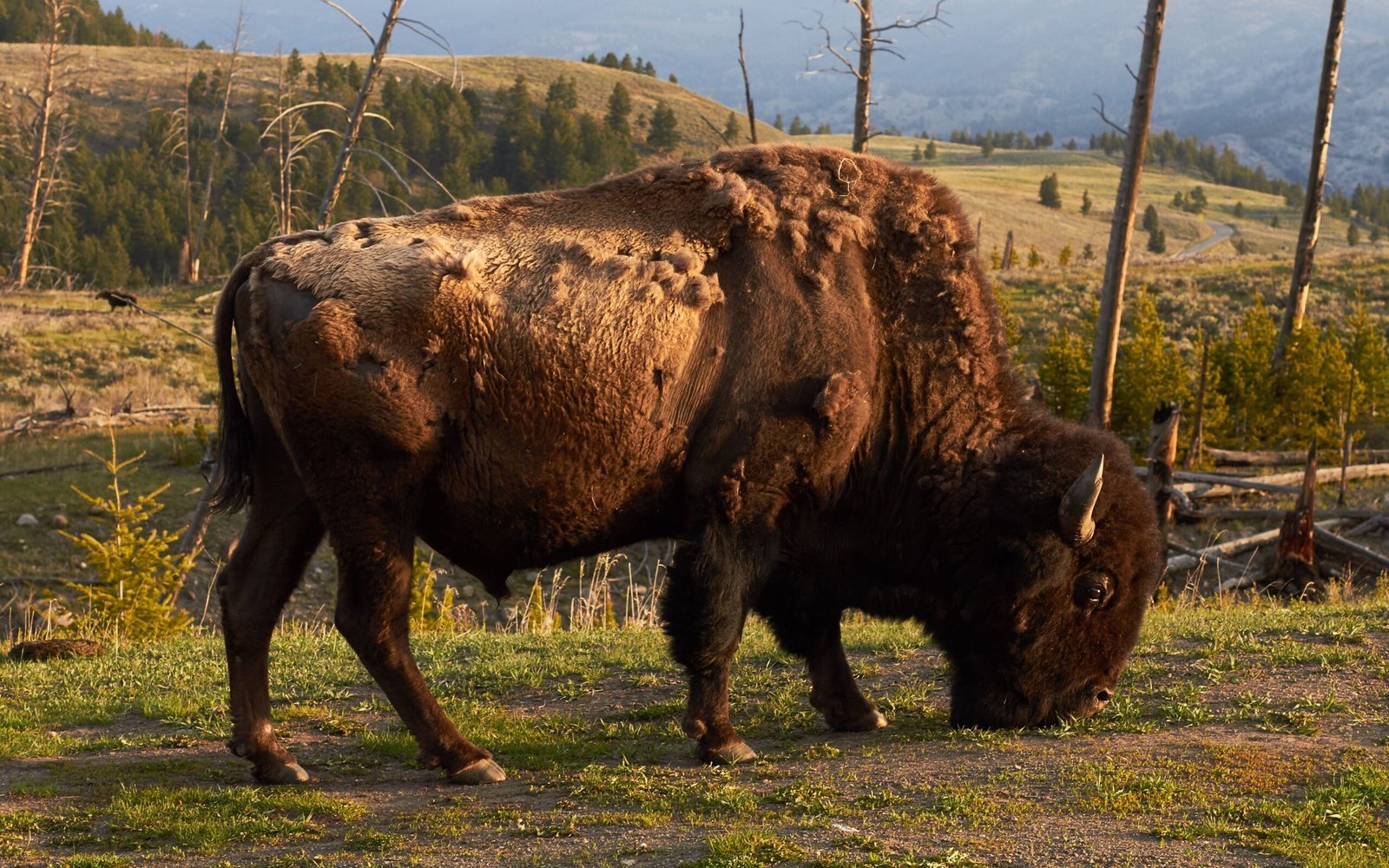
The first national parks, established in 1872 in Montana and Wyoming, was named Yellowstone, with newspapers explaining that the federal government established this area ‘as a public park or pleasuring-ground for the benefit and enjoyment of the people’. That decision rippled through generations. It was the first time America said some places were too valuable to sell or exploit.
The Wilderness Act of 1964 passed the House of Representatives with just one dissenting vote, leading to the designation of 15 wilderness areas in Montana and serving as a model for the Confederated Salish and Kootenai Tribe’s designation of the Mission Mountains Tribal Wilderness. Montana played an outsized role in proving that preservation wasn’t sentimental nonsense. It was survival.
The idea of protecting land instead of just using it up started gaining serious traction here. Montana residents and leaders demonstrated that conservation could be practical, not just idealistic.
The Cowboy Code Became a National Ideal Here
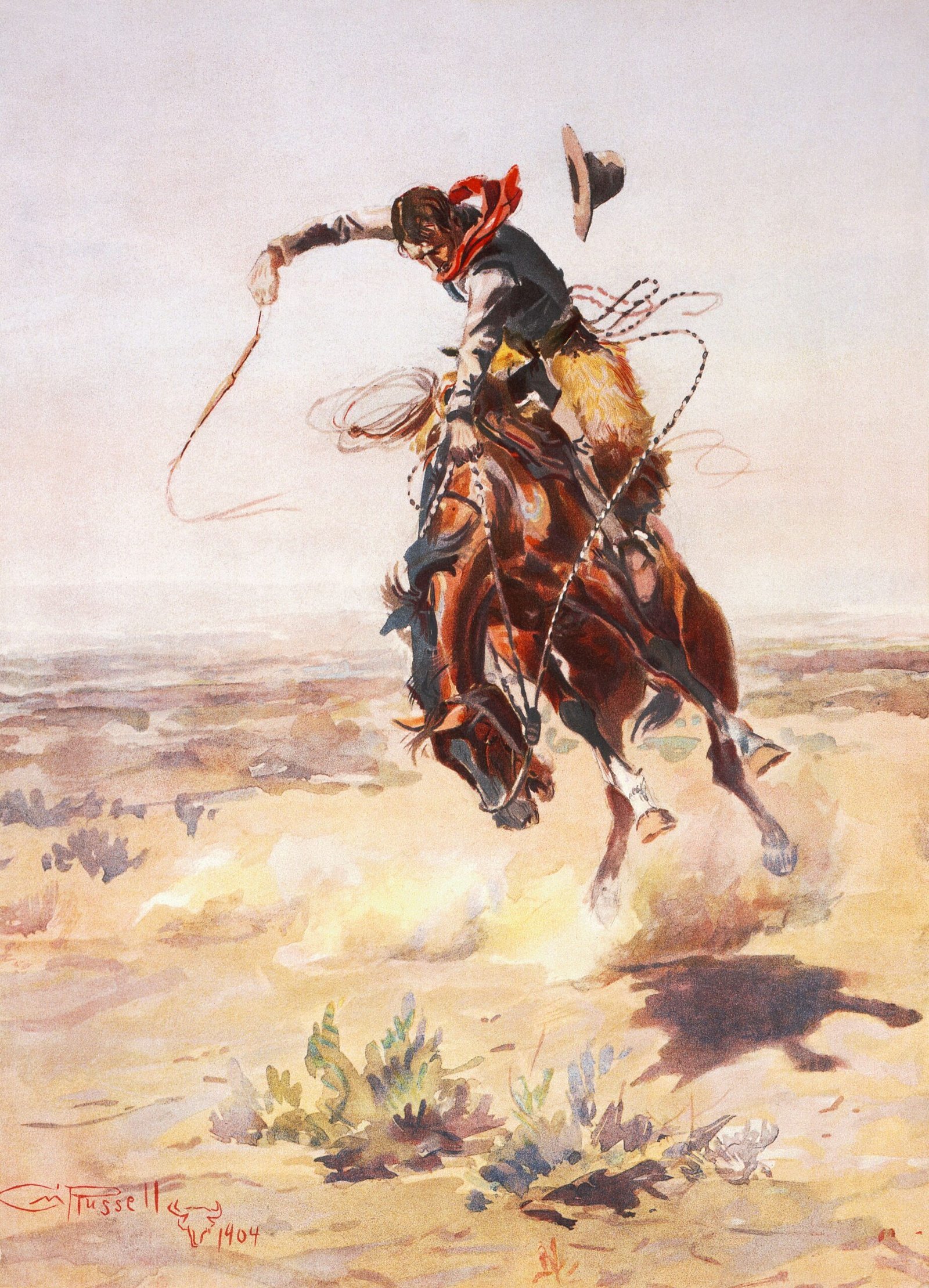
Montana’s ranching culture wasn’t invented for movies. It was built from daily decisions made in brutal weather, on isolated land, with no safety net. Self-reliance wasn’t a slogan. It was how you survived November. Respect for the land wasn’t poetry. It was economics.
Painter and sculptor Charles Marion Russell, known as ‘the cowboy artist’, created more than 2,000 paintings of cowboys, Native Americans, and landscapes set in the Western United States, with the C. M. Russell Museum Complex in Great Falls housing more than 2,000 Russell artworks. Russell documented what he saw, and what he saw became the template Americans used to define toughness, honesty, and integrity.
Quiet strength, the idea that you don’t complain or brag, you just do the work – that’s deeply Montana. It spread outward until those values became shorthand for what Americans admire, even if they’ve never set foot on a ranch.
America’s Love for Uncrowded, Untamed Places Started Here
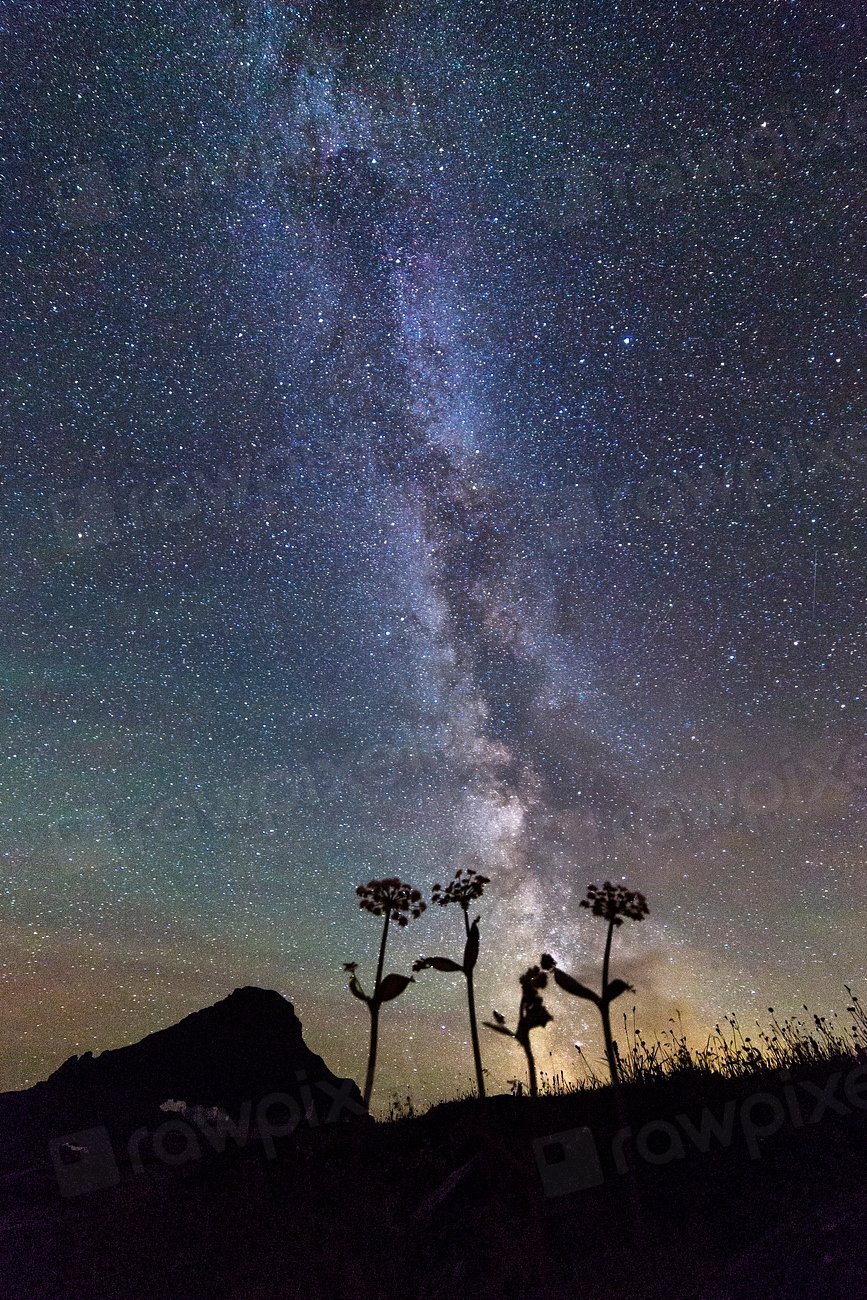
Long before wellness retreats and digital detoxes became trendy, Montana showed that solitude was restorative. Research has found that Montana’s wilderness study areas boast solitude, abundant wildlife and stretches of unsullied land that make them as valuable as many iconic national parks or full wilderness areas. People traveled here not to see monuments or museums, but to experience something missing everywhere else: silence.
Seven of the Montana wilderness study areas boast more ‘intact’ night skies than half of all national parks and wilderness areas, with Yellowstone National Park being among the quietest places in the country. That kind of quiet, that kind of darkness – it changed how Americans thought about travel. Montana proved that sometimes the point isn’t to see things. It’s to step away from everything pressing in on you.
This wasn’t marketed as therapy back then. It was just Montana being Montana. People showed up, felt different, and took that feeling home with them.
Conclusion
When America needed room to breathe, stories that felt honest, and a West that stood for something real, it started in Montana. Not everywhere can claim that.
Montana gave the country an image of itself that still holds power. The Big Sky, the wilderness worth protecting, the cowboy ethic, the peace of being far from crowds – all of that became part of the national identity because Montana lived it first. This wasn’t branding or myth-making. It was geography, necessity, and people figuring out how to exist in a place that didn’t make it easy.
The state shaped how Americans talk about freedom, how they think about nature, and what they imagine when they picture the West. That’s not a small thing. Montana earned the right to be proud of that legacy. Did you expect one state to carry that much weight in the American imagination?

Besides founding Festivaltopia, Luca is the co founder of trib, an art and fashion collectiv you find on several regional events and online. Also he is part of the management board at HORiZONTE, a group travel provider in Germany.
