


- The Hidden Meanings Behind 10 Classic Rock Anthems You Sang Along To - August 15, 2026
- 7 Unsung Heroes of American History Whose Stories Deserve to Be Told - August 15, 2026
- 12 Legendary Duets in Music History That Defined Collaboration. - August 15, 2026
There’s something about places that don’t demand attention. They just work. They build things. They get it done. Minnesota fits that description better than maybe any state in America.
Most people think of cold. They think of snow, accents, and not much else. That’s the thing, though. Beneath the ice and the flat Midwestern humility, Minnesota has been quietly rewriting the American story for over a century. From the objects you touch every day to the way entire cities survive winter, from how rivers are protected to the sounds coming through your headphones right now. Minnesota didn’t just participate in American innovation. In many ways, it led it.
Everyday Objects You Use? They Probably Started Here

Let’s be real. You’ve used a Post-it Note. You’ve probably cursed at masking tape that wouldn’t stick right, or praised Scotch tape for saving a wrapping job. Those weren’t happy accidents from Silicon Valley. They came from 3M in Minnesota, invented by people like Art Fry, who thought up the Post-it note while singing in his church choir and paired it with an adhesive accidentally developed by fellow 3M employee Spencer Silver.
Then there’s the pacemaker. After a 1957 blackout in Minneapolis threatened the treatment of babies with heart conditions, Medtronic created the first battery operated, self-contained, transistorized cardiac pacemaker that could be worn near the patient’s chest without cords. That wasn’t just clever engineering. That was life or death, solved in Minnesota.
The Toro Company created the first home use snow blower in Bloomington in 1951. Of course they did. When you live where winter isn’t optional, you invent the tools to survive it. Ralph W. Samuelson created the first practical water skis in Lake City in 1922, steam bending two eight-foot pine boards. Frederick McKinley Jones developed mechanical refrigeration for trucks in 1938, helping establish Thermo King, which changed global food transport forever.
These aren’t abstract breakthroughs. These are the things that touch your life whether you realize it or not.
Surviving Winter Wasn’t Enough. Minnesota Made It a Lifestyle
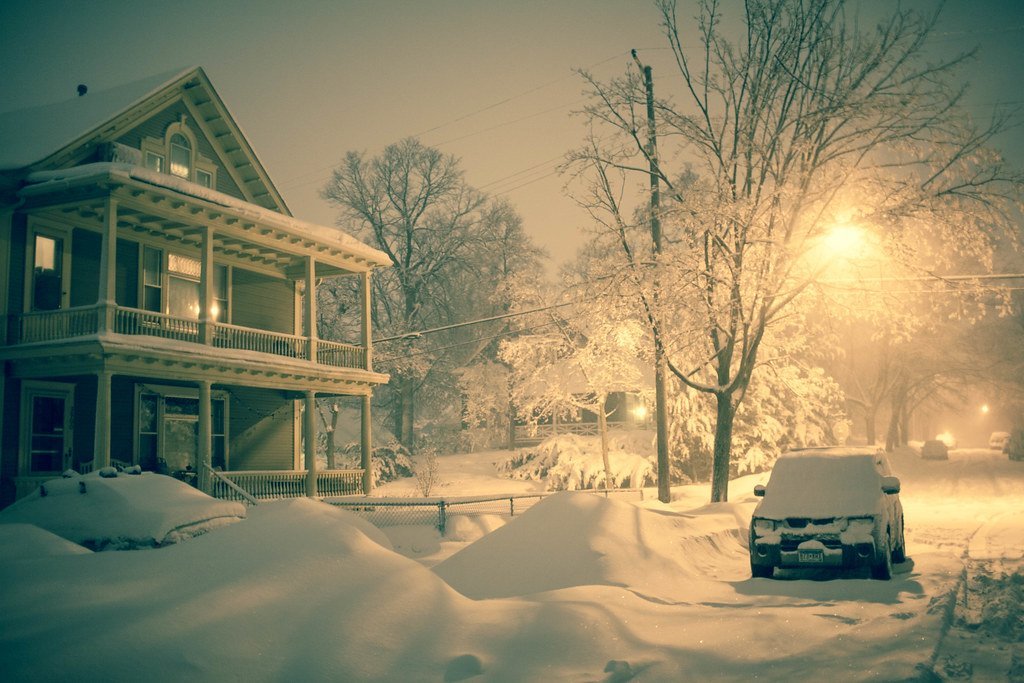
Here’s the thing about extreme cold. It either breaks you, or you learn to build around it. The Twin Cities have the coldest average temperature of any major metropolitan area in the United States, with winter temperatures about equal to those in Anchorage, Alaska.
Most cities would fold. Minnesota leaned in. After a journalist declared St. Paul was ‘another Siberia, unfit for human habitation,’ the city responded in 1886 by building a huge ice palace 106 feet high with ice blocks cut from a nearby lake, beginning the tradition of the Saint Paul Winter Carnival. That’s not just pride. That’s defiance with purpose.
The region reports the coldest average temperatures of any major metropolitan area in the U.S., with cold arctic air masses often transported south due to the surrounding flat terrain with no natural barriers to block it. Instead of retreating indoors for half the year, Minnesota pioneered skyways, heated public spaces, and winter-ready infrastructure that became models for cold-weather cities worldwide. They didn’t just endure winter. They showed the rest of the country how to thrive in it.
Where the Mississippi River Begins, and Why That Matters
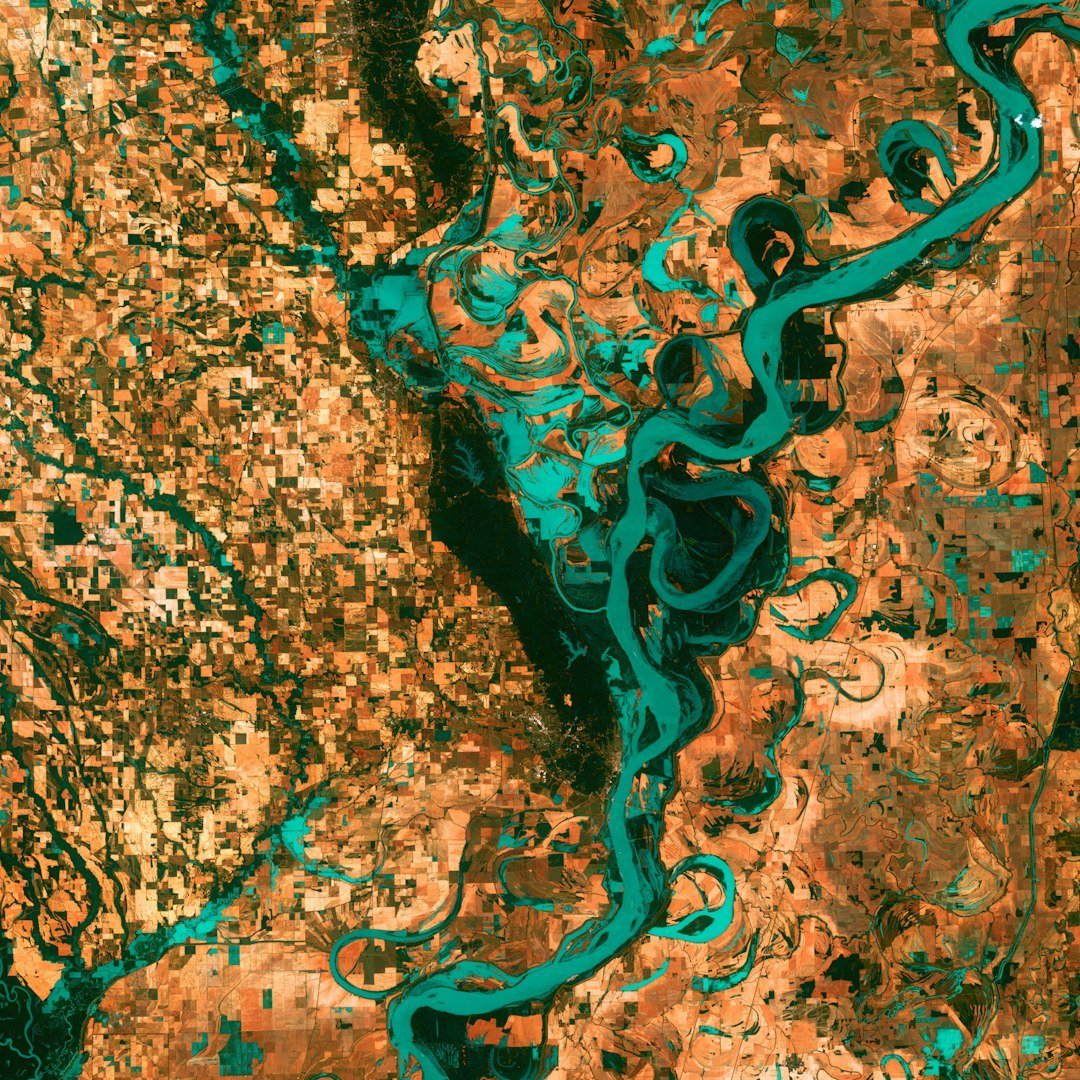
Itasca State Park is home to the headwaters of the Mighty Mississippi River. That’s more than a tourist attraction or a place to take pictures of water trickling over rocks. The Mississippi River’s headwaters area encompasses about one-quarter of the state and is a dynamic and diverse landscape, providing food and habitat for hundreds of species, drinking water for millions of people, and recreational enjoyment for countless others.
The Mississippi River and its almost 13-million-acre headwaters area provide drinking water for 2.5 million Minnesotans – more than 44% of the state’s residents. Minnesota didn’t just sit on this resource. The Mississippi Headwaters Board was formed in 1980 as an alternative to designation of the river into the National Wild and Scenic River System, working to protect and preserve the first 400 miles of the Mississippi River in Minnesota.
That approach became a blueprint. Protect locally. Manage regionally. Think long-term. Minnesota showed that you don’t need federal mandates to do conservation right. You just need people who care enough to act first.
Prince Didn’t Just Make Music. He Rewrote the Rules

Prince pioneered the Minneapolis sound and was influential in the evolution of various other genres of music, born and raised in Minneapolis, Minnesota. This wasn’t just another musician from another city. The Minneapolis Sound, popularized by Prince and his many side bands, defined the sonic landscape of the 1980s and 1990s with its heavy punk and rock-guitar solos, hard-driving funky bass lines, and synth-forward, new-wave pop sensibilities.
Prince was the main creator of the Minneapolis Sound, a blending of rhythm and blues, funk, rock, pop, punk, and new wave that defined the music of the 1980s. He wasn’t blending genres because it was trendy. He was doing it because that’s what growing up in Minnesota demanded. Prince was schooled in black musical forms like R&B, funk, and soul, but there was still only one small, low-frequency black radio station, so he and his contemporaries also listened to rock and folk artists such as Crosby, Stills & Nash, Led Zeppelin, Black Sabbath, Bob Dylan, and Joni Mitchell.
In the twenty-first century, the Minneapolis Sound continues to influence artists like Janelle Monáe, Lizzo, Bruno Mars, and Brittany Howard. Prince didn’t just change music. He redefined creative freedom, fought record labels, and built Paisley Park as a compound where art happened on his terms. That legacy still echoes.
Fargo Made Minnesota the Face of Smart, Humble Storytelling

Fargo was filmed during the winter of 1995, mainly in the Minneapolis-St. Paul area and around Pembina County, North Dakota, due to unusually low snowfall totals in central and southern Minnesota. Ironically, the movie that defined Minnesota’s snowy image had to search for snow.
Though the eponymous city of Fargo is in North Dakota, the vast majority of the film’s action takes place in the Coen’s home state of Minnesota, with its harsh winter weather, unpretentious locals, and Scandinavian-tinged regional accent providing a visually, emotionally, and aurally arresting landscape, epitomized by the intrepid, heavily pregnant local police chief Marge Gunderson.
What Fargo did was give America a new archetype. Intelligence without arrogance. Competence without ego. The influence of Fargo, further empowered by the popular FX TV show of the same name, easily spills over the limits of the world of cinema, as the film’s distinctive dialect and mild-mannered behavior called ‘Minnesota nice,’ as well as its memorable quotes, entered everyday language.
That tone, that sensibility, became the lens through which Minnesota was understood on screen. Not flashy. Not loud. Just capable, grounded, and deeply human. Shows like the Fargo TV series extended that vision. Minnesota became shorthand for a certain kind of smart Midwestern resilience that audiences loved but rarely saw elsewhere.
When America Needed Proof That Cold Wasn’t a Curse
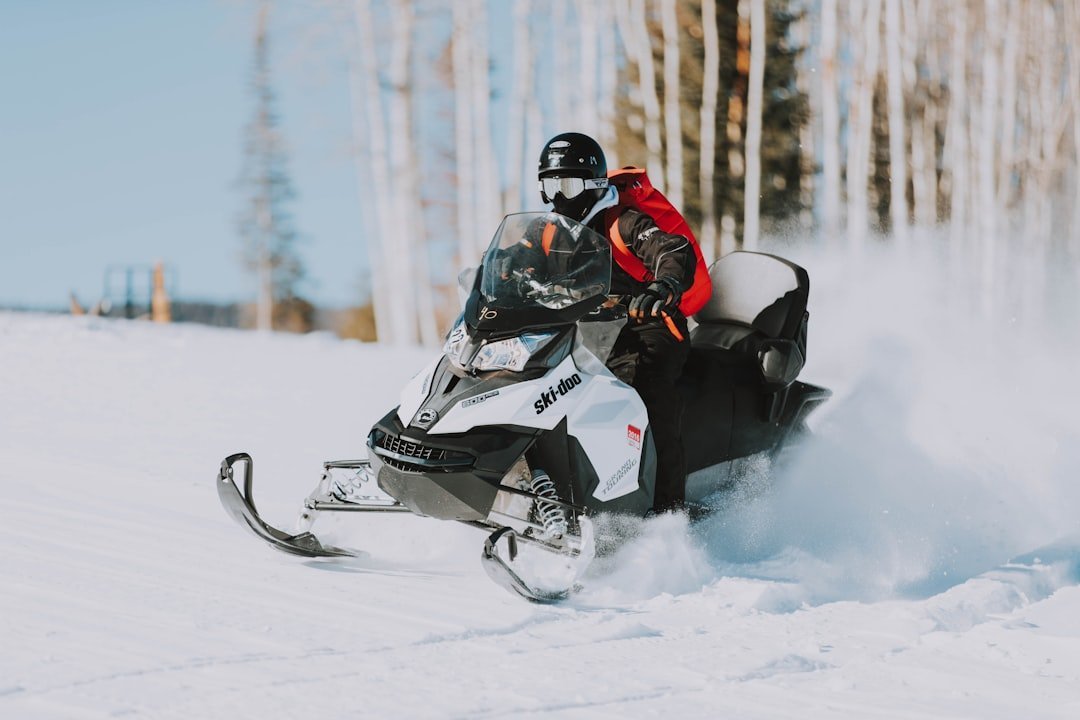
Minnesota never apologized for its winters. It never tried to be California or Texas. It just kept building, inventing, and proving that harsh climates don’t limit ambition. They sharpen it.
From innovations like Scotch tape, water skis, Spam, and the pacemaker to ranking between second and ninth among ‘most innovative states’, Minnesota showed that greatness doesn’t require sunshine or hype. For more than a century, the University of Minnesota has given the world a variety of inventions from lifesaving medical devices to sweet-tart apples and everything in between. That’s a track record that speaks for itself.
When you look at how Minnesota approached cold weather infrastructure, conservation of vital waterways, boundary-pushing music, and storytelling that valued humanity over spectacle, a pattern emerges. Minnesota didn’t wait for permission. It didn’t need validation from coasts or capitals. It just did the work.
What started in Minnesota didn’t stay there. It spread. It scaled. It shaped how America solves problems, how cities adapt to climates, how artists claim creative freedom, and how stories get told with intelligence and humility. Minnesota proved that you don’t need to be the loudest voice in the room to change the conversation. You just need to build things that last, ideas that work, and a willingness to do it without fanfare. That quiet power? That’s the Minnesota difference.

Besides founding Festivaltopia, Luca is the co founder of trib, an art and fashion collectiv you find on several regional events and online. Also he is part of the management board at HORiZONTE, a group travel provider in Germany.
