


- The Hidden Meanings Behind 10 Classic Rock Anthems You Sang Along To - August 15, 2026
- 7 Unsung Heroes of American History Whose Stories Deserve to Be Told - August 15, 2026
- 12 Legendary Duets in Music History That Defined Collaboration. - August 15, 2026
Think about the last time you got in a car. Turned on the radio. Bought something you could actually afford with your paycheck. None of that would look the same without one state in America. Michigan didn’t just witness history. It built the framework for modern life.
Let’s be real, most states can claim a historical moment or two. Yet Michigan’s fingerprints are all over the machinery of how we live today. This isn’t about nostalgia or boosterism. It’s about understanding where fundamental pieces of American culture, economy, and identity actually came from.
The Assembly Line Changed Everything
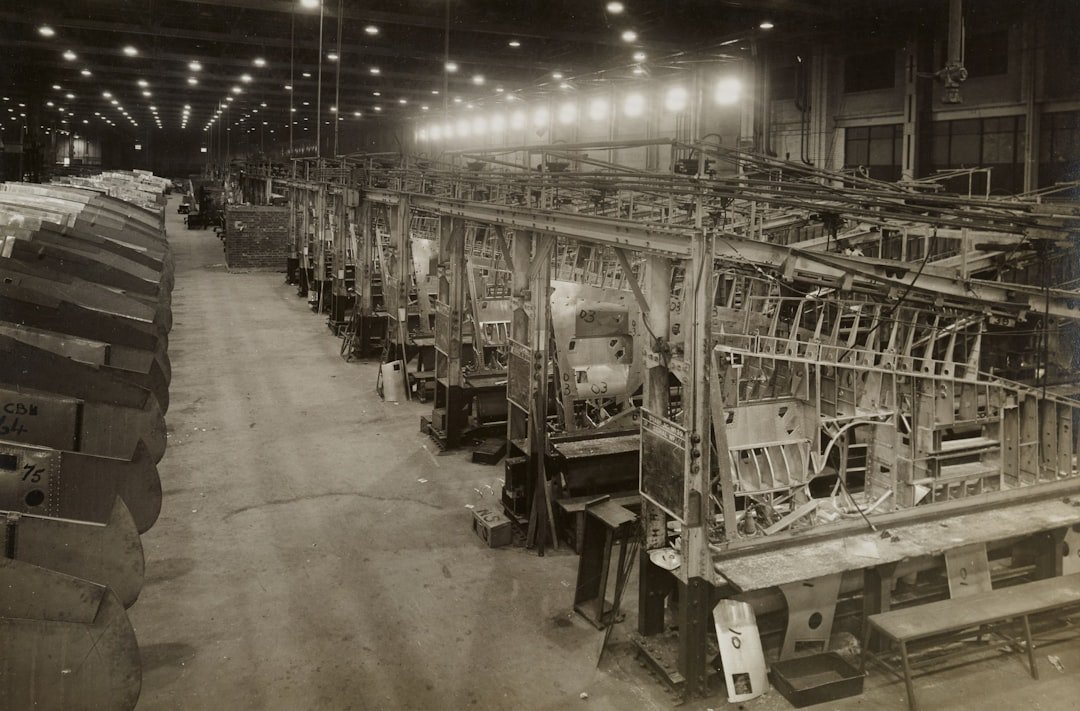
Henry Ford revolutionized car production with the introduction of the moving assembly line in 1913, but honestly, this wasn’t just about cars. This innovation drastically reduced the time and cost of manufacturing, making cars affordable for the average American.
Before Ford’s Highland Park factory, building things meant skilled craftsmen working slowly on individual pieces. What took workers 12.5 hours to assemble was reduced to just 93 minutes. That’s not a small improvement. That’s a wholesale rethinking of how humans make things.
The affordable Model T changed the landscape of America, hastening the move from rural to city life, and the moving assembly line spurred a new industrial revolution in factories around the world. Suddenly, the distance between wanting something and getting it collapsed. Michigan made that happen.
High Wages Built the Middle Class
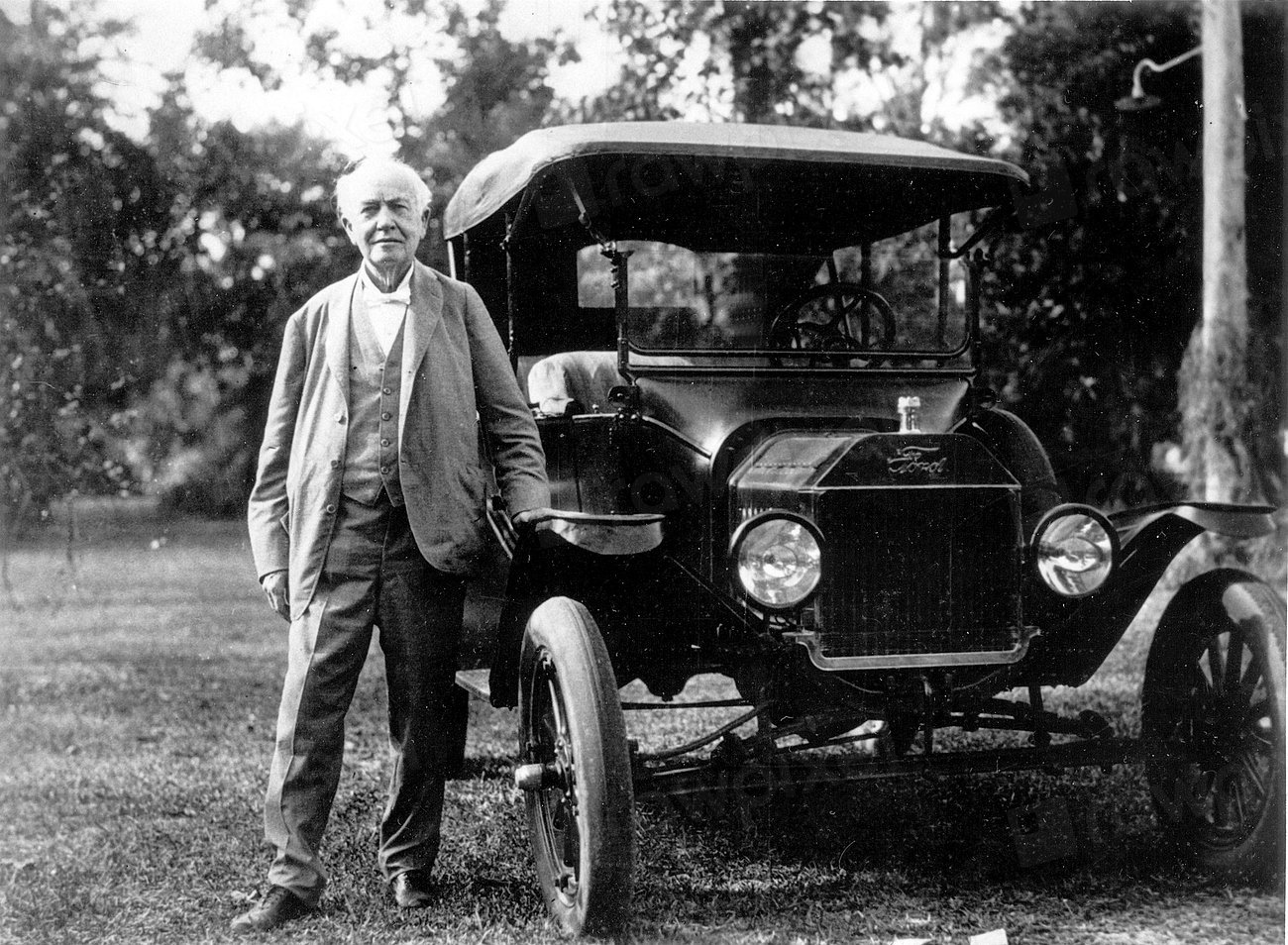
Here’s something that gets forgotten: In January 1914, Henry Ford started paying his auto workers a remarkable $5 a day, doubling the average wage helped ensure a stable workforce and likely boosted sales since the workers could now afford to buy the cars they were making. This wasn’t charity. It was strategic.
An industrial middle class emerged, and an economy that was driven by consumer demand, according to labor economists. The industry paid high wages, which allowed many automotive workers to become members of the middle class.
Workers could suddenly own homes. Send kids to school. Take vacations. Not only did men work shorter shifts for a lot more money but also their wives and children didn’t have to work anymore, workers were finally able to afford the cars they built, and the middle class in America was born.
The Great Lakes Became an Industrial Highway
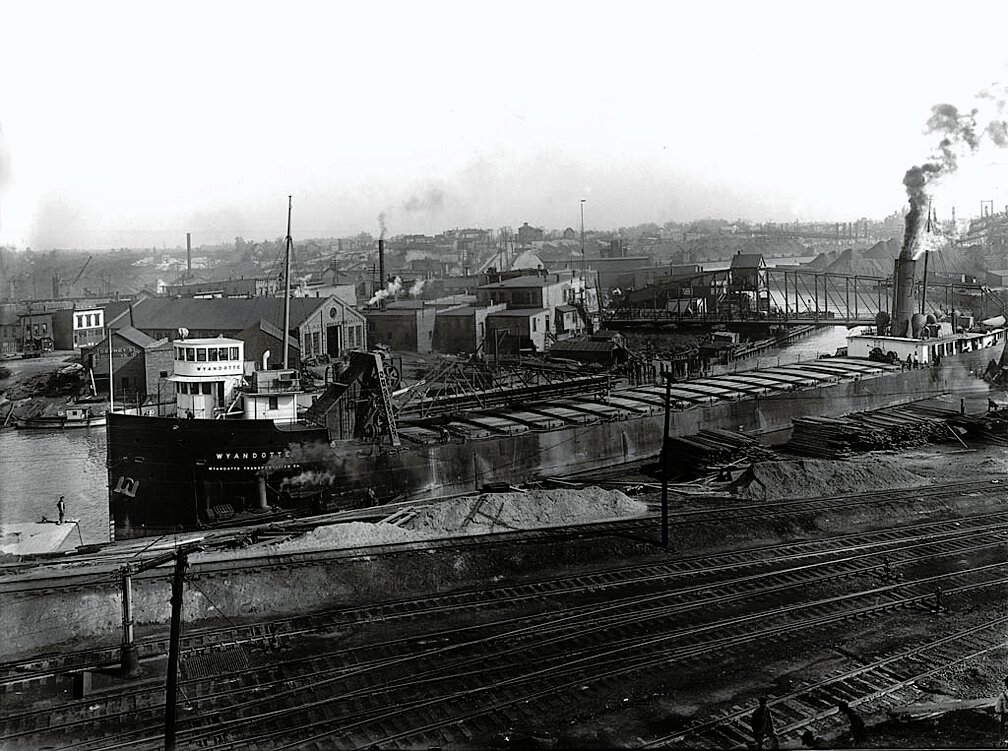
Geography mattered more than people think. Located at the heart of four of the five Great Lakes, Michigan had unparalleled access to the raw materials and transportation networks needed to revolutionize mobility. Iron ore, coal, timber – everything Michigan needed to build an empire arrived by water.
The iron ranges around Lake Superior have been the principal source of ore for North America for more than a century, and the economy of shipping large quantities of ore on the Great Lakes – plus the abundant supply of high quality water for processing it – have made the region a center of iron and steel production.
The region’s other major industries include automobile manufacturing, heavy machinery, paper mills, metalworking and shipbuilding, and some 163 million tons of grain, iron ore and other commodities are shipped across the Great Lakes each year. Michigan sat at the center of this massive web of production and distribution.
Motown Rewrote America’s Soundtrack
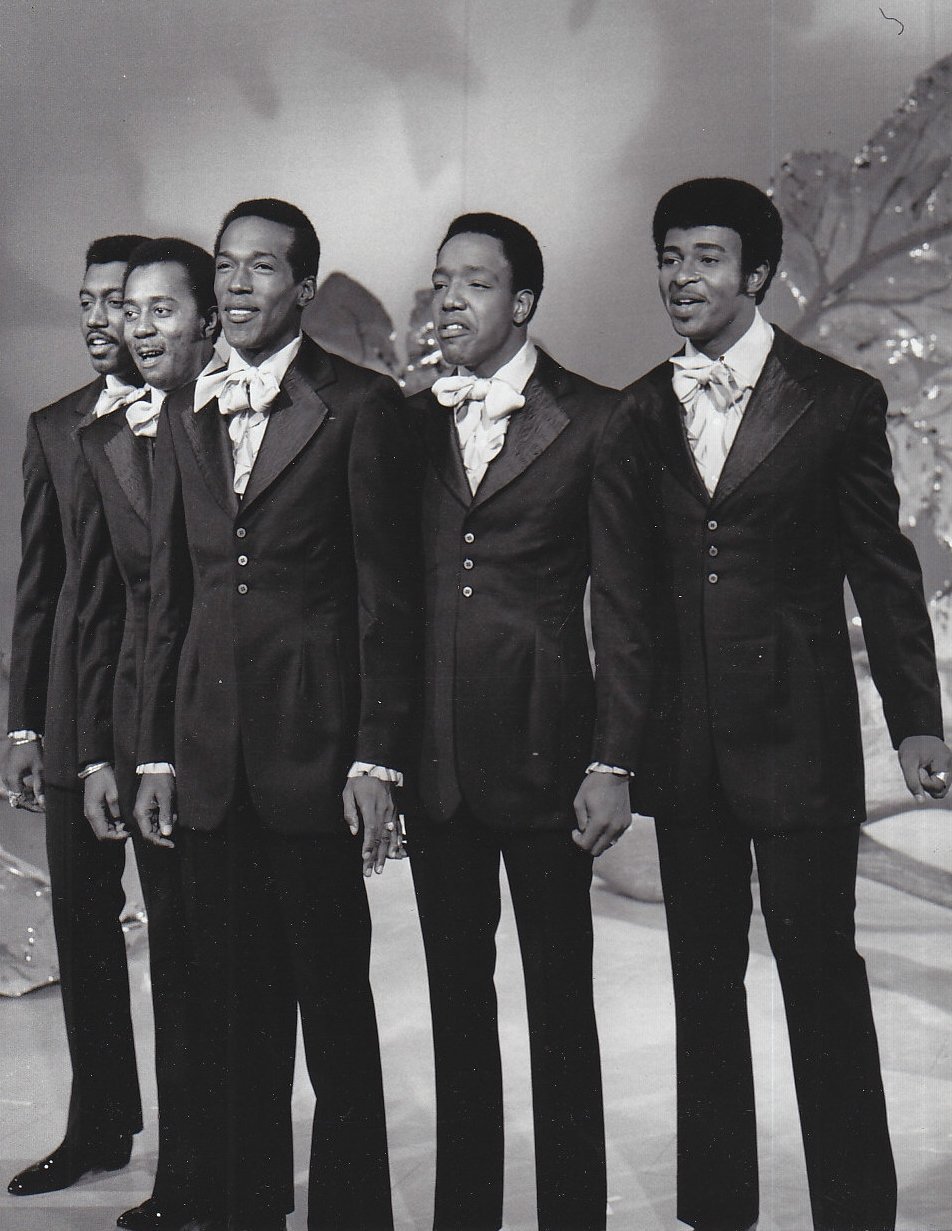
While Michigan was transforming how things got made, it also changed how things sounded. Berry Gordy founded Tamla Records on January 12, 1959, adding the Motown label later that year. It honestly sounds too neat to be real, but Detroit became the birthplace of both the car and soul music.
The music had enormous success in crossing over to White audiences and is credited with breaking down barriers with music, and many Motown acts were popular with both Black and White audiences. This was during the civil rights era. Music from Michigan studios helped bridge racial divides when little else could.
During the 1960s Motown became one of the reigning presences in American popular music, along with the Beatles. Think about that. A record label from Detroit rivaled the biggest band in human history. Artists like Stevie Wonder, Marvin Gaye, Diana Ross, The Temptations, and countless others emerged from one building in Detroit.
The Culture of Work Was Redefined
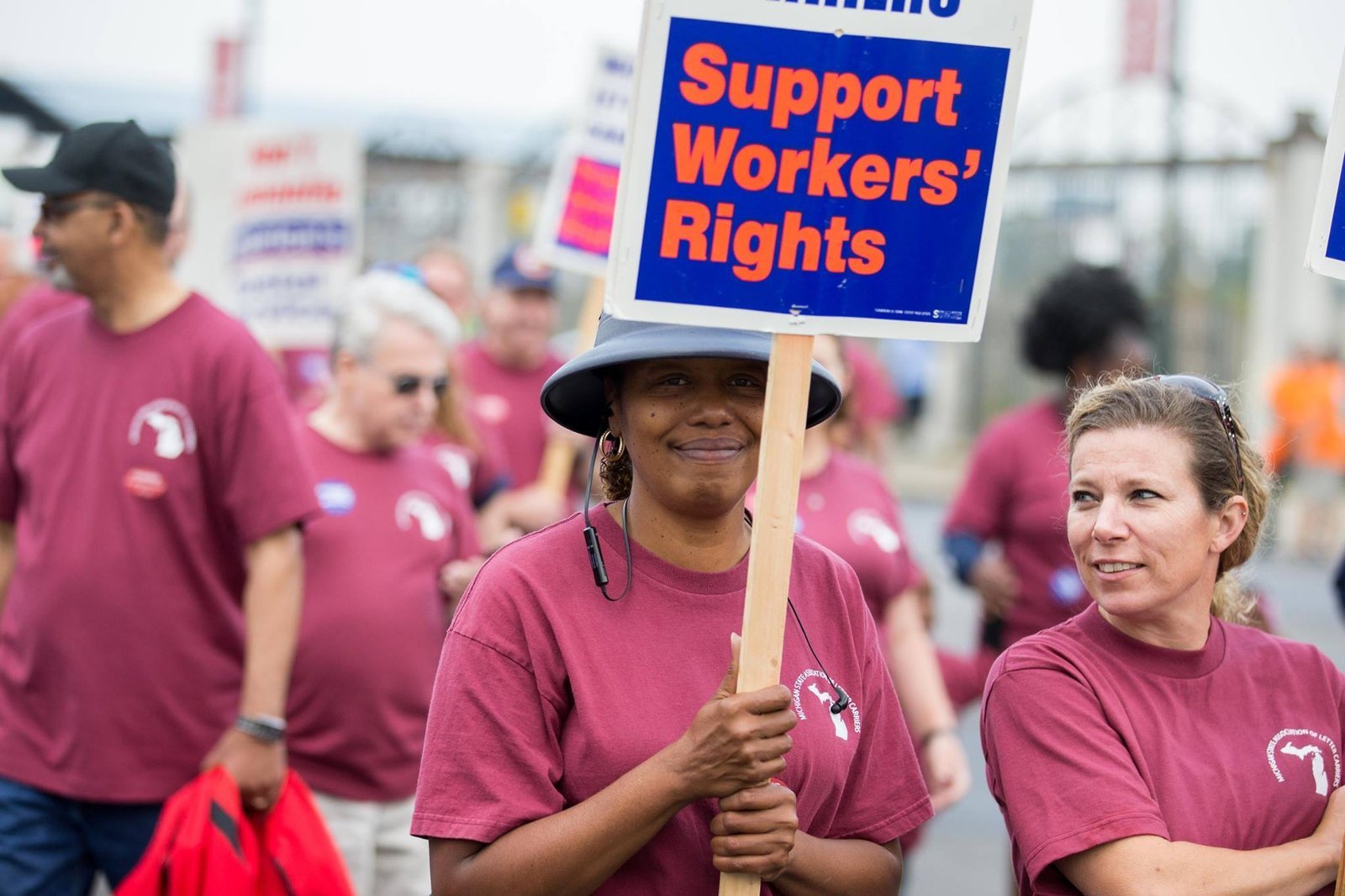
The United Automobile Workers, headquartered in Detroit, is one of the oldest and strongest labor unions in the country. Michigan workers didn’t just accept the terms they were given. They fought for better conditions, safer factories, fair pay.
By 1941, after a hard-won victory at Ford, the UAW negotiated contracts with every major auto firm, and by the end of the 1940s, the Big Three offered generous wages and extensive benefits that made auto workers among the best paid in the country.
The 40-hour workweek. Overtime pay. Health insurance. Pensions. These accomplishments of the workers who joined together in solidarity came from Michigan factories. When people talk about labor rights in America, they’re talking about battles won in Detroit.
Detroit Became a Symbol on Screen

Hollywood loves Detroit for a reason. This period, known as the ‘Arsenal of Democracy,’ showcased the state’s manufacturing prowess during World War II when factories pivoted to making tanks and planes. That resilience, that grit became part of America’s self-image.
Films set in Michigan cities tell stories about reinvention and struggle. The backdrop of shuttered factories and comeback narratives mirrors what many Americans feel about their own lives. Detroit represents the promise of hard work, the pain of economic shifts, and the stubborn refusal to disappear.
Henry Ford’s movable assembly line drew on regional experience in revolutionizing the modern era of mass production manufacturing. The industrial landscape itself – those massive plants, those assembly lines – became iconic visual shorthand for American manufacturing power.
Michigan’s Role Often Gets Overlooked
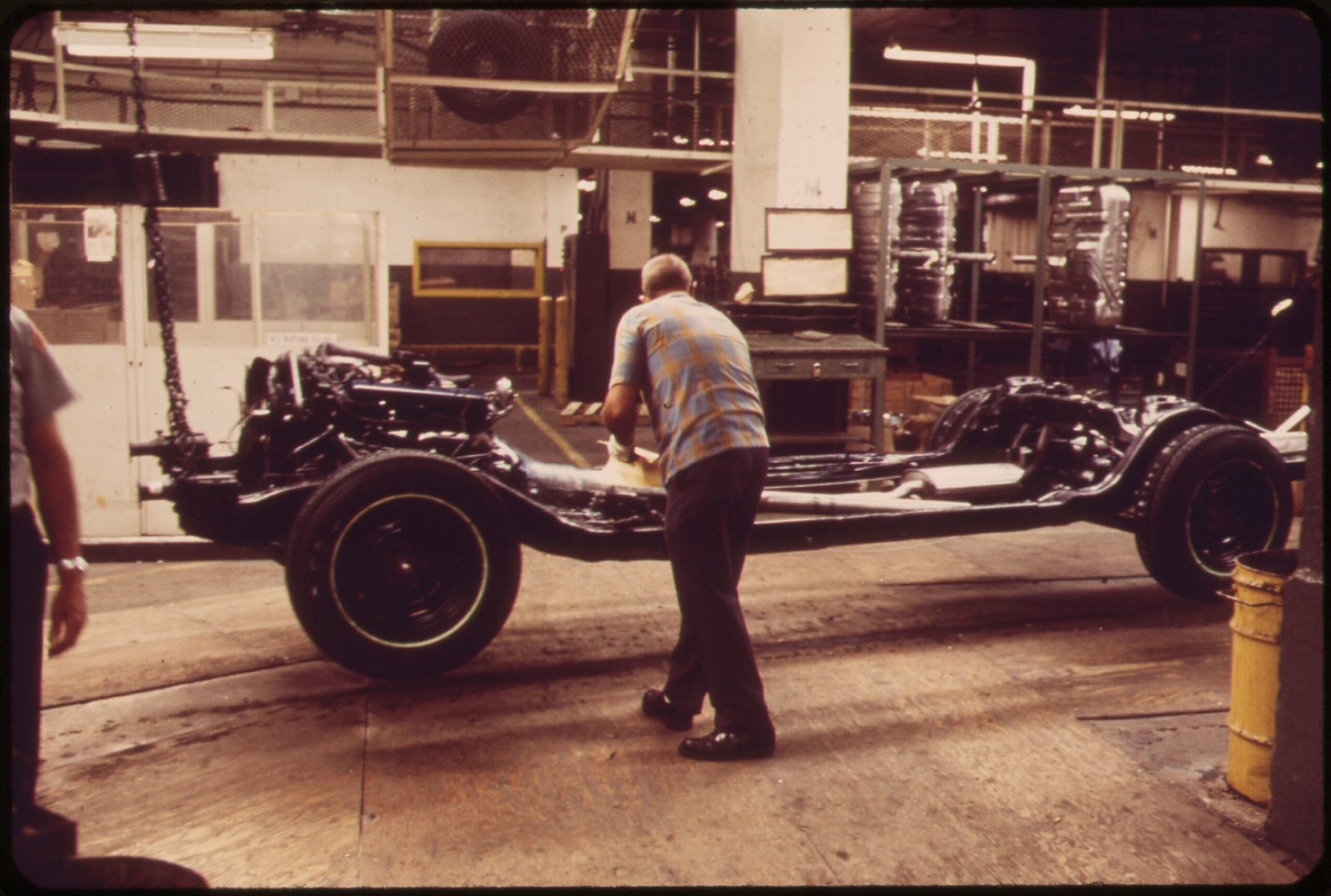
Here’s the thing that frustrates me a bit. By 1940, 60% of the world’s automobiles were assembled in Michigan and nearly all passenger car manufacturers had plants within 250 miles of Detroit. Sixty percent of the world. Yet somehow, the story gets reduced to a few famous names instead of recognizing the thousands of workers, engineers, and families who made it real.
The lure of lucrative employment drew thousands of workers to Michigan, thus making the auto industry a driving force in the growth of the state’s major cities. People migrated from the South, from Europe, from rural areas because Michigan represented possibility.
The state proved that innovation plus labor plus natural resources could remake society. Not perfectly, not without costs, but undeniably.
The Legacy Continues

Michigan’s contributions didn’t stop in 1960 or 1970. Great Lakes manufacturers added 350,000 new jobs from 2010 to 2015, and Michigan had seen a comeback in automobile manufacturing, which has also had positive ripple effects. The story isn’t over.
Today’s innovations in electric vehicles and autonomous driving are still happening in Michigan. Michigan is still home to 27 assembly plants and more than 2,200 facilities for automotive research, and Michigan’s auto plants produce about 20% of the vehicles produced in the U.S.
The lessons from Michigan’s history – that investing in workers creates prosperity, that innovation requires risk, that culture and economy intertwine – remain relevant. Other states and nations still study what happened in Detroit to understand how industries rise and fall.
Why Michigan Residents Should Feel Proud

When America needed to figure out how to manufacture at scale, the answer came from Michigan. When the country needed music that could unite people across racial lines, Detroit delivered. When workers needed proof that organizing could improve their lives, Michigan showed the way.
Motown became a symbol of Black excellence, entrepreneurship, and unity. The auto industry became a symbol of American ingenuity and productive capacity. Both emerged from the same state, often the same city, sometimes within miles of each other.
That’s not coincidence. That’s culture. Michigan fostered an environment where big ideas about production, fairness, and creativity could take root and flourish. The impact rippled outward for generations.
So yeah, Michigan residents have monumental reason to feel proud. Their state didn’t just participate in American progress. It drove it, soundtracked it, and proved that ordinary people doing extraordinary work can reshape the world. What do you think Michigan’s next chapter will look like?

Besides founding Festivaltopia, Luca is the co founder of trib, an art and fashion collectiv you find on several regional events and online. Also he is part of the management board at HORiZONTE, a group travel provider in Germany.
