

- 20 Forgotten Writers Who Invented Modern Genres - September 21, 2026
- 10 Opening Lines That Were the Author’s Second Choice - September 21, 2026
- The 20 Quietest Songs That Leave the Loudest Impression - September 21, 2026
There’s something about land that juts into the ocean. The Atlantic slaps its coastline. Wind cuts through everything. People who live at an edge develop a certain way of moving through the world, something the rest of the country eventually recognizes as real.
Maine didn’t just sit at the corner of a map. It sent ideas, industries, and attitudes outward. Some of it traveled on ships. Some of it traveled through stories. The rest traveled as a way of being that felt familiar to people thousands of miles away. Let’s be real, you don’t spend centuries pulling lobsters out of freezing water and building ships in all weather without learning a few things about what matters.
America’s Maritime Way of Life Took Shape Here
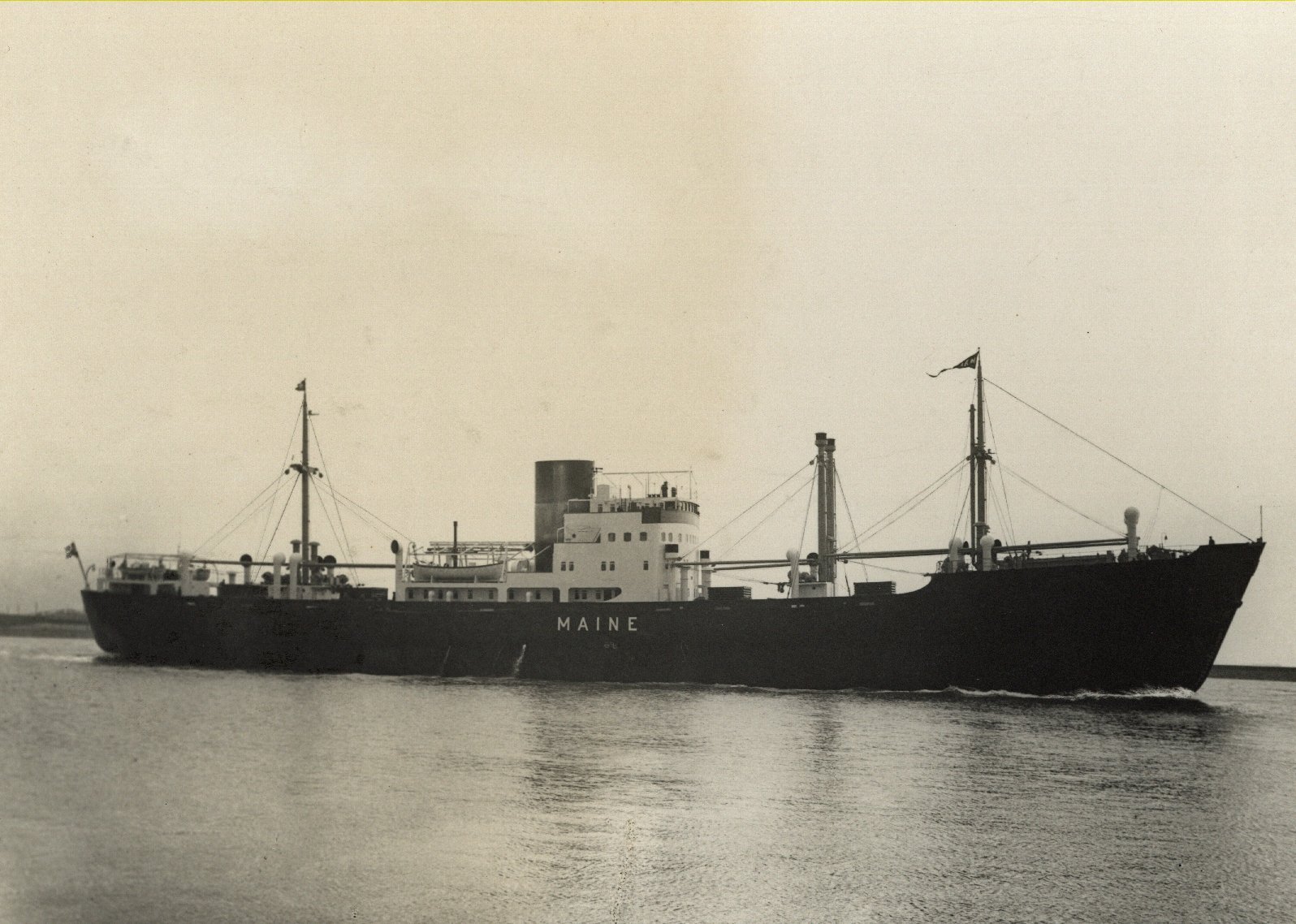
Maine built the first oceangoing vessel constructed by the English on the North American mainland at the Popham colony in 1607, and the industry would eventually launch 20,000 ships within the state. That’s not an accident. Maine’s long, indented coast gave rise to a vigorous fishing industry, and the Gulf of Maine was among the world’s most productive fisheries.
Coastal towns developed rhythms tied to tides, fish migration, weather patterns. The yearly round of fishing, farming, woodcutting, and trading followed the natural cadences of season, tide, weather, fish migration, and growing season, and the advantage of this way of life was the independence it brought. Mainers grew food, built homes, harvested firewood, fashioned tools, and constructed boats themselves.
At its peak, Maine provided one-fifth of the fish product produced in America, a vital source of protein for the nation. The skills that emerged from this environment weren’t just technical. They were cultural. After the Civil War, more than half of the ocean-going wooden sailing vessels in the US were built in Maine, and the majority of these were built in Bath.
The Lobster Industry Became an American Icon Here
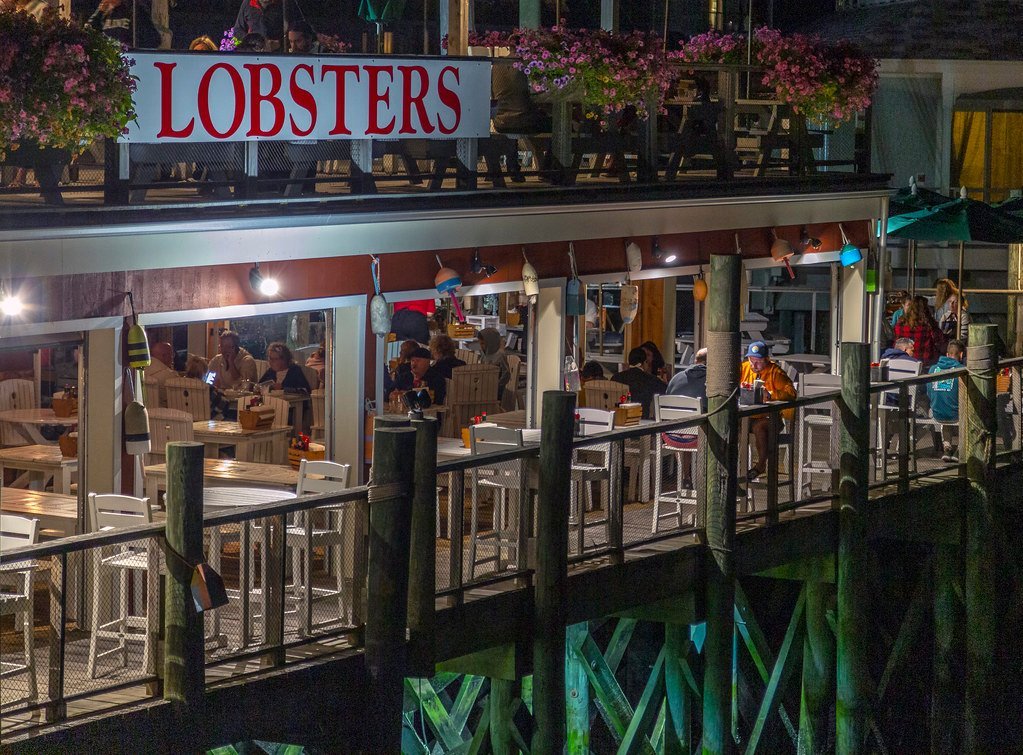
Once, lobsters piled on shores after storms. Long ago, lobsters were so plentiful that Native Americans used them as fertilizer and bait, and after storms, hundreds of lobsters would wash onto the shore in piles. Nobody called it luxury. Poor families ate it because it was there.
Then something shifted. The Rockefellers had their cottage in Bar Harbor and they became enamored of lobsters and they would serve them to all their guests, and it became a status symbol. Transportation improved. Railroads carried lobsters packed in ice to inland markets. First came fishing boats called smacks that had a tank that circulated sea water, then railroads followed, which carried lobsters packed in barrels of ice to feed people living a day or two away from the coast.
Lobster has become a symbol that evokes Maine’s pristine, cold waters and the story of the Maine lobster fisherman as an independent businessman, a captain of his own destiny who is deeply rooted in close-knit communities. The industry grew beyond economics into identity. Lobster is a top economic driver for the state of Maine, and in 2024, the industry brought in over $709,000,000. That’s not just seafood. That’s a way of life turned into national shorthand.
Modern American Storytelling Found Its Dark, Human Voice Here
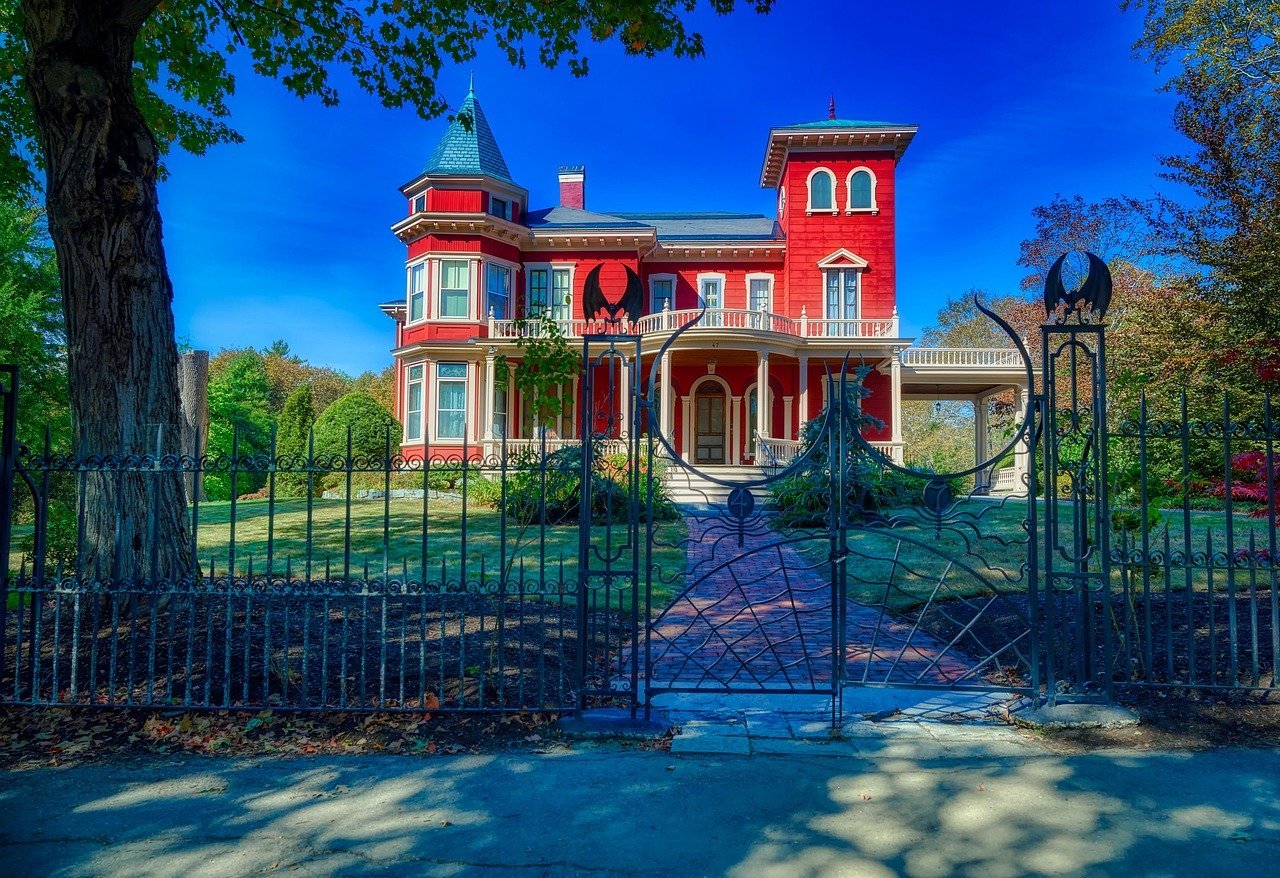
Let’s talk about Stephen King. Stephen King’s prolific body of work is revered for its creativity, and many of his most famous stories have something in common: they take place in Maine, with a staggering number of his 64 published novels set there. The most common theory about Stephen King’s frequent Pine Tree State setting is simple: he is a Maine native, born in Portland, Maine and a graduate of the University of Maine.
The setting is more than personal convenience. Outside of Maine being the place King hails from, the state possesses many qualities that naturally lend themselves to scary stories: given its relative isolation from the rest of the United States, its sparse population, small towns, and rich history, Maine is the perfect setting for King’s horror books and movies.
Joyce Carol Oates said that Stephen King’s characteristic subject is small-town American life, often set in fictitious Derry, Maine; tales of family life, marital life, the lives of children banded together by age, circumstance, and urgency, where parents prove oblivious or helpless. King took isolation, economic struggle, and working-class grit and turned them into literature that resonates globally. His fictional towns like Derry and Castle Rock became as recognizable as actual places. Generations of films followed. It, Pet Sematary, Carrie, Stand by Me. All rooted in Maine soil. The landscape shaped not just setting but tone.
National Parks for Everyday Americans Started Here
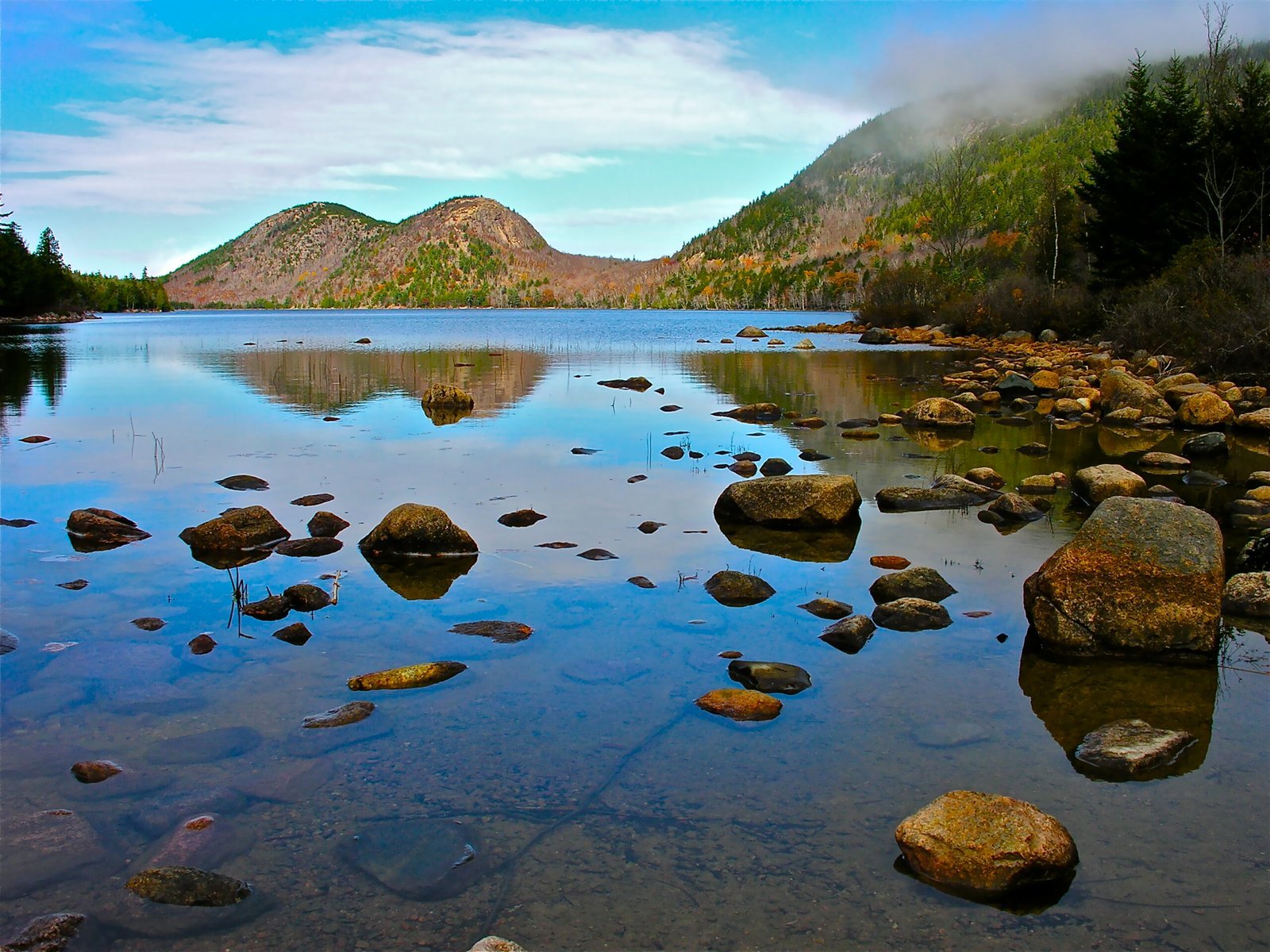
Many conservation-minded citizens worked to establish this first U.S. national park east of the Mississippi River and the only one in the Northeastern United States, which became the first national park in the eastern United States as Lafayette National Park in 1919. In 1901, disturbed by the growing development of the Bar Harbor area and the dangers he foresaw in the newly invented gasoline-powered portable sawmill, George B. Dorr and others established the Hancock County Trustees of Public Reservations, and the corporation acquired 6,000 acres by 1913.
Acadia wasn’t about towering monuments or impossibly distant wilderness. Acadia National Park was not only the first eastern national park; it was also the first national park with land donated entirely by private citizens. It offered rocky coasts, forests, lakes nestled among hills. Places ordinary people could walk, not just gaze at.
John D. Rockefeller, Jr. donated more land than anyone else – 10,000 acres – and he also envisioned a system of carriage roads that would traverse the interior of the island but forever be closed to automobiles, and from 1913 to 1940, Rockefeller oversaw 45 miles of 16-foot-wide gravel roads connected by 16 bridges. The emphasis was accessibility, preservation of beauty in reach. Acadia proved that protection didn’t require grandeur measured in vertical feet. It required care applied to where people actually lived and visited.
The ‘Leave Me Alone, I’ll Handle It’ Mindset Was Perfected Here
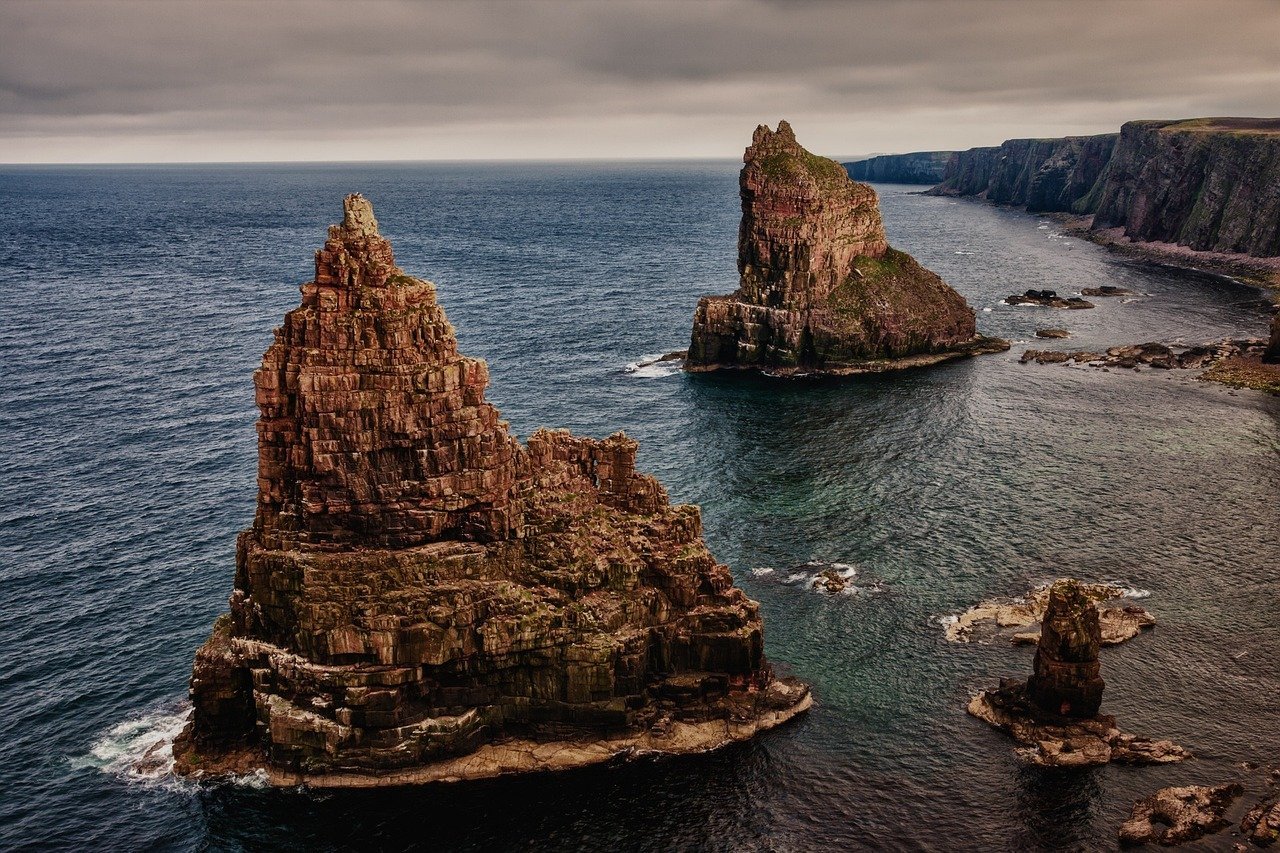
Here’s the thing about Maine’s character. It wasn’t invented. It was earned. Geography and weather create a certain stock of people, and Maine’s precarious location to extreme and turbulent conditions, be it the arctic mountain chill or the coastal Nor’easter, have forced centuries of Mainers to live a hardscrabble life of survival. You can’t fake that kind of resilience.
Proud Mainers say Mainers are more independent, tougher, more practical, more connected to each other, more inventive, and more humble than residents of other states. It’s not bragging if it’s true. Villagers grew their own food, built their own homes, harvested their own firewood, fashioned their own tools, and built their own boats, and independence was not a genetic characteristic of the Downeast Yankee but part of a broader pattern of responses to environmental and economic conditions.
This wasn’t rugged individualism as performance. It was practical necessity refined into personality. Mainers developed a reputation for capability paired with humility, for self-sufficiency that didn’t require announcement. That mindset traveled. It became part of how Americans understand themselves when they talk about making it on their own, about doing what needs doing without waiting for permission or help. The values didn’t stay coastal. They diffused into national identity, recognized instantly even by people who’ve never set foot in New England.
Conclusion
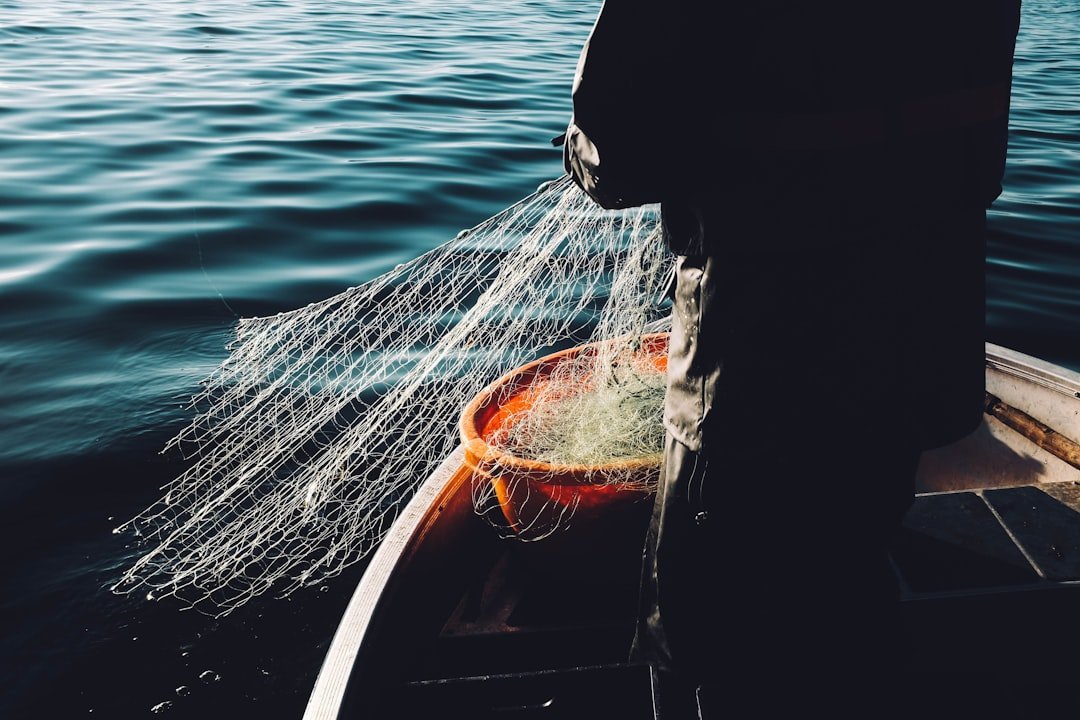
When you trace the threads, you see it clearly. America needed models for how to work the water, how to turn regional food into cultural symbol, how to tell stories that felt human and real even when monsters lurked in sewers. It needed proof that protecting nature didn’t require leaving it untouched. It needed examples of people who handled hardship without melodrama.
Maine provided all of that. Not because anyone planned it. Because geography, necessity, and generations of people living at the edge created something the rest of the country recognized as valuable. The lobster boats still go out before dawn. The stories keep getting told. The independence remains, quiet and certain.
What do you think? Did you expect Maine’s fingerprints on so much of American culture?

Besides founding Festivaltopia, Luca is the co founder of trib, an art and fashion collectiv you find on several regional events and online. Also he is part of the management board at HORiZONTE, a group travel provider in Germany.
