

- 20 Forgotten Writers Who Invented Modern Genres - September 21, 2026
- 10 Opening Lines That Were the Author’s Second Choice - September 21, 2026
- The 20 Quietest Songs That Leave the Loudest Impression - September 21, 2026
There’s something about a place that gets under your skin. Some regions merely exist while others define entire chapters of a nation’s story. Kentucky isn’t loud about it, not in an obvious way. Yet when you look at what makes America feel like America, from the thunder of hooves at the Derby to the amber burn of bourbon in your glass, you keep circling back to this one state.
Let’s be real: Most traditions fade or morph beyond recognition. These ones stuck. They didn’t just survive; they became the gold standard.
Where the Greatest Two Minutes in Sports Became a National Obsession
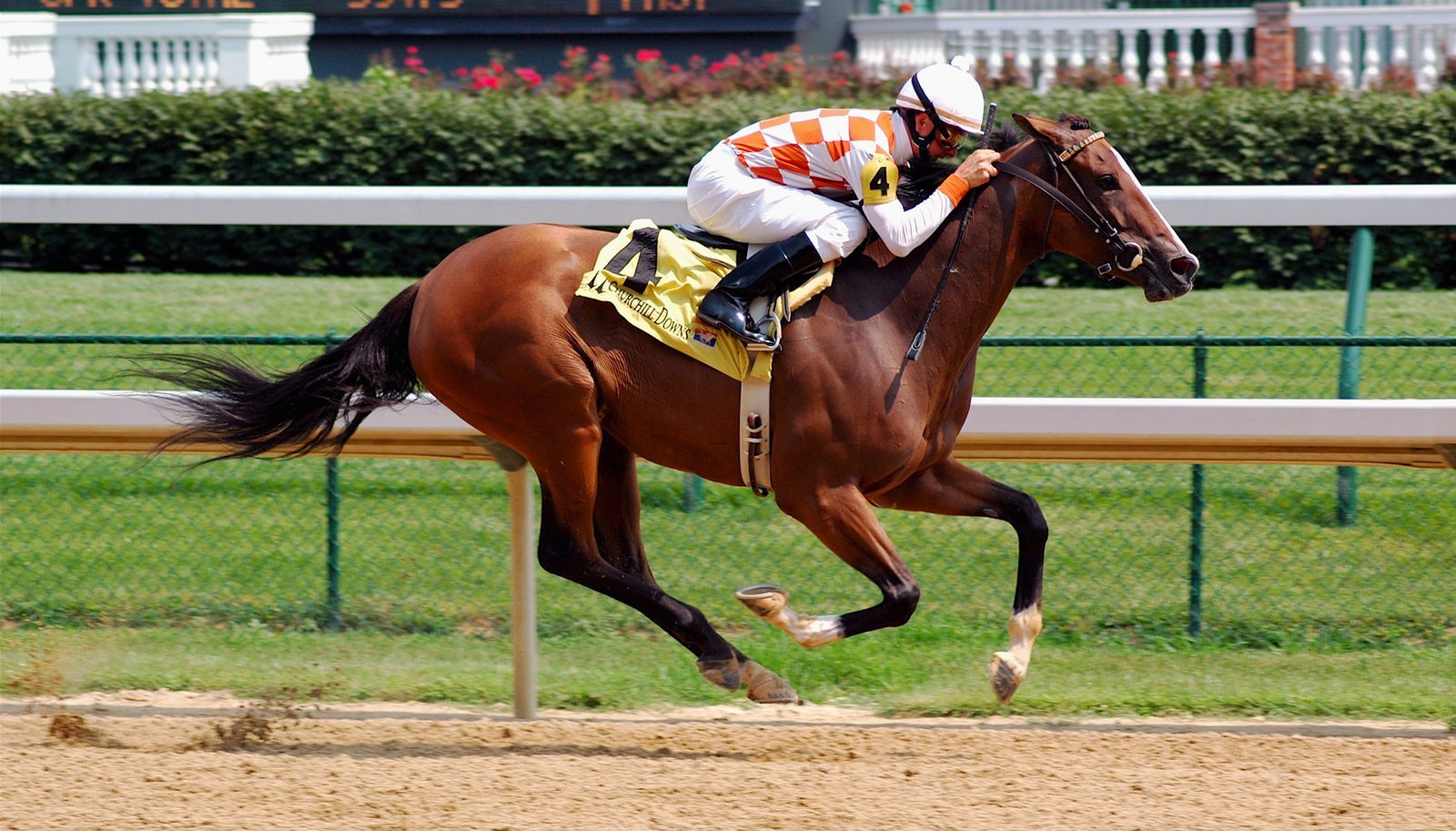
The first Kentucky Derby race took place on May 17, 1875, with Oliver Lewis riding Aristides to victory before a crowd of 10,000 spectators. That was just the beginning. Meriwether Lewis Clark, grandson of William Clark, visited England’s Epsom Derby and the Grand Prix de Paris, then came home inspired to create an American horse-racing event of the same caliber.
What followed wasn’t merely a race. It became ritual.
The Kentucky Derby is the most prestigious American horse race, established in 1875 and run annually on the first Saturday in May at Churchill Downs racetrack in Louisville, Kentucky. The event transformed from a regional competition into something that stops the entire nation. In 2017, a crowd of 158,070 watched the Derby, with a wagering total of $209.2 million from all sources on the Kentucky Derby Day program. Think about that for a second. Nearly a quarter billion dollars in wagers, hundreds of thousands gathered in person, and millions more watching from home.
Excellence in thoroughbred racing didn’t emerge by accident. Kentucky’s reputation as a place uniquely suited to producing top racehorses can be traced back to 1784, when John Filson described the landscape, climate, and natural resources of the region in glowing terms. The pageantry matters too: the roses, the mint juleps, the outrageous hats. But beneath the spectacle lies genuine athletic mastery and breeding expertise that the rest of the world studies and tries to replicate.
The Spirit That Defined a Nation’s Taste
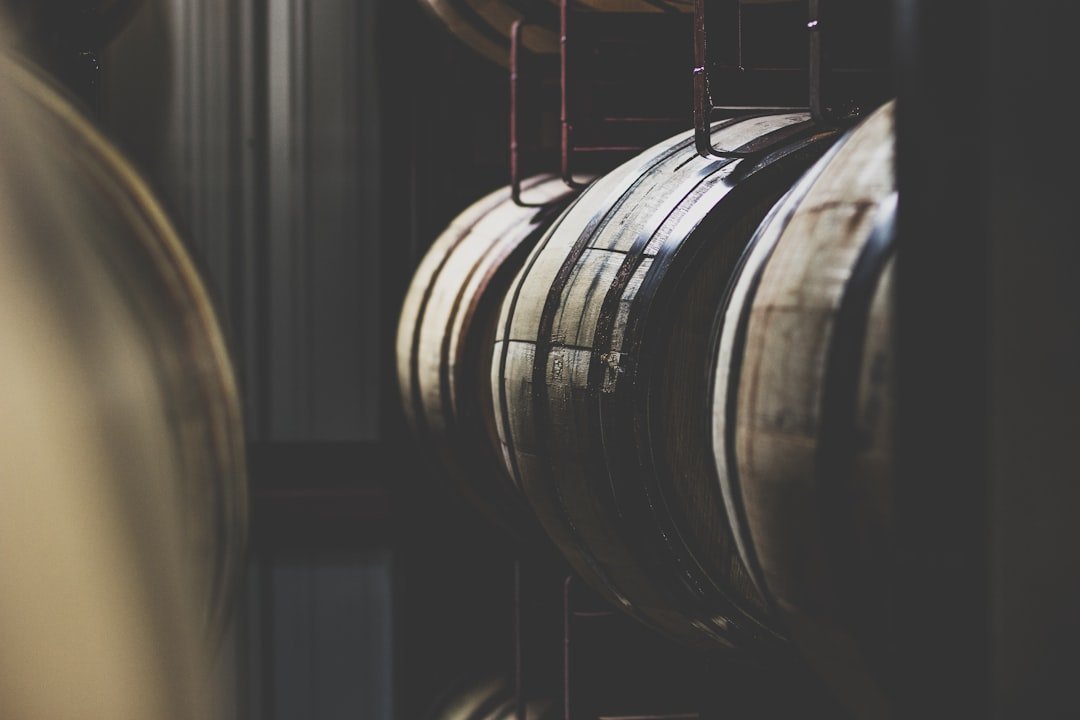
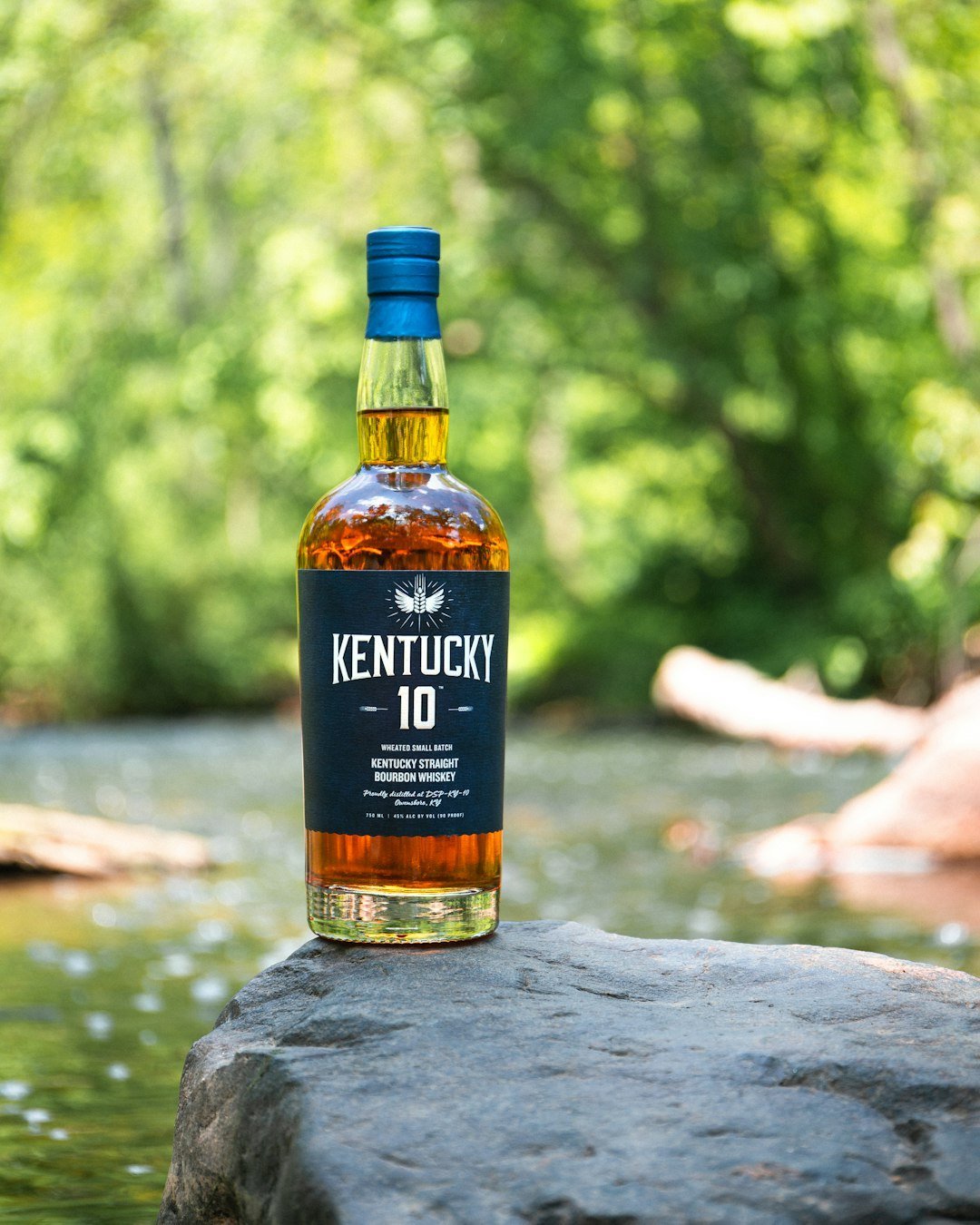
There’s a reason roughly the vast majority of the world’s bourbon is made in Kentucky, and it’s not just because they’ve been perfecting the craft since the very beginning. Actually, maybe that is exactly why. Bourbon in Kentucky took off in 1785 with the creation of Bourbon County. What started in that moment evolved into something far bigger.
The year 1840 was significant for bourbon in Kentucky as it became officially known as bourbon, having previously been called Bourbon County Whiskey or Old Bourbon County Whiskey. Craft didn’t stop evolving there. Dr. James C. Crow developed sour mash at the historic Old Oscar Pepper Distillery in 1823, a development that dramatically impacted Tennessee whiskey and bourbon production.
Kentucky’s natural advantages aren’t marketing spin. Because Kentucky sits on top of a massive limestone shelf, the water flowing through the Commonwealth is naturally filtered and packed with minerals yeast need to thrive, with many believing pure limestone water is the secret to making the world’s best bourbon. Hot summers, cold winters and varying humidity cause bourbon barrels to expand and contract with the seasons, temperature swings that are a vital part of the aging process, bringing unique flavors, color and character to every batch.
This isn’t about making whiskey. It’s about defining what bourbon means, what it tastes like, how it ages, and why America’s only native spirit carries the character it does. Every craft distillery from Brooklyn to Portland owes something to methods perfected in Kentucky barns and rickhouses over generations.
An Underground Marvel That Rewrote the Science Books
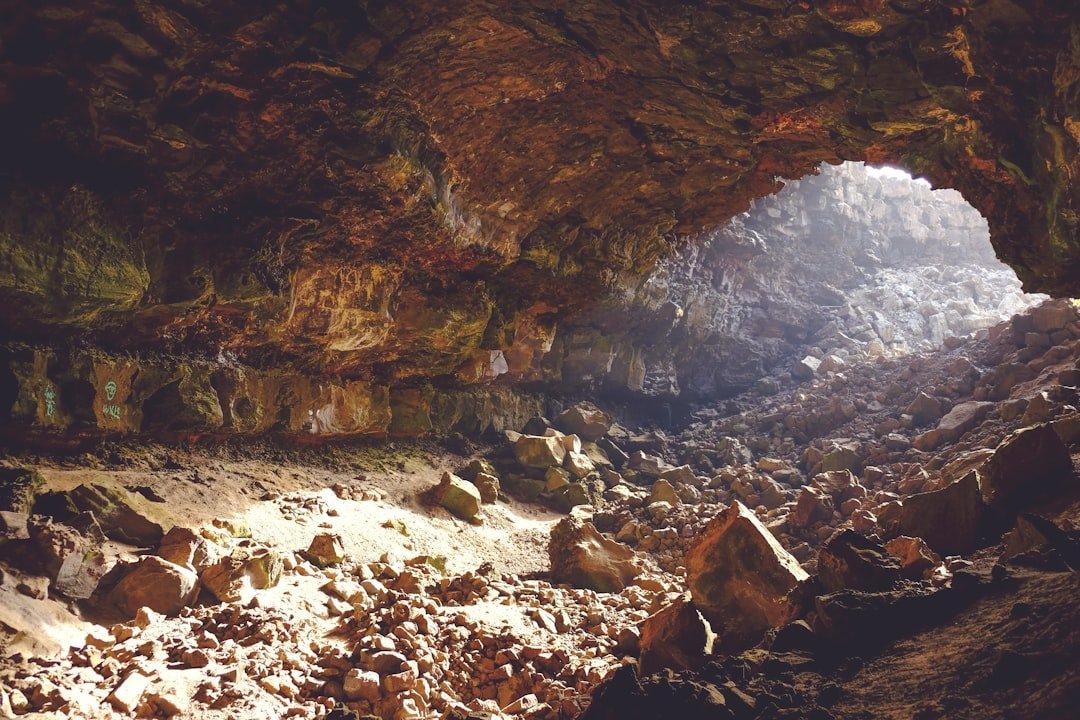
Mammoth Cave National Park is known for housing the world’s longest cave system, with over 405 miles mapped, formed by water slowly dissolving Mississippian-aged carbonate rocks, creating sinkholes, tunnels, and underground rivers. Honestly, the scale is difficult to comprehend. The park contains over 400 caves, including the longest known cave in the world, the Mammoth Cave System at 643 kilometers (400 miles), which is more than twice as long as any other known cave.
Scientists didn’t just discover a big hole in the ground.
Mammoth Cave is the world’s longest explored cave system, reflecting not only extensive size and developed karst landscape but also a history of extensive exploration, home to 426 miles of cave passage not including 500 smaller caves within park boundaries. The Mammoth Cave area is one of the most studied karst areas in the world, a World Heritage Site and International Biosphere Reserve preserving part of a complex and spectacular karst ecosystem.
The geology alone changed how researchers understand underground water systems, rock dissolution, and ecosystem development in lightless environments. Groundwater began interacting with the Girkin Limestone about 10 million years ago, and the upper levels of the cave system were fully formed by 3.2 million years ago based on radiometric dating. It remains one of the country’s most astonishing natural discoveries, a living laboratory that continues teaching geologists, biologists, and hydrologists new lessons about Earth’s hidden spaces.
The Sound That Gave America Its Musical Soul
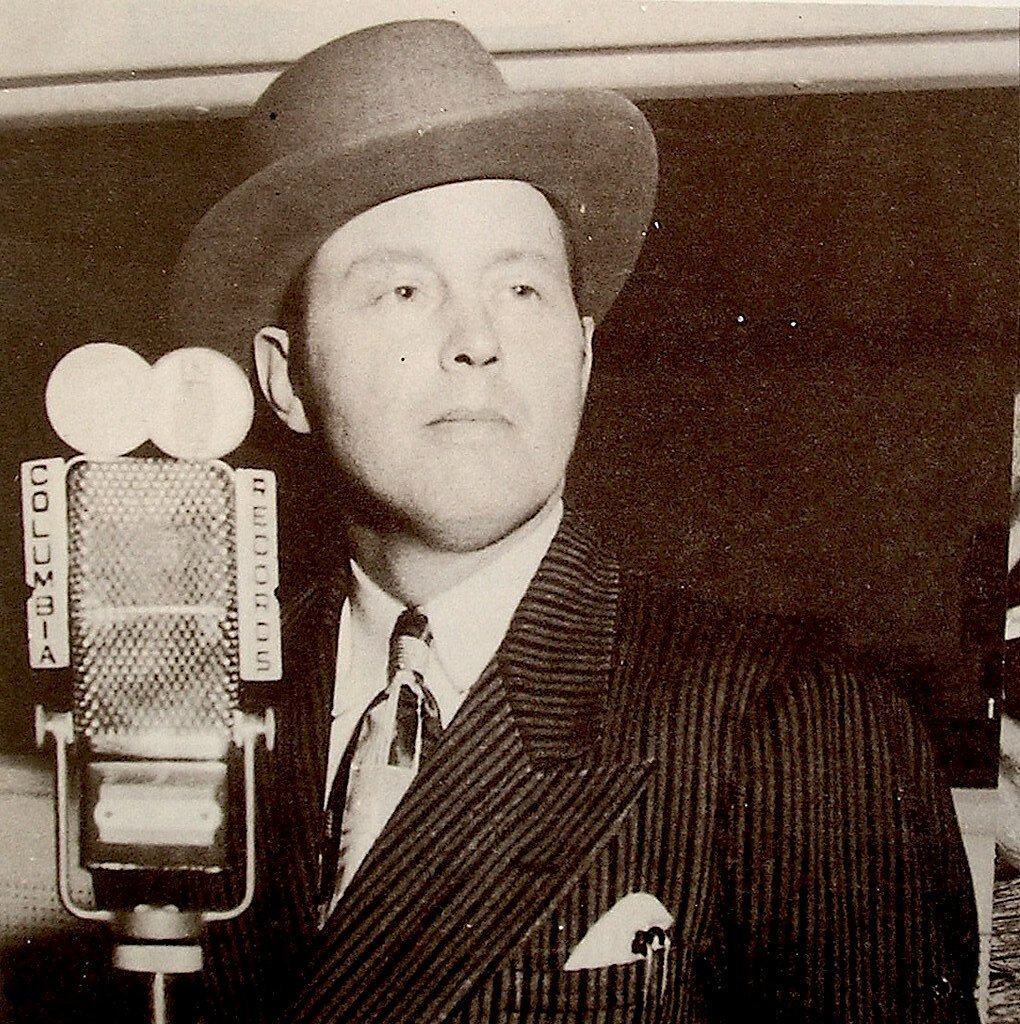
The genre’s name was derived from Bill Monroe’s seminal Blue Grass Boys band, formed in 1939, with Monroe frequently referred to as the ‘father of bluegrass.’ Bill Monroe was born in Rosine, Kentucky on September 13, 1911, his musical foundation shaped by his mother Malissa’s singing and fiddle playing, Uncle Pen Vandiver’s fiddling, and Arnold Shultz, a popular Black musician who played extensively around Rosine.
The bluegrass style of music dates from the mid-1940s, with Monroe’s 1946 to 1948 band featuring Lester Flatt, Earl Scruggs, Chubby Wise and Howard Watts creating the definitive sound and instrumental configuration that remains a model to this day. That sound didn’t emerge from nowhere. Bluegrass music began in the mid-20th century, but its origins go back to the 1700s and the musical traditions of the Scots-Irish and West Africans.
Here’s the thing: Kentucky helped give America a sound rooted in storytelling, craftsmanship, and raw emotion. The high lonesome wail, the driving banjo, the intricate vocal harmonies. Bill’s band was different because of its hard-driving and powerful sound using traditional acoustic instruments with distinctive vocal harmonies, incorporating songs and rhythms from string band, gospel, Black laborer work songs, country, and blues music.
This music influenced country, folk, and Americana nationwide. It spread far beyond Appalachia, shaping how generations of musicians approached their instruments and songs. You hear echoes of bluegrass everywhere now, from stadium country to indie folk, because Kentucky musicians showed the world what American roots music could sound like when you pushed it harder, faster, higher.
The Landscape That Became America’s Visual Shorthand
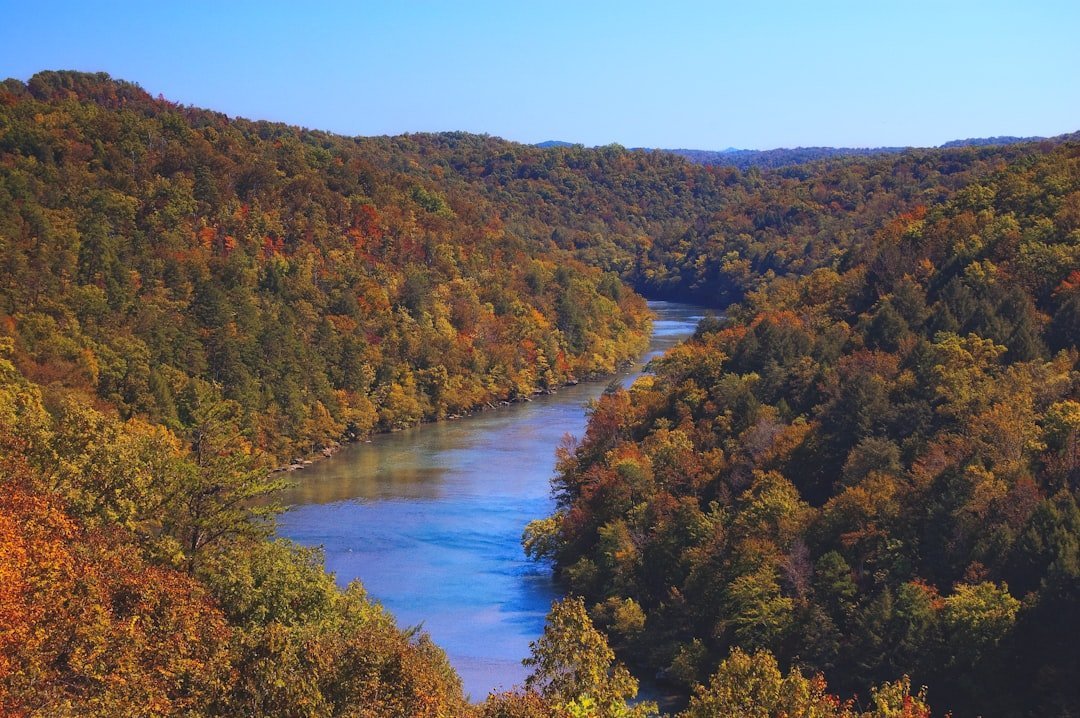
Since the early days of cinema, Kentucky served as a backdrop for Hollywood movies, with the 1938 filming of Kentucky bringing stars Loretta Young and Walter Brennan along with Technicolor technology to Churchill Downs and Keeneland, making Kentucky’s famous horse country look stunning. Those rolling hills and white-fenced horse farms became visual poetry.
Keeneland Race Course served as the primary filming location for both Seabiscuit in 2003 and Secretariat in 2010, with the track’s historic grandstand, tree-lined paddock, and limestone buildings from the 1930s proving the perfect period backdrop. Kentucky boasts rich cultural heritage, stunning landscapes, and warm hospitality that have drawn filmmakers worldwide, with picturesque countryside, charming small towns, and vibrant cities providing perfect backdrops for numerous iconic movies, with diverse terrain playing a pivotal role in shaping cinematic narratives.
Kentucky’s horse farms, small towns, and rolling hills serve as evocative backdrops for films about ambition, homecoming, and legacy. Rain Man showcased the breathtaking scenery of Kentucky’s Mammoth Cave National Park, earning critical acclaim for its portrayal of the complex relationship between two estranged brothers. Whether it’s the elegance of thoroughbred culture or the rugged beauty of coal country, Kentucky locations visually define timeless American themes on screen.
Directors keep returning because the landscape does narrative work without dialogue. It communicates heritage, struggle, tradition, and the tension between past and future. Classic Americana found its camera angles here, its golden hour light filtering through Kentucky trees, its sense of place that feels both specific and universal.
When Tradition Meets Excellence
Other places make things. Kentucky made rituals that endured because they were built on genuine excellence rather than empty pageantry. The Derby didn’t become America’s most famous horse race through marketing alone. Bourbon didn’t conquer the world because of clever branding. These traditions stuck because the underlying quality was undeniable.
When America needed a race that would unite the nation for two minutes every spring, it happened at Churchill Downs. When distillers needed to understand how climate, water, and time transform grain into something transcendent, they studied Kentucky methods. When musicians wanted to honor rural storytelling traditions while pushing technical boundaries, they learned from Bill Monroe and the innovators who followed.
The landscapes that define American cinema’s most emotional moments? Captured in Kentucky. The geological wonder that redefined scientific understanding of cave systems? Discovered beneath Kentucky soil.
The Legacy That Keeps Giving
What Kentucky residents understand, and what the rest of the country is still learning, is that tradition without substance dies quickly. The state didn’t preserve these cultural touchstones in amber. They evolved them, refined them, defended their quality while allowing innovation within tradition’s framework.
Bourbon distillers balance heritage recipes with experimental finishes. Derby traditions honor 1875 while adapting to 2026 audiences. Bluegrass musicians respect Bill Monroe’s vision while expanding the genre’s boundaries. Kentucky’s film industry welcomes modern productions to historic locations.
This balancing act isn’t easy. Plenty of places tried to manufacture similar traditions and failed because they lacked the authentic foundation. You can’t fake the limestone water or the climate that makes bourbon taste right. You can’t manufacture 150 years of thoroughbred breeding expertise overnight. You can’t create musical innovations without the cultural cross-pollination that birthed bluegrass.
When America needed tradition with genuine soul, it found Kentucky. Racing that stops the nation every first Saturday in May. A spirit that tells America’s story in every sip. Music that captures heartbreak and hope in three-part harmony. Landscapes that feel eternal on film. Underground wonders that rewrite scientific understanding.
That’s not accident. That’s excellence, generation after generation, refusing to settle for anything less than legendary.

Besides founding Festivaltopia, Luca is the co founder of trib, an art and fashion collectiv you find on several regional events and online. Also he is part of the management board at HORiZONTE, a group travel provider in Germany.
