

For any feedback please reach out to info@festivalinside.com
- These 10 Books Will Challenge Everything You Thought You Knew About History. - August 12, 2026
- 13 Top Trending Songs on Instagram Reels in 2026 - August 12, 2026
- The Best Rock Music Was Made When Nobody Was Watching - August 12, 2026
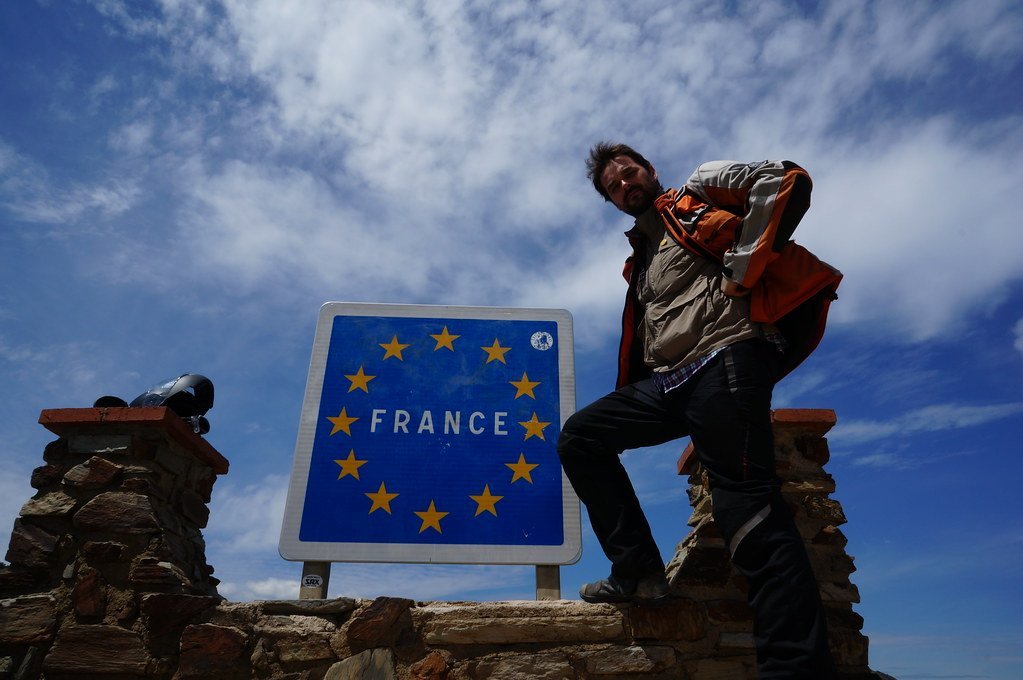
Imagine standing in the echoing chambers of Lascaux, where 17,000-year-old paintings capture the raw pulse of human survival. France’s history unfolds like no other, a tapestry woven from Celtic warriors, Roman emperors, revolutionary fervor, and global influence. This hexagon-shaped nation has shaped the world through art, war, and ideas. What drives its enduring allure? Let’s trace the remarkable path that built one of Europe’s cornerstones.
From megalithic mysteries to today’s bustling Paris streets, France’s evolution reveals resilience amid chaos. Key turning points redefined borders, cultures, and power structures that still echo today.
Prehistoric Foundations and Celtic Gauls
France’s origins lie deep in prehistory, with Paleolithic artists adorning Lascaux caves in the Dordogne around 17,000 years ago. These vivid hunting scenes highlight early human ingenuity and connection to nature. Neolithic farmers arrived by 6000 BCE, erecting massive stone alignments at Carnac in Brittany that suggest complex societies and rituals.
Iron Age Celts, known as Gauls, dominated by the first millennium BCE, building hill forts and mastering metalwork. Their druidic spirituality and warrior ethos formed the cultural bedrock of the region. Here’s the thing: these tribes weren’t just barbarians; their influence lingered long after conquests reshaped the land.
Roman Conquest and the Birth of Gaul
Julius Caesar’s legions arrived in 58 BCE, crushing Gallic resistance at the Battle of Alesia in 52 BCE. Rome transformed the territory into prosperous Gaul, complete with cities like Lutetia – modern Paris – and engineering marvels such as aqueducts and amphitheaters. Trade routes flourished, blending Latin settlers with locals in a cultural melting pot.
Christianity took hold by the 4th century under Constantine, embedding itself in daily life. Roman law and infrastructure left an indelible mark on French institutions. This Pax Romana era, though brief, set the template for centralized authority that future kings would envy.
Frankish Rise, Charlemagne, and Medieval Foundations
The Western Roman Empire’s fall in the 5th century opened the door for Frankish king Clovis I, who defeated the last Roman governor at Soissons in 486 CE and converted to Catholicism. This united Franks with Gallo-Romans, solidifying Christian dominance. Charlemagne’s coronation as Holy Roman Emperor in 800 CE sparked a renaissance of learning from his Aachen court, spanning France, Germany, and Italy.
The 843 Treaty of Verdun split his empire, creating West Francia as France’s precursor. Capetian kings like Hugh Capet stabilized rule from 987 CE amid Viking threats. Gothic wonders like Notre-Dame emerged, symbolizing high medieval ambition. The Black Death and Hundred Years’ War tested the realm, but Joan of Arc’s leadership secured victory at Castillon in 1453, forging a nascent national identity.
Renaissance Glory, Absolutism, and Revolutionary Fire
Francis I ignited the Renaissance in the 15th century, hosting Leonardo da Vinci and fostering humanism. Wars of Religion ended with Henry IV’s 1598 Edict of Nantes, granting Huguenot tolerance. Louis XIV’s Versailles court epitomized absolutism, as he declared the state his own while building colonial empires in North America and India.
Enlightenment thinkers Voltaire and Rousseau fueled the 1789 Revolution, storming the Bastille and guillotining Louis XVI during the Reign of Terror. Napoleon Bonaparte’s 1799 coup spread revolutionary ideals via conquests and his enduring Napoleonic Code. Defeat at Waterloo in 1815 couldn’t extinguish the era’s global ripples.
Industrial Might, World Wars, and Postwar Rebirth
The 19th century brought railways and Haussmann’s Paris makeover amid colonial expansion into Africa and Indochina. The Third Republic weathered the Dreyfus Affair and World War I’s 1.4 million French deaths, reshaping Europe at Versailles. Interwar cultural booms contrasted economic strife.
Nazi occupation in 1940 led to Vichy collaboration, countered by de Gaulle’s Free French and Resistance. D-Day in 1944 and Paris’s liberation marked triumph. The Fifth Republic under de Gaulle in 1958 endured decolonization and the Trente Glorieuses boom, propelling France forward.
Contemporary France: Economy, Culture, and Challenges
France today boasts a top-seven global economy, excelling in luxury, aerospace, and nuclear power, with Paris drawing 40 million tourists yearly. Emmanuel Macron leads amid EU roles, Yellow Vest protests, immigration tensions, and attacks like Bataclan in 2015. Its 43 UNESCO sites and soft power – from cuisine to Cannes – radiate worldwide.
Transcontinental realms in the Caribbean, Pacific, and Indian Ocean add layers to its identity. Climate pledges and NATO commitments highlight its geopolitical weight. Let’s be real: in a shifting world, France’s blend of tradition and innovation keeps it pivotal.
Final Thought
France’s history proves that from cave walls to world stages, adaptability fuels greatness. What era of this saga fascinates you most? Share in the comments below.
Source: Original YouTube Video

Christian Wiedeck, all the way from Germany, loves music festivals, especially in the USA. His articles bring the excitement of these events to readers worldwide.
For any feedback please reach out to info@festivalinside.com
