

- 8 Classic Movies You Thought Were American – But Were Actually Foreign - August 12, 2026
- 10 Most Beautiful Beaches in The World for a Relaxing Vacation - August 12, 2026
- 15 Hit Singles From the Last Three Decades That Still Get You Dancing. - August 12, 2026
There’s something about Iowa that refuses to scream for attention. It sits quietly in the center of the country, surrounded by cornfields that stretch endlessly in every direction. Yet time and time again, when America needs something crucial, something foundational, this state somehow delivers. The story isn’t flashy or loud, but it runs deep, woven into the fabric of how the nation eats, governs, and dreams.
Maybe you’ve never thought about it this way. Iowa doesn’t demand recognition. Still, every four years, the entire political world turns its eyes here first. Every meal on your table likely traces back to innovations born in this soil. Even that iconic movie scene with a baseball field carved out of corn has become a symbol recognized worldwide. How did one state end up shaping so much of what defines American life?
Where Modern Farming Became a Science
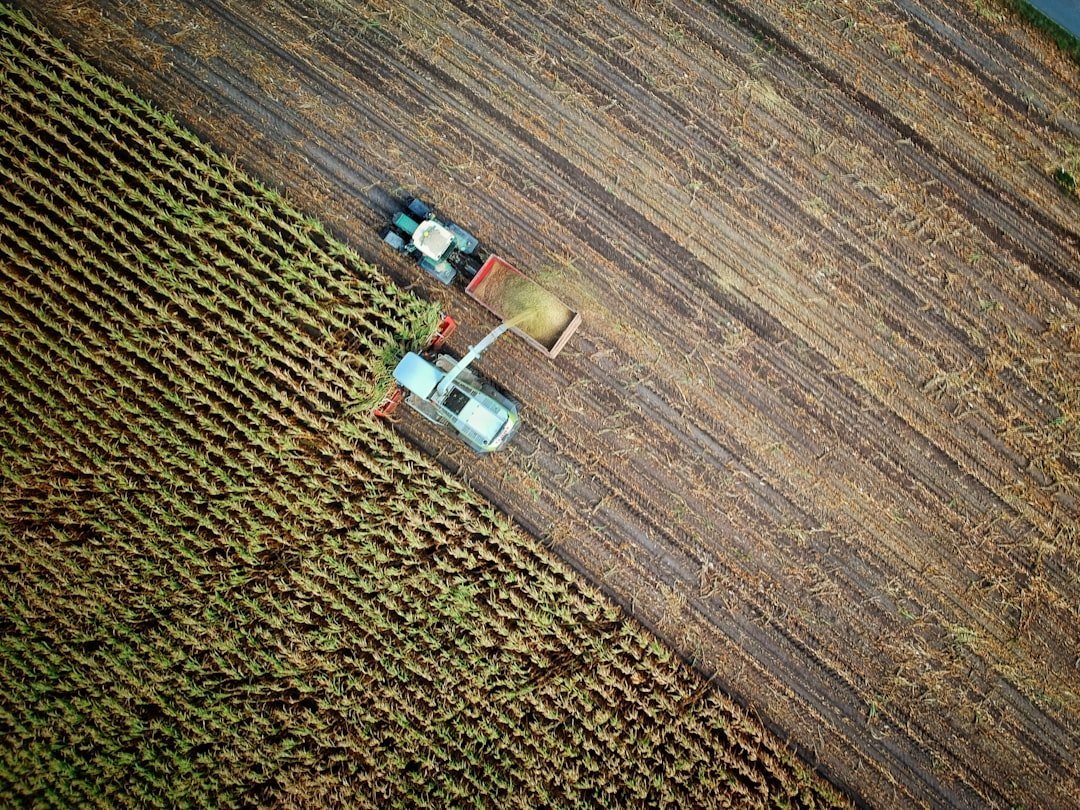
Iowa has been a leader in the production of corn and soybeans for decades, but the state’s influence goes far beyond simply growing crops. Here’s the thing people don’t always realize: Iowa didn’t just farm better than everyone else. It fundamentally transformed agriculture into something measurable, repeatable, and scalable.
The Iowa Nutrient Reduction Strategy identified a number of conservation options that reduce nitrogen and phosphorus loss ranging from in-field fertilizer and soil management practices to strategic conversion of row crop acres to perennial systems. Iowa farmers pioneered techniques that other states and countries would eventually adopt. The state became a living laboratory where soil health, water conservation, and nutrient management weren’t just buzzwords but practical solutions tested on real land.
New crop production technologies, like biologics, reduce the need for synthetic fertilizer applications, and precision ag tools like variable rate technology help farmers optimize nitrogen application rates based on their operations and the unique needs of each acre. Iowa didn’t wait for someone else to figure out modern agriculture. It simply did the work. And millions of people around the world now eat because of those innovations.
The Place Where Presidential Dreams Begin
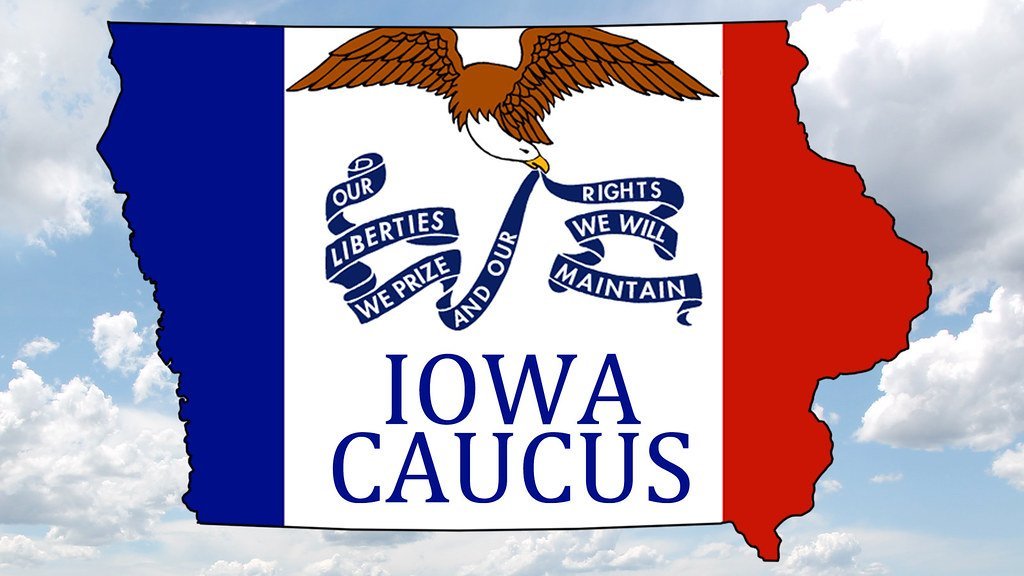
Since 1972, the Iowa Caucus had been the first – and some argue most important – electoral test on the road to each party’s presidential nomination. Let’s be real here: nobody planned for Iowa to become this powerful in American politics. It happened almost by accident.
In 1972 the Iowa Democratic Party moved its precinct caucuses up to January 24, which state Democrats said would better accommodate Iowa’s complicated nomination process. That single decision placed Iowa ahead of New Hampshire, creating what would become the most scrutinized political event in the country.
The first candidate to draw the nation’s attention to the Iowa Caucus was Jimmy Carter in 1976, as Carter’s campaign had neither the visibility nor the money to compete in bigger state primaries early, and was able to capitalize on the media attention he garnered to propel himself forward, ultimately winning the Democratic presidential nomination and then the presidency. That moment changed everything.
Every four years since 1972, Iowa’s first-in-the-nation caucuses have helped “hire” the president of the United States, though not every U.S. president since Jimmy Carter has finished among the top three in the Iowa caucuses, as when Iowa’s own Tom Harkin ran in 1992 or Joe Biden in 2020. Iowa gave everyday people a voice before the big money and media machines could dominate. Honestly, that’s something worth protecting.
An Iowa Cornfield Became Baseball Heaven
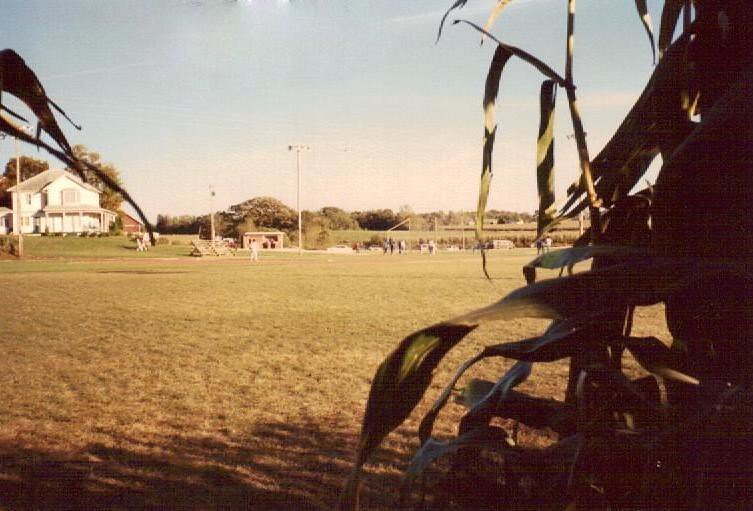
Field of Dreams is a 1989 American sports fantasy drama film written and directed by Phil Alden Robinson, but what happened after the cameras stopped rolling tells an even better story. Universal Pictures built the baseball diamond in 1988 on two farms a few miles outside Dyersville, Iowa, and when production completed, the baseball diamond created for the movie was left behind.
Most movie sets get torn down and forgotten. Iowa’s Field of Dreams became a pilgrimage site. Soon after ‘Field of Dreams’ came out, it inspired a real-life tourist attraction near Dyersville, Iowa, and the Lansing Family farm, which was used in the film, became the ‘Field of Dreams’ Movie Site.
It was nominated for the Academy Award for Best Picture in 1990 and was selected to the National Film Registry of the Library of Congress in 2017. The movie captured something universal: the ache for second chances, the hope that if you build something with faith, people will come. Where cinematic history and the spirit of baseball meet in the heart of Iowa, visitors can walk the iconic diamond nestled in the cornfields, tour the original farmhouse, and play catch with legendary Ghost Players. That Iowa cornfield became shorthand for believing in impossible dreams.
Where Fairness Still Feels Like a Compass

Iowa represents something harder to quantify but just as real. There’s a reason people talk about Midwestern values as if they mean something tangible. In Iowa, that translates to listening before judging, working through problems together, and treating people with basic decency regardless of who they are.
Retail politics involves efforts made by candidates to personally ‘sell themselves’ to voters by meeting with them individually, attending local events, regularly holding town hall meetings, and visiting all or most of the counties. Iowa forces politicians to sit in living rooms, answer tough questions at county fairs, and actually talk to real people. There’s no faking authenticity when you’re standing in someone’s barn explaining your policy positions.
The state’s approach to community decision-making became a model others studied. Iowa didn’t shout about its values. It lived them quietly, through church potlucks, volunteer fire departments, and neighbors helping neighbors during harvest season. That moral framework, built on fairness and mutual respect, influenced how America thinks about civic life.
Small-Town Life Survived Here
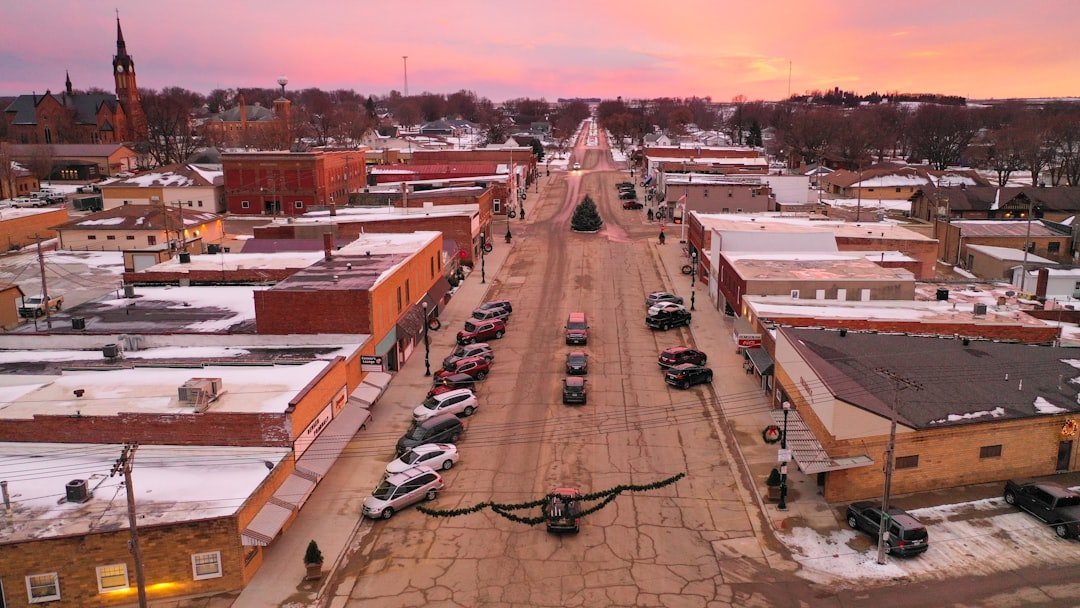
While cities swallowed up most of the country, Iowa held onto something precious. Friday night football games packed stadiums in towns with populations under five thousand. Main streets stayed alive with local businesses owned by families who’d lived there for generations. Kids still rode bikes without helmets and everyone knew each other’s names.
With over 85% of land dedicated to agriculture, farmers deeply value the land, and that connection to place created stability. Iowa towns didn’t just survive modern economic pressures; they maintained traditions that urban Americans now view with nostalgia. School sports mattered. Church socials brought communities together. The county fair was a genuine celebration, not a tourist trap.
It’s hard to say for sure, but Iowa’s preservation of small-town rhythms gave the rest of America a reference point. When people talk about simpler times or community bonds, they’re often describing what Iowa never fully abandoned. That’s not to say everything was perfect, but something essential about neighborly life remained intact here longer than in most places.
The Quiet Pride of Getting Things Right

Iowans take this responsibility and privilege seriously. They are engaged and informed. They ask tough questions that force candidates to address a spectrum of issues. There’s no bragging, no chest-thumping about being first or best. Iowa residents simply do the work.
Farmers love their land, and The Nature Conservancy in Iowa recognizes them as among our greatest conservation allies, as science shows strategies are available to enhance conservation and resiliency while increasing farmers’ profits. That balance between productivity and stewardship reflects a deeper understanding: you can’t just take from the land without giving back.
Iowa doesn’t need flashy marketing campaigns or rebranding initiatives. The state’s contribution speaks through results. When hunger threatens, Iowa feeds people. When democracy needs testing, Iowa vets candidates. When America craves symbols of hope, Iowa provides a baseball field in the corn. That’s the kind of quiet confidence that comes from knowing your worth without needing constant validation.
When America Needed Iowa, Iowa Delivered
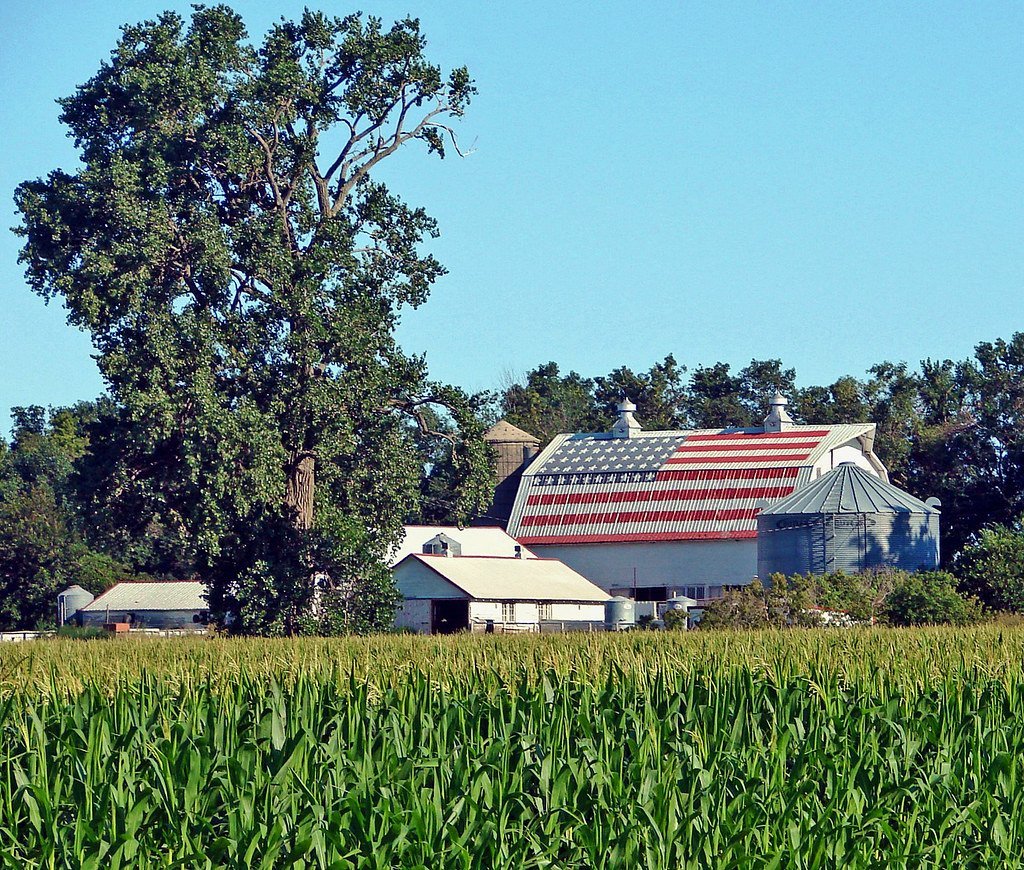
Here’s what it comes down to: America turned to Iowa not because Iowa demanded attention, but because Iowa consistently offered what was needed. Food security during global crises. Democratic participation that gave ordinary citizens real influence. Cultural touchstones that reminded everyone what matters beyond profit margins and quarterly earnings.
Valuable lessons working alongside farmers and landowners to implement conservation practices are helping accelerate and scale-up adoption, as the strategy must reflect real-world scenarios, challenges and work that’s happening in priority watersheds. Iowa’s approach has always been practical, grounded in what actually works rather than what sounds impressive.
The state never positioned itself as America’s savior or moral authority. It simply maintained standards of hard work, community responsibility, and faith in simple dreams that guided the rest of the country during uncertain times. When you need someone reliable, you don’t call the loudest person in the room. You call Iowa.
What other state has shaped how we eat, vote, and believe without ever demanding credit? Iowa residents have every right to feel proud, though they probably won’t say it out loud. They’ll just keep farming, caucusing, and maintaining that baseball field in the corn. What do you think about that quiet influence? Tell us in the comments.

Besides founding Festivaltopia, Luca is the co founder of trib, an art and fashion collectiv you find on several regional events and online. Also he is part of the management board at HORiZONTE, a group travel provider in Germany.
