

Author at Festivaltopia
Christian Wiedeck, all the way from Germany, loves music festivals, especially in the USA. His articles bring the excitement of these events to readers worldwide.
For any feedback please reach out to info@festivalinside.com
For any feedback please reach out to info@festivalinside.com
Latest posts by Christian Wiedeck, M.Sc. (see all)
- 10 Wild Celebrity Facts That Sound Made Up but Aren’t - September 26, 2026
- “The 16 Secret Meanings Behind America’s Most Famous Novels” - September 25, 2026
- 20 Music Legends Who Changed the Industry Forever - September 25, 2026
The Deceptive Allure of a Walk-Up Peak
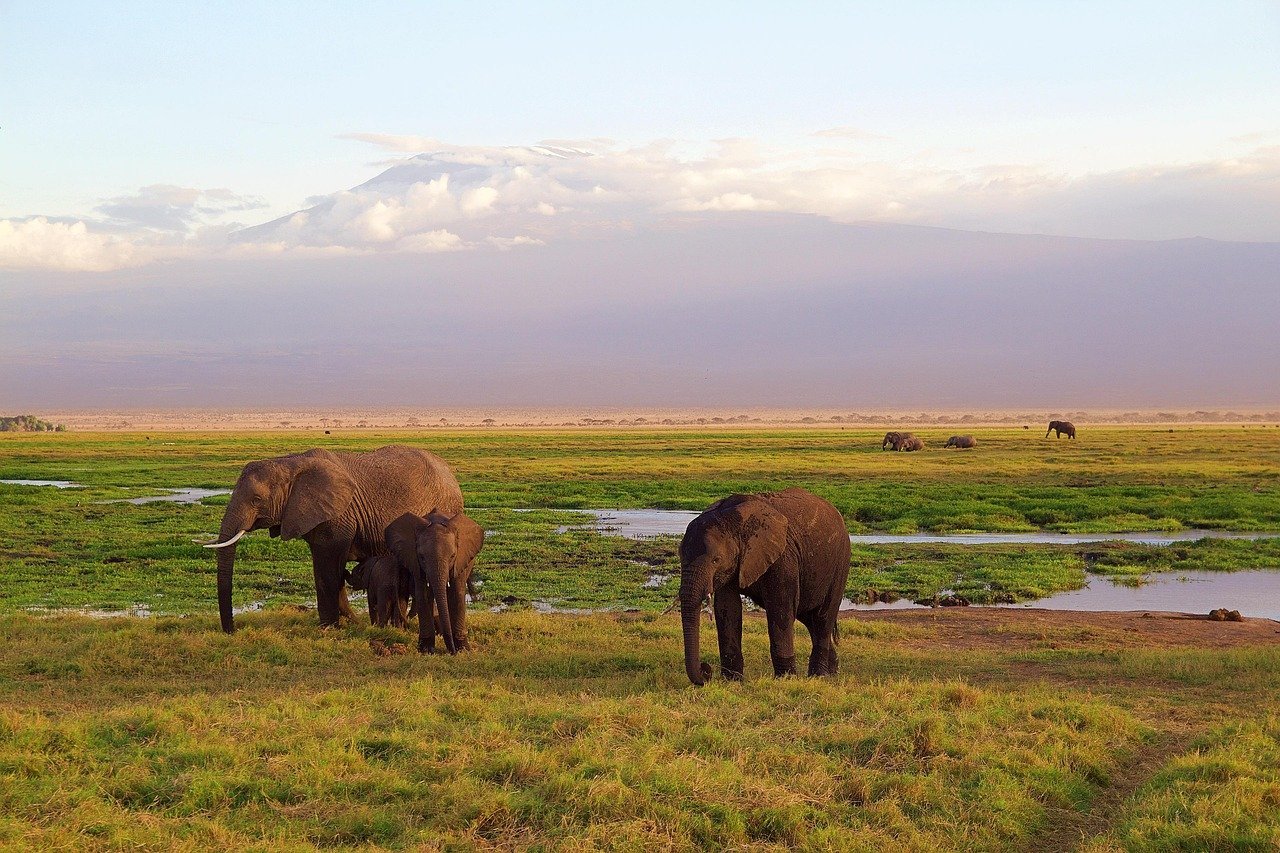
Kilimanjaro welcomes 30,000 to 50,000 climbers annually, boasting a 65% success rate that masks deeper perils. No technical skills needed, just stamina for routes spanning seven to ten days. Yet that ease breeds complacency among trekkers who skip proper prep. Overcrowded paths like Marangu strain guides and porters, delaying help when crises hit. Budget operators shave acclimatization days to cut costs, turning what should be a gradual ascent into a rushed gamble. In the end, the mountain’s majesty comes at a human price, funding Tanzanian parks while testing limits.Altitude Sickness: The Invisible Assassin
Above 3,000 meters, acute mountain sickness strikes up to 75% of climbers, headaches giving way to vomiting and confusion. Things worsen fast into high-altitude pulmonary edema or cerebral edema, flooding lungs or brains with fluid. Near Uhuru Peak, oxygen drops below half sea-level norms, pushing bodies into chaos regardless of fitness. Genetics and poor acclimatization decide survivors, even for elite athletes. Most fatalities cluster between 4,000 and 5,000 meters on summit night. Let’s be real: ignoring early symptoms seals fates too often.Notable Tragedies That Haunt the Trails
In 2022, a 52-year-old British hiker collapsed on the final push, HAPE overwhelming oxygen efforts. Months prior, a German woman in her 40s died from cerebral edema on the Machame Route despite a frantic group descent. Twin brothers in 2019 faced split outcomes – one summited, the other barely survived evacuation – showing how slim margins define life. These stories spotlight patterns in unpreparedness and slow responses. Porters, hauling the ill through volcanic scree, become unsung saviors amid the chaos. Heartbreaking gaps in emergency protocols keep repeating.Beyond Altitude: Hypothermia, Exhaustion, and More
Sudden drops to -20°C spark hypothermia on summit bids, sapping heat from weary bodies. Exhaustion from multi-day treks amplifies every threat, dehydration lurking despite water streams. Cardiac issues surge in older climbers, adrenaline hiding preconditions until too late. Rare falls scar scree slopes, while overcrowding bogs down evacuations. Rescue stretches six to twelve hours via porter-carried stretchers, often past the point of no return. Nocturnal hyenas add eerie risks to camps, compounding the ordeal.Prevention Tactics and Rescue Realities
Opt for eight-day routes like Lemosho, prioritizing “climb high, sleep low” for better odds. Acetazolamide cuts AMS risk by 50 to 70%, paired with pre-trip health screens and satellite phones. Reputable guides, versed in wilderness first aid, intervene early to save lives. Evacuations grind without routine helicopters, porters bearing 20-30kg loads plus patients. Kilimanjaro National Park logged 15 rescues in 2021, five fatal. Fixed oxygen stations and porter heroism offer glimmers, but systemic fixes lag.Final Thought
Kilimanjaro demands respect, its siren call blending glory with grave risks amid climate shifts melting glaciers. Stricter rules on acclimatization and licensing could tame the toll, alongside tech like vital-tracking apps. Weigh the thrill against the peril before booking. What route would you choose, or would you skip the summit rush altogether? Share in the comments.Source: Original YouTube Video

Christian Wiedeck, all the way from Germany, loves music festivals, especially in the USA. His articles bring the excitement of these events to readers worldwide.
For any feedback please reach out to info@festivalinside.com
