

For any feedback please reach out to info@festivalinside.com
- 12 Fashion Trends From the 70s and 80s That Are Making a Huge Comeback - August 15, 2026
- 15 Most Popular Music Festivals in the World, According to Instagram - August 15, 2026
- 8 Music Festivals That Defined an Era and Where Their Spirit Lives On. - August 15, 2026
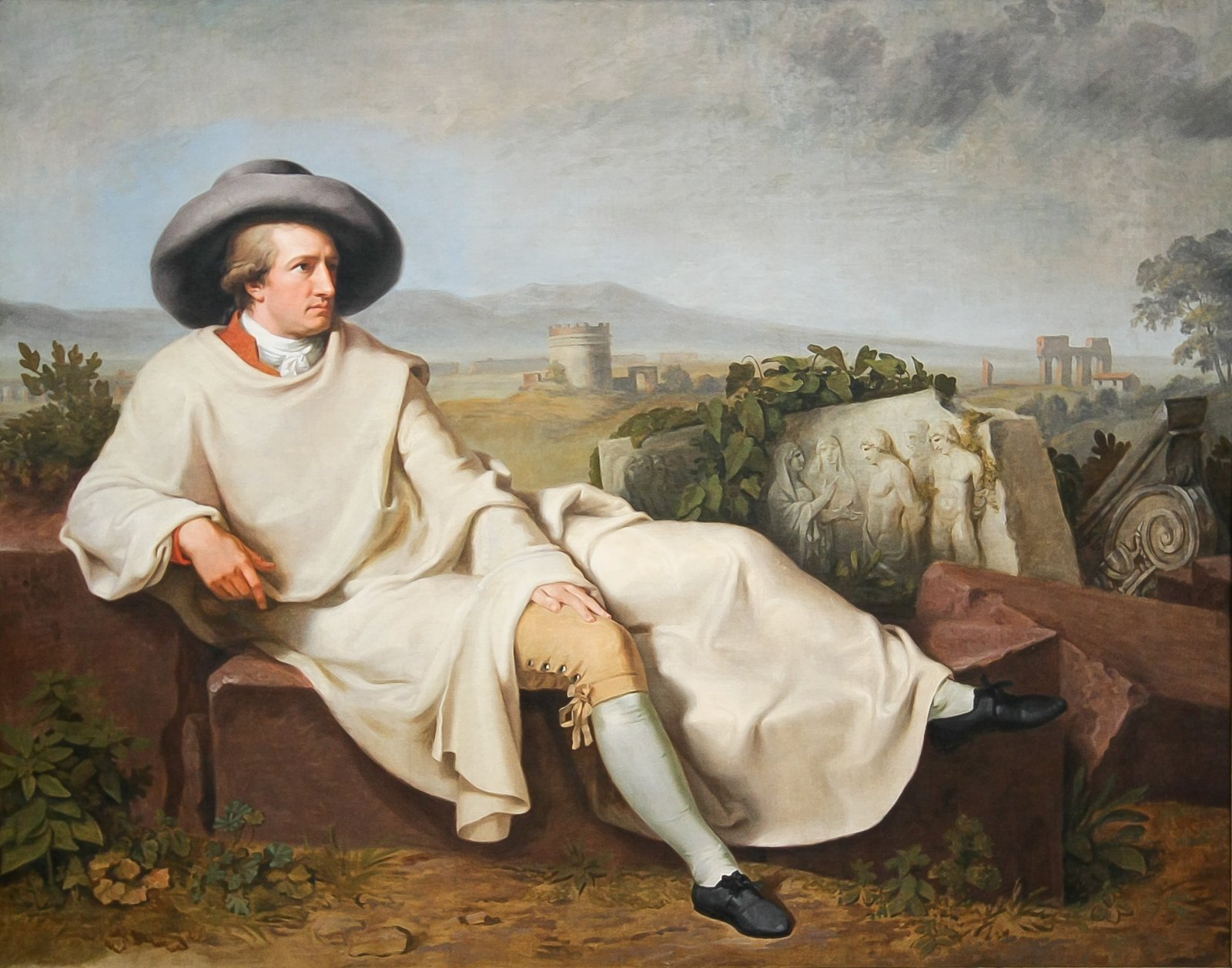
Germany’s literary giants have crafted stories that probe the depths of the human soul, challenge empires, and echo through centuries. This ranking spotlights the novels that consistently top lists for their innovation, emotional power, and cultural punch. Scholars debate endlessly, yet these ten stand out for reshaping world literature. From Goethe’s fiery passions to Remarque’s brutal war truths, they capture life’s raw edges.
What ties them together? A fearless dive into ambition, despair, and redemption. Readers today find fresh relevance in these works amid our own chaos. Ready to meet the heavyweights?
1. The Sorrows of Young Werther by Johann Wolfgang von Goethe
Johann Wolfgang von Goethe unleashed this 1774 epistolary novel, sparking the Sturm und Drang movement with its torrent of raw emotion. A young artist’s obsessive, unrequited love spirals into despair and suicide, mirroring personal turmoil Goethe knew too well. The story hit so hard it triggered copycat suicides across Europe, dubbed the Werther effect. Critics see it as Romanticism’s dawn, prioritizing passion over reason. Goethe, Germany’s answer to Shakespeare, penned a universal tale now translated worldwide and dissected in classrooms everywhere. Mental health talks and teen rebellion debates keep it alive.
2. Faust by Johann Wolfgang von Goethe
Goethe’s epic Faust, spanning parts from 1808 to 1832, follows a scholar’s devilish pact with Mephistopheles in pursuit of ultimate knowledge. This verse drama mixes tragedy, laughs, and deep philosophy on ambition, redemption, and human limits. Composers like Gounod turned it into operas, proving its grip. Goethe fused classical roots with modern vibes, birthing a metaphor for our endless striving. Marxist takes to feminist angles, interpretations abound. It locks in Goethe’s polymath legend at German lit’s core.
3. The Magic Mountain by Thomas Mann
Thomas Mann’s 1924 tome drops readers into an Alpine sanatorium where time stretches thin amid clashes on life, death, and ideas. Hans Castorp’s seven-year stint reflects pre-World War I Europe’s humanist-nihilist tug-of-war. Mann, Nobel winner in 1929, layers intellect with psyche-probing depth. The structure hints at looming doom, smart as hell. Illness as metaphor hits home post-pandemics. Mann’s prose mastery makes this a 20th-century titan.
4. Buddenbrooks by Thomas Mann
Mann’s 1901 debut tracks a Lübeck merchant clan’s four-generation slide, mixing his own life with sharp bourgeois critique. Tradition crumbles against modernity and artistic urges in this family saga. It rocketed to early 20th-century bestseller status in Germany, fueling Mann’s Nobel path. Familial decay lessons endure across eras. Critics love the sweeping narrative from a true chronicler. Change and legacy get the full Mann treatment here.
5. The Trial by Franz Kafka
Franz Kafka’s posthumous 1925 novella hurls Josef K. into charge-less arrest and bureaucratic hell, birthing the Kafkaesque nightmare. Alienation and absurd justice foreshadow totalitarianism’s rise. Prague’s German-writing Jewish author torched most drafts, but friend Max Brod saved them. Sparse prose flipped narrative norms, feeding existentialism and dystopias. Legal woes and surveillance chats today nod to its foresight. Dread like this sticks forever.
6. Siddhartha by Hermann Hesse
Hermann Hesse’s 1922 spiritual trek shadows an Indian seeker’s path to enlightenment, wedding Eastern wisdom to Western soul-searching. Nobel holder Hesse poured personal crises into this self-discovery parable. Lyrical words hooked 1960s hippies and even Steve Jobs. It outsells his other books globally, crossing cultures effortlessly. Psychology meets mysticism in pure form. Universal quests keep it selling strong.
7. Steppenwolf by Hermann Hesse
Hesse’s 1927 plunge into Harry Haller’s split soul pits bourgeois chains against wild instincts in Weimar gloom. A magic theater reveals self’s wild sides, chasing solitude, highs, and multiplicity. Jazz rebellion vibes fueled youth uprisings. Psychedelic bible status followed. Nobel-noted form shatters straight storytelling. Raw psyche truths seal Hesse’s rep.
8. Perfume: The Story of a Murderer by Patrick Süskind
Patrick Süskind’s 1985 hit sniffs out 18th-century France via scent-mad orphan Jean-Baptiste Grenouille’s killer rampage. Prose conjures smells like magic, mashing history, horror, thrill. Over 20 million copies later, plus a film, it conquered. Sensory tricks unmatched. Genius-monster dive thrills dark-side fans. Süskind’s fame exploded worldwide.
9. The Reader by Bernhard Schlink
Bernhard Schlink’s 1995 story links a boy’s post-war fling with a secret Nazi guard woman, unpacking guilt, memory, justice. Holocaust shadow via intimate eyes sparks Vergangenheitsbewältigung talks. Prizes piled up, Oscar film too. Lawyer Schlink nails moral knots. History’s horrors get humanized. Modern ethics beacon shines.
10. All Quiet on the Western Front by Erich Maria Remarque
Erich Maria Remarque’s 1929 war gut-punch trails Paul Bäumer through World War I trenches, smashing glory myths. Nazi-banned, millions sold on frontline truths. Stark words damn militarism forever. Pacifism waves worldwide owe it big. Sequels, films amp the anti-war scream. War lit’s brutal peak.
Final Thought
These novels and authors like Goethe, Mann, Kafka, Hesse, and beyond snag eight Nobel nods and endless global echoes. They prove German lit’s grip on truth through turmoil. Which masterpiece calls to you first? Drop your picks in the comments.
Source: Original YouTube Video

Christian Wiedeck, all the way from Germany, loves music festivals, especially in the USA. His articles bring the excitement of these events to readers worldwide.
For any feedback please reach out to info@festivalinside.com
