

- The 23 Secret Origins of American Blues Legends - October 2, 2026
- 14 Books That Turned Tragedy Into Triumph - October 2, 2026
- 20 Books That Were Ghostwritten – Guess the Real Authors - October 2, 2026
There are places that become more than geography. Places that shift the way entire nations think about themselves, about power, about possibility. Hawaii is one of those places. It’s beautiful, sure. Postcards don’t lie about that. Yet calling Hawaii merely scenic misses the point entirely, like describing a symphony as sound.
Hawaii’s strategic location in the Pacific makes it crucial for military operations and global trade, and its military significance shaped its annexation and statehood. Long before it became a vacation destination, it was something else: a turning point. When America looked westward and wondered how far its influence could stretch, Hawaii was the answer. Let’s be real, this wasn’t about beaches. It was about becoming something bigger.
America Became a Pacific Power Here
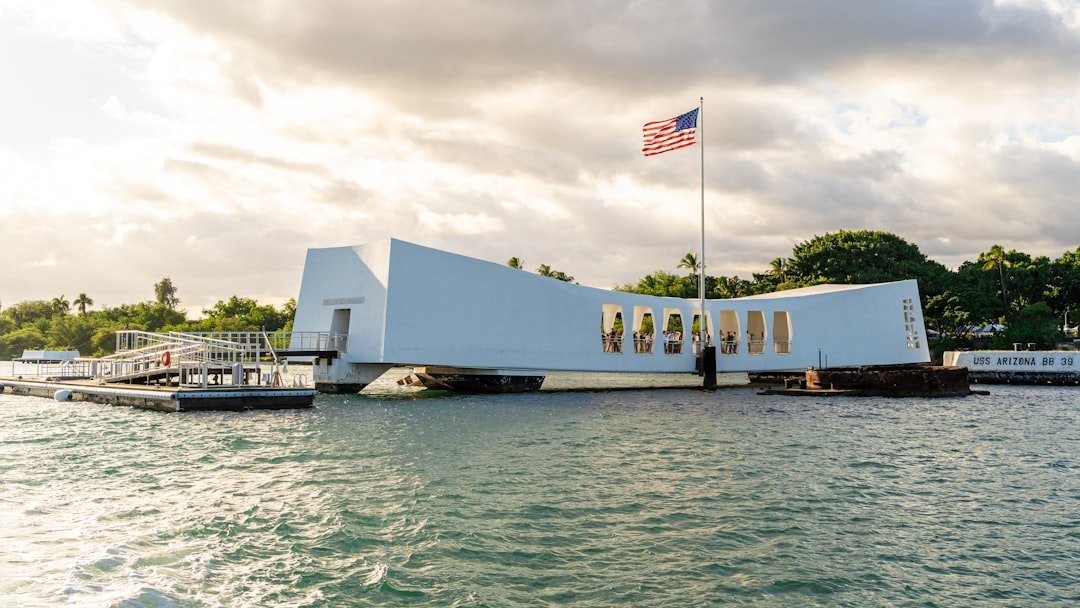
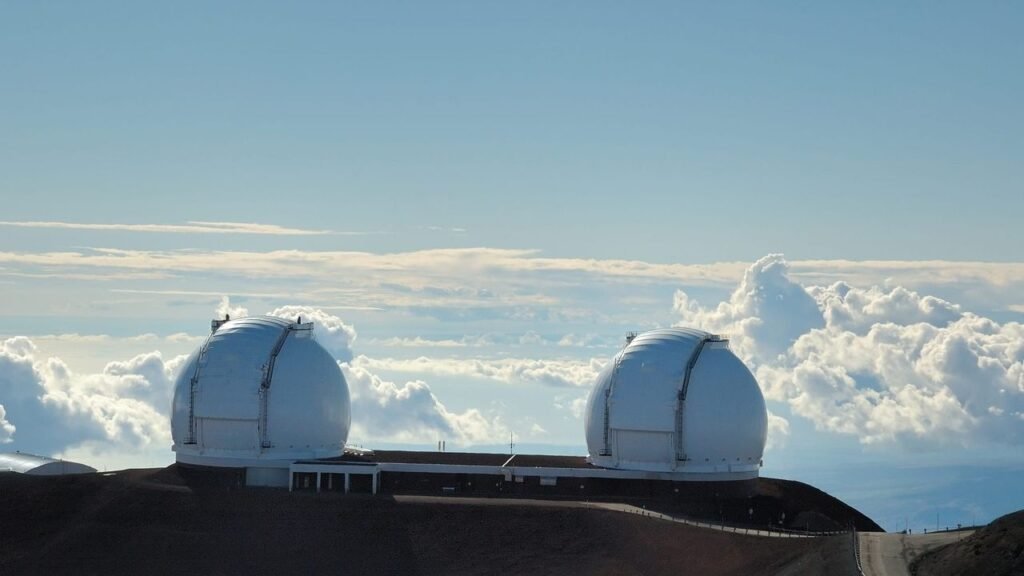
The United States became a Pacific country more than a hundred years ago, acquiring strategic positions in Hawaii, the Philippines, Samoa, Guam, Midway, and Wake Island. Yet Hawaii stood apart from all the others. No other spot in the world dominates such a vast space so absolutely, and in the age of steam, US control of the islands made the American west coast essentially impervious to attack. Think about that for a moment. An archipelago in the middle of nowhere became the linchpin of American security across the largest ocean on Earth.
Hawaii also lies astride the sea lines of communication connecting North America with Australia, which meant ships couldn’t avoid it even if they wanted to. Hawaii’s strategic importance became glaringly evident when the islands served as a crucial staging ground for the US Pacific Fleet, becoming a linchpin in the Allied war effort. Pearl Harbor wasn’t just attacked because Japan was feeling bold. It was attacked because Hawaii controlled everything.
The islands didn’t just host American power. They created it. Hawaii taught America what it meant to project strength across water and distance. It transformed a continental nation into a Pacific one.
Some of the World’s Most Iconic Movie Worlds Were Created Here
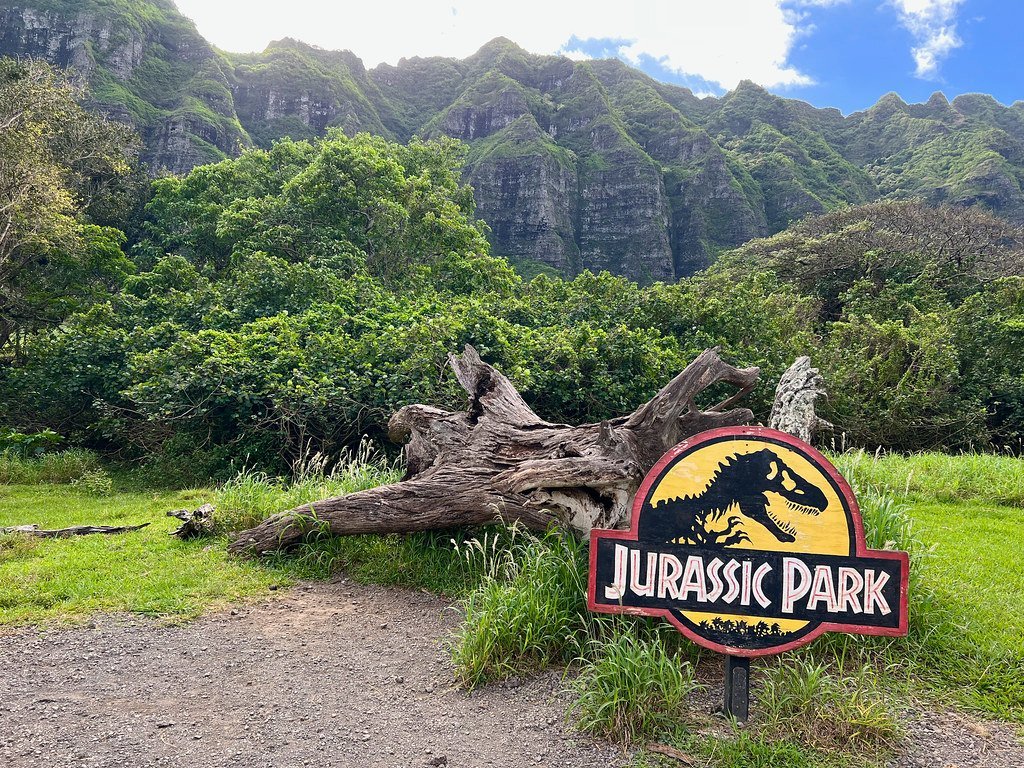
The Jurassic Park series has captivated audiences with its thrilling blend of science fiction and adventure, filmed across the lush and diverse landscapes of Hawaii, particularly on the islands of Oahu and Kauai, turning them into landmarks of cinematic history. Honestly, when you think of dinosaurs roaming in the wild, you’re probably picturing Kauai’s valleys whether you know it or not. Jurassic Park found most of its locations on Kauai, smallest and most beautiful of the four major Hawaiian islands.
Kualoa Ranch’s Ka’a’awa Valley is known as Hollywood’s Hawaii Backlot, where over two hundred and fifty movies and TV shows have been filmed. That’s not a typo. Two hundred and fifty. From Godzilla to Lost to Jumanji, Hawaii became the visual shorthand for adventure itself. The islands of Hawaii provided the backdrops that helped the mystical homes of dinosaurs come to life.
Here’s the thing though. Hawaii didn’t just appear in movies. It became entire fictional worlds. Those weren’t just filming locations. They were portals to imagination, seen by billions. The island didn’t play itself. It played everywhere else people dreamed of going.
Modern Surf Culture Was Shared With the World From Here
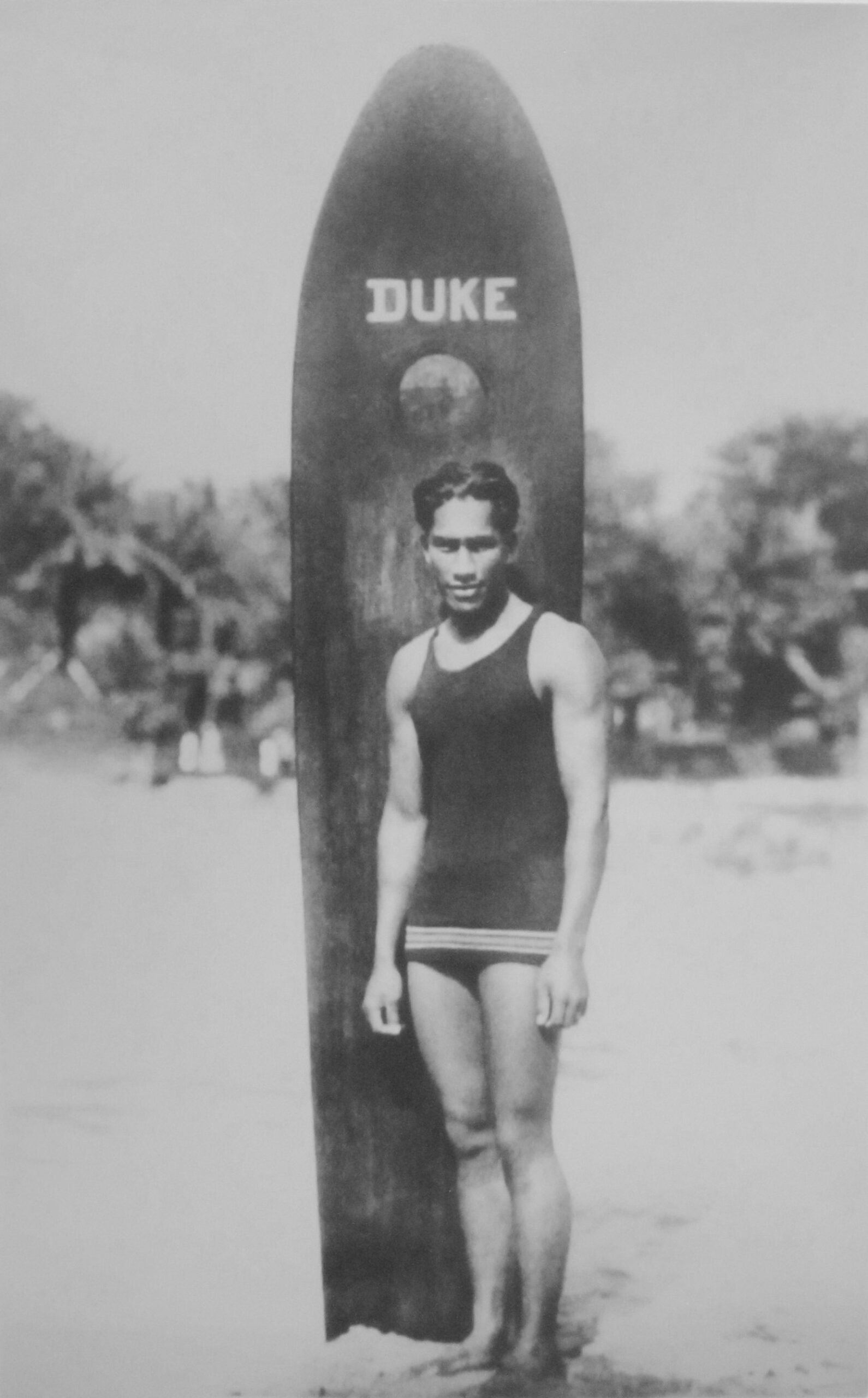
In 1914, on Sydney’s Freshwater Beach, Duke Kahanamoku carved waves on a ten foot board he’d shaped himself, sparking Australia’s surf culture almost single handedly. Duke wasn’t just an Olympic swimmer who happened to surf. Between Olympic competitions, Kahanamoku traveled internationally to give swimming exhibitions, and it was during this period that he popularized the sport of surfing, previously known only in Hawaii, by incorporating surfing exhibitions into his touring exhibitions.
Think about that journey. Surfing existed for centuries in Hawaii, woven into the culture, nearly erased by colonization. Then one man, through sheer charisma and skill, turned it into a global phenomenon. Duke Kahanamoku’s surfing and introduction to building surfboards sparked widespread interest in the sport, giving rise to a prominent surf culture that would become part of Australia’s identity, producing some of the most influential competitive surfers in history.
Although tourism was on the rise in Hawaii in the twentieth century, it took someone with Kahanamoku’s personality and clout as an Olympic champion to spread the sport and its ethos around the world, and if it weren’t for Duke, surfing would not have gotten out of Hawaii. California, Australia, eventually every coastline with decent waves became part of a tradition that started in Hawaiian waters. Surf culture, ocean respect, the entire aesthetic of coastal living worldwide traces back to what Duke shared from Hawaii.
Volcano Science and Earth Creation Began Here
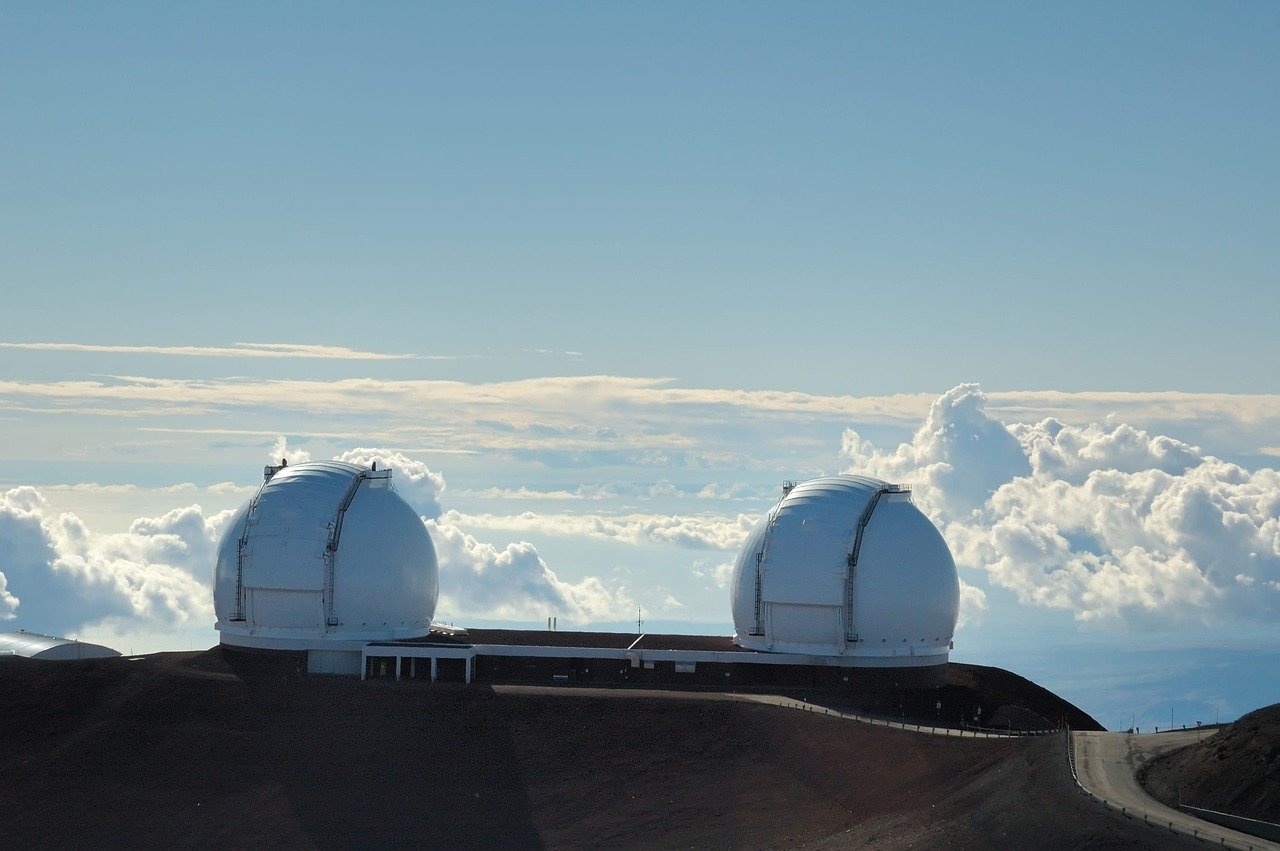
Hot spots are created by a localized source of high heat energy that eventually forms plumes and partially melts cooler overlying rock to form magma, with heat from the Hawaiian hot spot unaltered by the shifting plate tectonics above. Hawaii became a living textbook. The Hawaiian Islands are shield volcanoes, formed as the giant Pacific plate moves slowly but steadily over a hot spot of magma from deep within the Earth, with the volcanoes of Hawaii going through a process of activity, dormancy, and eventually extinction as they move further from this hot spot.
Here’s what’s wild about this. Scientists didn’t just study Hawaii. They learned from it how the entire planet works. All Hawaiian volcanoes were built in an assembly line like process driven by plate motion and a hot spot deep within the Earth, and as the plate moves west northwest, each volcano moves with it from its place of origin above the hot spot, with the age and orientation of the volcanic island chain recording the Pacific Plate’s direction and rate of movement.
The knowledge gained here wasn’t local. It was universal. Hawaii taught geologists how land is born, how the Earth renews itself, how a spot on the ocean floor can become a mountain taller than Everest if you measure from the seafloor. That understanding now gets applied globally. Every volcanic region benefits from what was learned watching lava flow in Hawaii.
A Living Indigenous Culture Endures Here
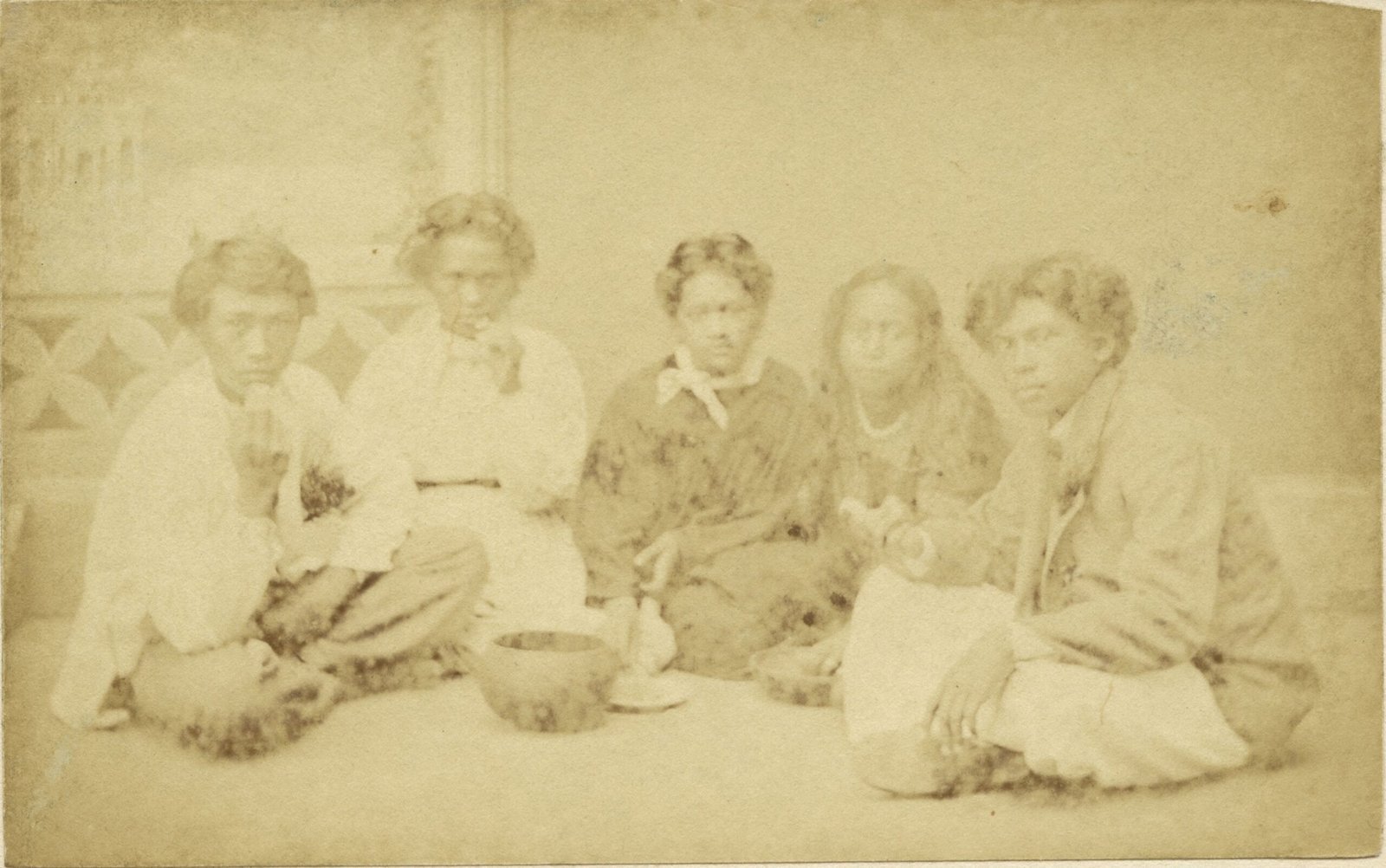
After the takeover of the monarchy, the provisional government banned Hawaiian medium education in 1896 and discouraged speaking the language at home, and eighty nine years later, in 1985, only thirty two island children under the age of eighteen spoke the language. Thirty two. Let that sink in. An entire language, an entire way of understanding the world, nearly vanished. The revival of the Hawaiian language, which was at one point nearly extinct, is now being used as a model for how other indigenous languages can be revitalized.
During the 1980s, the grandchildren of the last generation of native speakers chose to begin revitalizing their native language and culture by teaching their children Hawaiian, starting the immersion education movement to make Hawaiian a living language once again. This wasn’t preservation in amber. This was resurrection. Some forty years ago, language transmission in Hawaii was interrupted among Hawaiians across all islands with the sole exception of language maintenance on the tiny isolated Niihau Island, but today, Hawaiian has returned as spoken and written medium with some five thousand to seven thousand new speakers.
What Hawaii showed America, and honestly the world, was that ancient languages and traditions don’t have to be museum pieces. They can adapt, survive, remain central to modern life. Language revitalization and Hawaiian culture has seen a major revival since the Hawaiian renaissance in the 1970s, and forming in 1983, the Aha Punana Leo opened its first center in 1984 as a privately funded Hawaiian preschool program that invited native Hawaiian elders to speak to children in Hawaiian every day. Not remembered. Lived.
When the Story Needed to Start Somewhere
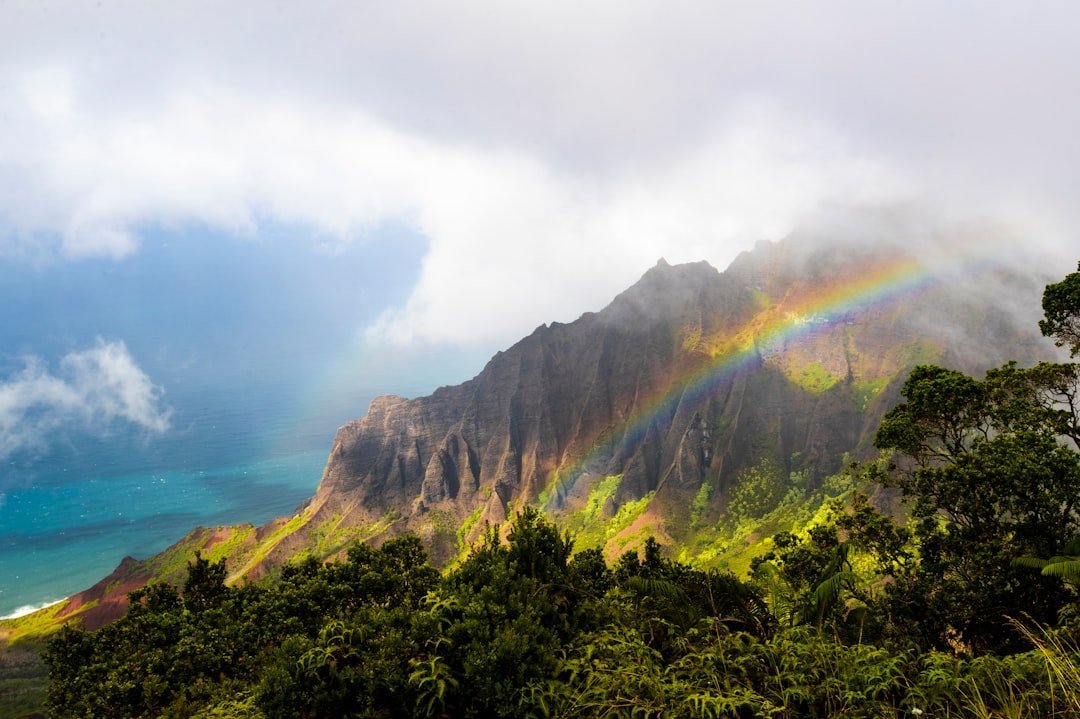
When America needed to understand what it meant to be a Pacific nation, it looked to Hawaii. When filmmakers needed landscapes that could become entire imagined worlds, they filmed in Hawaii. When the world wanted to learn how to read waves and respect the ocean, it learned from Hawaii. When scientists needed to understand how the Earth creates land, they studied Hawaii’s volcanoes. When a language teetered on the edge of extinction and came roaring back, it happened in Hawaii.
Hawaii isn’t just a place America annexed or a vacation spot with good weather. It’s where foundational shifts occurred. Strategic. Cultural. Scientific. Linguistic. The islands didn’t just witness these transformations. They caused them. What do you think the Pacific would mean to America without Hawaii? What would surf culture look like? Where would we have learned what we know about volcanic creation? Would we believe indigenous languages could truly be revived?

Besides founding Festivaltopia, Luca is the co founder of trib, an art and fashion collectiv you find on several regional events and online. Also he is part of the management board at HORiZONTE, a group travel provider in Germany.
