

- 19 Historic Sites Every American Literature Fan Should Visit - September 26, 2026
- How 20 History’s Greatest Speeches Still Influence Modern America - September 26, 2026
- The 14 Forgotten Stories Behind America’s Most Famous Landmarks - September 26, 2026
There’s something quietly powerful about a place that shaped the country without needing to shout about it. While other states made noise, Connecticut was busy creating systems. The kind that last. The kind that still define how America operates today, from factory floors to film sets to the halls of power.
You probably didn’t learn much about this in school. Connecticut doesn’t grab headlines like Boston or Philadelphia when people talk about American history. Yet without this modest New England state tucked between New York and Massachusetts, the nation would look fundamentally different. It’s where precision manufacturing became an art, where elite education took on national influence, where maritime power grew from coastal shipyards, and where the American story learned to be told on screen.
The Blueprint for Everything America Would Build
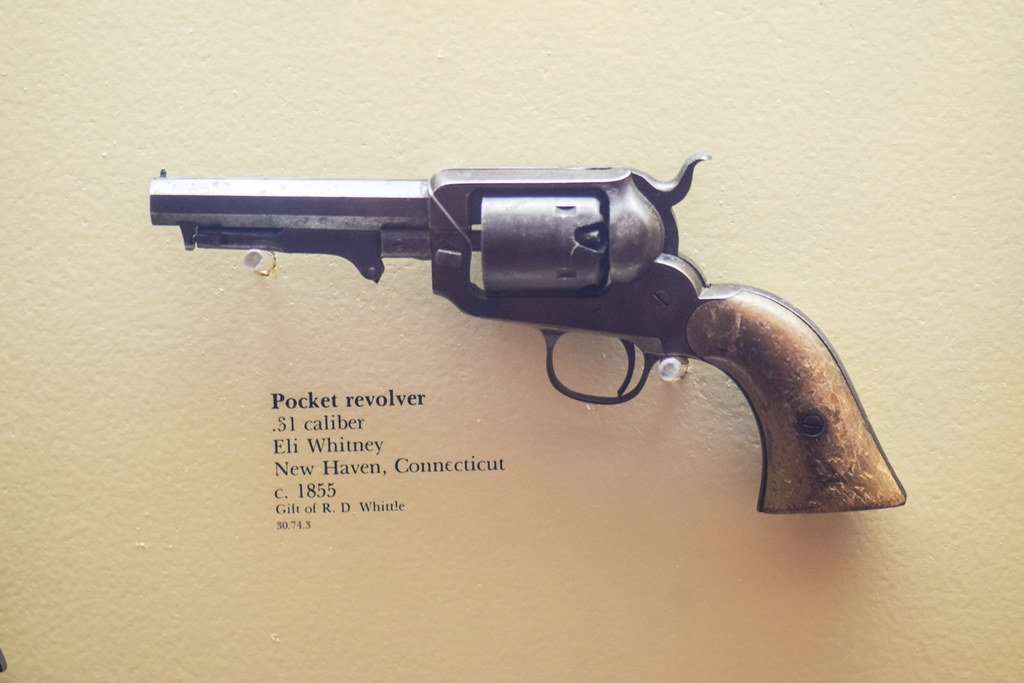
In Hamden, Connecticut, just north of New Haven in an area that became known as Whitneyville, a factory changed the way humans make things. Eli Whitney established this facility and began making thousands of interchangeable parts for muskets. The concept sounds simple now. Make identical pieces. Assemble them quickly. Replace broken parts easily.
Yet before this Connecticut innovation, every product required skilled craftsmen to custom-fit each component. Muskets were all made by hand and customized, meaning repairs were expensive and time-consuming since a gunsmith had to craft replacement parts for each weapon from scratch. Whitney’s approach wasn’t just clever. It was revolutionary in the truest sense.
Other manufacturers adopted Whitney’s methods and soon interchangeable parts and mass production became popular in other industries as well. This wasn’t limited to weapons. The system spread everywhere. Cars, appliances, machinery. The entire American industrial engine ran on principles first perfected in Connecticut workshops. Whitney’s manufacturing methods fueled the industrial development of the North.
Where America’s Leaders Learned to Lead
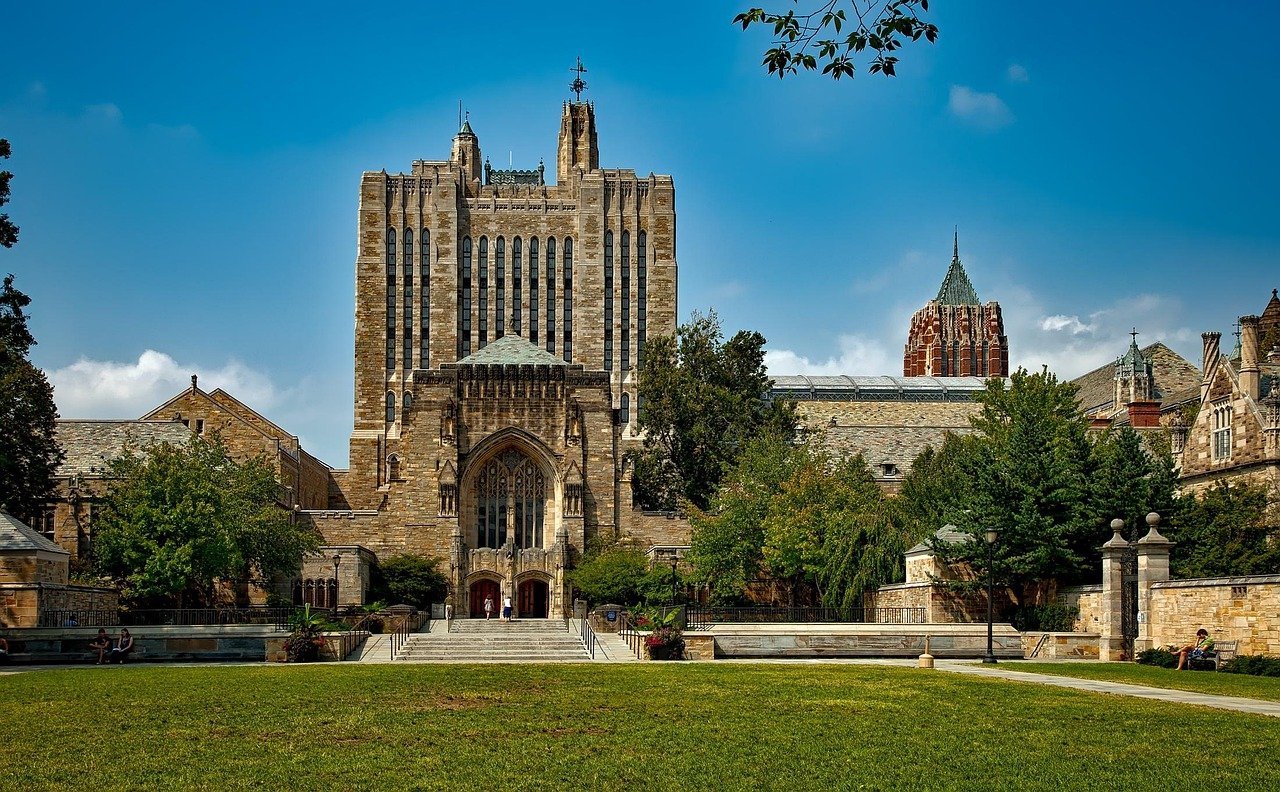
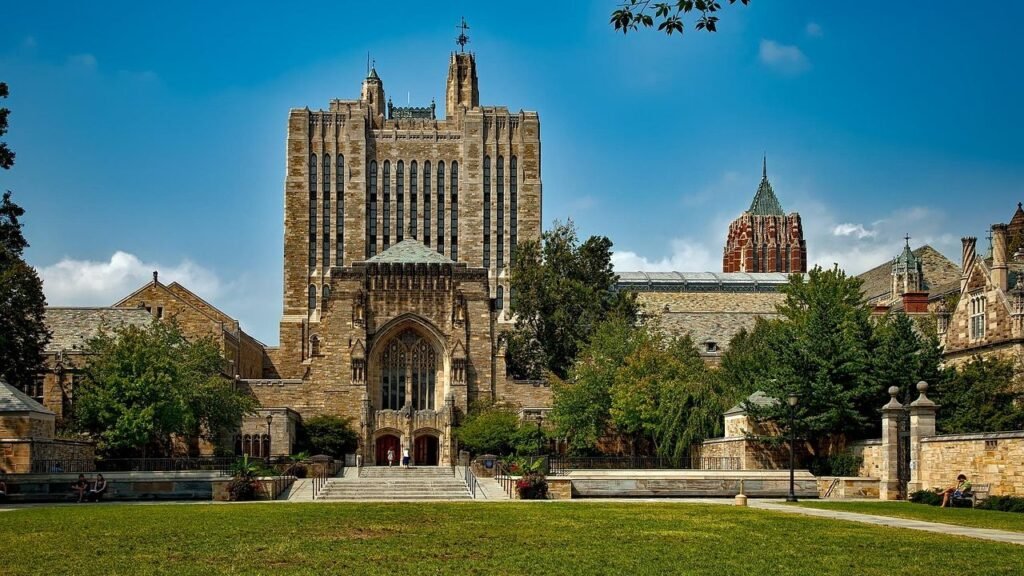
For more than three centuries, Yale University has played a vital role in shaping presidents, lawmakers, judges, diplomats, and policy architects who have guided the nation through defining moments. Let’s be real here. When people talk about America’s elite institutions, Yale stands apart, not just for prestige but for actual impact on how the country runs.
Yale has educated five American presidents, including William Howard Taft, George H. W. Bush, Bill Clinton, and George W. Bush. That’s an extraordinary concentration of power emerging from one Connecticut campus. These weren’t just politicians who happened to attend the same school. They were shaped by an institutional culture that emphasized public service, intellectual rigor, and national leadership.
Yale Law School is widely regarded as one of the most influential law schools in the world, a major pillar of Yale’s contribution to political leadership, producing Supreme Court justices, attorneys general, and leading constitutional scholars. The Federalist Society, the prestigious conservative forum that has shaped generations of American lawyers and politicians, was founded at Yale. The school didn’t just teach law. It created frameworks for thinking about law, governance, and constitutional order that rippled outward through the entire political system.
Building Ships That Built a Nation
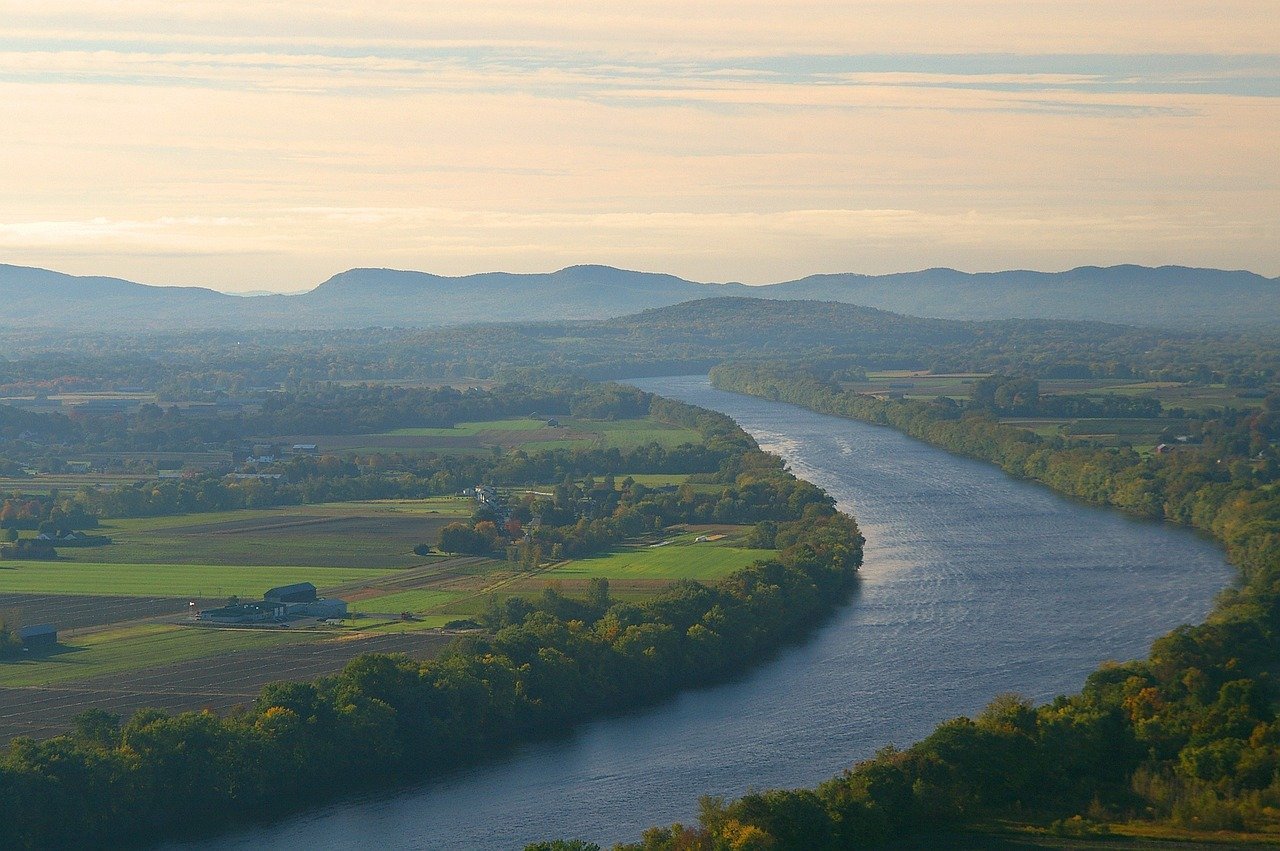
Between 1784 and 1919 – the golden age of American maritime enterprise – more than 600 vessels were constructed along the Mystic River. Mystic wasn’t a major city. It was a small Connecticut town with deep water coves and virgin timber forests. The location was perfect for something ambitious.
Mystic, and its close neighbors Noank, Stonington, Groton and New London became major shipbuilding centers in the new United States of America, geographically blessed to be an ideal place to feed the country’s growing appetite for maritime commerce. These weren’t just fishing boats. The shipyards built massive trans-oceanic merchant ships and the uniquely beautiful Clipper Ships, with Mystic-built Clippers like the Andrew Jackson and the David Crockett noted for their speed as well as their durability and beauty.
America became a global maritime power because Connecticut knew how to build vessels that could cross oceans and compete internationally. This little village on a five-mile long river was to produce more noted captains, a greater tonnage of fine ships, and a larger number of important sailing records than any place of its size in the world. That’s not local pride talking. That’s documented history.
Where Early America Learned How to Look on Screen
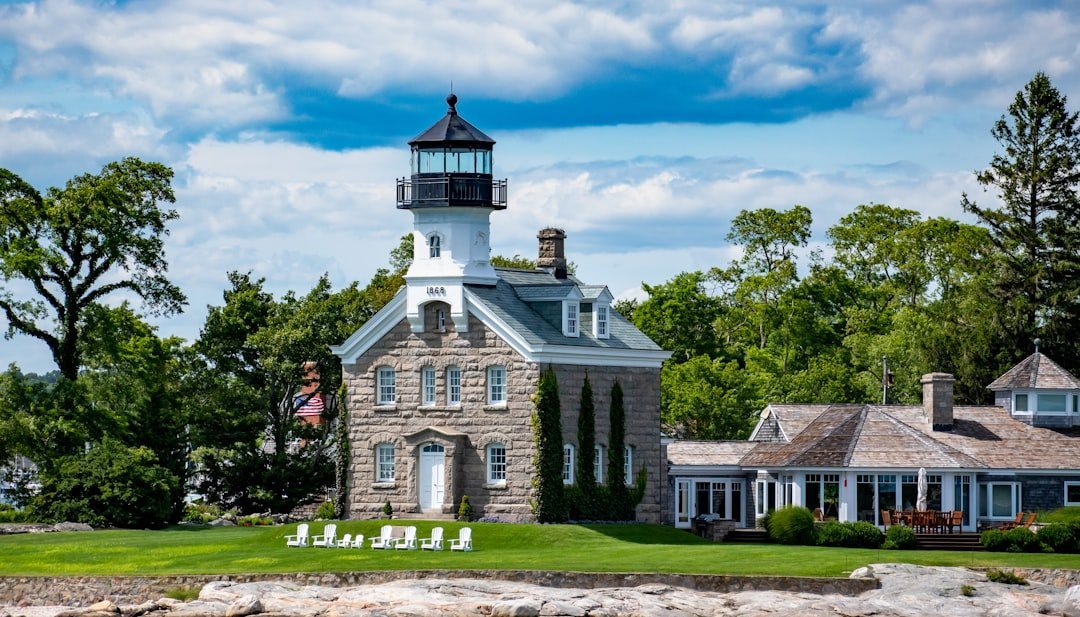
When filmmakers needed to capture what Revolutionary America looked like, they turned to Connecticut. The state’s colonial architecture, historic harbors, and preserved town greens became the visual vocabulary for depicting the nation’s founding era. The Goshen Historic District, featuring colonial stone houses and rolling pastures that transport visitors back in time, evokes Revolutionary America for use in films.
Mystic Seaport Museum offers Revolutionary-era reenactments and maritime exhibits that trace the region’s vital role in privateering and ship construction. It’s not just about museums. Connecticut’s landscape became the backdrop that defined how generations of Americans visualized their own history through film and television. The state offered authenticity that Hollywood sets couldn’t replicate.
Connecticut is steeped in the history of our country’s earliest days, beginning with the Colonial period, through the Revolutionary War and up to the present, welcoming visitors interested in historic homes and historic sites. This wasn’t accidental preservation. It was Connecticut maintaining its physical connection to the Revolutionary era, creating real locations where American stories could be told with genuine historical texture.
The Cultural DNA of Doing Without Announcing

There’s a particular mindset that emerged from Connecticut. Innovation without fanfare. Influence without spectacle. Call it Yankee reserve or New England modesty, but it created a model many states would later follow. Do the work. Build the systems. Let results speak.
Yale Law School’s culture since the 1930s, among both faculty and student graduates, has emphasized the importance of spending at least a few years in government service. This wasn’t about personal glory. It was about viewing expertise as something owed to the public good. That philosophy shaped how Connecticut’s institutions approached their role in national life.
The manufacturing systems developed in Whitney’s Connecticut factories didn’t carry branding or marketing campaigns. They simply worked better than anything before them. The ships built along the Mystic River didn’t need promotional tours. They proved themselves by crossing oceans faster and more reliably than competitors. Connecticut created a cultural template where excellence mattered more than recognition.
When America Needed Foundations, It Looked Here

Systems don’t appear from nowhere. Someone has to build them first. Someone has to prove they work. Connecticut did that repeatedly, across multiple domains that defined American development. Education systems that trained national leaders. Manufacturing processes that powered industrial growth. Maritime infrastructure that connected America to global trade. Physical locations that helped the nation visualize its own origin story.
Whitney’s advocacy of interchangeable parts spurred America’s industrial revolution. From educating presidents and Supreme Court justices to shaping lawmakers, diplomats, and policy thinkers, Yale has left an indelible mark on American politics. These weren’t isolated achievements. They were interconnected contributions that built America’s institutional capacity.
The state never demanded credit. It kept working. Building. Refining. Creating frameworks others would adopt and expand. That might be Connecticut’s most lasting contribution: demonstrating that real influence doesn’t require constant visibility. It requires building things that work so well that everyone else starts using them.
When you trace America’s industrial capacity back to its source, you find Connecticut workshops perfecting precision manufacturing. When you map the networks of American political power, Yale connections appear repeatedly. When you study how America became a maritime nation, Connecticut shipyards built the vessels that made it possible. When you watch period films depicting early America, you’re often looking at Connecticut landscapes and architecture.
The state taught America something valuable: quiet competence builds more than loud ambition ever could. That lesson still resonates, even if most people don’t know where it started.

Besides founding Festivaltopia, Luca is the co founder of trib, an art and fashion collectiv you find on several regional events and online. Also he is part of the management board at HORiZONTE, a group travel provider in Germany.
