


- The 20 First and Last Sentences of These Books Say Everything - September 22, 2026
- 10 Stories That Are Way Shorter Than You Remember - September 22, 2026
- The 20 Most Quoted Lyrics in Instagram Captions — Ranked - September 22, 2026
Every state has bragging rights, sure. A local claim to something historic or distinctive. Yet California occupies a category all its own. It’s not just another state in the union. Honestly, when you track the fingerprints of modern American life, they lead straight back to the Golden State, again and again.
California didn’t just participate in shaping contemporary culture. It authored the playbook. From the way stories are told globally to the devices we tap on every morning, from the very concept that wilderness should be saved to the image of freedom itself, California residents might not shout about it daily, but the evidence is impossible to ignore.
How One Place Built the Global Language of Storytelling
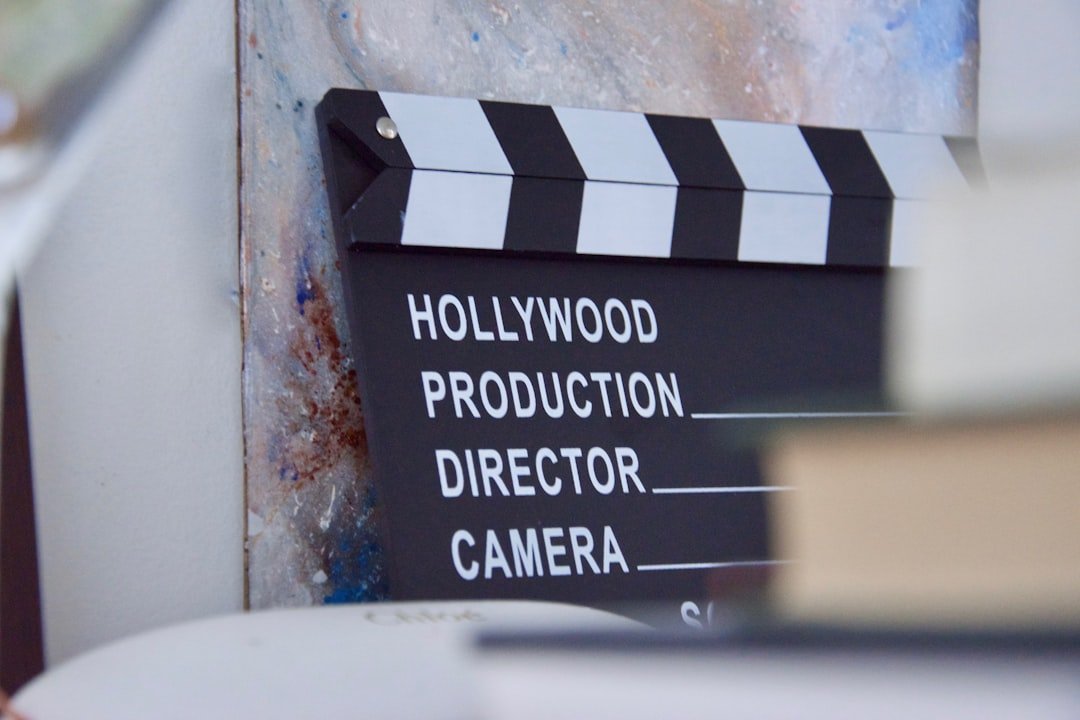
The film industry of the United States, primarily associated with Hollywood, has significantly influenced the global film industry since the early 20th century. Think about that for a second. When someone in Tokyo or Berlin imagines “America,” they’re often picturing scenes filmed across California.
Hollywood has become a global hub for filmmakers, influencing production methods, narrative structures, aesthetics, and even the language of film. It wasn’t an accident. The studios didn’t just make movies. They constructed an entire emotional vocabulary, a way of experiencing drama and spectacle that transcends borders.
As the world’s most influential film industry, Hollywood has had a profound impact on global popular culture, shaping societal attitudes and values. From blockbuster concepts to how heroes are portrayed, California didn’t follow trends. It invented them. Countless iconic locations across the state doubled as settings that defined America’s image worldwide.
The Tech That Changed Every Single Daily Routine
Let’s be real. The device you’re reading this on, the apps organizing your life, the platforms connecting billions of people? Silicon Valley is a region in Northern California that is a global center for high technology and innovation.
Intel, founded in 1968 by Robert Noyce and Gordon Moore, revolutionized the semiconductor industry with the invention of the microprocessor, paving the way for the development of personal computers and other electronic devices we rely on today. This wasn’t some gradual evolution happening everywhere at once. California concentrated talent, risk-taking investors, and a peculiar willingness to fail spectacularly in pursuit of the next breakthrough.
Over the past 60 years, wave after wave of innovation transformed both Silicon Valley and the broader economy: the commercialization of the integrated circuit, the development of the personal computer, the application of the Internet, and Web 2.0. Smartphones, social networks, search engines that organize the world’s knowledge. These aren’t abstract concepts. They’re California-born tools reshaping how humanity works, communicates, and lives.
Where the Idea That Nature Belongs to Everyone Took Root
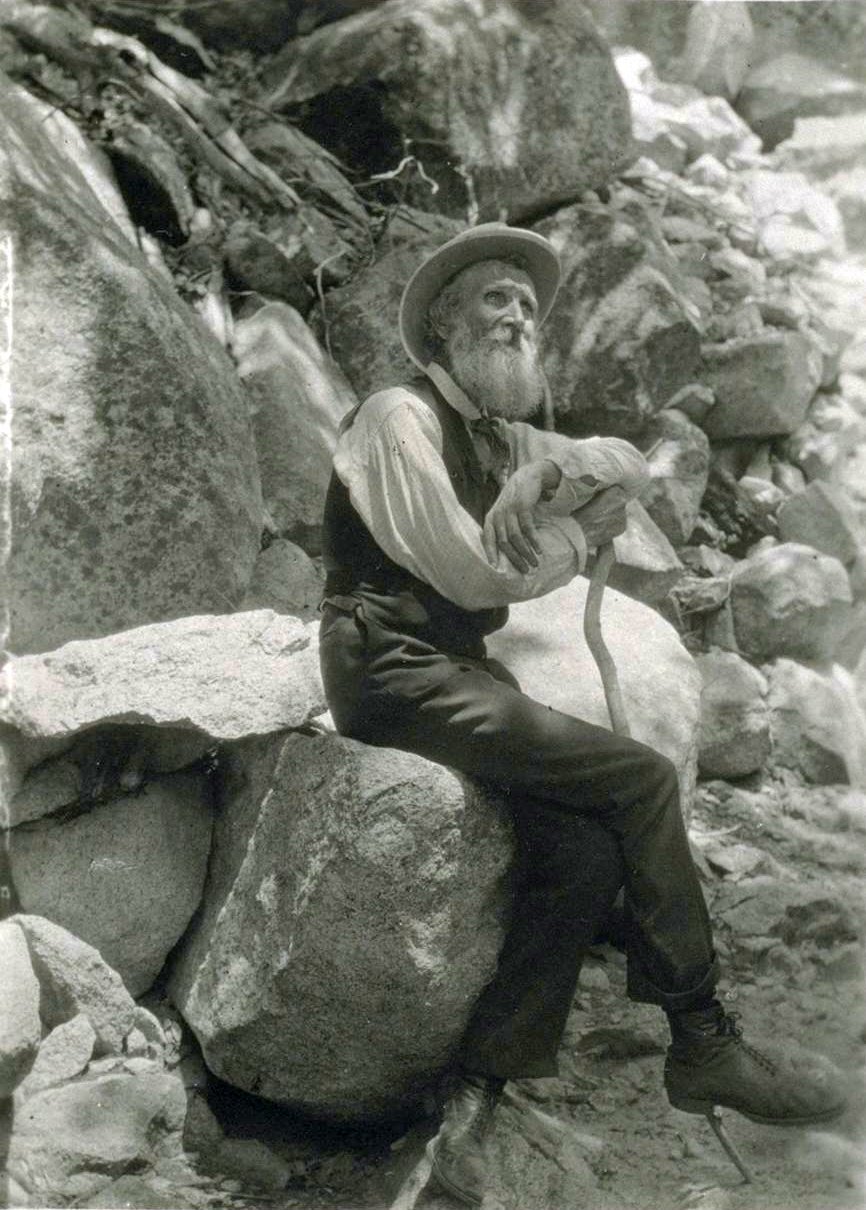
Wilderness preservation wasn’t always obvious. There was a time when natural spaces were simply resources to extract, not sanctuaries to protect. In 1890, environmentalist John Muir led a successful movement to motivate Congress to establish Yosemite National Park, helping pave the way for the National Park System.
Yosemite’s establishment in the 19th century was a seminal moment, marking one of the first instances where land was specifically set aside for preservation and public enjoyment, laying the foundational principles of the national park system. It’s hard to overstate how radical this idea was. Setting aside spectacular landscapes not for profit, but for everyone, forever.
The conservation movement fostered growing public awareness of environmental issues and advocated for legal protections for natural landscapes, laying the groundwork for modern environmental policy by emphasizing sustainable practices and biodiversity conservation. That ethos, born in California’s granite valleys and giant sequoia groves, rippled across the nation and beyond. National parks worldwide trace their philosophical DNA back to what happened here.
How Beaches and Highways Became Symbols of Possibility

Close your eyes and picture freedom. For millions, that image involves palm trees swaying against blue skies, open highways hugging dramatic coastlines, city lights glowing against mountain silhouettes. California came to be perceived as a place of new beginnings, where hard work and good luck would be rewarded by fame and fortune, a land of opportunity and wealth.
Routes like Mulholland Drive became synonymous with the freedom and allure of Los Angeles, laying the foundation for a uniquely Californian brand of freedom that was immortalized in film, TV, and music, captivating the world. This wasn’t just clever marketing. California genuinely embodied reinvention. People arrived with nothing and built something. That mythology, exported through every screen and song, became inseparable from the American Dream itself.
The “California Dream” was popularized by The Mamas & The Papas’ smash hit “California Dreamin'” in 1965, serving as both a reinscription of the American Dream and a revision to incorporate new social values including leisure, environmental protection, and healthy living. The imagery stuck because it resonated. Possibility, sunshine, starting over.
Where Bold Ideas Became Business Models
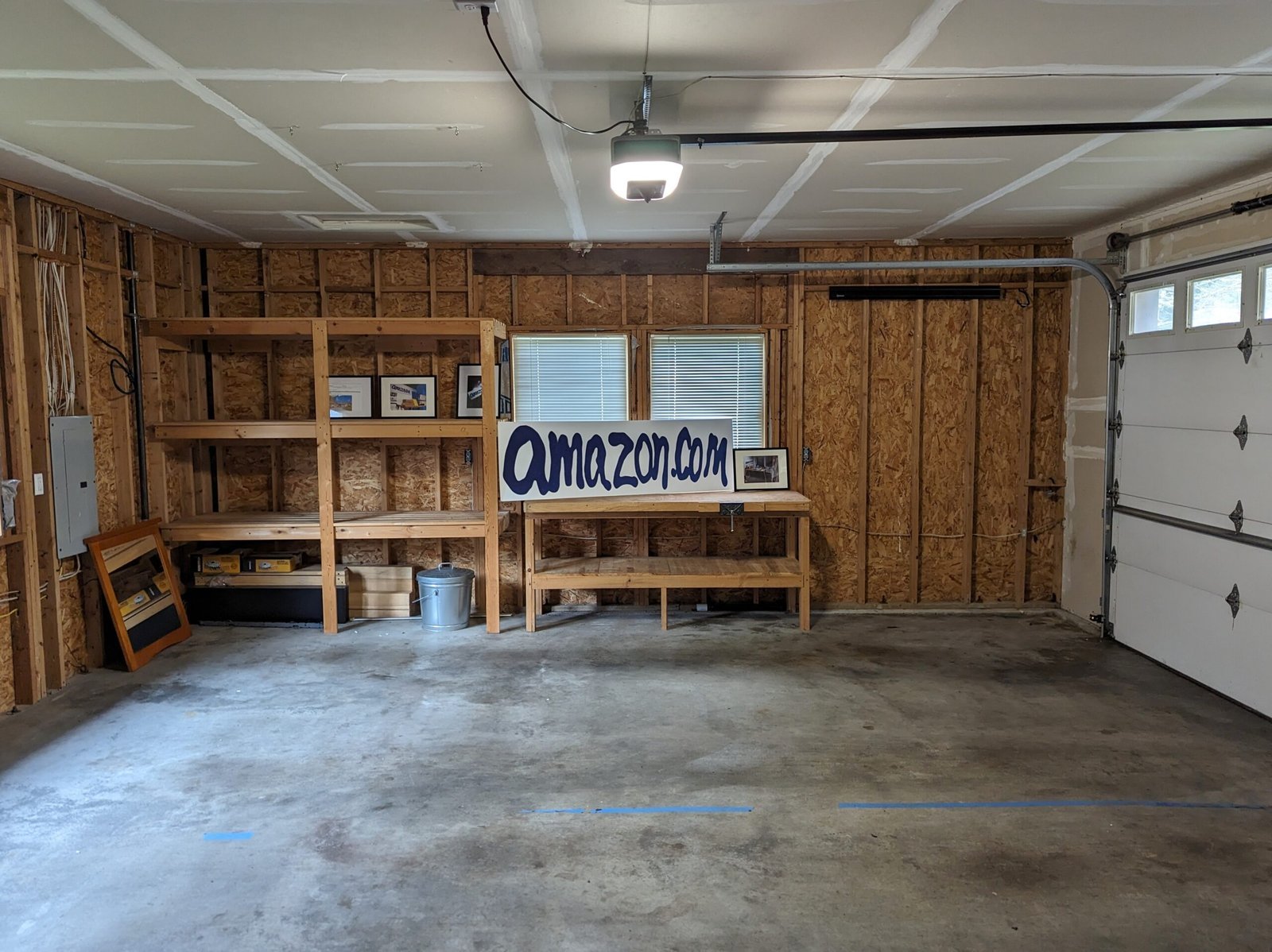
The Gold Rush founding myth enshrines risk-taking as a key part of the California Dream, shaping California’s early economy and putting it on a path to becoming the world’s fifth-largest economy today. That legacy didn’t fade. It evolved into something more sophisticated.
States like California, home to Silicon Valley and known for openness to individual expression, show much higher rates of entrepreneurship and innovation. There’s a culture here that treats experimentation not as recklessness but as necessity. Failing fast isn’t shameful. It’s education.
The idea that failure could be almost a prerequisite for success, that you had to be willing to take those risks, sank roots very early in the California consciousness. Whether in entertainment, technology, design, or lifestyle, California normalized bold swings. It taught America that playing it safe is sometimes the riskiest move of all. Venture capital, garage startups, the whole mythology of scrappy innovation? Born here, refined here, replicated everywhere.
Why California Shaped What Came Next
Here’s the thing people miss sometimes. California’s influence wasn’t about size or wealth alone, though those certainly helped. It was about mindset. A willingness to imagine differently. To build industries from scratch. To protect what matters even when profit beckons.
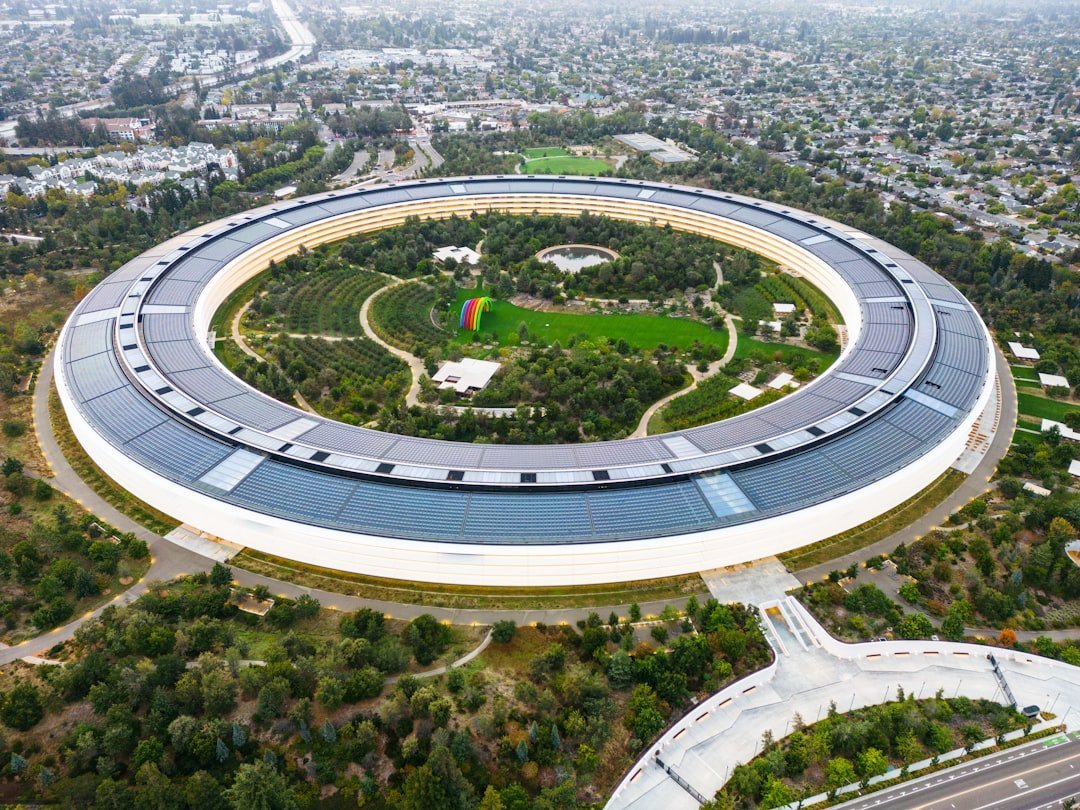
The commercial weight and cultural impact of Hollywood films is felt in virtually every corner of the world. As the Silicon Valley ecosystem matured, it remained at the forefront of digital technologies such as the internet, cloud computing, social media, smartphones, the Internet of Things, and artificial intelligence. Layer in the conservation movement, the imagery of the California lifestyle, the entrepreneurial spirit. You get a state that didn’t just contribute. It led.
When America needed to see its future on screen, it looked to California soundstages. When it needed devices to organize modern existence, Silicon Valley delivered. When it grappled with preserving natural wonders, California showed the way. When it dreamed of reinvention and possibility, palm-lined streets and Pacific sunsets provided the backdrop.
California residents have every reason to feel proud because the state didn’t wait for permission to innovate. It didn’t apologize for thinking big. And when those ideas caught fire, they spread everywhere, fundamentally altering entertainment, technology, conservation, and the very concept of the American experience. That’s not state pride. That’s documented history.

Besides founding Festivaltopia, Luca is the co founder of trib, an art and fashion collectiv you find on several regional events and online. Also he is part of the management board at HORiZONTE, a group travel provider in Germany.
