

- 8 Classic Movies You Thought Were American – But Were Actually Foreign - August 12, 2026
- 10 Most Beautiful Beaches in The World for a Relaxing Vacation - August 12, 2026
- 15 Hit Singles From the Last Three Decades That Still Get You Dancing. - August 12, 2026
There’s something about Arizona that always felt different. Maybe it’s the raw heat, the impossible landscapes, or the way history hangs in the air like dust after a summer storm. Most people think of it as canyons and cacti. They’re not wrong, but they’re missing the bigger picture.
Arizona didn’t just sit still while the rest of the country figured itself out. It became a testing ground, a proving place, a laboratory for big ideas that changed how America understands itself. From engineering marvels to lessons about surviving the unthinkable, this state quietly wrote chapters of the national story that everyone reads but few recognize. Let’s dive in.
When America Needed to Build Big, It Started at the Hoover Dam
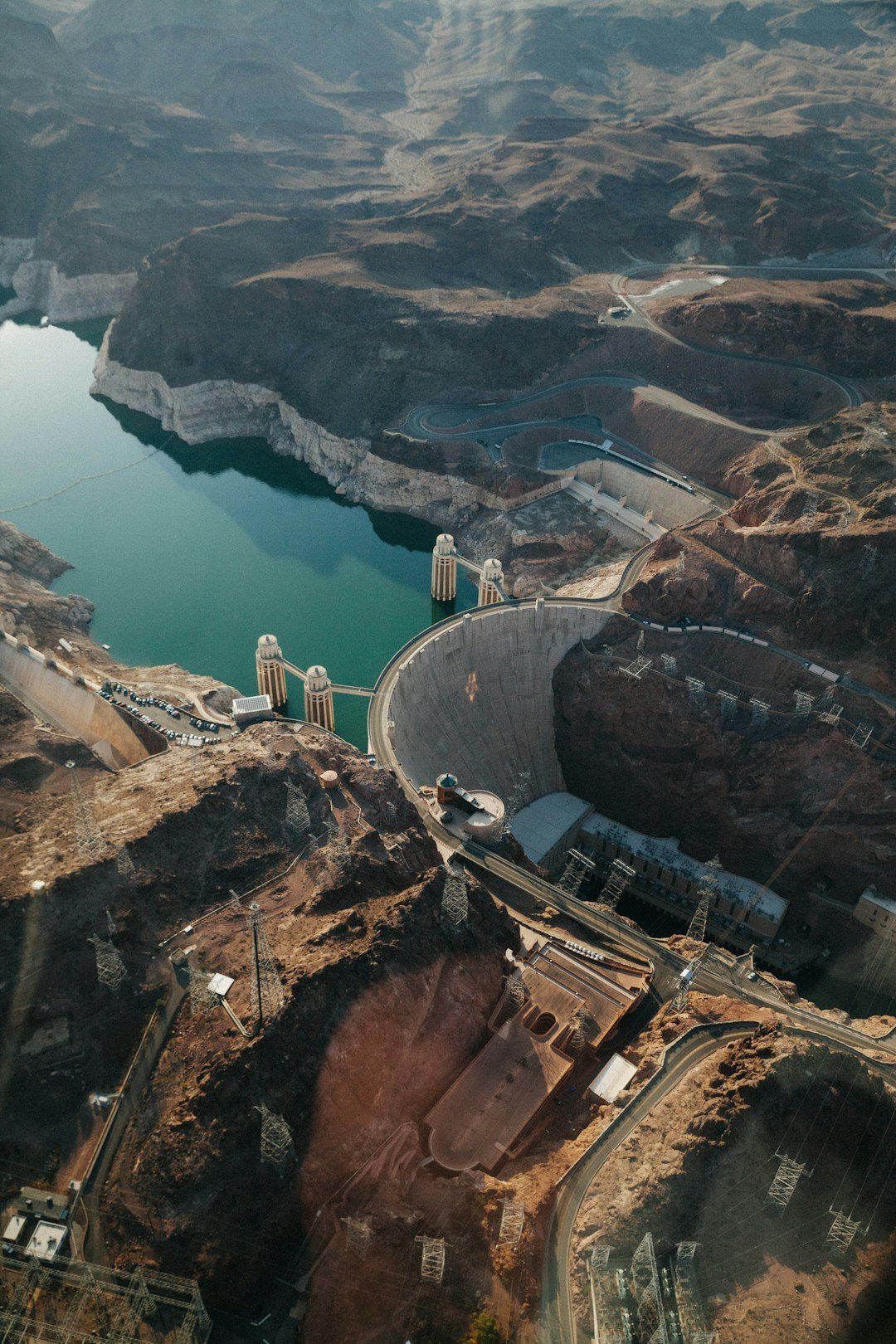
Let’s be real. The Hoover Dam isn’t just a wall of concrete holding back water. It’s the monument that taught America how to think massive.
The size of the Boulder Canyon Project necessitated a broad array of innovations in construction engineering and management which had enormous impacts on all of the large scale projects that followed it. Engineers didn’t just pour concrete and hope for the best. They invented systems, methods, and technologies that became the standard for infrastructure projects across the country. Since concrete heats and contracts as it cures, the potential for uneven cooling and contraction of the concrete posed a serious problem. Bureau of Reclamation engineers calculated that if the dam were to be built in a single continuous pour, the concrete would take 125 years to cool, and the resulting stresses would cause the dam to crack and crumble. So they didn’t do that.
Instead, cool river water would be poured through the pipes, followed by ice-cold water from a refrigeration plant. Later, at Hoover Dam, the cooling system consisted of more than 582 miles of pipe loops circulating frigid water. The innovation didn’t stop at cooling. It developed “new mathematical equations, new methods of stress analyses, new methods of model testing, new specifications for cement, and new determinations of the thermal properties of concrete,” according to a 1932 ENR article by Elwood Mead, the Bureau’s commissioner. Every bridge, every tunnel, every skyscraper that came after learned from what happened on the Arizona border. The Hoover Dam project wrote the playbook.
Phoenix Became the Blueprint for Living in Heat No One Thought Possible

Here’s the thing about Phoenix: it shouldn’t work. Temperatures that regularly scorch past 110 degrees should make urban life impossible. Yet millions live there, and the city became the world’s classroom for how to make extreme heat survivable.
Even though Indigenous people have been living in the region’s hot climate for centuries, this modern city wasn’t built with extreme heat in mind. “If you look at old pictures of Phoenix, they didn’t have sidewalks that weren’t shaded,” says Paul Coseo, a professor of landscape architecture and urban design at Arizona State University. “Then, after World War II, you had developers coming in from Chicago bringing with them design ideas and aesthetics that worked well there – but not here.”
Phoenix had to relearn what its ancestors knew. The city pioneered heat mitigation strategies that cities worldwide now study. Phoenix’s hot climate and rapid urbanization patterns make the metropolitan area a perfect testbed to study extreme temperatures, their impact on people, and to develop heat mitigation strategies. Phoenix is a perfect living laboratory that allows us to test cooling solutions in real-world settings in real neighborhoods with real people. It’s a testbed to develop adaptation and mitigation strategies that cities with less extreme climates may need before the end of the century. From reflective surfaces to shade structures, from irrigation planning to building materials, Phoenix experimented so other cities wouldn’t have to guess. So Phoenix has launched two revolutionary initiatives: HeatReady – the nation’s first program of its kind – treats heat readiness like hurricane readiness and heat waves like temperature tsunamis. Another project, Nature’s Cooling Systems, is redesigning those low-income neighborhoods hit hardest by heat to remove some of the sting. The lessons learned here are being exported to urban centers across the globe as climate change makes extreme heat a universal concern.
The Grand Canyon Gave Science Its Deepest Look Into Time Itself
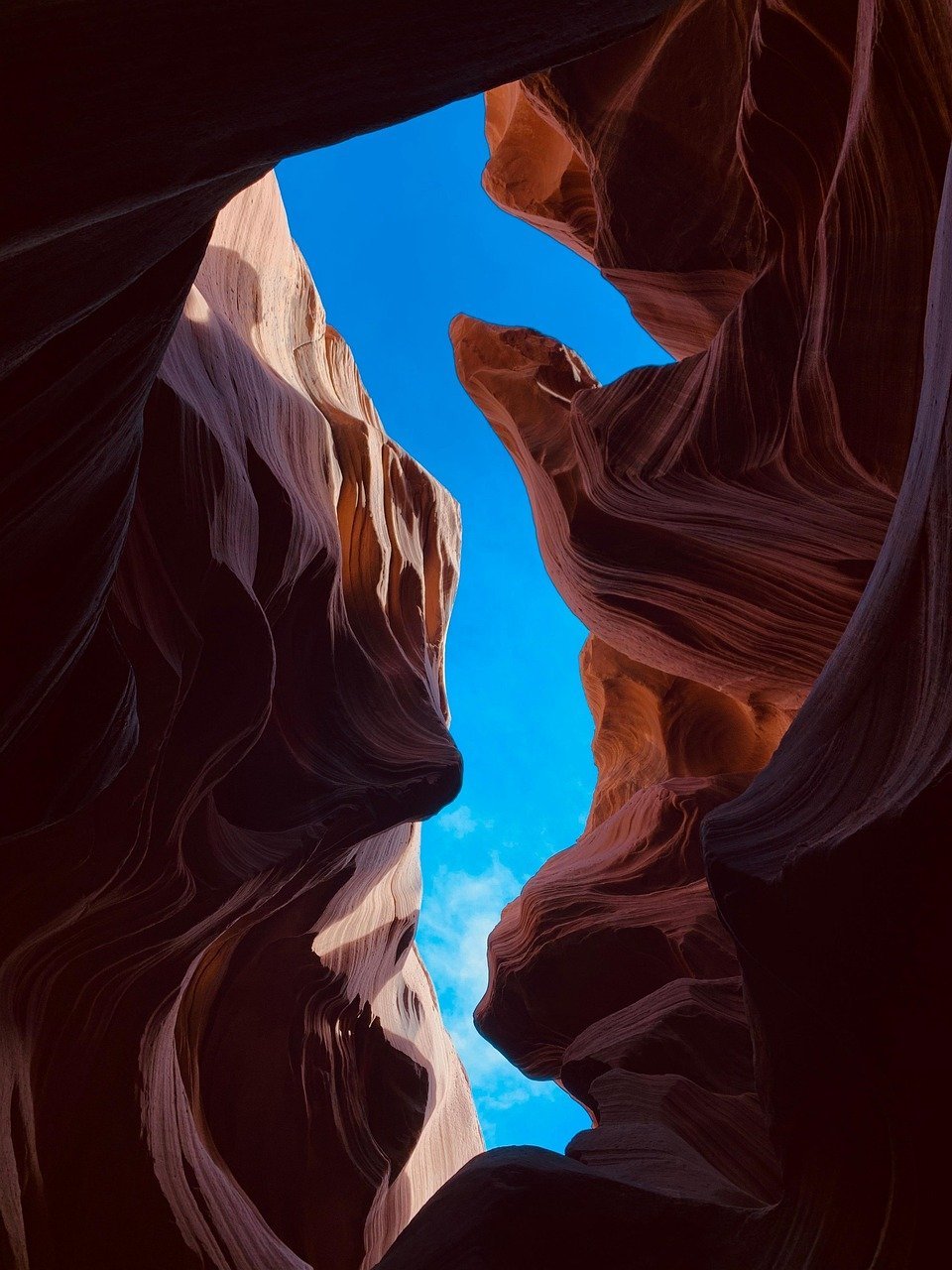
Standing at the rim of the Grand Canyon does something to a person. It forces perspective. Those layers aren’t just pretty rock formations – they’re chapters in Earth’s autobiography.
Nearly two billion years of Earth’s geological history have been exposed as the Colorado River and its tributaries cut their channels through layer after layer of rock while the Colorado Plateau was uplifted. The theory that water erosion formed the Grand Canyon forced geologists and literate members of society into mind-bending speculations about the age of the earth. A water-carved Grand Canyon would have required millions of years of slow, steady erosion. This intellectual revolution embedded the concept of deep time to the modern world and supported other revolutionary ideas such as Charles Darwin’s theory of evolution. Before the Grand Canyon, people struggled to grasp geological time scales. After it, scientists had a visual textbook.
Geologists closely inspect every face of the canyon, and read the layers of its rocks like the page of a book. They construct detailed maps and determine its three-dimensional structure to understand how the canyon and the rocks exposed in it formed. Because the Canyon so clearly lays out many layers of the earth’s crust, geologists from around the world have been drawn here, many making important scientific discoveries and changing the way that people understand our planet, how it was formed and how it continues to change. It transformed geology from theory into tangible reality. The canyon made time visible.
Arizona’s Indigenous People Engineered Systems That Still Influence Us Today
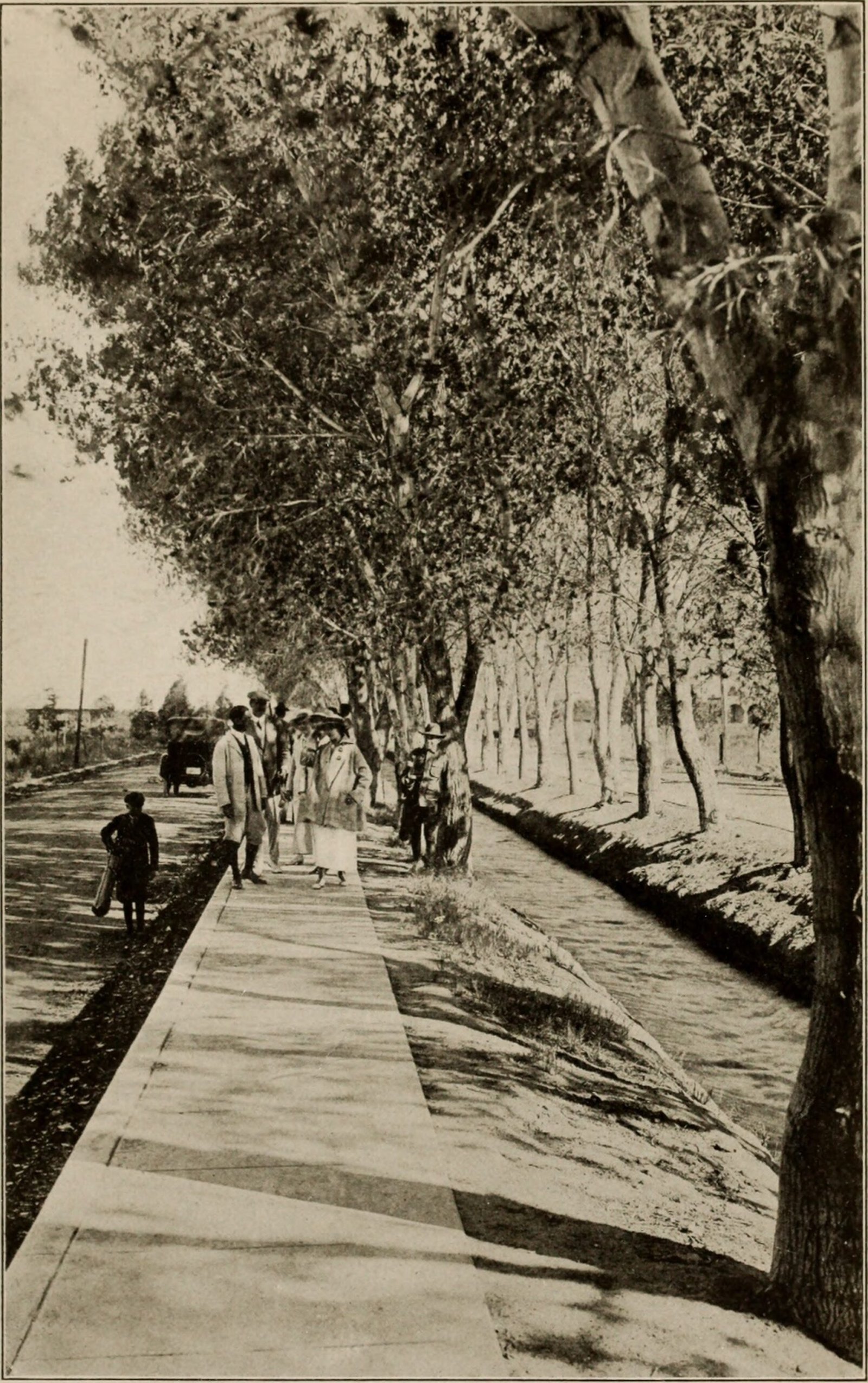
Long before modern Phoenix sprawled across the desert valley, the Hohokam people figured out how to make an impossible landscape bloom. Hohokam irrigation systems supported the largest population in the Southwest by 1300 CE. The Hohokam used the waters of the Salt and Gila Rivers to build an assortment of simple canals with weirs for agriculture. From 800 to 1400 CE, their irrigation networks rivaled the complexity of those of ancient Near East, Egypt, and China.
Think about that for a second. Roughly a thousand years ago, without modern tools or engineering degrees, they built water management systems that matched ancient civilizations on the other side of the world. They were constructed using relatively simple tools and engineering technology, yet achieved drops of a few feet per mile, balancing erosion and siltation. Modern Phoenix owes its existence to these ancient blueprints. While traveling through the Valley in search of gold in 1867, he recognized the potential for farming in the area. Later that year, he formed the Swilling Irrigation and Canal Company with inspiration from the ancient Hohokam canals.
But it wasn’t just irrigation. In addition to pottery and domestic crops, which by 600 c.e. included cotton, the Colonial phase shows the use of astronomy to calculate planting dates. There are several windows that line up with the sun and moon throughout their cycles, including a small opening that aligns with the so-called “lunar standstills” that happen only once every eighteen and a half years. Indigenous communities in Arizona weren’t just surviving – they were observing, calculating, and building with a sophistication that archaeologists and sustainability experts still study today. Their cliff dwellings, celestial markers, and agricultural innovations continue to shape our understanding of sustainable living in harsh environments.
Arizona Defined What the Southwest Looks Like in the American Mind
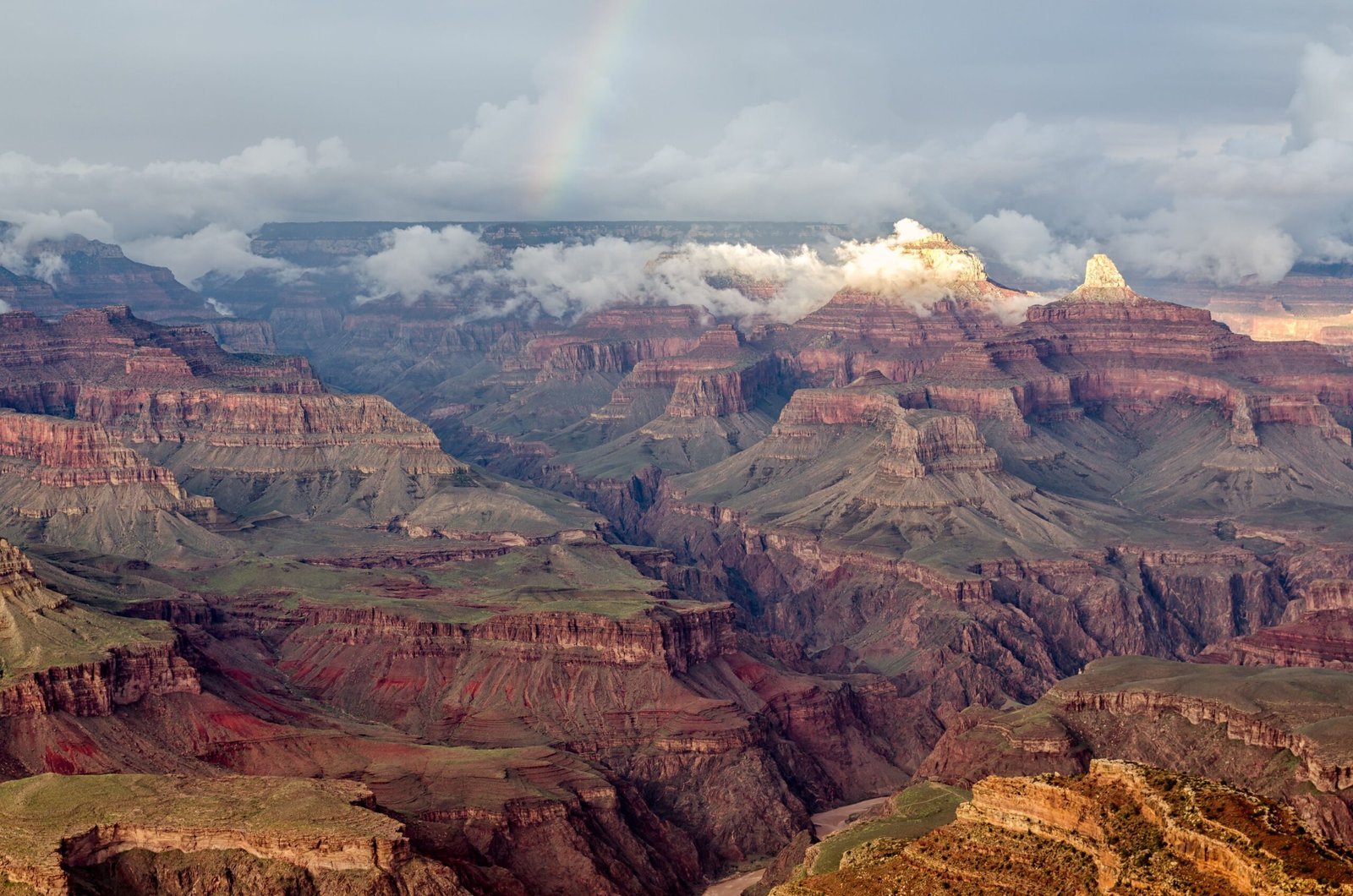
Close your eyes and picture the American Southwest. What do you see? Chances are, you’re seeing Arizona.
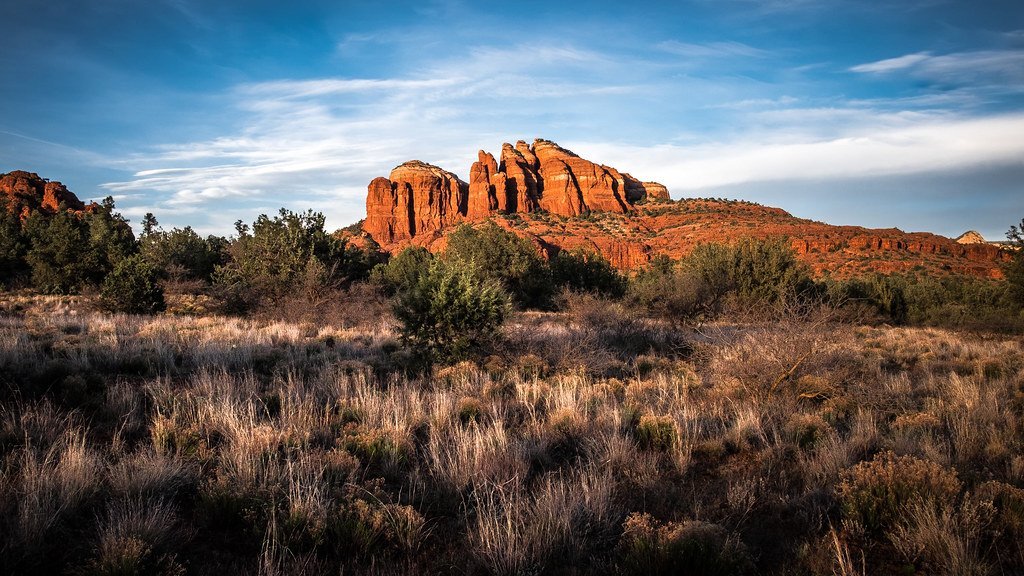
The visual language of the Southwest – the red rocks, the wide-open spaces, the adobe architecture, the desert sunsets – is so closely tied to Arizona that it’s almost impossible to separate them. Lawrence Clark Powell, a major bibliographer whose emphasis is on the Southwest, defined the American Southwest in a 1958 Arizona Highways article as, “the lands lying west of the Pecos, north of the [Mexican] Border, south of the Mesa Verde and the Grand Canyon, and east of the mountains which wall off Southern California and make it a land in itself.” The Grand Canyon became the symbolic anchor of the entire region.
The American Southwest, with its distinctive building traditions, languages, religions, and cuisine, reflects the vitality of the Spanish, Mexican, Native American, and Anglo cultures that have shaped its history and the Southwest we see today. From Western films to national advertising, from art to architecture, Arizona became the face of Southwestern identity. That image – rugged, timeless, spiritual – wasn’t accidental. It was forged by the state’s unique combination of natural wonder and cultural intersection. Arizona didn’t just belong to the Southwest. In many ways, it created what people think the Southwest is.
The Lessons Arizona Taught Still Echo Across the Nation
So here’s what it comes down to. Arizona wasn’t passive. It wasn’t just another state filling in the map between California and Texas. It forced America to solve problems no one else had faced yet.
How do you build something so big it changes the land itself? Arizona answered that. How do you design cities in climates that seem hostile to human life? Arizona figured it out. How do you read the earth’s history when it’s written in stone? Arizona showed the way. How do you honor ancient knowledge and make it relevant again? Arizona never forgot.
When the country needed answers about scale, heat, time, and adaptation, it looked west – and found them waiting in the desert. Arizona shaped the nation quietly, without fanfare, but unmistakably. What do you think? Does the desert still have lessons to teach us, or are we finally catching up?

Besides founding Festivaltopia, Luca is the co founder of trib, an art and fashion collectiv you find on several regional events and online. Also he is part of the management board at HORiZONTE, a group travel provider in Germany.
