

- 19 Historic Sites Every American Literature Fan Should Visit - September 26, 2026
- How 20 History’s Greatest Speeches Still Influence Modern America - September 26, 2026
- The 14 Forgotten Stories Behind America’s Most Famous Landmarks - September 26, 2026
There’s something about Alaska that feels almost impossible. The scale of it, the wildness, the sheer audacity of life persisting in such harsh conditions. Most people think of Alaska as remote, untouched, separate from the rest of American life. They’d be wrong.
What happened in Alaska shaped the entire country in ways most of us never realize. This wasn’t just about discovering oil or protecting bears. Alaska became the testing ground for ideas that would fundamentally shift how America thinks about its relationship with the natural world, how we build in extreme conditions, and what it means to survive when everything is stacked against you.
Where the Conservation Movement Found Its Soul
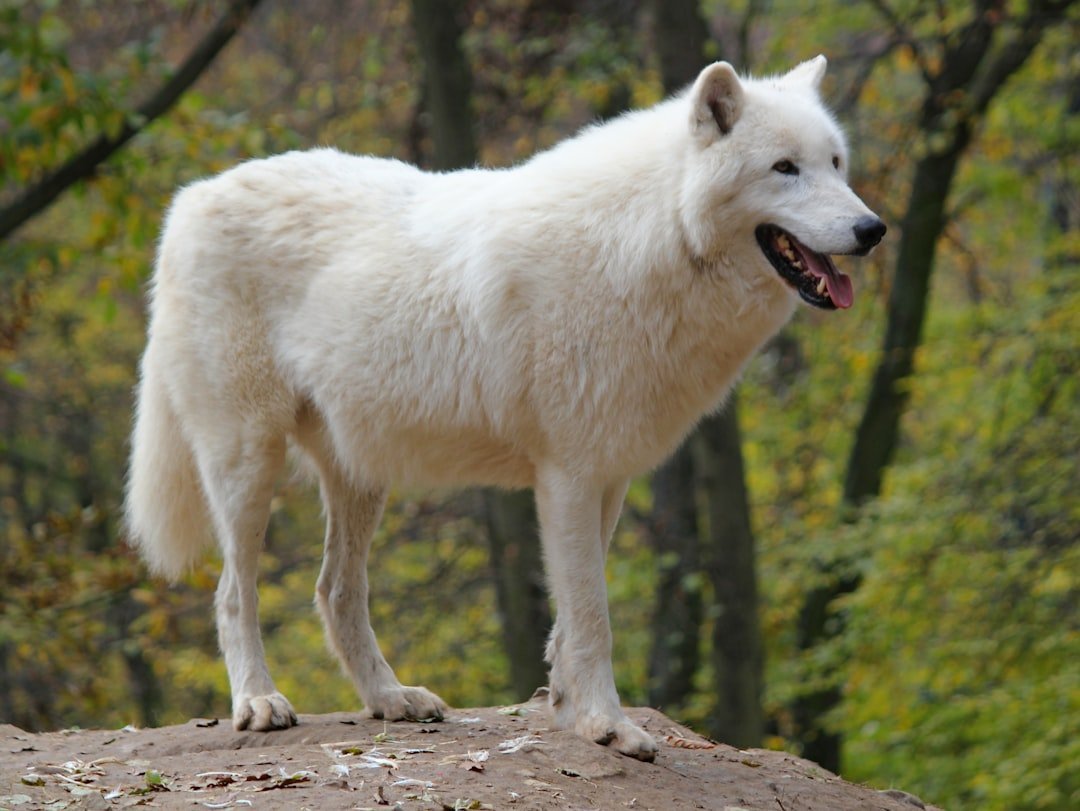
Alaska’s northeastern corner, which activists began working to protect in the 1950s, directly informed the creation of the Wilderness Act. Think about that for a moment. The law that would go on to protect millions of acres across America was born from Alaska’s landscapes.
President Jimmy Carter protected over 100 million acres of wildlands in Alaska just before leaving office in 1980, delivering what had been a decades-long focus for conservation organizations. This wasn’t incremental change. It was a wholesale reimagining of what preservation could mean.
The movement to protect areas like the Arctic National Wildlife Refuge began in the 1950s out of concern for the loss of wild places to development. Alaska forced Americans to ask difficult questions about what they valued more: untouched wilderness or economic gain. That conversation, contentious as it remains, started here.
Engineering the Impossible Across Frozen Ground
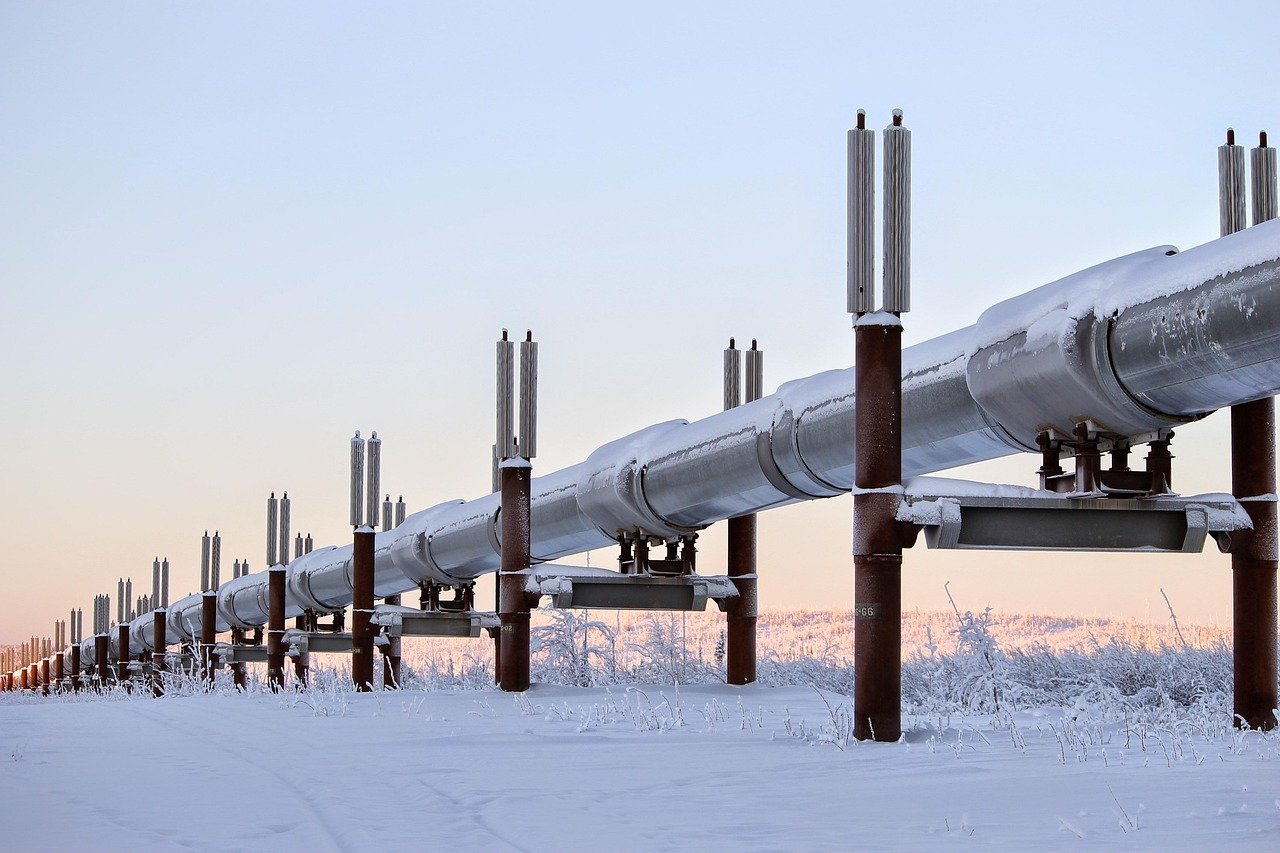
Let’s be real, nobody thought the Trans-Alaska Pipeline would work. The construction was one of the first large-scale projects to deal with problems caused by permafrost, and special construction techniques had to be developed to cope with frozen ground.
The innovative features included widespread use of geothermal information, detailed seismic analysis in its relative infancy, and considering structural behavior beyond usual stress ranges. Engineers were making it up as they went, essentially inventing an entire field of cold-weather infrastructure design.
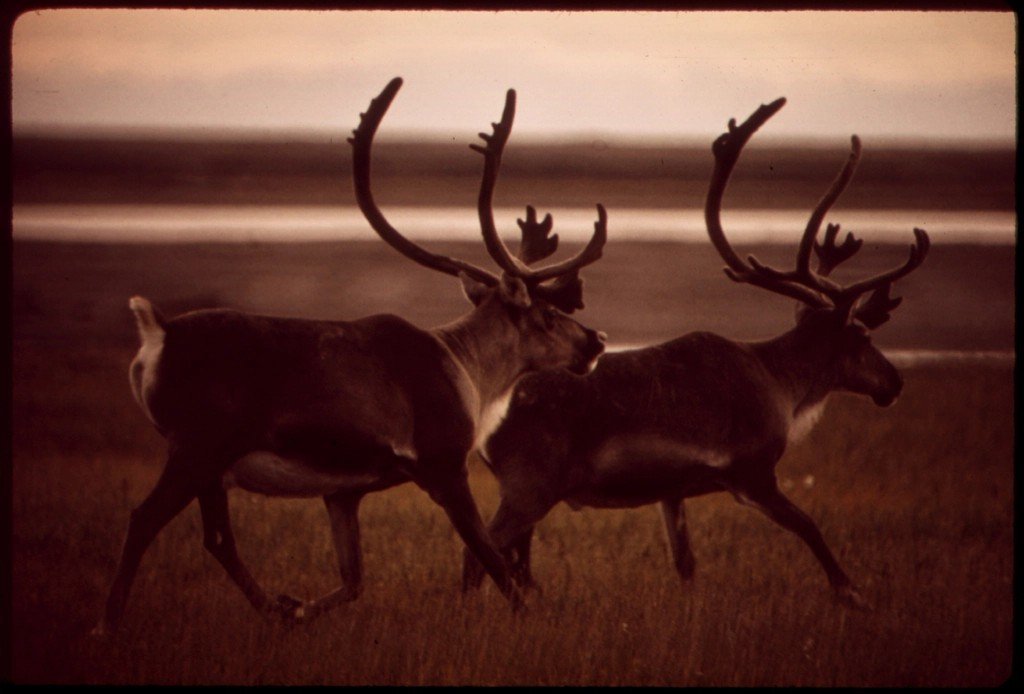
Engineers developed a system where ground near the pipeline would be refrigerated by chilled brine to allow caribou crossings, placing these sections in Styrofoam-lined trenches. The pipeline had to cross three mountain ranges, major earthquake faults, and hundreds of waterways while maintaining oil temperature around 180 degrees Fahrenheit. The innovations born from this project changed how energy infrastructure is built worldwide, proving that human ingenuity could overcome almost impossible terrain challenges.
The Birthplace of Modern Cold-Weather Survival
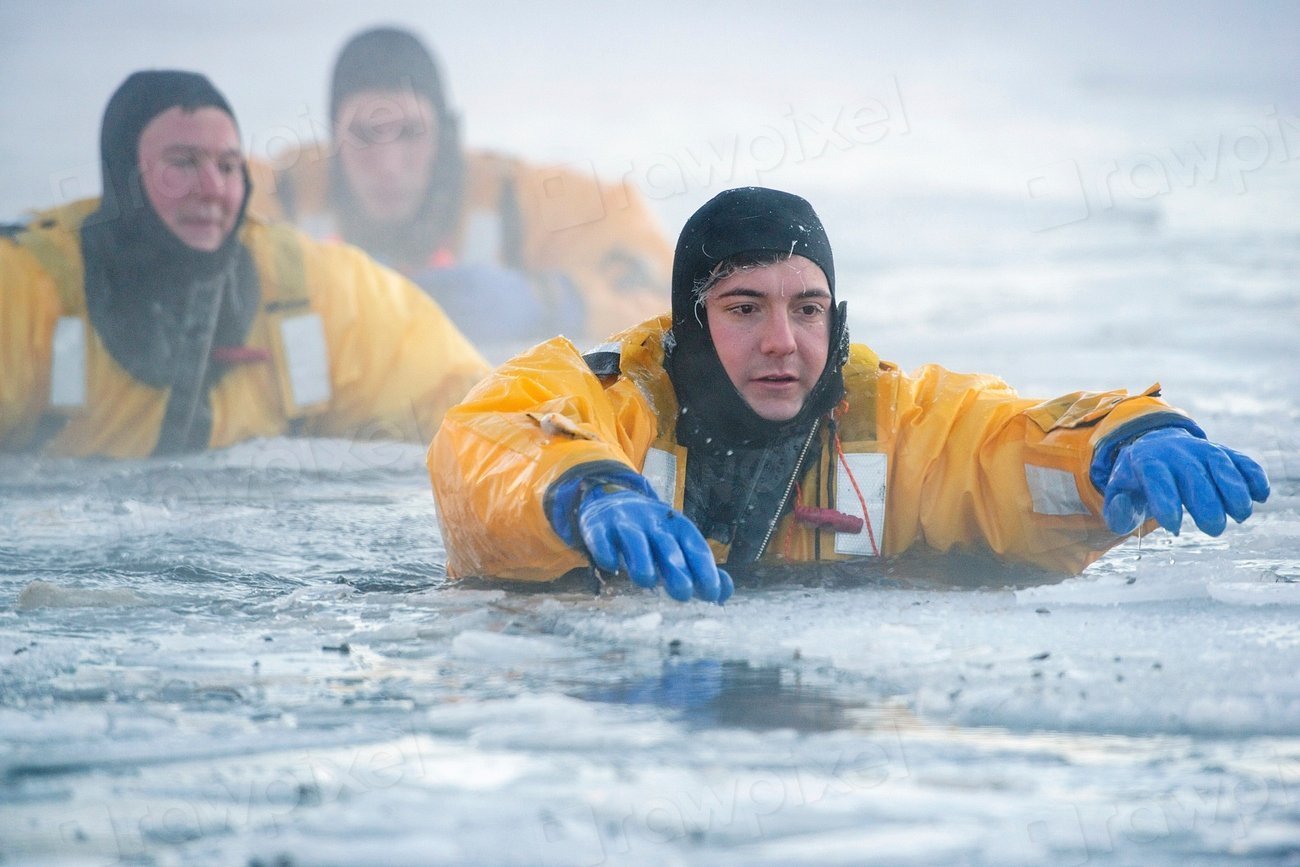
The Arctic Survival School trains airmen and joint partners to survive contingency scenarios in extreme cold, teaching members of the military basic skills to survive in Arctic conditions. This isn’t some weekend camping trip. We’re talking about environments where mistakes kill.
The Northern Warfare Training Center teaches Soldiers to not only survive in up to 40 degrees below zero temperatures and four to five feet of snow with winds up to 60 mph, but how to succeed and thrive. Alaska became the laboratory where cold-weather gear, rescue techniques, and survival protocols were tested and refined.
The knowledge developed here influenced everything from mountaineering equipment to emergency response procedures in cold climates globally. Alaska didn’t just host survival training. It fundamentally shaped how humans learned to operate in the most hostile environments on Earth.
Indigenous Wisdom That the World Now Studies
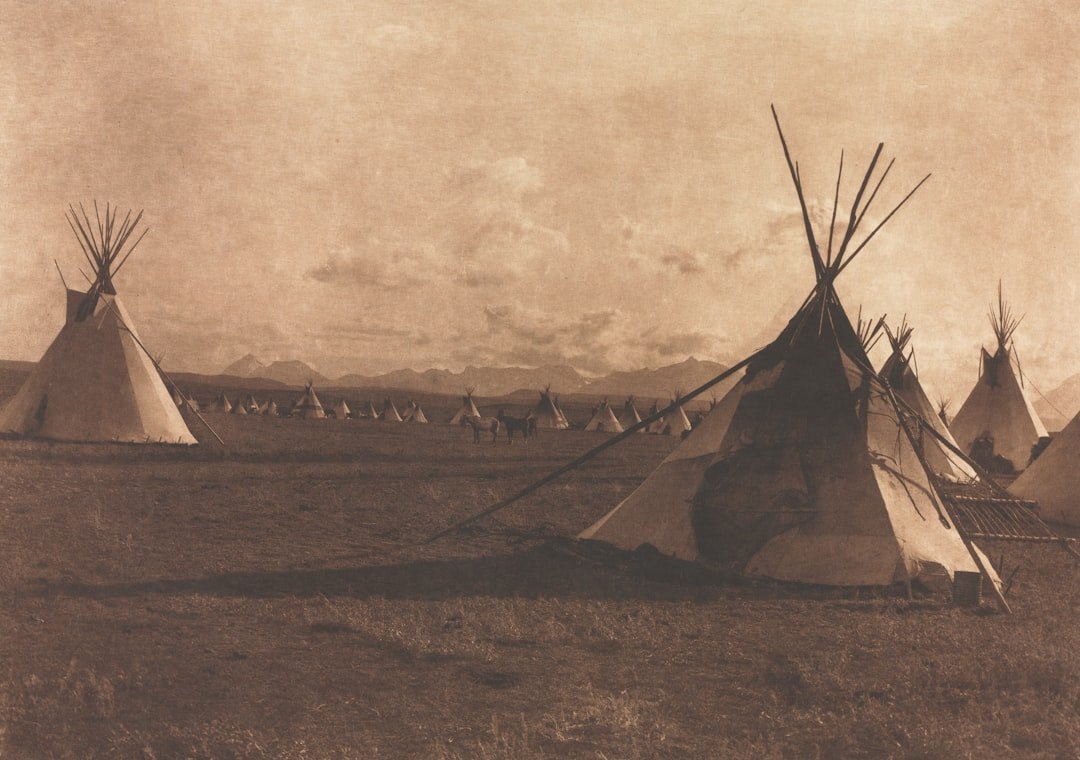
Here’s something that often gets overlooked. Alaska Native peoples’ respect for and careful use of the ecosystem confirms them as stewards of their environment with unparalleled Indigenous traditional ecological knowledge acquired over millennia.
Alaska Native peoples have sustainably managed their lands and waters for thousands of years, maintaining abundant natural resources while harvesting enough to support their communities. This wasn’t primitive or simplistic. It was sophisticated ecosystem management that modern science is only now beginning to fully appreciate.
Research shows that Indigenous-led land management programs generate three dollars in conservation, health, and economic results for every dollar invested. The traditional knowledge systems developed in Alaska are now studied globally for climate resilience and sustainability practices. What Alaska Native communities understood instinctively, the rest of the world is scrambling to learn.
The Frontier Spirit That Still Defines America
Alaska preserved something most of America lost: the frontier mindset. Not the romanticized version, but the real thing. Self-reliance born of necessity. Ingenuity when there’s no hardware store for three hundred miles. Respect for nature because it can actually kill you.
This isn’t about nostalgia. It’s about a way of approaching problems that Alaska demanded and that shaped American identity. The people who built the pipeline, who fought to protect the wilderness, who learned to thrive in impossible conditions, they embodied something essential.
Alaska kept alive the idea that Americans could still do hard things, could still face seemingly impossible challenges and find solutions. That mindset, tested and proven in Alaska, ripples through American culture even now. When the nation needed to believe it could overcome extreme obstacles, Alaska provided the evidence.
Where It All Comes Together
Alaska residents have every reason to be proud, though honestly, many probably don’t fully realize how much their state gave to the rest of the country. This wasn’t just about being big or beautiful or wild, though it’s all those things.
TAPS transformed Alaska into a major contributor to the energy supply of the United States, and more than 40 years later is still transporting oil. The conservation victories achieved here set precedents that protected millions of additional acres nationwide. The survival techniques developed in Alaska’s harsh environment saved lives around the world.
Alaska became foundational to American understanding of wilderness, energy infrastructure, and human endurance precisely because it forced innovation. There were no easy answers here, no half measures that would work. Alaska demanded excellence and punished mediocrity.
When America needed to understand how to protect true wilderness on a massive scale, it looked to Alaska. When engineers needed to transport oil across terrain that seemed impossible, they figured it out in Alaska. When military and civilian survival experts needed to develop techniques for extreme cold, Alaska became the classroom.
What do you think about Alaska’s influence on the rest of the nation? Did any of this surprise you?

Besides founding Festivaltopia, Luca is the co founder of trib, an art and fashion collectiv you find on several regional events and online. Also he is part of the management board at HORiZONTE, a group travel provider in Germany.
