

For any feedback please reach out to info@festivalinside.com
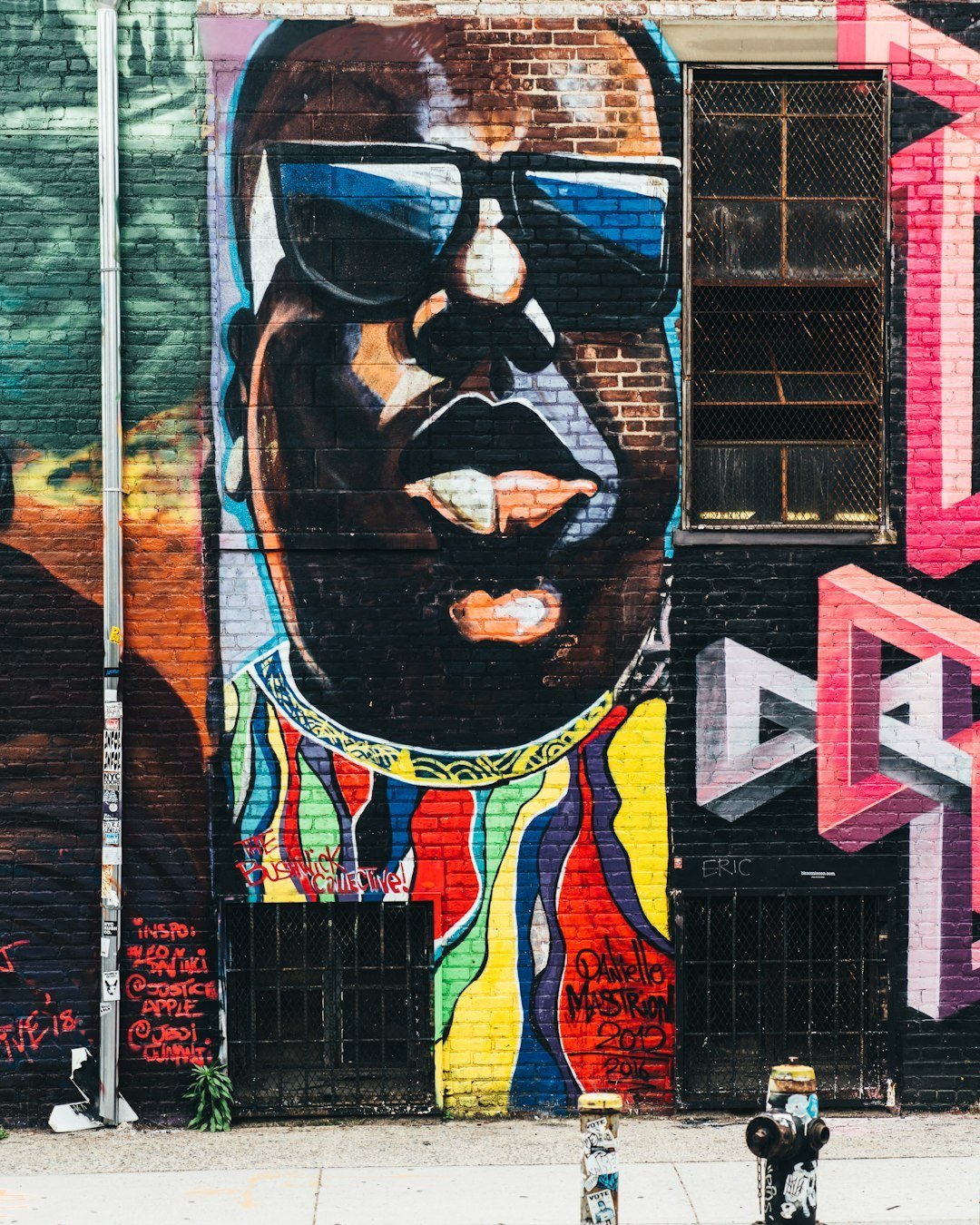
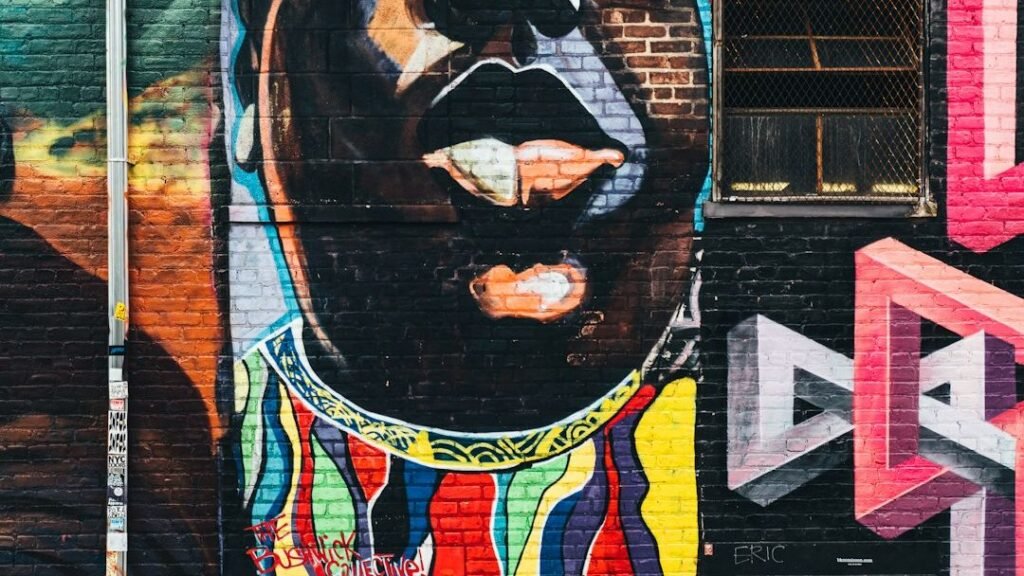
Three decades after its release, The Notorious B.I.G.’s “Juicy” remains a cornerstone of hip-hop, capturing the raw ambition of Brooklyn streets and the thrill of breakout success. Born Christopher Wallace, Biggie transformed personal hardship into platinum triumph with this lead single from his 1994 debut album Ready to Die. What started as a vivid narrative of rags-to-riches has evolved into a timeless blueprint for dreamers everywhere. Today, in 2024, the track’s recent 4K upgrade breathes fresh life into its legacy, drawing millions to streaming platforms and reigniting debates about East Coast rap’s golden era.
Here’s the thing: in an industry obsessed with fleeting trends, “Juicy” defies the odds by blending gritty realism with infectious optimism. Peaking at No. 27 on the Billboard Hot 100, it propelled Bad Boy Records into the spotlight under Sean “Puffy” Combs. Industry observers note its role in bridging soulful samples with hard-hitting beats, influencing generations of producers. As streams climb into the billions, one question lingers – what keeps this 30-year-old track dominating playlists?
Breakthrough Hit from Ready to Die
Christopher Wallace burst onto the scene with “Juicy,” the lead single that defined his meteoric rise. Released in 1994 amid a tense East Coast rap landscape, the track sampled Mtume’s “Juicy Fruit” to create a soulful backbone for Biggie’s storytelling. Vivid lines about escaping poverty and chasing dreams resonated instantly, turning mixtape buzz into national acclaim. This moment not only launched Biggie’s career but also cemented Puffy’s Bad Boy as a force, with the album achieving multi-platinum status. Furthermore, its chart performance marked a turning point, proving lyrical depth could compete with gangsta rap’s edge.
Lyrical Blueprint of Triumph
At heart, “Juicy” maps Biggie’s path from project life to luxury, rapping about dodging child services and hustling corners. Phrases like “It was all a dream, I used to read Word Up! magazine” turned personal struggles into universal anthems. This optimism stood in stark contrast to Ready to Die‘s darker tones, highlighting his range. Critics praised the seamless mix of humor, menace, and hope, making it a masterclass in braggadocio. Guest ad-libs only amplified its celebratory vibe, ensuring it stuck with listeners.
Production Magic Behind the Beat
Poke and Tone of Trackmasters crafted the track’s magic by looping Mtume’s funky bassline from 1983. Puffy layered in crisp snares, synths, and a soaring chorus, letting Biggie’s baritone shine. This fusion bridged ’70s soul and ’90s hip-hop, setting a template for sample-driven production. The buoyant rhythm perfectly matched themes of elevation, influencing countless beats since. Recent 4K enhancements have sharpened its sonic punch, pulling in new fans via high-definition clarity.
Cultural Phenomenon and Chart Success
“Juicy” dominated urban radio and MTV in 1994, earning gold certification swiftly and boosting Ready to Die to millions in sales. Images of Rolls-Royces and mansions in its rollout screamed the bling era’s dawn. Its timing overlapped with Tupac’s work, fueling East-West tensions that shaped rap history. Covers by Janet Jackson and The Game underscore its influence, while billions of streams today affirm its pantheon status. What makes it enduring is how it captured a cultural shift toward aspirational rap.
Biggie’s Roots in Brooklyn Streets
Growing up in Bed-Stuy projects with a schoolteacher mother, young Christopher dove into the crack trade by his teens. Multiple arrests fueled rhymes that rang authentic, detailing urgent survival tales. A 1993 The Source feature caught Puffy’s attention, sparking his deal. Standing 6’3″ and 400 pounds with a velvet-thunder voice, Biggie became magnetic. “Juicy” anchored Ready to Die‘s four-million sales, embodying the gritty American Dream.
Reviving East Coast Hip-Hop
The track rallied East Coast fans against West Coast dominance through Biggie’s charisma and wordplay. It sparked confessional styles seen in Jay-Z and Nas contemporaries. Puffy’s polished sound birthed Bad Boy’s shiny suit empire and global ripples. Motivational lyrics now soundtrack graduations and rallies alike. Biggie’s narratives elevated rap’s literary cred, earning nods from rock and R&B worlds. Ultimately, it proved storytelling could redefine the genre.
Tragic Legacy and Lasting Reverence
Biggie’s 1997 murder at 24 turned “Juicy” bittersweet, echoing its success themes amid feud violence. Yet optimism prevails, topping lists from Rolling Stone and Billboard. Estate efforts like 4K upgrades keep it vibrant, racking up views. This focus humanizes him beyond tragedy, emphasizing resilience. Sampled worldwide, it symbolizes triumph over odds.
Thriving in the Streaming Age
On Spotify and YouTube, remastered “Juicy” hooks Gen Z with its hustle narrative mirroring influencers. Social challenges recreate its poses, fueling virality. AI features and docs like Netflix’s Notorious extend reach. Nostalgia blends with modern appeal, proving timelessness. For dreamers facing inequality, it remains a beacon.
Final Thought
“Juicy” endures not just as a hit, but as hip-hop’s ultimate underdog story – proof that vivid truth outlives trends. Thirty years on, its 4K glow invites everyone to dream big. What part of Biggie’s journey hits home for you? Share in the comments.
Source: Original YouTube Video

Christian Wiedeck, all the way from Germany, loves music festivals, especially in the USA. His articles bring the excitement of these events to readers worldwide.
For any feedback please reach out to info@festivalinside.com
