

For any feedback please reach out to info@festivalinside.com
- Certain Street Festivals Have Transformed Unknown Towns into Cultural Hotbeds - September 2, 2026
- The Untold Stories of the Original Woodstock Attendees Are Absolutely Wild - September 2, 2026
- The Most Iconic Festival Fashion Trends That Defined a Generation of Music Lovers - September 2, 2026
The rush out of metropolitan areas continues to reshape the American landscape. What started as a trickle during the pandemic has turned into a steady stream of families packing up their apartments and townhouses in search of something different. They’re trading cramped living spaces and sky-high rents for quieter streets and actual backyards. This isn’t just about remote work anymore. It’s about rethinking what kind of environment families actually want for raising kids and building a life.
One East Coast community in particular has become a magnet for these urban refugees. The appeal isn’t hard to understand once you look at what’s on offer. Lower costs, better schools, and a genuine sense of neighborhood have created the perfect storm for attracting young families. Yet there’s more to this story than just economics and convenience.
The Housing Market Reality Check
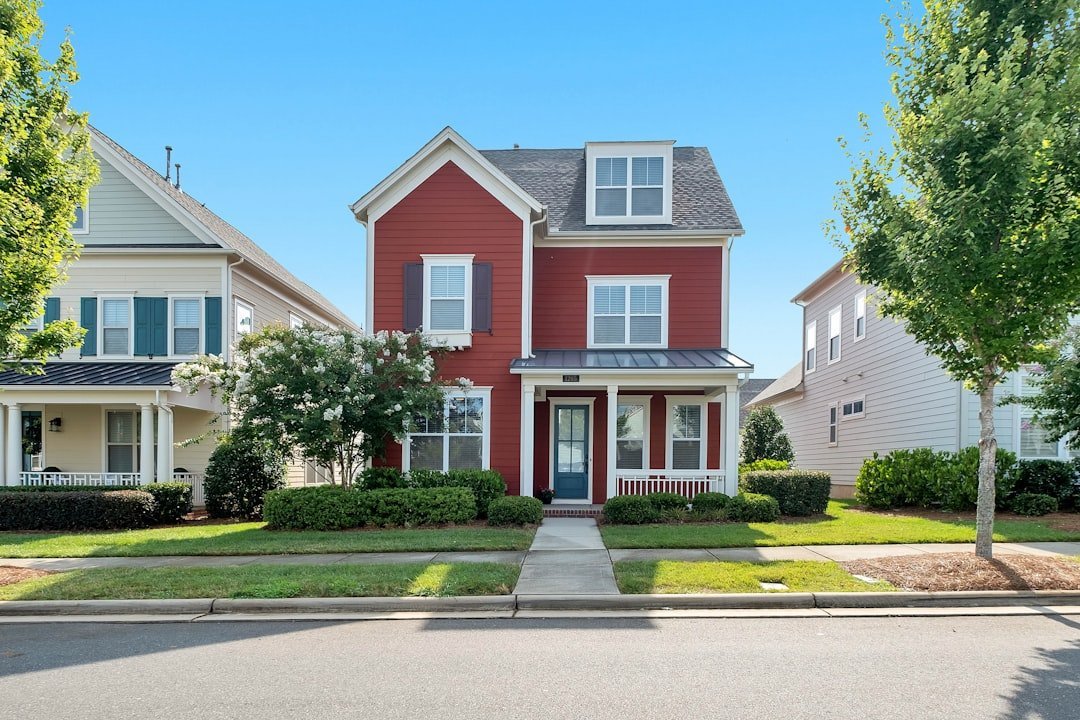
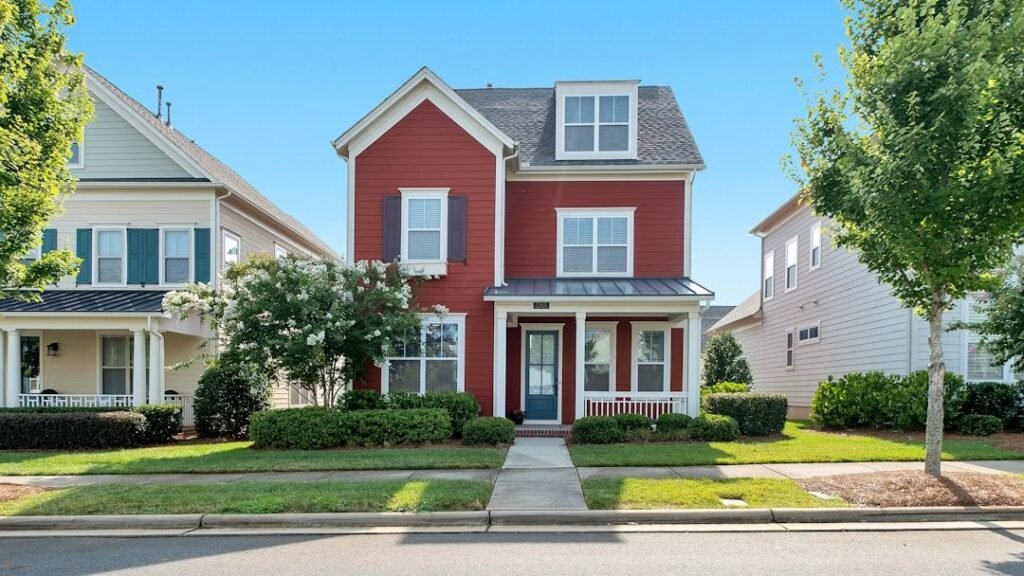
Let’s be real, the cost of living in major cities has become borderline absurd. A two-bedroom apartment in New York or Boston can easily run you several thousand dollars a month, and that’s before you even think about childcare or groceries. Families are doing the math and realizing they could own an actual house with a yard for less than they’re currently paying in rent. The typical suburban home in smaller East Coast communities often costs a fraction of what you’d spend in the urban core, and the space you get is incomparable. Many families report cutting their housing costs nearly in half after making the move. That kind of financial breathing room changes everything about how you plan for the future. When you’re not hemorrhaging money on rent, you can actually save for college funds or take a family vacation without the guilt.
Schools That Actually Have Resources

City schools can be hit or miss, and honestly, that’s putting it kindly. Parents in major metropolitan areas often face a lottery system just to get their kids into a decent public school, and private school tuition rivals college costs. Smaller communities on the East Coast frequently offer well-funded school systems with lower student-to-teacher ratios and newer facilities. Kids get access to music programs, sports teams, and extracurricular activities that have been slashed from many urban school budgets. Teachers know students by name, not just by their ID numbers. The educational experience feels more personalized and less like a factory system. For parents who spend sleepless nights worrying about their children’s education, this shift represents peace of mind that money can’t really buy.
The Commute Question Gets Answered
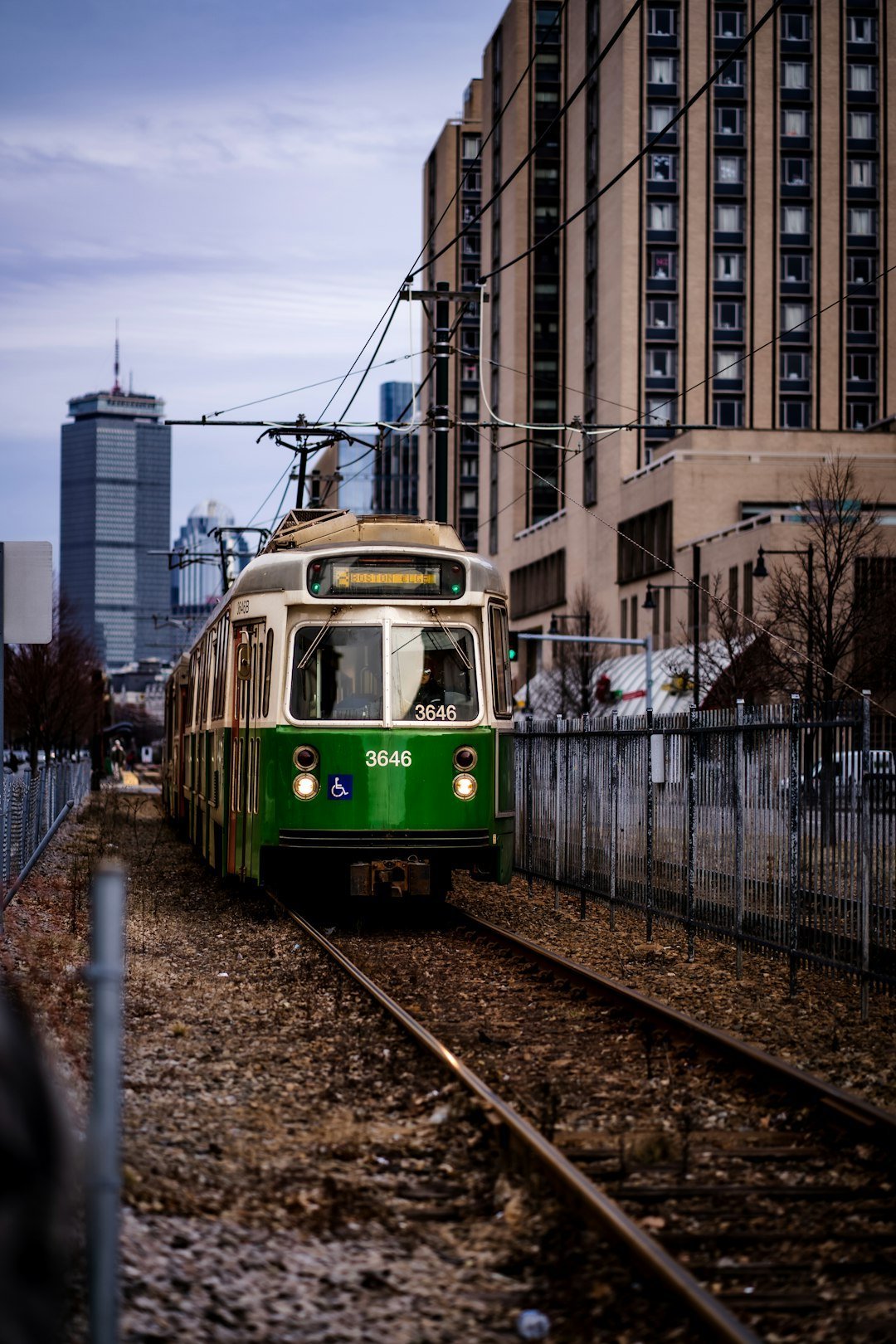
The skeptics always ask about the commute, assuming you’ll waste hours of your life on trains or highways. Here’s the thing, though. Remote and hybrid work arrangements have become normalized in ways nobody predicted five years ago. Many families relocating to these East Coast towns only need to go into the office one or two days a week, if that. Even for those who do commute regularly, the train rides from many of these communities take less time than the subway commute some city dwellers endure daily. You might spend forty minutes on a comfortable regional train versus forty minutes packed into an underground car with strangers breathing down your neck. The quality of that commute time matters. Plus, when you’re working from home the other days, you’re actually home, not stuck in a cramped apartment where your “office” is the kitchen table.
Community Life That’s Not Just a Concept
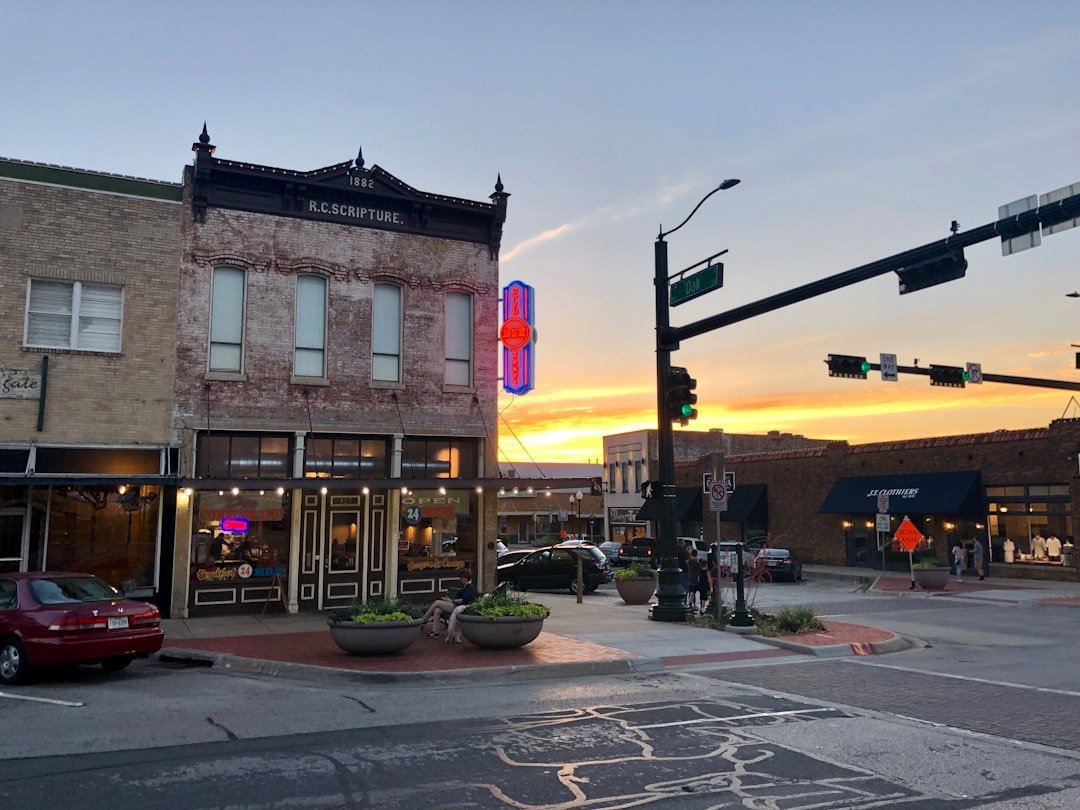
In big cities, your neighbors are often strangers you nod at in the elevator. The sense of community exists in pockets, maybe within your building or your block, but it’s fragmented. These East Coast towns offer something that feels almost old fashioned in the best way. People know each other. Kids play outside together without constant supervision. There are town events, farmers markets, and local sports leagues that actually bring people together. I know it sounds almost too idyllic, but families who’ve made the move consistently mention this as one of the biggest quality of life improvements. Your kids grow up with the same group of friends from kindergarten through high school. That stability and continuity matter more than we sometimes acknowledge. You’re not just living near people. You’re part of a community where people genuinely look out for each other.
Access to Nature Without the Weekend Escape
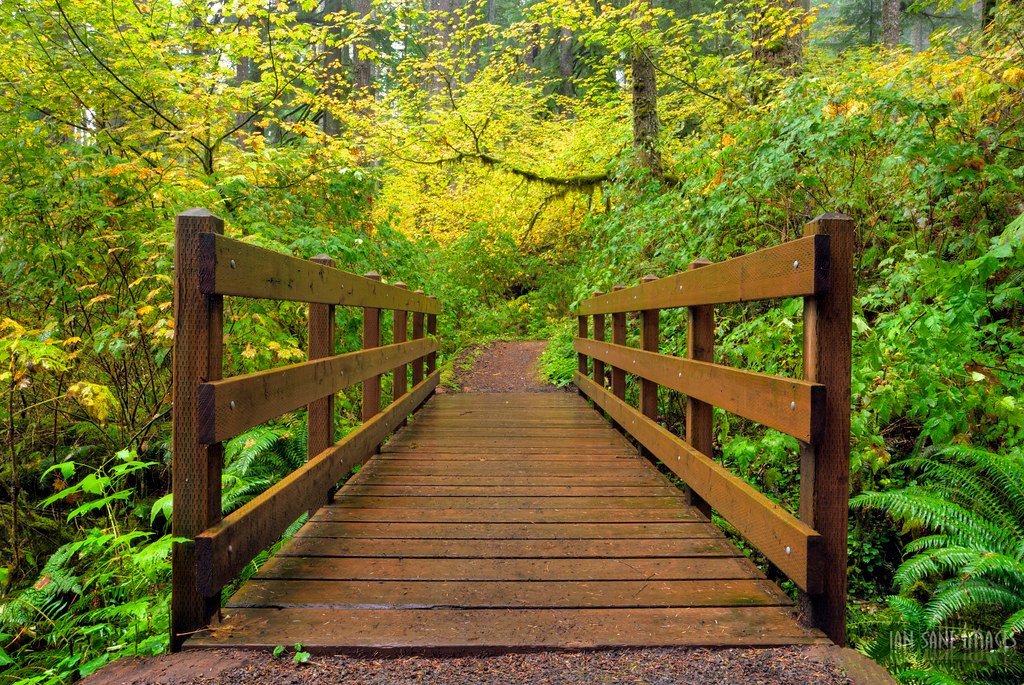
City families often spend their weekends desperately trying to escape to nature, battling traffic to reach a park or beach hours away. When you live in one of these East Coast communities, nature is just there. Parks, hiking trails, and waterfronts become part of your daily routine rather than special occasions. Kids can ride bikes safely, families can take evening walks, and you don’t need to plan an expedition just to see trees. The mental health benefits of regular access to green space are well documented, but you don’t need studies to tell you that being able to step outside and breathe feels different than staring at concrete and traffic. Families talk about their kids spending more time outdoors, getting muddy, exploring, and just being kids in ways that felt impossible in the city. That shift in lifestyle ripples through everything from physical health to family dynamics.
The Safety Factor Nobody Wants to Admit
It’s a sensitive topic, but safety concerns drive a lot of family decisions about where to live. Urban crime rates fluctuate, and even in relatively safe neighborhoods, there’s an underlying stress that comes with constant vigilance. Parents in cities develop reflexes, always watching their kids, always aware of their surroundings, always calculating risk. Moving to a smaller East Coast community often means a dramatic reduction in that background anxiety. Streets feel safer. Kids can be more independent. You’re not constantly worried about every interaction or situation. Crime rates in many of these towns sit well below national averages, and the difference in day-to-day stress levels is tangible. Families report sleeping better, worrying less, and feeling more relaxed about letting their children navigate the world. That psychological shift affects everything from parenting style to overall happiness.
The Social Network Effect

Once a few families from your city social circle make the move, others follow. It’s become a genuine trend where entire friend groups gradually relocate to the same area. This migration pattern means you’re not leaving behind your support network. You’re actually moving it to a better location. Families coordinate their moves, deliberately choosing the same towns so their kids stay friends and their own social lives remain intact. The phenomenon has created mini urban transplant communities within these East Coast towns, bringing diverse perspectives and energy while still adapting to local culture. You get the best of both worlds in a way. The sophisticated, culturally aware mindset you developed in the city combined with the practical, community-oriented lifestyle of a smaller town. That blend creates something genuinely appealing.
What About Cultural Life and Dining

The biggest concern people have is giving up the cultural richness of city life. The restaurants, museums, theaters, and constant events that make urban living exciting. Honestly, this is a real trade off, and anyone who pretends otherwise isn’t being straight with you. These East Coast communities don’t have Michelin-starred restaurants on every corner or world-class museums down the street. However, they’re usually close enough to major cities that you can still access those amenities when you want them. Many families find they actually engage more intentionally with culture when it requires a planned trip rather than constant availability they never quite got around to using. The local dining scenes in these towns have improved dramatically as more urban transplants arrive, bringing demand for better food and more variety. You learn to appreciate different things like local farm-to-table restaurants, community theater, and regional art scenes that have their own charm.
The Financial Freedom to Actually Live
Beyond just housing costs, the overall cost of living drops significantly in these communities. Parking isn’t an expensive nightmare. Groceries cost less. You don’t feel pressured to spend money constantly just to exist in the space. Families talk about rediscovering financial flexibility they forgot was possible. They can afford to save, invest, or spend on experiences rather than just survival. One family might finally start the college fund they always meant to begin. Another might renovate their home or take that trip to Europe they’d been postponing for years. The economic pressure that defined city life gradually lifts, and families remember what it feels like to not be constantly stressed about money. That shift affects relationships, mental health, and long-term planning in profound ways. You’re not just surviving anymore. You’re actually building something.
Making the Leap
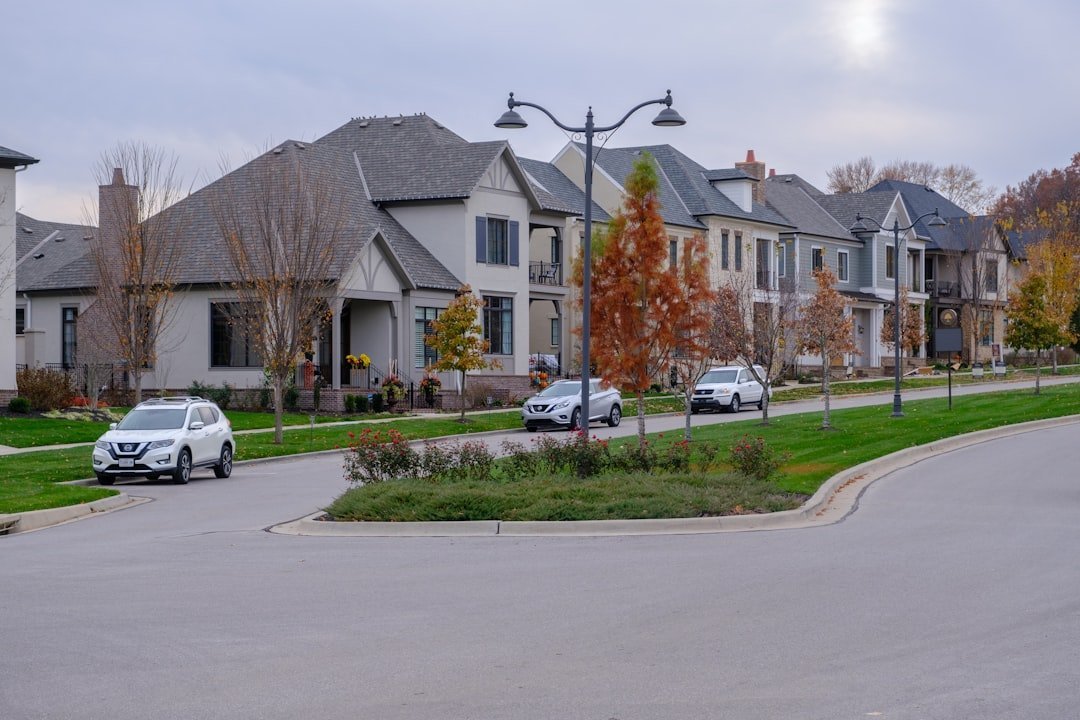
The decision to leave a big city isn’t easy, and it’s not right for everyone. Urban life offers things these communities simply can’t match. The diversity, the energy, the constant stimulation and opportunity. Some people thrive on that intensity and would wither in a quieter setting. Yet for families at a particular life stage, prioritizing space, safety, schools, and financial stability, the equation has shifted. What once seemed like settling now feels like upgrading. The families making this move aren’t running away from something. They’re running toward a vision of life that aligns better with their values and needs at this moment. Whether this trend continues or eventually reverses remains to be seen, but right now, the migration shows no signs of slowing down. These East Coast communities are growing, changing, and welcoming new residents who are ready for something different.
What do you think? Could you see yourself making a similar move, or is city life too ingrained in who you are?

Christian Wiedeck, all the way from Germany, loves music festivals, especially in the USA. His articles bring the excitement of these events to readers worldwide.
For any feedback please reach out to info@festivalinside.com
