

For any feedback please reach out to info@festivalinside.com
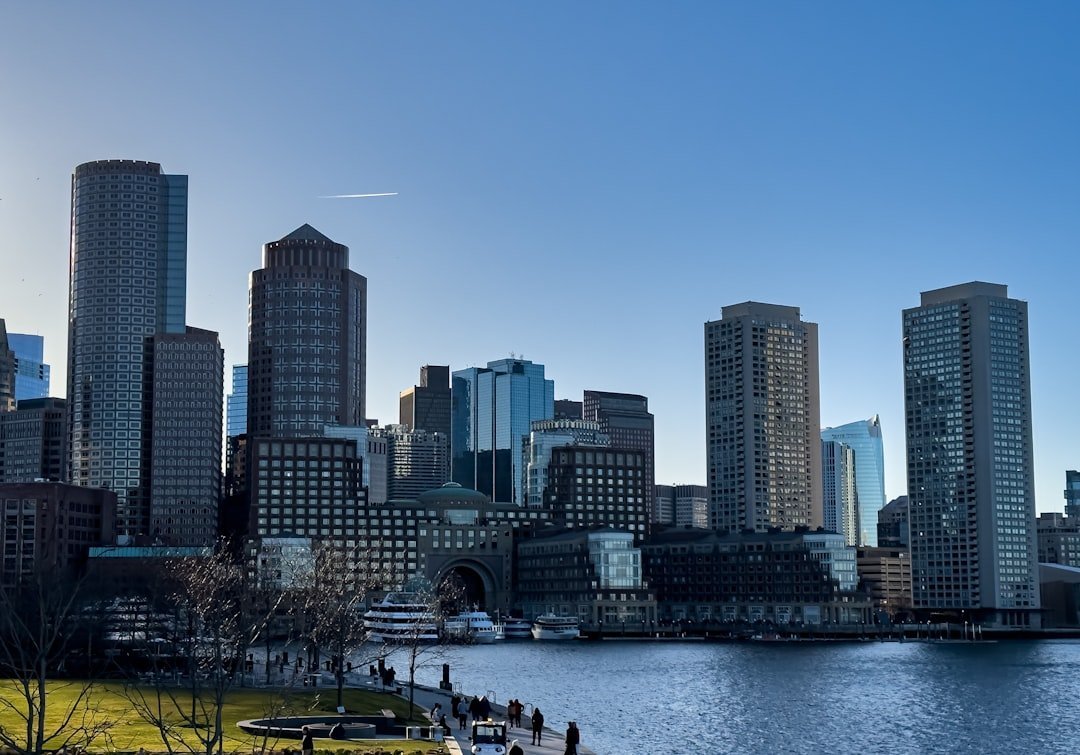
Something big is shifting in downtown Boston right now. If you’ve noticed more construction, heard whispers about new zoning laws, or seen empty office buildings slowly transform into something entirely different, you’re catching the early signs of what could be one of the most dramatic urban transformations this city has seen in decades. It’s not just about a few new buildings popping up here and there. This is about reshaping the very identity of downtown, from a business district that empties out after dark into a neighborhood where people actually live, gather, and build their lives. Let’s dive into what’s really happening and why it should matter to anyone who cares about this city’s future.
New Zoning Laws Are Rewriting Downtown’s Future
The BPDA board and Zoning Commission approved long-discussed zoning changes to Boston’s downtown this year, allowing towers of up to 700 feet in certain zones while disincentivizing office development in favor of new housing. Here’s the thing, though. These aren’t just boring regulatory tweaks buried in government documents. They represent a fundamental shift in how the city sees downtown’s purpose. For years, downtown Boston functioned primarily as a place where people commuted to work, spent their days in office towers, then fled back to the neighborhoods or suburbs when evening rolled around. The new zoning basically says that model is over.
Residential uses are now legal throughout the new zoning districts, whereas large hotel, lab, and office uses will require further zoning approval, and the zoning eliminated outdated and prohibitive land-use restrictions to encourage new and diverse businesses like coffee houses, bakeries, fitness studios, and entertainment uses to thrive. I think what makes this particularly fascinating is the city is actively trying to bring foot traffic back to downtown streets. When you make it easier for a bakery or fitness studio to open but harder for another massive office tower to get approved, you’re signaling a pretty clear vision for what downtown should become.
Empty Offices Are Becoming New Homes
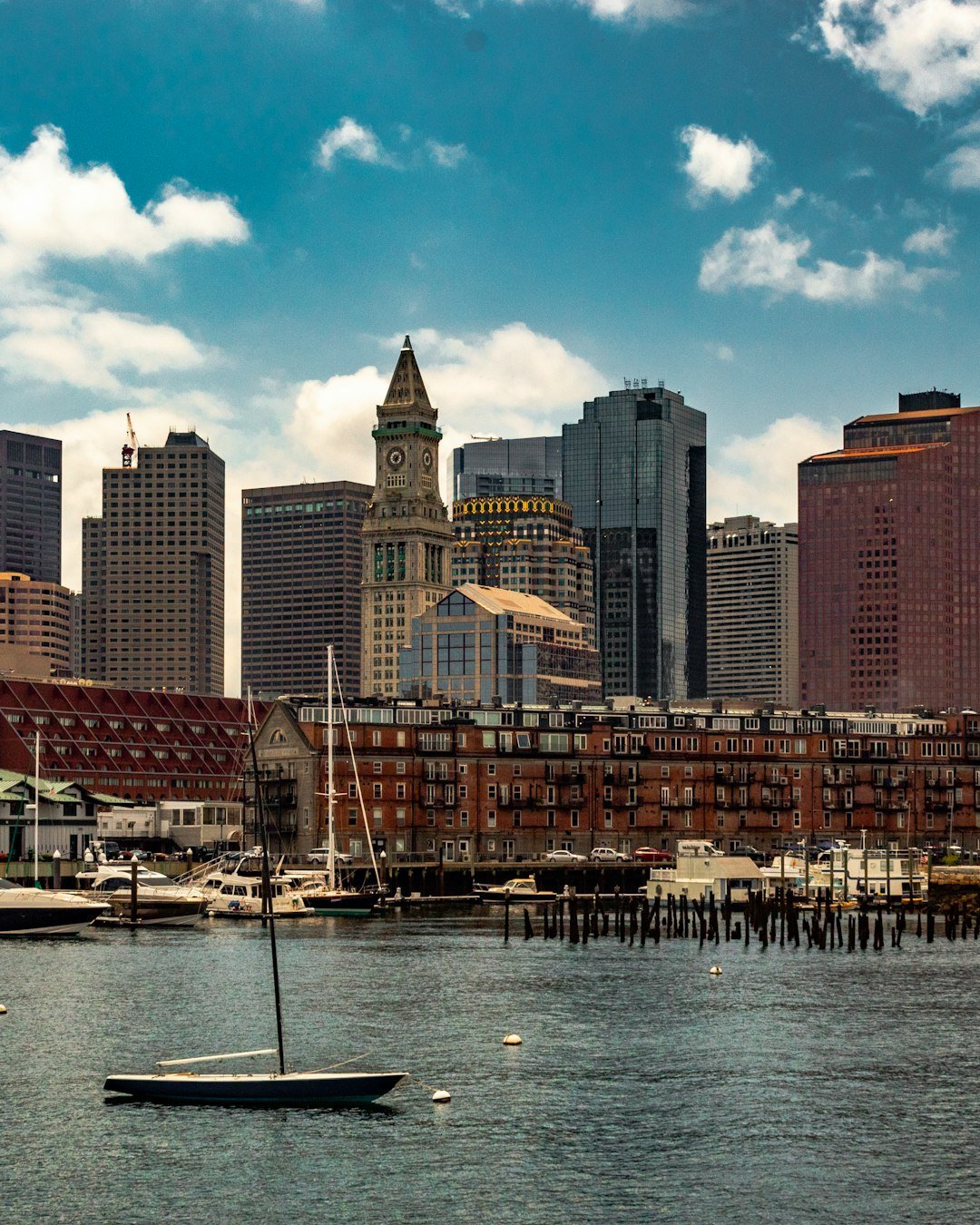
Remember all those half-empty office buildings you’ve been walking past? They’re getting a second life. Boston’s Office-to-Residential Conversion Program, launched in 2023, has already attracted 22 applications to convert 1.2 million square feet of office space into more than 1,500 housing units. That’s not a small number when you really think about it. These conversions represent thousands of people who could soon be living right in the heart of the city, walking to dinner instead of driving home to the suburbs.
The City of Boston also extended the application period for the Office to Residential Conversion Program through the end of 2026, due to its success since its last extension in the summer of 2024. The city clearly sees this as working. What used to be sterile office space is slowly morphing into apartments where families eat breakfast, kids do homework, and neighbors run into each other in hallways. Downtown office-to-residential conversions at 1 Longfellow Place and 1 & 10 Emerson Place are adding 57 new homes. Every single one of these conversions changes the rhythm of downtown life just a little bit more.
Development Approvals Actually Dropped Sharply
Here’s where things get complicated, and honestly a bit worrying. The BPDA board in 2025 approved 5.8 million square feet of development worth an estimated $4.8 billion, down by half from the 11.6 million square feet of development approved in 2024. That’s a massive drop. Some people might see this as a sign the city is slowing down its push for growth, but the reality is probably more nuanced than that.
The slowdown and ongoing struggles in the commercial and residential development industries prompted the city to pause a scheduled increase on fees developers pay into affordable housing and workforce development trusts, with sharp increases in construction and financing costs prompting the Planning Department to request holding linkage at its current rate for 2026. It’s not that people don’t want to build in Boston anymore. The economics of construction have gotten brutal, with materials costing more and financing harder to secure. The city is trying to keep development attractive enough that projects actually happen, rather than sitting on paper forever.
Downtown’s Getting a Cultural and Visual Makeover
The Planning Department launched ‘Color Flows on Winter Street’ in the fall of 2025, a multi-week public art and public space activation program with fun, interactive events in Downtown Crossing, transforming Winter Street with colorful art installations, food trucks, and cultural programming. This might sound like a small thing compared to massive zoning overhauls, but it’s actually revealing. The city is experimenting with ways to make downtown feel less corporate and more alive.
During the time ‘Color Flows’ was running, 80 percent of the area businesses surveyed reported an increase in foot traffic, and 60 percent reported an increase in sales, while 90 percent of people surveyed reported feeling safer in Downtown Crossing. Those numbers tell you everything about what’s been missing. People want reasons to be downtown beyond just working there. They want it to feel welcoming, vibrant, safe. When art installations and food trucks can make that much difference, it shows how starved the area has been for simple human energy.
Affordable Housing Is Part of the Equation
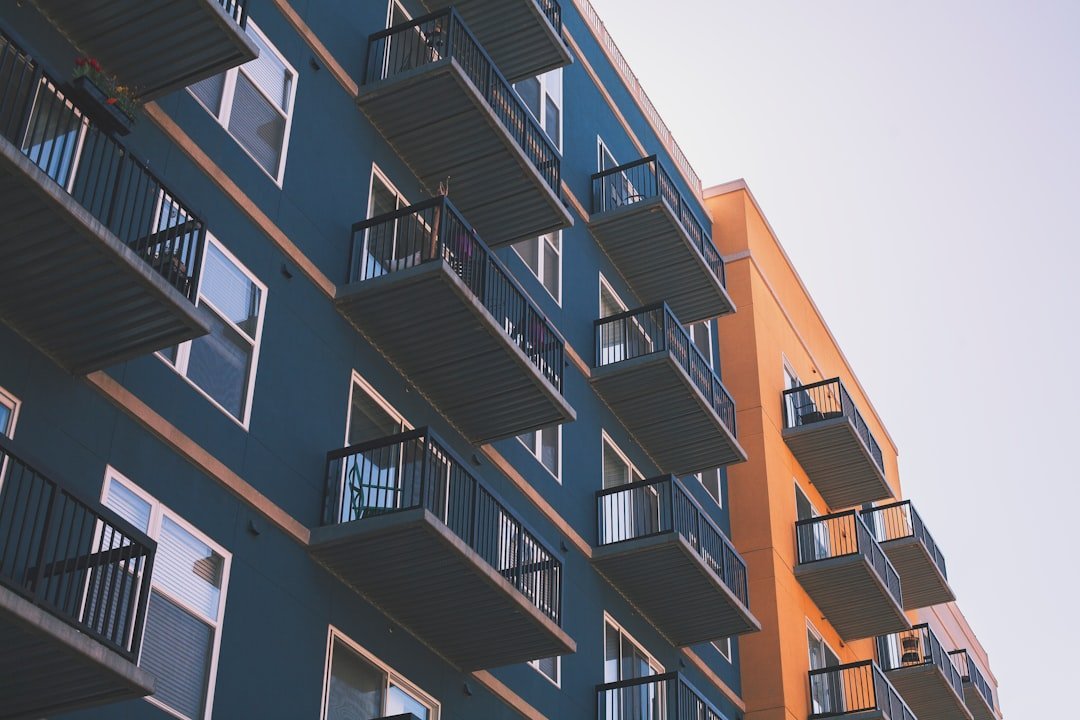
Let’s be real, Boston has a reputation for being impossibly expensive. Development proposals advanced by staff amounted to 5.8 million net square feet worth approximately $4.8 billion of investment, including 3,773 net residential units, of which 1,278 or 29 percent will be income-restricted. Nearly one third of new units being designated as affordable is significant, though whether that’s enough is another question entirely.
The Parcel R-1 redevelopment at 55 Hudson Street in Chinatown will bring 110 affordable homes and a new permanent Chinatown branch of the Boston Public Library to the neighborhood, with the 12-story, mixed-use building including 66 affordable rental apartments and 44 affordable homeownership units. Projects like this show the city is at least trying to weave affordability into new development rather than treating it as an afterthought. I know it sounds crazy, but maybe, just maybe, downtown could become a place where regular working people can actually afford to live.
Big Events Are Drawing Eyes to Boston This Year
Beyond the construction and policy changes, Boston is hosting some pretty major events that are putting the city in the spotlight. The World Cup comes to the Boston area in June and early July, with favorites like France and England and dark horse contenders like Morocco, Norway, and Scotland taking the pitch in Foxborough, with matches scheduled from June 13 through June 23. When the world shows up for the World Cup, they’re going to see a Boston in the middle of reinventing itself.
Mayor Michelle Wu announced a week-long series of programming to mark the City of Boston Inauguration 2026 and create space for Boston families to celebrate in community, with events providing an opportunity to engage with residents as the City sets a vision for continuing the work to make Boston a home for everyone. The timing of all this, the inauguration week, the World Cup, the downtown transformation, feels like the city is staging its own comeback story. Whether it all works remains to be seen.
The Development Review Process Just Got Overhauled
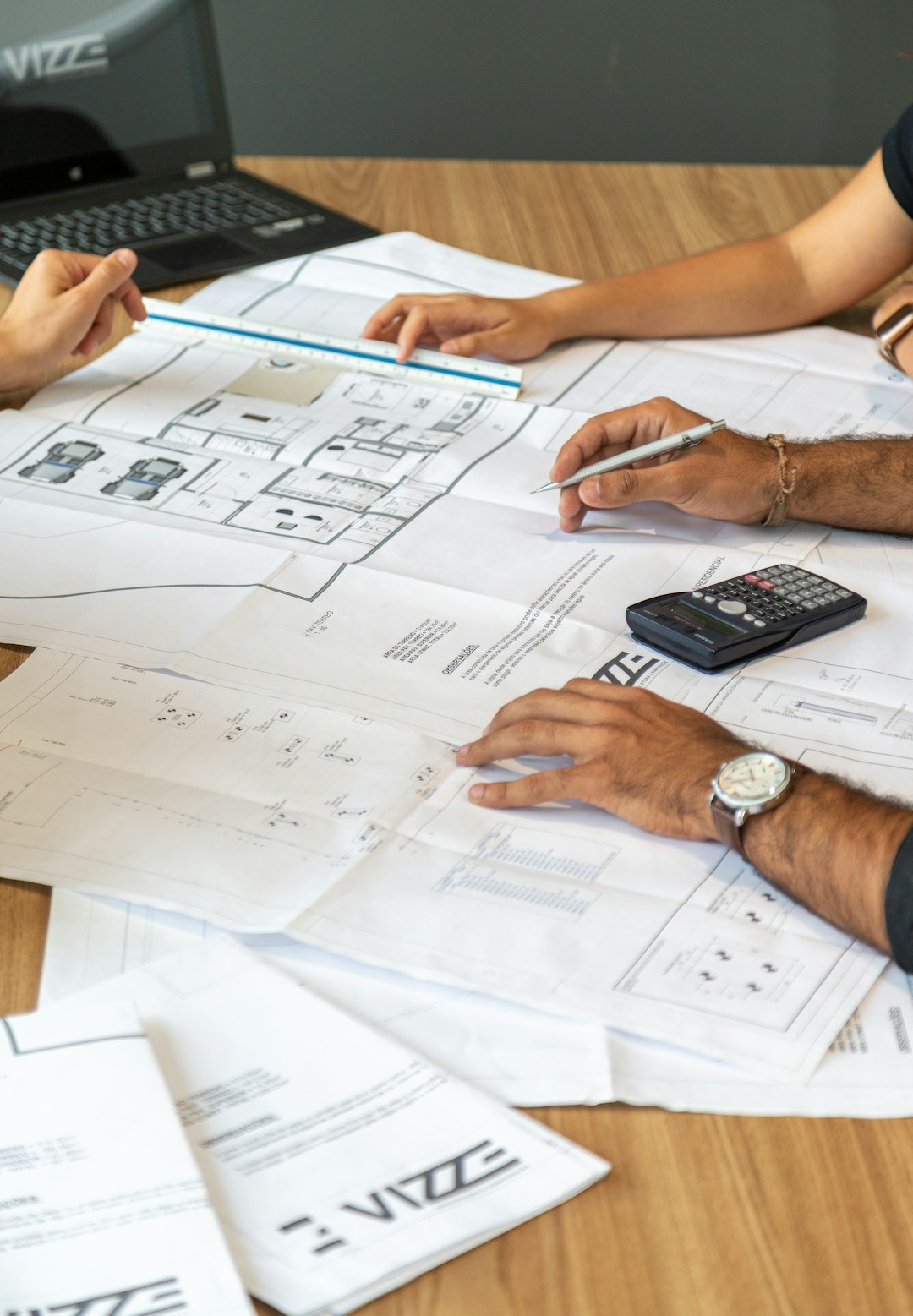
The Boston Zoning Commission approved a set of amendments to the zoning code to improve the predictability and consistency of the development review process and lay the groundwork for future reforms as part of the Article 80 Modernization Action Plan. This is the kind of thing that makes developers and city planners excited but puts everyone else to sleep. Yet it actually matters quite a bit. When the process of getting a project approved becomes clearer and faster, more projects actually get built.
The Zoning Commission approved amendments to Article 80 of the zoning code to change thresholds and procedures for review, make it easier to renovate existing buildings including rehabilitation for sustainability upgrades and conversions, modernize communication methods with the public, and improve coordination between city departments, making the development review process more efficient for housing projects. It’s hard to say for sure, but this could be what finally unlocks some of those stalled projects. Less red tape usually means more action, at least in theory.
There’s a Push to Make Downtown More Than Just Offices
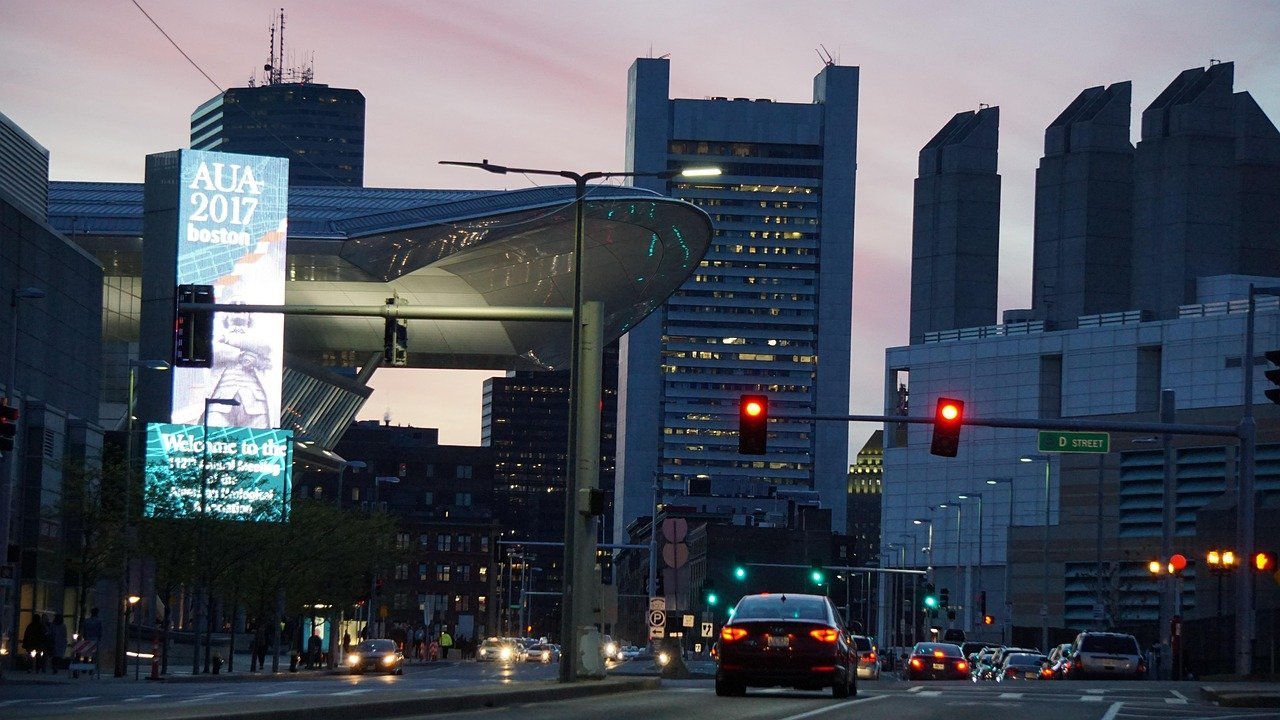
The vision behind all these changes is pretty clear. A thriving, reimagined downtown from a Financial District to a mixed-use neighborhood with more residents, and a new mix of businesses, is positive for the entire city and the region at large. That’s the dream, anyway. A downtown where you can live in an apartment, grab coffee at a local bakery, take your kids to a library, see a show in the evening, all without needing a car or leaving the neighborhood.
The zoning supports historic preservation by eliminating barriers to convert or adapt existing buildings, and also provides extensive design guidelines to ensure sensitivity and preservation of historic areas. Honestly, one of my favorite parts of this whole transformation is that the city isn’t trying to bulldoze history to make way for glass towers. They’re finding ways to adapt old buildings, keep the character that makes Boston feel like Boston, while still letting the neighborhood evolve. It’s a delicate balance, and not everyone will think they’re getting it right.
Neighborhoods Beyond Downtown Are Changing Too
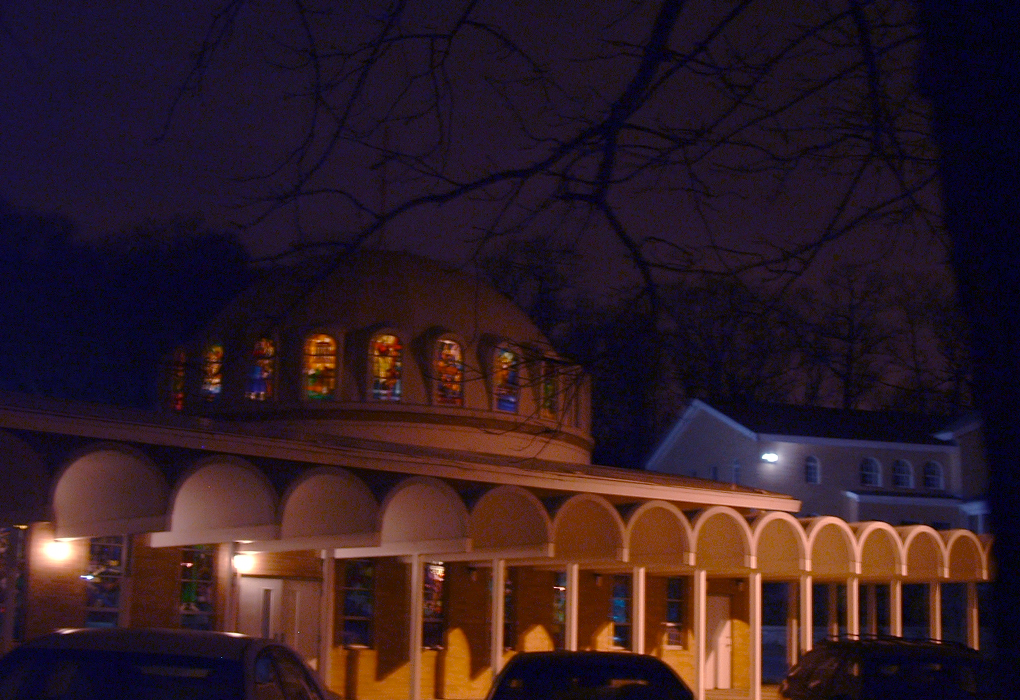
The Zoning Commission approved new Squares + Streets zoning districts in Roslindale Square following a year-long community process, aimed at creating a more mixed-use neighborhood center and connecting streets that support walkability, small businesses, outdoor gathering spaces, and new housing growth. What’s happening downtown isn’t happening in isolation. Similar changes are rippling through neighborhoods across the city, from Roslindale to Mattapan to Jamaica Plain.
New housing projects include a six-story, all-affordable senior housing development with 41 income-restricted units at 4259-4267 Washington Street in Roslindale, a transit-oriented, fully electric senior housing project with 38 income-restricted units at 151 Lenox Street in Roxbury, and a majority-affordable development delivering 48 units at 294 Hyde Park Avenue in Jamaica Plain. The city is trying to spread growth around rather than concentrating everything in one spot. Whether that works depends on a lot of factors, but at least it shows they’re thinking beyond just downtown.
Why This All Actually Matters to You
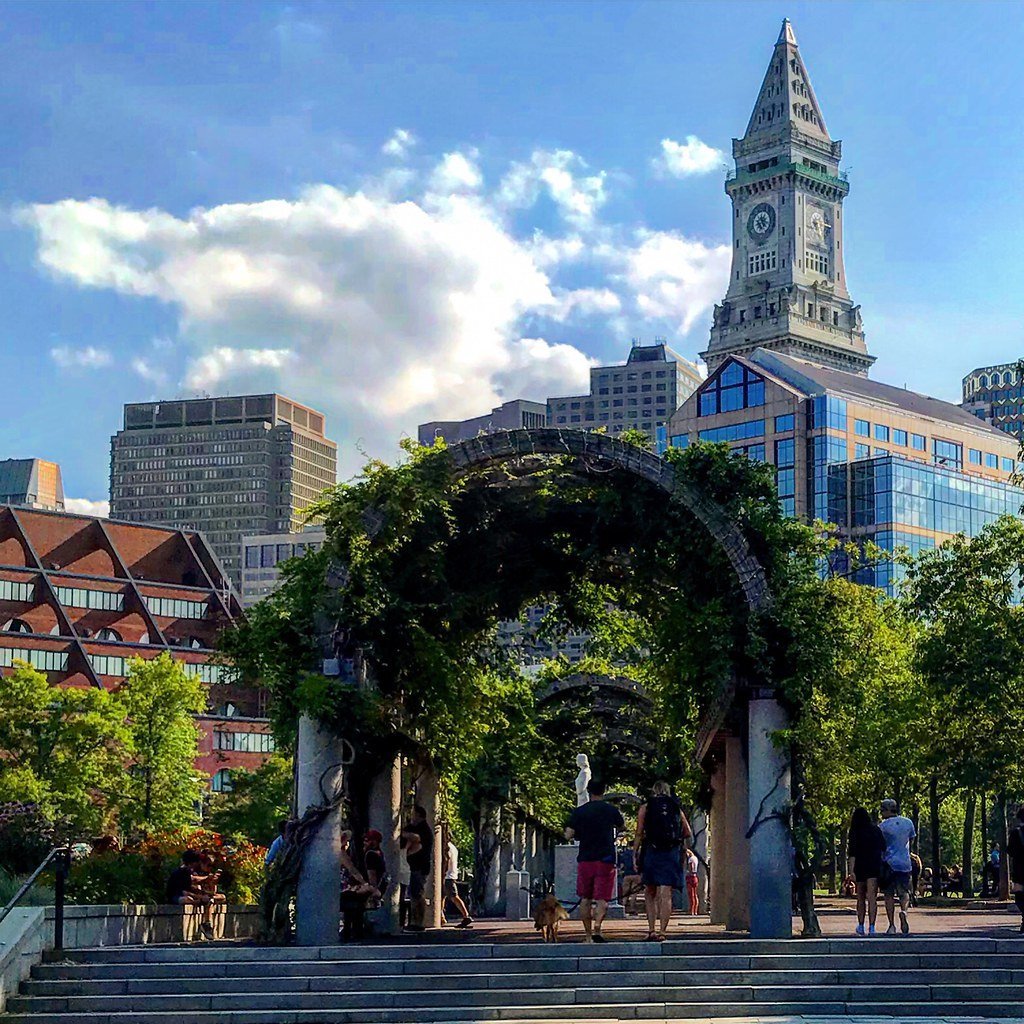
So here’s the thing. Even if you don’t live downtown, don’t work downtown, and rarely visit, this transformation affects you. When downtown becomes a real neighborhood instead of an office park, it changes the entire city’s center of gravity. More people living downtown means more support for restaurants, shops, cultural venues. It means better transit service because there’s demand at all hours. It means tax revenue that can fund services across all neighborhoods.
On the flip side, if this transformation fails, if downtown stays half-empty and struggling, that’s bad for everyone too. Empty storefronts breed more empty storefronts. A downtown that feels unsafe or unwelcoming after business hours makes the whole city feel less vibrant. The stakes are higher than you might think. Boston is betting that it can reinvent its core without losing what makes it special. That’s not an easy bet to win, but it’s one worth watching closely.
What do you think about downtown Boston’s transformation? Do you see these changes as the city moving in the right direction, or are you worried about what might be lost along the way? The conversation is just getting started, and honestly, it’s going to take years before we know if any of this worked.

Christian Wiedeck, all the way from Germany, loves music festivals, especially in the USA. His articles bring the excitement of these events to readers worldwide.
For any feedback please reach out to info@festivalinside.com
