


- 10 Iconic Dance Crazes From the 60s and 70s That Still Rule the Festival Floor - September 2, 2026
- The Eccentric Lives of America’s Most Beloved Authors Were Far From Quiet - September 2, 2026
- 10 US Cities Where the 70s and 80s Music Scene Still Thrives Unapologetically - September 2, 2026
For decades, Texas has been the economic success story everyone wanted to replicate. Job growth here outpaced nearly every other state, businesses relocated by the hundreds, and workers flocked in pursuit of opportunities that seemed endless. That narrative is shifting. In 2025, the Lone Star State began showing cracks that economists are now watching closely, and what they’re seeing suggests the road ahead could be rougher than many expected.
Companies slowed hiring in 2025, making it harder for Americans to find new jobs, and the unemployment rate climbed to 4.6%, the highest level in four years. Here’s the thing: Texas isn’t immune to broader national trends, even if it once seemed invincible.
Job Growth Has Fallen Below Historical Norms

In 2025, job growth in Texas was at 1.2%, while nationwide, job growth was at just 0.6%. On the surface, Texas still looks like a winner. Yet when you dig deeper, that growth rate is concerning. Texas had been pretty steady at around 2% job growth rate annually, but it has fallen significantly, which is pretty significant.
Texas employment contracted 1.3 percent month-over-month in June, while year-to-date job growth slowed to 1.8 percent. The Dallas Fed noted this dip signals companies are becoming cautious. Typically, that says companies based in Texas are seeing signs that tell them they need to start slowing down on adding salaries, as business could be a bit weaker than it had been. It’s not a collapse, but it’s a warning light flashing on the dashboard.
Unemployment Rates Are Creeping Up

The unemployment rate increased from 4.3 percent in August to 4.4 percent in September and rose further to 4.6 percent in November. These numbers might not scream crisis to the casual observer. Still, economists see them as part of a worrying trend.
The ratio of unemployed persons per job opening in Texas was 1.1 in August, and the ratio has been at or above 1.0 in Texas since April 2024. What does that mean in plain language? More people are competing for each available position. The job market has shifted from one favoring workers to one where employers have the upper hand again.
Major Layoffs Are Starting to Pile Up

Goldman Sachs raised eyebrows when it issued a stark warning about the job market. Goldman Sachs warned there are ‘growing signs of weakness’ in the U.S. employment market, and Goldman analysts said job losses may be rising even while official statistics seem steady.
FedEx announced 856 layoffs would occur over time at its Coppell location, ending in April 2026, because a major customer switched to a new third-party logistics supplier. Earlier in the year, FedEx laid off more than 300 workers at a different Texas location because of a similar change in customers. When major employers start trimming jobs, it ripples outward into local economies in ways that aren’t immediately visible.
Workers Are Struggling to Find New Employment
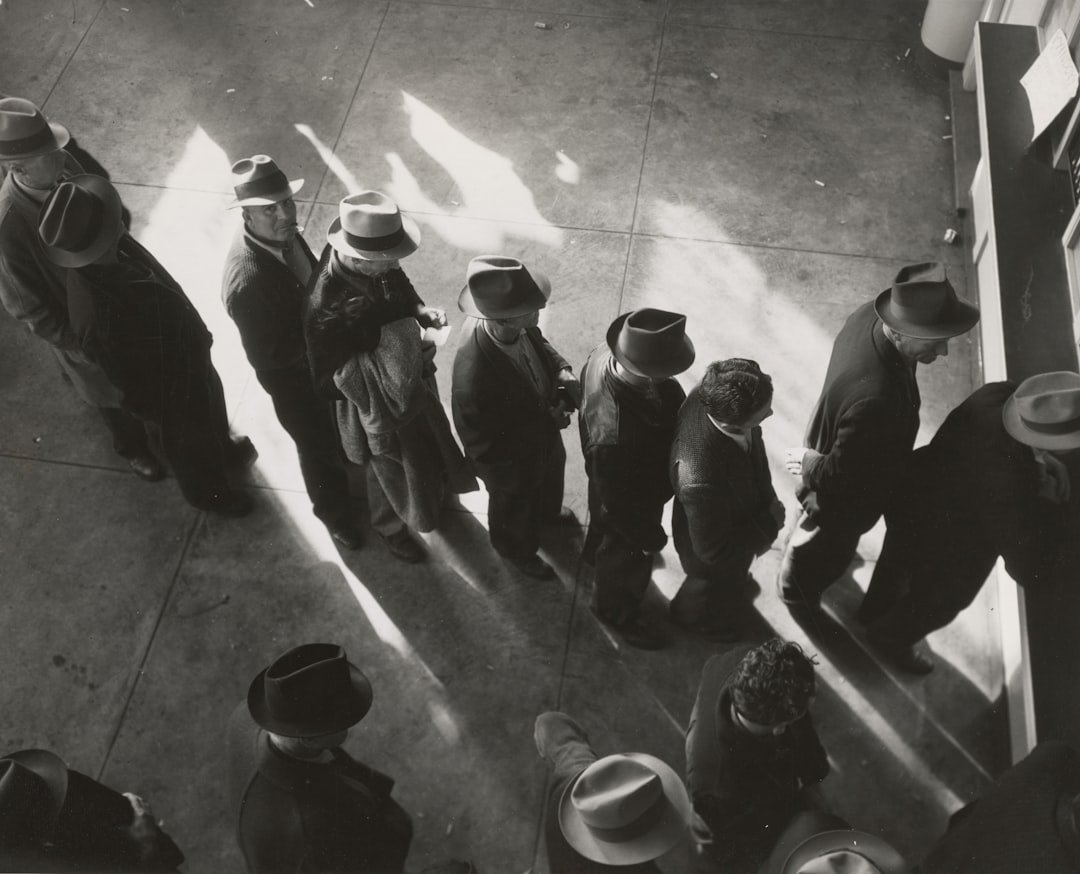
There’s a phrase economists use: ‘low-hiring, low-firing environment.’ That’s essentially where Texas sits right now. Goldman’s economists noted workers are ‘increasingly struggling to secure new employment,’ making rebounding after losing a paycheck especially difficult, which is a big change from the last few years when laid-off individuals generally rapidly found jobs just as good or better.
Goldman said first jobless claims usually come in around two months after layoff announcements, which means the true harm may not show up in official records until early 2026. In other words, what we’re seeing now could just be the beginning.
Construction and Housing Are Showing Weakness

All categories of construction in the state have declined, with housing market weakness impacting residential construction, and the number of single-family construction permits slipped in May and June. Construction has long been a bellwether for economic health in Texas, and when builders stop building, it’s usually because they don’t expect people to buy.
Housing construction has slowed, which means fewer homes are being built, and when demand for home purchases goes down, it tends to signify people are being careful about big purchases due to the economy. Housing is where most families store their wealth, so when activity here dries up, it suggests consumers are nervous.
Immigration Crackdown Is Limiting Labor Supply
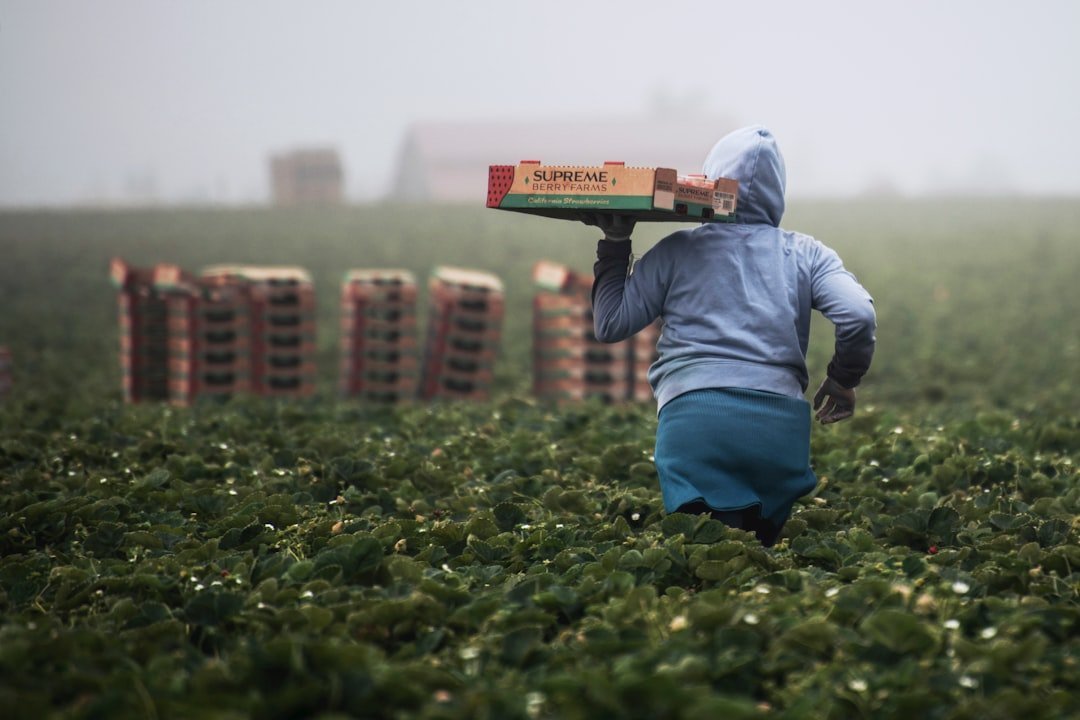
According to a report authored by three Federal Reserve Bank of Dallas employees and a University of North Florida professor, immigration crackdown is likely a contributing factor to Texas’s slowdown. The report noted that given the decline in immigration inflows, increase in arrests and removals of immigrants already here and the chilling effect, labor supply is clearly being affected.
By some estimates, Texas received at least 10 percent of the border immigration surge from 2021 to 2024 – at least 550,000 extra immigrants – and firms grew more dependent on foreign-born workers. Among Dallas Fed survey respondents over the summer, 20 percent said immigration policy had hampered or is expected this year to hamper their ability to hire and retain foreign-born workers. Industries like construction, hospitality, and logistics depend heavily on immigrant labor. When that labor pool shrinks, it doesn’t just mean unfilled jobs; it can mean entire projects don’t get off the ground.
Tariff Uncertainty Is Haunting Texas Businesses
Business participants’ comments from surveys suggest tariff uncertainty and immigration policy are posing challenges, with a chemical manufacturer saying tariff uncertainty ‘has substantially impacted the 2025 business outlook.’ Tariffs, reduced immigration, and heightened policy uncertainty continue to impact the Texas economic outlook, with survey respondents signaling increasing price pressures largely due to tariff pass-through.
Uncertainty is perhaps worse than bad news itself. Companies can plan around a downturn, but they can’t plan when the rules keep changing. As one survey contact noted, “The tariff matters continue to cause major uncertainty. It is impossible to plan.”
Job Scams Have Surged as Desperation Grows

Here’s something darker: After years of brisk growth, the Texas economy began wobbling in 2025, as tariffs, rising macroeconomic uncertainty, and reduced immigration all began to take a toll on the jobs market. Scammers appeared to ‘prey’ on worried job seekers as the market worsened.
Texas has seen a sharp increase in job scams. Texas in particular has seen ‘a significant rise in traditional job scams, such as advance payment schemes where applicants are asked to pay a fee upfront,’ as well as an uptick in work-from-home scams including ‘task scams.’ When people are desperate for work, scammers move in.
Inflation Concerns Are Adding Pressure
Rarely have economic indicators offered such a confounding picture of the nation’s financial health, with inflation rising, gross domestic product blazing, unemployment growing, and stock valuations absurd. Texas consumers are feeling squeezed. Consumer spending accounts for nearly 70% of U.S. economic spending, so it’s worrisome when the Consumer Confidence Index drops for five consecutive months.
The Texas consumer price index ticked up in May after falling last year, with subdued year-over-year increases in Texas CPI – the lowest inflation readings since 2021. Yet economists describe these low readings as ‘concerning and puzzling.’ These low inflation readings could reflect softer consumer and business demand and easing consumption growth.
The Dallas Fed’s Forecast Is Sobering

The Dallas Fed forecasted that employment will increase 1.5 percent in 2025, and considering recent survey and labor market data, it is likely that Texas employment growth will remain well below its 2 percent long-run annual trend rate. Texas businesses continue to face an ambiguous economic climate, with one contact noting, ‘Overall uncertainty about the strength of the economy is our largest concern.’
The forecast paints a picture of slow, grinding deceleration rather than a sudden crash. That might sound reassuring, but slow burns can be just as damaging over time.
What Experts Are Watching Next

Economists are keeping an eye on early warning indicators in the job market, such as more WARN Act letters (notices of layoffs filed in advance) and public references of layoffs on business earnings calls, as these signs point to more layoffs happening faster. Job cuts announced by U.S.-based employers reached high levels in 2025, the highest outside of Covid since the Great Recession.
Economic signals are rarely straightforward. Rarely have economic indicators offered such a confounding picture of the nation’s financial health, with inflation rising, GDP blazing, unemployment growing, and stock valuations absurd. Middle and low-income Americans are struggling while the rich are getting richer. That inequality matters because it distorts how the overall economy feels versus how it looks on paper.
Could Things Stabilize?

Business sentiment data still shows that job growth could rebound in 2026. There’s always a chance conditions improve. Consumer confidence could rise, tariff disputes could settle, immigration policy could find equilibrium. Sustained economic growth into late 2025, despite a slowly increasing unemployment rate, indicates the economy is not likely experiencing unusually high macroeconomic risk.
Yet hope isn’t a strategy. The forecast is still only a slowdown and not a downturn, but the slowdown has become a more serious drag on the economy. Economists aren’t predicting a recession necessarily, but they are predicting a rough patch that could extend well into 2026 and beyond.
Texas built its reputation on relentless growth, but that era seems to be pausing. The warning signs are there: slowing job creation, rising unemployment, major layoffs, labor shortages, tariff chaos, and skittish consumers. Honestly, it’s a lot. Whether these signals coalesce into something worse or fade as the economy adjusts remains uncertain. What’s clear is that the old playbook no longer applies, and Texans – both workers and employers – need to brace for a period that demands resilience, flexibility, and maybe a bit of luck. What do you think? Are these warnings overblown, or is Texas heading for tougher times?

Besides founding Festivaltopia, Luca is the co founder of trib, an art and fashion collectiv you find on several regional events and online. Also he is part of the management board at HORiZONTE, a group travel provider in Germany.
