


- 8 Classic Movies You Thought Were American – But Were Actually Foreign - August 12, 2026
- 10 Most Beautiful Beaches in The World for a Relaxing Vacation - August 12, 2026
- 15 Hit Singles From the Last Three Decades That Still Get You Dancing. - August 12, 2026
There’s something quietly brutal happening across Texas right now. It’s not making flashy headlines every single day, yet it’s affecting millions. Families are earning steady paychecks, clocking in more hours than ever before, and somehow feeling broker than they did a few years ago. The culprit isn’t some dramatic economic collapse or sudden disaster. It’s the slow, relentless creep of everyday costs that just won’t stop climbing.
Texas has always marketed itself as affordable, the place where your dollar stretches further than in coastal cities. That reputation still lingers, drawing newcomers by the thousands. Once they settle in, though, reality sets in fast. Insurance premiums are spiking. Utility bills seem to grow every month. Groceries cost more. Gas prices fluctuate wildly. It all adds up in ways that aren’t always obvious until you’re staring at an empty bank account wondering where it all went.
Health Insurance Costs Are Crushing Texas Families

Let’s be real here. Affordable Care Act premiums are set to rise by 35.2%, on average, in Texas when open enrollment begins, according to reports from late 2025. That’s not a typo. We’re talking about more than a third increase in what people pay just to have basic health coverage.
An average benchmark monthly premium for a 40-year-old individual was $489, before tax credits are applied, for 2025; health policy organization KFF found that Texas insurers are charging ACA enrollees $661 for benchmark plans, on average, in 2026. That jump is staggering when you think about it month after month.
In Texas specifically, carriers in the state have increased their rates by an average of 33 percent for the individual marketplace, a number confirmed by the Texas Department of Insurance. Even worse, millions of Americans could see their premiums increase by about 114% – or over $1,000 more per year – in 2026 if enhanced subsidies don’t get extended.
For many Texans, especially those earning just above the poverty line but still struggling, this feels like getting punched while you’re already down. You work full time. You try to do everything right. Then your health insurance bill doubles, and suddenly you’re cutting back on prescriptions or skipping doctor visits altogether.
Homeowners Insurance Feels Like Highway Robbery

Here’s the thing about owning a home in Texas these days. The dream of homeownership comes with a nightmare price tag attached to protecting that investment. Texas home insurance rates rose 21% in 2023 and 19% in 2024, now averaging $3,851.
Think about that for a second. Your home didn’t suddenly become more valuable just because insurers decided to charge you nearly forty percent more over two years. In 2024, the average cost of home insurance in Texas rose by 28.1%, according to some industry tracking. Honestly, it’s hard to say for sure which number captures the full pain families are feeling, since rates vary wildly by location and carrier.
Severe weather, inflation, and risk zones drive the spike. Texas gets hammered by hurricanes, hailstorms, tornadoes, and wildfires with increasing frequency. Every billion-dollar storm pushes insurers to raise rates across the board. Meanwhile, the cost to repair or rebuild homes has soared due to inflation, supply chain disruptions, and labor shortages. Materials like lumber and roofing have seen price hikes.
Some Texas homeowners are now paying more annually for insurance than they pay in monthly mortgage payments. That’s not sustainable for most families, especially those on fixed incomes or earning modest salaries.
Auto Insurance Isn’t Much Better
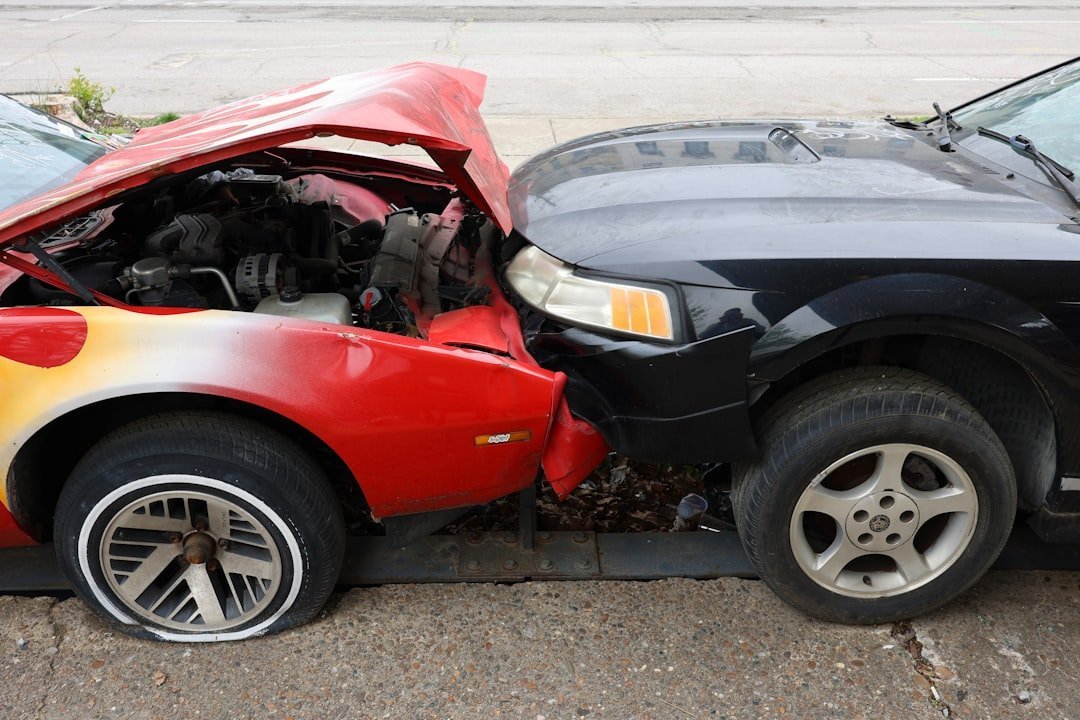
If you thought your car insurance stayed reasonable, think again. The TDI data shows the average auto insurance rate jumped more than 25% in 2023 after a nearly 24% jump in 2022. That’s two consecutive years of double-digit increases hitting Texas drivers right in the wallet.
States like Texas have already seen a cumulative rate increase of over 30% since 2022. What used to be a few hundred dollars annually is now creeping toward a thousand or more, depending on your driving record and location.
Why the massive jump? Repair costs are through the roof. Parts are more expensive. Labor rates have climbed. Theft rates are up in some areas. Honestly, it feels like everything that could push premiums higher has conspired to do exactly that all at once.
For families trying to keep two cars on the road so both adults can get to work, these increases aren’t just annoying. They’re budget-breaking.
Electricity Bills That Make You Wince

Texas runs its own power grid, separate from the rest of the country. That independence comes with some serious drawbacks when things go sideways. According to the Texas Energy Poverty Research Institute, electricity rates are up 30% since 2021, with another 29% increase projected by 2030.
Modeling by ACORE and Texans for Fair Energy Pricing suggests that the bill could increase residential electricity bills by $480 to $510 annually starting in 2026. That’s not pocket change for most households.
Summer heat in Texas is no joke. Air conditioning isn’t a luxury; it’s survival. When temperatures soar past one hundred degrees for weeks on end, your electricity usage skyrockets. The average residential retail rate in Texas reached 14.57 cents per kilowatt-hour in 2023 – a substantial increase of 22% from 2020.
Some months, families face impossible choices. Do you keep the house cool enough so the kids can sleep? Or do you dial back the AC and hope everyone can tolerate the heat to save fifty bucks? These shouldn’t be the decisions working families have to make, yet here we are.
Grocery Shopping Hurts More Than It Used To

Walk into any Texas grocery store and you’ll feel it immediately. Prices just seem wrong compared to what you remember from a few years back. Everything from eggs to bread to fresh produce costs noticeably more.
Consumer prices have since climbed at a faster rate in Texas and surrounding states than nationally – food and shelter increasing even more. The combination hits low-income families particularly hard since they spend a larger percentage of their income on basic necessities.
A May 2024 survey of 1,500 U.S. homeowners conducted by ClaimGuide found that 23 percent of homeowners are feeling pressured to shift spending habits to offset rising homeowners insurance premiums – 90 percent of those homeowners said they are dining out less frequently; 81 percent said they are traveling less; 61 percent said they are cutting back on groceries.
People are literally choosing between paying insurance bills and buying enough food. That should alarm everyone, yet it’s become an accepted reality for too many Texas households.
Working More, Earning Less

Here’s what makes this whole situation so frustrating. Texas families aren’t sitting around. They’re working. Many are working multiple jobs. Hours are up. Effort is there. The problem is that wages simply haven’t kept pace with the explosion in living costs.
Inflation hasn’t cooled enough, and earnings haven’t risen enough, to reduce the stress households face. You can hustle all you want, pick up extra shifts, take on side gigs, and still find yourself further behind than you were last year.
High housing, child care, and utility costs continued to squeeze family budgets. In Texas, targeting cost drivers (housing supply, child care, transportation) is as important as wage growth. The structural problems run deep, making it hard for individual effort alone to overcome the financial pressure.
The psychological toll is real too. Feeling like you’re constantly running on a treadmill that’s speeding up while you’re just trying not to fall off creates stress that affects everything from relationships to health to job performance.
Who Gets Hit Hardest

Not everyone feels this squeeze equally. 52 percent are highly stressed about inflation compared with 47 percent of residents nationwide. Low- and moderate-income and minority households feel most stressed.
Low household income is the primary determinant of whether households are stressed by inflation. Hispanic and Black families are also more likely to feel high inflation stress than other groups, as are renters and larger families.
Older Texans on fixed incomes face particular challenges. When your Social Security check stays roughly the same but everything around you gets more expensive, there’s nowhere to absorb those costs. You can’t just work more hours to make up the difference.
Single parents, already stretched thin, find themselves making impossible choices daily. Pay the electric bill or buy new shoes for the kids whose feet have grown? Fill the gas tank to get to work or buy groceries for the week? These aren’t hypothetical dilemmas for millions of Texas families.
The Ripple Effects Nobody Talks About

When household budgets get squeezed this hard, the effects ripple outward in ways that don’t always make the news. Low-income families, in particular, feel the brunt of these increases. Electricity is a necessity, and higher bills mean cutting back on other essential expenses like food, healthcare, or transportation.
People delay medical care. They skip preventive maintenance on their cars until something breaks down. They put off dental work. They buy cheaper, less nutritious food. All of these decisions have long-term consequences that compound over time.
Kids suffer too when their parents are constantly stressed about money. Educational opportunities get missed. Extracurricular activities become unaffordable luxuries. The cycle of financial pressure perpetuates itself across generations.
Local businesses feel it as well. When families have less discretionary income, they spend less at restaurants, entertainment venues, and retailers. That reduced spending can mean fewer hours for workers or even layoffs, creating a vicious cycle.
Why Texas Specifically
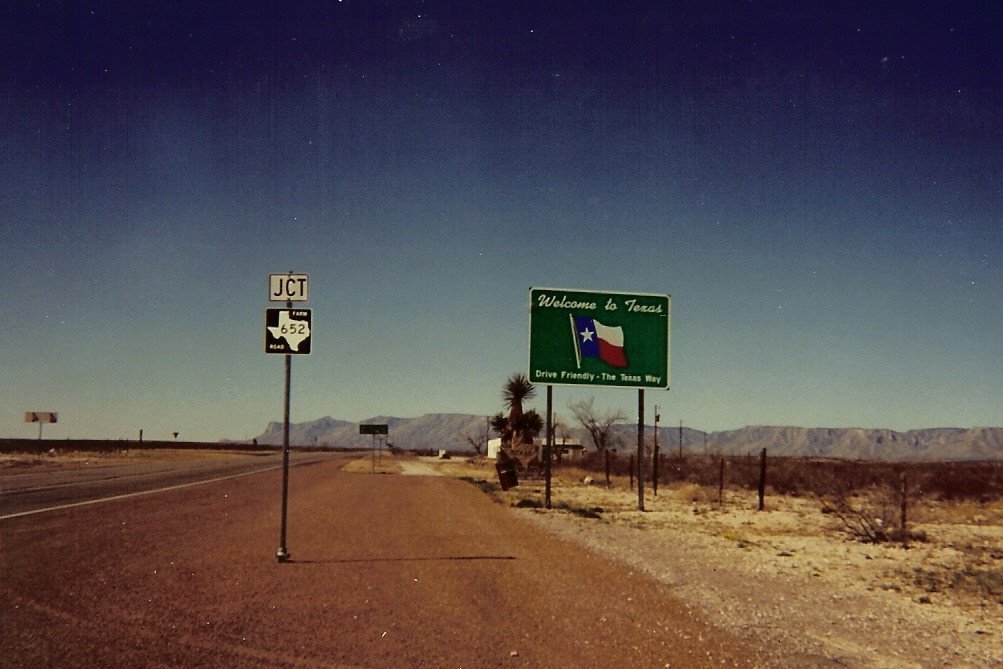
You might wonder why Texas seems to be getting hit particularly hard. Part of it comes down to the state’s unique vulnerabilities. Texas, with 52 percent of the population reporting high inflation stress, ranks sixth among all states for inflation-related stress.
The independent power grid creates both opportunities and risks. When things go well, Texans can enjoy competitive electricity prices. When disasters strike or demand surges, there’s no easy way to import cheaper power from neighboring states. You’re stuck with whatever the Texas grid can provide at whatever price the market will bear.
Weather patterns play a massive role. Texas is no stranger to extreme weather. Over the past few years, the state has faced a barrage of billion-dollar storms, including hurricanes, hailstorms, wildfires, and even unexpected freezes. Every one of those events pushes up insurance costs for everyone, not just those directly affected.
The state’s rapid population growth adds pressure too. More people means more demand for housing, electricity, and services. When supply can’t keep up with demand, prices rise. Simple economics, brutal consequences.
The Political Response Has Been Slow
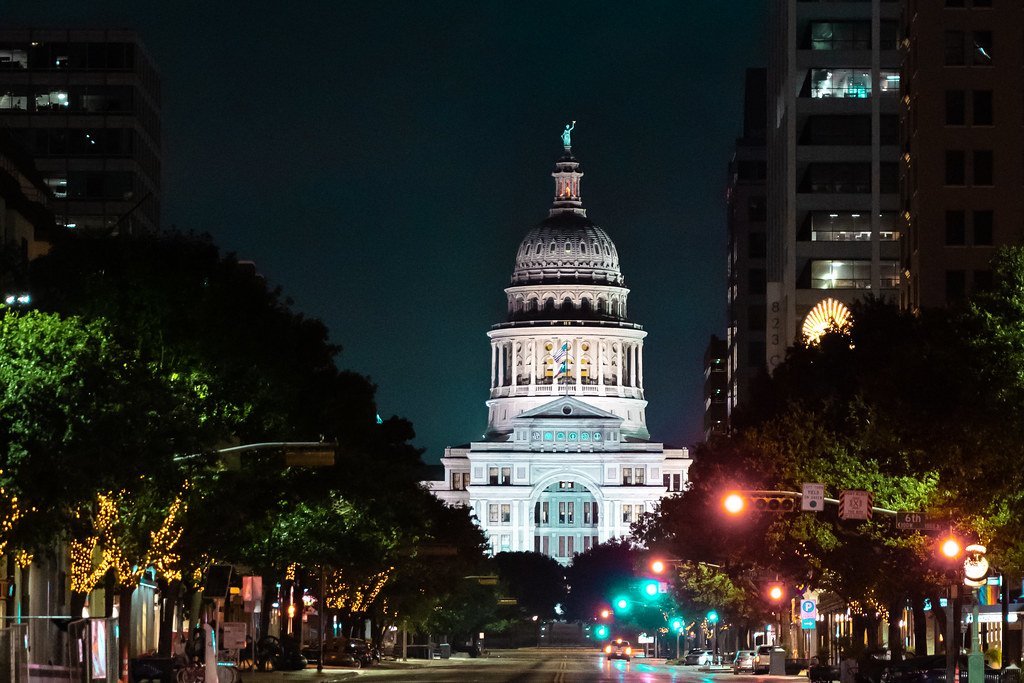
State lawmakers are starting to pay attention, but meaningful relief has been slow to materialize. Texas House Speaker Dade Phelan and Lt. Gov. Dan Patrick – who leads the Texas Senate – each directed members of their chambers to look into the rising cost of premiums ahead of the 89th legislative session.
Studying the problem is one thing. Actually doing something about it is another. Insurance regulation, energy policy, and economic interventions all involve complex tradeoffs. Politicians talk about affordability, but concrete action that meaningfully reduces costs for average families remains frustratingly elusive.
Meanwhile, families can’t wait for legislative solutions that might arrive years down the road. Bills are due now. Insurance premiums need to be paid this month. Groceries need to be bought this week.
Where This All Leads

If current trends continue, the situation looks grim. More families will be forced to drop insurance coverage they can no longer afford. More households will slip from “just getting by” into genuine poverty despite working full time. More people will leave Texas in search of places where their paychecks stretch further.
More than 4 million Texans will face higher health insurance prices next year, with up to 800,000 likely to lose their insurance for lack of an affordable option, according to projections from Texas A&M University researchers.
The dream of Texas as an affordable place to build a life is crumbling for many who bought into that promise. When working harder doesn’t translate to getting ahead, something fundamental has broken in the economic equation.
Can Anything Be Done

Individual families can only do so much. Shopping around for better insurance rates helps, but when all carriers are raising prices, you’re just choosing which bad option to accept. Energy conservation reduces utility bills somewhat, but you can only turn off so many lights and raise the thermostat so high before it affects quality of life.
Systemic problems require systemic solutions. That means policy changes at the state level to address insurance markets, energy grid reliability, and cost of living. It means businesses paying wages that actually keep pace with inflation. It means communities supporting each other through tough times.
Some families are making creative adjustments. Multigenerational households are becoming more common as adult children move back with parents to share costs. Neighbors are organizing informal resource-sharing networks. People are finding side hustles and gig work to supplement primary incomes.
None of those individual solutions fix the underlying problem, though. They’re just survival tactics in an economic environment that has become increasingly hostile to working-class and middle-class families.
The Human Cost Beyond the Numbers

Behind every percentage increase and every statistical average are real people making painful choices. The parent who works two jobs but still can’t afford health insurance for their kids. The retiree who keeps their home at eighty degrees in summer because they can’t afford the electric bill otherwise. The young family that postpones having another child because they can’t see how they’d afford the additional expenses.
Some months, she had to choose between paying for groceries or her utility bill. That quote comes from a Texas resident describing her situation, and it’s not unique. Thousands of families across the state face similar impossible choices every month.
The stress takes a toll that can’t be measured purely in dollars. Relationships strain under financial pressure. Health deteriorates when people delay medical care or live with chronic stress. Kids absorb their parents’ anxiety even when adults try to shield them from it.
This isn’t how it’s supposed to work in a prosperous state with a booming economy. Texas generates enormous wealth, yet that wealth increasingly concentrates at the top while working families struggle with the basics.
Looking Forward With Cautious Concern

What happens next depends partly on factors beyond anyone’s control. Weather patterns will continue to create insurance challenges. Global energy markets will fluctuate. Federal policy decisions will ripple through state economies.
What we can control is how we respond collectively to this crisis facing so many Texas families. Do we accept rising costs as inevitable and tell struggling families to just work harder? Or do we recognize that something is genuinely broken and needs fixing?
The next few years will reveal whether Texas can maintain its identity as a place where hard work leads to stability and opportunity. Right now, for too many families, that promise feels increasingly hollow. They’re working more hours than ever before, earning decent paychecks on paper, yet somehow falling further behind each month as costs devour every extra dollar.
Texas wallets are taking , and the bruises are showing. The question is whether anyone with power to change things will act before more families get knocked down for good. What do you think it’ll take to turn this around? Share your experiences in the comments.

Besides founding Festivaltopia, Luca is the co founder of trib, an art and fashion collectiv you find on several regional events and online. Also he is part of the management board at HORiZONTE, a group travel provider in Germany.
