

- 8 Classic Movies You Thought Were American – But Were Actually Foreign - August 12, 2026
- 10 Most Beautiful Beaches in The World for a Relaxing Vacation - August 12, 2026
- 15 Hit Singles From the Last Three Decades That Still Get You Dancing. - August 12, 2026

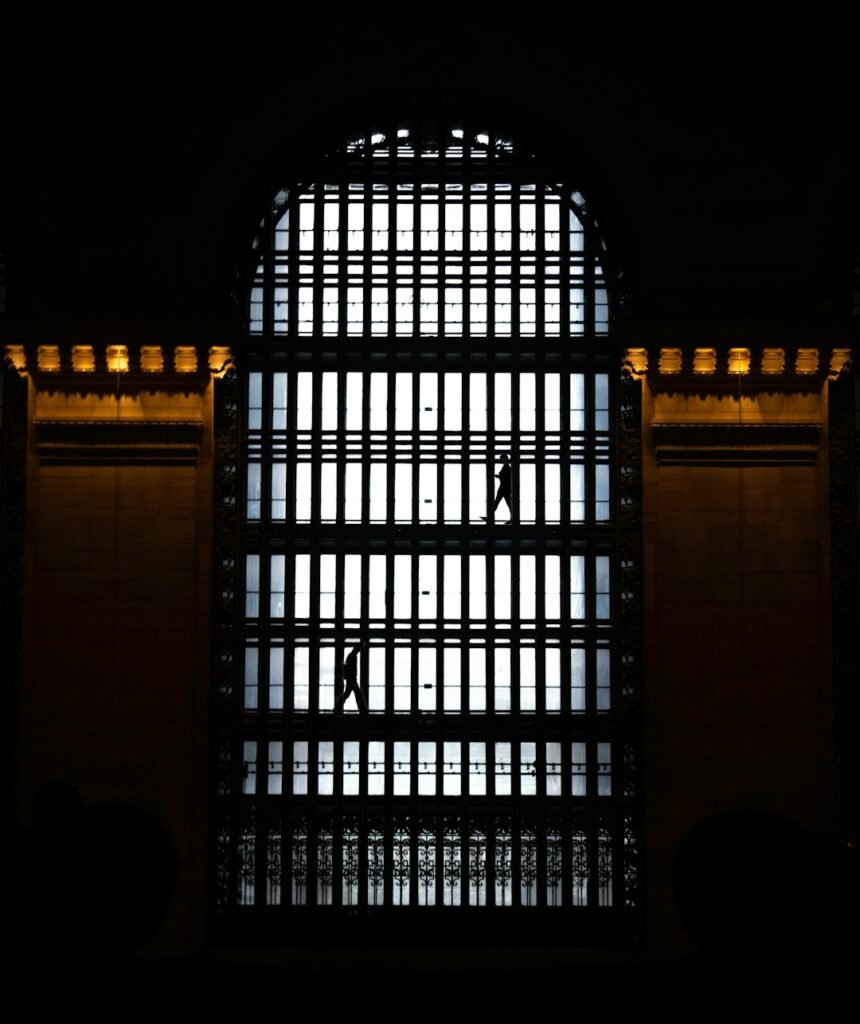
A Legacy of Notable Inmates (Image Credits: Unsplash)
Brooklyn, New York – The Metropolitan Detention Center stands as a formidable symbol of federal justice, where Venezuelan President Nicolás Maduro now awaits his fate amid a backdrop of institutional challenges and a roster of infamous predecessors.
A Legacy of Notable Inmates
The facility first gained widespread attention in the early 2000s for housing high-profile figures tied to international crime and scandal. Over the years, it detained individuals whose cases captivated global audiences, from drug lords to financial moguls. This pattern continued into the 2010s and beyond, solidifying the center’s reputation as a key stop for those facing federal charges.
Among the most recognized names was Joaquín “El Chapo” Guzmán, the Sinaloa cartel leader extradited from Mexico in 2017. He spent time there before transfer to a maximum-security prison upstate. Similarly, Ghislaine Maxwell, convicted in connection with Jeffrey Epstein’s sex trafficking network, endured pretrial detention at the center in 2020 and 2021. These cases highlighted the facility’s role in managing detainees with extensive security needs.
More recent arrivals included Sam Bankman-Fried, the disgraced founder of the FTX cryptocurrency exchange, who faced charges of fraud and money laundering in 2022. Rapper Sean “Diddy” Combs joined the list in 2024 following his arrest on racketeering and sex trafficking allegations. Luigi Mangione, accused in a high-profile murder case, also passed through its gates that year. Each instance drew intense media scrutiny, underscoring the center’s position at the intersection of celebrity and criminal justice.
Decades of Reported Hardships
Conditions inside the Metropolitan Detention Center have drawn persistent criticism since its opening in 1994. Inmates and advocates frequently described overcrowding, inadequate medical care, and substandard meals as hallmarks of daily life. Federal reports from the 2000s onward documented these issues, with multiple investigations revealing lapses in basic hygiene and mental health support.
Violence emerged as a recurring threat, with assaults on both staff and detainees making headlines. A 2009 incident involved an inmate attacking a correctional officer, resulting in serious injuries and prompting internal reviews. By the 2010s, lawsuits piled up, alleging everything from prolonged solitary confinement to failures in suicide prevention. The COVID-19 pandemic exacerbated these problems, as the facility struggled with outbreaks and isolation protocols.
In 2024, a federal judge intervened in one case, warning against sending a defendant to the center due to its “dangerous, barbaric conditions.” This ruling reflected broader concerns, leading the Federal Bureau of Prisons to redirect some new inmates elsewhere. Yet, the facility remained operational for high-risk cases like Maduro’s.
Maduro’s Detention Amid Ongoing Scrutiny
Nicolás Maduro’s arrival followed his seizure from his Venezuelan home under U.S. orders in late 2025. Transferred to Brooklyn after initial processing, he entered a special housing unit designed for maximum security. Reports indicated that the ousted leader faced the same restrictive environment as his predecessors, with limited access to counsel and family.
The timing of his detention coincided with renewed calls for reform at the center. Advocacy groups pointed to Maduro’s case as a potential catalyst for change, arguing that housing foreign dignitaries in such a facility raised diplomatic and humanitarian questions. Federal officials maintained that the location ensured robust security, but past incidents fueled skepticism about its suitability.
Earlier that year, the center halted intake for some sentenced defendants, a move tied to ongoing audits. Despite these adjustments, it continued to hold pretrial detainees like Maduro, balancing operational demands with public accountability.
Navigating Security and Reform Efforts
The Federal Bureau of Prisons implemented targeted improvements in response to criticisms, including staff training enhancements and infrastructure upgrades. A 2023 review led to better ventilation systems and expanded mental health resources, though implementation varied. These steps aimed to address root causes of unrest without compromising the facility’s core mission.
External oversight played a crucial role, with congressional hearings in 2024 examining systemic issues across federal lockups. Witnesses from legal aid organizations testified about patterns of neglect, urging greater transparency. The center’s management responded by increasing visitation protocols and meal quality standards, but challenges persisted in an understaffed environment.
Key Takeaways
- The Metropolitan Detention Center has detained over a dozen high-profile figures since 2000, including drug kingpins and celebrities.
- Reported issues like violence and poor medical care have prompted lawsuits and federal interventions for decades.
- Recent policy shifts limit new intakes, yet the facility remains vital for pretrial security in complex cases.
As Maduro’s case unfolds, the Metropolitan Detention Center’s turbulent history serves as a reminder of the tensions within the U.S. justice system – balancing punishment, security, and human dignity. What reforms do you believe could transform facilities like this one? Share your thoughts in the comments.

Besides founding Festivaltopia, Luca is the co founder of trib, an art and fashion collectiv you find on several regional events and online. Also he is part of the management board at HORiZONTE, a group travel provider in Germany.
