

For any feedback please reach out to info@festivalinside.com
There’s something happening across Virginia right now that most people haven’t noticed yet. While the spotlight continues to shine on places like Richmond and Alexandria, a quieter transformation is unfolding in small towns scattered throughout the state. These communities are experiencing a shift that feels both sudden and inevitable, as new residents arrive, businesses flourish, and property values climb at rates that surprise even local real estate agents.
The shift started subtly, accelerating after the pandemic altered how Americans think about where they live and work. Remote work changed everything. Suddenly, proximity to an office became less important than quality of life, affordable housing, and access to nature. Virginia’s small towns, rich in charm and history, found themselves perfectly positioned to welcome this wave of new arrivals.
The Rise of Small Town Appeal
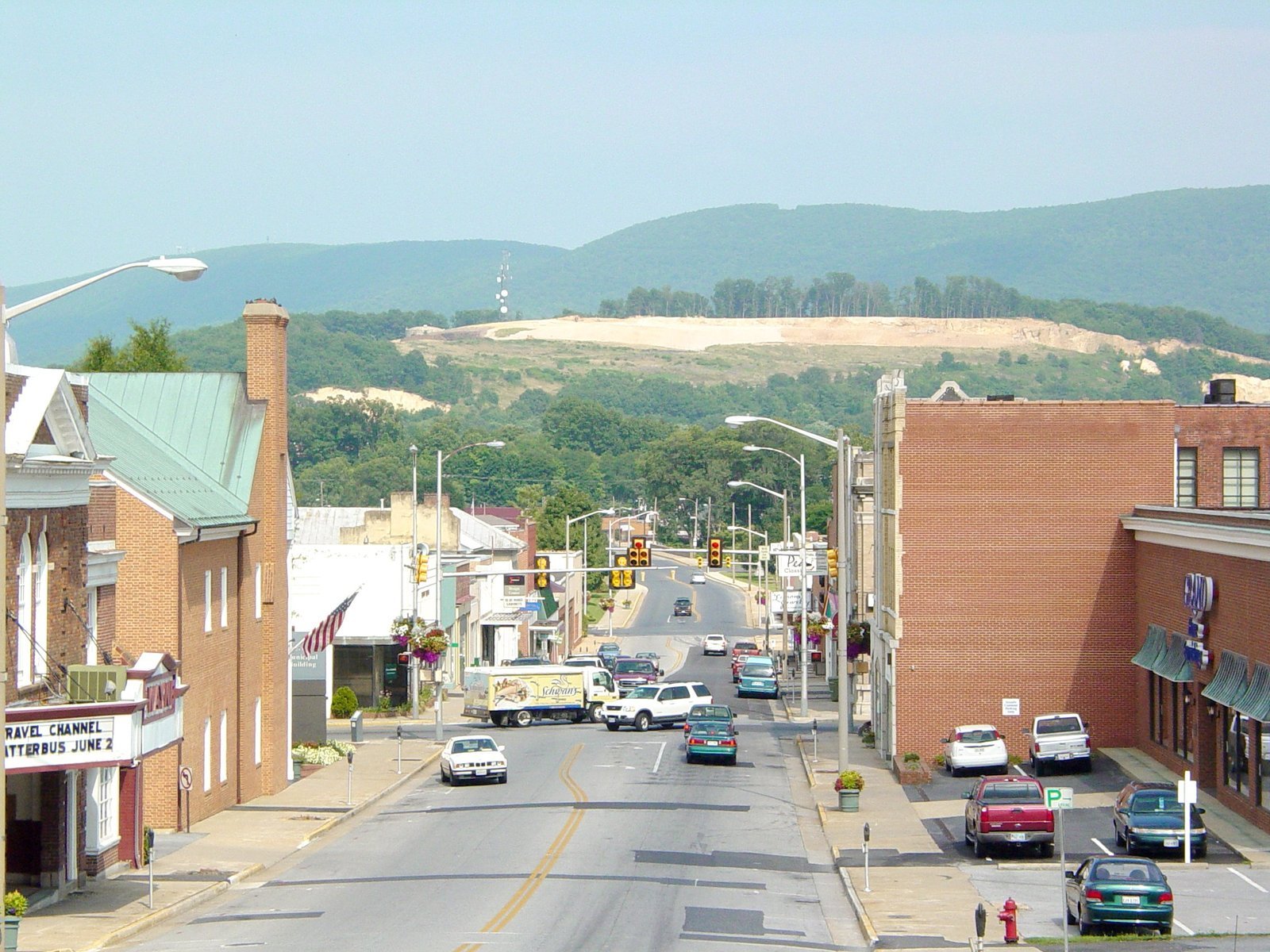
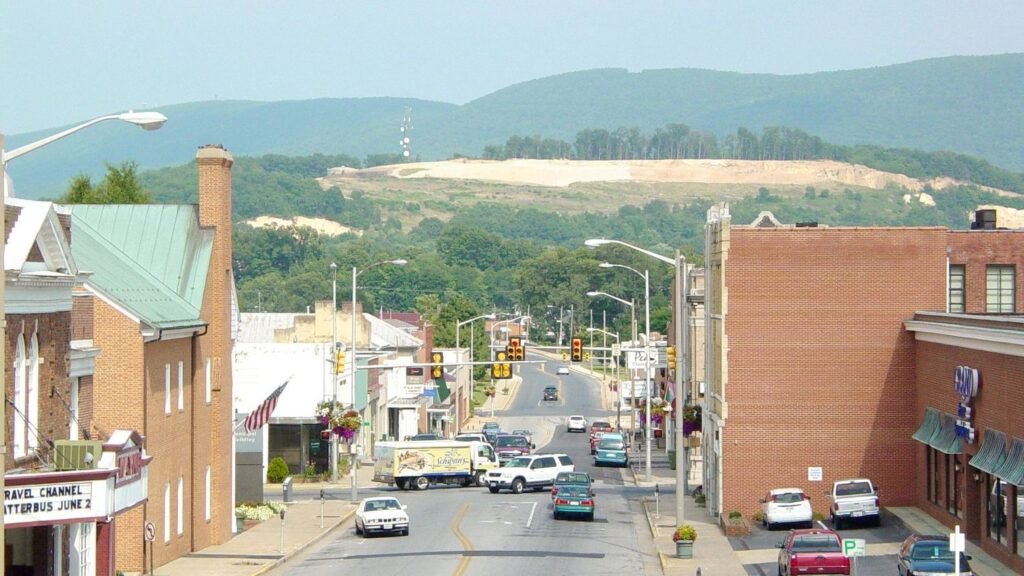
People are tired of traffic. They want walkable streets, a sense of community, and a place where neighbors still know each other’s names. Waynesboro, a quaint Blue Ridge town, is now brimming with eateries, breweries, coffee shops, and music venues, shaped by a community of creatives, craftsmen, and artisans. Places like this aren’t just surviving, they’re thriving in ways that feel fresh and authentic.
The fastest growing cities in Virginia include Culpeper, Manassas Park, Falls Church, Purcellville, Fredericksburg, Leesburg, and Strasburg. These aren’t massive metropolitan areas. They’re towns where you can still park on Main Street, grab coffee at a local cafe, and feel like you’ve stepped into a different era. Yet they’re also evolving rapidly, attracting young professionals, families, and retirees who crave something beyond the generic suburban sprawl. It’s a blend that works.
The appeal isn’t hard to understand. Lower costs of living, shorter commutes, and access to outdoor recreation make these places irresistible. Throw in farm-to-table restaurants, local wineries, and vibrant arts scenes, and you’ve got communities that rival bigger cities in culture without the chaos.
Winchester Leads the Pack
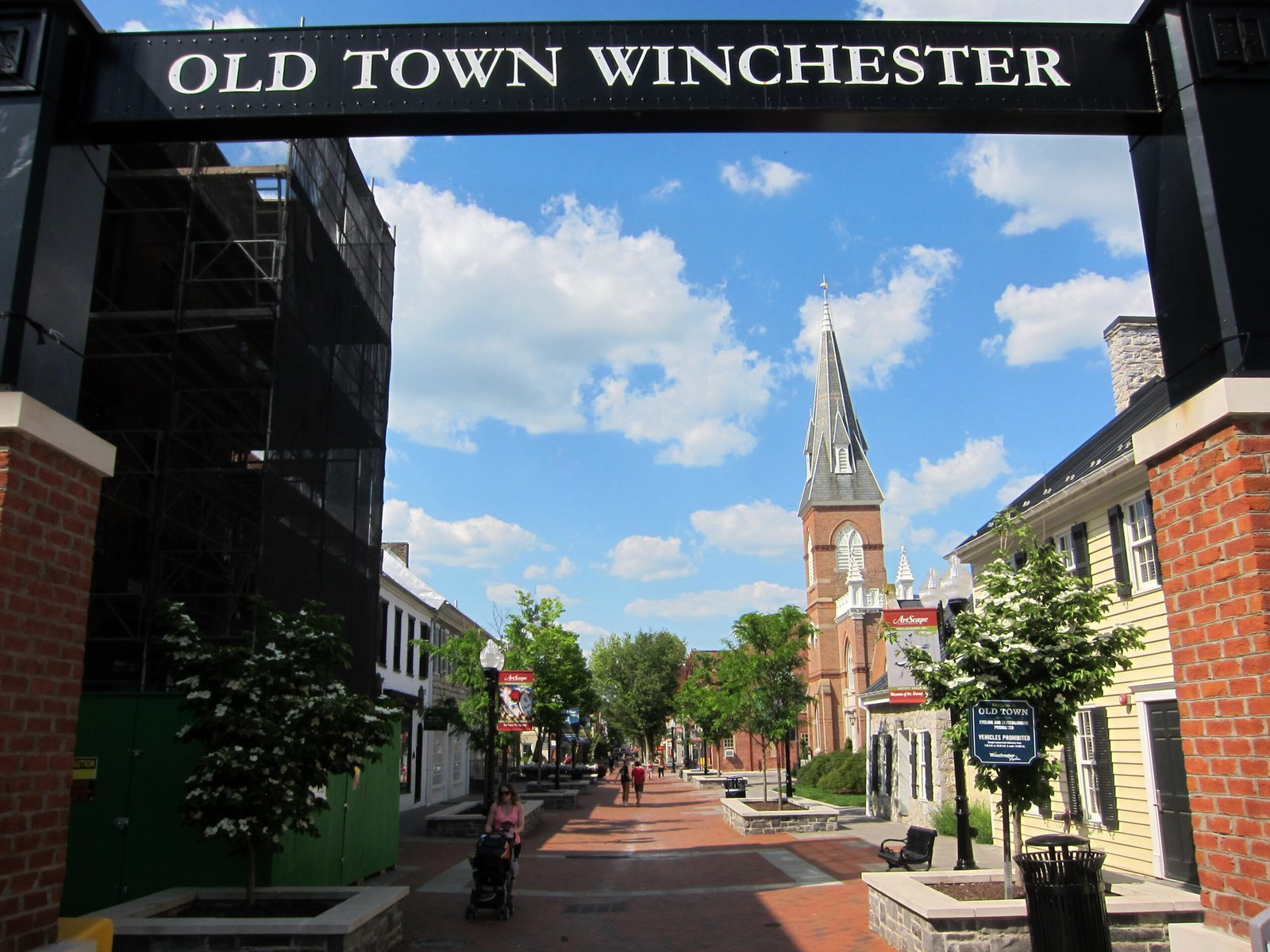
If there’s one town embodying this transformation, it’s Winchester. Winchester has been one of the fastest growing cities for years, with the city growing by 14% between 2010 and 2020, and another 2.2% growth just three years later, largely due to its proximity to Washington D.C. That location matters. It’s close enough to the capital to attract professionals working hybrid schedules, yet far enough to offer affordable housing and a slower pace of life.
With median home prices between $370K and $396K, Winchester offers scenic streetscapes with 18th-century architecture, and the Loudoun Street pedestrian mall is a hub and hot spot. Walking through Old Town Winchester feels like traveling back in time, but the energy is decidedly modern. Art galleries, craft breweries, and museums line the streets. The Museum of the Shenandoah Valley has become a cultural anchor, drawing visitors from across the state.
What makes Winchester special isn’t just its growth, it’s the way that growth has been managed. The town has retained its character while embracing change. Historic preservation efforts coexist with new development. It’s hard to find that balance, yet Winchester seems to have figured it out. Residents here aren’t just moving to a new town, they’re investing in a lifestyle.
Culpeper’s Quiet Renaissance
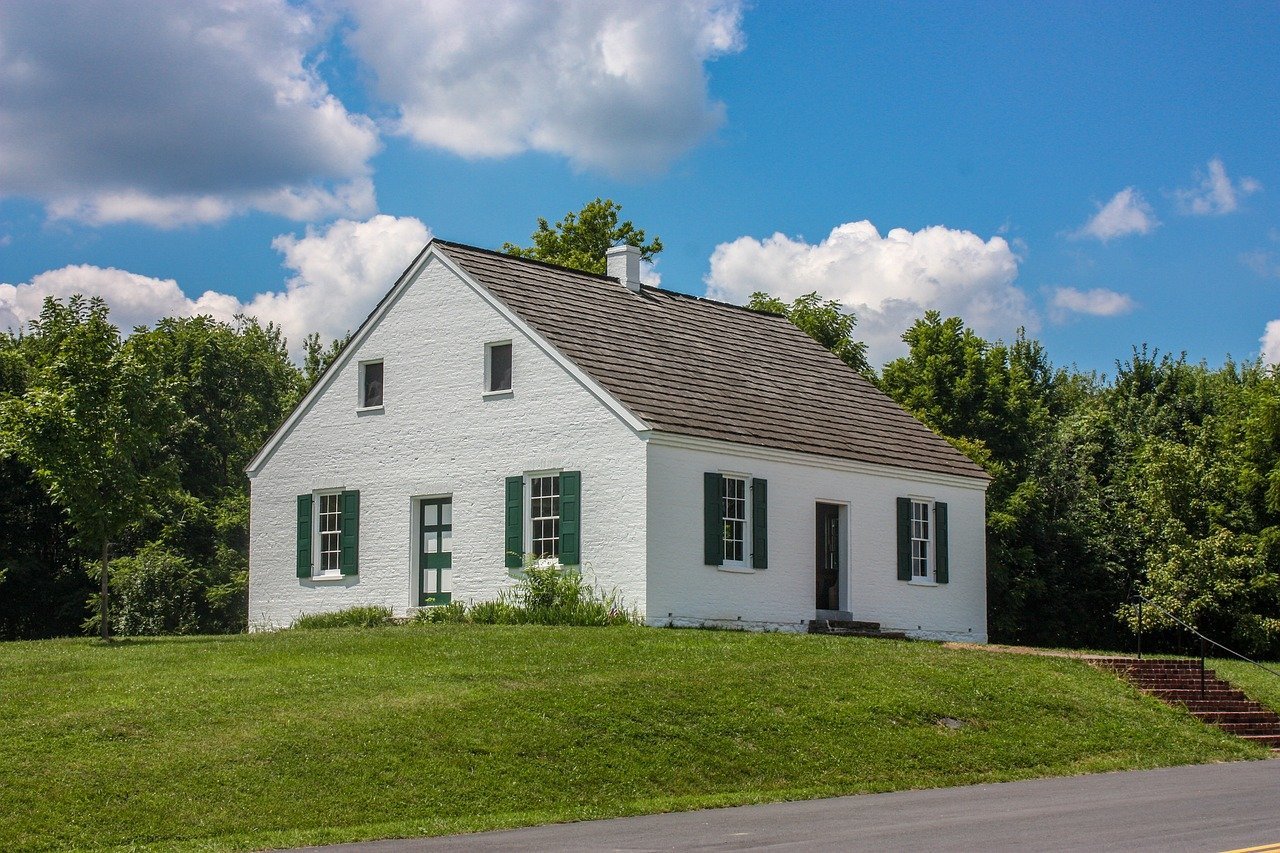
Culpeper ranks as the fastest growing city in Virginia, and if you’re a resident of Culpeper, you’re probably not surprised. This small town sits less than an hour from Washington, D.C., Fredericksburg, and Charlottesville, making it a strategic location for anyone wanting access to bigger cities without actually living in them. That geographic sweet spot has made Culpeper one of the state’s most desirable hidden gems.
Culpeper is easily accessible by train, with a station in the midst of the historic downtown district, and is dotted with Victorian and colonial homes, galleries, shops, and restaurants. The downtown area has experienced a revival in recent years, with locally owned businesses replacing vacant storefronts. Craft beverage spots are popping up, including breweries, wineries, and distilleries that draw crowds on weekends.
The town’s growth has been fueled by more than just location. It’s also about affordability. While Northern Virginia’s housing market remains stubbornly expensive, Culpeper offers a more reasonable entry point. Families can buy homes with yards, something increasingly rare closer to the D.C. metro area. That affordability, combined with small-town charm, has created a perfect storm of demand.
Waynesboro’s Creative Boom
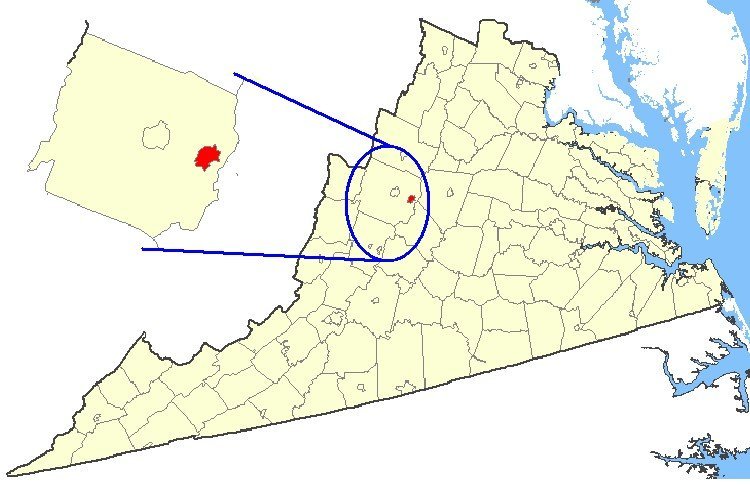
Waynesboro is now brimming with eateries, breweries, coffee shops, and music venues, with the community of creatives, craftsmen, and artisans shaping what makes Waynesboro vibrant, exciting, and authentic. This Blue Ridge town has quietly become a hub for artists and makers who want affordable studio space and access to nature. It’s not trying to be Asheville, but it’s heading in that direction.
Proximity to Shenandoah National Park and the Appalachian Trail makes Waynesboro a magnet for outdoor enthusiasts. Hikers, bikers, and climbers flock here on weekends, fueling a local economy that increasingly relies on tourism and outdoor recreation. The town has leaned into this identity, developing trails, parks, and greenways that connect neighborhoods to nature.
What’s interesting about Waynesboro is how it’s attracting a younger demographic. Millennials and Gen Z are moving here, drawn by lower costs and a slower pace. They’re opening coffee shops, art studios, and small businesses. This influx of young energy is changing the town’s character, making it feel more dynamic and forward-thinking. It’s a town in transition, and that transition feels exciting.
Harrisonburg’s Resurgence
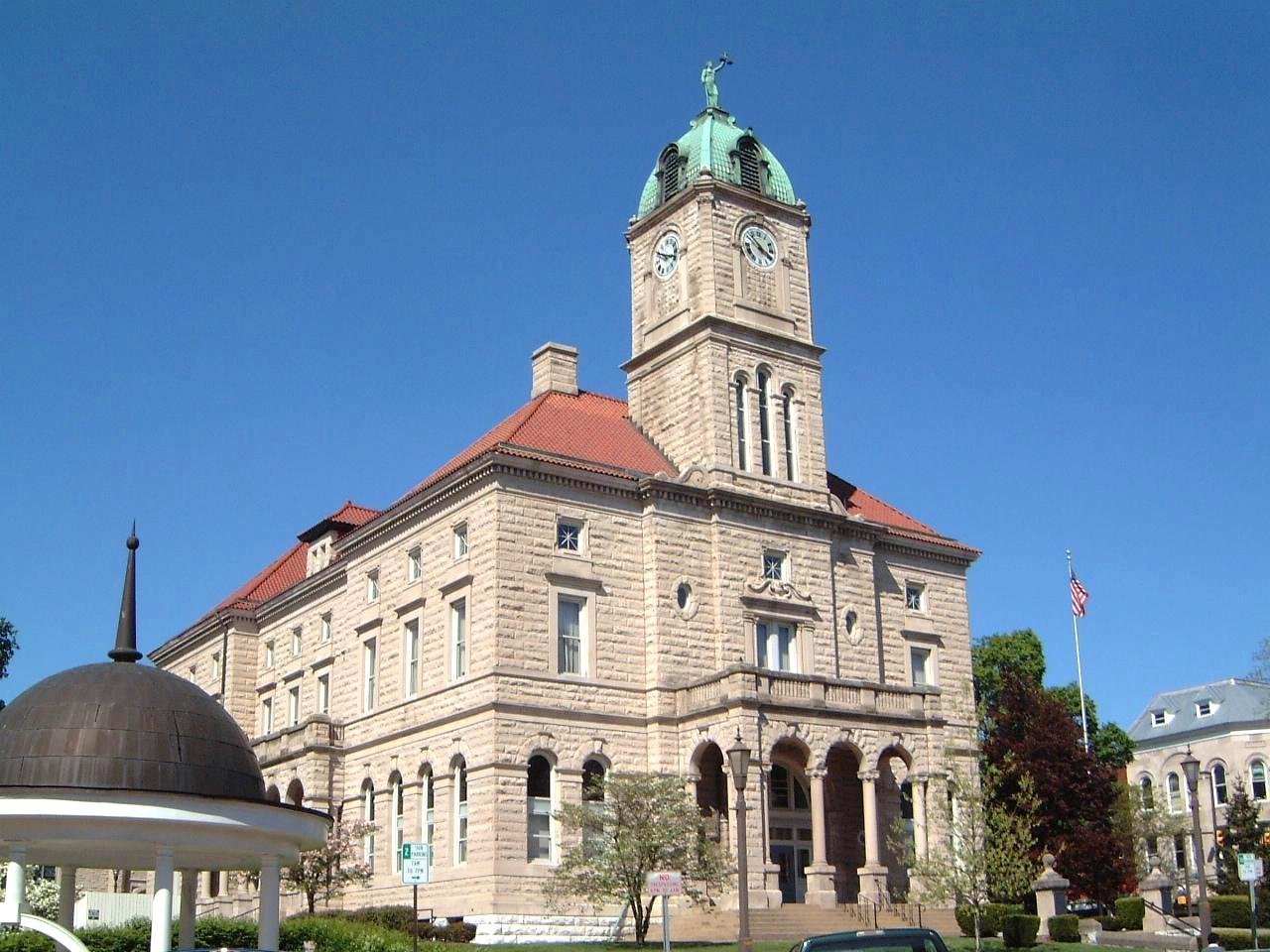
In Harrisonburg the metro at large is growing again after a few years of stagnant population growth, as the largest city in Virginia’s Shenandoah Valley has attracted retirees but is now drawing in a wider demographic, known for its historic districts and stable economy. This university town, home to James Madison University, has long been known for its college-town vibe. However, something shifted in recent years.
Located in the Shenandoah Valley, Harrisonburg is experiencing a resurgence in population growth after a period of stagnation, attracting a diverse demographic, from retirees to young families. The diversification of the local economy has been key. It’s no longer just about the university. New businesses are opening, from tech startups to craft breweries, creating jobs and attracting talent. The town’s downtown has been revitalized, with new restaurants, shops, and entertainment venues bringing life to once-quiet streets.
Harrisonburg also benefits from its location in the Shenandoah Valley, surrounded by mountains and farmland. The quality of life here is high, with access to hiking, biking, and outdoor recreation just minutes from town. It’s the kind of place where you can have a professional career and still feel connected to nature. That balance is rare, and people are noticing.
Smithfield’s Historic Charm Meets Modern Demand
Smithfield is known for its small-town charm and famous hams, with the Isle of Wight County Museum displaying the world’s oldest peanut and a 1902 ham that has become a quirky local legend. This Hampton Roads town has always been a bit under the radar, but that’s changing. Smithfield’s waterfront location on the James River gives it a natural advantage, offering scenic views and recreational opportunities that bigger cities can’t match.
Median home prices of around $360K make the town’s waterfront streets and pretty homes affordable for many. That affordability, combined with historic architecture and a growing food scene, has made Smithfield increasingly popular with young families and retirees. The town has managed to preserve its historic character while welcoming new development, a balance that requires careful planning and community buy-in.
Local businesses are thriving here. Wharf Hill Brewing Company has become a gathering spot, and Smithfield Station draws visitors from across the region. Windsor Castle Park offers 208 acres of green space, with trails and river access right in the heart of town. It’s the kind of place where history and modernity coexist comfortably, creating a unique sense of place that feels both timeless and contemporary.
Abingdon’s Arts and Culture Scene
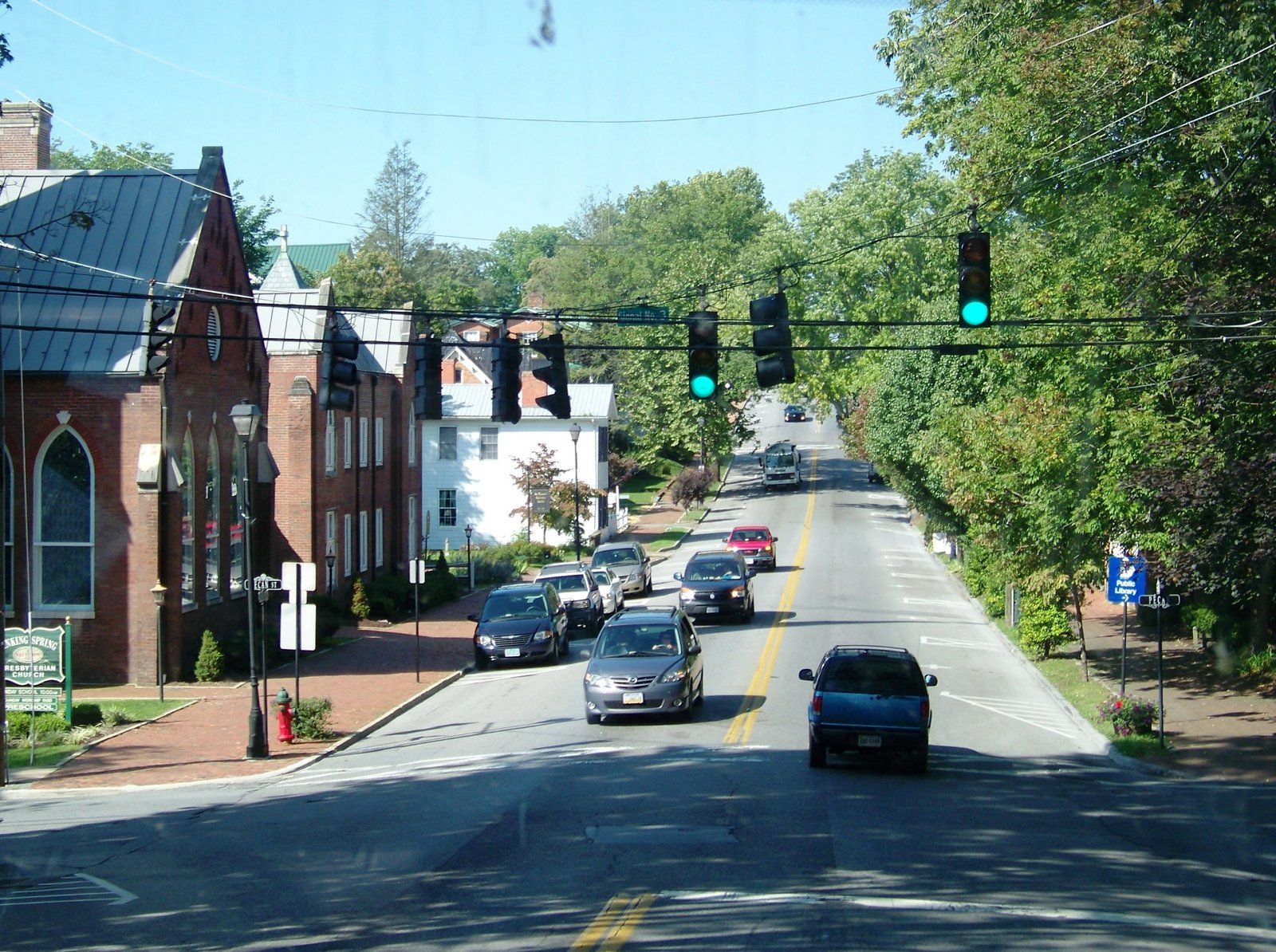
Abingdon was named by USA Today as having one of the best small-town food scenes, which is no small accomplishment. This Southwest Virginia town has built a reputation for its culinary and cultural offerings, attracting visitors who come for weekend getaways and end up considering a permanent move. The Barter Theatre, established in 1933, is one of the longest-running professional theaters in the country, drawing audiences from across the region.
Abingdon is best known as the endpoint of the Virginia Creeper Trail, a 34-mile scenic route popular with bikers and hikers, and is home to the Barter Theatre, one of the longest-running theaters in the nation. The combination of outdoor recreation and cultural amenities makes Abingdon unique among small Virginia towns. You can bike the Virginia Creeper Trail in the morning and catch a live performance in the evening. That diversity of experiences is rare in towns this size.
The town’s historic district is filled with antique shops, galleries, and dining spots that feel authentic rather than touristy. The Martha Washington Inn & Spa, a grand 19th-century hotel, adds a touch of elegance that elevates the entire town. Abingdon has managed to cultivate a sophisticated atmosphere without losing its small-town soul, a difficult balance that keeps residents and visitors coming back.
Infrastructure and Investment
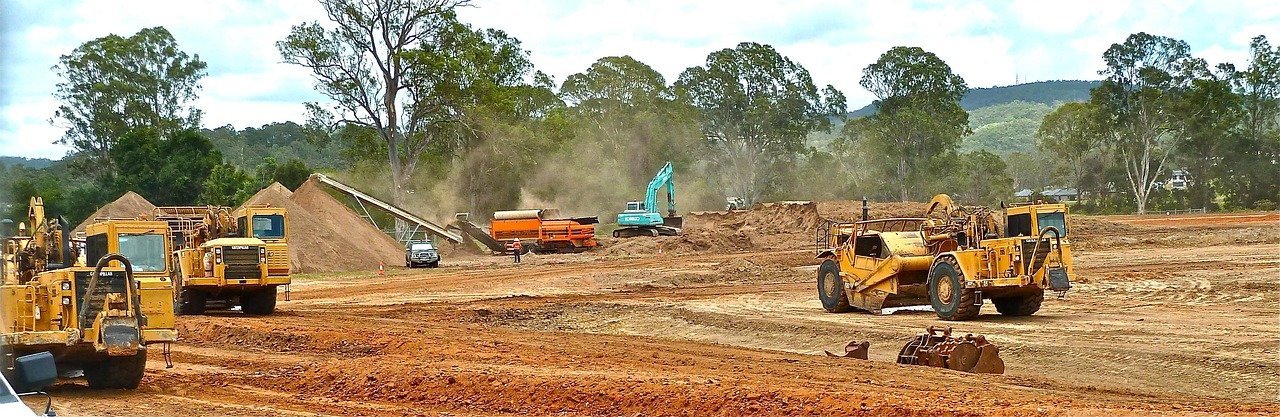
Growth doesn’t happen in a vacuum. It requires infrastructure, investment, and planning. Major transportation and utility infrastructure projects are catalyzing commercial real estate development across Virginia, with the Silver Line Metro extension to Dulles Airport and Route 28 improvements creating new development opportunities. These investments are opening up previously underserved areas, making them more accessible and attractive to developers and residents alike.
Small towns are benefiting from these larger infrastructure projects. Improved highways and broadband expansion make it easier to live in rural areas while staying connected to jobs and services. Broadband, in particular, has been a game-changer. High-speed internet enables remote work, online education, and telehealth, making small-town living feasible for people who previously needed to stay close to urban centers.
Local governments are also stepping up, investing in downtown revitalization, parks, and public spaces. These improvements signal that towns are serious about growth and willing to invest in their future. When residents see their tax dollars going toward improvements they care about, it builds confidence and community pride. That positive feedback loop attracts even more investment and new residents.
Challenges of Rapid Growth

Growth brings challenges. Housing affordability, once a selling point, can become a problem as prices rise. Long-time residents find themselves priced out of neighborhoods they’ve lived in for decades. Traffic increases, schools become crowded, and the character that made a town special can be diluted by rapid development. These are real concerns that communities must address.
Local governments face difficult decisions. How do you accommodate growth without losing what makes your town unique? How do you balance the needs of long-time residents with those of newcomers? There are no easy answers. Some towns implement growth management policies, limiting development to preserve open space and historic character. Others embrace growth, believing that a larger tax base and more diverse economy will benefit everyone.
Community engagement is crucial. Towns that involve residents in planning decisions tend to manage growth more successfully. Public meetings, town halls, and online forums give people a voice in shaping their community’s future. When residents feel heard, they’re more likely to support necessary changes. That sense of ownership and participation can make the difference between growth that strengthens a community and growth that divides it.
What’s Next for Virginia’s Small Towns
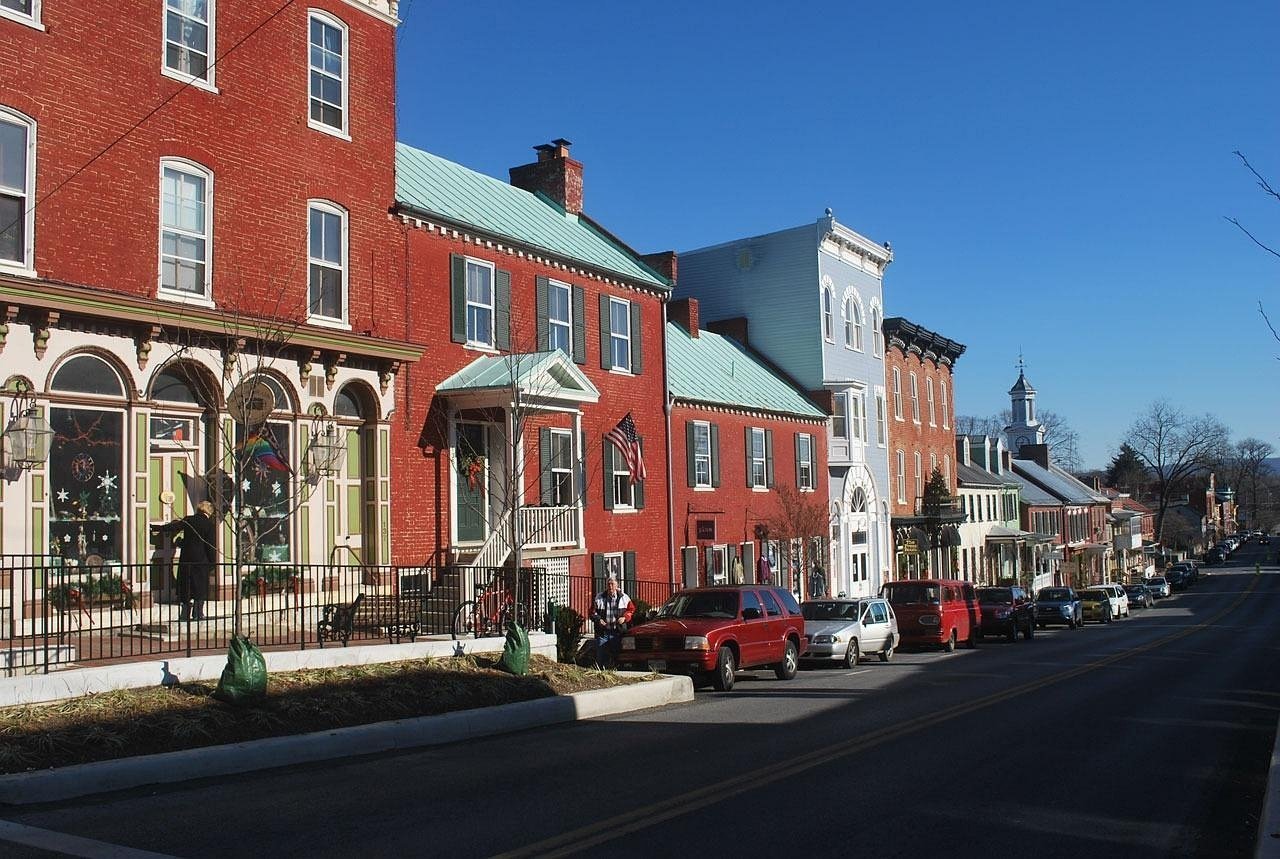
Virginia’s 2025 housing market is showing steady, regionally diverse growth, while smaller markets like Roanoke, Lynchburg, and Blacksburg are seeing some of the highest percentage gains, signaling increased demand in traditionally overlooked areas. This trend shows no signs of slowing. As long as remote work remains viable and urban housing stays expensive, small towns will continue to attract new residents. The question is which towns will thrive and which will struggle.
Towns that invest in infrastructure, preserve their character, and engage their communities have the best chance of success. Those that resist change or fail to plan for growth may find themselves overwhelmed. It’s a delicate balance, requiring vision, leadership, and community involvement. The towns profiled here seem to be getting it right, but the work is far from over.
The transformation of Virginia’s small towns is one of the most significant demographic and cultural shifts happening in the state right now. These communities are proving that you don’t need to live in a big city to have access to culture, career opportunities, and quality of life. They’re showing that small-town living can be vibrant, diverse, and forward-thinking. That’s a powerful message, and it’s one that’s resonating with more people every day.
These hidden gems won’t stay hidden much longer. The secret is out, and Virginia’s small towns are having their moment. Whether you’re looking for affordable housing, a sense of community, or just a slower pace of life, these places offer something increasingly rare in modern America. They offer a chance to truly belong somewhere, to know your neighbors, and to feel connected to place and history. That’s not just appealing, it’s transformative. So, what do you think? Could you see yourself trading city life for small-town charm?

Christian Wiedeck, all the way from Germany, loves music festivals, especially in the USA. His articles bring the excitement of these events to readers worldwide.
For any feedback please reach out to info@festivalinside.com
