

For any feedback please reach out to info@festivalinside.com
- Certain Street Festivals Have Transformed Unknown Towns into Cultural Hotbeds - September 2, 2026
- The Untold Stories of the Original Woodstock Attendees Are Absolutely Wild - September 2, 2026
- The Most Iconic Festival Fashion Trends That Defined a Generation of Music Lovers - September 2, 2026
What happens when a college assignment becomes the center of a heated national debate? It’s happening right now on a university campus in Oklahoma, where a single psychology essay has triggered protests, death threats, and calls from politicians to slash university funding. This isn’t just about one student’s grade anymore. It’s about something much bigger.
Samantha Fulnecky, a junior on a pre-med track, recently got a 0 on her essay that leaned on her Christian beliefs for an assignment on gender stereotypes in her psychology class. The instructor told her in a Nov. 16 message that her essay was offensive and lacked evidence. Within days, the story exploded across social media platforms and cable news. Let’s dive into how a routine grade dispute turned into a national controversy that has professors, students, and politicians picking sides.
The Assignment That Started It All

The assignment was for a psychology class about lifespan development. Students were asked to write a 650-word response to an academic study that examined whether conformity with gender norms was associated with popularity or bullying among middle school students. Simple enough, right? Yet this seemingly straightforward task would soon become ground zero for an explosive culture war battle.
Fulnecky wrote that she was frustrated by the premise of the article because she doesn’t believe that there are more than two genders based on her understanding of the Bible. “Society pushing the lie that there are multiple genders and everyone should be whatever they want to be is demonic and severely harms American youth,” she wrote. Her essay cited the Bible as her primary source.
The grading rubric was clear. Students needed to demonstrate understanding of the article, present a thoughtful reaction rather than a summary, and write clearly. Fulnecky received zero points for her work. Her graduate teaching assistant, Mel Curth, explained that the essay did not properly respond to the assignment and lacked empirical evidence for a scientific class.
From Campus to Cable News
Fulnecky said she felt like she’d been penalized for her religious views. Rather than keeping her dispute within the university’s grade appeal process, she decided to go public. She reached out to journalists, politicians, and even the governor. Walters, the CEO of Teacher Freedom Alliance, a political nonprofit that opposes teachers unions, gained a national reputation for taking on culture war issues related to education during his time as the state schools superintendent. He encouraged her to fight back and sue.
The story first appeared in The Oklahoman newspaper. Then the University of Oklahoma’s Turning Point USA chapter amplified it massively on social media. Fulnecky’s fight quickly went from a local controversy to a national one. Republican lawmakers in deep-red Oklahoma called on the university president to resign and threatened to cut the school’s funding. Fulnecky appeared multiple times on Fox News, spoke onstage at a local Turning Point USA event and received an award at another political group’s event.
Honestly, the speed at which this escalated was stunning. One social media post from Turning Point USA racked up more than 47 million views. That’s not just viral. That’s a complete phenomenon.
The Human Cost of Going Viral
Two instructors have now been placed on leave, and one has been removed from teaching a course. On OU’s campus, protests and counterprotests have erupted. Here’s the thing that often gets lost in these culture war battles: real people get hurt. Curth, the graduate teaching assistant, received death threats and harassment online.
On OU’s campus, some students are worried and intimidated. Summer Edwards, the chair of the graduate student senate and a doctoral candidate in biomedical engineering, said many of her peers on campus fear for their job security and safety if they speak out, due to what Turning Point USA could do with its national reach.
Think about that for a moment. Graduate students, who are just trying to teach classes and complete their degrees, now fear for their jobs because of social media backlash. “Especially going into finals season,” Edwards said, “it’s scary to be someone, even myself, who has to grade knowing that the university could allow this to happen to anybody.”
Political Heavyweights Pile On
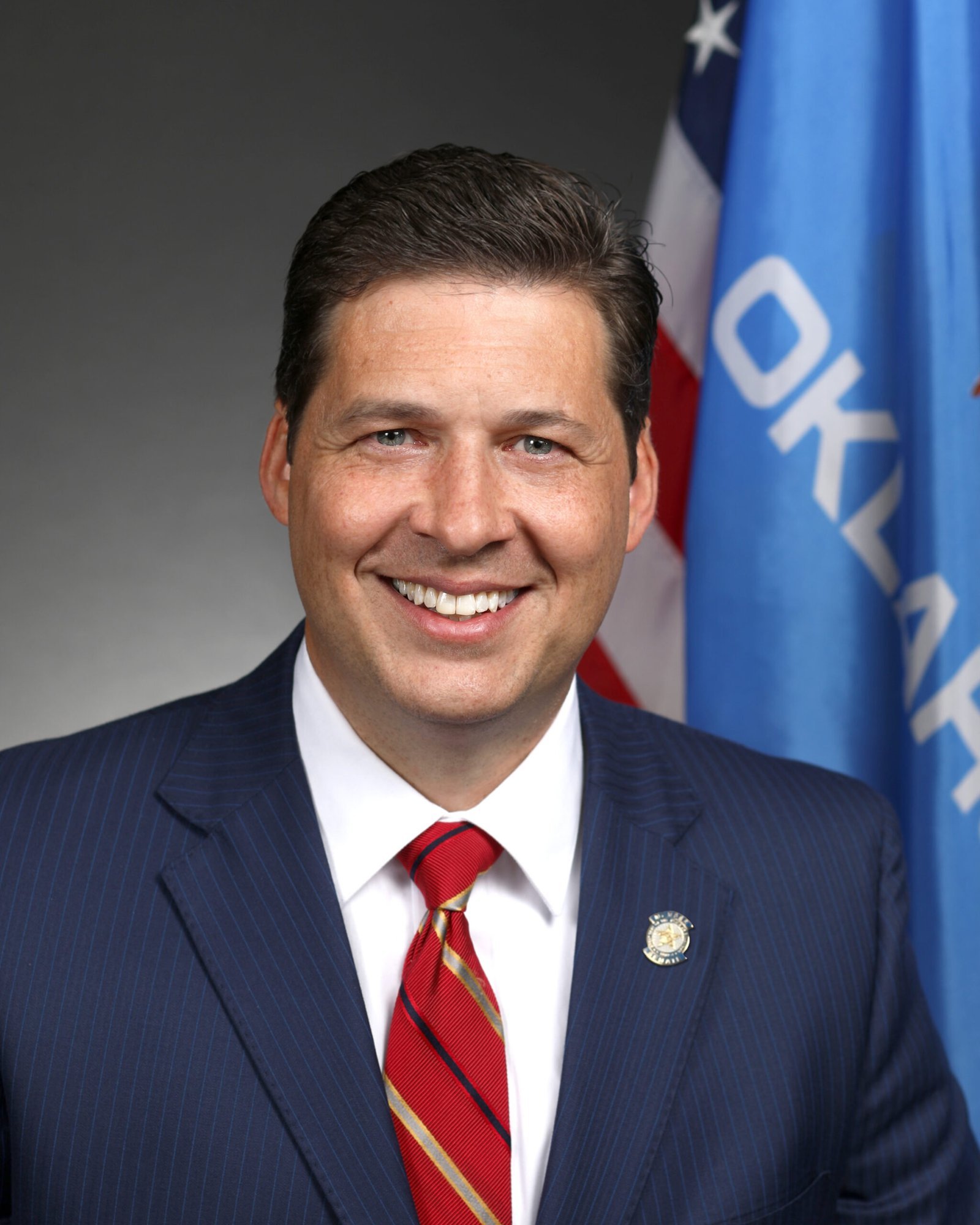
The governor called on the university’s governing board to get involved, and several state GOP lawmakers have drawn attention to the instructor’s identity and demanded meetings with university leadership. State Senator Shane Jett, chair of Oklahoma’s Freedom Caucus, immediately texted other lawmakers about the situation. “My main goal is to encourage other Christians to stand up for their beliefs,” Fulnecky told KOKH, a Fox affiliate in Oklahoma City.
She was invited to speak at multiple political events. At one gathering, a state representative presented her with a formal citation of recognition. Politicians praised her as a hero for going public. Let’s be real, this student became a political symbol almost overnight. Whether she wanted that role or not, she got it.
Oklahoma Gov. Kevin Stitt posted on X regarding the situation, calling it “deeply concerning.” The situation at OU is deeply concerning. Republican lawmakers used the controversy to push broader narratives about persecution of Christians on college campuses and bias among professors.
The Debate Over Academic Standards
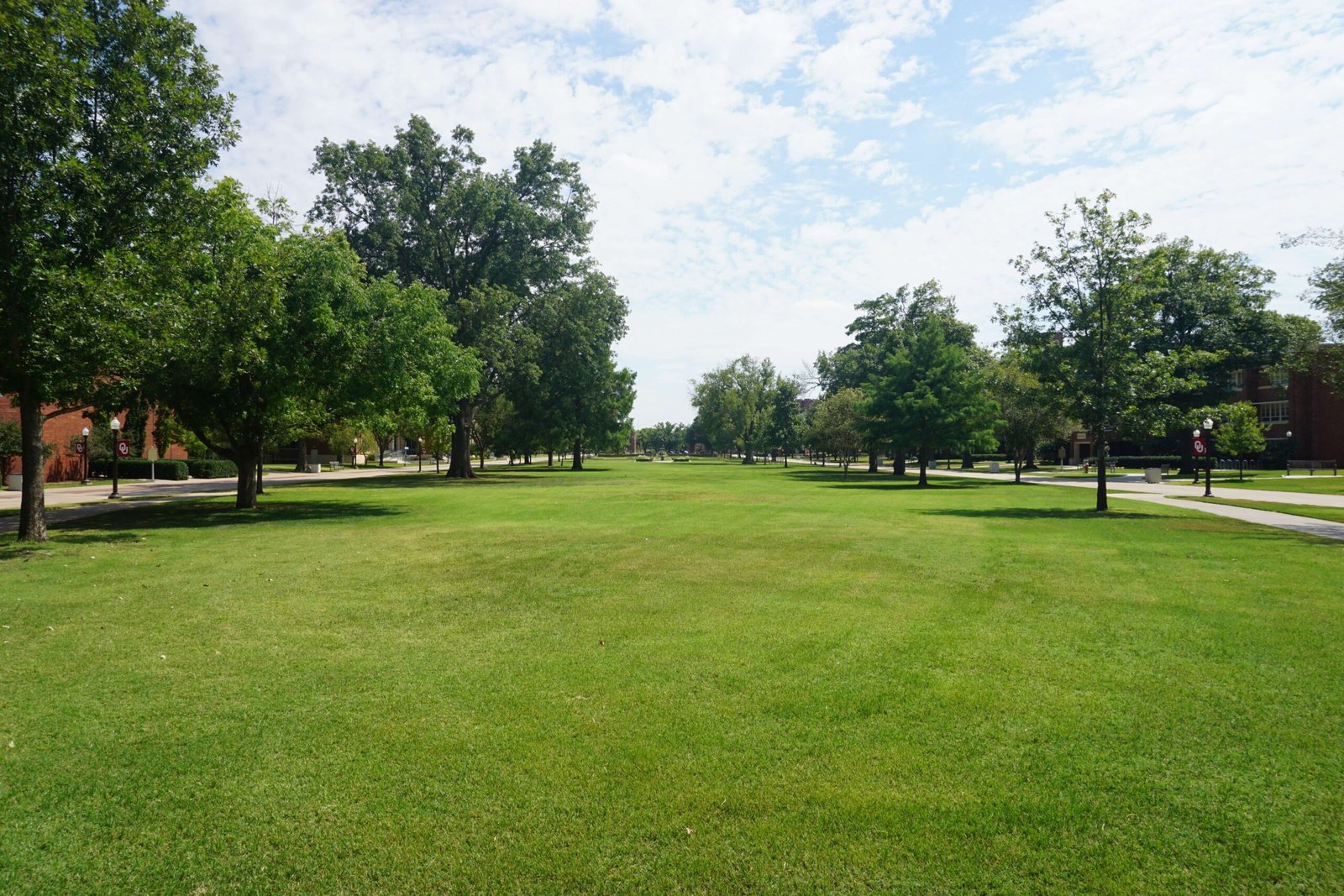
“Please note that I am not deducting points because you have certain beliefs, but instead I am deducting point for you posting a reaction paper that does not answer the questions for this assignment, contradicts itself, heavily uses personal ideology over empirical evidence in a scientific class, and is at times offensive,” Curth wrote in response to Fulnecky.
Megan Waldron, another instructor for the course, also sent feedback to Fulnecky. “I concur with Mel on the grade you received. This paper should not be considered as a completion of the assignment,” Waldron wrote. “Everyone has different ways in which they see the world, but in an academic course such as this you are being asked to support your ideas with empirical evidence and higher-level reasoning.”
Critics of the grading argued that the assignment asked for students’ opinions and reactions. The rubric didn’t explicitly mention empirical evidence. Supporters of the instructors pointed out that psychology is a science course, and scientific claims require scientific evidence. It’s hard to say for sure where the line should be drawn, but this controversy really highlights that tension.
When One Instructor Becomes Three
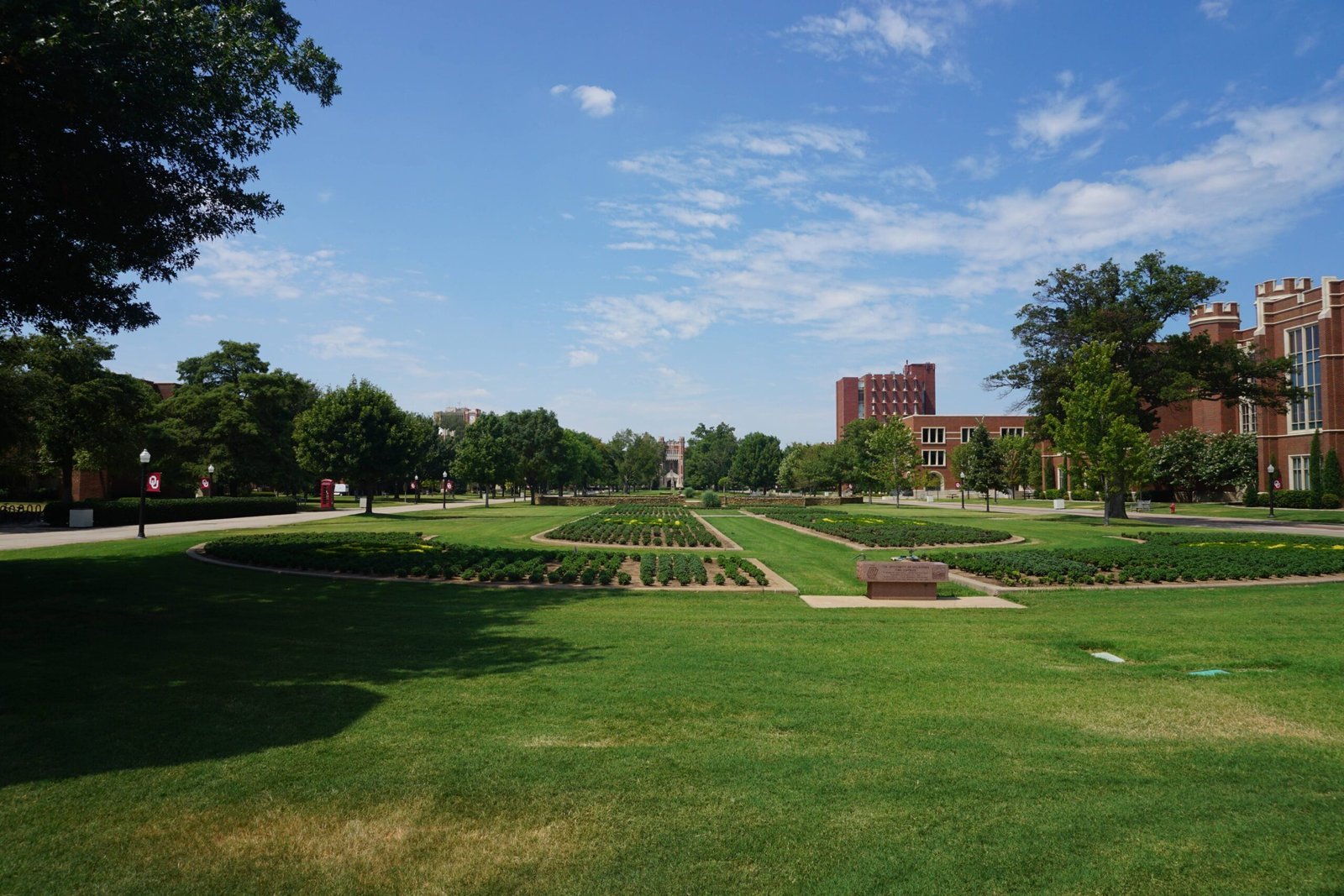
The situation expanded beyond Curth. The University of Oklahoma put a lecturer on administrative leave last week for allegedly exercising “viewpoint discrimination” five days after a different instructor was placed on leave for alleged religious discrimination. Kelli Alvarez, an assistant teaching professor focused on race and ethnicity in literature and film, allegedly encouraged students to miss her English composition class to attend a protest in support of Mel Curth, a graduate teaching assistant in the psychology department who was removed from teaching after a student filed a religious discrimination complaint against her.
Alvarez said she would excuse the absences of students who attended the protest. The president of the Turning Point USA chapter, Kalib Magana, complained that she wouldn’t extend the same excused absence to counterprotesters unless they organized a documented group. The university placed Alvarez on leave within three hours of receiving his complaint.
Social Media as Amplifier and Weapon

Turning Point USA didn’t just report on the controversy. They drove it. The organization’s local chapter created a social media account specifically to share Fulnecky’s story. Their posts identified the instructors and included inflammatory language. They also highlighted that Curth is transgender, which led to intense focus on the instructor’s identity rather than the academic issues at hand.
Both the essay and the comments were subsequently posted online by the university TPUSA chapter, who stated that “We at Turning Point OU stand with Samantha. We should not be letting mentally ill professors around students”, gaining 40 million views in less than a week; while Fulnecky filed a complaint of discrimination based on religious beliefs, leading Curth to be placed on administrative leave.
The language used was harsh and personal. It wasn’t just about grading standards or academic freedom. It became about attacking individuals. That’s where things really went off the rails, if you ask me.
What the University Did and Didn’t Do
The university wrote in an email that “OU remains firmly committed to fairness, respect and protecting every student’s right to express sincerely held religious beliefs.” The school added that the failing grade, which was supposed to account for 3% of Fulnecky’s final grade, would not affect the junior’s academic standing.
An investigation into Fulnecky’s discrimination complaint is still ongoing. The university moved quickly to place instructors on leave and remove the assignment’s impact on Fulnecky’s grade. Some faculty members and graduate students criticized the administration for what they saw as caving to political pressure.
During a meeting Thursday, the University of Oklahoma Graduate Student Senate passed a resolution calling for greater transparency and protection for graduate teaching assistants on leave and under investigation. The resolution also said that Curth was justified in giving Fulnecky a zero on the assignment and called on the university to publicly apologize to the professor for failing to protect her from the bullying and harassment the case has incited.
Broader Implications for Higher Education
This incident didn’t happen in a vacuum. When the student provided the footage to a Texas politician, the resulting online firestorm led to the ouster of the instructor, demotions of two administrators and the resignation of Texas A&M president Mark Welsh. That was a reference to a similar controversy at Texas A&M just months earlier involving gender identity discussions in class.
There’s a pattern emerging. Conservative activists record or document classroom interactions, post them online through channels with massive reach, politicians amplify the stories, and universities respond by disciplining faculty. It’s creating an environment where some professors are afraid to discuss certain topics at all.
Faculty members across the country are watching what happened at Oklahoma and wondering if they could be next. Graduate students who teach sections of courses are particularly vulnerable. They have less job security and fewer protections than tenured professors.
The Question of Religious Expression

At the heart of this controversy is a fundamental question: can students cite religious texts as evidence in science classes? Her only source in the essay was the Bible. The assignment asked students to react to a scholarly article about gender and adolescent social dynamics.
Some argue that in a reaction paper, students should be free to express their personal views, including religious ones. Others contend that academic assignments in science courses require engagement with scientific evidence and methodology. It’s a legitimate debate, though it often gets overshadowed by the culture war rhetoric.
Meanwhile, the graduate instructor who assigned and graded the paper has been put on leave, the Oklahoma governor is weighing in, and the incident has ignited a conversation about whether it’s appropriate to cite the Bible as a source in academic papers.
The Aftermath and What It Means
This controversy reveals deep fissures in American higher education. Questions about academic freedom, religious expression, scientific standards, and political influence all collided in one Oklahoma classroom. No matter where you stand on the specific issues, the way this played out should give everyone pause.
A grade dispute that might once have been resolved through university processes instead became fodder for national media and political campaigns. Instructors were placed on leave before investigations concluded. Students on both sides felt threatened and intimidated. Campus climate deteriorated rapidly.
The broader implications are concerning. If students know they can mobilize powerful political and media forces over grades they don’t like, how does that change the classroom dynamic? If instructors fear that teaching certain subjects or holding students to certain standards could result in career-ending harassment, how does that affect education quality?
These aren’t hypothetical questions anymore. They’re playing out right now at the University of Oklahoma and increasingly at schools across the country. The stakes involve not just individual careers and grades but the fundamental nature of higher education itself.
What started as one student’s essay about gender stereotypes has become a test case for how universities navigate political pressure, protect academic standards, and balance competing rights and interests. The resolution of this case will likely influence how similar situations are handled elsewhere. Everyone involved claims to be fighting for important principles. Yet the casualties keep mounting, and the educational mission gets lost in the noise.
So what do you make of this whole situation? Did the instructors grade fairly based on academic standards, or was this viewpoint discrimination? Should universities stand firm against political pressure, or listen to concerns about bias? The answers aren’t as simple as either side wants to claim. Tell us what you think in the comments.

Christian Wiedeck, all the way from Germany, loves music festivals, especially in the USA. His articles bring the excitement of these events to readers worldwide.
For any feedback please reach out to info@festivalinside.com
