

For any feedback please reach out to info@festivalinside.com
- These 10 Books Will Challenge Everything You Thought You Knew About History. - August 12, 2026
- 13 Top Trending Songs on Instagram Reels in 2026 - August 12, 2026
- The Best Rock Music Was Made When Nobody Was Watching - August 12, 2026
Florida politics just got a little more interesting. Miami, a city that hasn’t seen a Democratic mayor in decades, recently became the center of a high-stakes political showdown. The implications of this local race have rippled far beyond city limits, grabbing the attention of party leaders from both sides. What happened in this runoff election could signal larger trends for upcoming midterm battles.
The stakes are bigger than most people realize. This wasn’t just about who gets to run one city. It became a test of political momentum, a measurement of how voters feel right now about leadership, cost of living, and immigration.
Democrat Breaks Republican Hold on Mayor’s Office
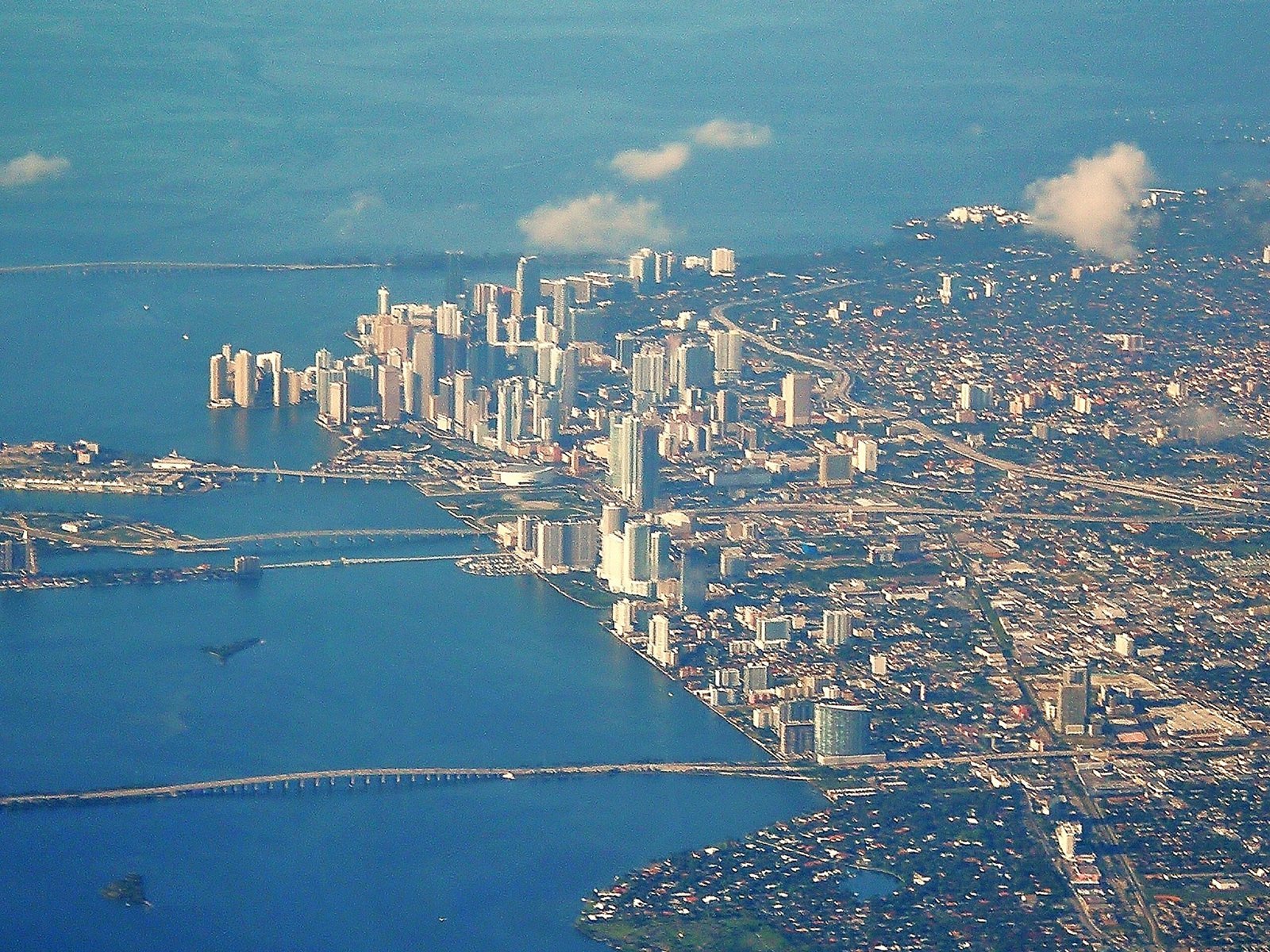
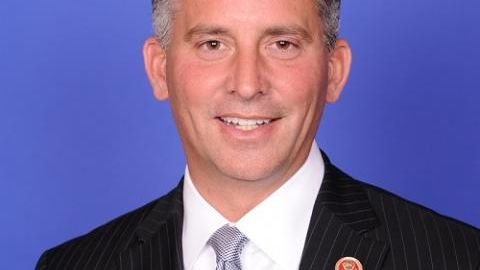
Eileen Higgins won the Miami mayoral race, becoming the first Democrat to hold the office in nearly 30 years and breaking a long Republican streak in the nonpartisan seat. She secured victory with a commanding 19-percentage-point lead. The win is striking considering Miami’s political landscape has leaned increasingly conservative in recent cycles.
Higgins secured 59% of the vote versus Emilio Gonzalez’s nearly 41%. Her opponent had serious political backing, including endorsements from the highest levels of Republican leadership. She also made history as the first woman elected Miami mayor. These dual achievements sent Democrats into celebration mode, viewing the results as a potential harbinger of things to come.
Higgins ran on practical issues that resonate with everyday residents. The campaign centered on immigration, housing, flooding, city growth and the tone of leadership Miami needs. She didn’t shy away from national controversies either. Higgins denounced Immigration and Customs Enforcement’s actions in Miami, positioning herself clearly against aggressive deportation tactics that worried many families.
She served eight years on the Miami-Dade County Commission and campaigned on restoring public trust and bringing calmer, more collaborative leadership to City Hall. Higgins, who speaks Spanish, represented a district that leans conservative and includes Little Havana, and embraced the nickname “La Gringa” to connect with voters in a predominantly Latino district. That authenticity seemed to work.
National Parties Turn Local Race into Major Battleground
The race drew increased national attention, particularly after Democrats made gains in other recent elections, with the Democratic National Committee taking an active interest, sending organizational support and prominent figures including Sen. Ruben Gallego, former Transportation Secretary Pete Buttigieg and former Chicago Mayor Rahm Emanuel. The level of involvement was remarkable for what is technically a local, nonpartisan race.
Republicans also mobilized heavily. While the race was officially nonpartisan, Higgins had the backing of prominent Democrats, while Republicans including Gov. Ron DeSantis and President Trump endorsed Gonzalez. The fact that Trump personally weighed in on a mayor’s race shows just how much the GOP wanted to maintain control.
The DNC announced they were going “all-in” to support Higgins’s candidacy, including through hosting virtual phone banking and using their national volunteer base for voter outreach efforts. This wasn’t typical support for a city election. Both parties recognized this contest carried symbolic weight heading into the midterms.
Republicans zeroed in on the race, hoping to hold the seat and push back against a string of GOP candidates underperforming their 2024 marks in special House elections and other downballot races. They needed a win to calm nerves. Instead, they got a loss that raised more questions than answers about their standing in South Florida.
Housing Costs and Affordability Dominated the Campaign

Affordability was a key issue throughout the campaign, especially relevant in one of the most expensive cities in the country, and Higgins supported building more affordable housing. Miami residents know this pain intimately. Rent prices have soared, making the city increasingly unaffordable for working families.
Affordable housing was a cornerstone of her platform, and she pledged to utilize city-owned land to build housing for working families and criticized Miami’s rapid growth without corresponding improvements in services. The argument struck a chord with voters who feel squeezed by rising costs and stagnant wages.
Gonzalez offered a different approach. Gonzalez backed a DeSantis-supported plan that would eliminate property taxes for primary residences. He also criticized what he saw as overdevelopment without true affordability. The contrast was clear, with both candidates recognizing the problem but proposing vastly different solutions.
She also called for a full review of city spending and proposed updating regulations to allow permeable pavement and accelerate park construction to improve drainage citywide. Flooding is a real concern in Miami, and Higgins addressed practical infrastructure challenges alongside housing and spending concerns. Her detailed policy proposals seemed to resonate more than broad promises.
Immigration Policies Sparked Sharp Division

Miami is home to the Krome immigrant detention center, which has gained notoriety for overcrowding and subpar conditions, and immigration came up frequently in debates. Higgins spoke frequently in the Hispanic-majority city about Trump’s immigration crackdown, saying she has heard of many people in Miami who were worried about family members being detained.
The issue cut both ways in Miami’s diverse Latino community. Some residents supported stricter enforcement, believing the border crisis required tough measures. Others viewed aggressive deportation tactics as cruel and targeting people with deep community ties who pose no threat. Higgins positioned herself firmly in the latter camp.
Local Republicans are growing increasingly frustrated since November’s elections when Democrats scored wins in New Jersey and Virginia, with results perceived as a reflection of concerns over rising prices and the Trump administration’s aggressive immigration policies. Even within the GOP, cracks began to show. Republican Rep. Maria Elvira Salazar called the elections elsewhere a “wake-up call,” saying “The Hispanic vote is not guaranteed” and “Hispanics married President Trump, but they are only dating the GOP”.
That’s a stunning admission from a Republican congresswoman representing a district that includes Miami. It reveals real anxiety within the party about losing ground with Latino voters who previously swung their way. The deportation rhetoric that energized some voters clearly alienated others, creating a delicate balancing act for Republican candidates.
Latino Voter Sentiment Shows Signs of Shifting

According to an October 2025 poll, only 25% of Hispanic adults hold a favorable opinion of Trump, dropping from 44% earlier in the year, and his job approval among Hispanics fell from 41% in March to 27% in October. The decline is dramatic and happened quickly during Trump’s second term.
Economic concerns such as inflation, housing costs, healthcare and employment are primary reasons, with many Latinos feeling that Trump’s campaign promises have not been fulfilled, and his administration’s immigration policies have sparked backlash due to fears of ICE raids. Voters who gave Trump a chance now feel disappointed by the results.
Miami-Dade County is one example of the many areas where Trump made gains in 2024, and it’s important because of its Latino and Hispanic demographic, which make up 70 percent of its population, with the president making impressive inroads with Latino voters last cycle. Yet that momentum appears fragile. Recent polling suggested Latino voters were souring on Trump, raising questions around how that might impact Republicans down the ballot.
The trend isn’t uniform across all Latino communities. About two-thirds of Cuban voters in Florida supported Trump in 2024. Still, even among traditionally Republican-leaning groups, support shows cracks when aggressive enforcement affects people they know and care about in their own neighborhoods.
Miami-Dade County Has Trended Republican in Recent Years

Miami-Dade County, which encompasses Miami and some surrounding suburbs, voted Republican in 2024 after long being a Democratic stronghold, with Trump becoming the first Republican presidential candidate to win Miami-Dade since 1988. That flip represented a seismic shift in Florida politics and gave Republicans confidence that the state had moved firmly into their column.
While Miami-Dade has moved dramatically toward Republicans in the last few elections, Democratic former Vice President Kamala Harris narrowly carried the city itself last year. The county and the city voted differently, suggesting the urban core maintains some Democratic strength even as surrounding areas turned red. Higgins capitalized on that narrow advantage.
This swing was predicted in many ways by DeSantis’ significant reelection margin there in 2022, beating Democrat Charlie Crist by 11 percentage points. DeSantis built a formidable political machine in Florida, helping other Republicans win races they might otherwise have lost. Yet even that infrastructure couldn’t deliver a Miami mayoral victory.
The results complicate the narrative of Florida as a solidly red state. Democrats found a crack in the armor, proving that the right candidate with the right message can still win in areas trending Republican. Whether this represents a one-off success or the start of a broader reversal remains to be seen.
Democrats See Momentum Building Toward Midterms
Democrats are already riding a wave of momentum after a dominant performance in November’s off-year elections and over-performing their 2024 results in Tennessee’s 7th Congressional District. The party desperately needed positive signs after losing ground in several key states during the presidential race.
Florida Democratic Party Chair Nikki Fried called Higgins’ win a sign of better things to come, stating “Tonight’s victory shows that the pendulum is swinging in our favor”. Party leaders hope this result energizes donors, volunteers, and voters heading into what promises to be a brutal midterm cycle.
The win is the latest boost for Democrats coming out of better-than-expected elections in November and a strong showing in a special House election in Tennessee, with the party hoping an energized base and focus on issues such as affordability will help flip the House and possibly even the Senate. Optimism is high, though Democrats know one local win doesn’t guarantee national success.
The victory provides Democrats with some momentum heading into a high-stakes midterm election when the GOP is looking to keep its grip in Florida, including in a Hispanic-majority district in Miami-Dade County. If Democrats can compete in places like Miami, they can potentially challenge Republicans in districts previously considered safe. That possibility alone changes the strategic calculus for both parties.
What This Means for Florida’s Political Future
Florida has been written off by many Democrats as a lost cause after repeated disappointments in statewide races. Republicans have dominated recent gubernatorial and Senate contests, leading some to declare the state permanently red. Yet Higgins’ victory suggests that narrative might be premature.
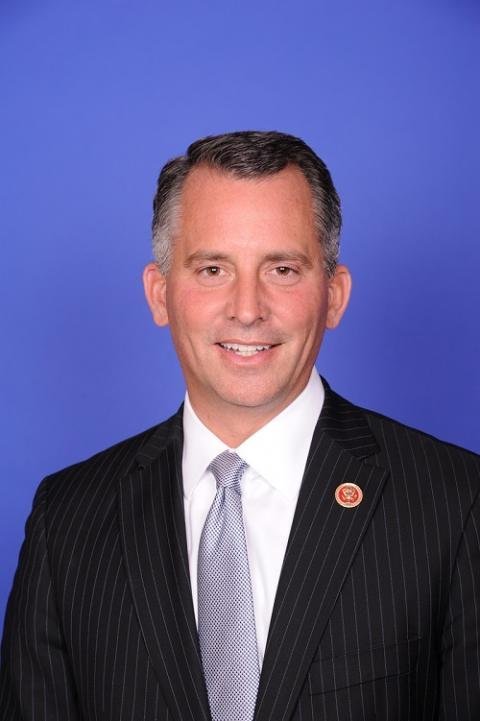
David Jolly, who is running to represent Democrats in the Florida governor’s race next year, said the mayoral election was good news for Democrats in what used to be a battleground state, saying “Change is here. It’s sweeping the nation, and it’s sweeping Florida”. His optimism reflects a broader belief among Democrats that Florida remains competitive if they run the right campaigns.
The challenge for Democrats is turning momentum into sustained electoral success. Winning one mayor’s race is encouraging. Winning congressional seats, statewide offices, and legislative majorities requires building on this foundation with smart organizing, good candidates, and messages that resonate beyond Miami’s city limits.
Republicans face their own challenges. They need to figure out whether their current approach to immigration and economic policy is sustainable with Latino voters who helped deliver recent victories. Losing Miami after gaining so much ground in South Florida raises uncomfortable questions about whether their coalition is stable or vulnerable to erosion. The answer will shape how both parties compete in Florida for years to come.
Beyond Miami: What Voters Across Florida Are Watching
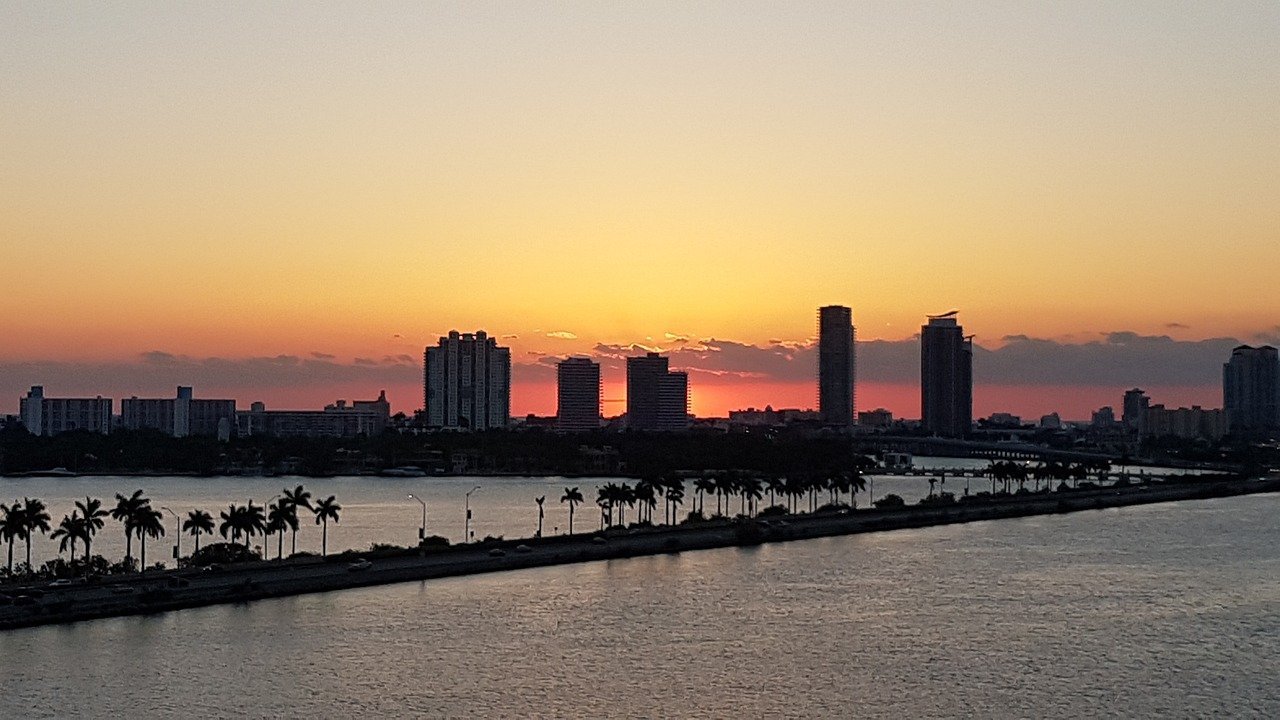
The mayoral position in Miami is more ceremonial, but Higgins promised to execute it like a full-time job, and the city is part of Miami-Dade County, which Trump flipped last year, and as Florida’s second-largest city, Miami is considered the gateway to Latin America, giving Higgins a significant stage as mayor.
The visibility of Miami’s mayor extends far beyond administrative duties. The role offers a platform to influence regional conversations about immigration, economic development, and the future direction of one of America’s most dynamic urban centers. Higgins will have that platform, and how she uses it could impact broader perceptions of Democratic leadership in a state where Republicans have dominated the narrative.
Republicans won’t concede Florida without a fight. They’ll invest heavily in defending their gains, particularly in congressional districts where incumbent members face potential challenges. Democrats will test whether their Miami success translates elsewhere, targeting races where economic anxieties and immigration concerns might tilt voters their way.
The 2026 midterms will provide answers to questions raised by this race. Can Democrats rebuild a competitive operation in Florida? Will Latino voters continue drifting away from Trump and the GOP? How do economic conditions impact voter decisions when pocketbook issues dominate?
The National Implications of a Local Win
Political observers are parsing the Miami results for clues about what happens next nationally. Every special election, every unexpected flip gets scrutinized for meaning about the broader mood. Higgins’ victory gives Democrats a talking point about gaining ground in Republican territory.
Ken Martin, the chair of the Democratic National Committee, stated “Tonight’s result is yet another warning sign to Republicans that voters are fed up with their out-of-touch agenda that is raising costs”. The message from Democrats is clear: they believe voters are rejecting Republican policies on the economy and immigration.
Republicans dispute that interpretation. They point to structural advantages in Congress, strong fundraising, and continued dominance in many state legislatures. One mayoral loss doesn’t erase gains made in 2024, they argue. The debate over which narrative is correct will play out over the coming months as more elections provide additional data points.
What’s undeniable is that both parties now view Miami as a bellwether. The city’s diverse population, economic challenges, and complex politics make it a useful laboratory for testing messages and strategies. Whoever figures out how to consistently win there gains insights applicable to other contested areas.
Looking Ahead: Can Democrats Sustain This Energy?
Winning is easier than governing. Higgins now faces the challenge of delivering on campaign promises while managing a city with limited mayoral authority and significant problems. Housing remains expensive. Infrastructure needs attention. Immigration tensions aren’t going away just because the election ended.
Her success or failure in office will influence how voters view Democratic leadership not just in Miami but across Florida. If she delivers tangible improvements, Democrats gain credibility. If she struggles, Republicans will use that to argue their approach was better all along. The pressure is real.
Democrats also need to expand their map beyond Miami. Winning one city is encouraging, but they need victories in suburban districts, smaller cities, and diverse communities across Florida to truly compete statewide. That requires resources, organizing, and candidates who can appeal to voters skeptical of both parties.
Republicans, meanwhile, will work to contain the damage. They’ll argue Miami is an outlier, pointing to their continued strength in most of Florida. They’ll adjust their messaging around immigration and economic issues to shore up support with Latino voters showing signs of drifting. And they’ll invest heavily in defending vulnerable seats to prevent any Democratic momentum from building.
The next few months will reveal whether Miami’s mayoral race was an anomaly or a preview of things to come. Elections rarely provide clear, simple answers. This one raised as many questions as it settled. Voters across Florida and the nation will watch closely to see what happens next. What do you think this means for the future of Florida politics? Did this outcome surprise you?

Christian Wiedeck, all the way from Germany, loves music festivals, especially in the USA. His articles bring the excitement of these events to readers worldwide.
For any feedback please reach out to info@festivalinside.com
