

- 8 Classic Movies You Thought Were American – But Were Actually Foreign - August 12, 2026
- 10 Most Beautiful Beaches in The World for a Relaxing Vacation - August 12, 2026
- 15 Hit Singles From the Last Three Decades That Still Get You Dancing. - August 12, 2026
You pick up the phone, and the person on the other end knows your bank balance. They sound professional, urgent. They claim fraudulent charges are about to hit your account. You need to act now. That’s exactly how a Fort Worth teacher lost more than thirty thousand dollars earlier this year, and it’s just one example of what’s becoming a serious problem across Texas.
Right now, multiple criminal groups are targeting Texas residents through increasingly elaborate scam operations. From spoofed law enforcement warrants to credit card skimmers planted at retail stores, these schemes are getting harder to spot. What makes them especially dangerous is how convincing they’ve become. Let’s dive in.
Criminal Groups Plant Skimmers Across West Texas
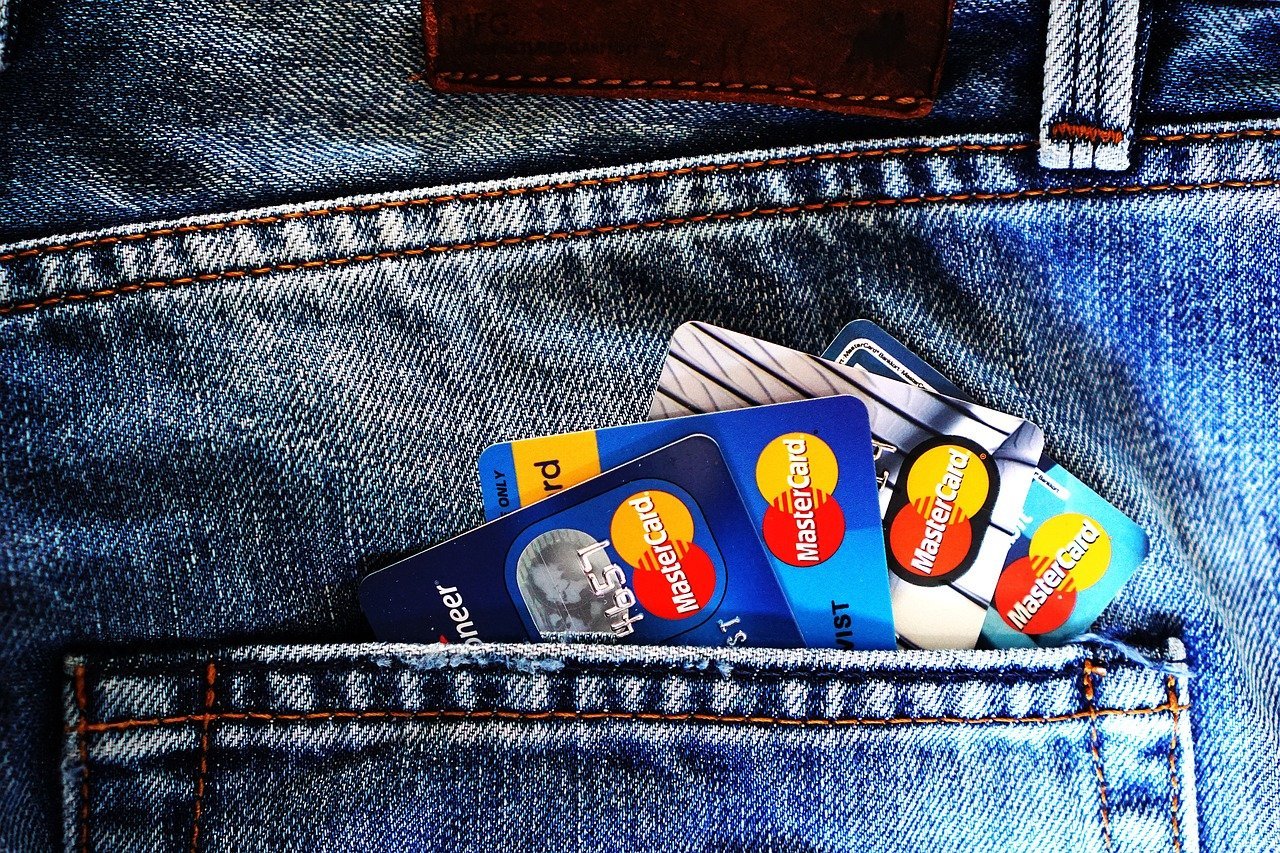
Multiple law enforcement agencies are tracking several criminal groups operating in West Texas who have placed credit card skimmers inside retail locations in the Amarillo, Lubbock, Midland, Odessa, and Abilene areas. The targeted retailers include convenience stores and dollar stores, though shoppers are advised to remain vigilant at all retail establishments.
These devices are designed to steal card information when you swipe at payment terminals. The Midland Police Department and Texas Department of Public Safety issued urgent warnings just days ago, reminding holiday shoppers that criminals are exploiting the busy shopping season to collect financial data from unsuspecting customers.
Authorities recommend checking payment terminals by inspecting for signs of damage or tampering, gently pulling on the card slot to see if it’s loose, and using tap-to-pay or mobile payment apps instead of swiping cards whenever possible.
Fake Warrant Calls Trick Victims With Convincing Details

The warrant scam involves victims receiving a phone call or text from someone claiming to be law enforcement, sometimes even sending a photograph or file of a warrant showing their name and date of birth. Here’s the thing, these scammers don’t just sound official. They back up their claims with documents that look frighteningly real.
The callers pressure victims into paying fines or fees immediately to avoid arrest. Law enforcement continues to receive reports of warrant scams and bank account in trouble scams. It’s one of several sophisticated tactics criminals are using right now across the state.
Real law enforcement will never demand payment over the phone or threaten immediate arrest for outstanding warrants. If you get a call like this, hang up.
Bank Impersonation Scams Drain Accounts In Minutes

In the bank account scam, the victim receives a call or text stating their bank account has been compromised and that they need to withdraw funds from the compromised account and move said funds to cryptocurrency, transfer to another bank account, prepaid card, or just get cash to send via mail. The sophistication level is alarming.
Think about Russell Leahy’s story from earlier this year. The callers knew his exact bank balances. They spoofed Chase Bank’s actual phone number so it appeared legitimate on his caller ID. Authorities advise victims to end the call, then contact their bank directly using the phone number listed on the back of their card or on the bank’s official website, and residents should never return calls to the number provided by the caller, even if caller ID appears to show the bank’s name.
Most victims never recover their stolen funds. The emotional and financial toll can be devastating, especially for families who’ve worked hard to build their savings.
Texas Ranks Among Worst States For AI Scams

California, Texas, and Florida face the highest AI scam losses, as the digital landscape in 2025 has ushered in a powerful new era for fraud where bad actors can use artificial intelligence, deep-learning tools, and sophisticated social engineering tactics to scale scams across state lines.
It’s not just the number of scams increasing. It’s how convincing they’ve become. The reality today is that anybody can fall for a scam generated by AI. Voice cloning, deepfake technology, and automated phishing campaigns can target thousands of people simultaneously while appearing personalized and legitimate.
A financial analyst for Dallas’ Elder Financial Safety Center noted that the sophistication of scammers is just getting incredible. These operations don’t discriminate based on education level or tech savviness anymore.
Lottery And Sweepstakes Scams Make A Comeback

A ferocious scam is making a comeback thanks to artificial intelligence and other modern-day techniques like caller ID and social media messaging, with the lottery or sweepstakes scam involving someone calling on the phone or sending a text or email informing you of good news that you have won a lot of money in a lottery.
To get your alleged winnings you must pay a finder’s fee, or a tax or processing fee, insurance, verification, and after you pay, only then will your alleged earnings come your way. Except they never do. In the five years studied from 2020 to 2025, the total loss nationally for this kind of fraud was six hundred and sixty million dollars, though because of shame and embarrassment, most of these crimes go unreported.
The pressure tactics are sophisticated. Scammers create urgency, demand secrecy, and insist you act immediately. Real winnings never expire overnight, never require upfront fees, and legitimate lotteries don’t contact winners through random phone calls or social media messages.
What You Can Do To Protect Yourself
First thing, monitor your bank and credit card statements regularly for any suspicious activity. When possible, don’t swipe the credit card but instead use tap to pay or use a trusted payment app on a mobile phone to pay at retailers and fuel pumps. Using credit cards instead of debit cards provides an extra layer of protection by keeping your PIN number secure and preventing direct access to your bank account.
Set up real-time transaction alerts through your banking apps. That way you’ll know immediately if something suspicious happens. If you receive an unexpected call from your bank or law enforcement, end the conversation and call back using a number you know is legitimate.
Never click links in suspicious text messages or emails, even if they appear to come from trusted sources. Scammers can spoof official email addresses and phone numbers to make their communications look authentic. When in doubt, contact the organization directly through their official website or customer service line.
Texas residents can report suspected scams to the Attorney General’s Consumer Protection Division or file complaints with the FBI’s Internet Crime Complaint Center. The more people report these schemes, the better law enforcement can track and potentially stop criminal operations before more victims lose money.
Criminal networks are betting on people feeling rushed or embarrassed. They count on victims staying silent. The best defense is awareness, skepticism, and refusing to let pressure tactics cloud your judgment when someone demands immediate action involving your money or personal information.

Besides founding Festivaltopia, Luca is the co founder of trib, an art and fashion collectiv you find on several regional events and online. Also he is part of the management board at HORiZONTE, a group travel provider in Germany.
