

For any feedback please reach out to info@festivalinside.com
- 10 Facts About Black Sabbath You Never Knew - September 5, 2026
- Which Country Song Best Matches Your Personality - September 5, 2026
- Your Perfect Travel Destination According to Your Zodiac Sign - September 5, 2026
American history is packed with stories we all know by heart. There’s George Washington who never told a lie, Christopher Columbus proving the world was round, Paul Revere riding through the countryside shouting warnings. We learned these tales in elementary school, saw them depicted in paintings and postcards, heard them repeated until they became gospel truth. Thing is, most of them aren’t exactly true. Some are embellished, others are completely fabricated, and a few got twisted somewhere along the way until fiction overtook fact.
The reality is far more interesting than the myths. Real history involves messy details, complicated motivations, and flawed humans making decisions that shaped a nation. Let’s dig into what actually happened behind some of America’s most beloved legends and separate the truth from the tall tales.
Washington and That Cherry Tree That Never Was
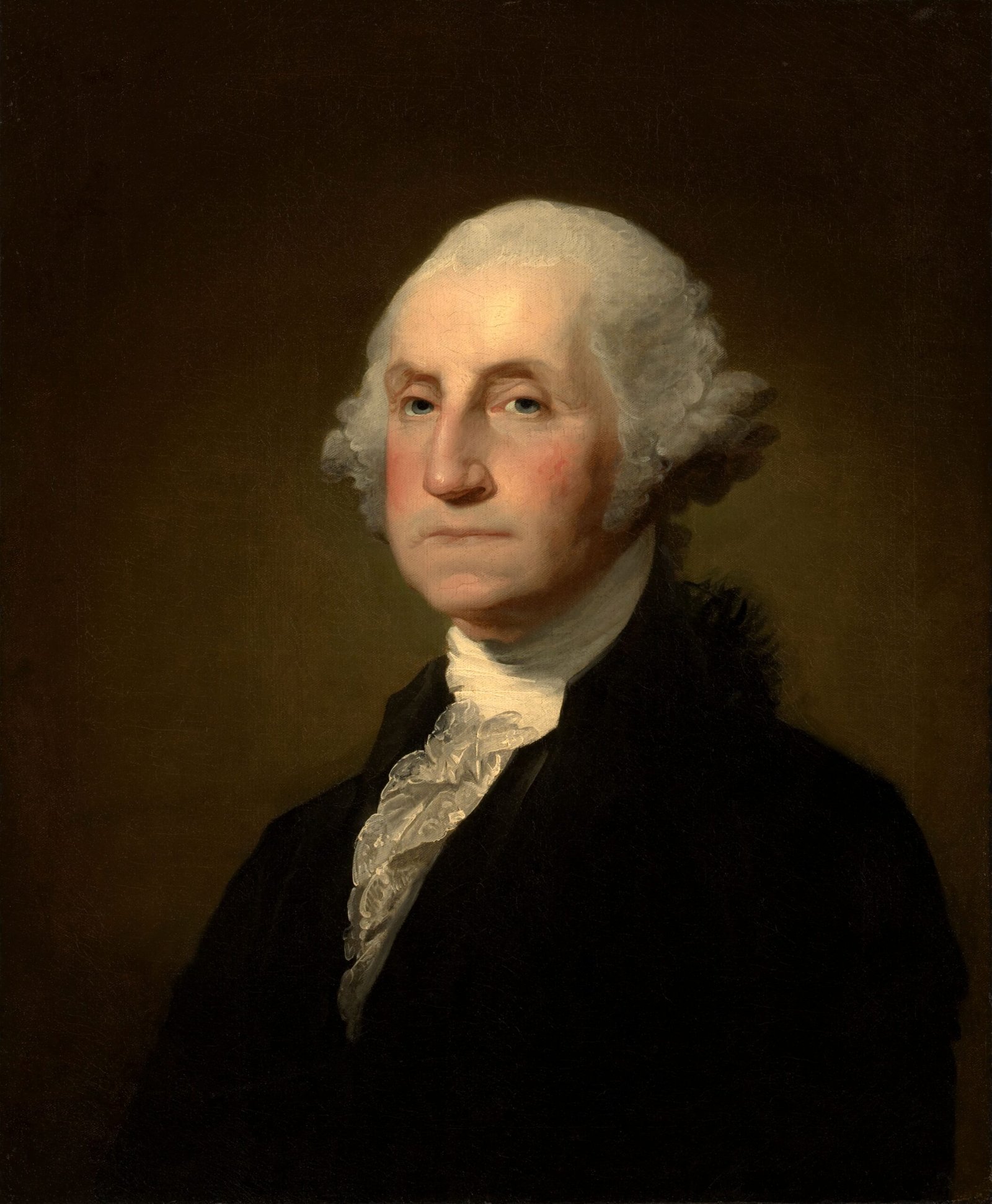
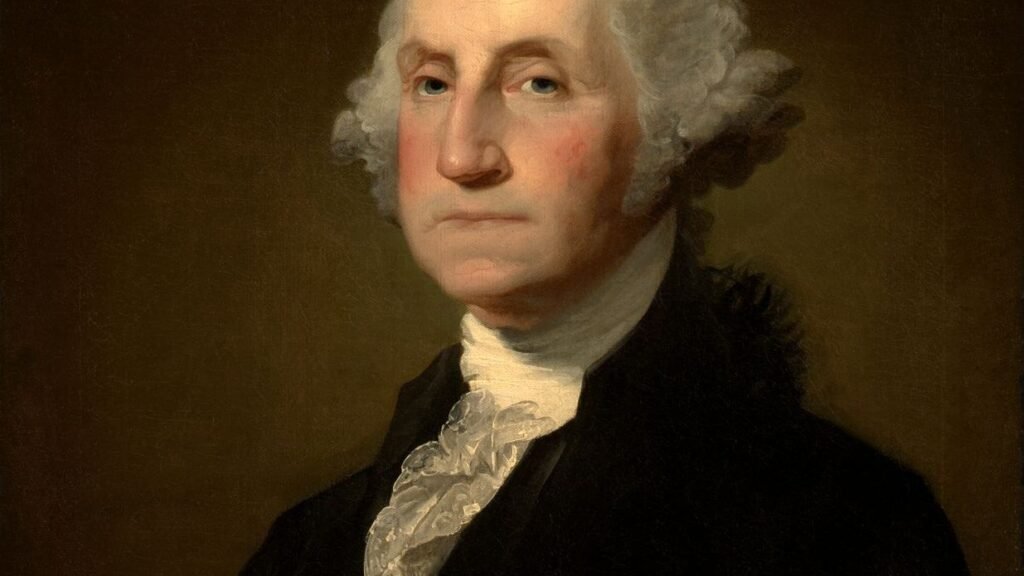
The cherry tree myth is one of the oldest and best known legends about George Washington, involving a young Washington receiving a hatchet as a gift and damaging his father’s cherry tree. According to the story, when confronted by his father, little George bravely confessed with the immortal line about not being able to tell a lie. Here’s the thing: it never happened. The famous story first appeared in Mason Locke Weems’ biography The Life of Washington, which was first published in 1800 and was an instant bestseller, however the cherry tree myth did not appear until the book’s fifth edition, published in 1806. Weems was a traveling preacher and bookseller with a knack for dramatic storytelling and a flexible relationship with historical accuracy. He wanted to correct the early American tendency to deify Washington by focusing on Washington’s private virtues instead of his public accomplishments, moving away from the nation’s temptation to venerate their first president. The cherry tree tale served his purpose perfectly. He knew how to give the American people exactly what they wanted, a homespun origin story for arguably the nation’s greatest hero. Ironically, the most famous story about never telling a lie is itself a complete fabrication.
Columbus Didn’t Discover What You Think He Did
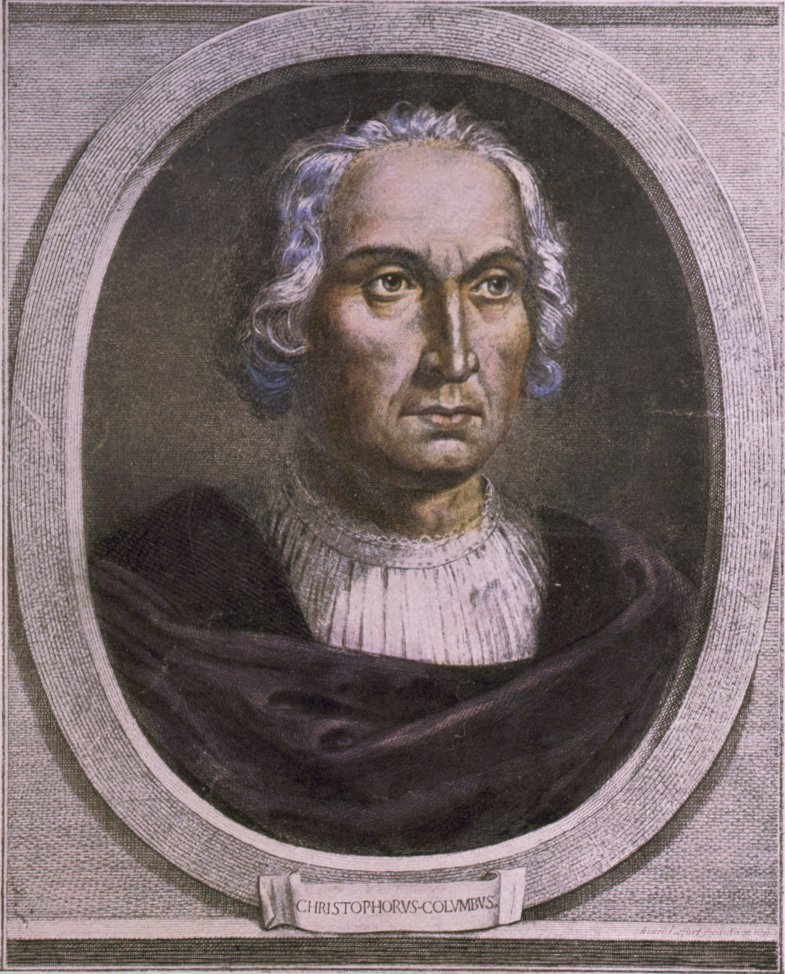
Let’s be real about Christopher Columbus for a minute. It’s often said that Christopher Columbus set out to prove the Earth was round, but this isn’t accurate, as educated Europeans had known the Earth was spherical for centuries before Columbus’s 1492 voyage, and what set Columbus apart was his miscalculation of the planet’s circumference. He thought Asia was much closer than it actually was, which is why he kept insisting until his death that he’d reached the outskirts of China and Japan. Columbus first landed on the island of Guanahani in the Bahamas and he actually never set foot in North America, landing in present day Venezuela on his fourth journey. Columbus was not the first foreign explorer to land in the Americas, and neither he nor those that came before him discovered America because Indigenous Peoples have populated the Western Hemisphere for tens of thousands of years. The whole concept of discovery falls apart when millions of people already live somewhere. Moreover, scholars believe it was Viking Leif Erickson who first came from overseas to America, and Columbus wasn’t even the first European to discover what we know as the Americas.
Paul Revere Wasn’t Alone and Never Finished His Ride
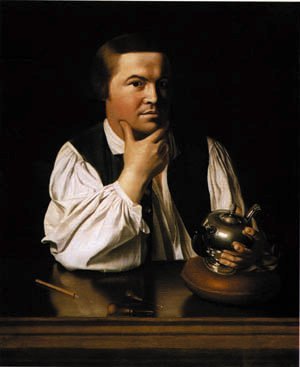
Henry Wadsworth Longfellow popularized Paul Revere in a poem first published in 1861, over 40 years after Revere’s death, and the poem is not historically accurate, but the inaccuracies were deliberate as Longfellow had researched the historical event but changed the facts for poetic effect. Longfellow was writing in a time of growing national crisis, with war clouds forming between North and South, and wrote a poem more about national unity than the true story of Paul Revere. The famous warning supposedly shouted by Revere? Complete fiction. Revere’s warning, according to eyewitness accounts of the ride and Revere’s own descriptions, was “The Regulars are coming out”, not anything about the British. That would have made no sense since most colonists still considered themselves British at the time. Revere and Dawes were not the only riders, they were the only two to be noted in poetry, as Samuel Prescott and Israel Bissell were also tasked to undertake the mission, with Bissell being the person to ride the farthest distance of all. Revere’s famous ride ended on the outskirts of Lincoln when he, Dawes, and Prescott ran into a British patrol, and while Dawes and Prescott escaped, Revere was captured, playing no further role in the events of April 19, though Prescott managed to make it home to Concord and alerted the town. So the guy who actually completed the mission? Not Revere.
Betsy Ross and the Flag Nobody Can Prove She Sewed
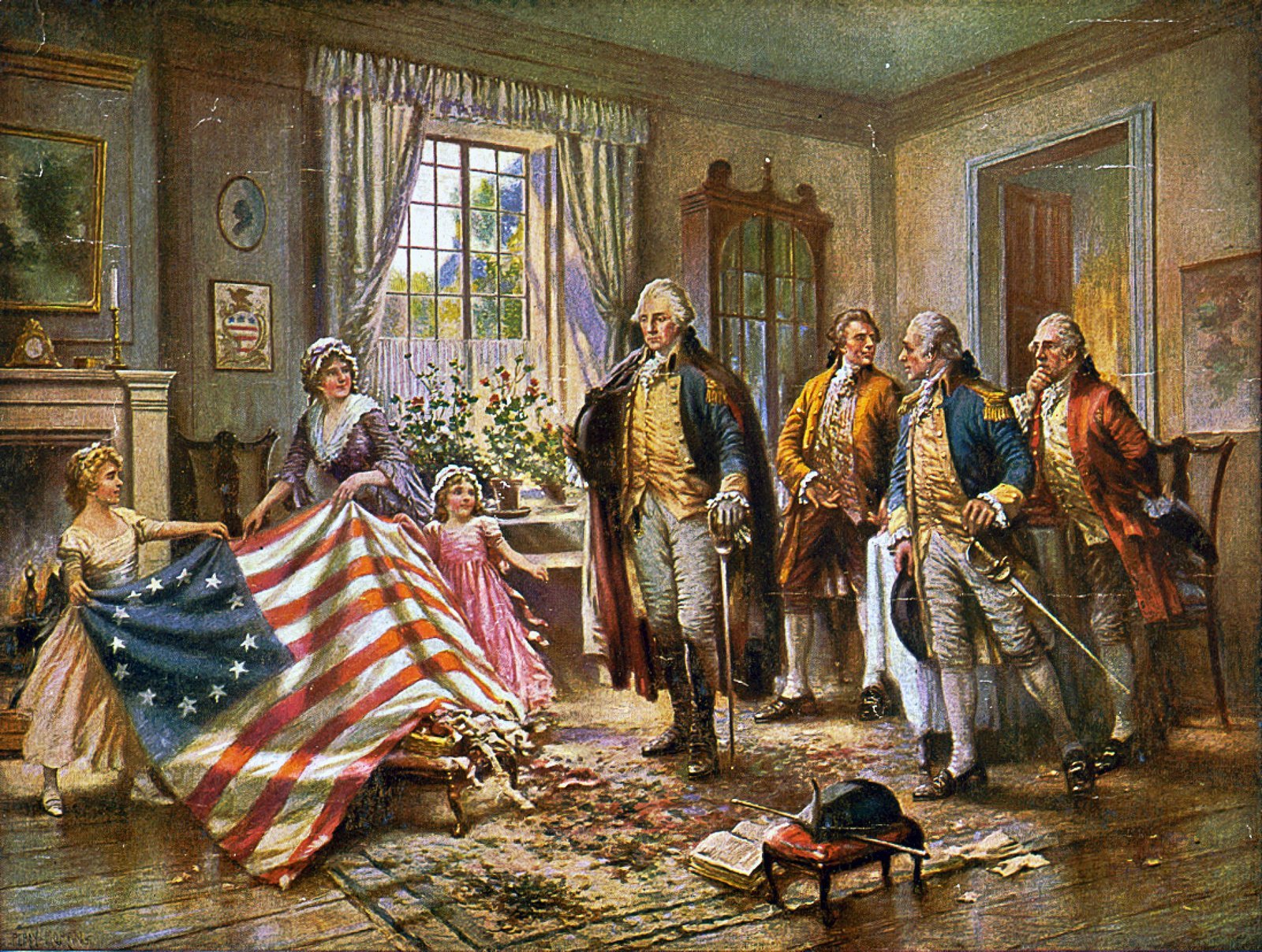
The image is iconic: Betsy Ross sitting in her Philadelphia shop, sewing the first American flag while George Washington looks on approvingly. The National Museum of American History suggests that the Betsy Ross story first entered into American consciousness about the time of the 1876 Centennial Exposition celebrations, and in 1870, Ross’s grandson William J. Canby presented a paper to the Historical Society of Pennsylvania in which he claimed that his grandmother had made with her hands the first flag, saying he first obtained this information from his aunt in 1857, twenty years after Betsy Ross’s death. Historians have another viewpoint of the story, as in the years since this tale first came to light, historians have not been able to verify the claims of Canby even after numerous searches through diaries, letters, and journals of the Continental Congress, with no record existing of a flag being discussed around this time, and while many Americans still believe that Betsy Ross was responsible for the first American flag, it is most likely false. There is no evidence to suggest Betsy Ross designed the American flag, and instead historians credit Francis Hopkinson, a founding father and federal judge. Hopkinson was a signer of the Declaration of Independence who designed various seals and symbols for the early government. It has been established that Ross did indeed make flags, as evidenced by a receipt paid to her on May 29, 1777 by the Pennsylvania State Navy Board for making ships colours, though some historians attribute the design of the first flag to Francis Hopkinson, who in 1780 sought payment from the Board of Admiralty for his design of the flag of the United States of America, however his petition was denied on the grounds that he was not the only one consulted on the design.
The Pilgrims Never Stepped on Plymouth Rock
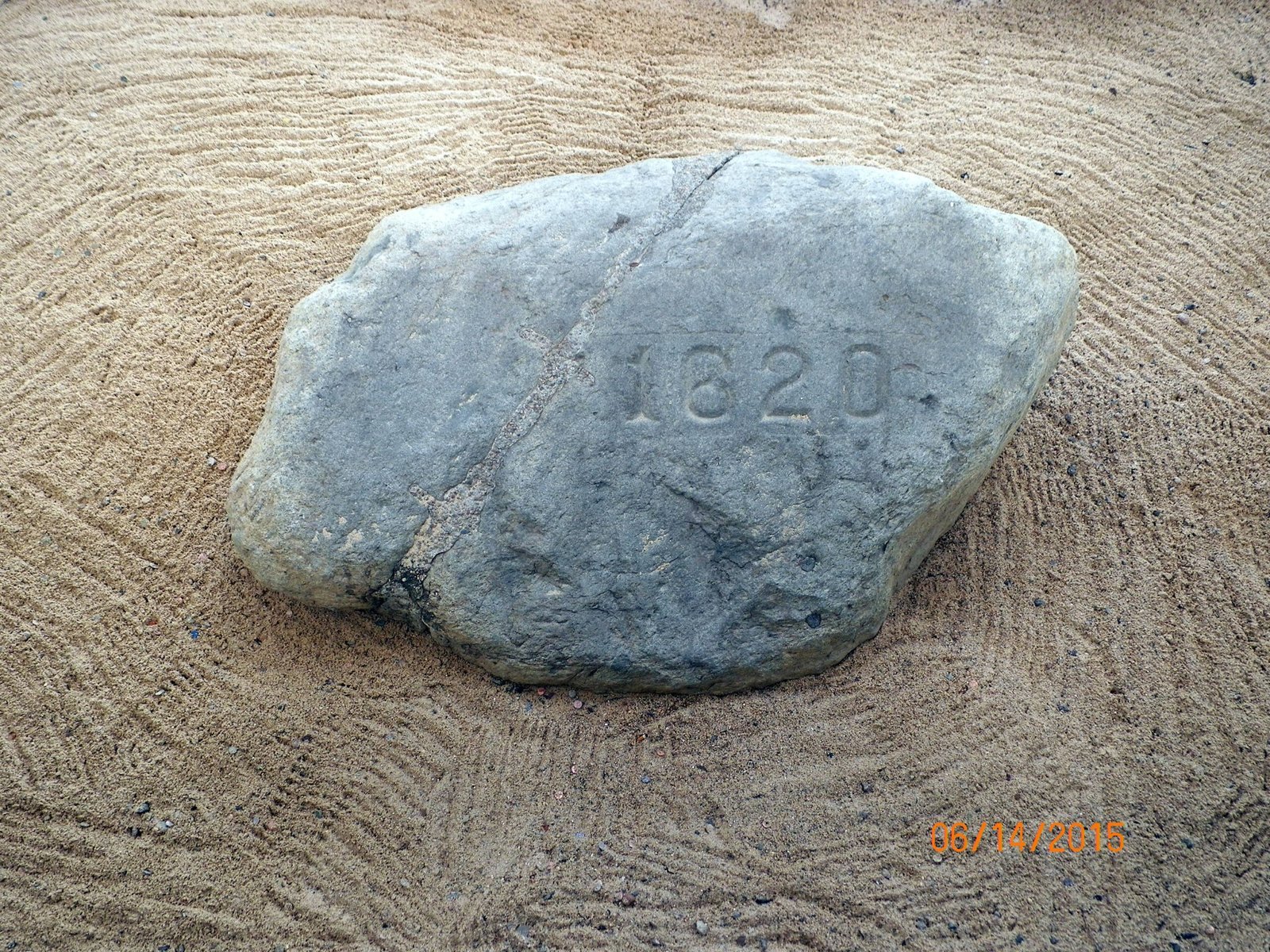
It’s a classic image: Pilgrims stepping onto Plymouth Rock in 1620, marking the start of a new chapter in American history. Except nobody actually recorded this happening at the time. The first mention of Plymouth Rock as the landing site didn’t appear until more than a century later, in the 1740s, when a 94 year old man claimed his father had told him the Pilgrims landed there. That’s the kind of evidence that wouldn’t hold up in any courtroom. By the time the rock became a tourist attraction, it had been moved, broken, reassembled, and moved again. The piece of granite sitting in its fancy pavilion today is roughly half the size it was originally and may not have had anything to do with the Pilgrims at all. The real landing likely took place somewhere along the shore nearby, but the exact spot remains unknown. Still, the rock makes for a better story, so the myth persists.
Independence Day Should Actually Be July Second
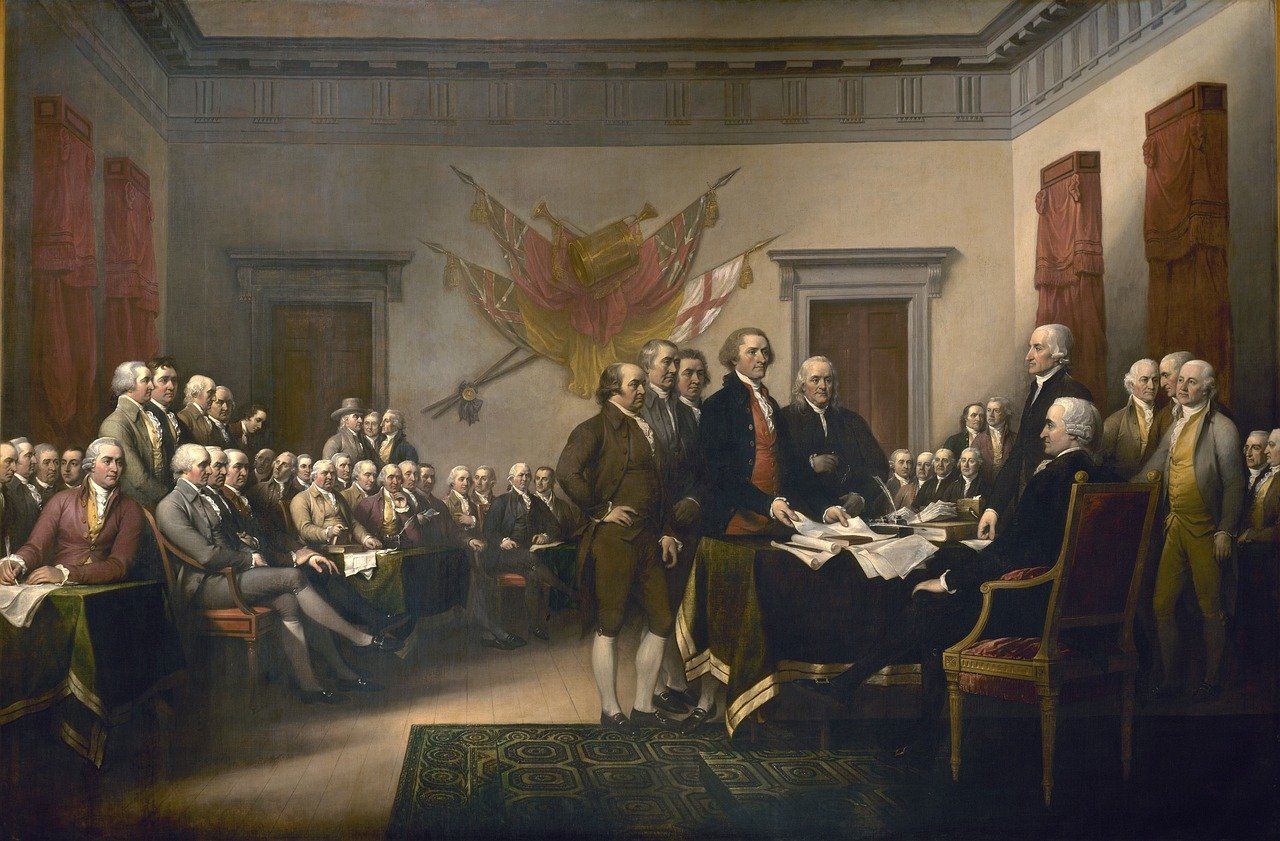
Yes, we celebrate Independence Day on July 4, but the reality is that the declaration of independence wasn’t actually signed on this day, as the real story is that Congress declared independence from Great Britain on July 2, 1776. Our second president John Adams even wrote that the Second of July 1776 will be the most memorable Epocha in the History of America. The Declaration of Independence was approved and printed on July 4th, which is why that date appears on the document, and most of the signatures were added later, throughout the summer. The Continental Congress actually voted for independence on July 2nd, not July 4th, and since this is the date on the Declaration of Independence that we have today, we assume this was the day that the declaration was made. Adams must have been frustrated that history chose to commemorate the wrong date. Then again, July Fourth does have a better ring to it than July Second.
Native Americans and the Diversity Lost in Stereotype
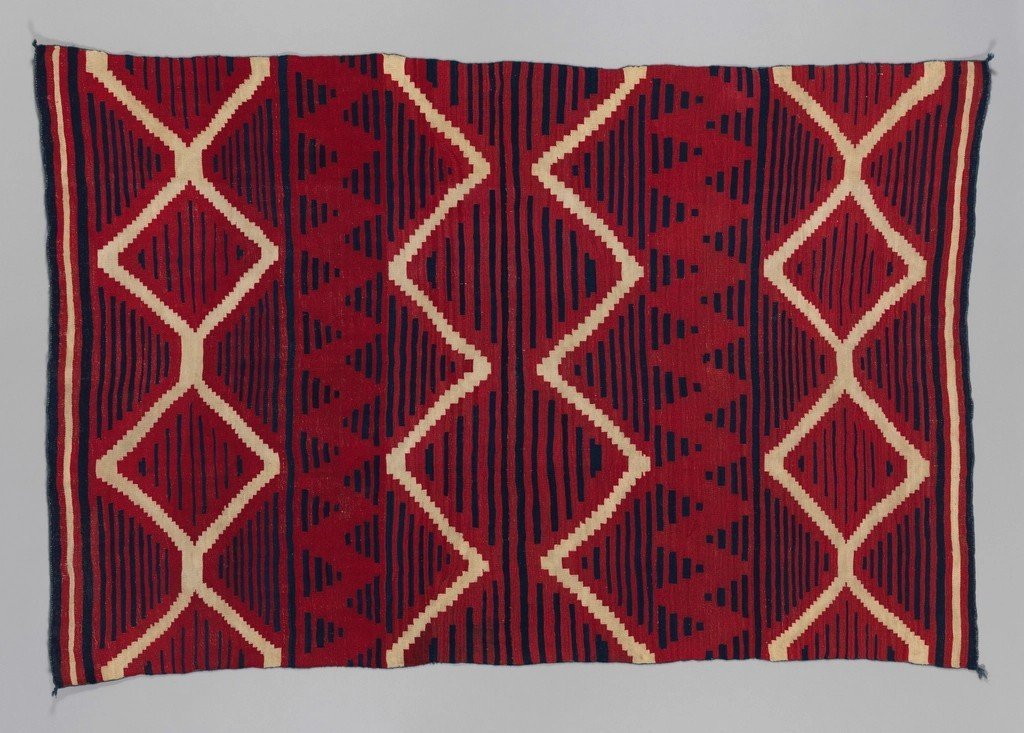
The image of all Native Americans living in tipis is a widespread but inaccurate stereotype, as tipis were used primarily by Plains tribes such as the Sioux and Cheyenne due to their portability, while most Native Americans lived in a wide variety of dwellings suited to their environments and cultures, including longhouses in the Northeast, adobe pueblos in the Southwest, and plank houses in the Pacific Northwest. This rich diversity in housing reflects the many distinct societies that existed across North America. The stereotype reduces hundreds of distinct nations, languages, and cultures into a single flat image. It’s like saying all Europeans live in castles or all Asians live in pagodas. With that movement came an American storytelling tradition that lauded the rugged individualist while overlooking a host of inconvenient truths, including the fact people already lived in the interior. The true history of Native peoples involves sophisticated political systems, diverse architectural traditions, complex trade networks, and cultures as varied as the landscape itself.
The Wild West Wasn’t Nearly as Wild as Hollywood Claims
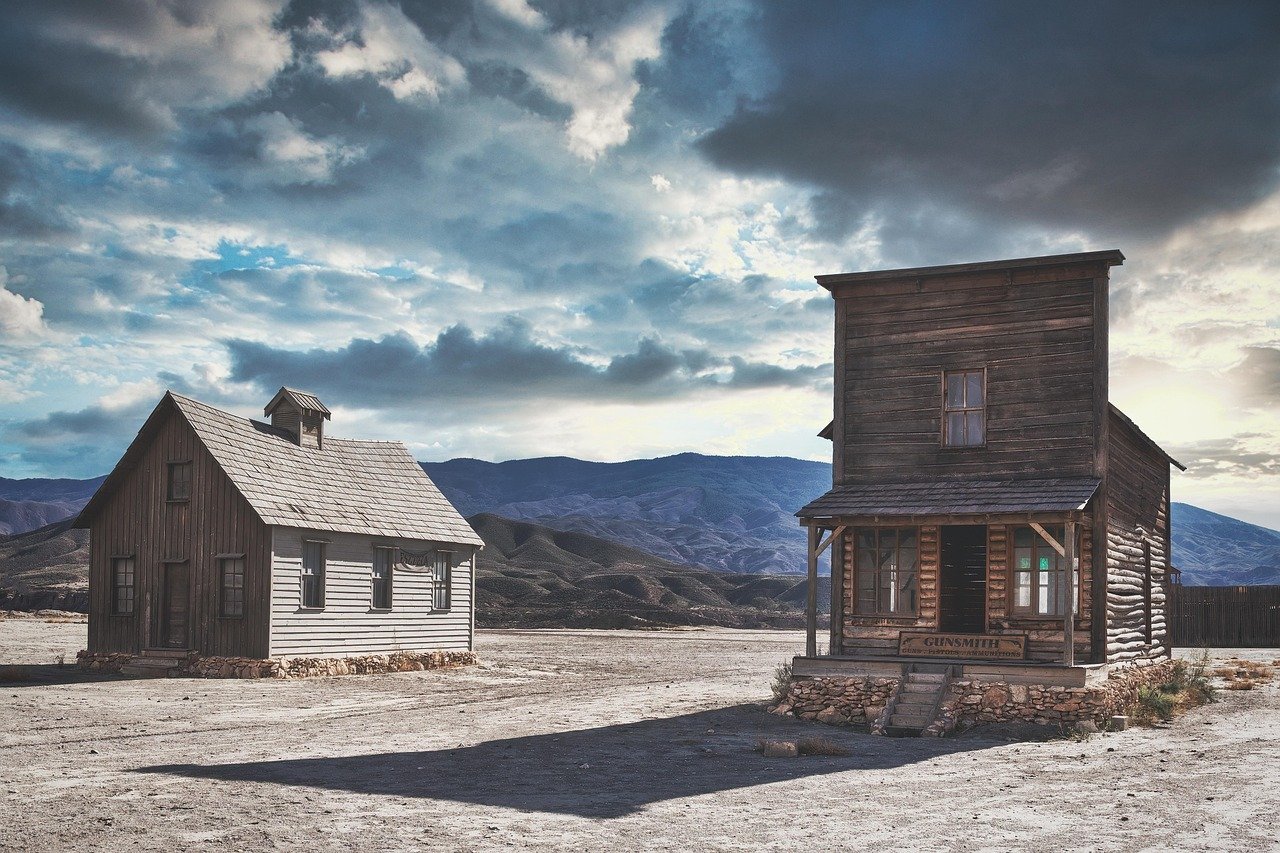
The history of the American West has long been riddled with myths and half truths, as in place of nuanced portrayals of frontier life, powerful tropes quickly took root. While sensational stories of outlaws and gunfights endure, daily life in the West was far more orderly and governed by law than the myths suggest. Historians have found that the famous gunfight at high noon was incredibly rare. Most towns had strict gun control laws that required visitors to check their weapons with the sheriff. The reality involved far more farming, commerce, and mundane town building than shoot outs and saloon brawls. Historian Frederick Jackson Turner presented his influential frontier thesis, arguing that successive waves of European descended settlers from fur traders to miners, cattlemen and those homesteading farmers had civilized the untamed West, bearing out American exceptionalism. The myth of the lawless frontier served a purpose: it made for exciting dime novels and later, blockbuster films. Real cowboys were often employees of large ranching corporations, working long hours for modest wages. Not quite as romantic as the Marlboro Man would have you believe.
Washington’s Teeth Weren’t Made of Wood
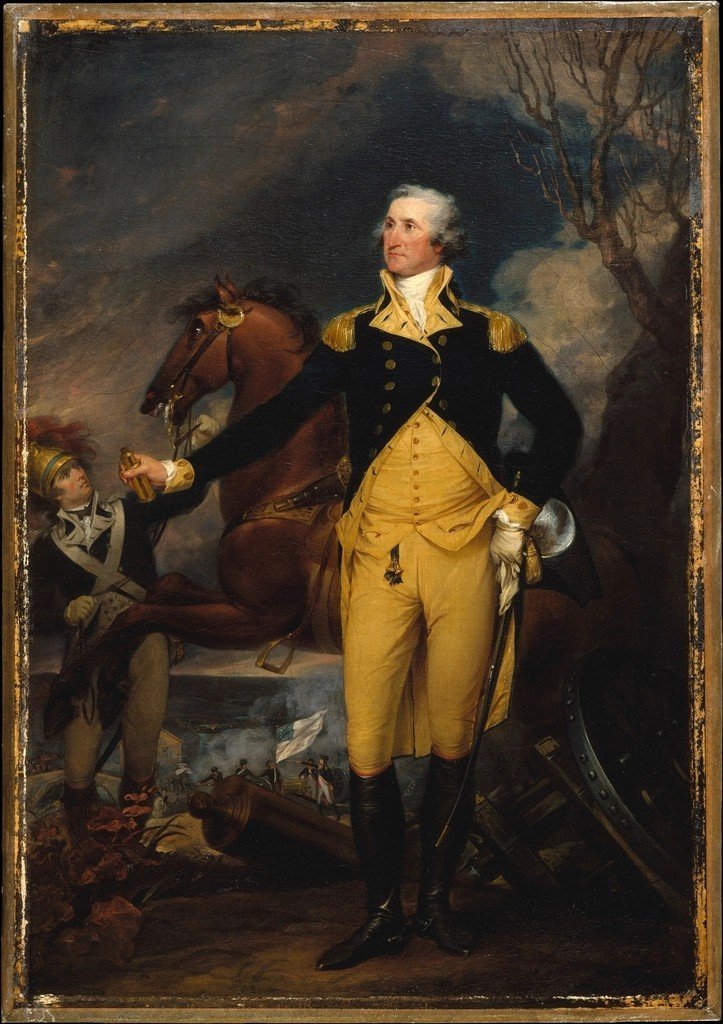
Next to the cherry tree legend, George Washington’s supposed wooden teeth are possibly the most repeated myth about the first president. Washington did struggle with terrible dental problems throughout his life and wore various sets of dentures. These were made from materials including human teeth, animal teeth, ivory, and metal, but never wood. The dentures were painful, affected his speech, and gave him a somewhat stern expression in portraits. Perhaps the wooden teeth myth arose because his ivory dentures became stained over time, taking on a grainy appearance that resembled wood. Whatever the origin, it’s another example of how even the most basic biographical details can get twisted into legend.
The First Thanksgiving Looked Nothing Like the Paintings
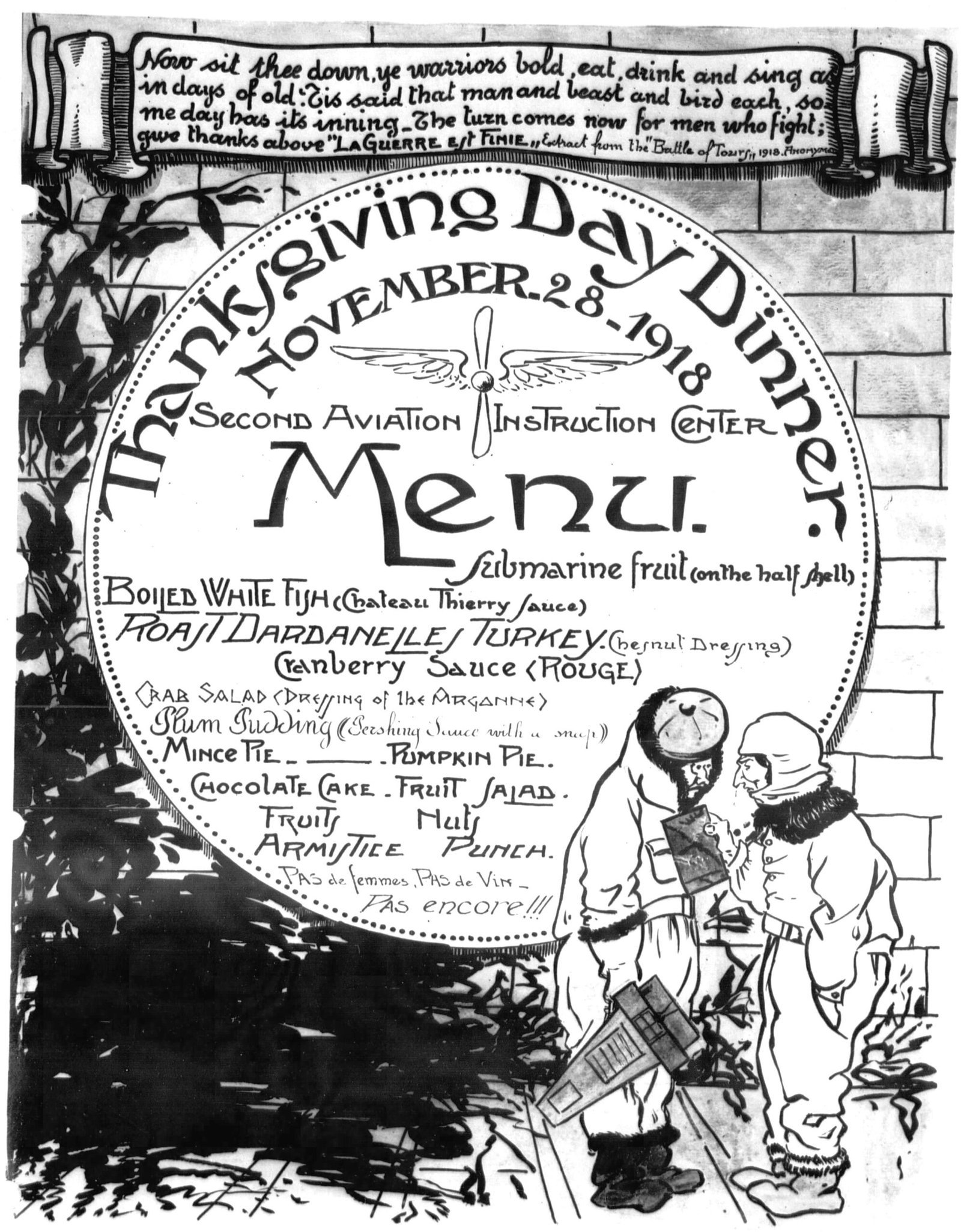
The familiar image of Pilgrims and Native Americans sitting down together for a harmonious feast in 1621 simplifies a far more complex reality. There probably was a harvest celebration that year involving colonists and members of the Wampanoag tribe, but it likely lasted several days, featured foods like venison and seafood rather than turkey and cranberries, and wasn’t called Thanksgiving at the time. The Wampanoag were not simply gracious guests but political actors making strategic decisions about alliances with these strange newcomers. European contact resulted in devastating loss of life and disruption of tradition, as it is estimated that in the 130 years following first contact, Native America lost 95 percent of its population. The cheerful Thanksgiving narrative glosses over the violence, disease, and displacement that followed. The holiday as we know it today was formalized by Abraham Lincoln during the Civil War, nearly 250 years after that first harvest celebration.
Pocahontas Was Not a Love Story
The name Pocahontas is actually a nickname that means something close to spoiled child, her real name was Matoaka, and we can categorically deny any romantic relationship between Pocahontas and John Smith, as she actually married John Rolfe and returned with him to England. Even this marriage may or may not have been based on love, as Pocahontas was kidnapped and held captive in the Jamestown colony for about a year during a war between the native tribes and the Jamestown colonists, and she agreed to her marriage to Rolfe as a condition of her release. She was roughly about ten years old when she first encountered John Smith, making any romantic relationship not just historically inaccurate but deeply inappropriate. The real story involves power dynamics, colonization, captivity, and a young woman caught between two worlds. Disney’s version, while entertaining, bears almost no resemblance to historical reality.
Baseball Wasn’t Invented by Abner Doubleday
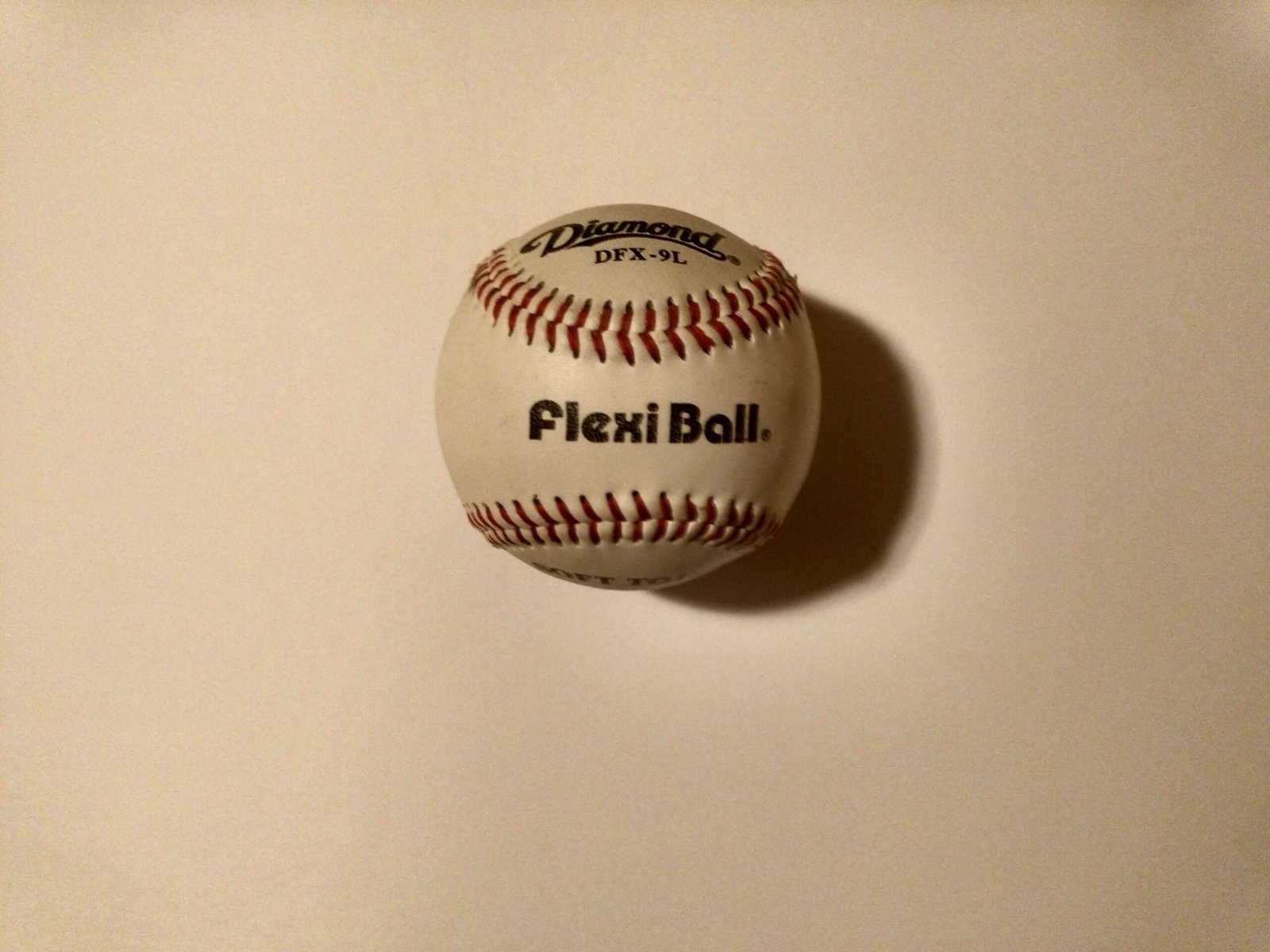
As the rounders theory gained support, Albert Spalding was aghast at the idea of an American sport being in fact the distant cousin of a British game, and he organized the Mills Commission on which he served to determine the true origins of the American game. Abner Doubleday was a Union officer during the American Civil War whose men played the game of baseball extensively in their encampments, and the Mills Commission decided that based on his alleged actions he was the father and inventor of the game of baseball, which thus was relieved of the taint of British parentage. Doubleday was surprised to find himself described as the inventor of the game, which was still played according to largely local ground rules when he was elevated to his new status, and the invention of baseball by Abner Doubleday is an American myth. Baseball evolved gradually from various bat and ball games brought over from England. Doubleday never claimed to have invented it, and the whole story was basically cooked up to give America’s pastime a purely American origin.
Why Do These Myths Persist
Just like any country’s history, the United States has plenty of historical records that are really just great exaggerations, and many of these exaggerations have been repeated so often that we no longer recognize them as myths, as we simply assume that they are a true and bona fide part of our history. These stories serve purposes beyond mere entertainment. They provide moral lessons, create shared cultural touchstones, and offer simplified narratives for complex events. The reasons are many: some schools don’t have time to leave every student with an in depth knowledge of the subject, the growth of the Internet has meant there are more ways to learn but also more ways for errors to spread, and some errors are the result of new discoveries. Sometimes myths arise because early historians lacked complete information. Other times, as with the cherry tree story, they’re deliberately manufactured. Even before the internet came to spread myth and falsehood with extraordinary speed legends and myths became a part of American history, and today myths spread unchecked, with one of the reasons for their growth being sloppy research leading to circular reporting with unconfirmed and inaccurate accounts appearing on multiple sites citing each other as sources.
What Does It Mean to Get History Right

Separating myth from reality matters. Not because the true stories are less inspiring, actually they’re often more interesting, but because understanding what actually happened gives us a clearer picture of who we are and how we got here. The real George Washington, flawed and complicated, is more valuable to understand than a mythical figure who never told a lie. The actual story of Native peoples resisting colonization with determination and strategy is more meaningful than simplified tales of welcoming strangers. Real history is messy, uncomfortable, and full of people making difficult choices with incomplete information, much like the present. True American exceptionalism is derived from the belief that America can and should be better, which often means confronting, understanding, and addressing the gaps between America’s myths and realities. We don’t need sanitized legends when the truth offers so much more depth.
History isn’t a collection of tidy fables with clear morals. It’s complicated, contradictory, and constantly being reexamined as new evidence comes to light. The myths we’ve been taught say as much about when and why they were created as they do about the events they supposedly describe. Maybe that’s the real lesson: question what you think you know, dig deeper than the surface story, and remember that the people who came before us were just as complex and human as we are today. What stories do you think future generations will tell about our time? Will they get it right, or will new myths emerge to replace our messy reality?

Christian Wiedeck, all the way from Germany, loves music festivals, especially in the USA. His articles bring the excitement of these events to readers worldwide.
For any feedback please reach out to info@festivalinside.com
