

For any feedback please reach out to info@festivalinside.com
- 10 Facts About Black Sabbath You Never Knew - September 5, 2026
- Which Country Song Best Matches Your Personality - September 5, 2026
- Your Perfect Travel Destination According to Your Zodiac Sign - September 5, 2026
Every year, thousands upon thousands of nonfiction books are published. Some of them rocket to the top of bestseller lists. Others collect accolades and awards. Yet countless brilliant books slip through the cracks, hiding in plain sight on bookstore shelves and library catalogs. These are the stories that never quite find their audience, despite offering profound insights, moving narratives, or perspectives that challenge how we see the world.
I think it’s a real shame when genuinely exceptional books get overlooked just because they lack the marketing budget of a major publisher or the name recognition of a celebrity author. Some of the most transformative reading experiences come from books that fewer people have heard of. So let’s dive into some of these hidden treasures. You might discover your next favorite read lurking among these underappreciated titles.
The Disappearing Spoon by Sam Kean

If you’ve ever found chemistry dull or too complex, Sam Kean’s The Disappearing Spoon will change your perspective, bringing to life the periodic table of elements and offering fascinating stories behind each element. Kean has this gift for turning scientific concepts into narratives that feel more like gossip than textbook material. He weaves together tales of scientific rivalry, accidental discoveries, and even elements that have played unexpected roles in warfare and espionage. The book takes its title from a spoon made from gallium, which melts at body temperature, creating an amusing practical joke. Each chapter introduces you to different elements and the colorful characters who discovered or worked with them. The whole experience feels less like learning and more like eavesdropping on the most entertaining science class you never had. What makes this book truly underrated is how it proves that science writing doesn’t have to be dry or intimidating to be informative and accurate.
The Devil’s Chessboard by David Talbot

For anyone interested in political history and the covert operations that shape global events, The Devil’s Chessboard provides a revealing look at Allen Dulles, the CIA director during the Cold War, offering an in-depth investigation of Dulles’ role in shaping U.S. foreign policy. Talbot doesn’t pull punches in this sprawling examination of American intelligence operations. The book is a critical examination of the CIA’s hidden power and its involvement in events like coups and covert military operations, revealing how Dulles’ actions during his tenure altered the course of history. What’s striking is how relevant this history feels today. The shadow organizations, the manipulation of foreign governments, the tension between democratic ideals and pragmatic power plays. It’s all laid bare in meticulous detail. This is a book that challenges comfortable narratives about American foreign policy. Honestly, it should be required reading for anyone interested in understanding how power actually operates behind closed doors.
The Practicing Mind by Thomas M. Sterner

The Practicing Mind shows you how to cultivate patience, focus, and discipline for working towards your biggest goals, by going back to the basic principles of practice. Sterner explains how, when we humbly focus on that process without obsessing over the results, we’ll do better work almost instantly, yet simultaneously we’ll find the patience we need to take the long-term view, and this book is simple, inspiring, calming, fun, and to the point, though it’s rarely seen talked about anywhere. The central argument is deceptively simple. Stop fixating on outcomes and fall in love with the process itself. Sterner draws from his experience as a piano technician and musician to illustrate how a practice-oriented mindset transforms not just our skills but our entire approach to life. Whether you’re learning an instrument, developing a professional skill, or trying to change a habit, the principles remain the same. Let’s be real, we live in a results-obsessed culture where everyone wants instant transformation. This book offers an antidote to that toxicity.
Gorilla and the Bird by Zack McDermott

McDermott’s memoir is a lesser-known yet fantastic story about how an intelligent lawyer suddenly became convinced that his life was being filmed, a la The Truman Show. Gorilla and the Bird runs the gauntlet of emotions, including humor, sadness, despair, and love, and it’s a story of a mother’s love for her son and a son’s struggle with bipolar disorder and psychosis. McDermott doesn’t sanitize his experience or try to make himself look heroic. The vulnerability is raw and sometimes uncomfortable. You experience the terrifying descent into delusion alongside him, then witness his mother’s fierce determination to bring her son back. His mother, whom he calls “the Bird,” emerges as one of the most memorable parental figures in recent memoir literature. The book manages to be darkly funny even while dealing with serious mental health issues. It’s hard to say for sure, but I suspect the reason this book hasn’t gotten is simply because mental health memoirs flood the market these days. This one deserves to rise above the noise.
The Immortal Life of Henrietta Lacks by Rebecca Skloot
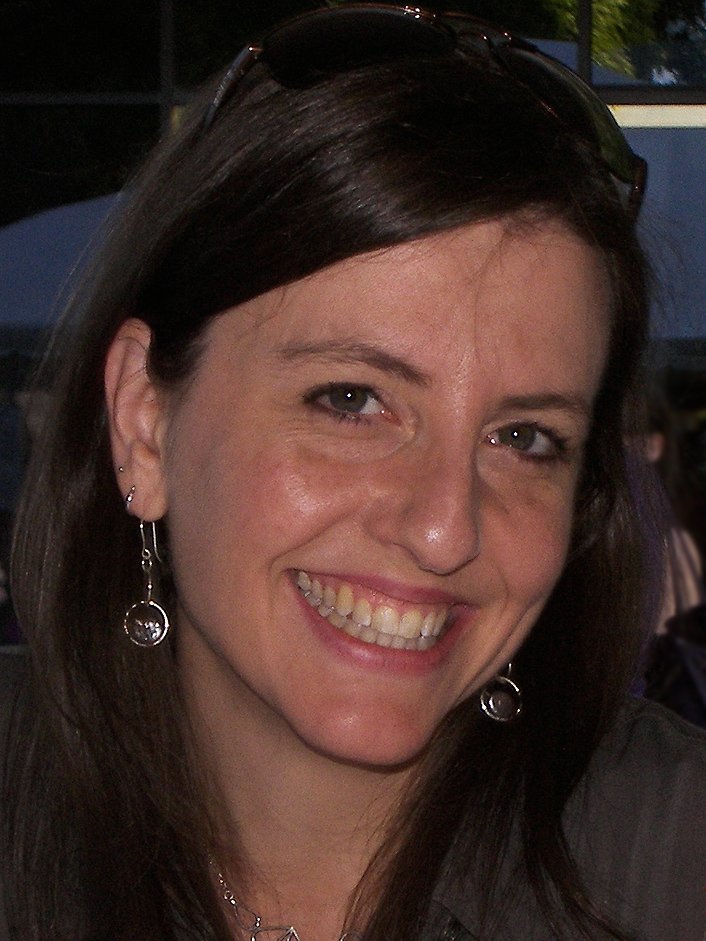
This extraordinary biography focuses on Henrietta Lacks, a Black woman whose cells, taken without her consent in the 1950s, became one of the most important tools in modern science, and The Immortal Life of Henrietta Lacks delves into the ethical dilemmas of medical research and explores themes of exploitation, race, and injustice, combining scientific history with a personal narrative. Skloot spent years researching and building trust with the Lacks family. The result is a book that reads like a detective story while tackling profound questions about medical ethics, consent, and racial inequality in healthcare. HeLa cells have been used in everything from developing the polio vaccine to cancer research, yet Henrietta’s family lived in poverty without knowledge of her contribution to science. The juxtaposition is stunning and infuriating. While this book did achieve some recognition, it remains underappreciated relative to its importance. Everyone who benefits from modern medicine should know Henrietta’s story.
Brief by Joseph McCormack

Brief is a graduate-level class in communication packaged inside a tiny book, explaining how to get people’s attention in our ever-distracted world by saying less rather than more, with McCormack practicing what he preaches, as each chapter is written with the structure he encourages you to follow. In an age of information overload, the ability to communicate concisely has become a superpower. McCormack breaks down exactly how to strip away the unnecessary and get to what matters. The book itself is mercifully short, which feels appropriate given the subject matter. He provides practical techniques for tightening up emails, presentations, and everyday conversations. The irony is that so many communication books are bloated and repetitive, but Brief actually respects your time. Here’s the thing, most people don’t need to learn how to say more. They need to learn how to say less, better. McCormack gets that completely.
A Gentleman in Moscow by Amor Towles

A Gentleman in Moscow is a delightful read that combines historical depth with a warm and engaging story, making it a hidden gem that deserves wider recognition. Actually, wait. This is fiction. Let me refocus on nonfiction titles that truly deserve attention.
How to Live by Derek Sivers
How to Live offers 27 wildly differing answers to life’s biggest question, thus providing plenty of useful advice along with one powerful realization: Life is not ‘either/or,’ it is ‘and,’ and you can always change your mind. Sivers takes an unconventional approach to life advice. Instead of prescribing one path to happiness or success, he presents contradictory philosophies, each valid in its own context. One chapter tells you to commit fully to your goals. Another suggests letting go of ambition entirely. Both are true, depending on your circumstances and values. The book forces you to think for yourself rather than follow someone else’s blueprint. It’s refreshing in a self-help landscape cluttered with gurus promising the one true way. Sivers respects his readers enough to present options without insisting on answers. The format is also wonderfully digestible, with each philosophy presented in just a few pages.
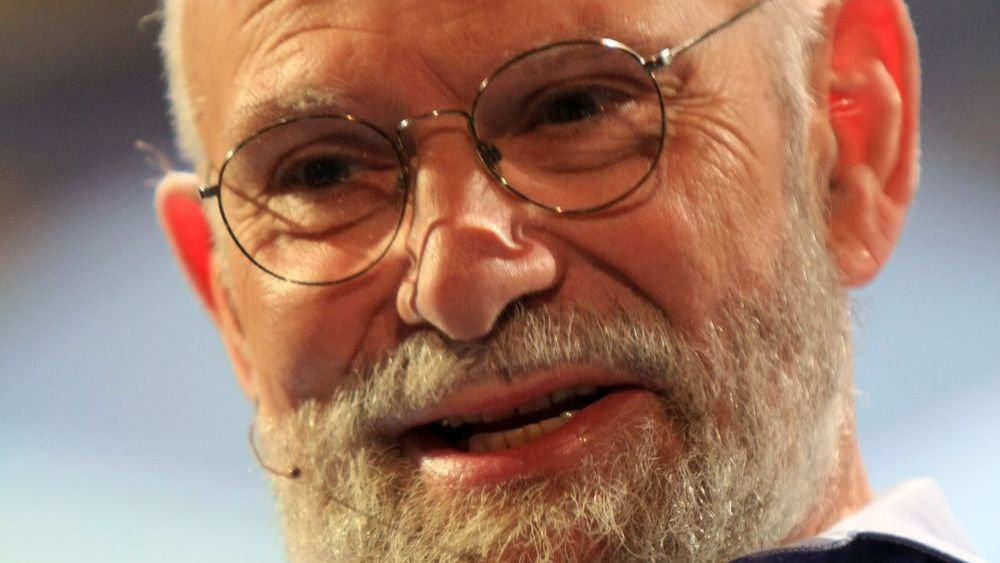
On the Move by Oliver Sacks
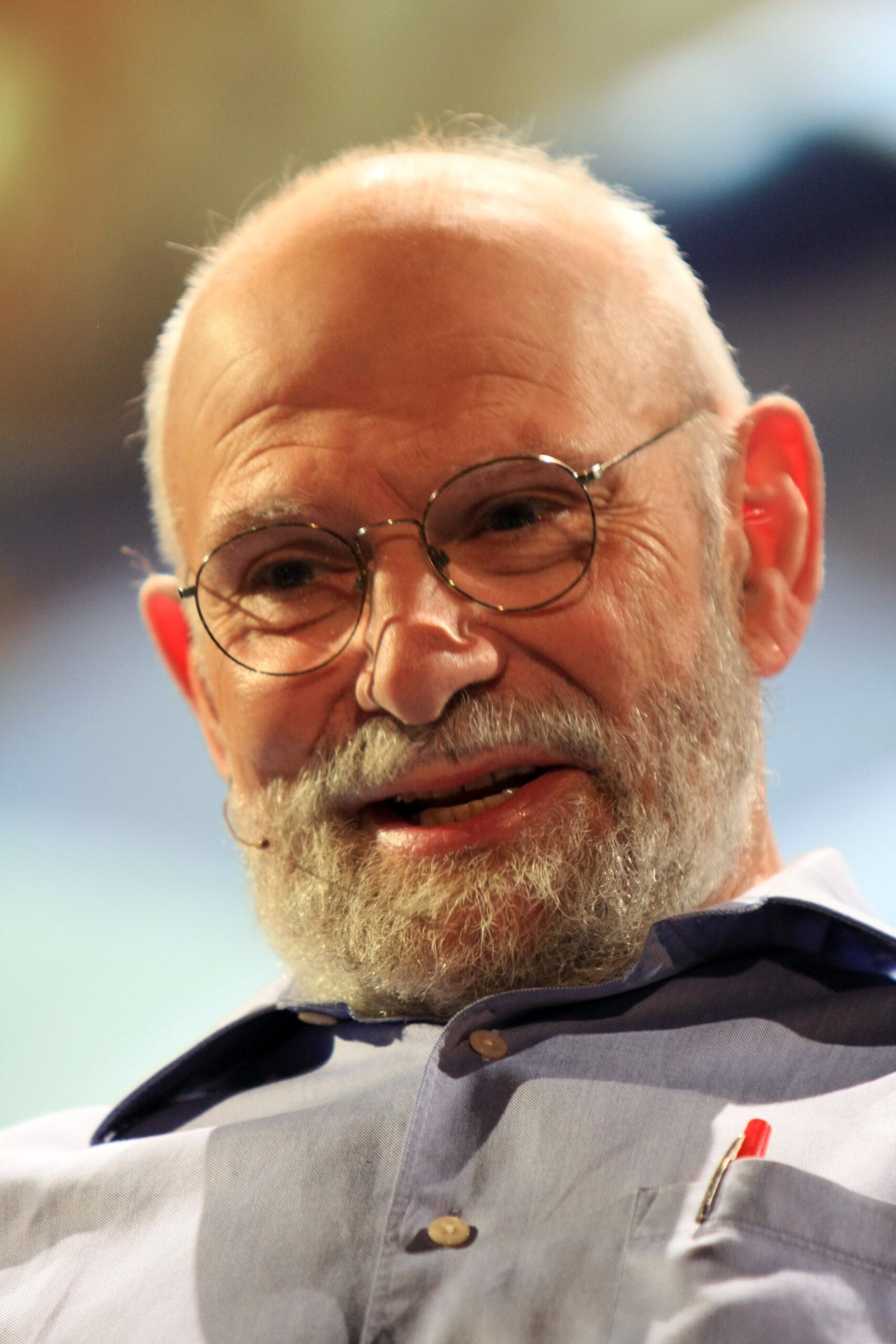
On the Move is a poignant memoir that describes how Oliver Sacks became an acclaimed writer and neurologist, published the year of his death, providing a reflective account of his turbulent young adulthood, detailing his struggle with addiction and addressing his sexuality for the first time in print. Sacks is famous for his case studies of unusual neurological conditions, but this memoir reveals the man behind those clinical observations. He writes about his love of motorcycles, his complicated relationship with his family, his years of celibacy, and his eventual acceptance of his identity. The vulnerability is striking, especially from someone who spent his career observing others. You see how his personal struggles informed his empathy as a physician. The book was released near the end of his life, which gives it an elegiac quality. It feels like a final gift from a brilliant mind who spent decades helping us understand what it means to be human.
Bird by Bird by Anne Lamott

Lamott writes truthful, vulnerable stories about topics that others don’t want to acknowledge, believing an author’s best tool is the truth, and in Bird by Bird, she offers advice for how to ignore your critics, write from the heart, ruthlessly edit your work, and find stories in the everyday events of life. This is ostensibly a book about writing, but it’s really about living a creative life in a world that often feels hostile to creativity. Lamott’s voice is warm, funny, and deeply honest. She talks about perfectionism, jealousy, self-doubt, and the messy process of getting words on the page. The title comes from advice her father gave her brother, who was overwhelmed by a school project on birds. Take it bird by bird, one step at a time. That philosophy applies to writing and to life more generally. While Bird by Bird has its fans, it deserves to be mentioned alongside the classic texts on creativity. Non-writers will find just as much value here as aspiring novelists.
Code Dependent by Madhumita Murgia

In Code Dependent, Madhumita Murgia, AI Editor at the FT offers a laser-sharp examination of how AI is changing our jobs, our lives, our futures and even what it means to be human. In a time when AI dominates headlines, this book cuts through the hype and the doom-mongering to examine actual impacts on real people. Murgia traveled the world to interview individuals whose lives have been transformed by algorithmic decision-making. From content moderators traumatized by what they see to workers displaced by automation, the human cost of technological progress becomes impossible to ignore. The book avoids both naive techno-optimism and reactionary pessimism. Instead, it asks harder questions about who benefits from these systems and who pays the price. It’s a measured, thoughtful examination that should be required reading for anyone making decisions about implementing AI systems. Yet somehow it hasn’t broken through to the wider audience it deserves.
What do you think about these selections? Have you stumbled across any underrated nonfiction gems that changed how you see the world? Tell us in the comments.

Christian Wiedeck, all the way from Germany, loves music festivals, especially in the USA. His articles bring the excitement of these events to readers worldwide.
For any feedback please reach out to info@festivalinside.com
