


For any feedback please reach out to info@festivalinside.com
- From The Rolling Stones to Bruce Springsteen: The Aging Rockstars Keeping Rock Alive - September 26, 2026
- 10 Wild Celebrity Facts That Sound Made Up but Aren’t - September 26, 2026
- “The 16 Secret Meanings Behind America’s Most Famous Novels” - September 25, 2026
Over the past two and a half decades, nonfiction has transformed from a somewhat overlooked genre into a cultural force that rivals fiction in its ability to shape our thinking. Books have become battlegrounds for ideas, launching social movements and changing how we see everything from race to climate to the way we eat. They’ve pulled back curtains on hidden worlds, challenged our deepest assumptions, and given voice to stories that desperately needed telling. Honestly, the range is staggering. You have memoirs that read like novels, investigative journalism that rivals detective fiction, and scientific explorations that make you question everything you thought you knew. So, let’s dive into the books that didn’t just capture the spirit of our century but helped define it.
Sapiens: A Brief History of Humankind
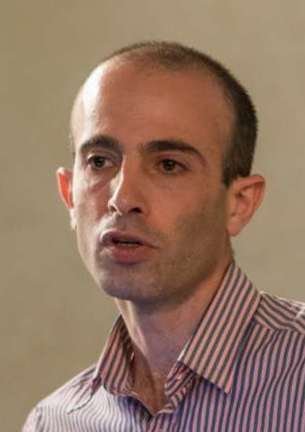
Yuval Noah Harari’s Sapiens provides a comprehensive exploration of human history, delving into evolutionary biology, the development of cultures and societies, and the rise of major ideologies and technologies. What makes this book remarkable is how Harari compresses tens of thousands of years into a compelling narrative that feels both epic and intimate. He doesn’t just tell you what happened. He makes you rethink fundamental concepts like money, religion, and empire. The book challenges readers to see patterns across history that are easy to miss when you’re buried in the details of one era. It’s become a global phenomenon precisely because it speaks to our moment of uncertainty about where humanity is headed. The book also discusses the future of the species, posing thought-provoking questions about our roles and responsibilities in a rapidly changing world. Whether you agree with all of Harari’s conclusions or not, Sapiens forces you to think bigger about who we are.
Between the World and Me
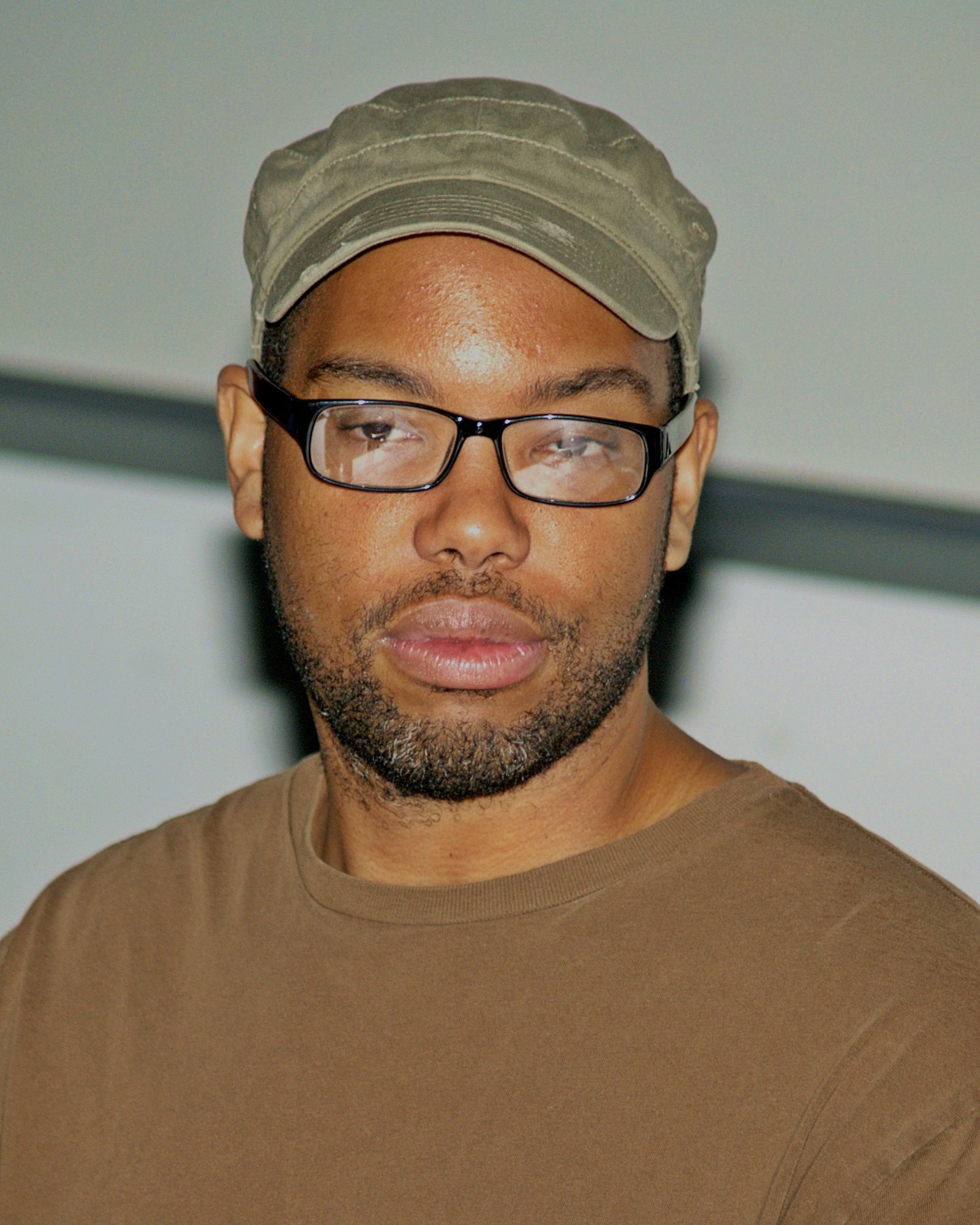
Ta-Nehisi Coates’ Between the World and Me won the National Book Award for Nonfiction in 2015, became a number one New York Times bestseller, and was deemed “required reading” by Toni Morrison. Framed as a letter to his teenage son, Between the World and Me is both a biting interrogation of American history and today’s society and an intimate look at the concerns and hopes a father passes down to his son. What hits you hardest is the rawness. Coates doesn’t sugarcoat the reality of being Black in America or offer easy solutions. The book explores how Black bodies have been endangered throughout American history, from slavery to modern police violence. Coates’ writing is also intensely personal, meditating on the fear instilled in him during his bleak Baltimore upbringing and the fury and hopelessness he felt after his close friend, Prince Jones, was killed by a police officer. Between the World and Me opened up a national dialogue about the country’s mythology, forcing an uncomfortable and necessary reassessment of the American dream. It’s one of those rare books that shifts the conversation entirely.
The Sixth Extinction: An Unnatural History
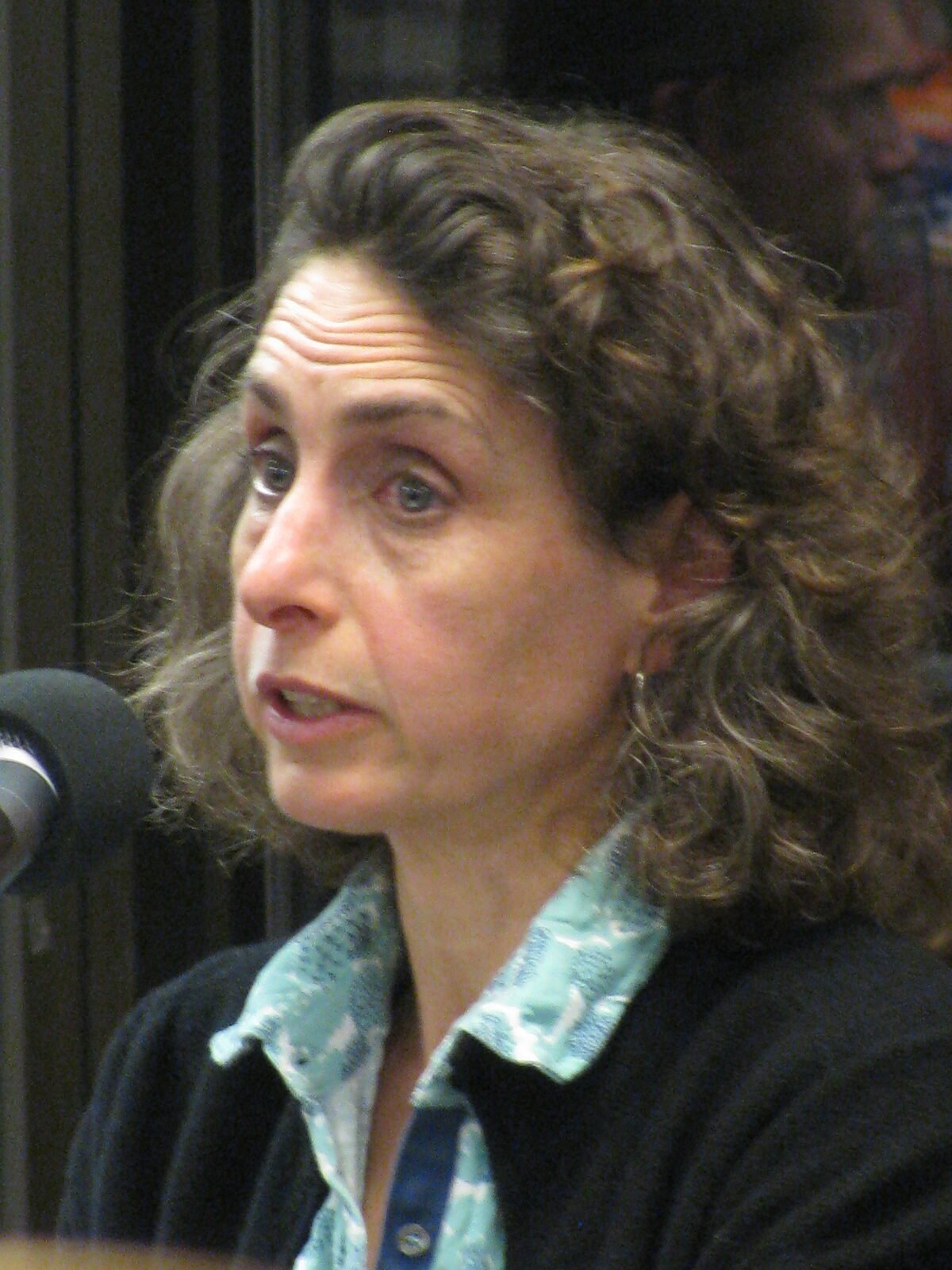
The premise of Elizabeth Kolbert’s Pulitzer-prize-winning book is a simple scientific fact: there have been five mass extinctions in the history of the planet, and soon there will be six, with this one caused by humans, who have drastically altered the earth in a short time. Here’s the thing. Kolbert makes you feel the weight of what we’re losing without drowning you in despair. She travels to remote locations, from the Great Barrier Reef to the Andes, documenting species on the brink. By examining previous mass extinctions and the current rapid loss of species, the author argues that humans are causing a mass extinction event through climate change, habitat destruction, and spreading of non-native species. The book stands out because it combines rigorous science with accessible storytelling. You finish it understanding that this isn’t some distant future problem. We’re living through it right now. The book offers a sobering look at the impact of human behavior on the natural world, emphasizing the urgency of addressing these environmental issues.
The Warmth of Other Suns
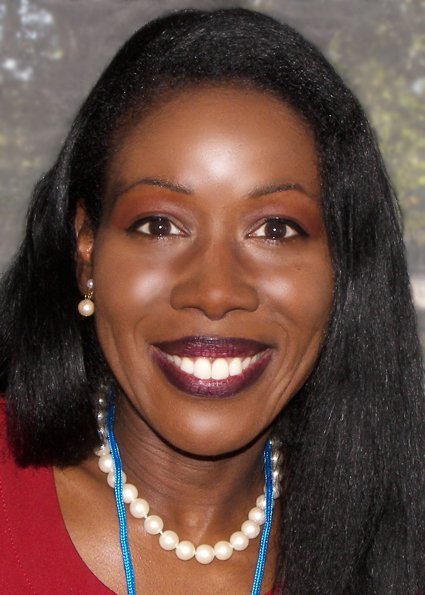
In this epic yet intimate history, Pulitzer Prize-winning journalist Isabel Wilkerson tells the story of one of the most significant migrations in American history when millions of African-Americans left the South for the North, and in focusing on the stories of three individuals, each on their own difficult journey, Wilkerson offers a history that reads and feels like a novel yet speaks to deep, abiding truths about thousands of migrants’ painful experiences of racism, violence and the struggle to succeed against tremendous odds. Wilkerson follows three people over decades, documenting their reasons for leaving, their journeys north and west, and what they found when they arrived. The scope is breathtaking. You’re getting both individual stories of courage and a sweeping portrait of a demographic shift that reshaped American cities and culture. The Warmth of Other Suns is a profoundly moving book about hope and vision, and what happens when some people determine that they deserve a better life. Honestly, it’s hard to think of another book that makes history feel this alive and immediate.
The Immortal Life of Henrietta Lacks
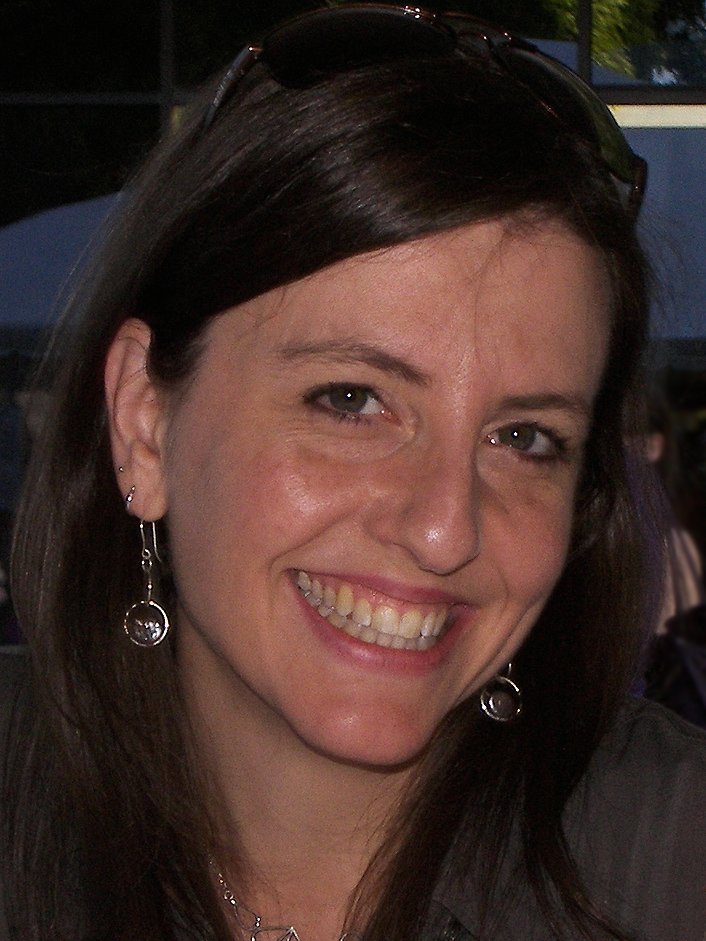
The book tells the story of Henrietta Lacks, a poor African American tobacco farmer whose cells, taken without her knowledge in 1951, became one of the most important tools in medicine, vital for developing the polio vaccine, cloning, gene mapping, and more, yet Henrietta’s cells have been bought and sold by the billions, and she remains virtually unknown, and her family can’t afford health insurance. Rebecca Skloot spent years researching this story, and it shows. The book doesn’t just recount scientific history. It explores profound ethical questions about consent, exploitation, and who benefits from medical advances. The book explores the collision between ethics, race, and medicine; of scientific discovery and faith healing; and of a daughter consumed with questions about the mother she never knew. What makes it unforgettable is how Skloot weaves together three narratives: Henrietta’s life, the science of her cells, and Skloot’s own journey to tell this story. It reads like a detective story while raising questions that medicine is still grappling with today.
Evicted: Poverty and Profit in the American City

Desmond, a Princeton-trained sociologist and MacArthur fellow, went to see for himself in 2008 at the height of the housing crisis, undertaking a year-long study of eight Milwaukee-area families, spending six months in a mobile home and another six months in a rooming house, creating much more than a journalist’s snapshot of life as an American renter. Matthew Desmond’s immersive reporting changed how people understand poverty in America. He didn’t observe from a distance. He lived alongside families struggling to keep roofs over their heads, documenting the impossible choices they faced. With Evicted, Desmond has widened our perspective on cyclical hardship and its disproportionate impact on people of color, illustrating that eviction is more often a cause of poverty than a symptom. The book won the Pulitzer Prize and sparked policy discussions across the country. It shows you how housing instability creates cascading crises in education, employment, and health. After reading it, you can’t look at homelessness or poverty the same way.
The New Jim Crow: Mass Incarceration in the Age of Colorblindness
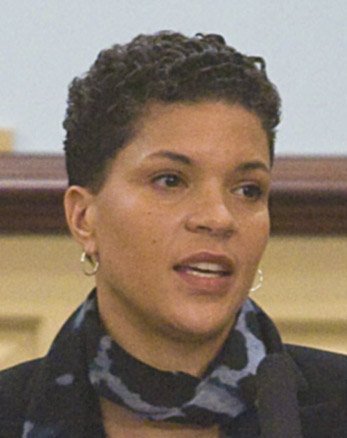
Legal scholar Michelle Alexander argues that justice is neither truly blind nor colorblind, with the criminal justice system in the United States systematically targeting people of color and enacting racial oppression, and The New Jim Crow is both a call to awareness and a call to action, making clear the deep harm embedded in systems ostensibly designed to protect us all. Alexander’s book hit like a thunderbolt when it was published. She makes a convincing case that mass incarceration functions as a racial caste system, stripping millions of Black Americans of basic rights and opportunities. This eye-opening report about the US criminal justice system reveals how racial bias combined with the War on Drugs to result in the wildly disproportionate incarceration of African-Americans for crimes related to controlled substances. What sets this book apart is its combination of legal analysis, historical context, and moral urgency. It’s become required reading in law schools, sociology courses, and activist circles. Alexander doesn’t just describe the problem. She demands we confront it.
Educated
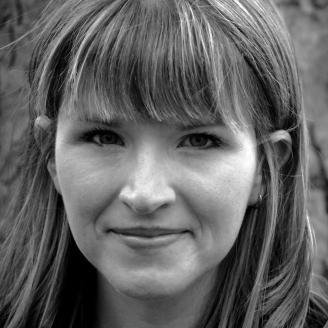
Tara Westover’s Educated became a phenomenon for its gripping narrative of overcoming adversity. Westover grew up in a survivalist family in rural Idaho, never attending school until she was seventeen. Her memoir chronicles her journey from a childhood without formal education to earning a PhD from Cambridge. The tension in the book comes from her struggle between loyalty to her family and her hunger for knowledge and independence. Westover writes with stunning clarity about abuse, mental illness, and the power of education to transform a life. Yet she never simplifies her story into a neat before and after. The relationships with her family remain complicated, painful, unresolved. That honesty is what makes the book so powerful. It resonated with millions of readers because it’s ultimately about self-invention and the cost of breaking away from everything you’ve known.
Behind the Beautiful Forevers: Life, Death, and Hope in a Mumbai Undercity
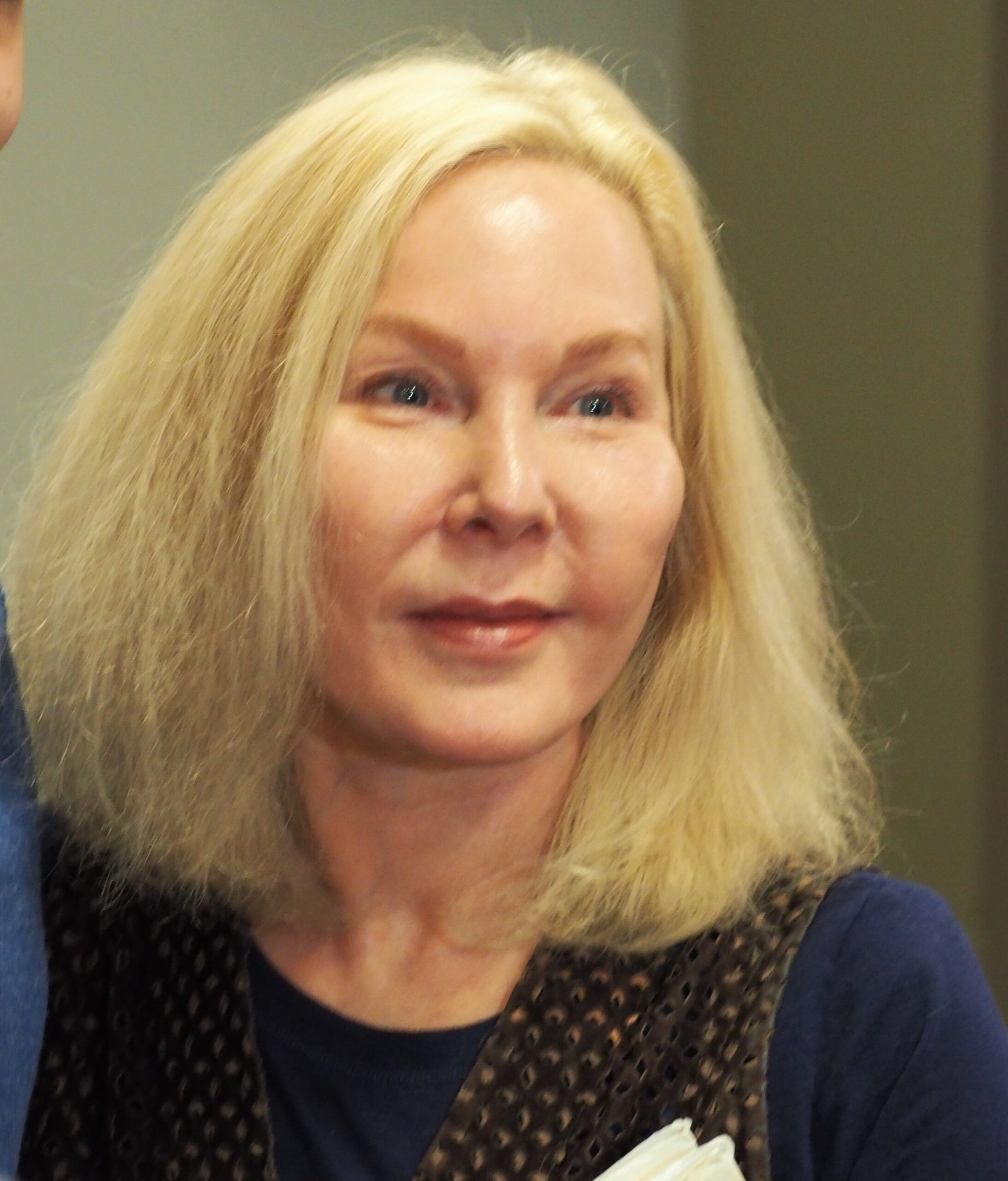
Pulitzer Prize–winning New Yorker journalist Katherine Boo spent more than three years in Mumbai’s now-notorious Annawadi slum to bring an overdue focus to the unbelievable lives of its inhabitants. The book provides an in-depth look into the lives of residents in a Mumbai slum, focusing on their struggles and aspirations, painting a vivid picture of the harsh realities of poverty, corruption, and inequality, while also highlighting the resilience and hope of the inhabitants, and the narrative is a powerful exploration of the complexities of modern India, revealing the stark contrast between the country’s booming economy and the grim living conditions of its underprivileged citizens. Boo’s reporting is meticulous. She reconstructed events from police records, interviews, and her own observations, creating a narrative that reads like a novel but adheres to journalistic rigor. You follow families navigating a world where a single accusation can destroy a life and where hope persists against crushing odds. The book forces readers in wealthy countries to confront global inequality in human terms.
The Invention of Nature: Alexander von Humboldt’s New World

The Invention of Nature is a biographical account of Alexander von Humboldt, a 19th-century explorer, scientist, and naturalist who revolutionized the way we understand the natural world, chronicling Humboldt’s travels across South America, his encounters with indigenous peoples, and his groundbreaking scientific discoveries that challenged prevailing notions of the natural world, with Humboldt’s ideas about interconnectedness and the unity of nature being ahead of their time and continuing to influence environmentalism and conservation today. Andrea Wulf rescued from obscurity a figure who profoundly influenced Darwin, Thoreau, and countless others. Humboldt was among the first to recognize that nature functions as an interconnected web, not a collection of resources for human exploitation. Humboldt was among the first to understand and articulate the complex systems of a living forest, he was also the first to sound the alarm about the impacts of deforestation, and The Invention of Nature restores to prominence an exemplary life, and reminds us of the tectonic force of ideas paired to action. Wulf’s biography reads like an adventure story while exploring the history of scientific thought and environmental consciousness.
Becoming
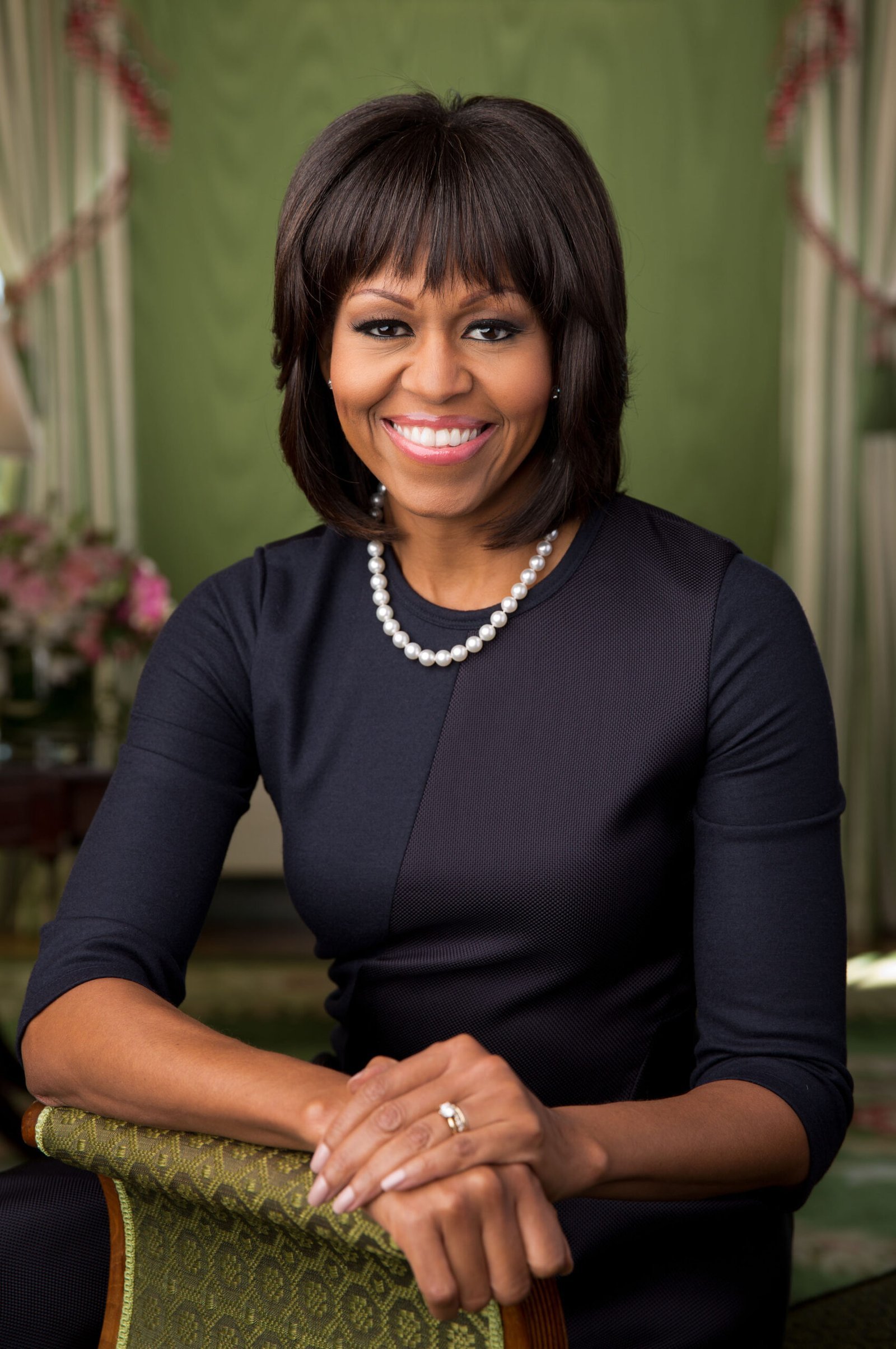
Michelle Obama’s memoir took the world by storm, offering an intimate look at her journey from the South Side of Chicago to the White House, with Becoming resonating with millions, combining an honest portrayal of her challenges with a message of hope and resilience, with readers drawn not just to her story but to her ability to connect the personal with the political, inspiring a renewed sense of purpose in turbulent times. What distinguishes this memoir from typical political books is Obama’s willingness to be vulnerable. She discusses the strains of political life, her struggles with fertility, and her evolution as a person beyond her roles as wife and mother. The book became a global sensation, selling millions of copies and sparking conversations about race, gender, ambition, and identity. Obama writes with warmth and intelligence, and her voice feels genuine throughout. For many readers, Becoming offered both inspiration and a reminder that even the most accomplished people face doubt and setbacks.
Postwar: A History of Europe Since 1945
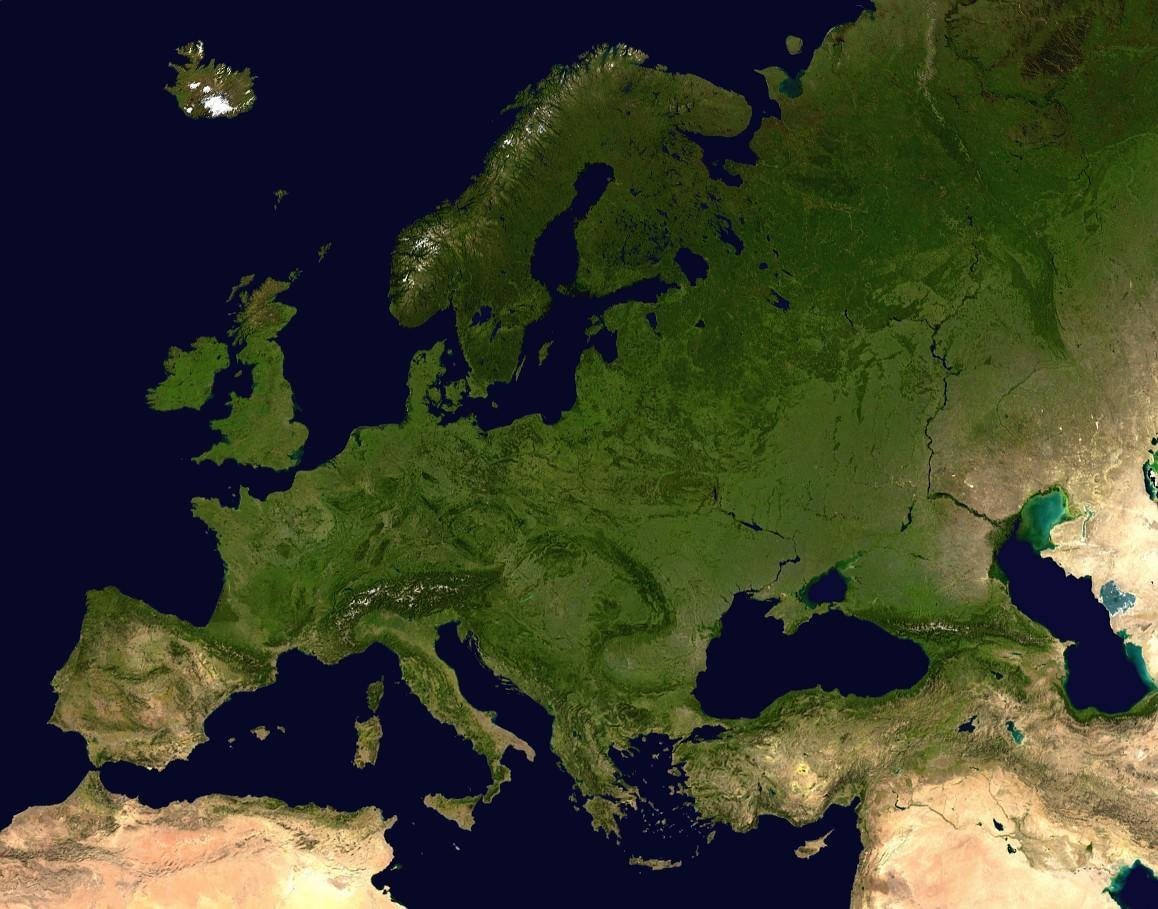
Postwar is a comprehensive analysis of the history of Europe from the end of World War II to the early 21st century, examining the major political, cultural, social, and economic changes that have shaped the continent, including the Cold War, the rise and fall of the Soviet Union, the rebuilding of Western Europe, and the challenges of integrating Eastern Europe into the European Union, and it also delves into the impact of these events on the daily lives of Europeans, exploring themes of memory, identity, and the struggle to come to terms with the past. Tony Judt’s massive work is essential for understanding modern Europe. He traces how a devastated continent rebuilt itself, how the Cold War shaped everything from politics to culture, and how the European Union emerged from the ashes of nationalism. The book is dense but never dry. Judt writes with clarity and insight, connecting grand political movements to the lives of ordinary people. It’s a masterpiece of historical synthesis that shows how the past continues to shape the present in ways we often don’t recognize.
The Glass Castle

Jeannette Walls’ memoir, The Glass Castle, is a harrowing yet hopeful account of her unconventional upbringing in a deeply dysfunctional family, with Walls’ vivid storytelling and unflinching honesty captivating readers, making her one of the foremost voices in the decade’s surge of memoirs, and the book’s exploration of resilience and the complexities of familial love struck a chord with audiences, cementing its place as a modern classic. Walls grew up in extreme poverty with parents who were brilliant, charismatic, and deeply irresponsible. Her father was an alcoholic dreamer who promised to build the family a glass castle. Her mother was an artist who resented the demands of parenthood. The memoir doesn’t ask for pity. Instead, Walls writes with remarkable compassion about her parents while honestly depicting the hunger, neglect, and danger she and her siblings faced. The book became a phenomenon because it explores the complicated truth that you can love people who have hurt you deeply. The Glass Castle wasn’t just a memoir, it was a testament to the power of storytelling to heal and connect.
Persepolis
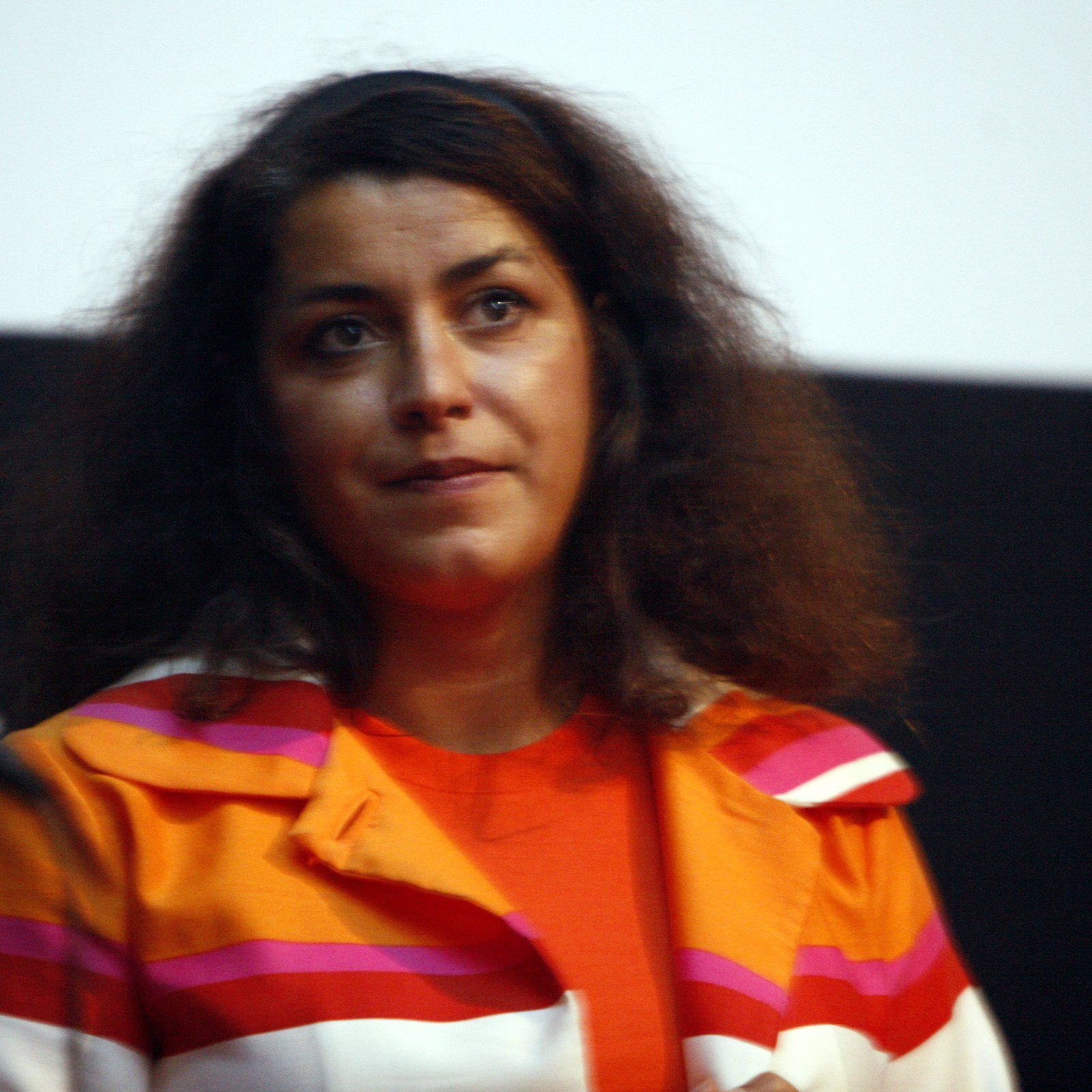
This graphic novel is a memoir that provides a personal account of the author’s childhood and young adult years in Iran during and after the Islamic revolution, portraying the impact of war, political upheaval, and religious extremism on ordinary people, while also exploring themes of identity, resilience, and the power of storytelling. Marjane Satrapi’s illustrated memoir opened Western eyes to life in Iran during a tumultuous period. The simple black and white drawings belie the complexity of the story she tells. You follow young Marjane as she navigates the revolution, the Iran-Iraq War, and eventually exile. The book challenges stereotypes about Iran and Muslims while exploring universal themes of adolescence, rebellion, and identity. What makes Persepolis so effective is its accessibility. The graphic format invites readers who might shy away from a dense history book, yet the content is profound and moving. Satrapi uses humor and honesty to humanize a part of the world often reduced to headlines.
The Year of Magical Thinking
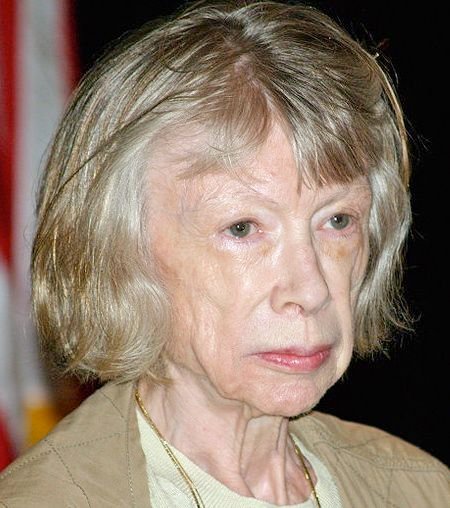
In The Year of Magical Thinking, an account of the year following the death of her husband John Gregory Dunne, literary icon Joan Didion offers an unguarded and revealing self-portrait of grief and anguish. Didion penned a memoir about the sudden death of her husband, who collapsed almost immediately after her daughter went into a coma, yet The Year of Magical Thinking is tinged with Didion’s signature humor; far from being mournful and reflective, her prose matches the ever-changing symptoms of grief she feels after the fact. Didion dissects her grief with the same cool analytical eye she brought to her journalism. She examines the irrational thoughts that accompany loss, the ways we bargain with reality, the small rituals that keep us tethered. The book is both a meditation on marriage and an unflinching look at mortality. Didion’s prose is spare and precise, which somehow makes the emotion hit harder. It became a touchstone for anyone navigating grief, proof that even the most articulate among us struggle to make sense of death.
What Might These Books Tell Us

Looking at these titles together, patterns emerge. Many grapple with injustice, whether racial, economic, or environmental. They challenge comfortable narratives and force readers to confront uncomfortable truths. Several combine rigorous research with storytelling that rivals fiction in its power. Others are deeply personal memoirs that illuminate broader social issues. What ties them together is their refusal to let us look away. These books insist that we pay attention, that we think critically, that we feel deeply. They’ve shaped conversations in classrooms, living rooms, and courtrooms. Some have directly influenced policy. Others have simply changed how individual readers see themselves and the world.
The influence of these books extends beyond their immediate subject matter. They’ve demonstrated that nonfiction can be as compelling and artful as any novel. They’ve expanded the boundaries of what nonfiction can do and who gets to tell these stories. Women, people of color, and voices from outside the traditional power centers have claimed space and reshaped the genre. That itself is revolutionary. These books have also shown that there’s a hunger for substance, for depth, for works that take readers seriously and ask them to engage with complexity rather than settling for easy answers.
So what would you add to this list? Which books changed how you think or pushed you to see the world differently? The 21st century is still young, and the conversation continues.

Christian Wiedeck, all the way from Germany, loves music festivals, especially in the USA. His articles bring the excitement of these events to readers worldwide.
For any feedback please reach out to info@festivalinside.com
