


- The 14 Forgotten Stories Behind America’s Most Famous Landmarks - September 26, 2026
- 15 Times History Was Changed by a Single Speech - September 25, 2026
- “20 Authors Who Captured the American Dream Like No One Else” - September 25, 2026
Something’s happening on America’s bookshelves right now that nobody quite saw coming. Classic novels are making an unexpected return. In a time when daily reading for pleasure has dramatically declined and new releases dominate the conversation, readers across the country are rediscovering stories that have sat dormant for decades. Let’s be real, this feels like a rebellion against the endless churn of trending titles.
Reading trends for 2025 predicted a renewed interest in classics, yet the specific titles gaining traction tell a fascinating story about what’s resonating with modern readers. One comeback in particular has left literary experts scratching their heads.
1984 by George Orwell

Here’s the thing about Orwell’s dystopian masterpiece: it never really goes away. People are increasingly reading Orwell’s books, especially with everyone saying “it’s so Orwellian” these days, and readers have recently finished 1984 re-reads. The surveillance state, government manipulation of truth, and the erosion of individual freedoms depicted in this 1949 novel hit differently now.
Americans seem drawn to its warnings about authoritarianism and doublespeak. The novel serves as a cultural touchstone whenever political tensions rise. Whether you agree with the comparison or not, the phrase “Big Brother is watching” has embedded itself so deeply into our consciousness that new generations keep returning to understand its origins. The text feels disturbingly prophetic to many contemporary readers.
The Great Gatsby by F. Scott Fitzgerald
Fitzgerald’s jazz-age meditation on the American Dream continues to captivate readers nearly a century after publication. Classics like The Great Gatsby have enjoyed surges in popularity when their stories are retold on the big screen. Yet its current resurgence goes beyond film adaptations.
The glittering parties masking profound loneliness and moral emptiness speak to our social media age. Jay Gatsby’s desperate reinvention of himself mirrors contemporary obsessions with personal branding and status. Honestly, the critique of wealth and shallow materialism feels more relevant than ever. Americans are rereading it not as a period piece but as a mirror held up to modern society’s obsession with image over substance.
To Kill a Mockingbird by Harper Lee
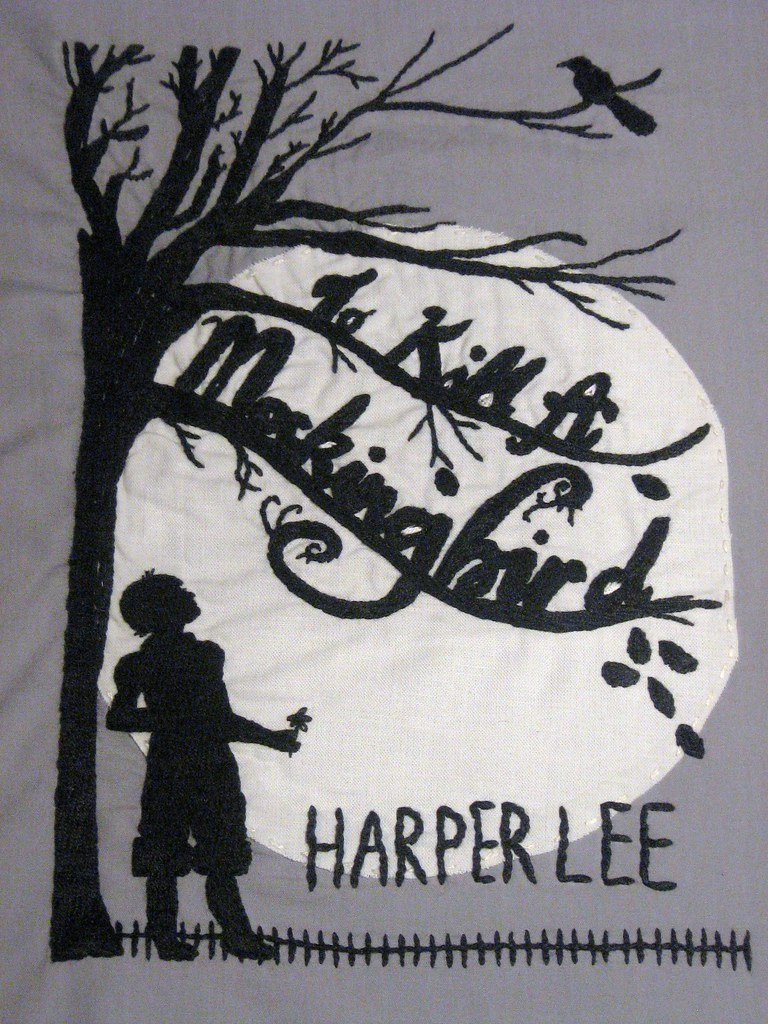
Harper Lee’s 1960 novel about racial injustice in the Deep South remains powerfully resonant. For many readers, To Kill a Mockingbird was the novel that started their love of reading. It’s hard to say for sure, but this classic seems to be experiencing a particular surge among readers seeking to understand America’s ongoing reckoning with race and justice.
Scout Finch’s coming-of-age perspective allows readers to examine prejudice through innocent eyes while Atticus Finch’s moral courage provides a model many find inspiring. The conversations around this book have evolved considerably. Some educators debate its place in classrooms, questioning whose perspective is centered and what voices are missing. Yet that very controversy drives renewed interest, as readers want to engage with the text themselves rather than rely on secondhand opinions.
Jane Eyre by Charlotte Brontë
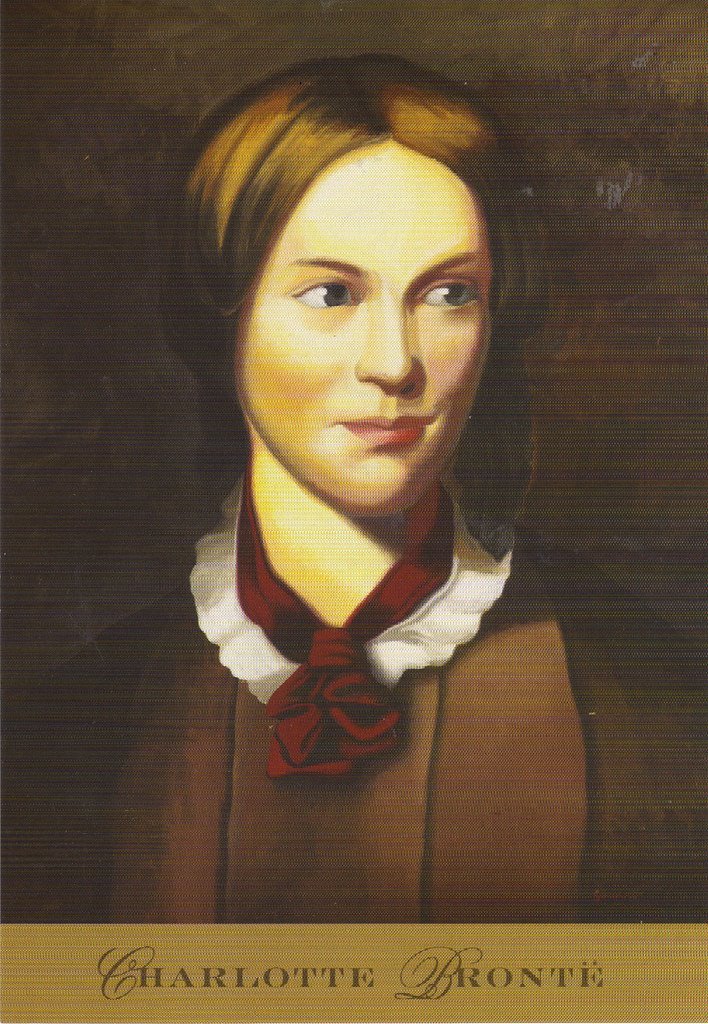
The most surprising comeback on this list might be Charlotte Brontë’s 1847 gothic romance. Literary experts are genuinely shocked by the surge in Jane Eyre readership among American audiences. This isn’t your typical Victorian novel experiencing a quiet renaissance. This is a full-blown cultural moment.
Why now? The answer seems to lie in Jane herself. She’s poor, plain, and utterly uncompromising about her self-worth. In an era of empowerment movements and discussions about women refusing to settle, Jane Eyre’s declaration that she will not be a mistress, even to a man she loves desperately, resonates with fierce intensity. Young readers especially are discovering that this dusty old classic actually features one of literature’s most badass heroines. She walks away from everything rather than compromise her values.
The moody atmosphere, the mystery of Thornfield Hall, and the complex relationship between Jane and Rochester offer exactly the kind of emotionally intense reading experience that contemporary readers crave. It’s romantic but also deeply feminist in ways that feel startlingly modern.
Pride and Prejudice by Jane Austen

Austen’s witty dissection of class, marriage, and society has never truly left the cultural conversation. Readers cite Pride and Prejudice among classics by Jane Austen, Francis Hodgson Burnett, Louisa May Alcott, and LM Montgomery that they enjoy. The appeal extends beyond devoted Austen fans.
Elizabeth Bennet’s sharp tongue and refusal to marry for convenience rather than love continue to inspire readers. The social commentary about women’s limited options and economic vulnerability remains surprisingly relevant. Meanwhile, Mr. Darcy’s evolution from proud aristocrat to devoted partner provides the template for countless romance novels. Americans are rereading it to understand where so many modern love stories began, and to appreciate Austen’s genius for social satire wrapped in romantic packaging.
Fahrenheit 451 by Ray Bradbury

Nearly seventy years after its original publication, Ray Bradbury’s internationally acclaimed novel Fahrenheit 451 stands as a classic of world literature set in a bleak, dystopian future. The premise of a society that burns books to suppress ideas and critical thinking strikes a nerve in contemporary America.
Debates about book bans, curriculum restrictions, and censorship have driven readers back to Bradbury’s 1953 warning. The fireman protagonist who burns books rather than extinguishing fires serves as a chilling metaphor. What makes this resurgence particularly notable is how readers across the political spectrum find meaning in the text, though they may interpret its warnings differently. The novel’s meditation on technology replacing deep reading and genuine human connection feels almost prescient given our smartphone-dominated culture.
Anna Karenina by Leo Tolstoy
Readers have Anna Karenina on their reading stacks as a reread they want to get to, signaling this Russian epic’s unexpected moment. Tolstoy’s massive novel about adultery, family, and society might seem an unlikely candidate for a comeback, yet Americans are tackling its length with renewed enthusiasm.
The novel’s examination of a woman trapped by social expectations and her desperate pursuit of passion and authenticity resonates powerfully. Anna’s struggle between duty and desire, her treatment by society after transgressing its rules, and her psychological complexity draw modern readers. The novel also explores themes of faith, meaning, and how to live a good life through Levin’s philosophical journey. Readers seeking substantial, challenging literature that grapples with timeless questions are rediscovering why this novel endures.
Their Eyes Were Watching God by Zora Neale Hurston
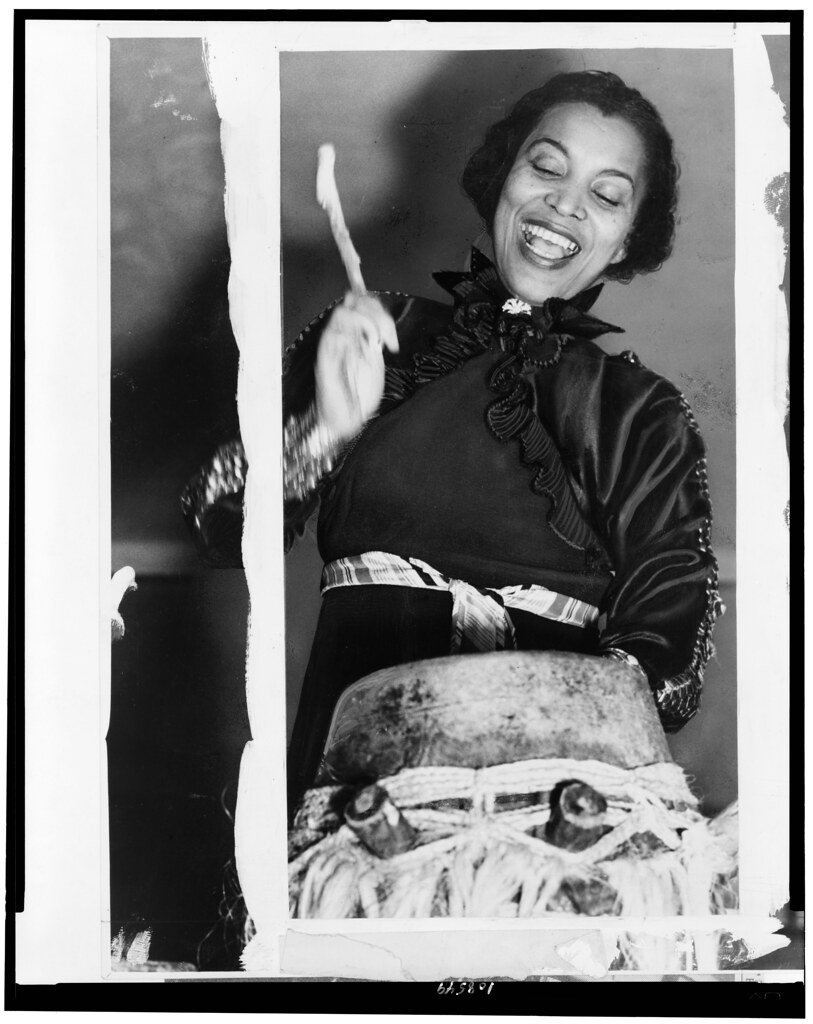
Schools have updated their reading lists to include more diverse voices and perspectives, shining a spotlight on classics like Their Eyes Were Watching God by Zora Neale Hurston. This shift in educational curricula has sparked wider rediscovery among adult readers as well.
Hurston’s 1937 novel follows Janie Crawford’s journey toward self-discovery and authentic love. The lyrical language, rooted in Black Southern dialect, celebrates a culture often excluded from the literary canon. Janie’s three marriages and her evolution from a woman defined by others’ expectations to someone claiming her own voice and autonomy offers a narrative of empowerment. The novel’s exploration of race, gender, and class within Black communities provides nuance often missing from discussions of American history. Americans are reading it not just for its historical importance but for its timeless depiction of a woman finding herself.
The Catcher in the Rye by J.D. Salinger

Holden Caulfield’s alienated teenage voice either speaks to you or drives you crazy. There’s rarely middle ground. Yet Salinger’s 1951 novel about adolescent angst and phoniness continues finding new audiences. The current revival seems driven by readers revisiting it years after being forced to read it in high school, discovering it hits differently as adults.
Holden’s mental health struggles, his inability to connect genuinely with others, and his grief over his brother’s death become more apparent with mature eyes. The novel’s treatment of trauma, depression, and the painful transition from childhood innocence to adult awareness offers surprising depth. Some readers now recognize that Holden isn’t just a whiny teenager but a young person in crisis desperately trying to preserve something pure in a world he finds corrupt. That reinterpretation is driving renewed interest in this polarizing classic.
The Count of Monte Cristo by Alexandre Dumas
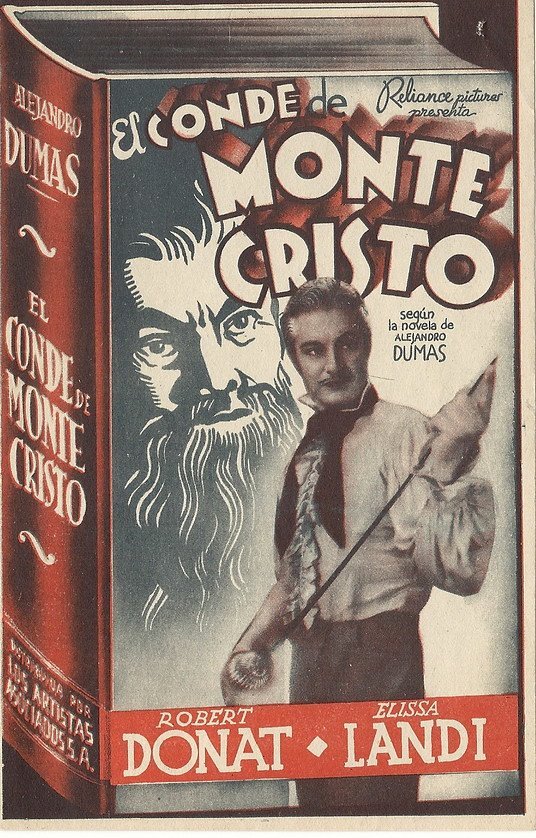
Dumas’s sweeping tale of betrayal and revenge might be the most purely entertaining novel on this list. One reader reports having read The Count of Monte Cristo over nine times, noting that movies don’t do it justice because of all the smaller stories in it and descriptions that cannot be translated into the audiovisual. That passionate devotion exemplifies this novel’s cult following.
The story of Edmond Dantès, wrongfully imprisoned and plotting elaborate revenge against those who betrayed him, offers page-turning adventure alongside moral complexity. Americans drawn to this classic appreciate its sheer narrative ambition. The novel spans years, continents, and an enormous cast of characters, delivering plot twists that genuinely surprise even in our spoiler-saturated culture. It represents classic literature at its most accessible and thrilling, proving that old doesn’t mean boring. Readers seeking escape and excitement without sacrificing literary quality are discovering this masterpiece offers the best of both worlds.
Conclusion

Book Riot published an article predicting renewed interest in classics as one of the reading trends for 2025, with the question of whether there will really be a widespread classic reading renaissance in the coming months. The evidence suggests something significant is happening. These ten novels represent different eras, styles, and themes, yet they share timeless explorations of human experience that continue resonating.
Whether driven by political climate, dissatisfaction with current publishing trends, educational reforms, or simple desire for quality literature, Americans are turning to books that have stood the test of time. The classics aren’t gathering dust anymore. They’re being pulled off shelves, downloaded to e-readers, and discussed with the same passion as any new release. In a world of constant change and information overload, perhaps there’s comfort in stories that have meant something to readers for generations.
Which classic are you most tempted to revisit? Tell us in the comments what old favorite is calling your name.

Besides founding Festivaltopia, Luca is the co founder of trib, an art and fashion collectiv you find on several regional events and online. Also he is part of the management board at HORiZONTE, a group travel provider in Germany.
