

For any feedback please reach out to info@festivalinside.com
- 20 Books Set in America That Capture Its Essence Perfectly - September 26, 2026
- From The Rolling Stones to Bruce Springsteen: The Aging Rockstars Keeping Rock Alive - September 26, 2026
- 10 Wild Celebrity Facts That Sound Made Up but Aren’t - September 26, 2026
The Power of Brevity in Literature
A book’s impact isn’t measured by its length but by the depth of its ideas, and some of the most powerful books are remarkably short, distilling complex themes into concise, thought-provoking narratives. Think about it this way. When a writer has limited space, every single word must earn its place. There’s no room for filler, no meandering subplots that go nowhere, no lengthy descriptions that could be trimmed.
Dozens of authors have been able to say more in roughly 200 pages or less than most writers manage to convey in novels three times that length. Brevity often enhances clarity, making every word count and proving that fewer pages can hold immense meaning. The discipline required to write something short yet powerful is honestly staggering. Some believe the short form actually requires more of authors, not less, as they have to tell a full story in a much smaller space, creating works with small page counts but outsized emotional impact for the reader.
When readers encounter these tightly crafted stories, they find themselves pulled through the narrative with an intensity that longer books sometimes struggle to maintain. You can finish one in a single afternoon, yet spend weeks unpacking what it meant.
Why Short Books Stay With Us
Here’s the thing about shorter novels. They demand your full attention in a way that sprawling works sometimes don’t. You can read one in a sitting or two, experiencing the entire emotional arc without interruption. That concentrated reading experience creates a kind of intimacy between you and the story.
Their ability to demand more attention from the reader enriches engagement with what is being explored, particularly without feeling overwhelmed. Short but vivid, these novellas will be a quick read but will leave a lasting impression. I’ve noticed that these books often tackle a single powerful theme or moment rather than trying to encompass everything. That focused approach lets them drill down to emotional bedrock.
You can’t judge a book by its cover or by its length, as a pocket-sized paperback might feel light in your hands but can weigh on your mind for days and days. The compact format also makes them easier to revisit. You remember them more completely because you experienced them as a unified whole. Years later, you can pick one up and reread it in an evening, rediscovering layers you missed the first time.
Classic Short Novels That Changed Literature

Some of the most celebrated works in literary history clock in at well under two hundred pages. Ernest Hemingway’s The Old Man and the Sea is a testament to his renowned “iceberg theory” of writing, in which the surface simplicity of the prose belies profound underlying themes, as this novella conveys themes of human endurance, dignity in the face of defeat, and the eternal struggle between man and nature. Santiago’s battle with the marlin has become legendary precisely because Hemingway stripped away everything unnecessary.
Franz Kafka’s The Metamorphosis is a surreal and unsettling tale that delves into themes of human isolation, alienation, and the absurdity of existence, as Gregor Samsa wakes to find himself transformed into a giant insect, and the novella explores how his sudden change impacts his relationships, with Kafka’s prose dense with symbolism and existential questions. That opening line alone has haunted readers for over a century. Hermann Hesse’s Siddhartha offers a profound spiritual and philosophical journey in a short novel format, following a young man in ancient India who embarks on a quest for enlightenment, as Hesse masterfully explores themes of self-discovery, the conflict between material wealth and inner peace, and the nature of wisdom, delivering timeless insights in a brief yet impactful narrative.
These books didn’t need six hundred pages to become immortal. They needed precision, insight, and the courage to end when the story was complete.
Contemporary Gems Under Two Hundred Pages

Modern literature continues this tradition of powerful short works. Samantha Harvey’s 2024 Booker Prize winner Orbital, at just 136 pages, proves that sometimes small but mighty novels pack the most powerful punch. The novel is concise in both length and scope, focusing on just 24 hours aboard the International Space Station, and Harvey captures the astronauts’ experiences as they orbit the planet, offering vivid contrasts between their mundane, repetitive tasks and the silent beauty of Earth, with prose laden with metaphor that transforms it into something profound.
Short books can be just as profound and moving as long reads, as proven by works that pack powerful themes into compact pages. Another standout is Jenny Erpenbeck’s work, which demonstrates how short fiction can capture enormous spans of time and emotion. You can’t deny the big impact of a short novel when it becomes so pervasive and widely read that it’s almost a cultural shorthand for a lived experience, as Sylvia Plath’s The Bell Jar, published just weeks before her suicide, shows through the main character’s descent into mental illness.
These contemporary works prove the tradition is alive and well. Writers today understand that sometimes less truly is more.
Novellas That Pack an Emotional Punch
The novella form sits in that sweet spot between short story and novel. It’s long enough to develop characters you genuinely care about but short enough to maintain unrelenting intensity. Shirley Jackson’s We Have Always Lived in the Castle tells the story of the recently-depleted Blackwood family, who were mostly poisoned via arsenic not too long ago, leaving readers to wonder who the culprit is and what will happen to the surviving members.
Let’s be real, Jackson was a master at creating atmosphere that clings to you. Henry James’s The Turn of the Screw is an eerie psychological ghost story that unravels as a governess tends to two children in a secluded estate, captivating in just over 120 pages with its ambiguity and chilling atmosphere, as it blurs the lines between reality and the supernatural, inviting readers to question the narrator’s reliability and exploring themes of repression, innocence, and the haunting power of the past. That ambiguous ending has sparked debates for generations. Edith Wharton’s Ethan Frome, set in a bleak New England winter, tells the tragic story of Ethan’s doomed love affair with masterful storytelling and vivid descriptions that make this 100-page tale both gripping and heart-wrenching, exploring duty, passion, and society’s constraints.
These novellas demonstrate how concentrated storytelling can amplify emotional impact rather than dilute it.
Short Books That Changed Perspectives on Life
Some slim volumes have the power to fundamentally shift how readers see the world. Viktor Frankl’s Man’s Search for Meaning chronicles his harrowing experiences as a Holocaust survivor and draws powerful conclusions about the importance of purpose in human life, as he observed that those who survived unimaginable suffering often did so by finding meaning even in suffering itself, and this compact book continues to transform lives by urging readers to find meaning amidst adversity, grief, and uncertainty.
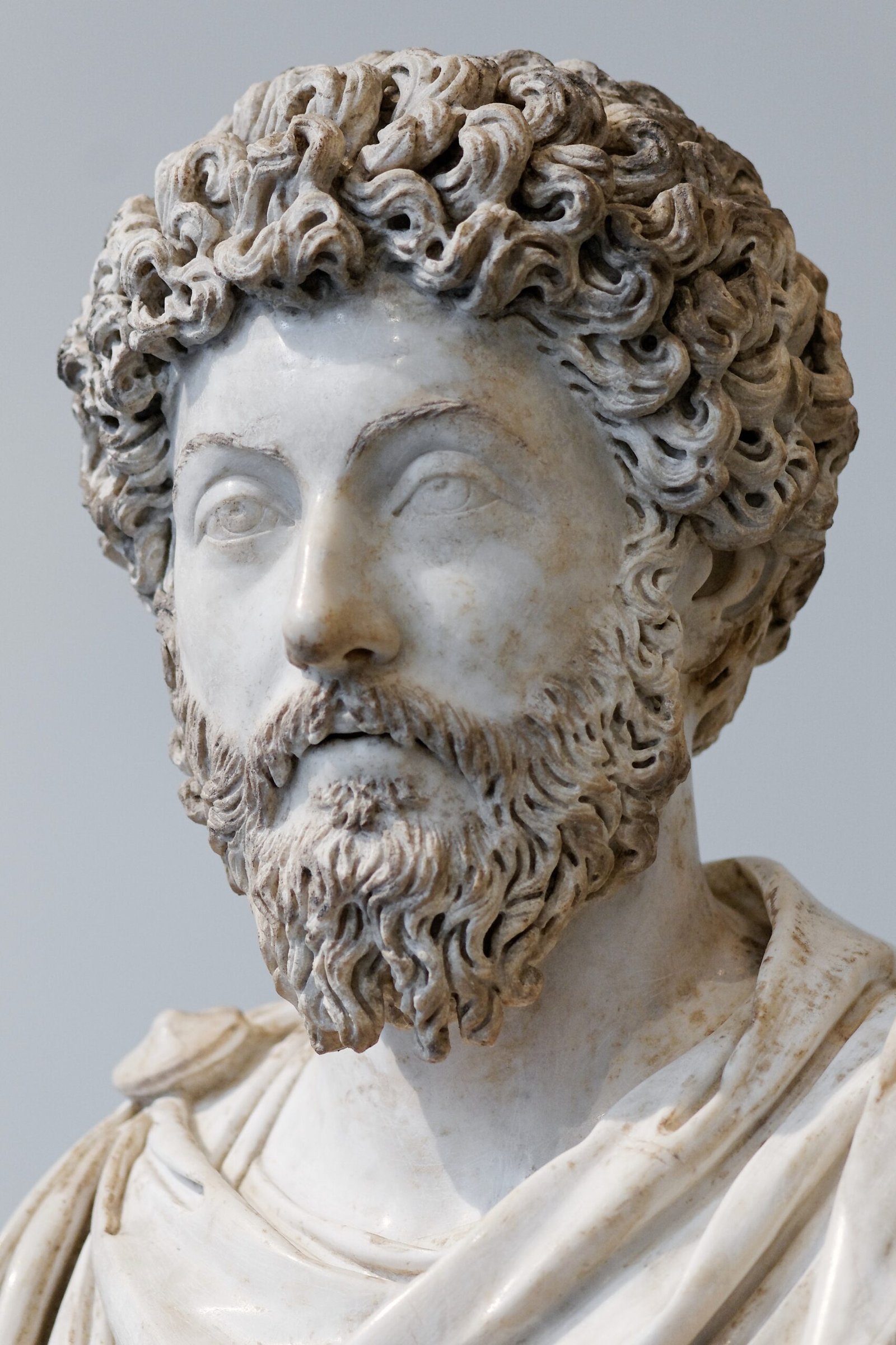
I can’t overstate how frequently this book appears on lists of titles that changed people’s lives. The Four Agreements distills ancient Toltec wisdom into four simple but powerful principles for personal freedom and peace, and in just over 130 pages, it reveals how these agreements can liberate us from self-limiting beliefs, emotional suffering, and toxic habits, offering a spiritual yet highly practical guide that resonates deeply with readers from all walks of life seeking clarity, emotional healing, and inner strength. Marcus Aurelius’s Meditations offers profound insights into resilience, self-discipline, and mindfulness, as he writes about accepting fate, controlling emotions, and living virtuously amidst adversity, with timeless wisdom that has guided countless readers seeking inner peace and strength, and the meditations are straightforward yet deeply reflective, making the book a powerful resource for cultivating mental clarity and calm in today’s fast-paced world.
These aren’t just books you read once and shelve. They become companions you return to when life gets complicated.
Quick Reads Perfect for Busy Schedules
Modern life doesn’t always allow for weeks-long reading commitments. That’s where these shorter works shine. Short story collections, novellas and short novels can fit even into the busiest of schedules, perfect for a quick escape on your commute, a cosy evening at home, or a break between meetings. You can actually finish something, which honestly feels like an accomplishment in itself.
These works are fantastic when it comes to ending a reading slump, as sometimes you just need to finish something to get your reading life back on track. There’s something psychologically satisfying about closing a book knowing you’ve experienced the complete story. You’re not carrying around a half-finished narrative for weeks, wondering what happens next but too tired to pick it up again.
The shorter format also makes them perfect for rereading. You can revisit a favorite in an afternoon, experiencing it anew with whatever wisdom or experience you’ve gained since the last reading. That accessibility keeps them alive in your mind.
The Art of Saying More With Less

What separates a forgettable short book from one that haunts you? Craft. Intention. The willingness to cut until only the essential remains. A distinctive feature of writer Beryl Bainbridge’s novels was that they were usually brief and to the point, as she wrote 12 pages to get one page and cut all the time, believing that every word had to count with all superfluous detail jettisoned.
That level of editing takes courage. It’s tempting to keep scenes you love or explanations that feel necessary. Skilled writers resist that temptation. They trust readers to fill in gaps, to understand subtext, to engage actively with the narrative. Every word had to count with all superfluous detail jettisoned, and dozens of authors have been able to say more in roughly 200 pages or less than most writers manage to convey in novels three times that length.
The result is prose that feels concentrated, almost distilled. Every sentence carries weight. Every scene advances character or theme or both. Honestly, there’s something almost intoxicating about that level of narrative efficiency when it’s done well.
International Voices in Short Fiction
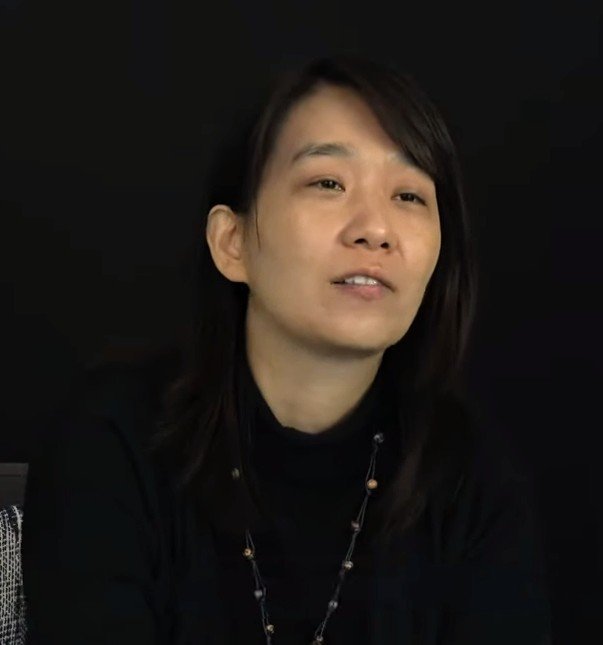
Some of the most affecting short works come from international authors writing about specific cultural experiences. Han Kang’s The Vegetarian explores the brutal consequences when a woman haunted by blood-curdling images decides to become vegetarian, with her rejection of meat-eating norms threatening her life of passive domesticity, and this florid yet compact novel won the International Booker Prize in 2016. The book’s brevity amplifies its disturbing intensity.
Japanese literature has a particularly rich tradition of impactful short novels. In a small back alley in Tokyo, a café has been serving carefully brewed coffee for more than one hundred years, offering customers a unique experience: the chance to travel back in time. These stories from different cultures offer windows into experiences we might never encounter otherwise, compressed into formats we can actually finish.
The international scope of powerful short fiction reminds us that this isn’t just a Western literary tradition. Writers worldwide understand the power of concision.
Short Memoirs That Pack Tremendous Truth

Memoirs don’t have to chronicle an entire lifetime to be meaningful. Sometimes the most powerful personal narratives focus on a specific period or theme. Before it was an Angelina Jolie movie, Girl, Interrupted was a short memoir with big impact, as Susanna Kaysen was brave enough to commit to the page her experiences in the ward for teenage girls in the McLean psychiatric hospital, with vivid portraits of fellow patients and professionals evoking the “parallel universe” found behind the hospital’s locked doors.
These focused memoirs often hit harder precisely because they don’t try to encompass everything. They drill down into one crucial experience, one transformative period, one essential truth. The writer doesn’t diffuse their energy across decades. They concentrate it into a laser-focused narrative that burns itself into memory.
Short memoirs also offer something valuable to readers: proof that you can tell a meaningful story about your own life without writing an encyclopedia. Not every memoir needs to be exhaustive to be worthwhile.
When Less Really Is More

The assumption that longer automatically means better has dominated publishing for years. Bookstores promote thick volumes. Readers sometimes equate page count with value. Yet that’s missing something fundamental about how stories work. As rewarding as tackling an immersive epic can be, sometimes short novels that can be finished in a week or less linger with us the longest, and while much easier to finish in our busy lives than a 600-plus page tome, they are still guaranteed to make a lasting impact.
It’s hard to say for sure, but I think part of what makes short books so memorable is precisely their refusal to overstay their welcome. They end when the story is complete, not when the word count hits some arbitrary target. That respect for narrative arc, for the reader’s time and attention, creates a different kind of reading experience.
Don’t underestimate the power of short books, as in just a few pages they can deliver the clarity you’ve been searching for, offer a path through your struggles, or provide the motivation to start something new, and when your schedule doesn’t allow for a deep dive, these books rise to the occasion, reminding us that wisdom isn’t always found in word count but in impact. That wisdom applies to readers and writers alike.
Building Your Short Book Collection

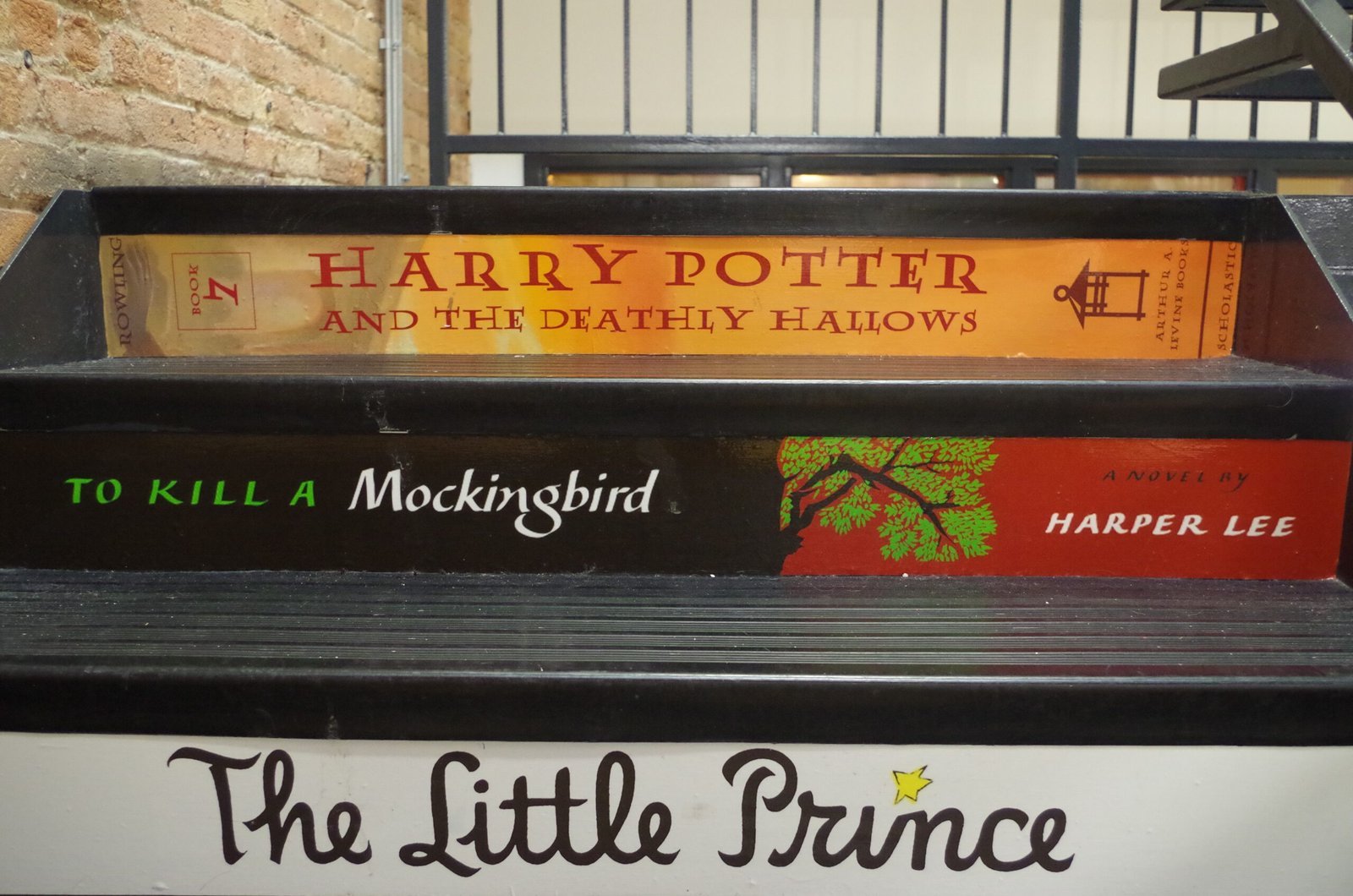
If you’re convinced to explore more compact reads, where should you start? From classics to contemporary, selections of Booker-nominated novels make a big impact in around 200 pages or less. Begin with classics that have proven their staying power across generations. Animal Farm, The Great Gatsby, The Little Prince. These are short for good reasons. They distilled their authors’ visions perfectly.
Then branch into contemporary works that continue the tradition. Look for award winners and nominees in the novella category. Publishers increasingly recognize that shorter works deserve recognition alongside their lengthier counterparts. The International Booker Prize 2025 shortlist includes three novels that weigh in at less than 130 pages each.
Don’t limit yourself to one genre either. Short powerful books exist in literary fiction, horror, science fiction, memoir, and every other category. The format transcends genre. What matters is the writer’s ability to make every page count, to leave you changed despite the brevity.
Finding Time for Reading in Small Doses
One beautiful thing about shorter books is how they fit into fragmented modern schedules. You don’t need to carve out enormous blocks of reading time. An hour here, thirty minutes there, and suddenly you’ve completed something substantial. That makes reading feel achievable rather than overwhelming.
These books are also perfect for reading challenges or when you’re trying to rebuild a reading habit after a long break. Finishing something provides momentum. You remember why you love reading in the first place. That first completion often leads to another, and another, until reading becomes a regular part of your routine again.
The format also works beautifully for those times when life is simply too chaotic for sustained attention. You can still have meaningful reading experiences even when you can’t commit to sprawling epics. That accessibility matters more than we sometimes acknowledge.
Lasting Impact Beyond the Final Page

The true test of any book isn’t what you think while reading it, but what stays with you afterward. These books offer the benefit of delivering manageable, focused plotlines and discourse, ensuring that each word carries weight, perfect for weekend reading that will stay with you long after you turn the last page. Short powerful books excel at this afterlife in memory and thought.
Maybe it’s because you can hold the entire narrative arc in your mind at once. Maybe it’s because the concentrated emotion doesn’t dissipate over weeks of reading. Whatever the reason, these compact works often generate more sustained reflection than much longer books. You find yourself thinking about them at odd moments. Recommending them to friends. Rereading them years later and discovering new layers.
Sometimes less is more, as these short books with big impact prove that you don’t need to read hundreds of pages to experience a paradigm shift, and whether you’re looking to kickstart creativity, lead with confidence, handle change, or discover your purpose, these books offer a powerful starting point. That transformation often happens quietly, almost without you noticing, until one day you realize your perspective has fundamentally shifted.
The Courage to End Well
Perhaps the most underrated aspect of great short books is simply this: they knew when to stop. How many novels have you read that should have ended three chapters earlier? How many stories lose their power by explaining too much, tying up every loose thread, or adding unnecessary epilogues?
Short powerful books trust readers. They end at the right moment, even when that moment is ambiguous or uncomfortable or leaves questions unanswered. That restraint is a gift. It invites readers to complete the story in their own minds, to wrestle with implications, to stay engaged long after the final sentence.
The best short books end precisely when they should, leaving you stunned that something so brief could feel so complete. That’s the paradox and the magic. Less becomes more. Brevity becomes power. And a slim volume you read in an afternoon stays with you for a lifetime. What would you choose to read first?

Christian Wiedeck, all the way from Germany, loves music festivals, especially in the USA. His articles bring the excitement of these events to readers worldwide.
For any feedback please reach out to info@festivalinside.com
