


For any feedback please reach out to info@festivalinside.com
- 12 Fashion Trends From the 70s and 80s That Are Making a Huge Comeback - August 15, 2026
- 15 Most Popular Music Festivals in the World, According to Instagram - August 15, 2026
- 8 Music Festivals That Defined an Era and Where Their Spirit Lives On. - August 15, 2026
Think about the first time you met someone who would change your life forever. That instant connection, the raw talent unfolding right before your eyes. First novels can feel exactly like that. They’re unpolished in ways that make them more honest, more urgent. They capture writers at their hungriest, before anyone told them what a book should be.
Since 2000, we’ve watched debut novelists explode onto the literary scene with more firepower than many established writers could ever muster. Some of these books arrive quietly, building their followings slowly through word of mouth and book clubs. Others land with the force of a meteor strike, shaking up everything we thought we knew about storytelling. Let’s dive in.
White Teeth by Zadie Smith
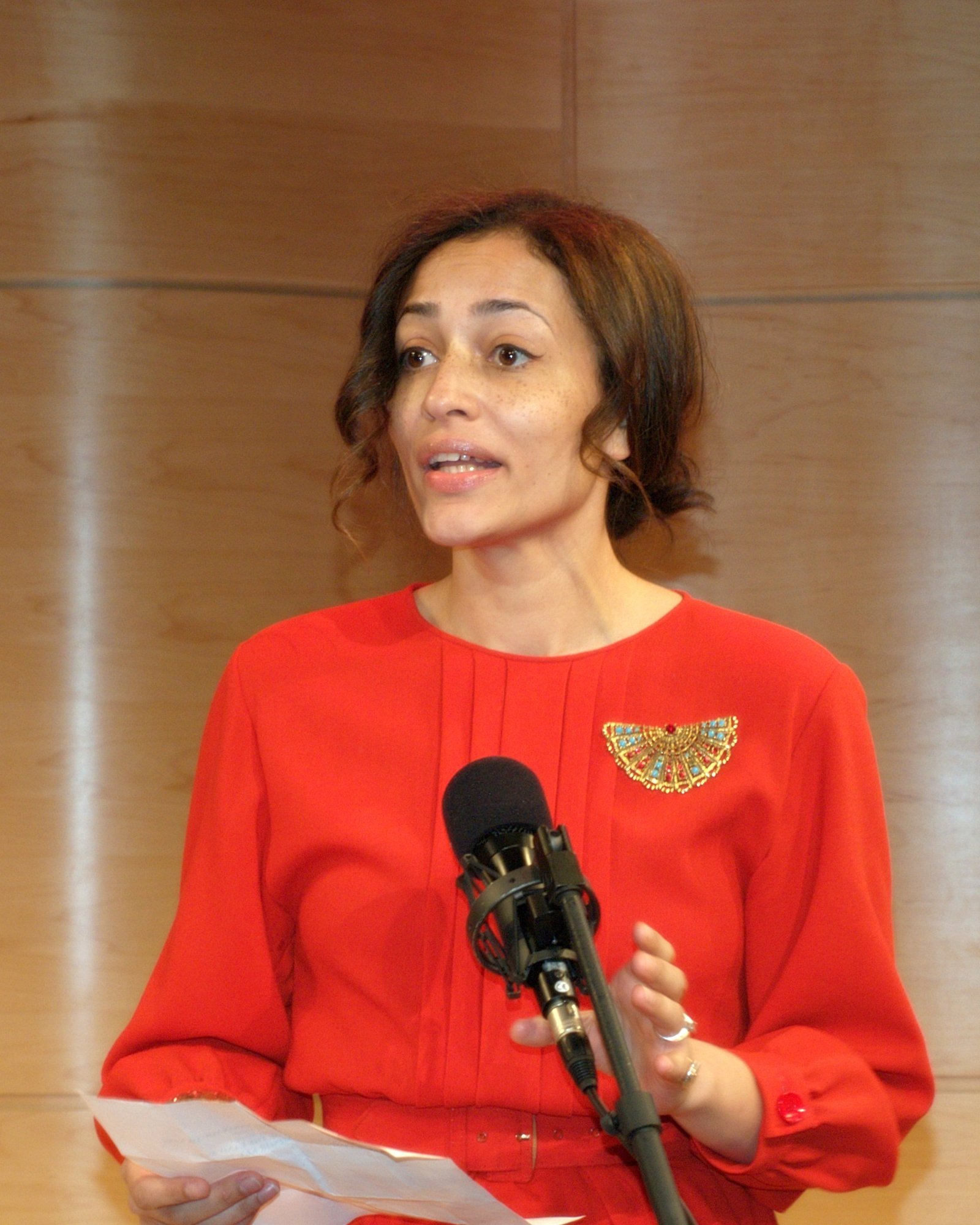
Zadie Smith is quite simply one of the most important authors of the 21st century, and her debut novel stands apart as a mission statement of sorts. Smith’s multicultural portrait of London life perfectly captured The Way We Live Now. The story centers on two friends returning to London from war, one from England and the other from Bangladesh, and while that sounds simple enough, Smith uses this framework to explore nearly everything under the sun. Her characters leap off the page with such vividness that you feel like you know them personally.
While totally specific in its jump-off-the-page characters and true-to-life setting, it manages to have a universal feel as well, and Smith has gone on to prove her talent with three more very different but equally accomplished novels. Published in 2000, White Teeth gave us a preview of the literary force Smith would become. The book tackles post-traumatic depression, religious dogma, and Britain’s fraught relationship with its former colonies, all while keeping you entertained and occasionally laughing out loud. If there’s one novel that comes the closest to encapsulating the Western world at the turn of the century, it’s White Teeth.
The Kite Runner by Khaled Hosseini
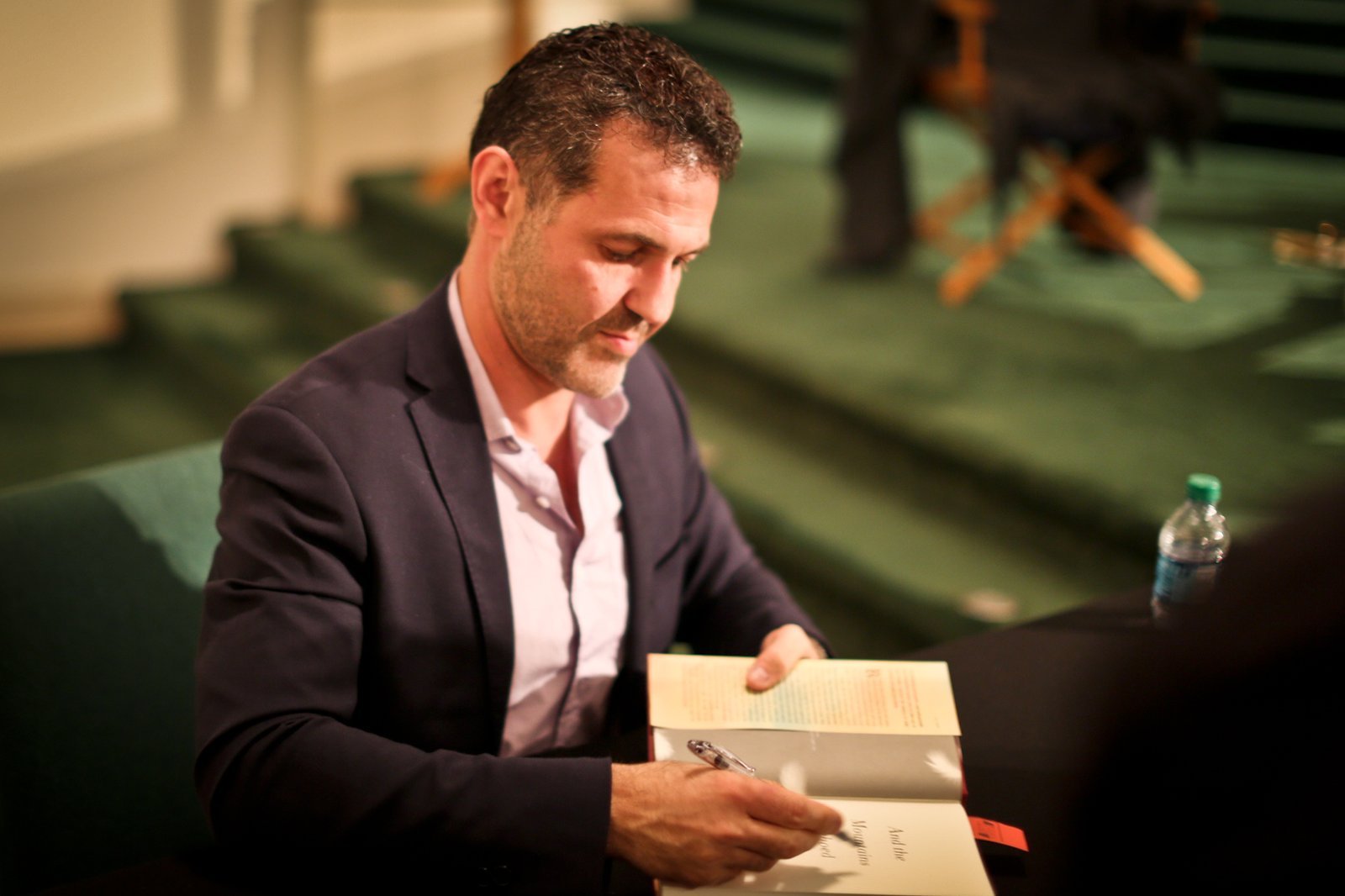
Hosseini was a practicing physician in California when he wrote The Kite Runner, a surprise hit that illuminated Afghanistan’s tortured history through the powerful story of two boys. Here’s what makes this debut so remarkable. It took an entire country’s complex political nightmare and made it personal, intimate, devastatingly human. You don’t need to understand the intricacies of Afghan politics to be gutted by the story of Amir and Hassan.
The novel sold more than 10 million copies in the U.S., and Hosseini has since published two other bestsellers. The book became a cultural phenomenon partly because Hosseini refused to make anything easy for his protagonist or his readers. Redemption in this novel is hard-won and complicated. It mirrors real life in ways that prettier stories simply cannot. The friendship at the heart of The Kite Runner feels so authentic that readers across the world recognized themselves in it, despite never having flown a kite in Kabul.
The Tiger’s Wife by Téa Obreht
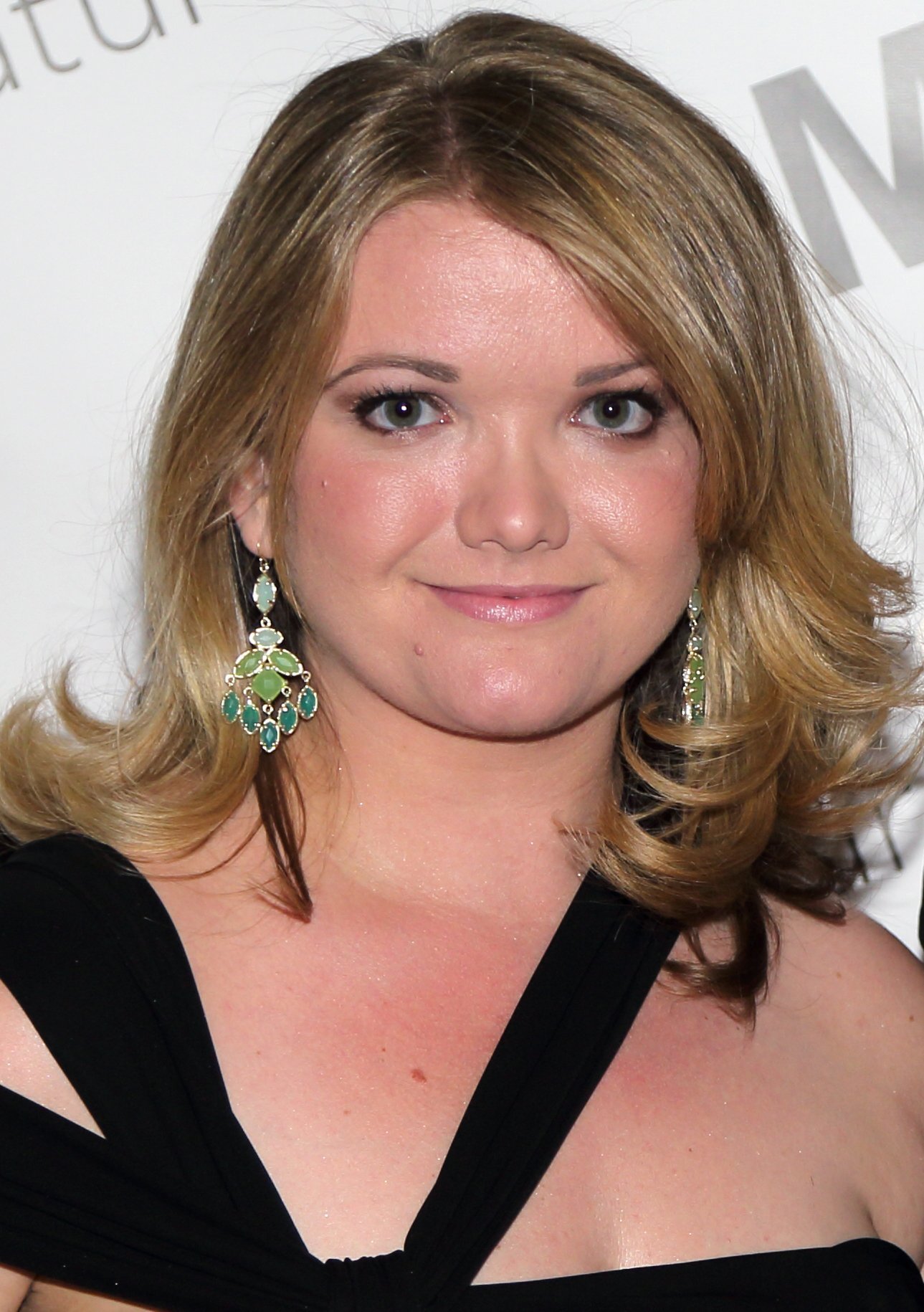
It’s easy to forget, reading The Tiger’s Wife, that Obreht was only 25 when it was published in 2011, when she became the youngest-ever winner of the UK’s Orange Prize. Twenty-five. Let that sink in for a moment. Most of us are still figuring out how to file taxes at that age.
This debut is so ambitious, so assured, and so richly textured that it feels like something that could only come from decades of toil, an astonishing book for a writer of any age, half fable, half gritty portrait of an unnamed Balkan country recovering from civil war. The novel weaves together the narrator Natalia’s present with her grandfather’s mysterious past, blending mythology with the harsh realities of conflict. It is a novel about story, and about family, two things that inform and describe one another. The prose feels timeless, as though Obreht channeled something ancient while writing about very modern horrors.
The Sympathizer by Viet Thanh Nguyen
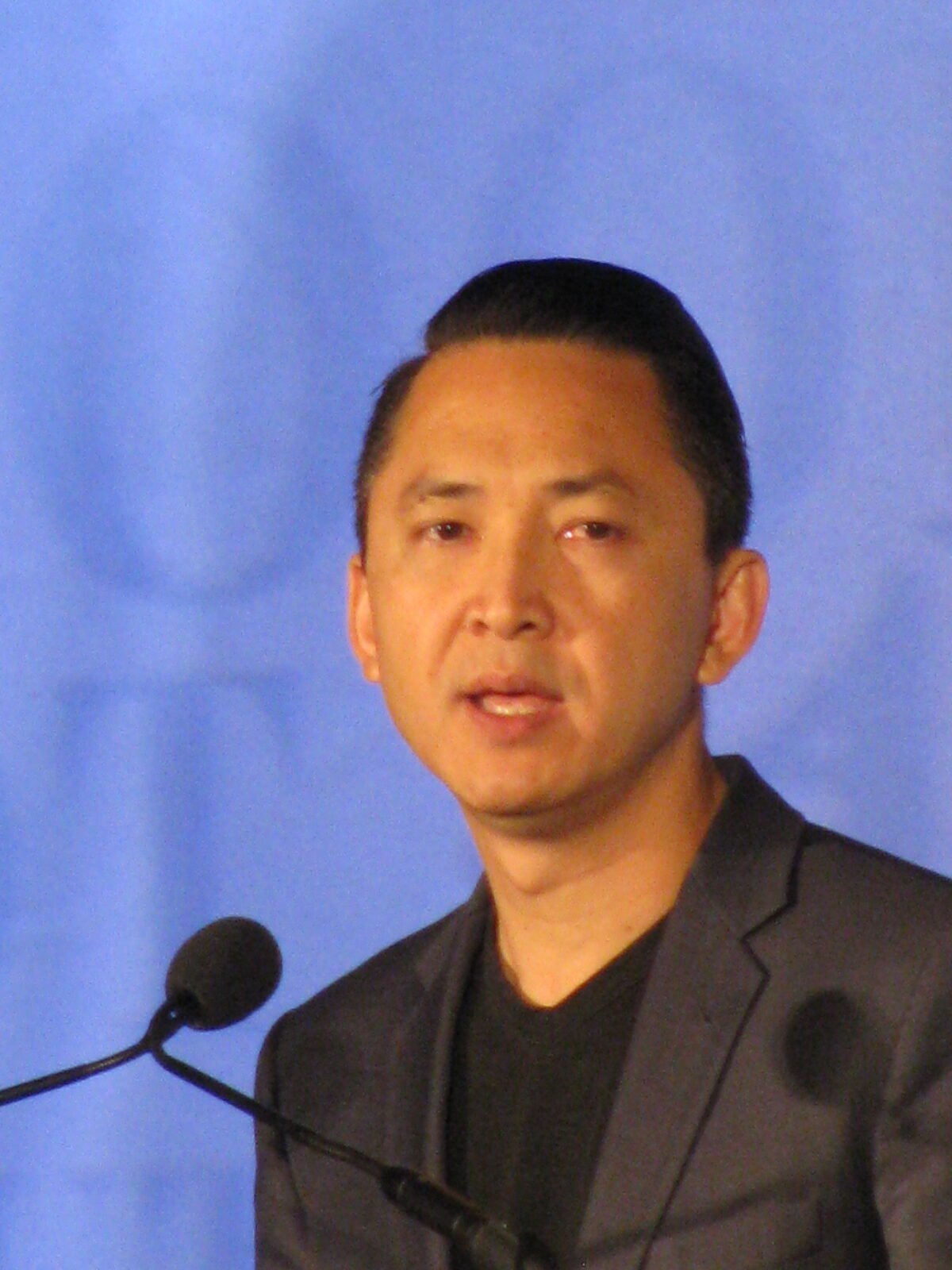
The Center for Fiction 2015 First Novel Prize was awarded to Viet Thanh Nguyen for his debut novel The Sympathizer. This book is a spy thriller, a war novel, a dark comedy, and a searing political commentary all wrapped into one. The unnamed narrator is a communist double agent embedded in the South Vietnamese army who flees to America after the fall of Saigon. Sound complicated? It is, brilliantly so.
Nguyen doesn’t just tell you about the Vietnam War from the other side. He dismantles every comfortable narrative Americans have built about that conflict and about refugees in general. The prose crackles with intelligence and rage and unexpected humor. It’s the kind of debut that makes other writers put down their pens in despair because how can anyone compete with this? The novel also won the Pulitzer Prize for Fiction, proving that sometimes debut novelists come out swinging harder than writers who’ve been at it for decades.
Everything I Never Told You by Celeste Ng
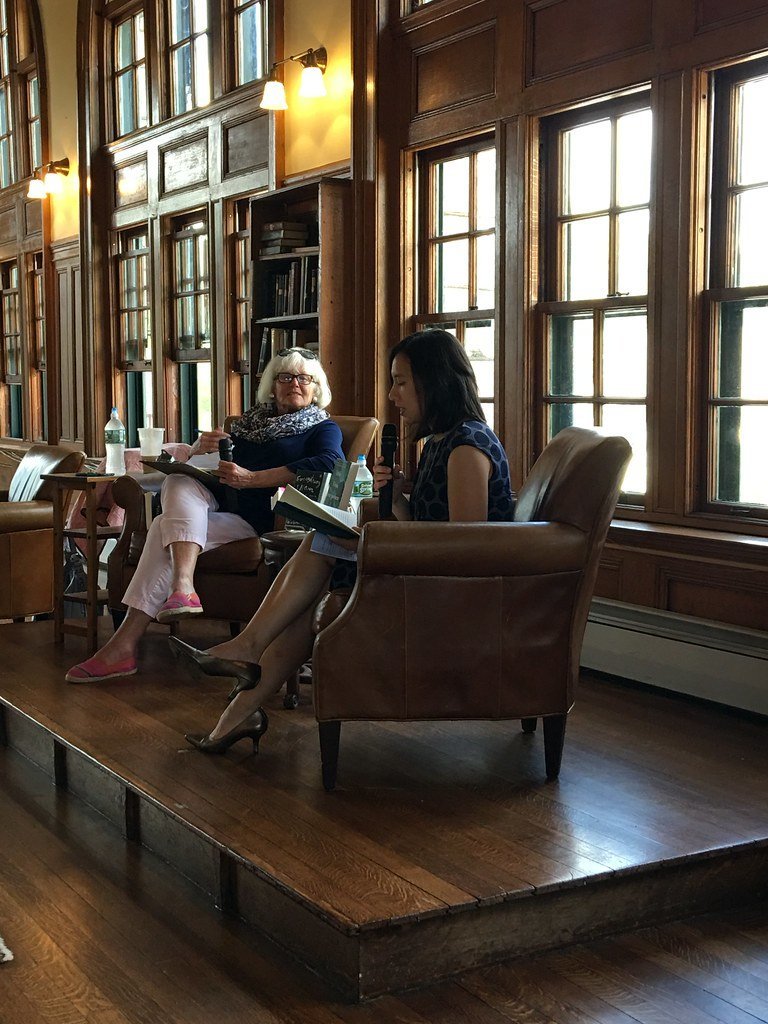
This quietly devastating debut begins with a single line that hooks you instantly. A girl is found dead in a lake, and from there Ng unravels the story of a Chinese-American family in the 1970s dealing with grief, secrets, and the weight of parental expectations. It’s a mystery in structure but a family drama at heart.
Ng has this incredible ability to make you understand every character’s perspective, even when they’re making terrible choices. You feel for the parents who project their unfulfilled dreams onto their daughter. You ache for the siblings left behind. The book captures something essential about being the child of immigrants, about being different in a place that demands conformity. It’s a slim novel that packs the emotional punch of something three times its length. The way Ng handles race, identity, and family dysfunction feels bracingly honest without ever becoming preachy.
There There by Tommy Orange
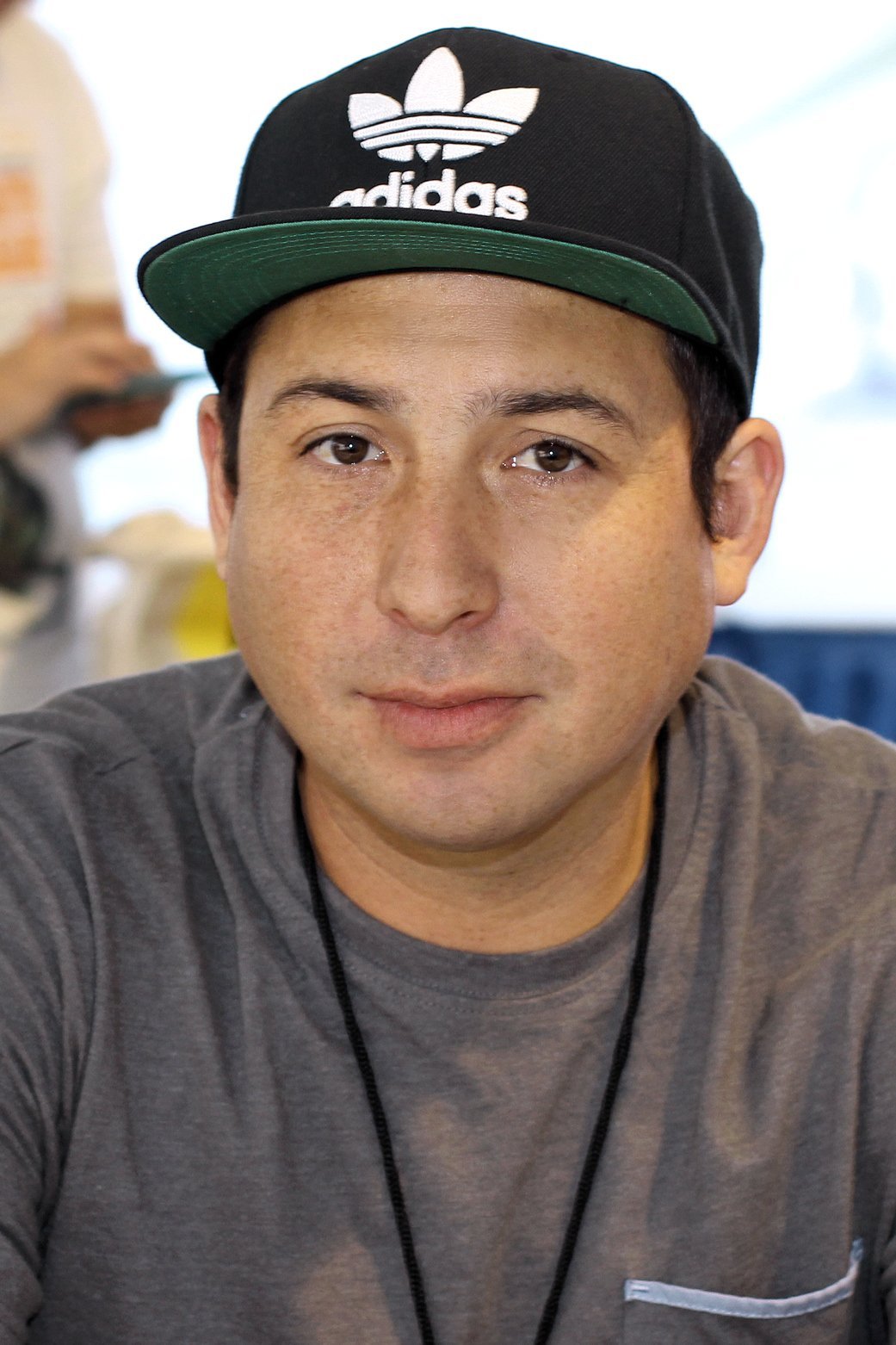
The Center for Fiction 2018 First Novel Prize was awarded to Tommy Orange for his debut novel There There. Orange wrote a book about urban Native Americans preparing to attend a powwow in Oakland, California, and in doing so, he shattered every stereotype about Indigenous people that Hollywood and bad literature had spent centuries building.
The novel follows a dozen characters whose lives intersect in unexpected and sometimes tragic ways. Orange writes with a rawness that feels almost dangerous, like he’s letting you see things you’re not supposed to see. He tackles addiction, poverty, violence, and the long shadow of historical trauma without flinching. Yet the book is also funny and tender and deeply human. His characters aren’t symbols or victims. They’re fully realized people trying to survive in a country that would prefer to forget they exist. The structure is ambitious, the voice is distinctive, and the impact is unforgettable.
Luster by Raven Leilani
Raven Leilani received The Center for Fiction 2020 First Novel Prize for Luster. This debut novel is sharp enough to draw blood. It follows Edie, a young Black woman stumbling through her twenties in New York, making bad decisions about men and struggling to keep her art alive while working a soul-crushing office job.
She is clocking in and out of her admin job, making a series of inappropriate sexual choices, and also haltingly, fitfully giving heat and air to the art that simmers inside her, before she meets Eric, a digital archivist with a family in New Jersey, including an autopsist wife who has agreed to an open marriage with rules. Things get messy, as they inevitably do. Leilani’s prose is electric and unsparing. She writes about race, sex, class, and creative ambition with a frankness that feels revolutionary. The book refuses to make Edie likable in any conventional sense, which makes her feel startlingly real.
Homegoing by Yaa Gyasi
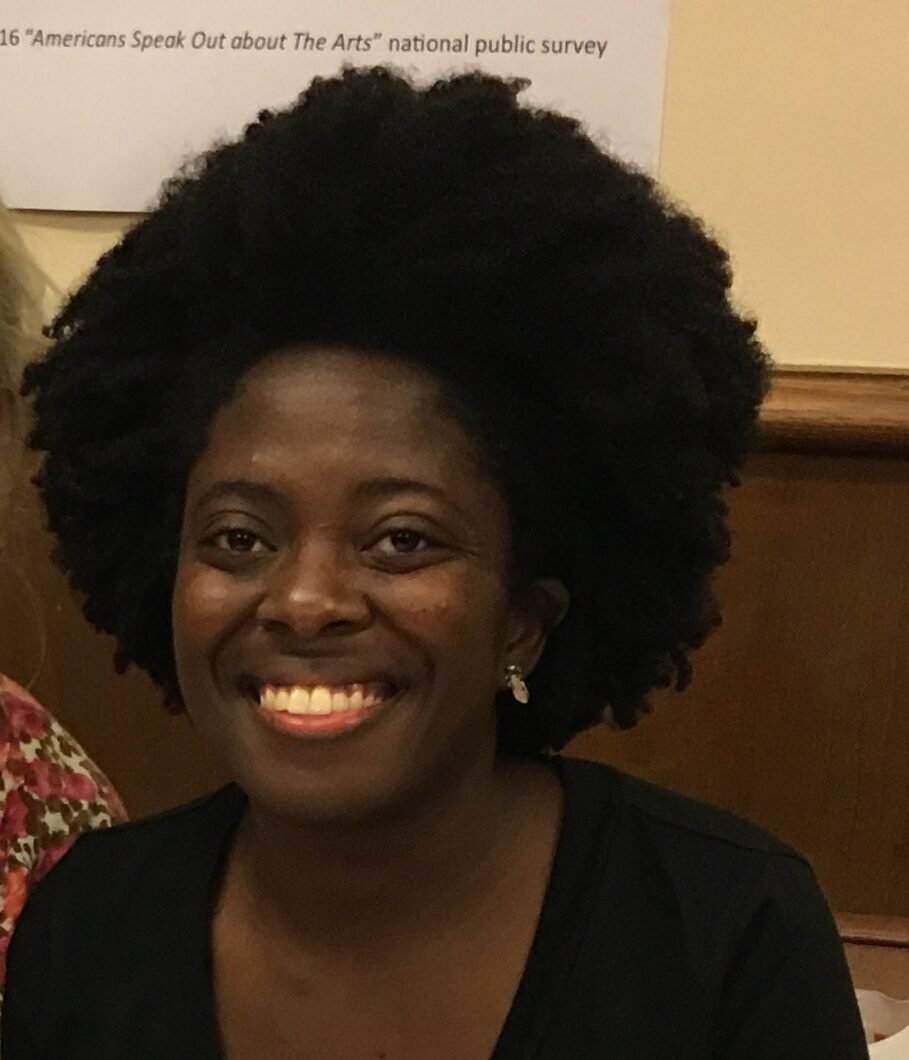
Homegoing follows the parallel paths of sisters and their descendants through eight generations from the Gold Coast to the plantations of Mississippi, from the American Civil War to Jazz Age Harlem, and Gyasi’s extraordinary novel illuminates slavery’s troubled legacy both for those who were taken and those who stayed. The scope of this debut is staggering. Most writers spend entire careers building up to something this ambitious.
Gyasi traces two family lines across centuries and continents, showing how the trauma of slavery echoes through generations in different ways. Each chapter follows a different descendant, and somehow Gyasi makes every single one of them vivid and memorable despite having only a few pages to work with. The book is a masterclass in structure and in empathy. It shows us that history isn’t something that happened back then to other people. It’s alive in our bodies, our fears, our patterns. Published in 2016, Homegoing announced Gyasi as a major talent and gave readers a new way to understand the African diaspora.
The Goldfinch by Donna Tartt
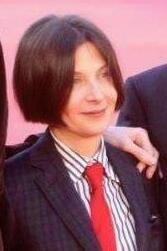
The first hundred or so pages of The Goldfinch are, arguably, some of the best first hundred pages of a book ever, as we meet the tween protagonist, Theo Decker, when he is about to be at the center of a massive terror attack at New York’s Metropolitan Museum of Art, killing his mom and destroying his life. Okay, technically this is Tartt’s third novel, but let’s be real. It came out more than a decade after her previous book, and it reads like the work of someone reinventing herself completely.
The prose is vivid and compelling, it’s a page-turner without the glaring, manipulative tricks, and early 2000s New York is painted lovingly and accurately. The novel follows Theo as he grows up haunted by the bombing and in possession of a stolen Dutch masterpiece. It’s a crime novel, an art history thesis, an LGBTQ coming-of-age story, and a meditation on toxic masculinity all wrapped up in 976 pages. Yes, it’s long. Yes, it has flaws. Yet it’s also utterly absorbing, the kind of book that takes over your life while you’re reading it.
Station Eleven by Emily St. John Mandel
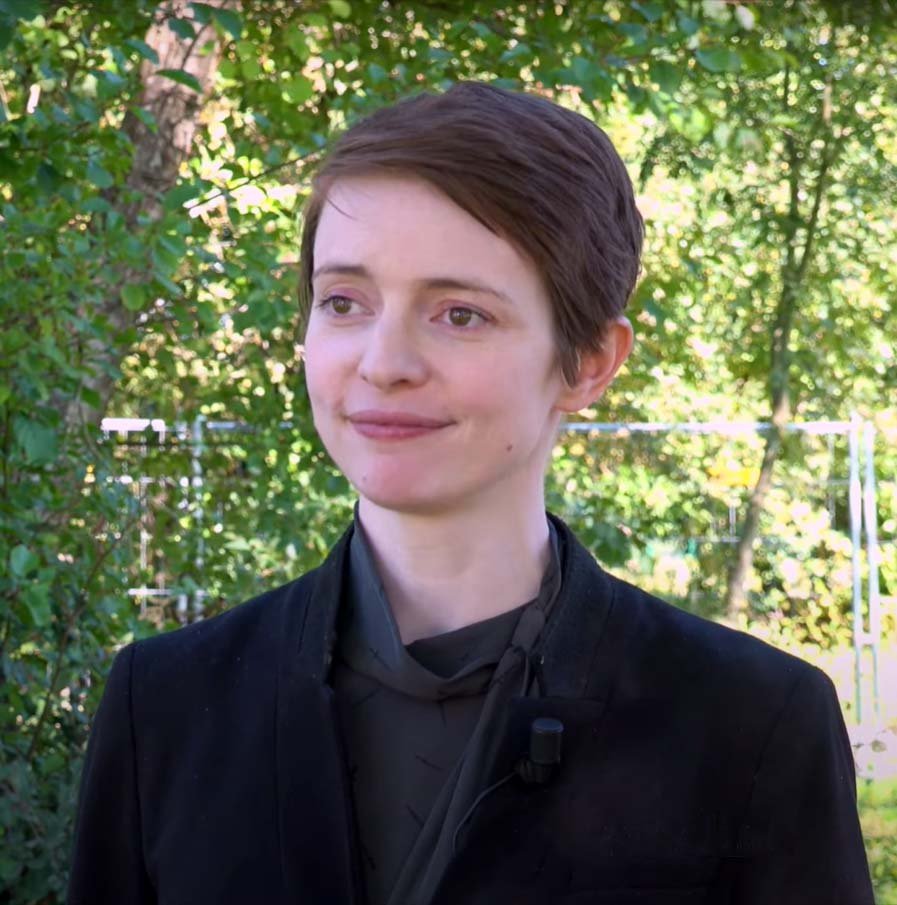
Emily St. John Mandel’s debut, Last Night in Montreal, was followed by Station Eleven, and Lilia has been leaving people behind her entire life, moving from city to city, and it’s gorgeously written, charged with tension and foreboding, a novel about identity, love and amnesia, the depths and limits of family bonds and the nature of obsession. Station Eleven is technically her fourth novel, yet it reads like a debut in its freshness and ambition.
When read for the first time on a plane, Station Eleven proved riveting from the first page. The book opens with an actor dying onstage during a production of King Lear, moments before a deadly flu pandemic wipes out most of humanity. From there, Mandel weaves between the time before and after the collapse, following a traveling theater troupe performing Shakespeare in scattered settlements. It’s a post-apocalyptic novel that focuses on what makes us human, on art and memory and connection. The book is haunting and oddly hopeful, proving that a story about the end of civilization can also be about what we refuse to let die.
The Brief Wondrous Life of Oscar Wao by Junot Díaz
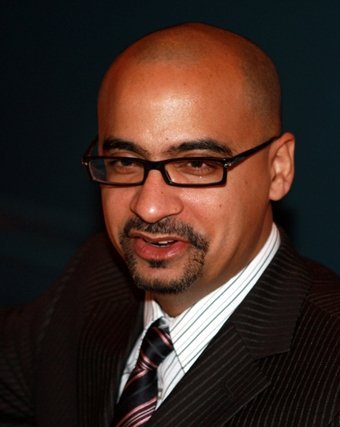
This novel tells the story of Oscar de Leon, an overweight Dominican boy growing up in New Jersey who is obsessed with science fiction, fantasy novels, and falling in love, but is perpetually unlucky in his romantic endeavors, while the narrative explores the lives of his family members, each affected by the curse that has plagued their family for generations, blending magical realism and historical fiction, providing a detailed account of the brutal Trujillo regime in the Dominican Republic.
Díaz writes in a voice unlike anything else in contemporary literature. He mixes Spanish and English, high and low culture, sci-fi references and Dominican history, profanity and tenderness. Oscar is a nerd, a romantic, a dreamer in a family and culture that values machismo above all else. The book is hilarious and heartbreaking, often in the same sentence. Díaz doesn’t just tell you about dictatorship and diaspora. He makes you feel the weight of history on individual lives. The novel won the Pulitzer Prize and made Díaz one of the most celebrated voices of his generation.
The Five Wounds by Kirstin Valdez Quade
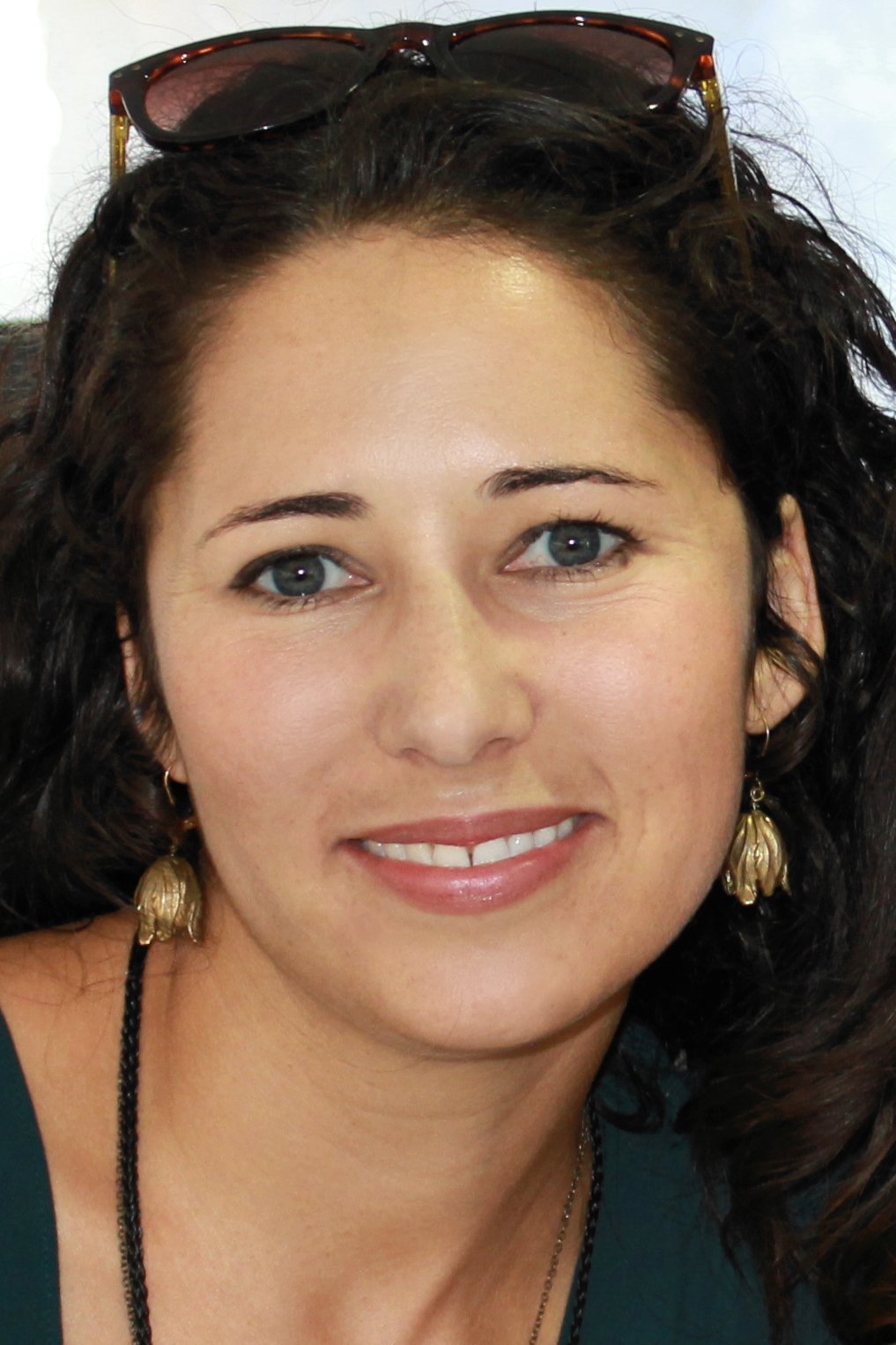
The Five Wounds is a miraculous debut novel from a writer whose stories have been hailed as legitimate masterpieces, as Quade conjures characters that will linger long after the final page, bringing to life their struggles to parent children they may not be equipped to save. Kirstin Valdez Quade received The Center for Fiction 2021 First Novel Prize for The Five Wounds.
It’s Holy Week in the small town of Las Penas, New Mexico, and thirty-three-year-old unemployed Amadeo Padilla has been given the part of Jesus in the Good Friday procession, preparing feverishly for this role when his fifteen-year-old daughter Angel shows up pregnant on his doorstep and disrupts his plans for personal redemption. Quade writes about faith, failure, and family with enormous compassion. Her characters are messy and flawed and trying their best in circumstances that would break most people. The novel is set in a New Mexican community that rarely gets centered in literary fiction, and Quade renders it with such specificity and love that it becomes unforgettable.
We Are a Haunting by Tyriek White

The Center for Fiction 2023 First Novel Prize was awarded to Tyriek White for his debut novel We Are a Haunting. The structure of We Are a Haunting is inventive; the switching of viewpoints makes it feel like an extended conversation between Colly and Key, and White’s characters are masterfully drawn, and his use of language is brilliant.
This novel explores Black life in New York City across generations, blending realism with elements of the supernatural. White writes about housing displacement, family trauma, and the ghosts that haunt both individuals and entire communities. The prose is lyrical without being precious, grounded in the specific rhythms and textures of New York. What makes this debut so powerful is White’s ability to show how historical injustices shape present-day lives in concrete, material ways. The book feels urgent and necessary, a story about survival and memory and the ways we carry our ancestors with us.
Night of the Living Rez by Morgan Talty
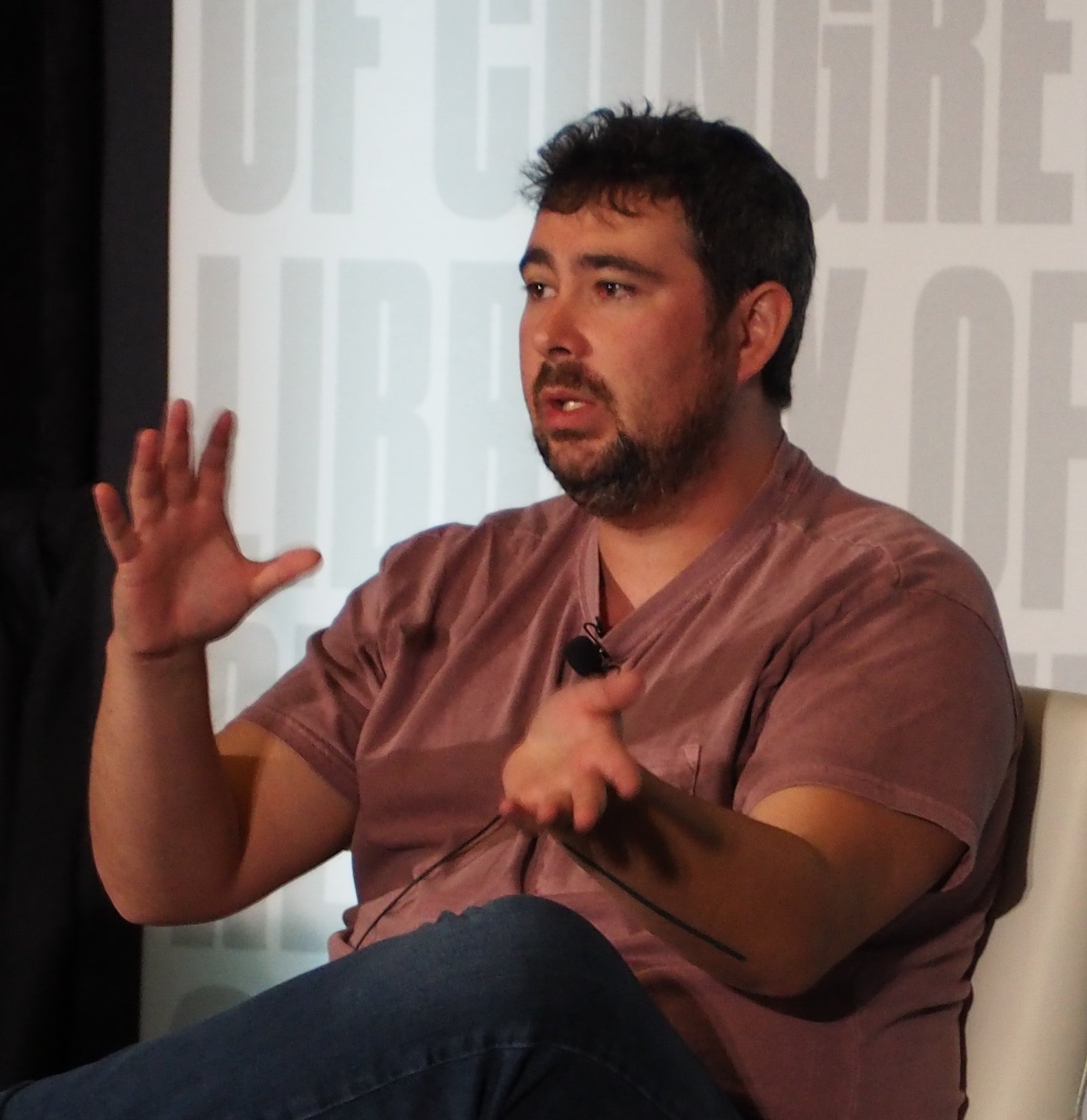
Talty depicts the relationship between David and Paige perfectly, the siblings clearly care for each other beneath the bickering and the long periods when they don’t see each other, and the story ends with both mother and son experiencing terrifying medical emergencies, nearly excruciating to read, but undeniably powerful, and, in its own way, beautiful, as Talty’s prose is flawless throughout; he writes with a straightforward leanness that will likely appeal to admirers of Thom Jones or Denis Johnson, yet his style is all his own, as is his immense sense of compassion.
This collection of interlinked stories follows David, a young man growing up on a Penobscot reservation in Maine. Technically a story collection, it reads like a novel, tracing David’s life as he navigates addiction, poverty, family dysfunction, and the everyday realities of reservation life. Talty refuses to romanticize or explain. He simply shows you this world and these people with clear-eyed honesty. The stories are devastating and darkly funny, full of moments that will stay with you long after you finish. Talty emerged as one of the most exciting new voices in Native American literature with this debut.
The Remains of the Day by Kazuo Ishiguro

Wait, this isn’t a 21st-century novel, you’re thinking. You’re right. Yet it deserves mention because Ishiguro’s debut, A Pale View of Hills, set the stage for one of the most important literary careers of our time. His restrained prose, his exploration of memory and regret, his ability to show enormous emotional depths beneath calm surfaces, all of that started with his first novels. Looking at debuts means looking at where great writers begin. Sometimes the seeds of everything they’ll accomplish are already visible in those early pages.
Americanah by Chimamanda Ngozi Adichie
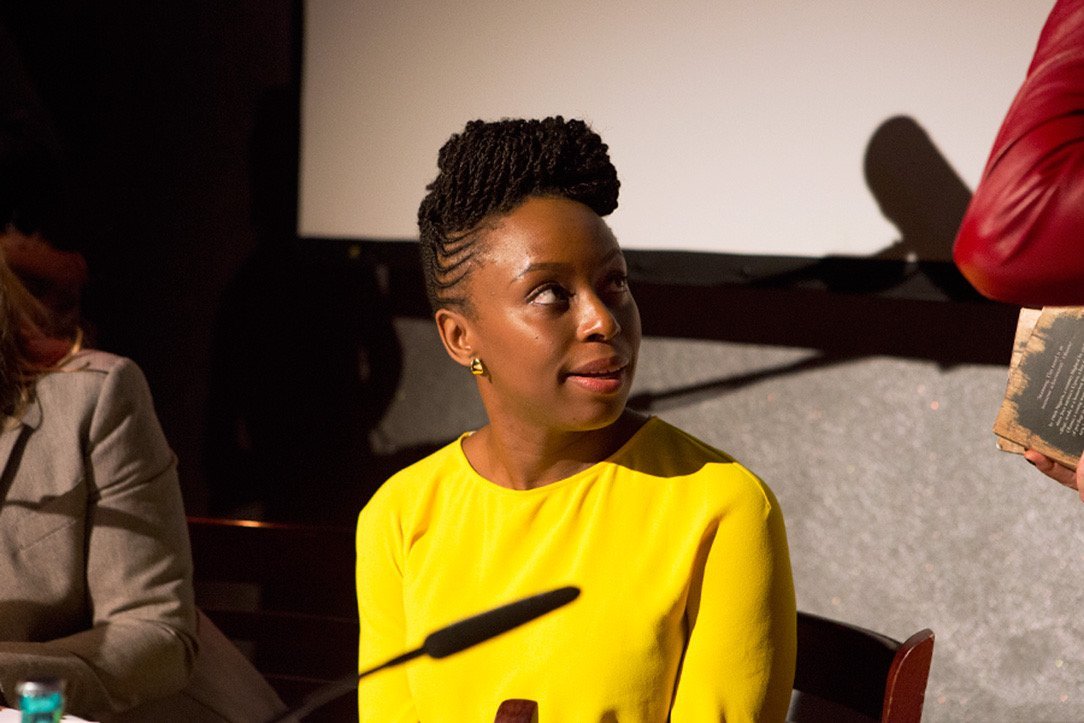
A literary prodigy who published her first book, Purple Hibiscus, at age 25, Chimamanda Ngozi Adichie cemented her place as one of her generation’s greatest novelists with Americanah. Purple Hibiscus, her debut, introduced readers to Adichie’s gift for portraying complex family dynamics against the backdrop of political turmoil in Nigeria. The novel follows fifteen-year-old Kambili as her world expands beyond her wealthy but abusive father’s control.
Adichie writes about colonialism, religion, and domestic violence with a delicate touch that never diminishes their impact. Her prose is elegant but never showy, always in service of the story and characters. The book showed a writer in full command of her powers from the very first page. While Americanah became her most famous work, Purple Hibiscus remains a masterpiece of restraint and emotional precision. It launched Adichie as a major literary voice and paved the way for her to become one of the most important public intellectuals of our time.
Lincoln in the Bardo by George Saunders

George Saunders’ Booker Prize–winning debut novel is a bold, strange, and surprisingly moving take on grief, history, and the afterlife, set in a Washington cemetery over the course of a single night in 1862, centering on Abraham Lincoln’s real-life visit to the crypt of his young son, Willie. Saunders spent decades as a master of the short story before publishing this, his first novel, in his late fifties.
The story is told through a chorus of ghostly voices, some heartbreaking, some hilarious, who are stuck in limbo, mixing historical fact with surreal fiction. The format is experimental, reading almost like a play with its fragmented voices. Yet it works beautifully, creating a collective portrait of grief and love and what we leave behind. It is one of the most original and cemented Saunders as one of the most important voices in contemporary American fiction.
What Makes These Debuts Matter
Something unites all these wildly different books. They take risks. They refuse to play it safe or write the kind of novel that creative writing workshops traditionally reward. First novelists often have nothing to lose, which paradoxically gives them everything. They haven’t been told yet what’s commercially viable or what critics expect. They’re writing the books that demand to be written, not the books that are supposed to follow successful careers.
Many of these debuts tackle subjects that mainstream literature has historically ignored or misrepresented. They give voice to experiences and communities that rarely get centered in literary fiction. They experiment with form and language in ways that expand what novels can do. Looking at this list, you see the incredible diversity of 21st-century literature, proof that the novel as a form is alive and constantly reinventing itself. These writers didn’t wait for permission or validation. They simply wrote the books only they could write.
Every year brings new debuts that will matter, that will shift how we see the world and what stories we tell about it. Reading debut novels means catching writers at their most fearless and hungry. It means watching someone announce themselves to the world and stake their claim. These books remind us why we read in the first place, for that electric feeling of discovering a new voice that speaks directly to something we didn’t know we needed to hear.
Did any of these surprise you? Which debuts have changed the way you think about storytelling?

Christian Wiedeck, all the way from Germany, loves music festivals, especially in the USA. His articles bring the excitement of these events to readers worldwide.
For any feedback please reach out to info@festivalinside.com
