


For any feedback please reach out to info@festivalinside.com
- 10 Music Videos That Changed How We See the Song - September 20, 2026
- 20 Books That Went Viral Before Going to Print - September 20, 2026
- Top 10 Movie Soundtracks of All Time - September 20, 2026
Music shapes us in ways we often don’t realize until we’re decades deep into our listening lives. There’s something profound about hitting that fourth decade mark that makes you reflect on the soundtracks that have defined your existence so far. While tastes are deeply personal and no two music collections will ever look identical, certain albums transcend individual preference to become essential listening experiences.
These aren’t just records that sound good or happen to be popular. They’re the ones that fundamentally changed how music could be made, heard, or understood. They represent pivotal moments in cultural history, technical innovation, and artistic expression. Whether you discovered them during your formative years or you’re just catching up now, these ten albums deserve space in your consciousness before you officially enter your forties. Let’s dive into the records that have earned their place in the canon of essential listening.
The Beatles – Revolver (1966)
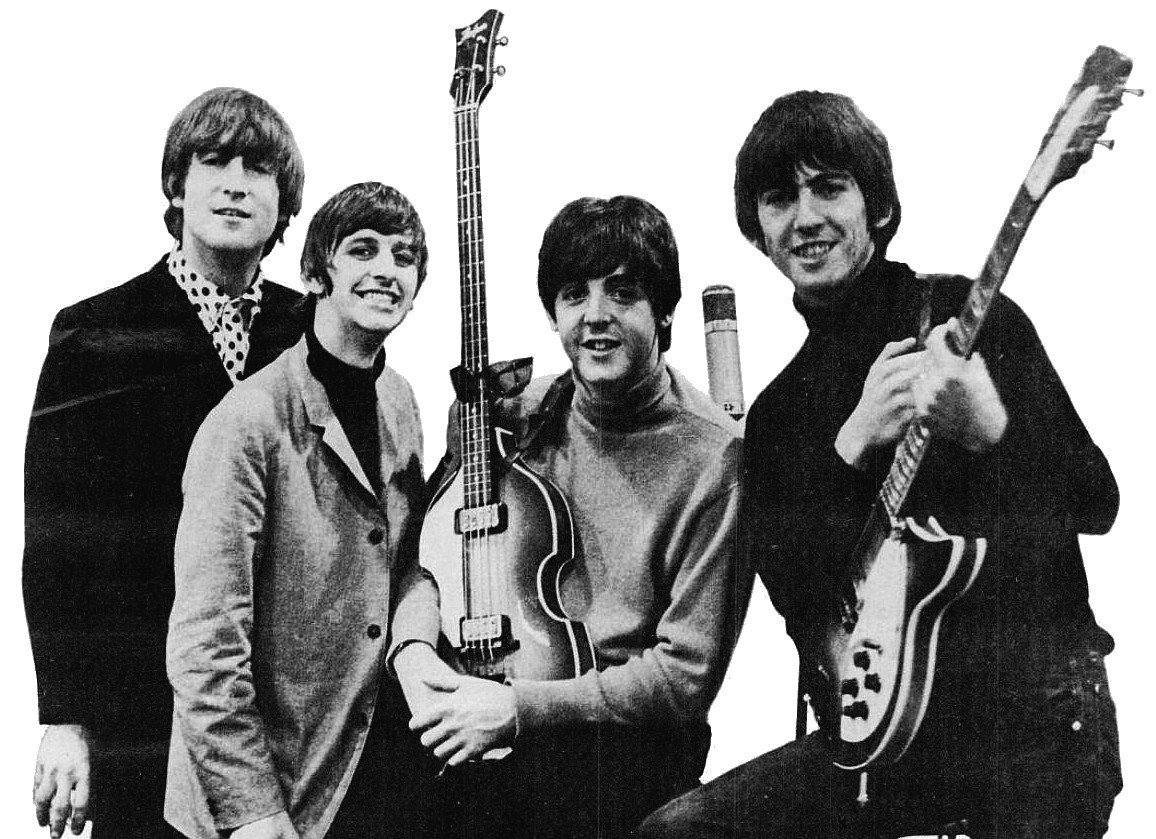
Here’s the thing about Revolver: it caught The Beatles at the exact moment they stopped being just a pop band and started becoming something entirely unprecedented. Hailed as one of the most innovative albums in popular music, Revolver reflects the band’s changing philosophy and increasingly psychedelic tendencies. The album’s use of automatic double-tracking, close audio miking and reversed tapes make it truly shine on vinyl. This is where the Fab Four abandoned the screaming crowds and dove headfirst into studio experimentation.
Every track on Revolver feels like a small revolution. “Tomorrow Never Knows” literally introduced backwards recordings and tape loops to rock music, while “Eleanor Rigby” proved that a pop song could tell a devastating story with nothing but strings and vocals. George Harrison’s sitar on “Love You To” wasn’t just exotic instrumentation; it was cultural bridge-building through music. The album sounds like four musicians who suddenly realized they could do absolutely anything.
What makes Revolver essential isn’t just its historical significance, though that’s undeniable. It’s the way these songs still feel adventurous and strange nearly sixty years later. Paul McCartney’s bass lines sound like they’re alive, Ringo’s drumming becomes genuinely creative, and John Lennon’s lyrics start getting properly weird. This is the moment The Beatles became The Beatles we remember today.
If you’ve only heard their singles, Revolver will rewire your understanding of what pop music can accomplish. It’s ambitious without being pretentious, experimental without losing its humanity. No other band has ever managed to be this innovative while remaining this listenable.
Miles Davis – Kind of Blue (1959)
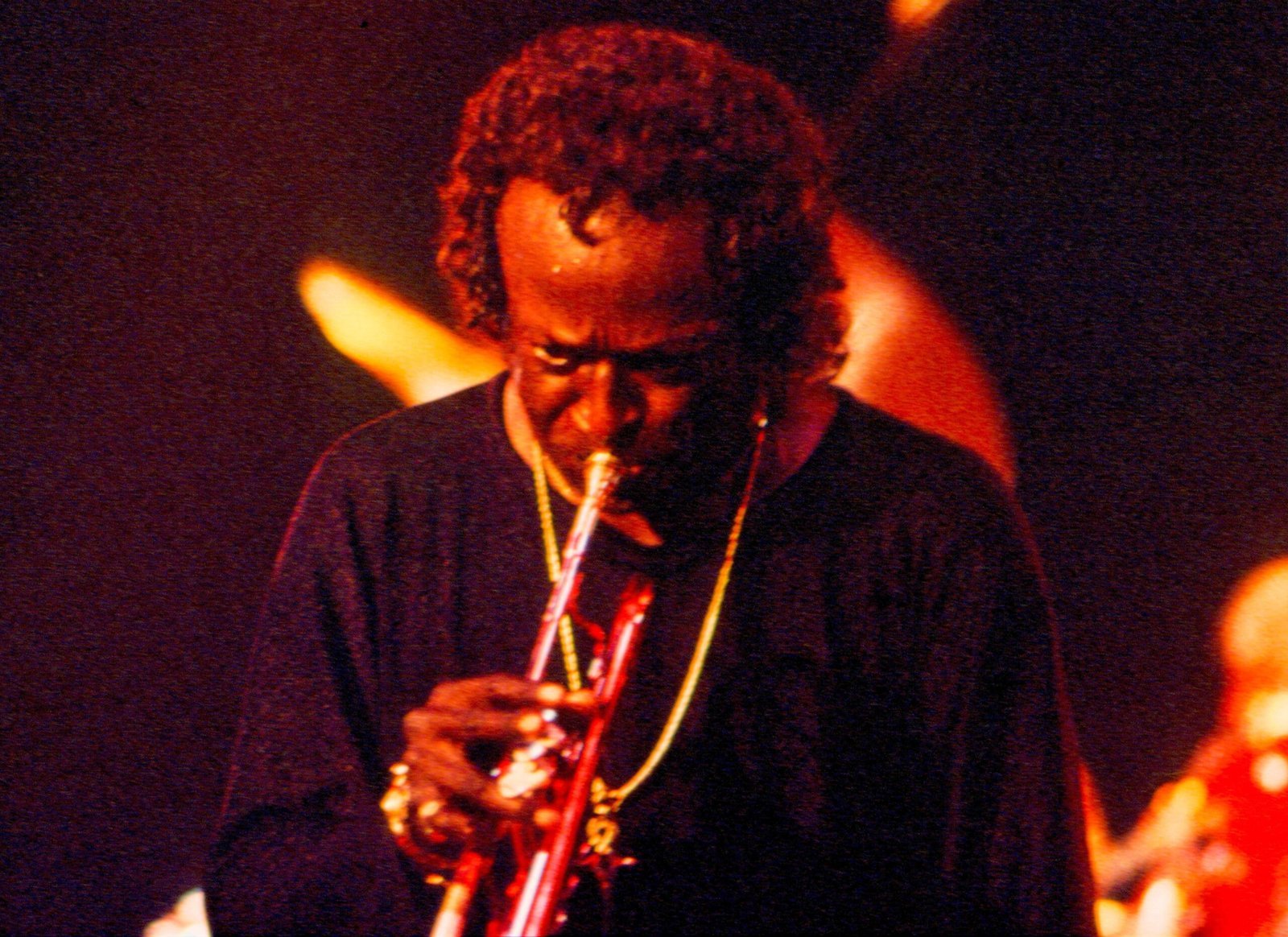
Frequently cited as the greatest jazz record ever made, Kind of Blue is one of the most influential albums across all genres. It introduced modal jazz improvisation, and musicians used minimal takes and no overdubs. This album doesn’t just represent a pinnacle of jazz achievement; it’s a masterclass in musical conversation and spontaneous creation that continues to influence musicians across every conceivable genre.
The recording process itself was revolutionary. Davis presented his musicians with basic modal scales rather than complex chord progressions, giving them unprecedented freedom to explore. On high-resolution systems, you can actually sense the spatial positioning of each musician in the studio. Miles’ trumpet, Coltrane’s saxophone, Bill Evans’ piano – each instrument keeps its unique character. The recording captures subtle details like breath sounds and saxophone key clicks, making the music come alive. It’s like eavesdropping on a conversation between musical geniuses.
What strikes most listeners immediately is how relaxed everything sounds, despite being incredibly sophisticated. John Coltrane’s solos breathe with natural rhythm, Bill Evans’ piano work creates perfect spaces for everyone else to inhabit, and Davis himself plays with a restraint that somehow makes every note more powerful. The album flows like a single piece of music, each track seamlessly connected to the next.
Even if you think you don’t like jazz, Kind of Blue will change your mind. It’s as accessible as it is complex, as emotional as it is intellectual. This is music that teaches you how to listen more carefully to everything else you’ll ever hear. Trust me, your musical vocabulary will expand just by absorbing these five tracks.
Pink Floyd – The Dark Side of the Moon (1973)

The Dark Side of the Moon revolutionized the studio production process. But calling this album innovative undersells what Pink Floyd actually accomplished here. They created what might be the most cohesive listening experience in rock history, an album that functions as both a technical marvel and an emotional journey through themes of mortality, madness, and money.
Every element serves the whole. The heartbeat that opens and closes the album literally makes it feel alive. The cash registers and ticking clocks aren’t just sound effects; they’re integral parts of the musical architecture. Roger Waters’ conceptual framework gives the entire experience weight, while David Gilmour’s guitar work provides some of the most memorable solos ever recorded. “Time” alone contains enough musical ideas for most bands’ entire careers.
What makes this album essential isn’t just its ambition, though it’s certainly ambitious. It’s how perfectly everything works together. The synthesizer work, the saxophone, the backing vocals, even the spaces between songs; nothing feels accidental or excessive. This is prog rock at its most accessible and pop music at its most adventurous. The production still sounds impossibly clear and spacious nearly fifty years later.
I don’t care if you have 500+ records, but if you don’t have Dark Side of the Moon, you’re not a real vinyl collector. That might sound like gatekeeping, yet there’s truth there. This album represents a peak of what recorded music can achieve when vision, talent, and technology align perfectly. It’s an experience every serious music lover needs to have.
Stevie Wonder – Songs in the Key of Life (1976)
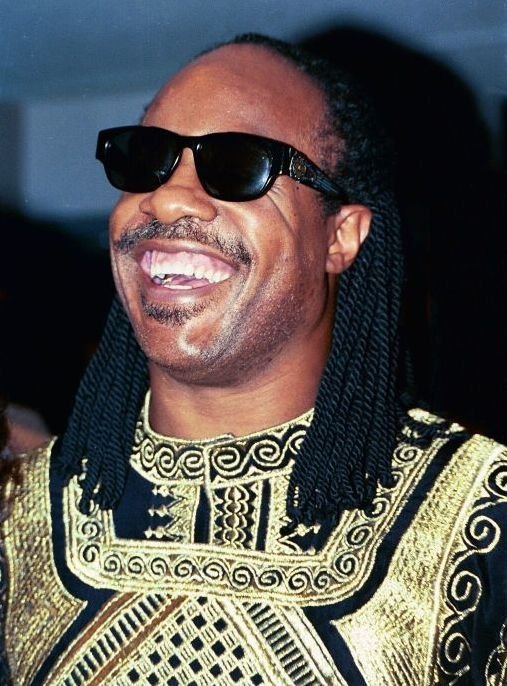
Stevie Wonder brought pop to soul and created one of the greatest albums of a generation. With 17 studio albums already under his belt, he debuted his double album, Songs in the Key of Life, in 1976, which won a Grammy for Album of the Year. It is his most critically acclaimed and best-selling album ever recorded and has long been known as one of the most influential albums of all time.
This double album represents Wonder at the absolute height of his powers, both as a songwriter and as a one-man musical army. He played nearly every instrument, programmed the synthesizers, and composed some of the most sophisticated pop music ever created. “Sir Duke” pays tribute to jazz legends while remaining perfectly danceable. “Isn’t She Lovely” captures parental joy so perfectly it makes you smile whether you have kids or not.
The album’s scope is staggering. Wonder tackles love, social justice, spirituality, and celebration with equal skill and sincerity. “Black Man” addresses racial pride and history through infectious funk. “As” might be the most romantic song ever written. “I Wish” creates an entire world of childhood nostalgia in under four minutes. Each track could anchor its own album, yet they all work together seamlessly.
What elevates Songs in the Key of Life beyond technical virtuosity is its emotional range. Wonder can make you dance, cry, think, and celebrate, sometimes within the same song. This isn’t just great soul music or great pop music; it’s great music, period. By your forties, you’ll have experienced enough of life’s complexity to fully appreciate how perfectly Wonder captured the full spectrum of human experience.
Bob Dylan – Blood on the Tracks (1975)

As with the Beatles, the choice of most influential Bob Dylan album has been known to set off, shall we say, passionate arguments. This one is more of a two-sided war, the choice being between 1966’s Blonde On Blonde and 1975’s Blood on the Tracks. The decision here rested on which album contained the best single song, and “Simple Twist of Fate” fits that bill for me, with “Tangled Up in Blue,” “Idiot Wind,” and “Shelter from the Storm” not far behind. Although Dylan junked an early version of this record and re-cut it with a band of Minnesota musicians, it still rates as one of his finest collections of originals.
Blood on the Tracks catches Dylan at his most vulnerable and simultaneously his most skilled as a songwriter. Born from the dissolution of his marriage, these songs transform personal pain into universal art. “Tangled Up in Blue” tells its story from multiple perspectives and time frames, creating a narrative complexity that still amazes songwriters today. The album manages to be deeply personal without ever feeling self-indulgent.
Dylan’s voice, often polarizing, serves these songs perfectly. There’s a weariness and wisdom in his delivery that matches the material. “Shelter from the Storm” provides genuine comfort, while “Idiot Wind” unleashes fury with surgical precision. The folk-rock arrangements give the songs room to breathe without overwhelming Dylan’s storytelling, which remains the central focus throughout.
By the time you reach forty, you’ll likely have experienced enough heartbreak, confusion, and hard-won wisdom to fully connect with these songs. Blood on the Tracks doesn’t just document the end of a relationship; it explores how we make sense of our own narratives, how we tell ourselves stories to survive disappointment and change. It’s essential listening for anyone who’s ever had to rebuild their understanding of themselves.
Joni Mitchell – Blue (1971)
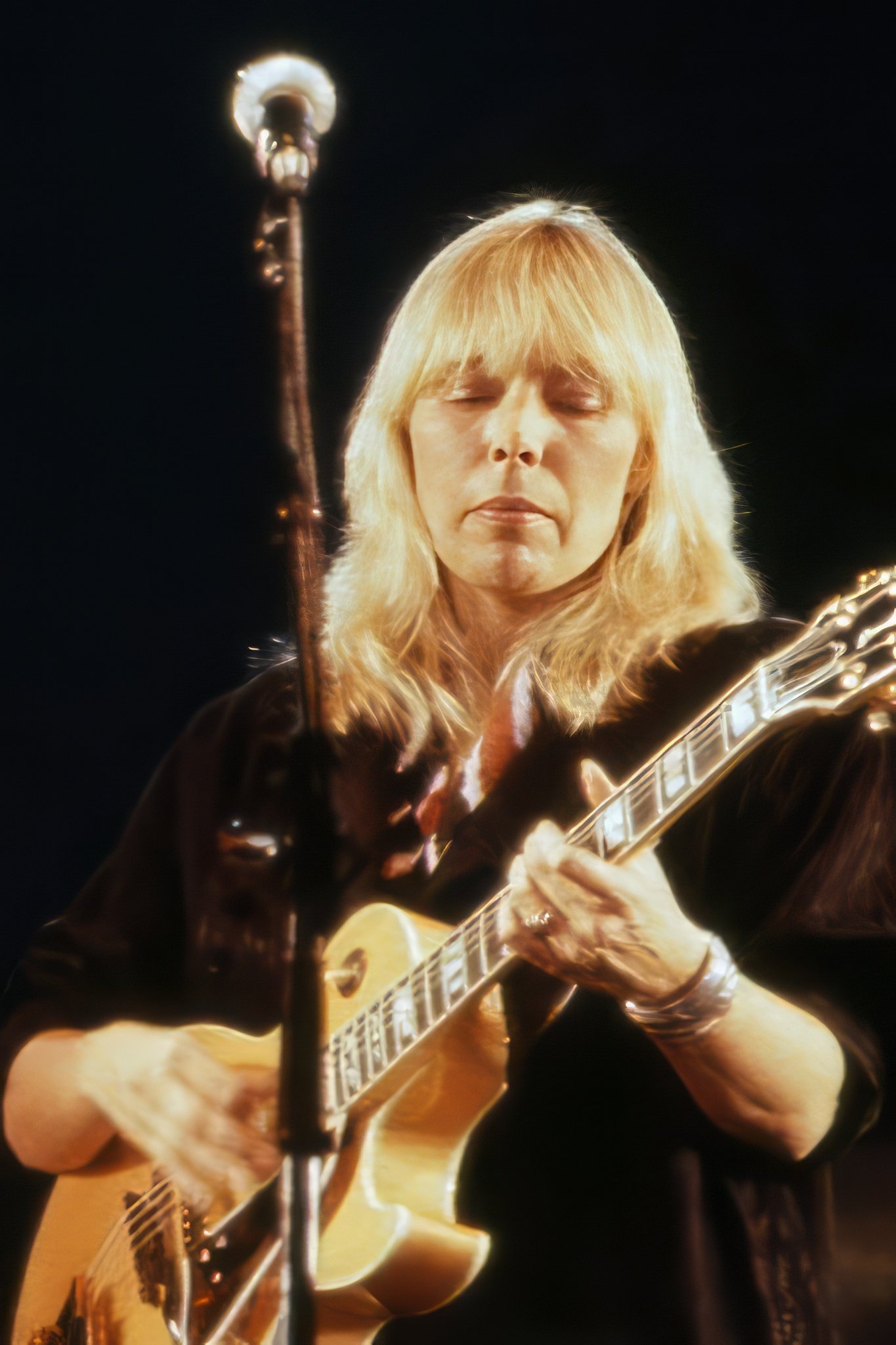
Blue represents one of the most fearlessly personal albums ever recorded. Mitchell strips away nearly all musical ornamentation, leaving her voice, her piano, and her unflinching honesty completely exposed. The result feels less like listening to an album and more like reading someone’s most private diary, if that diary happened to be written by one of the greatest songwriters of the twentieth century.
Every song on Blue contains entire emotional universes. “River” transforms Christmas melancholy into something transcendent. “A Case of You” captures romantic obsession with devastating accuracy. “Carey” finds joy and adventure in uncertainty. Mitchell’s voice moves through these songs like it’s discovering them for the first time, full of vulnerability and strength in equal measure. The guitar work is deceptively simple but perfectly chosen.
What makes Blue essential isn’t just Mitchell’s songwriting craft, though it’s exceptional. It’s her willingness to be completely unguarded in her art. This album influenced everyone from Prince to Taylor Swift, showing how personal specificity can create universal connection. The production, sparse as it is, lets every word and every note carry maximum emotional weight.
Blue teaches you that sometimes the most powerful music comes from the most minimal arrangements. Mitchell proves that acoustic guitar, piano, and total emotional honesty can be more impactful than full orchestras. By your forties, you’ll have accumulated enough life experience to fully appreciate both the courage and the skill required to be this vulnerable in public.
Michael Jackson – Thriller (1982)
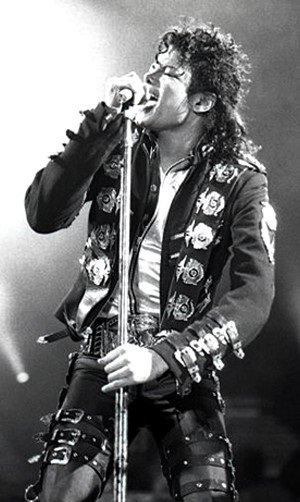
Still the best-selling album of all time, Michael Jackson was the King of Pop. Every song on the Thriller album is memorable and marked Jackson’s complete transition from child star to pop superstar. It became Jackson’s first number one album on the Billboard charts and produced seven hit singles. It’s won nearly every musical award possible and continues to be a fan favorite nearly 40 years later.
Seven Top 10 singles, 37 weeks at No.1, 12 Grammy nominations and eight wins, the Moonwalk, Vincent Price’s voiceover for the then-exorbitant $160,000 video of “Thriller,” MJ as the first black artist to be played to death on MTV…and 70 million copies sold. Thriller, the second of Michael Jackson’s projects with producer Quincy Jones, is the biggest-selling album in the history of the record business – a monster in terms of sales and cultural impact whose like pop music will probably never see again.
Thriller doesn’t just represent the peak of Jackson’s artistry; it represents the moment when pop music achieved total cultural dominance. Working with producer Quincy Jones, Jackson created an album that satisfied critics, moved bodies on dance floors, and dominated every possible commercial metric. “Billie Jean” alone redefined what bass lines could accomplish in pop music, while “Beat It” brought rock guitar into the mix without losing any funk.
The album’s success opened doors that had been firmly closed to Black artists. Jackson’s videos dominated MTV, his performances set new standards for live entertainment, and his crossover appeal helped break down industry segregation that had persisted for decades. Beyond its cultural impact, Thriller simply contains great songs performed with technical precision that still sounds flawless today.
The Velvet Underground & Nico (1967)
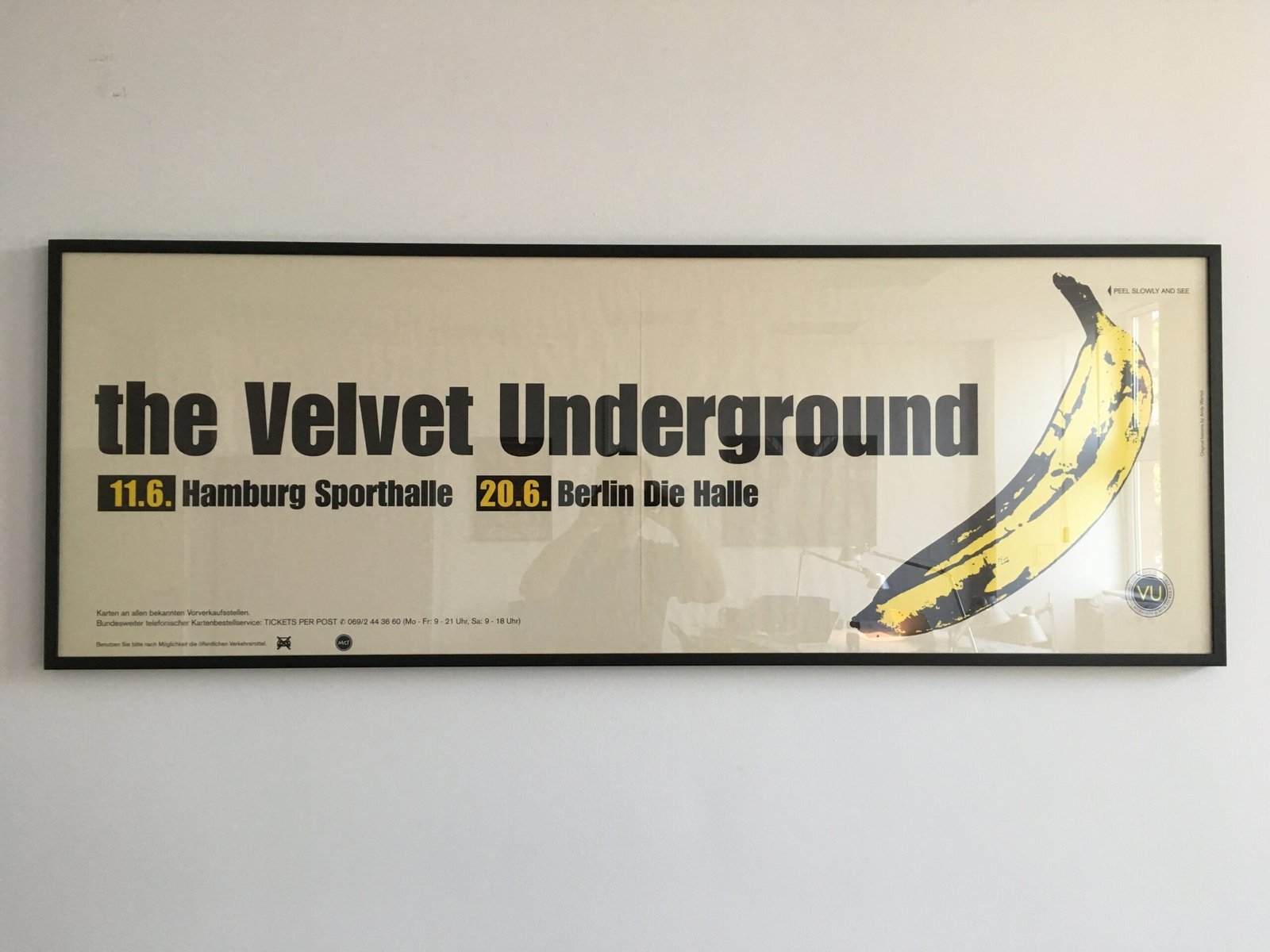
So what if the flower power of the previous two albums didn’t make a dent at Andy Warhol’s Factory, because the place had their own house band who was inverting the hippie music being made, stripped the soul from their music and used dark poetic lyrics to describe the urban decay of NYC at the time. Very few originally bought this album, but it has been said that everyone who did started their own similar-sounding bands.
While The Beatles were exploring psychedelia and The Rolling Stones were perfecting rock swagger, The Velvet Underground was creating something completely different: avant-garde art rock that sounded like it came from a parallel universe. Lou Reed’s songwriting combined street-level realism with literary sophistication, while John Cale’s classical training brought experimental techniques into rock context. Nico’s European detachment added another layer of strangeness.
Songs like “Heroin” and “Venus in Furs” addressed subjects that simply didn’t exist in popular music at the time. The album’s influence on punk, alternative rock, and indie music cannot be overstated. Every band that ever prioritized artistic vision over commercial appeal owes something to this record. The sound is deliberately rough and challenging, but it’s also hypnotically compelling once you adjust to its frequency.
This album matters because it proved rock music could be art without losing its power. The Velvet Underground showed that you could be intellectual and visceral, experimental and catchy, all within the same song. By your forties, you’ll appreciate how rare it is for artists to be this uncompromising and this influential simultaneously. This is music that changed the rules about what rock could express and who it could speak to.
Radiohead – OK Computer (1997)
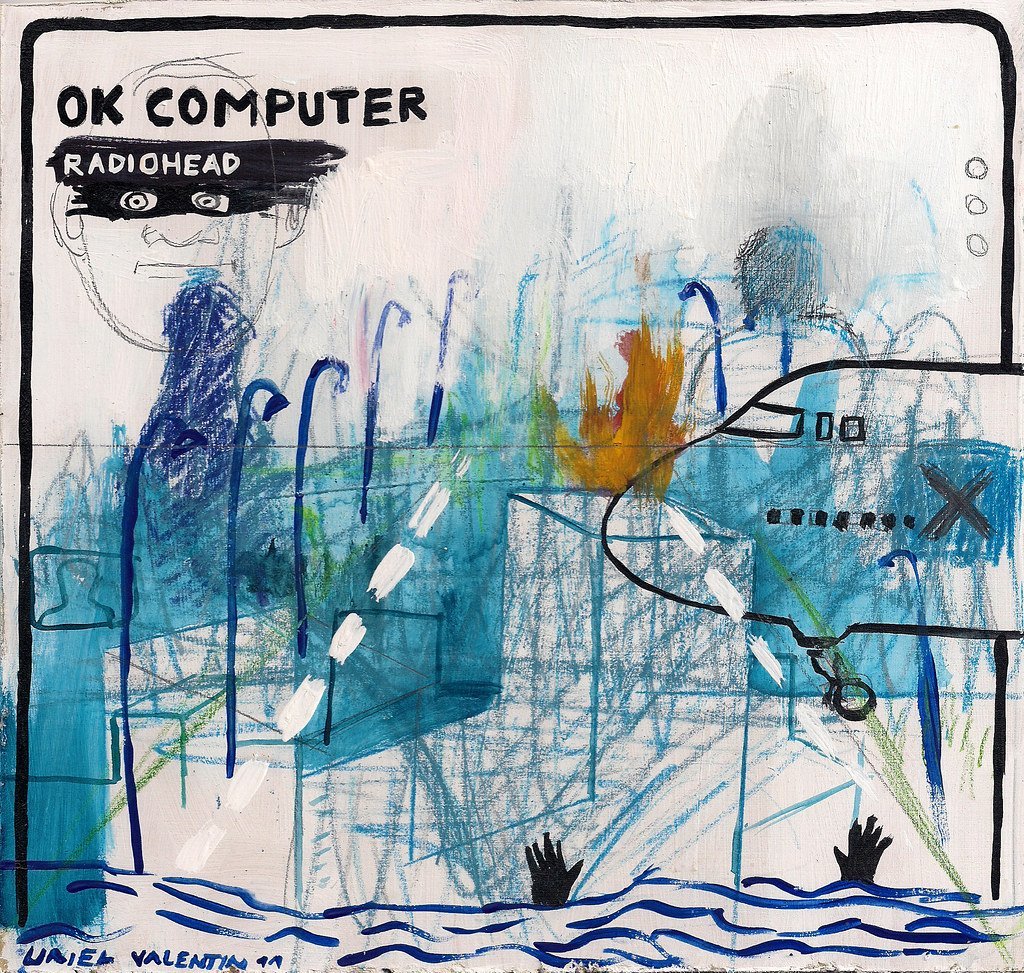
OK Computer arrived at the perfect moment to soundtrack the end of the twentieth century. Radiohead took their guitar-based alternative rock foundation and built something much more complex on top of it: a concept album about technological alienation that somehow managed to be both deeply pessimistic and ultimately cathartic. The album predicted our current relationship with technology with uncanny accuracy.
Thom Yorke’s lyrics capture the anxiety of modern life with poetic precision. “Paranoid Android” contains multiple movements and moods within a single song. “Karma Police” builds from quiet paranoia to explosive release. The guitar work creates atmospheres that feel both human and mechanical, while the rhythm section provides anchor points in the album’s more experimental moments. Every element serves the album’s overarching themes.
What makes OK Computer essential is how it bridges experimental rock and accessible songwriting. These songs are strange and challenging, but they’re also undeniably powerful. The album influenced countless bands while remaining completely unique. It’s simultaneously of its time and timeless, addressing concerns that have only become more relevant as technology has become more pervasive in our daily lives.
By your forties, you’ll have lived through enough technological change to fully appreciate what Radiohead was warning us about. OK Computer isn’t just a great album; it’s a prescient piece of social commentary that happens to rock incredibly hard. It’s essential listening for understanding both where alternative rock went in the late nineties and where our culture was heading.
Marvin Gaye – What’s Going On (1971)
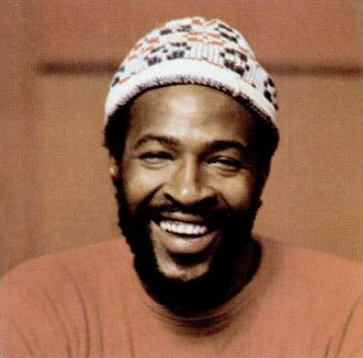
An early and still one of the best concept albums, this soul classic is also a deeply political record, with songs addressing Vietnam, the environment, and civil rights. While Gaye’s irresistible 1973 single, “Let’s Get It On” (from the album of the same name), may be sexier, “Mercy, Mercy Me (The Ecology)” is more heartfelt. Gaye was arguably the smoothest soul singer of all time. This album is part of the proof.
He defied the Motown hit machine with a deeply personal, socially conscious work, forever altering the terrain of American soul music. If the Funk Brothers, Motown’s most underappreciated backing band, sound especially white hot, that’s because it’s the first record they ever got credit for.
What’s Going On represents the moment when Marvin Gaye stopped being just an R&B heartthrob and became a serious artist grappling with serious issues. The album flows like a single piece of music, with songs bleeding into each other naturally. Gaye’s vocals float over lush arrangements that somehow manage to be both beautiful and urgent. The music seduces you while the lyrics challenge you to think about war, poverty, and environmental destruction.
The album’s genius lies in how it makes political consciousness feel natural and necessary rather than preachy or forced. “What’s Going On” asks essential questions about American society that remain relevant today. “Inner City Blues” captures urban struggle with empathy and insight. Throughout, Gaye’s voice conveys both pain and hope, anger and love. This is protest music that never forgets to be soulful music first.
By your forties, you’ll have witnessed enough social and political upheaval to appreciate how perfectly Gaye captured the feeling of watching your country struggle with its own contradictions. What’s Going On isn’t just essential soul music; it’s essential American music that shows how art can address society’s biggest challenges without sacrificing beauty or emotional impact.
Conclusion
These ten albums represent more than just great music; they’re cultural landmarks that continue to influence how we hear and understand sound. Each one changed the rules in its own way, whether through technical innovation, emotional honesty, or sheer artistic vision. They span different genres, decades, and approaches to making music, yet they all share a commitment to pushing boundaries while remaining deeply human.
What makes these albums essential isn’t their perfection or their popularity, though many happen to be both. It’s their ability to reveal new layers of meaning with repeated listening, their influence on everything that came after them, and their capacity to soundtrack different phases of your life with continued relevance. By your forties, you’ve accumulated enough experience to fully appreciate both the craft and the courage required to create art this enduring.
What surprises you most about this list? Did any of these albums fundamentally change how you think about music?

Christian Wiedeck, all the way from Germany, loves music festivals, especially in the USA. His articles bring the excitement of these events to readers worldwide.
For any feedback please reach out to info@festivalinside.com
