

- The World’s Most Beautiful Gardens Are Artworks in Themselves - August 13, 2026
- 10 Coming of Age Books Every Teenager Should Read - August 13, 2026
- The Most Memorable Concerts Are More Than Just Music; They’re Experiences - August 13, 2026
The art of diplomatic gift-giving has created some of the most extraordinary exchanges in human history. When powerful meet, they don’t just shake hands and sign treaties – they exchange tokens that can range from absolutely brilliant to utterly bizarre.
These gifts often represent far more than their monetary value. They can spark international friendships, accidentally cause diplomatic incidents, or become symbols that outlast the who exchanged them. Some presents are so memorable they’re still talked about decades later, while others are so strange they make you wonder what the giver was really thinking.
Pandas That Changed History

Following President Richard Nixon’s visit to China in 1972, the Chinese government gave two pandas, Ling-Ling (“Darling Little Girl” in Chinese) and Hsing-Hsing (“Shining Star”), to the U.S. to represent the growing relationship between the two countries. The pandas were donated to the National Zoo in Washington, D.C. and quickly became the toast of the town, attracting millions of visitors every year.
After Mrs. Nixon conveyed to Premier Zhou how much she loved her visit to the zoo, he gifted her two giant pandas. Panda-monium ensued after the arrival of Ling-Ling and Hsing-Hsing; the two pandas drew a reported 20,000 visitors on their first day. The furry ambassadors lived at the National Zoo for over two decades, becoming one of the most successful diplomatic gifts in history.
Think about it – two fuzzy animals became symbols of thawing relations between superpowers. The Chinese have carved out a niche for themselves with pandas. Starting in the 1950s, the Chinese government began sending pandas to their communist allies, and later to other foreign governments, in a process that became known as panda diplomacy.
The Lady Who Became America’s Icon
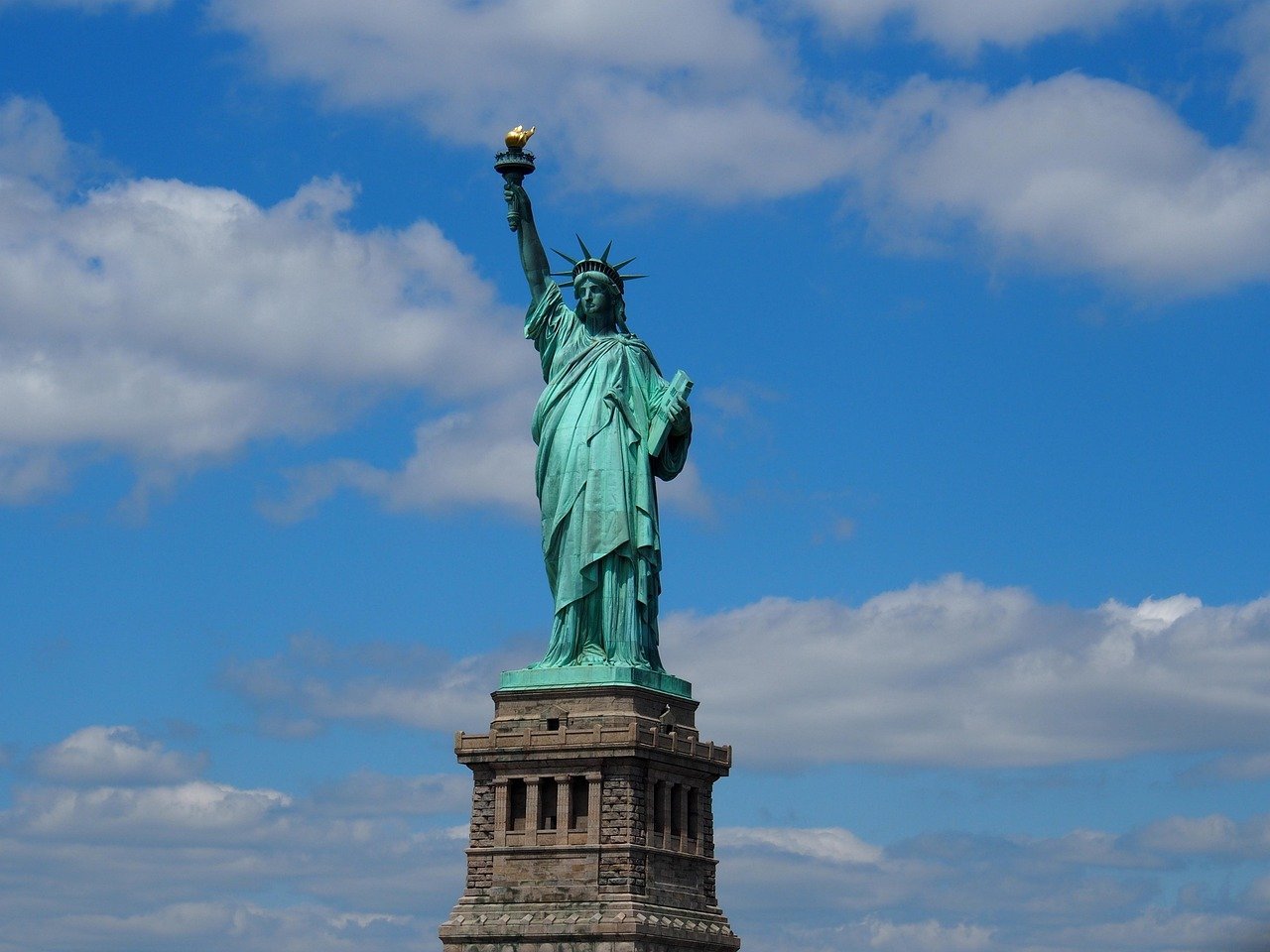
The Statue of Liberty may be one of the most iconic images of freedom and American independence in the United States, but Lady Liberty is actually not American at all. The statue, inspired by French politician Edouard Rene de Laboulaye and implemented by architect Frederic Auguste Bartholdi, is a representation of Libertas, the Roman goddess of freedom. Lady Liberty, whose full name is “Liberty Enlightening the World” was financed by the French and sent to the United States in pieces in 1886.
What started as a diplomatic gesture celebrating American independence has become arguably the most recognizable symbol of freedom worldwide. The Statue of Liberty, an iconic image in the American national narrative, fits into this category. Gifted from France to the United States in 1886, it now not only stands as a symbol of friendship between the two countries, but also as a “universal symbol of freedom and democracy.” Talk about a gift that keeps on giving – it’s probably been in more photographs than any other diplomatic present in history.
The Desk That Rules America
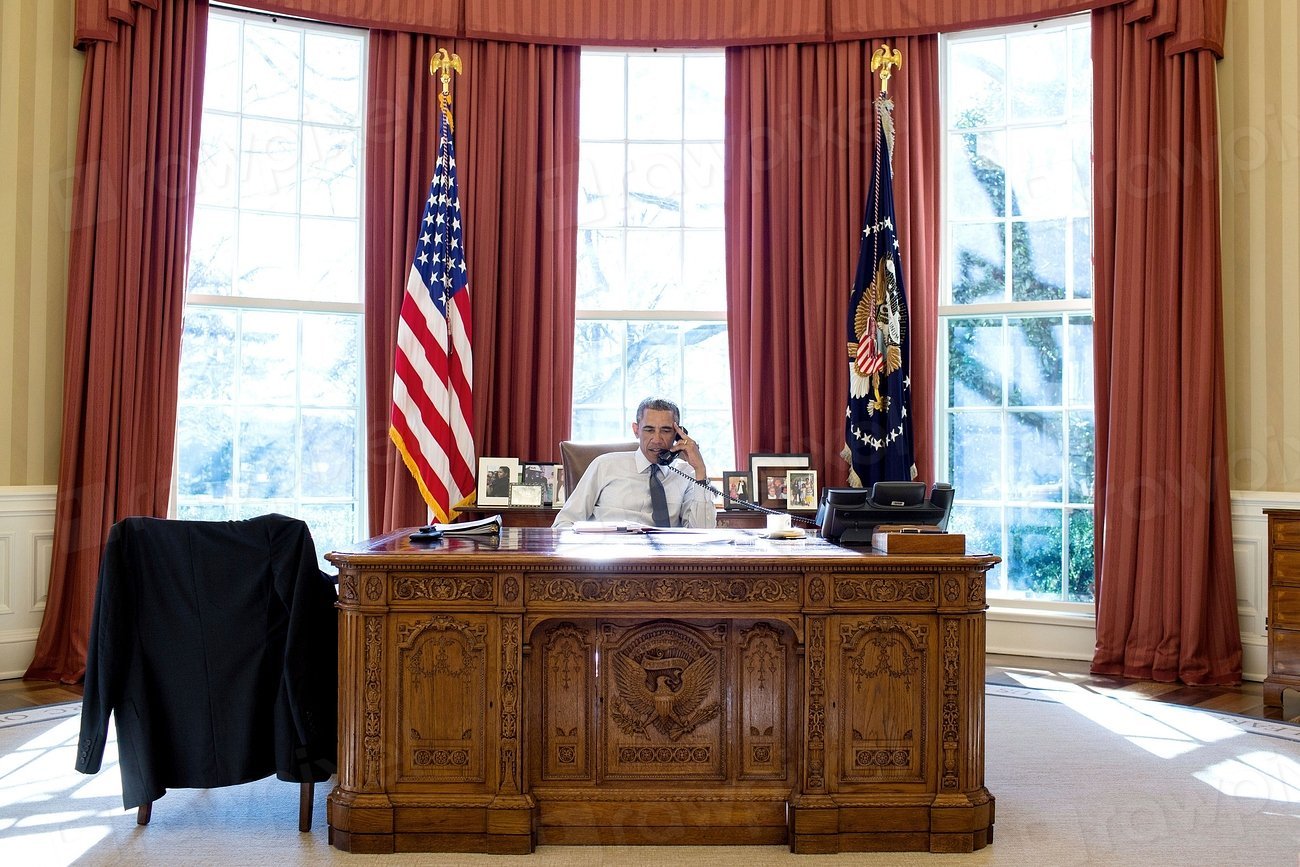
Brown also gave Obama a framed commissioning paper from the HMS Resolute – the same British Arctic exploration ship whose timbers were later used in construction of the desk presented by Queen Victoria to President Rutherford B. Hayes in 1880 – and used by American presidents ever since.
Picture this: a ship gets trapped in Arctic ice, abandoned, then recovered years later by an American vessel. Instead of keeping it, the Americans refitted the ship and returned it to Britain. Queen Victoria was so moved by this gesture that she had furniture made from the ship’s timbers and gifted it back to America. Caroline and Kerry Kennedy peer from under the Resolute desk in the Oval Office at the White House, June 1963.
That desk has witnessed some of the most important moments in American history. Every president since Hayes has had the option to use it, and most have chosen to do so. It’s a perfect example of how a thoughtful diplomatic gift can become woven into the fabric of a nation’s identity.
Medieval Animals for Modern Kings
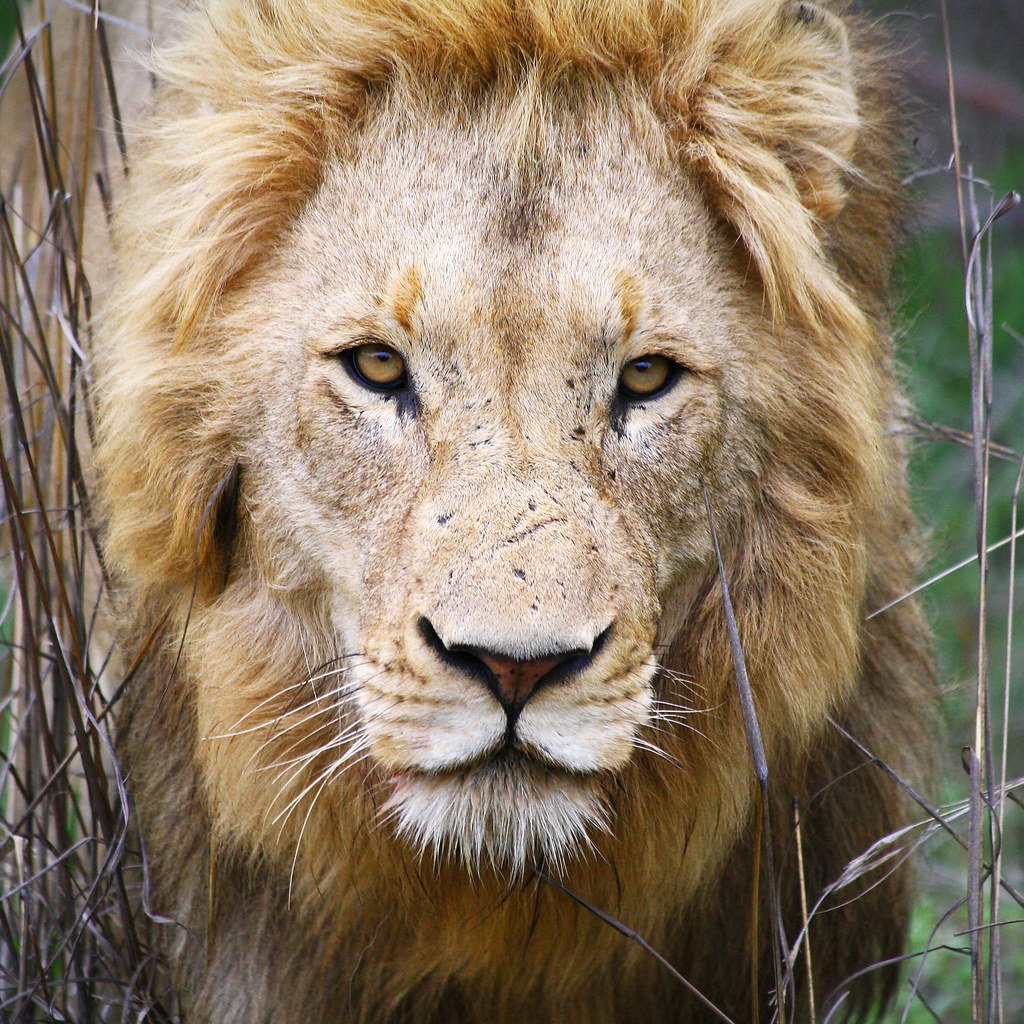
Henry III was given three leopards (or lions, depending on the source) as a gift from the Holy Roman emperor Frederick II in an example of diplomatic gifts being sent to ensure unity. Frederick had just married Henry’s sister. Interestingly, it is these three wild cats that he used on his coat of arms, and they’re still widespread today on the shirts of English sports teams.
Other gifts that Henry received for his zoo included an African elephant from France’s King Louis IX and a polar bear from King Haakon IV of Norway. The polar bear was kept on a chain but allowed to swim in the River Thames, hunting for fish – quite a sight for any fishermen sailing past. Imagine explaining that to modern animal rights activists. Still, these exotic animals became living symbols of diplomatic alliances and helped establish England’s reputation as a land of wonders.
A Child Who Captured a Queen’s Heart
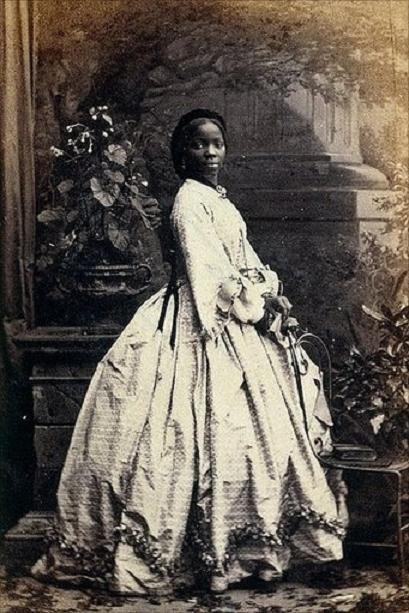
In 1848, King Ghezo of Dahomey (now part of Benin in West Africa) went on a slave hunt against rival tribes. Fortunately, a few years later, a British naval officer named Frederick Forbes was able to persuade King Ghezo to gift the child to Queen Victoria by saying that she would be “a present from the King of the Blacks to the Queen of the Whites.” Traveling to England on the HMS Bonetta, the child was unimaginatively named Sarah Forbes Bonetta and went to meet Queen Victoria.
The queen was so impressed with Sarah’s intelligence and manner that she became godmother to her, paying for tuition and housing. Bonetta even attended the wedding of the queen’s daughter. Sarah eventually moved back to Africa, this time to Nigeria, with her husband, Captain James Davies, and had three children. This gift transformed from a deeply problematic practice into a remarkable story of human potential and royal patronage.
Modern Madness and Presidential Presents
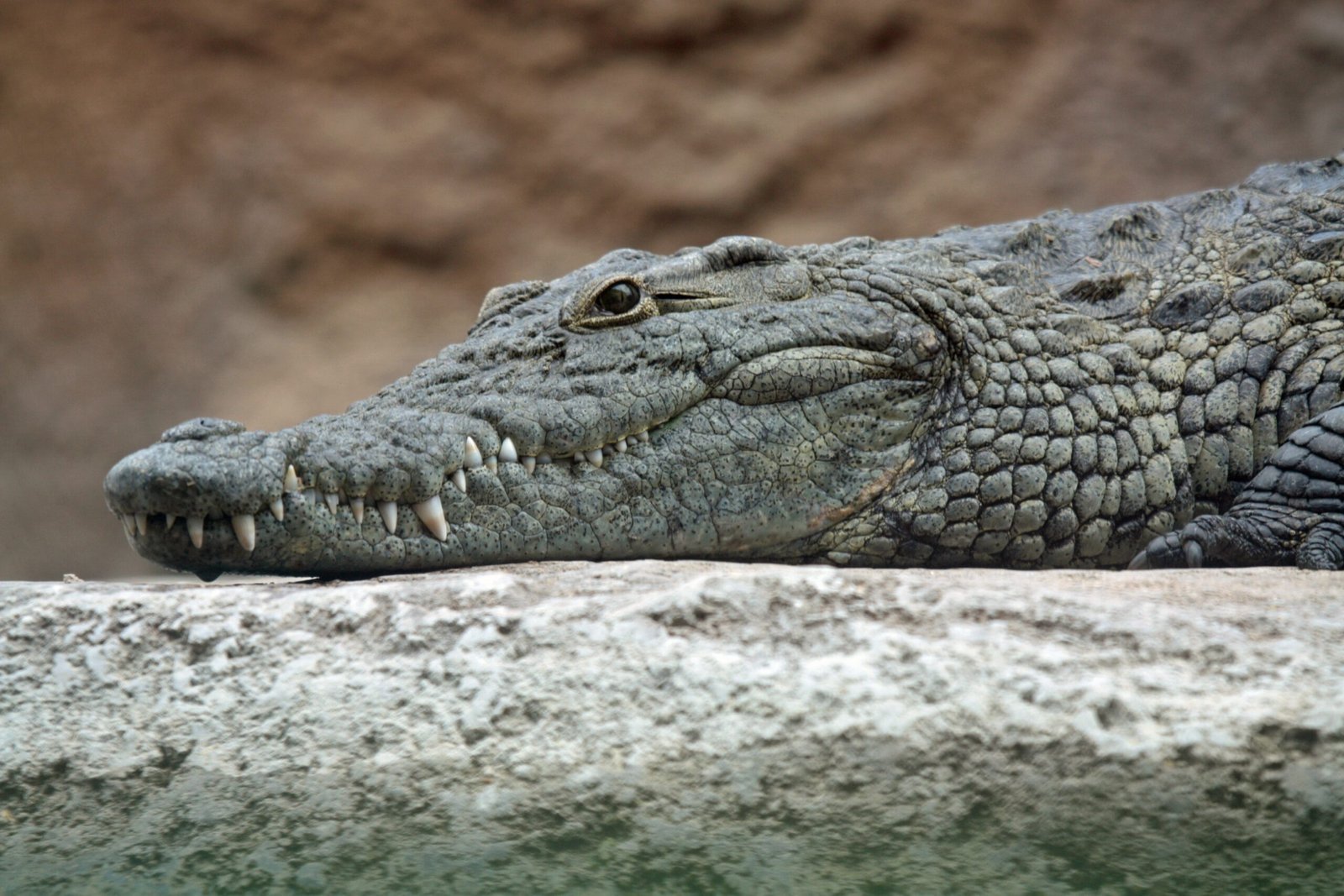
Former President Barack Obama got a three-foot long sword encrusted with gold and rubies courtesy of the crown prince and deputy prime minister of Saudi Arabia, Mohammed bin Naif bin Abdulaziz Al Saud. Crocodile insurance: During a 2011 visit Down Under, the government of Australia’s Northern Territory presented Obama with crocodile insurance. “I have to admit, when we reformed health care in America, crocodile insurance is one thing we left out,” Obama said.
In 2014, Australian Prime Minister Tony Abbott wanted to demonstrate his admiration for President Obama, so he sent the president a nine-foot longboard. The surfboard is blue and white – the colors of Air Force One – and bears the Presidential Seal. These gifts show how modern try to balance tradition with personality, sometimes with hilariously specific results.
When Gifts Go Wildly Wrong
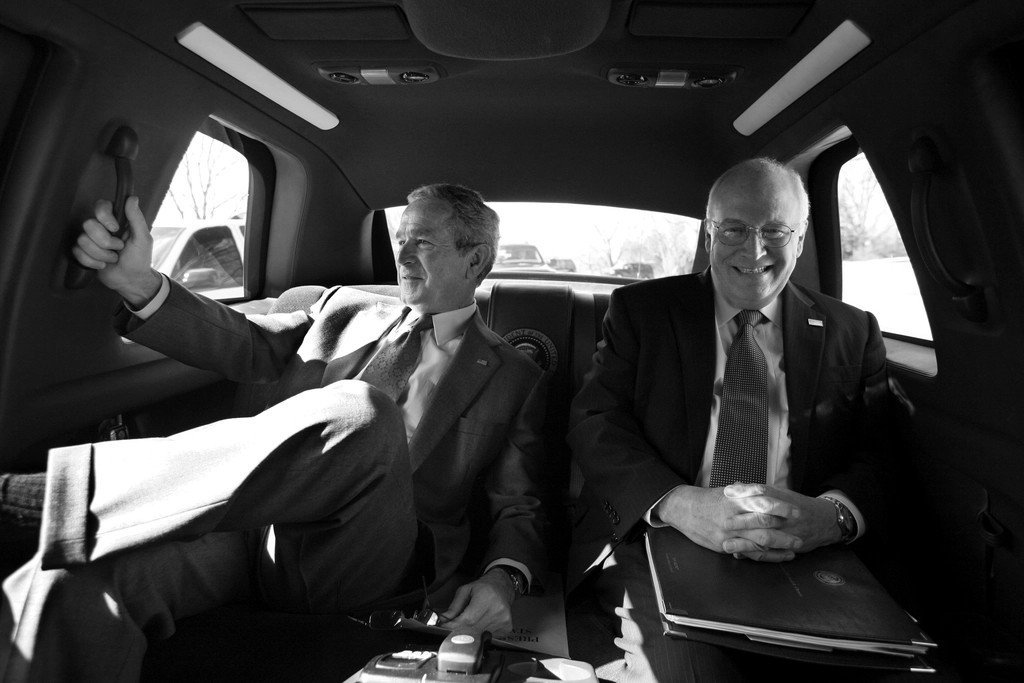
In 2006, Bulgarian President Georgi Purvanov inexplicably decided to give Bush a puppy. His name was ”Balkan of Gorannadraganov” (Balkan for short). So he reportedly bought Balkan from the government and gave him to a family friend in Maryland, where he presumably led a happy, carefree life. At least the puppy had a happy ending, unlike some diplomatic gifts.
However, these well-intentioned living gifts do not always result in improved relations: in 2013, the government of Mali gifted French President François Hollande a camel, which, left in the care of a local family, was embarrassingly slaughtered for a feast in an unexpected mishap. Sometimes good intentions and cultural differences create the most awkward diplomatic moments imaginable.
The President of Azerbaijan Heydar Aliyev wanted to go above and beyond when he met President Bill Clinton in 1997. So he commissioned a carpet that depicted Clinton and his wife Hillary. The resulting carpet was… memorable, shall we say, though probably not in the way the giver intended.
Space Age Diplomacy

In 1961, Soviet Union leader Nikita Khrushchev gifted a puppy to then US President John F. Kennedy. The puppy, later named ‘Pushinka’, was the daughter of Strelka, one of the dogs that become the first higher living organisms to survive a trip to outer space – a win for the Soviets.
Several years later in 1969, then President Richard Nixon commissioned National Aeronautics and Space Administration (NASA) for gifts that included a miniature flag of each country sent to the moon in the Apollo 11 mission, and four specks of moon rocks collected during the mission. These gifts, sent out to 135 countries were highly desirable, and more importantly for the United States, underlined its technological achievement. The Cold War literally extended to gift-giving, with each superpower trying to showcase their scientific supremacy.
Treasures and Trinkets for Trump
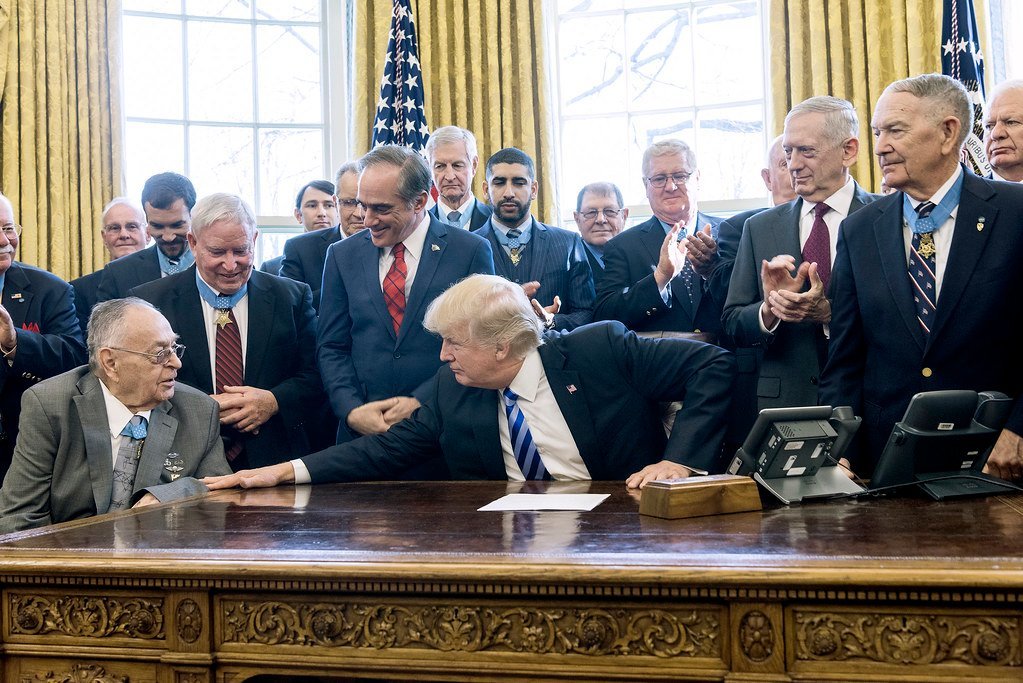
President Trump received 83 gifts from Saudi Arabia during his trip to the Middle East in May 2017, according to a document The Daily Beast obtained via a Freedom of Information Act request to the State Department. These gifts included artwork featuring the president himself, swords, daggers, fur robes (made from tiger and cheetah), scarves, shirts, a hoodie, a chiffon yellow and turquoise dress (for Melania?) and many, many pairs of sandals.
While in the UK, Trump gave the queen a Tiffany & Co. silver and silk brooch worth over US$4,000. The embellished pin was in the shape of a poppy, the flower the British wear in remembrance of the First World War. Trump’s present was handed over inside a custom White House wooden jewellery box that was lined in leather. This shows how modern diplomatic gifts can be both expensive and deeply thoughtful.
Conclusion

The practice of diplomatic gift-giving reveals humanity at its most creative, strategic, and sometimes accidentally hilarious. From pandas that melted hearts to mechanical organs that showcased technology, from carpets with questionable portraits to camels that met unfortunate ends, these exchanges show how have always tried to communicate through objects when words might not be enough.
Gifts, Brummell explained, have been part of international relations since ancient times. They can serve as tokens of friendship, apology or authority; as taunts, bribes, boasts or tricks. Whether they succeed or fail spectacularly, diplomatic gifts remain one of the most fascinating aspects of international relations. What do you think about these remarkable exchanges? Tell us in the comments.
CEO-Co-Founder
