


- Classic Novels Often Reveal Profound Truths About the Human Condition - August 27, 2026
- The Golden Age of Hollywood Produced Truly Unforgettable Screen Legends. - August 27, 2026
- 15 Incredible Natural Wonders of the US That Are Still Underrated. - August 27, 2026
The Electro-Theremin Revolution That Made “Good Vibrations” Legendary
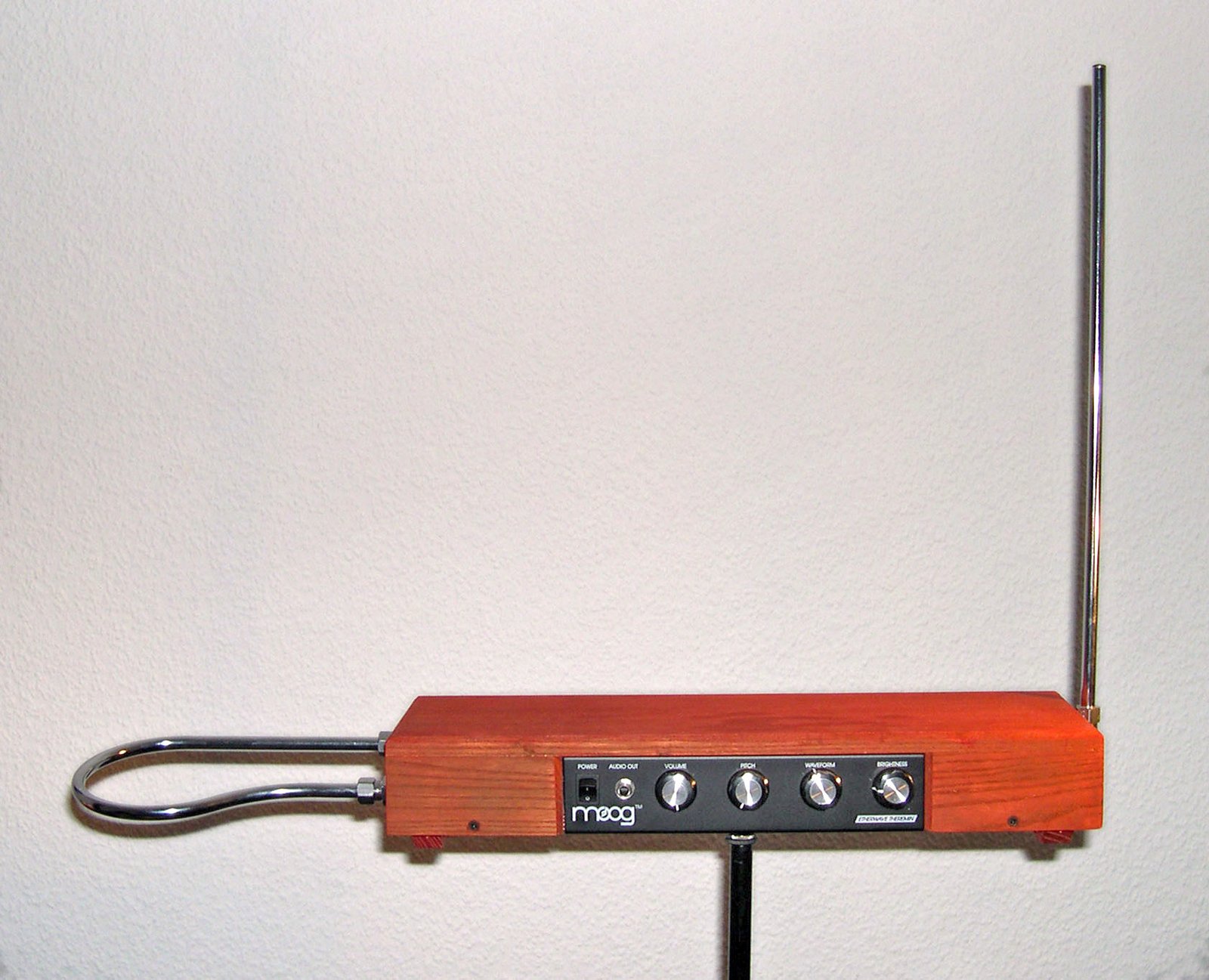
Everyone thinks they know the theremin sound from The Beach Boys’ 1966 masterpiece “Good Vibrations,” but here’s the kicker – it wasn’t actually a theremin at all. The instrument was an Electro-Theremin, a mechanical instrument developed for Paul Tanner by Bob Whitsell in 1958. Paul Tanner performed his electrotheremin with The Beach Boys on “Good Vibrations” in the autumn of 1966, when every American teenager heard that weird sci-fi sound on AM pop radio stations. The recording process was intense – maintaining a consistent volume on the instrument had proved difficult, requiring 26 takes before a rough mono mix was completed.
The Electro-Theremin consisted of a sine wave generator with a knob that controlled the pitch, placed inside a wooden box, with the pitch knob attached to a slider on the outside of the box with some string, allowing the player to move the slider to turn the knob to the desired frequency. The song revived interest in theremins and increased awareness of analog synthesizers, but sadly, the original “Box” was later destroyed in the 1971 California earthquake after Tanner had given it to a Santa Monica hospital for hearing tests.
When The Beatles Made Magic with Mysterious Mellotron Flutes
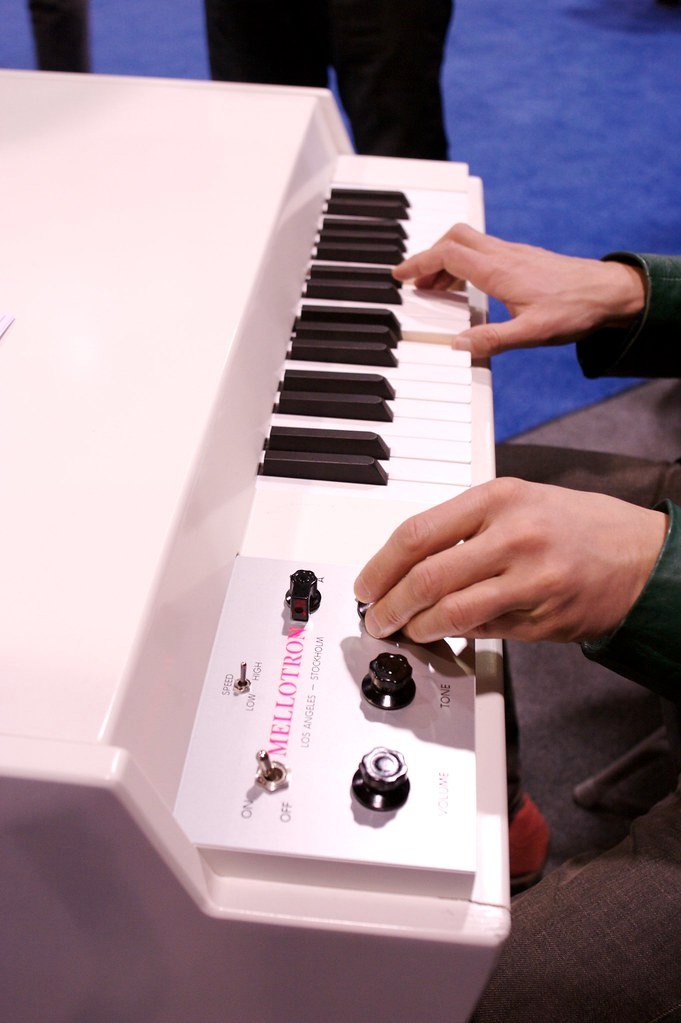
From its weird Mellotron opening to its fake drum forward reprise where John’s voice could be heard saying “Cranberry sauce”, “Strawberry Fields Forever” inaugurated 1967 like no other song on earth. The Mellotron plays a big part in this song because its flute sounds start off the song, as it’s an organ-type instrument that uses pre-recorded tape loops of different instruments which are triggered by striking the piano keys. The Beatles weren’t messing around with this technology – the band spent 45 hours in the studio, spread over five weeks, creating three versions of the track.
The Mellotron was a fairly new keyboard instrument in 1966, which The Moody Blues’ Mike Pinder had introduced The Beatles to in 1965, and within a week all four of them had a Fab-Tron, with Pinder saying he was “in bliss” when he first heard ‘Strawberry Fields’. Although the Mellotron had been a feature of Manfred Mann’s late 1966 hit single “Semi-Detached Suburban Mr James”, its appearance on “Strawberry Fields Forever” remains the most celebrated use of the instrument on a pop or rock recording.
Chapman Stick Wizardry: The Ten-String Beast Behind “Elephant Talk”
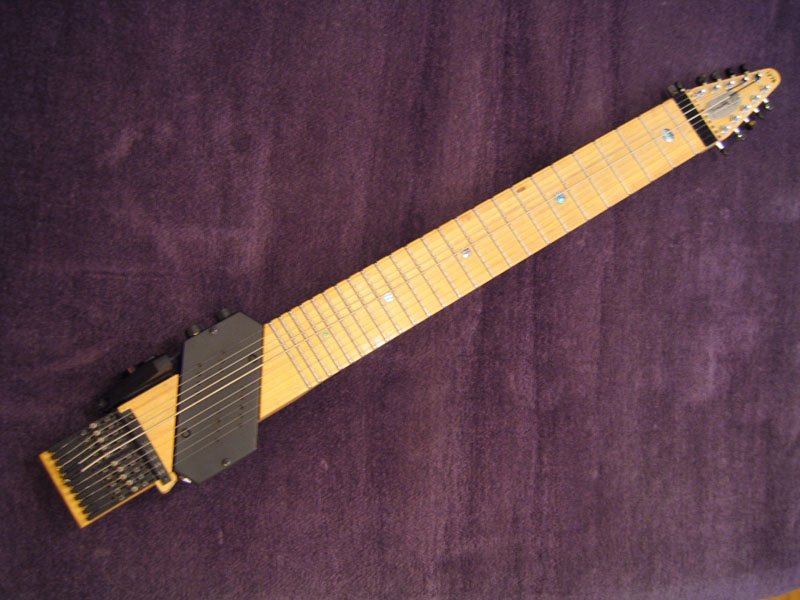
You can hear a significant touch of the existential nerviness of the Talking Heads in the song, which is driven by bassist Tony Levin’s monster riffs on the Chapman Stick. The agile fingers of Tony Levin usher in the undulating lines of what would become one of the key tracks for the newly reincarnated King Crimson, with this slippery sound and its ability to move simultaneously in both bass and lead roles adding to the dazzling newness radiating outwards from the core of Crimson’s material. Levin helped to popularize the Chapman Stick and the NS electric upright bass, and also created “funk fingers”, modified drumsticks that attach to the fingers of the player in order to strike the bass strings.
“Elephant Talk” was the opening cut on 1981’s Discipline, a comeback LP that showed the prog-rock icons moving in a dramatically different direction, toward a dazzling, dizzyingly technical variation of the new wave sounds that were then in vogue. The Chapman Stick’s unique tapping technique allowed Levin to play both bass and guitar parts simultaneously, creating a futuristic sound that was years ahead of its time. Levin holds the record as King Crimson’s longest-serving bassist overall, and his mastery of this rare instrument became his signature calling card.
The Stylophone’s Space-Age Buzz That Launched Ziggy Stardust
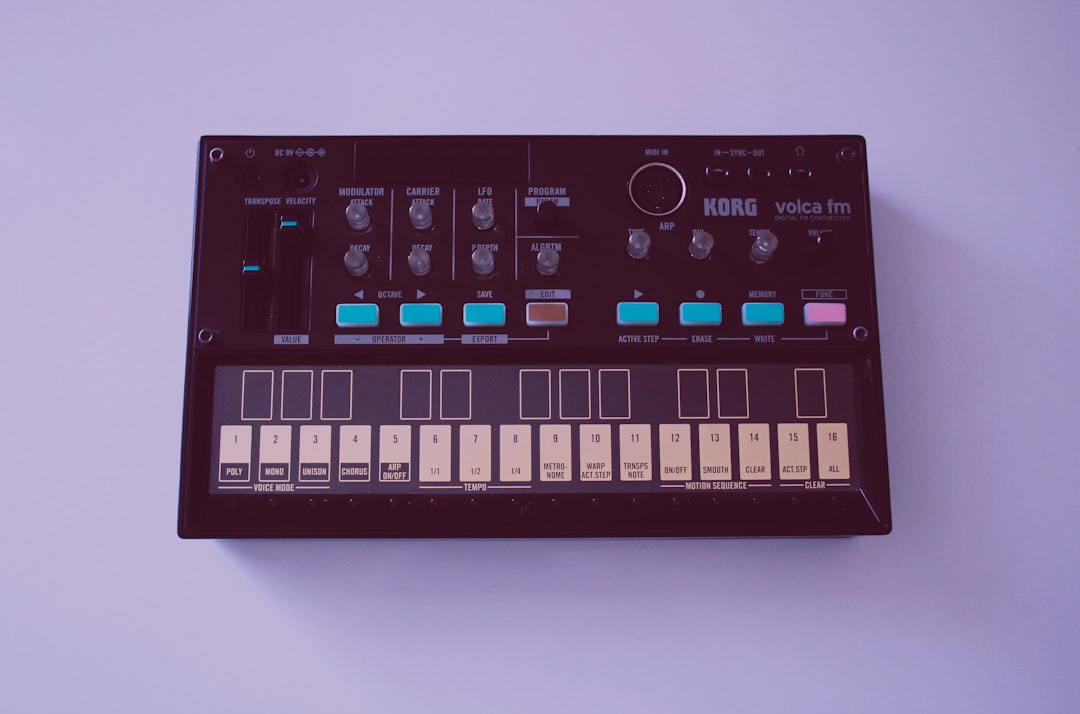
Before David Bowie became the starman, he was just a guy with a toy-like synthesizer creating one of music’s most recognizable intros. The Stylophone, essentially a miniature analog synthesizer played with a metal stylus, gave “Space Oddity” its distinctive buzzing, spacey sound that perfectly captured the 1969 moon landing zeitgeist. Bowie himself played this humble instrument, which cost less than ten pounds but delivered a cosmic sound that would influence electronic music for decades to come.
The Stylophone was invented by Brian Jarvis in 1967 and became a popular children’s toy, but Bowie saw its potential as a serious musical instrument. Its simple oscillator circuit produced a sawtooth wave that, when controlled by the metal stylus touching different points on a metal keyboard, created pitch variations that sounded genuinely otherworldly. The instrument’s limitations actually became its strength – the slightly unstable pitch and buzzy tone perfectly matched the song’s themes of isolation and space travel.
Harpsichord’s Baroque Beauty in The Beatles’ “Because”
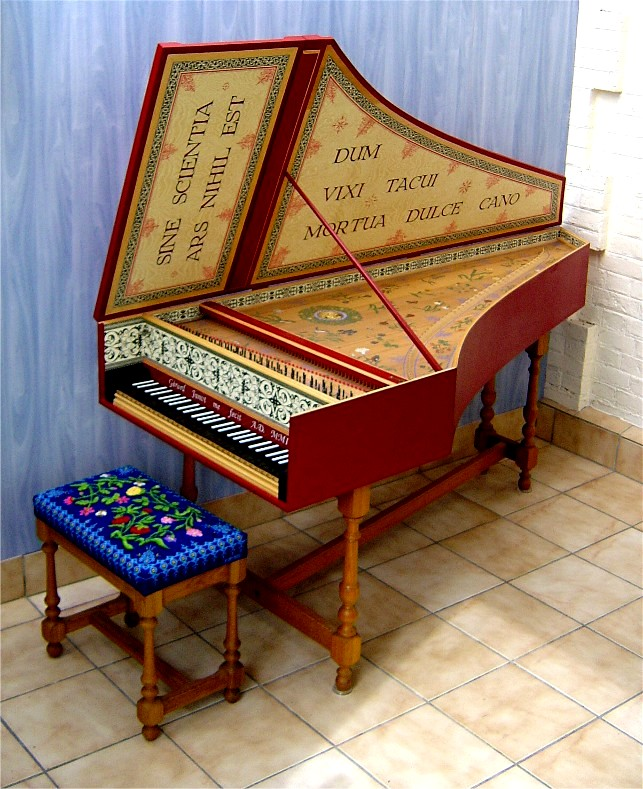
When The Beatles wanted to create something truly ethereal for their Abbey Road masterpiece “Because,” they reached back centuries to the harpsichord, a Baroque-era keyboard instrument that produces sound by plucking strings rather than striking them. The result was a crystalline, otherworldly texture that made the song feel like it was floating in space. This wasn’t just nostalgia – it was a deliberate artistic choice that showed how ancient instruments could serve modern psychedelic purposes.
The harpsichord’s attack and decay characteristics are completely different from a piano – each note has an immediate, bright attack followed by a rapid fade, creating a shimmering quality that no electric keyboard could replicate. The Beatles layered this with their famous three-part harmonies, creating a sonic tapestry that was both timeless and thoroughly contemporary. The instrument’s percussive quality also provided a rhythmic foundation that kept the dreamy song anchored to earth.
Hammered Dulcimer’s Bell-Like Magic in “The Boxer”
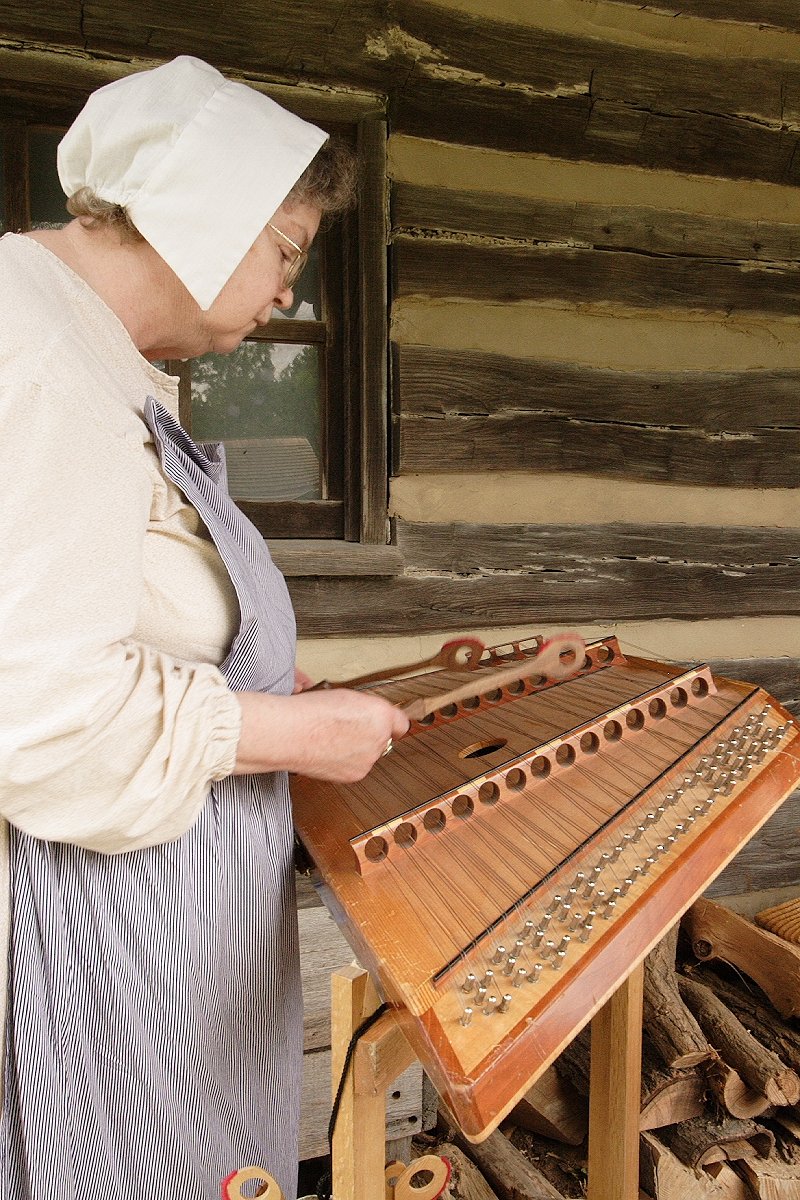
Simon & Garfunkel’s 1969 epic “The Boxer” features one of folk music’s most beautiful instruments creating its most memorable moment. The hammered dulcimer, played by striking strings with small hammers, produces those gorgeous, shimmering tones during the instrumental break that give the song its nostalgic, almost medieval quality. It’s a sound that immediately transports listeners to a different time and place, perfectly matching the song’s themes of struggle and redemption.
The hammered dulcimer is actually one of the world’s oldest string instruments, with variations found in cultures from Ireland to India. Its strings are arranged in courses, and when struck, they create overtones that blend and shimmer in complex ways. The instrument requires incredible precision – each hammer strike must be perfectly timed and weighted to create the right tone. The result in “The Boxer” is pure sonic gold that couldn’t be replicated with any modern synthesizer.
Ondes Martenot’s Haunting Voice in Radiohead’s Soundscapes
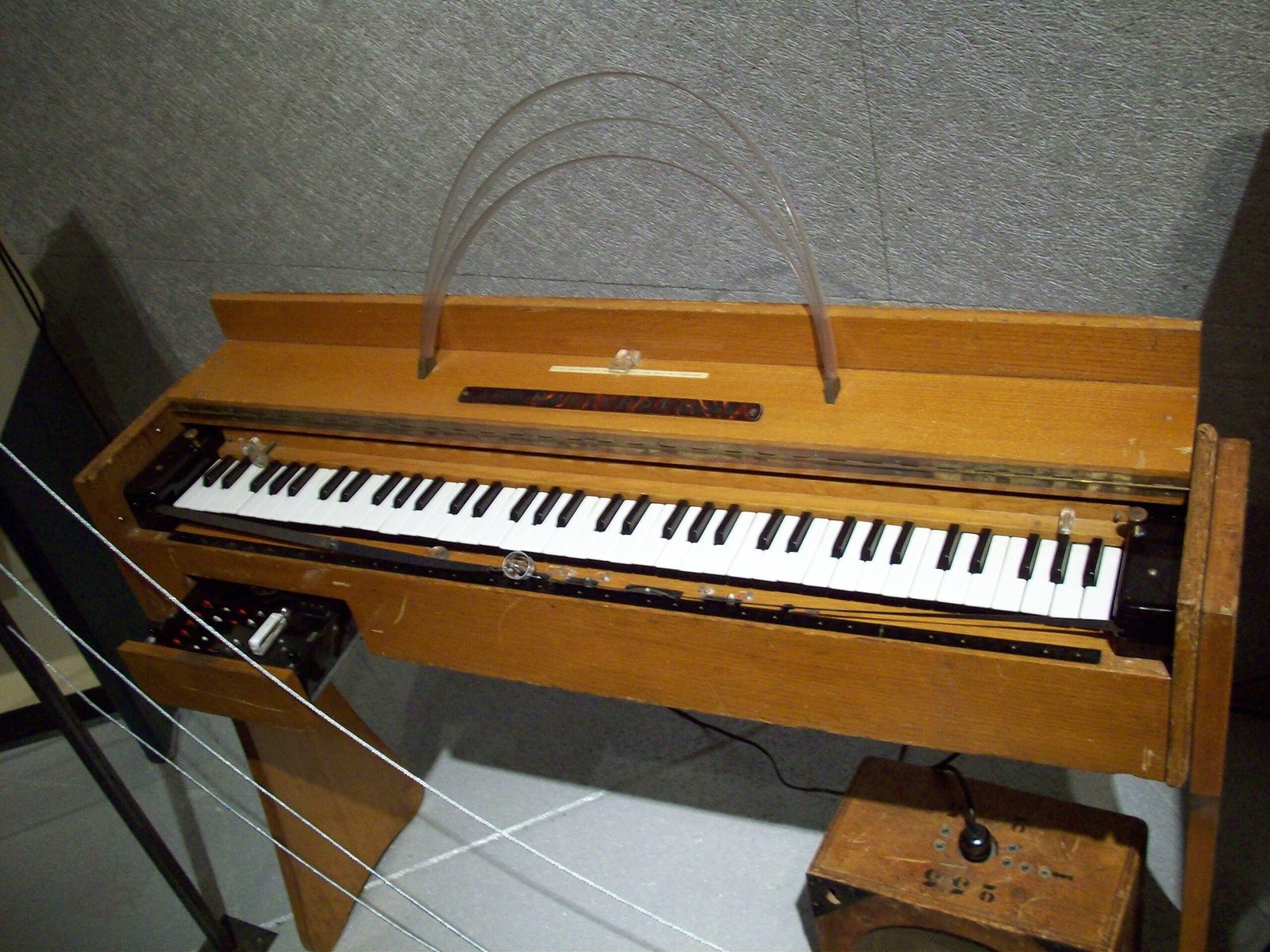
Long before electronic music went mainstream, French inventor Maurice Martenot created one of the most expressive electronic instruments ever conceived. The Ondes Martenot, invented in 1928, produces sound through electronic oscillators controlled by a keyboard and a ribbon controller, allowing for incredibly nuanced expression. Radiohead’s Jonny Greenwood discovered this rare instrument and used it to create some of the band’s most atmospheric moments, particularly on songs like “How to Disappear Completely.”
What makes the Ondes Martenot special is its ability to produce continuous pitch changes and vibrato that sounds almost human – like a voice singing without words. Greenwood has said the instrument allows him to express emotions that traditional guitars simply can’t capture. The Ondes Martenot requires specially trained players, and only a few hundred were ever made, making it one of the rarest instruments in popular music. Its ghostly, singing quality adds an element of the supernatural to any recording.
Waterphone’s Ghostly Resonance from Horror Films to Pink Floyd
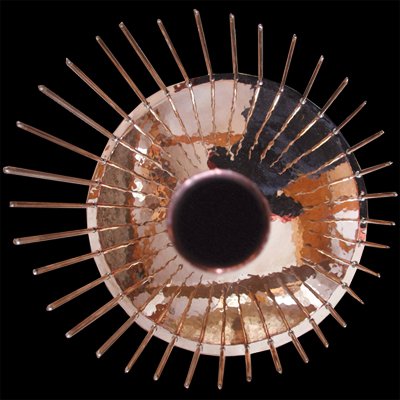
The waterphone looks like something from another planet – a stainless steel bowl filled with water, surrounded by bronze rods of different lengths. When bowed or struck, it produces some of the most unsettling sounds imaginable, which is why it’s been used in countless horror film soundtracks. But this eerie instrument also found its way into serious music, including Pink Floyd’s “Dark Side of the Moon” and as the signature sound of “The X-Files” theme.
Invented by Richard Waters in the 1960s, the waterphone creates its haunting effects through the combination of metal resonance and water displacement. As the water moves inside the bowl, it changes the pitch and timbre in unpredictable ways. Players can bow the rods like violin strings or strike them like percussion, and the water creates constantly shifting harmonics. The result is a sound that seems to come from the depths of the ocean or the far reaches of space – perfect for creating atmosphere that no synthesizer could match.
Peter Gabriel’s Bagpipe Experiments in “Come Talk to Me”

The song begins with distorted guitar chords, which later gives way to African-style drums, bagpipes, and synthesisers, as Gabriel experimented extensively with finding suitable sonic textures and gravitated towards the bagpipes due to their “gutsy and primal” quality. Gabriel wrote “Come Talk to Me” about the breakdown in communication between him and one of his daughters, who believed that her father had become distant following his divorce with Jill Gabriel, noting that his daughter struggled to express her grievances and characterizing the song as “a cry from the heart”.
The song “explores barriers to communication and the need to ‘unlock the misery'”, and despite its somber tone, it’s “a typically elastic Gabriel concoction built on fuzzy guitars, African drum loops, a Russian folk chorale, bagpipes, doudouks and a Sinead O’Connor harmony”. The bagpipes weren’t just decorative – their droning, emotional quality perfectly captured the song’s themes of emotional distance and the desperate need for connection. Gabriel’s choice to use this ancient Celtic instrument alongside African rhythms and modern synthesizers created a unique sonic landscape that was both timeless and thoroughly contemporary.
Hurdy-Gurdy’s Medieval Mysticism in Modern Rock
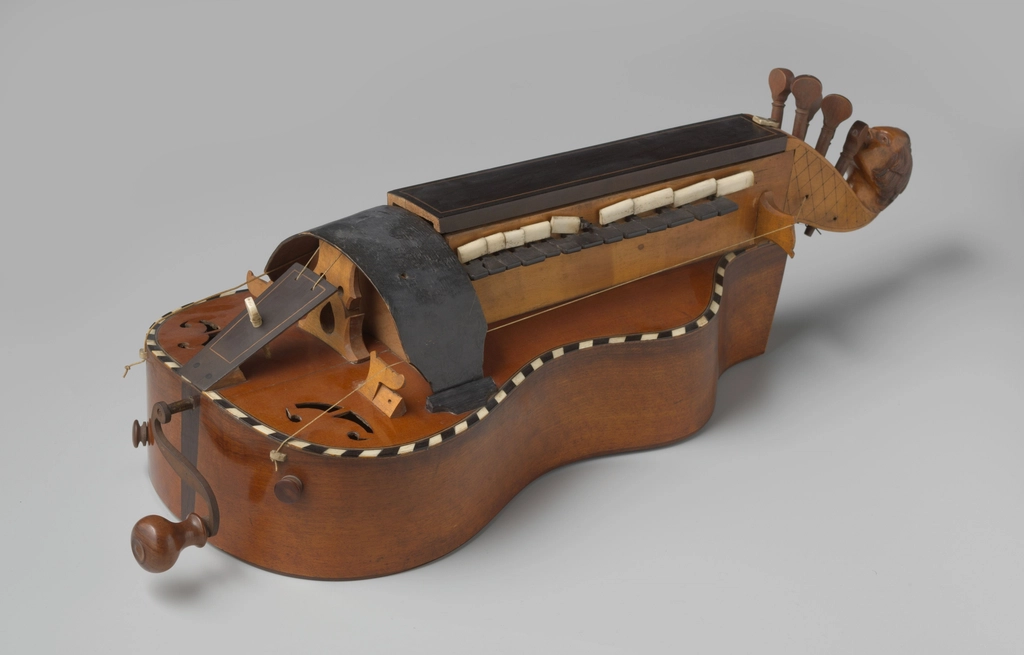
The hurdy-gurdy, with its hand-cranked wheel and droning strings, sounds like it belongs in a medieval monastery rather than a rock song. The hurdy-gurdy is a string instrument that produces sound by a hand-turned crank, rosined wheel rubbing against the strings, with the wheel functioning much like a violin bow, and single notes played on the instrument sound similar to those of a violin. When Peter Gabriel used it on “Come Talk to Me,” he was tapping into centuries of folk tradition to create something entirely new.
The hurdy-gurdy is generally thought to have originated from fiddles in either Europe or the Middle East before the eleventh century A.D., with one of the earliest forms being the organistrum, a large instrument with a guitar-shaped body and a long neck in which the keys were set. Its unique sound comes from the combination of melody strings and drone strings, creating a haunting, otherworldly quality that no modern instrument can replicate. The continuous drone provides a hypnotic foundation while the melody strings sing over the top, creating music that feels both ancient and eternal.
Glass Harmonica’s Ethereal Tones from Mozart to Pink Floyd
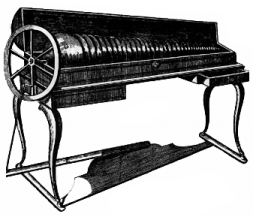
Benjamin Franklin invented the glass harmonica in 1761, and it quickly became the most haunting instrument of its era. Consisting of glass bowls of different sizes that are played by touching them with wet fingers, it produces an ethereal, almost supernatural sound that Mozart and other classical composers adored. The instrument fell out of favor partly due to rumors that it caused madness in players and listeners – though this was likely due to lead content in the glass rather than the music itself.
Pink Floyd’s use of the glass harmonica on “Shine On You Crazy Diamond” was perfect for a song about madness and transcendence. The instrument’s ghostly, singing quality seems to exist between the physical and spiritual worlds. Each note seems to hang in the air forever, creating an atmosphere of cosmic melancholy that synthesizers simply cannot match. The glass harmonica requires incredible sensitivity from the player – too much pressure and the sound stops completely, too little and nothing happens at all.
The Lasting Impact of Musical Pioneers
These rare instruments remind us that innovation in music often comes from the most unexpected places. While modern technology gives us infinite possibilities, sometimes the most powerful sounds come from instruments that were invented centuries ago or created by tinkerers in their garages. The artists who chose these unusual tools weren’t just being different for the sake of it – they were searching for sounds that could express emotions and ideas that conventional instruments couldn’t capture.
What’s fascinating is how these “primitive” or “unusual” instruments often provided the exact emotional resonance that sophisticated modern equipment couldn’t deliver. The wobble of a hand-cranked wheel, the shimmer of struck strings, or the ghostly wail of oscillating electronics – these imperfections and unique characteristics became the very qualities that made the music memorable. Today’s producers, with all their digital tools, still sample and emulate these rare instruments because they possess something irreplaceable: soul.
Think about it – would “Good Vibrations” have the same impact with a modern synthesizer instead of Paul Tanner’s homemade contraption? Would “Strawberry Fields Forever” feel as dreamlike without those particular Mellotron tape loops? These instruments didn’t just provide sounds; they provided the emotional keys to unlock entirely new musical possibilities. What other forgotten treasures might be waiting in dusty attics or experimental workshops, ready to soundtrack the next musical revolution?
CEO-Co-Founder
