


- The 20 Musicians Who Said No to Fame - September 21, 2026
- 20 Novels You’ll Think About Every Time You Travel - September 21, 2026
- 15 Festivals Happening This June You’ll Wish You Knew About Sooner - September 21, 2026
L. Ron Hubbard: The Undisputed Champion of Publishing
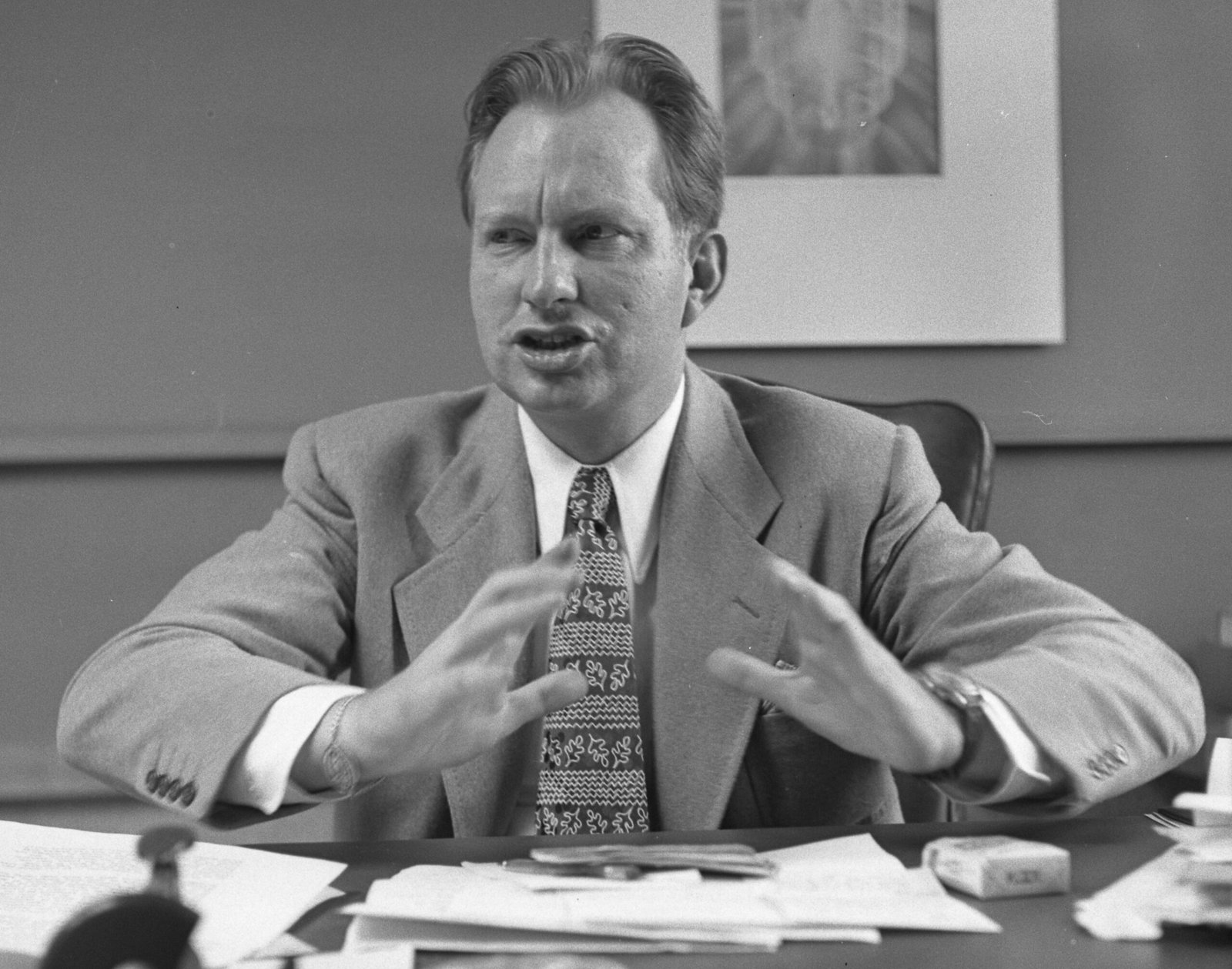
When it comes to sheer volume of published works, L. Ron Hubbard holds the Guinness World Record with 1,084 published works. This isn’t just impressive—it’s mind-boggling. According to the Church of Scientology, Hubbard produced some 65 million words on Dianetics and Scientology, contained in about 500,000 pages of written material, 3,000 recorded lectures and 100 films. What makes Hubbard’s output even more remarkable is the diversity of his work, spanning science fiction, fantasy, adventure, aviation, mystery, western, and romance genres.
Most people know Hubbard as the founder of Scientology, but his literary career began long before that controversial chapter. From 1934 until 1940, Hubbard produced hundreds of short stories and novels. His productivity was so extraordinary that some critics question whether anyone could realistically write that much quality material alone. Yet the numbers don’t lie—this man wrote like his life depended on it.
Isaac Asimov: The Great Explainer’s Literary Marathon
![Isaac Asimov: The Great Explainer's Literary Marathon (image credits: United States Library of Congress. New York World-Telegram and the Sun Newspaper Photograph Collection. Call number: NYWTS - BIOG--Asimov, Isaac, Dr. <item> [P&P]. Reproduction number: LC-USZ62-115121, Public domain, https://commons.wikimedia.org/w/index.php?curid=84073)](https://festivaltopia.com/wp-content/uploads/2025/07/1752442674171_Isaac.Asimov01-scaled.jpg)
Isaac Asimov wrote or edited more than 500 books during his lifetime, earning him a place among the most prolific authors ever. In a writing career spanning 53 years (1939–1992), Asimov wrote and published 40 novels, 383 short stories, over 280 non-fiction books, and edited about 147 others. But here’s the kicker—Asimov never suffered from writer’s block. His secret? He kept multiple projects going simultaneously, switching between them whenever inspiration struck.
To match the number of novels, letters, essays, and other scribblings Asimov produced in his lifetime, you would have to write a full-length novel every two weeks for 25 years. The man was basically a writing machine who approached his craft with scientific precision. Asimov was so prolific and diverse in his writing that his books span all major categories of the Dewey Decimal Classification except for category 100, philosophy and psychology.
Enid Blyton: The Children’s Literature Powerhouse
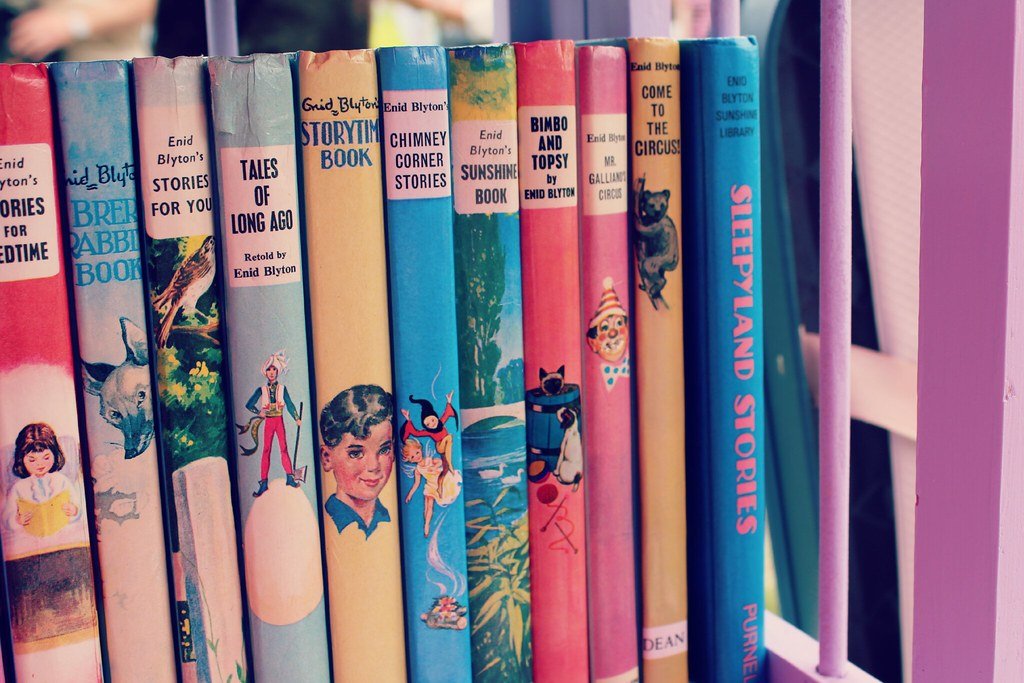
Enid Blyton cranked out over 800 books during her career, making her one of the most prolific children’s authors of all time. Her Famous Five and Secret Seven series became cultural phenomena that defined childhood for generations of British readers. What’s astounding about Blyton is how she maintained such consistent output while keeping her stories fresh and engaging for young minds.
Blyton’s writing process was legendary—she could reportedly write 10,000 words a day when inspiration struck. Her publishers often struggled to keep up with her manuscript submissions. Unlike many prolific authors who rely on ghostwriters or collaborators, Blyton wrote everything herself, often typing directly onto her typewriter without drafts or extensive revisions.
Corín Tellado: The Romance Novel Queen
derivative work: Chabacano (talk), CC BY 2.0, https://commons.wikimedia.org/w/index.php?curid=6513170)
With over 4,000 short romance novels to her name, Spanish author Corín Tellado holds the record for being one of the best-selling Spanish authors of all time. Her prolific output in the romance genre is staggering—she was writing and publishing romance novels at a pace that would make most authors dizzy. Tellado’s works were translated into multiple languages and sold millions of copies worldwide.
What made Tellado so productive was her ability to tap into universal themes of love, passion, and relationships. She understood her audience and delivered exactly what they wanted, novel after novel. Her writing style was accessible and emotionally engaging, which explains why readers couldn’t get enough of her stories.
Ryoki Inoue: Brazil’s Pulp Fiction Master

Brazilian author Ryoki Inoue has written over 1,100 books under multiple pseudonyms, specializing in pulp fiction and thrillers. This level of productivity is almost superhuman, especially considering the quality standards required for commercial publishing. Inoue’s strategy of using different pen names allowed him to write in various genres without confusing his readership.
The use of multiple pseudonyms is actually a clever business strategy that many prolific authors employ. It allows them to build distinct brands for different types of stories while maintaining an incredibly high publishing frequency. Inoue mastered this approach, creating what amounts to several successful authorial careers under one real name.
Prentiss Ingraham: The Dime Novel Pioneer
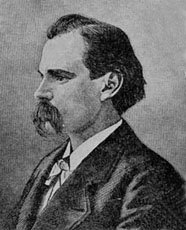
Prentiss Ingraham wrote over 600 dime novels, many featuring Buffalo Bill adventure stories. During the late 19th and early 20th centuries, dime novels were the equivalent of today’s mass-market paperbacks—cheap, entertaining, and consumed voraciously by the public. Ingraham understood this market perfectly and delivered exactly what readers craved.
What’s remarkable about Ingraham’s output is that he was writing during an era when everything had to be done by hand or on primitive typewriters. There were no word processors, no copy-paste functions, no spell check. Every word had to be carefully crafted and manually typed, making his productivity even more impressive by today’s standards.
Barbara Cartland: The Romance Revolutionary
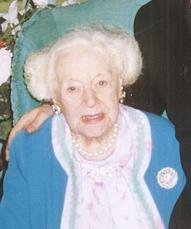
Barbara Cartland wrote 723 romance novels, making her one of the most successful romance writers ever. She didn’t just write prolifically—she revolutionized the entire romance genre with her distinctive style and formulaic approach. Cartland could dictate a novel in just a few weeks, speaking her stories aloud while walking around her pink-decorated office.
Cartland’s secret was understanding that romance readers wanted escapism and fantasy, not gritty realism. She delivered fairy-tale romances with handsome heroes and innocent heroines, often set in exotic locations. Her books sold over a billion copies worldwide, proving that prolific doesn’t have to mean low quality when you know your audience.
Georges Simenon: The Detective Fiction Dynamo

Belgian crime writer Georges Simenon wrote over 500 novels, including 75 featuring his famous detective Inspector Maigret. Simenon was famous for his intense writing sessions—he would lock himself away for days at a time, writing in a kind of creative trance. His novels were typically short but packed with psychological insight and atmospheric detail.
What set Simenon apart was his ability to write literary crime fiction that appealed to both critics and popular audiences. He didn’t just churn out formulaic detective stories; each novel was a carefully crafted exploration of human nature and criminal psychology. His productivity didn’t come at the expense of quality, which is why his works are still widely read today.
Stephen King: The Master of Modern Horror

Stephen King has written over 60 novels and 200 short stories, along with numerous essays and screenplays. What makes King’s productivity so impressive is that he’s maintained consistent quality and commercial success throughout his decades-long career. Many of his books have become cultural touchstones, from “The Shining” to “It” to “The Dark Tower” series.
King’s writing discipline is legendary—he writes every single day, including holidays, aiming for about 2,000 words per session. He treats writing like a job, showing up consistently whether he feels inspired or not. This workmanlike approach has allowed him to build one of the most impressive bibliographies in modern literature while maintaining his position as America’s premier horror writer.
R.L. Stine: The Goosebumps Phenomenon
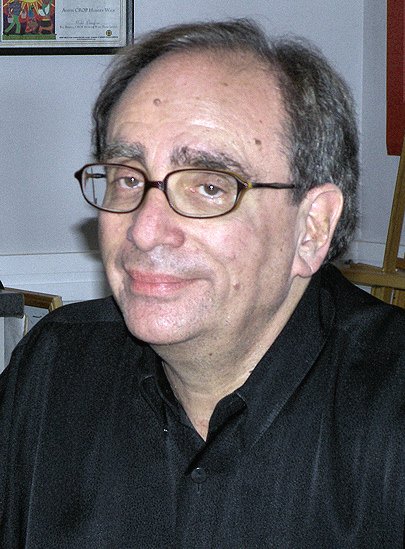
R.L. Stine has written over 300 books, mostly in the children’s horror genre. His “Goosebumps” series became a global phenomenon, selling over 400 million copies worldwide and spawning TV shows, movies, and merchandise. Stine understood that kids wanted to be scared, but not too scared, and he found the perfect balance in his writing.
Stine’s productivity comes from his systematic approach to storytelling. He developed formulas that worked and refined them across hundreds of books. Rather than reinventing the wheel with each story, he focused on creating variations on themes that he knew resonated with young readers. His consistency and understanding of his audience made him incredibly successful.
Nora Roberts: The Romance Writing Machine
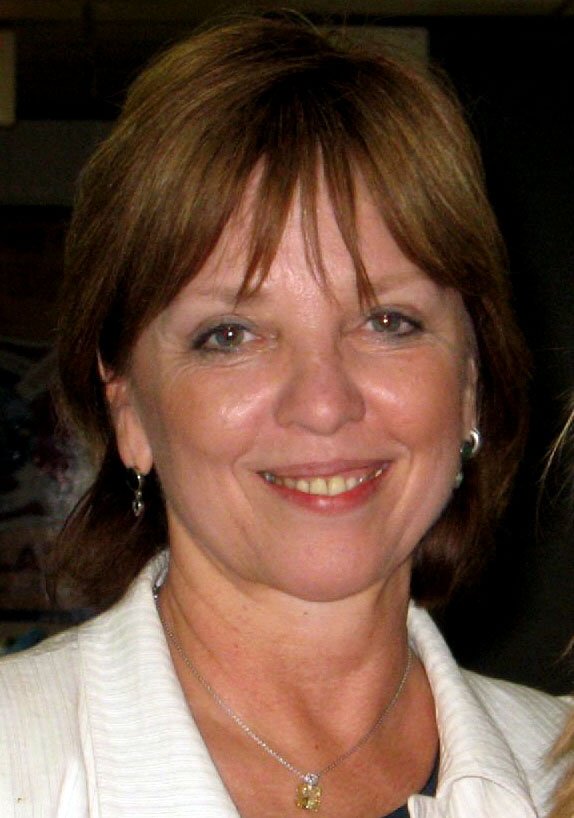
Nora Roberts has written over 225 romance novels, making her one of the best-selling romance authors in the world. She also writes futuristic suspense novels under the pseudonym J.D. Robb, effectively running two successful writing careers simultaneously. Roberts’ ability to maintain quality while producing multiple books per year is remarkable.
Roberts has been writing professionally for over four decades, and her productivity has only increased over time. She typically publishes four books per year—two contemporary romances as Nora Roberts and two futuristic novels as J.D. Robb. Her secret is treating writing as a business and maintaining strict deadlines and schedules, just like any other professional endeavor.
Alexandre Dumas: The Historical Fiction Titan
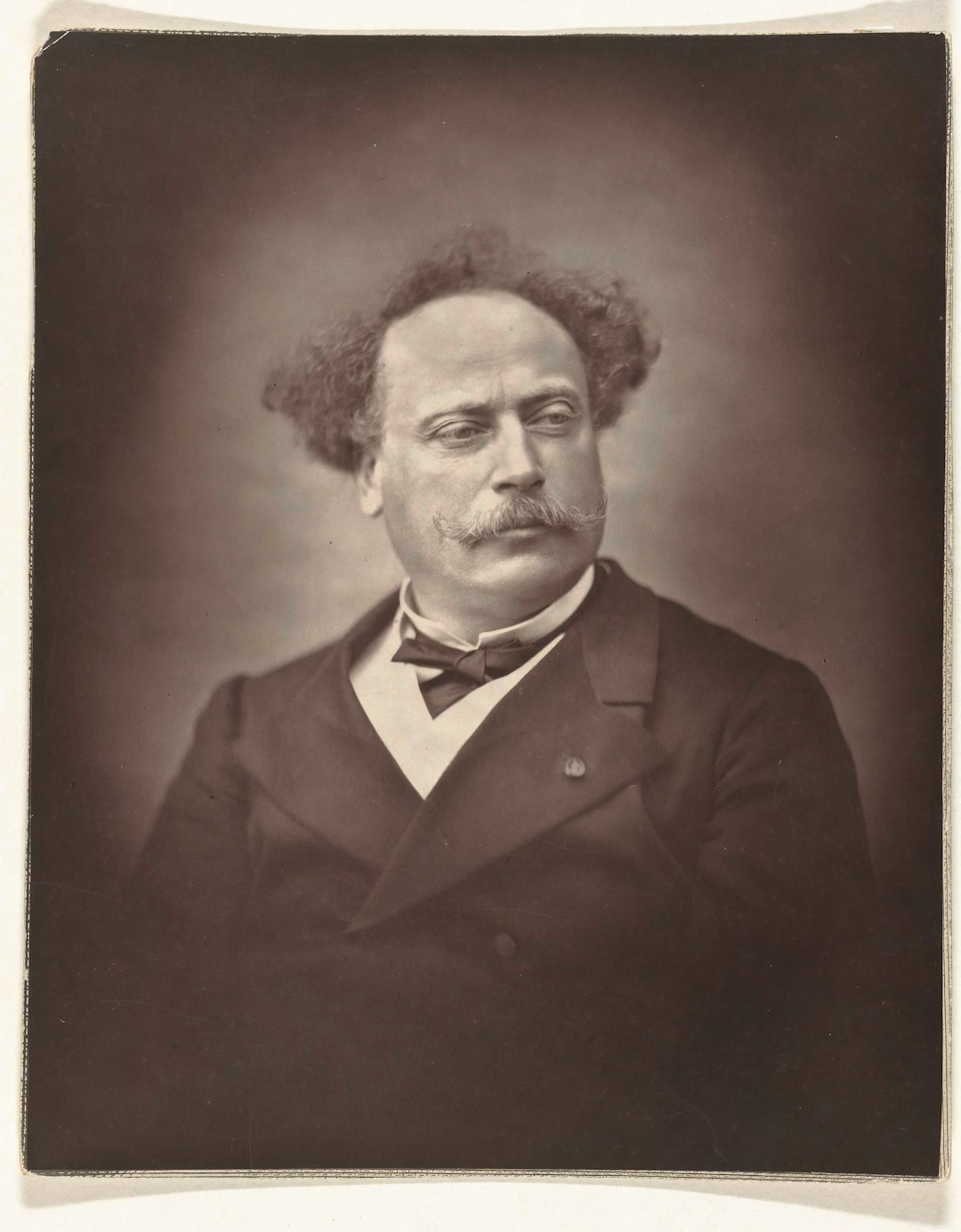
Alexandre Dumas wrote over 300 books, including classics like “The Three Musketeers” and “The Count of Monte Cristo.” What many people don’t realize is that Dumas often worked with collaborators, most notably Auguste Maquet, who helped him research and outline many of his historical novels. This collaborative approach allowed him to maintain incredible productivity while ensuring historical accuracy.
Dumas was essentially running a literary factory in 19th-century Paris. He employed researchers, ghostwriters, and editors to help him produce his massive output. While some critics questioned this approach, the results speak for themselves—his novels remain popular and widely read more than 150 years after his death.
Agatha Christie: The Mystery Writing Legend
derivative work: F l a n k e r, CC BY-SA 3.0, https://commons.wikimedia.org/w/index.php?curid=4841991)
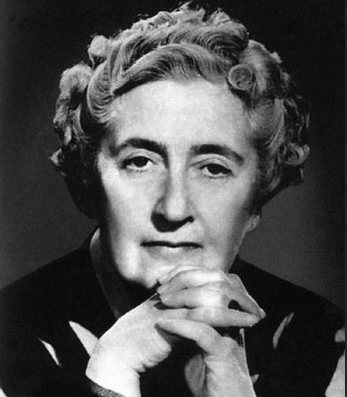
Agatha Christie wrote 66 detective novels and 14 short story collections, making her the best-selling mystery writer of all time. Her works have sold over 2 billion copies worldwide, making her one of the most-published authors in history. Christie’s two main detectives, Hercule Poirot and Miss Jane Marple, became cultural icons.
Christie’s productivity was remarkable considering the complexity of plotting required for good mystery novels. Each book required careful construction to plant clues fairly while misleading readers until the final revelation. Her ability to create engaging puzzles novel after novel, while maintaining reader interest and surprise, demonstrates a level of craftsmanship that few authors achieve even once.
James Patterson: The Modern Publishing Phenomenon
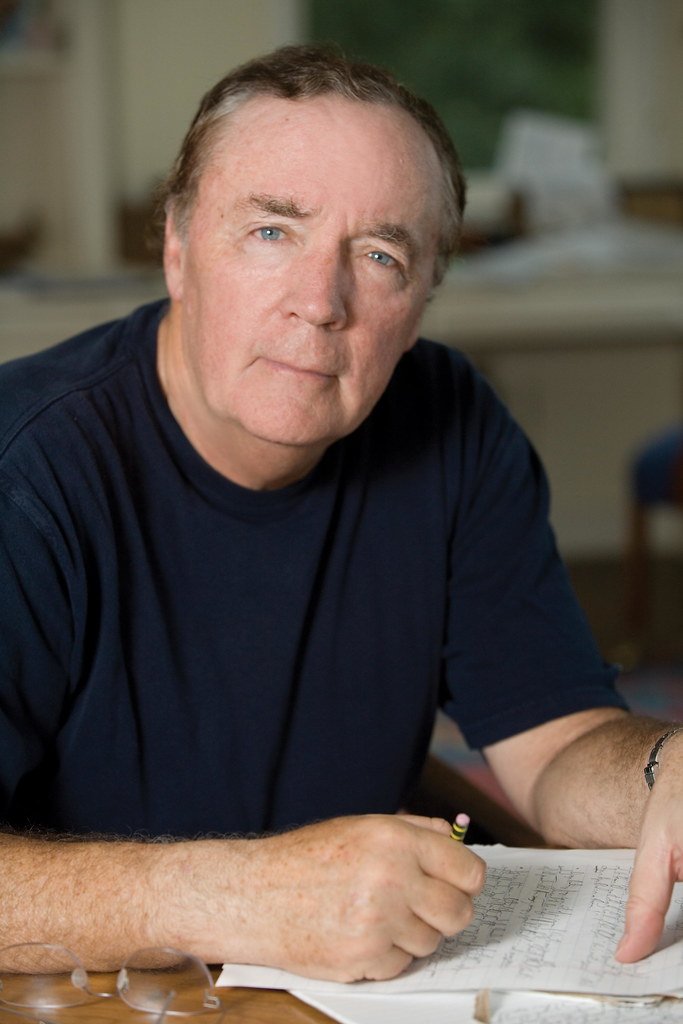
James Patterson has written more than 200 novels since 1976 and holds The New York Times record for most #1 New York Times bestsellers by a single author – 67. In total, Patterson has published at least 394 pieces of work, making him one of the most prolific authors of the modern era. What’s particularly impressive is that he’s achieved this while maintaining commercial success and critical recognition.
Patterson’s approach to writing is highly collaborative. Patterson’s prolific output is achieved with the help of co-authors. When working with another writer, Patterson first writes an extensive outline, which is then sent to the co-author. The co-author produces a first draft, with Patterson keeping an eye on the story’s progression and handling revisions before the book is published. This business model has been incredibly successful, though it’s drawn criticism from some literary purists.
Dean Koontz: The Versatile Storyteller

Dean Koontz has written over 100 novels spanning horror, suspense, science fiction, and thriller genres. His versatility as a writer has allowed him to maintain productivity across multiple decades while adapting to changing reader tastes. Koontz is known for his optimistic worldview, even in dark genres, which sets him apart from many of his contemporaries.
What makes Koontz’s productivity impressive is his commitment to quality. Unlike some prolific authors who rush to market, Koontz typically spends considerable time revising and polishing his manuscripts. He often rewrites entire novels multiple times before he’s satisfied with the result, which makes his output even more remarkable.
Danielle Steel: The Emotional Powerhouse

Danielle Steel has written over 190 novels, focusing primarily on romance and drama. Her books have sold over 800 million copies worldwide, making her one of the best-selling authors of all time. Steel has maintained remarkable consistency in both output and commercial success for over five decades.
Steel’s writing process is disciplined and methodical. She works on multiple books simultaneously, often writing 20 hours a day when she’s in the zone. Her ability to tap into universal emotions and create characters that readers care about has made her incredibly successful across different generations of readers.
Louis L’Amour: The Western Writing Legend
Louis L’Amour wrote over 100 Western novels, becoming the definitive voice of American frontier fiction. His “Sackett” series and other Western novels sold over 320 million copies worldwide. L’Amour’s productivity was driven by his deep knowledge of American history and his genuine love for the Western landscape and culture.
What made L’Amour special was his commitment to authenticity. He extensively researched historical details, geography, and period-appropriate technology for his novels. Despite his high output, readers could trust that his descriptions of frontier life, weapons, and customs were accurate, which added depth and credibility to his stories.
Charles Hamilton: The School Story Specialist
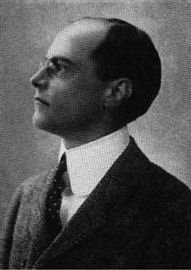
Writing under the pseudonym Frank Richards, Charles Hamilton wrote over 100 million words, primarily school stories featuring Billy Bunter. His output was so massive that for years, readers believed “Frank Richards” must be a house name used by multiple writers. In reality, it was just one incredibly prolific man who could write faster than most people could read.
Hamilton’s productivity was legendary even among his publishing peers. He could write multiple long stories per week, maintaining consistent characters and continuity across thousands of episodes. His Billy Bunter stories appeared weekly for over 30 years, creating one of the longest-running series in publishing history.
Conclusion

These 18 authors prove that prolific writing isn’t just about speed—it’s about finding sustainable systems, understanding your audience, and maintaining quality despite quantity. From L. Ron Hubbard’s record-breaking 1,084 published works to James Patterson’s modern collaborative model, each author found their own path to extraordinary productivity. Some wrote everything themselves, others used collaborators, and many developed formulas that allowed them to work efficiently without sacrificing storytelling quality.
What unites all these authors is their understanding that writing is both an art and a business. They treated their craft professionally, developed sustainable work habits, and never lost sight of what their readers wanted. Their combined output represents millions of hours of entertainment for readers worldwide. Makes you wonder—could you write a novel every two weeks for 25 years?
CEO-Co-Founder
