
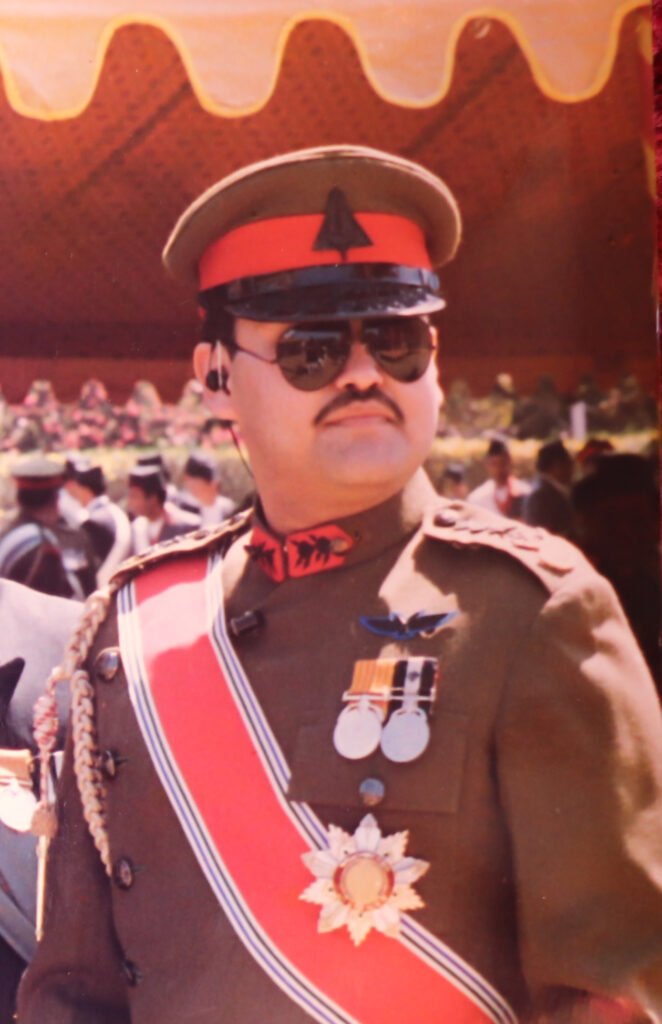

Louis XIX of France – The 20-Minute King
Picture this: you wake up as a king and go to bed as an ordinary man. That’s essentially what happened to Louis XIX of France, who holds the record for the shortest reign in history at just 20 minutes. On August 2, 1830, when his father Charles X abdicated during the July Revolution, the crown briefly passed to Louis Antoine. The palace walls echoed with angry protesters outside, and the monarchy was crumbling before his very eyes.
Despite the protestations of his wife Marie Thérèse, Louis XIX also agreed to abdicate the throne after just 20 minutes. The abdication document shows he’s only referred to as “Louis Antoine” rather than using his royal title. His 20-minute reign might seem like a footnote, but it captures how fragile power can be.
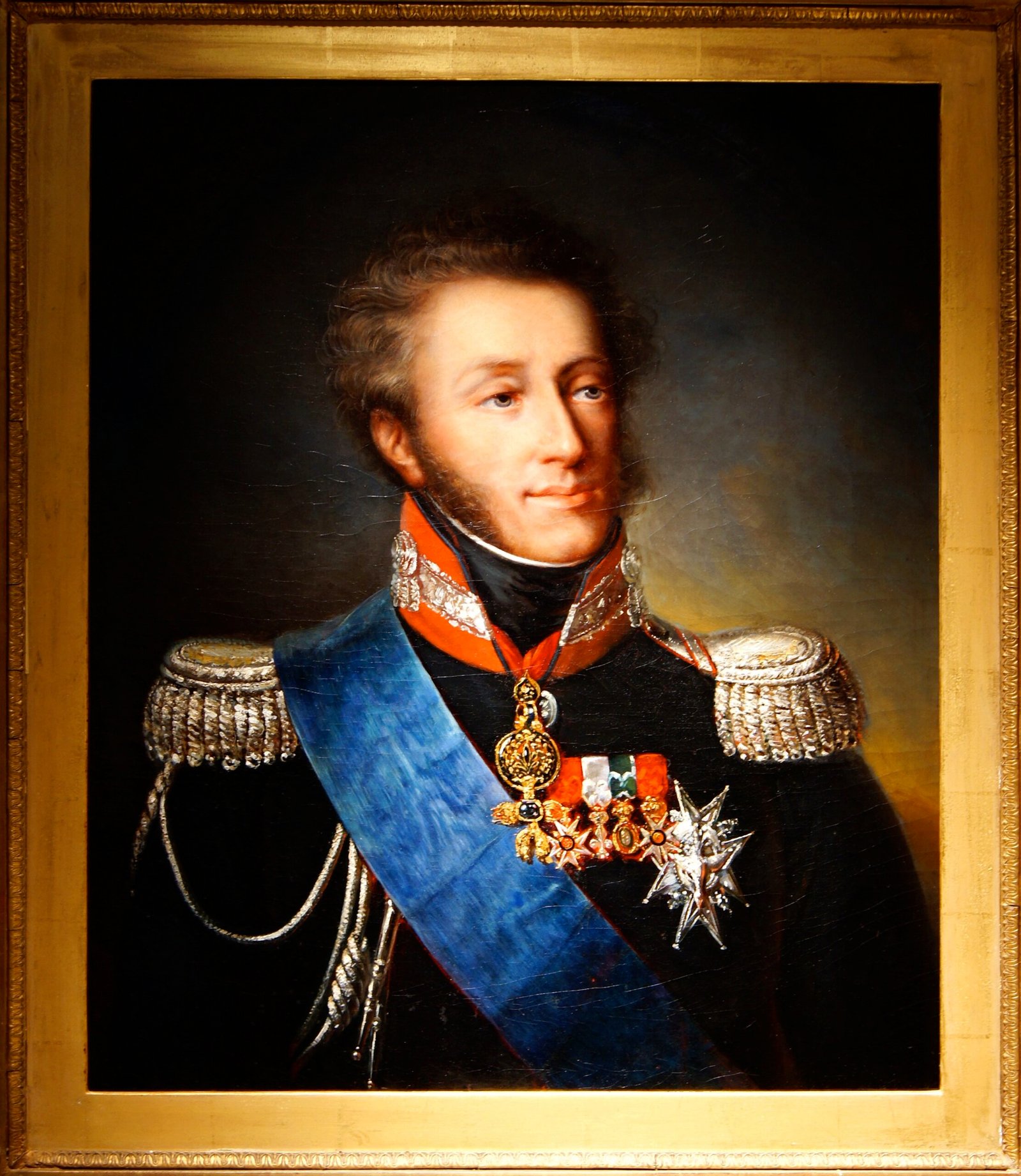
King Dipendra of Nepal – The Comatose Monarch
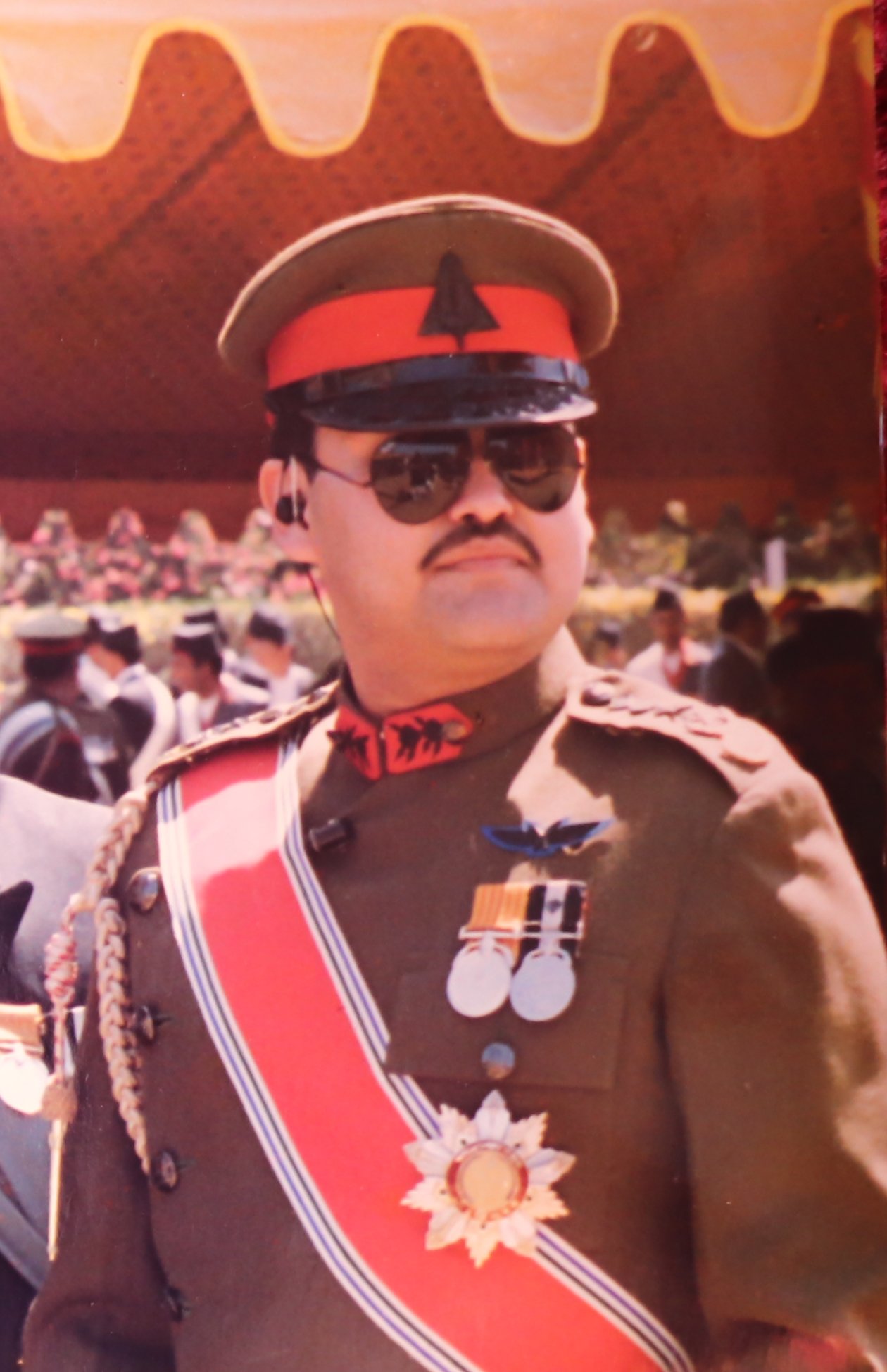
Dipendra Bir Bikram Shah Dev was King of Nepal for three days from June 1 to 4, 2001, but he spent his entire reign in a coma after shooting himself during the royal massacre. Nine members of the royal family, including King Birendra and Queen Aishwarya, were killed in a mass shooting, with an official inquiry naming Crown Prince Dipendra as the perpetrator. Dipendra was declared King of Nepal while comatose and died three days later without regaining consciousness.
The motive allegedly centered around his desire to marry Devyani Rana, whom he’d met in England, but his parents objected due to her mother’s background and her father’s political alliances. Devyani reportedly said she would only marry him if she became queen. Many questions remain unanswered, including the apparent lack of security, his uncle Gyanendra’s absence from the party, and the fact that his self-inflicted wound was on his left temple despite being right-handed.
Lady Jane Grey – The Nine Days’ Queen
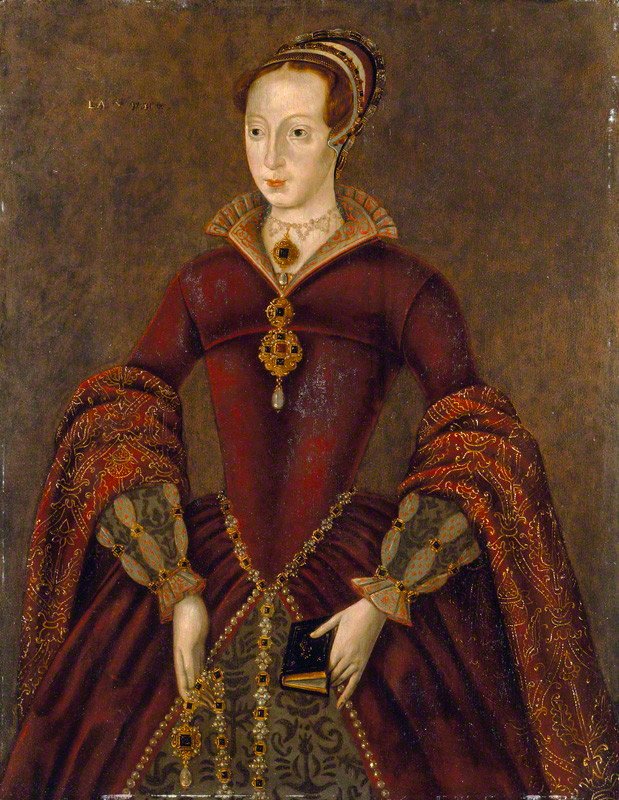
Lady Jane Grey, known as the Nine Days’ Queen, holds the record for the shortest reign in English history when King Edward VI named the Protestant teenager as his successor. Edward sought to preserve a Protestant monarchy, but Jane faced immediate challenge from Edward’s half-sister Mary, a devout Catholic with a strong claim to the throne. Mary quickly gathered support and rode into London in triumph, deposing Jane after just nine days.
Lady Jane was pushed into a royal role she didn’t want, but after the shortest reign in English history, she was imprisoned and eventually executed. Initially held in genteel captivity, Jane was eventually executed in February 1554 at the age of 16 or 17, following a failed rebellion led by her father. Her tragic story has captivated generations and inspired numerous artistic depictions.
Michael II of Russia – The Last Tsar’s Final Hours
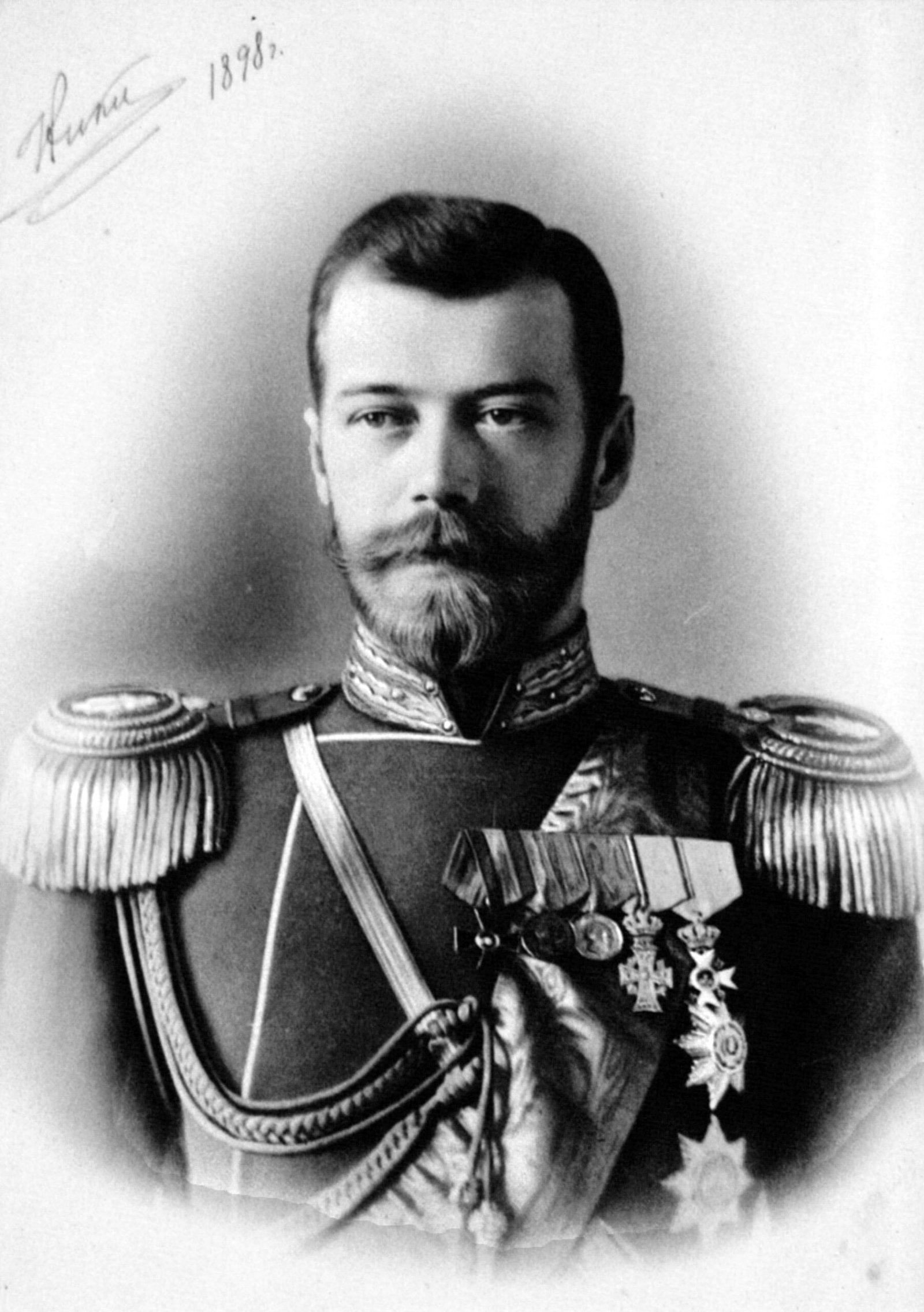
When the Russian Empire crumbled in March 1917, Michael II technically became the last Tsar after his brother Nicholas II abdicated, but the monarchy was dissolved the same day. His reign lasted approximately 16 hours, making him one of the shortest-ruling monarchs in history. The February Revolution had already sealed the fate of the Romanov dynasty, and Michael found himself inheriting a throne that no longer existed in practice.
Michael never actually accepted the crown, recognizing that the political situation made his rule impossible. The Provisional Government had taken control, and Russia was rapidly moving toward republicanism. His brief “reign” represented the final gasp of centuries of Tsarist rule, ending not with ceremony but with the practical acknowledgment that the old order was dead.
John I of France – The Posthumous King
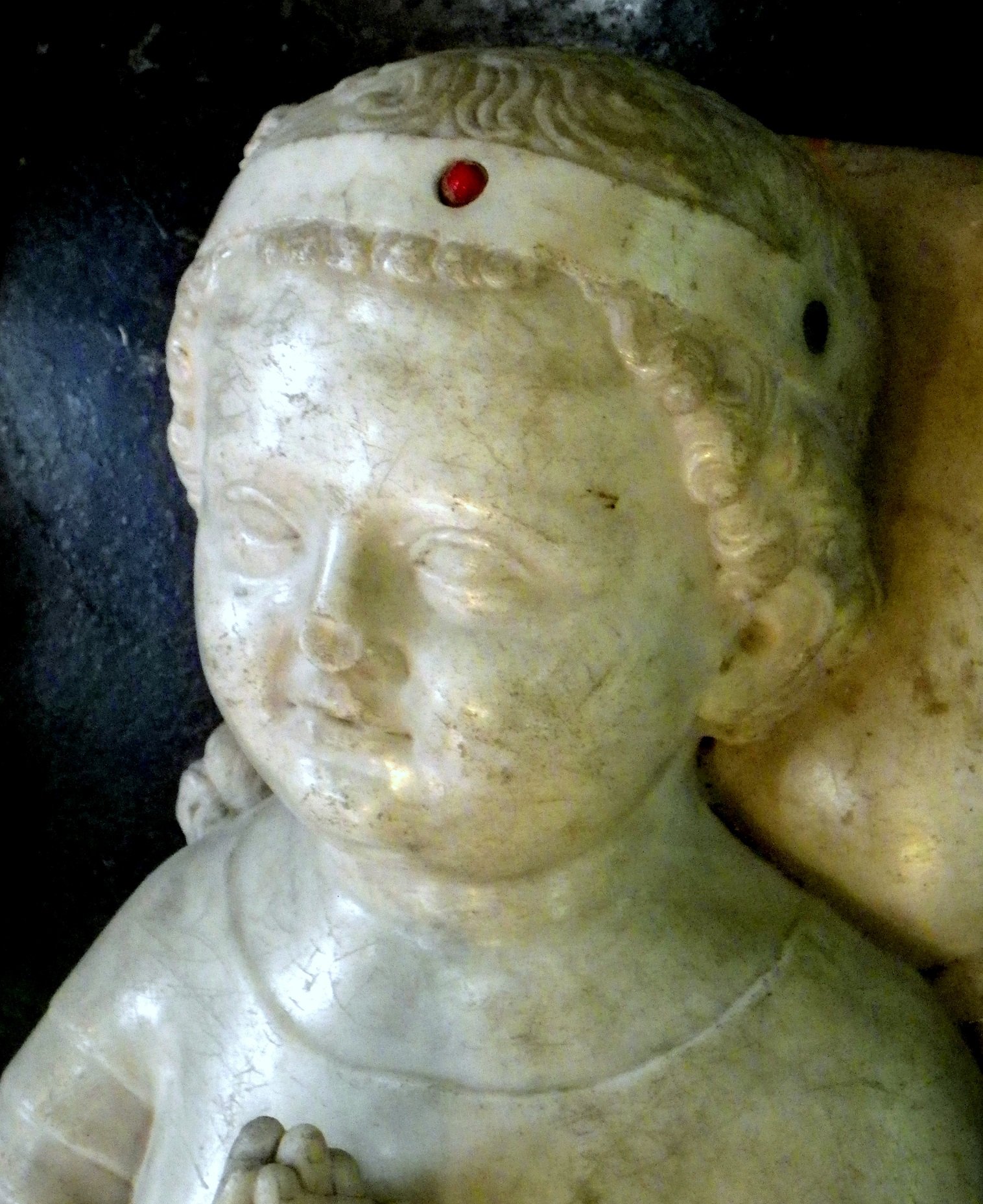
Sometimes kingship begins before life does. John I of France became king while still in his mother’s womb and died just five days after birth in November 1316. Born posthumously to Louis X, this infant never had a chance to understand his royal status. His brief existence sparked a succession crisis that would plague France for years.
The baby king’s death raised questions about legitimacy and succession rights that echoed through medieval politics. His uncle Philip became regent, then king, establishing precedents about posthumous births and royal succession. John I’s five-day reign, though tragic, became a footnote in the complex web of French royal succession laws.
Sultan Ibrahim II of Delhi – The One-Day Wonder
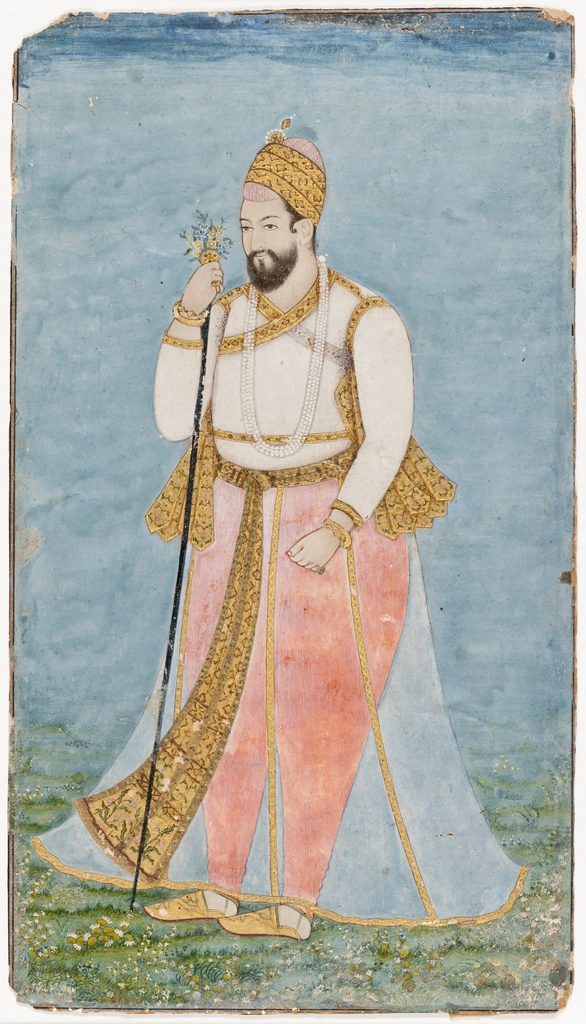
In 1414, the nobles of the Delhi Sultanate installed Ibrahim II as their ruler, but their enthusiasm didn’t last even a full day. Political machinations in medieval India moved at lightning speed, and Ibrahim found himself deposed within 24 hours of his installation. The Delhi Sultanate was notorious for its palace coups and rapid changes of leadership.
Ibrahim’s single day as Sultan illustrates the precarious nature of medieval Islamic rulers in India. Power struggles between different factions meant that today’s king could become tomorrow’s prisoner. His brief rule serves as a perfect example of how political instability could compress entire reigns into mere hours.
Emperor Mo of Han – Death Before Dawn
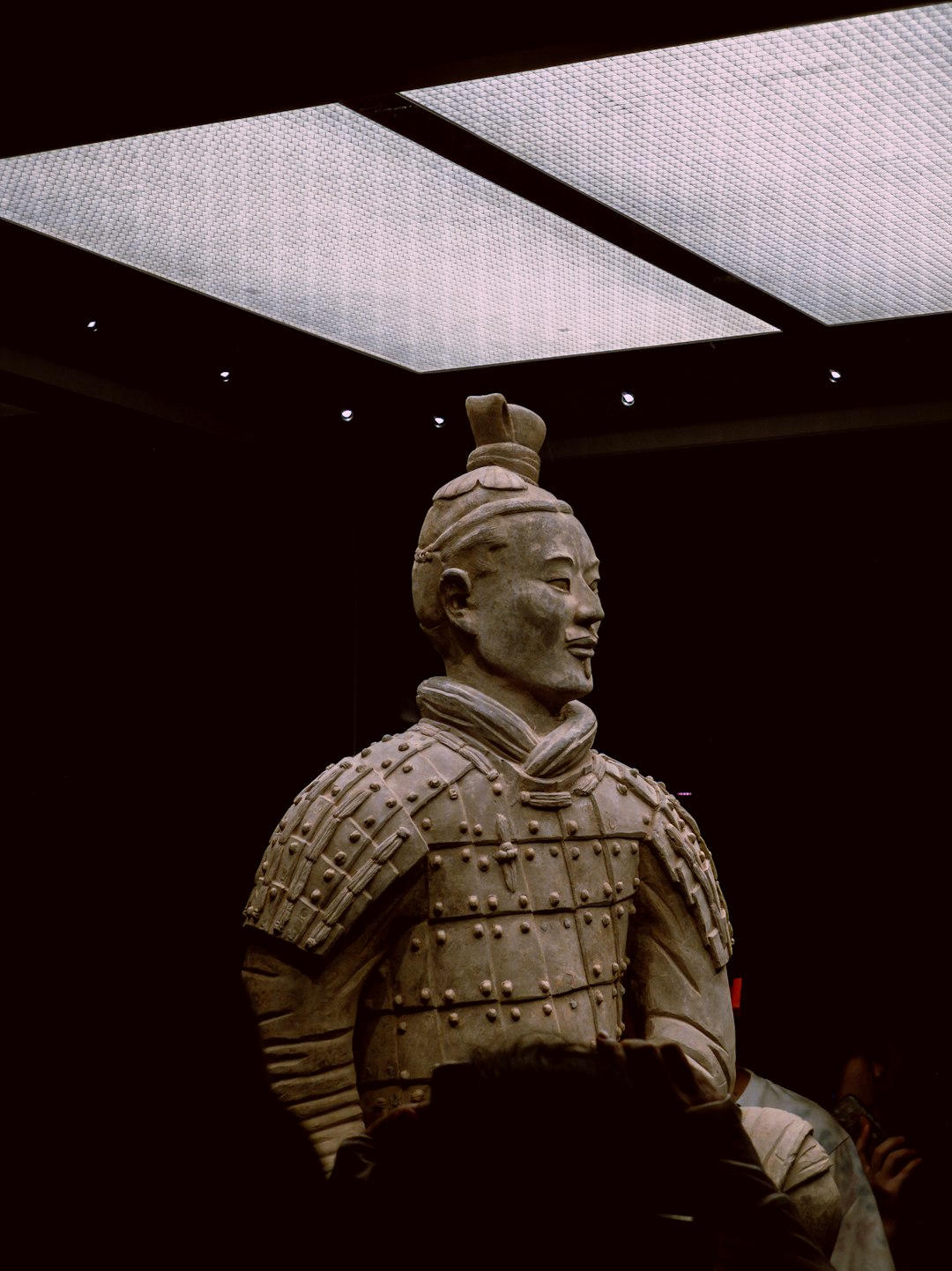
In 125 AD, an infant was declared Emperor of the Han Dynasty and died the same day, never seeing a second sunrise as ruler. Emperor Mo’s reign lasted less than 24 hours, making him one of the shortest-ruling monarchs in Chinese history. The Han Dynasty’s practice of elevating infants to the throne often led to these tragically brief reigns.
The baby emperor’s death represented more than personal tragedy – it highlighted the political instability plaguing the Han Dynasty during this period. Court intrigue and succession disputes frequently resulted in infant emperors who became pawns in larger political games. Mo’s brief life symbolizes the vulnerability of hereditary systems when political stability crumbles.
Pope-elect Stephen – The Uncrowned Pontiff
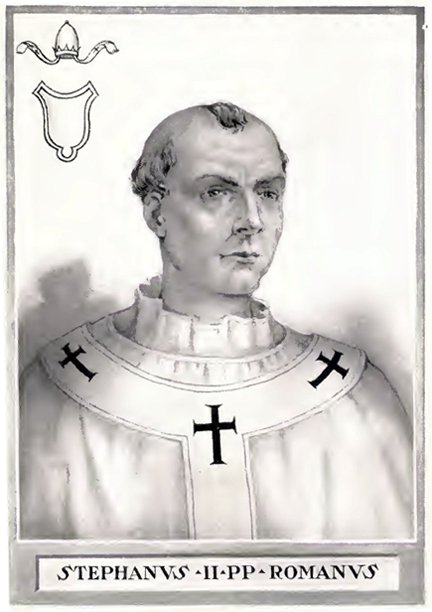
In March 752, Stephen was elected Pope but died before his consecration ceremony could take place. His two-day “reign” creates an interesting theological and historical question: was he ever really Pope? The Catholic Church later decided he wasn’t, removing him from official papal lists. This decision established important precedents about what constitutes a valid papal reign.
Stephen’s case illustrates how death can complicate even the most sacred of successions. His brief time as Pope-elect highlights the difference between election and actual assumption of power. The Church’s decision to not count him as a legitimate Pope shows how institutions sometimes rewrite history to maintain clear lines of succession.
King Umberto II of Italy – The May King
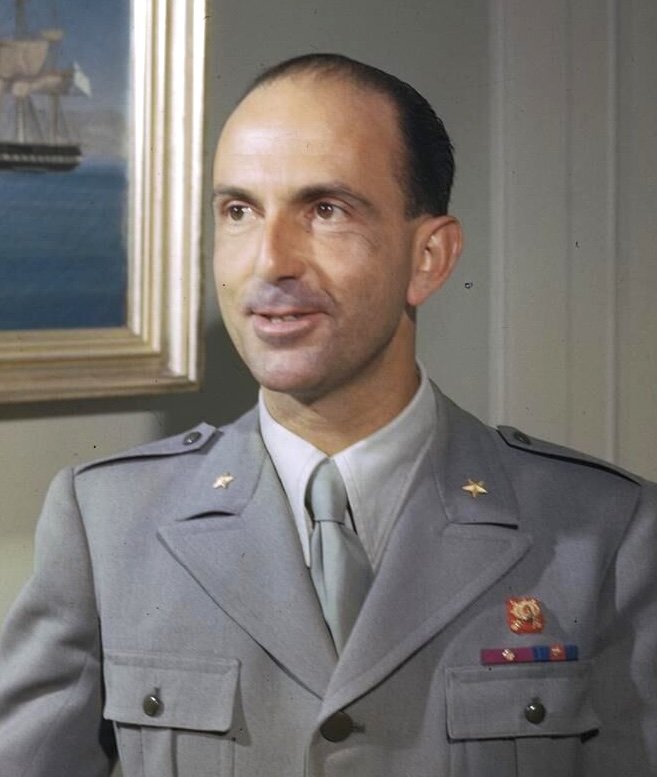
Umberto II took control of Italy’s monarchy after his father Victor Emmanuel III abdicated on May 9, 1946, but his reign lasted only 34 days after Italians decided to abolish the monarchy rather than endure more absolutist government. Italy had endured fascism, war, and occupation, leaving little appetite for continued monarchy. Umberto’s brief reign coincided with a referendum that would determine Italy’s future form of government.
The Italian people’s decisive rejection of monarchy in 1946 reflected their desire for democratic change after decades of authoritarian rule. Umberto, despite his personal qualities, became a symbol of an outdated system. His 34-day reign marked the end of the House of Savoy’s rule and Italy’s transition to a republic, showing how war can accelerate political transformation.
Sweyn Forkbeard of England – The Christmas Conqueror
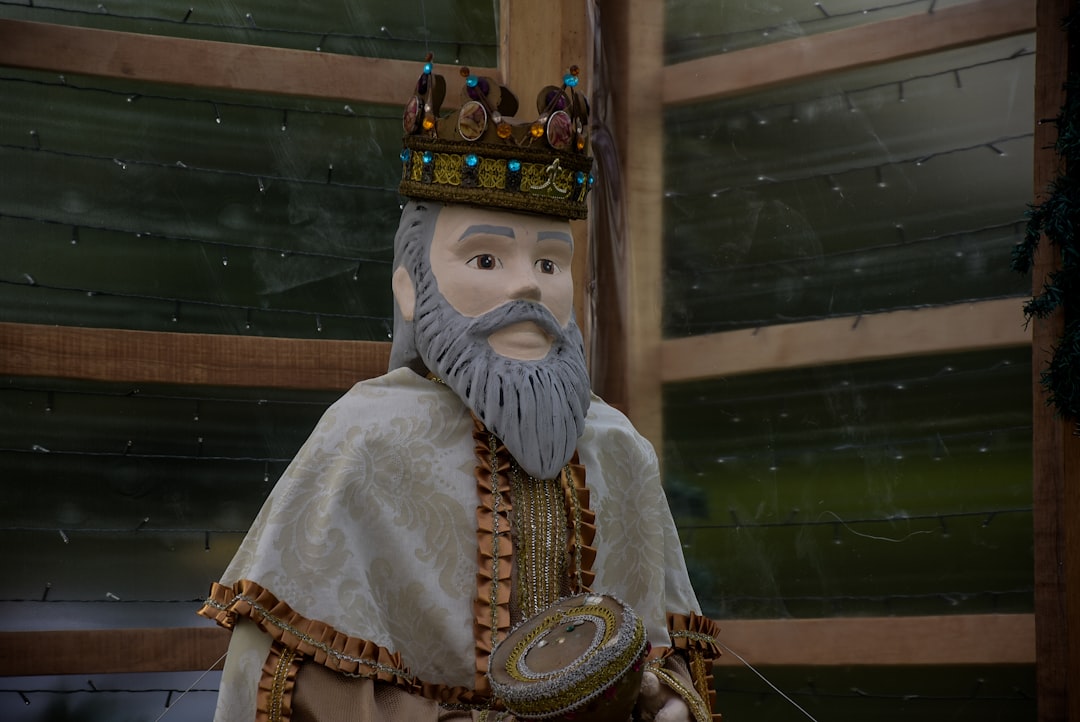
Sweyn Forkbeard conquered England and was declared king on Christmas Day 1013, but died suddenly on February 3, 1014, after reigning for approximately five weeks. His conquest had been swift and decisive, driving Æthelred the Unready into exile. However, death cut short what might have been a long and successful reign over England.
Sweyn’s brief rule demonstrates how quickly medieval politics could change. His son Cnut would later successfully conquer England again, but Sweyn’s sudden death allowed Æthelred to return from exile. The Danish king’s five-week reign shows that military conquest means nothing if you can’t live long enough to consolidate power.
Emperor Chūkyō of Japan – The Unrecognized Ruler
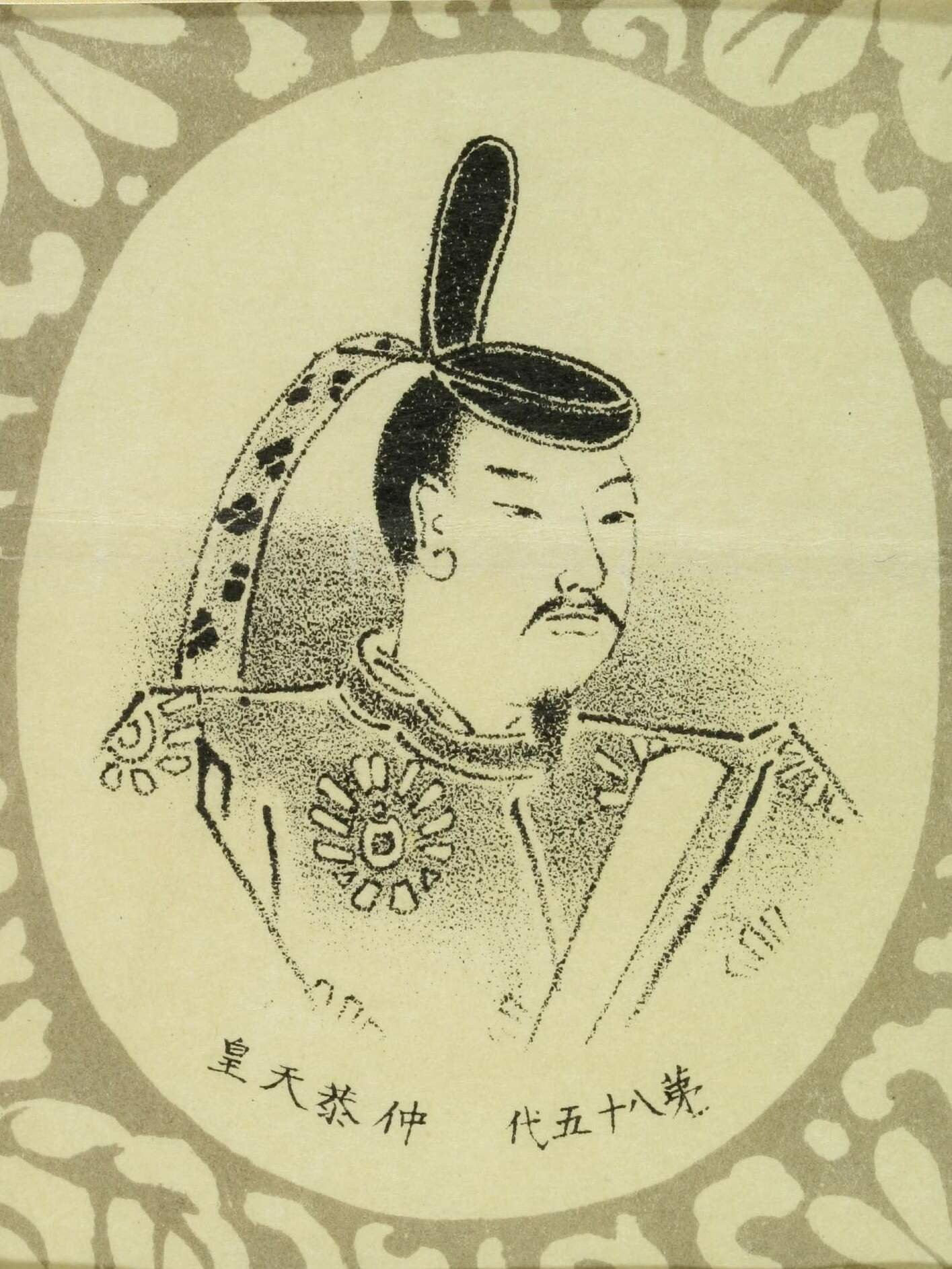
Emperor Chūkyō ruled Japan for approximately two months in 1221, but his reign was so controversial that it wasn’t officially recognized for centuries. His brief rule occurred during the Jōkyū War, a conflict between the imperial court and the Kamakura shogunate. Political chaos made his position untenable from the start.
The emperor’s deposition came swiftly when the Hōjō regents decided he posed too great a threat to their authority. His reign illustrates the complex power dynamics of medieval Japan, where emperors often served as figureheads while real power lay with military leaders. Chūkyō’s brief rule became a cautionary tale about challenging established power structures.
King Reccared II of the Visigoths – The Brief Gothic King
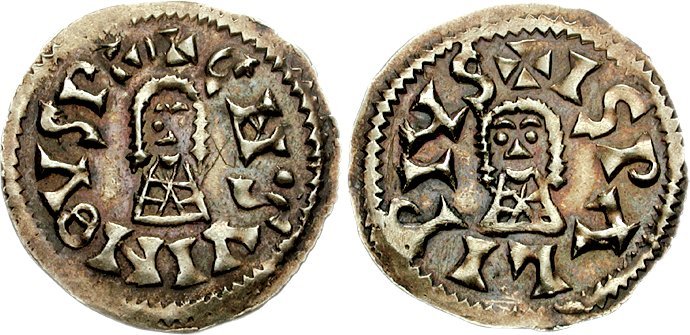
In 612 AD, Reccared II became king of the Visigoths but died within days of his succession. The Visigothic kingdom in Spain was notorious for its unstable succession patterns, with kings frequently dying violent deaths or being deposed by rivals. Reccared II’s brief reign fits this pattern perfectly.
His death so soon after taking the throne suggests either natural causes, assassination, or political pressure that made his position untenable. The Visigothic kingdom’s constant internal strife meant that new kings often faced immediate challenges to their authority. Reccared II’s few days as king represent the chronic instability that would eventually contribute to the kingdom’s collapse.
Henry V of Castile – The Disputed Day King
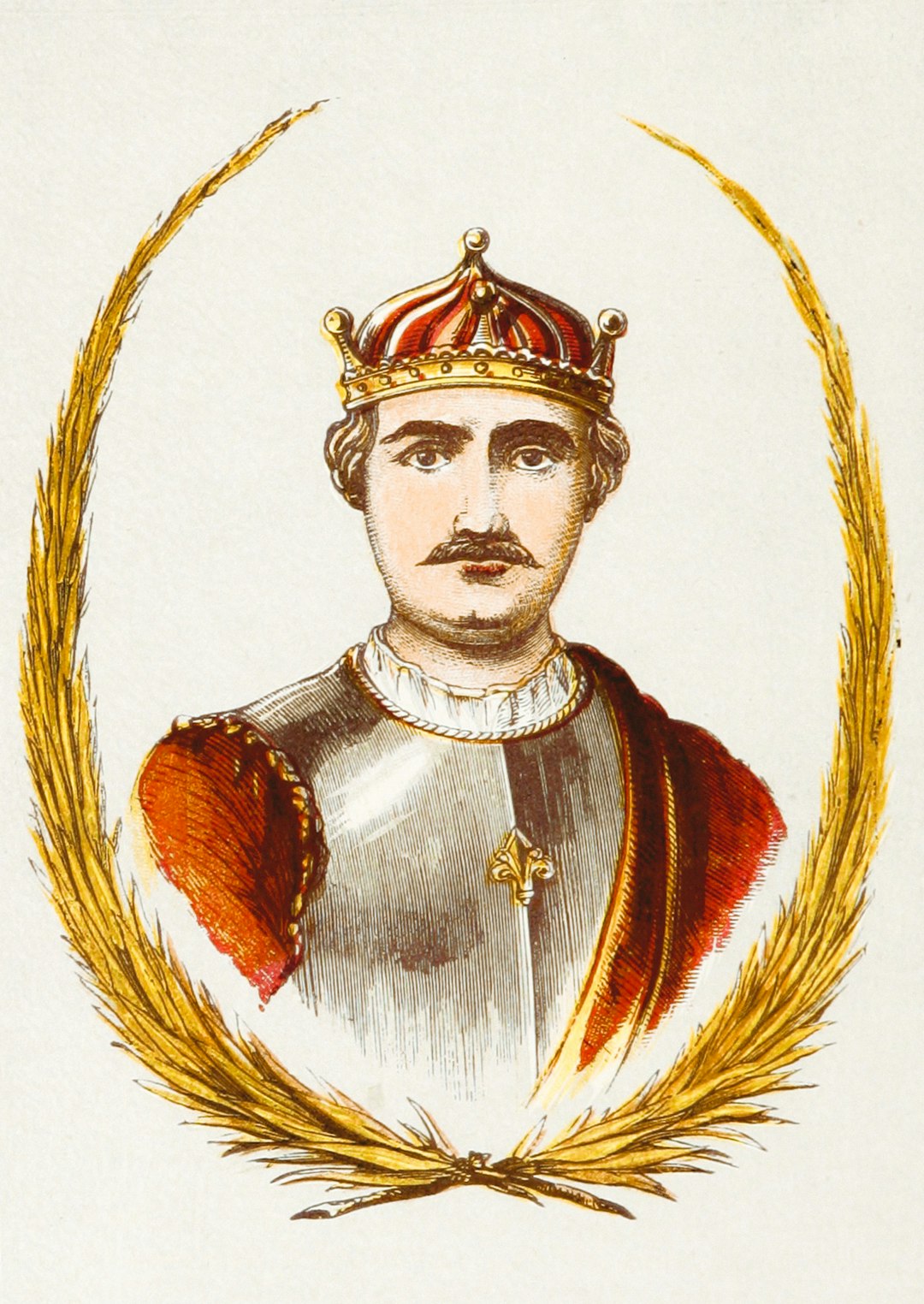
In 1474, Henry V’s claim to rule Castile lasted potentially only hours before Isabella I took control. His reign, if it can be called that, represents one of the most disputed successions in Spanish history. The question of whether he actually ruled at all continues to puzzle historians.
Henry’s supposed reign occurred during a period of intense succession dispute in Castile. Political factions backed different claimants, and military might often determined legitimacy more than legal right. His brief moment as potential king illustrates how quickly political situations could change in medieval Spain, where today’s heir could become tomorrow’s exile.
Luis II of Portugal – Twenty Minutes to Death
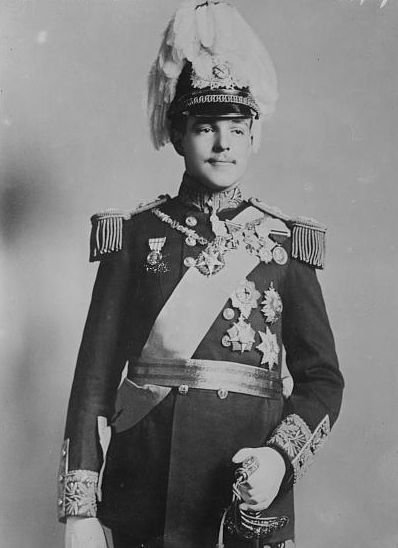
Luis II of Portugal survived the assassination of his father Carlos I on February 1, 1908, in Lisbon, but his own fatal wounds meant he died just 20 minutes later. The assassination plot that killed his father also mortally wounded him, creating one of the shortest reigns in Portuguese history. His twenty minutes as king were spent dying from gunshot wounds.
This tragic succession illustrates how political violence can compress entire reigns into moments. Luis II never had a chance to make any decisions or issue any orders as king. His brief reign symbolizes the end of the Portuguese monarchy’s stability and the violence that was overtaking early 20th-century European politics.
Emperor Michael VI Bringas – The Civilian Emperor
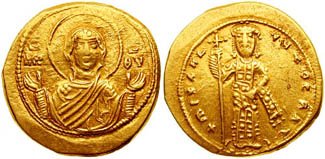
Michael VI Bringas ruled the Byzantine Empire from 1056 to 1057, lasting less than a year before being deposed. As a civilian appointed emperor, he faced immediate opposition from the military aristocracy who viewed him as weak and unsuitable for the throne. His attempts to reform the military and reduce their power only hastened his downfall.
The emperor’s brief reign highlighted the growing tensions within the Byzantine Empire between civilian administrators and military commanders. His deposition by Isaac I Komnenos marked a shift toward military control of the empire. Michael VI’s failed reign demonstrates how quickly emperors could fall when they lacked military support in medieval Byzantium.
Conclusion
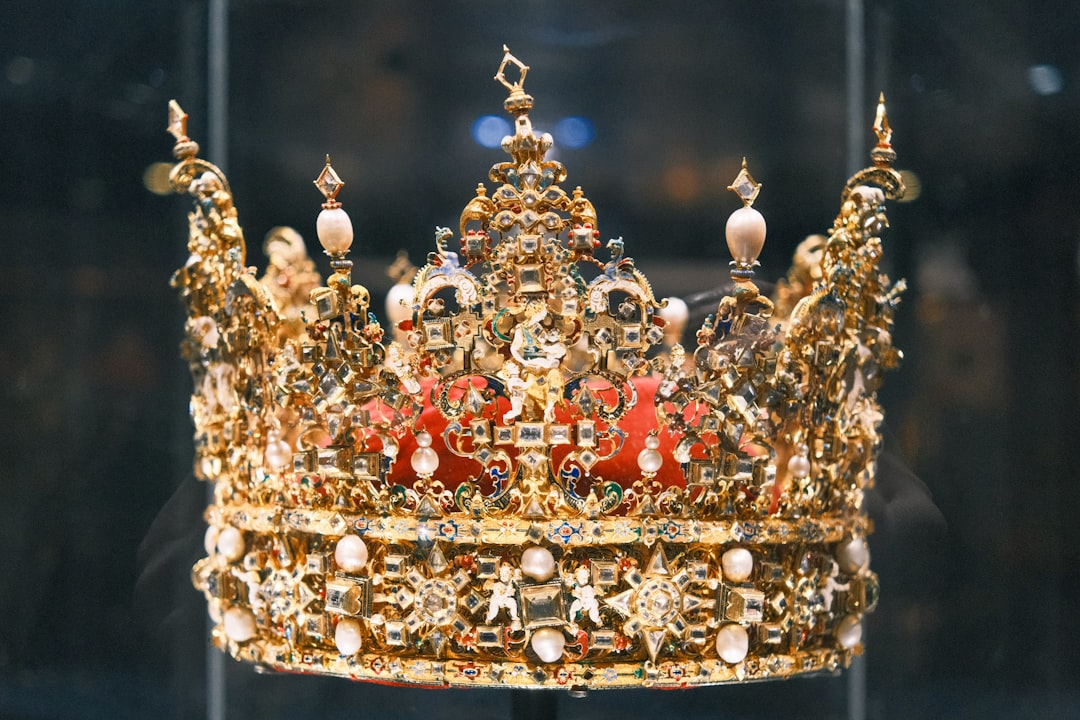
These brief reigns remind us that power, no matter how absolute it might seem, can disappear in an instant. From Louis XIX’s twenty-minute kingship to Dipendra’s comatose three days, these monarchs show us how quickly history can change direction. Their stories aren’t just about failed ambitions or tragic circumstances – they’re about the fundamental instability that lurks beneath even the most established political systems.
What strikes me most about these rulers is how their brevity somehow makes them more memorable than many long-reigning monarchs. Perhaps it’s because their stories feel more human, more relatable. After all, who among us hasn’t felt like we’re barely keeping our heads above water? These kings and emperors, despite their crowns and titles, faced the same uncertainty we all do – they just had a lot further to fall.
Did you expect that some of these rulers would be remembered more for their brief moments of power than for any lasting achievements?

Besides founding Festivaltopia, Luca is the co founder of trib, an art and fashion collectiv you find on several regional events and online. Also he is part of the management board at HORiZONTE, a group travel provider in Germany.
