


For any feedback please reach out to info@festivalinside.com
- Some Historical Discoveries Completely Rewrote Our Understanding of Ancient Times. - August 27, 2026
- America’s National Parks Offer Breathtaking Beauty and Rich History. - August 27, 2026
- 10 Novels That Predicted the Future With Eerie Accuracy. - August 27, 2026
The Sacred Mystery of the Ark of the Covenant
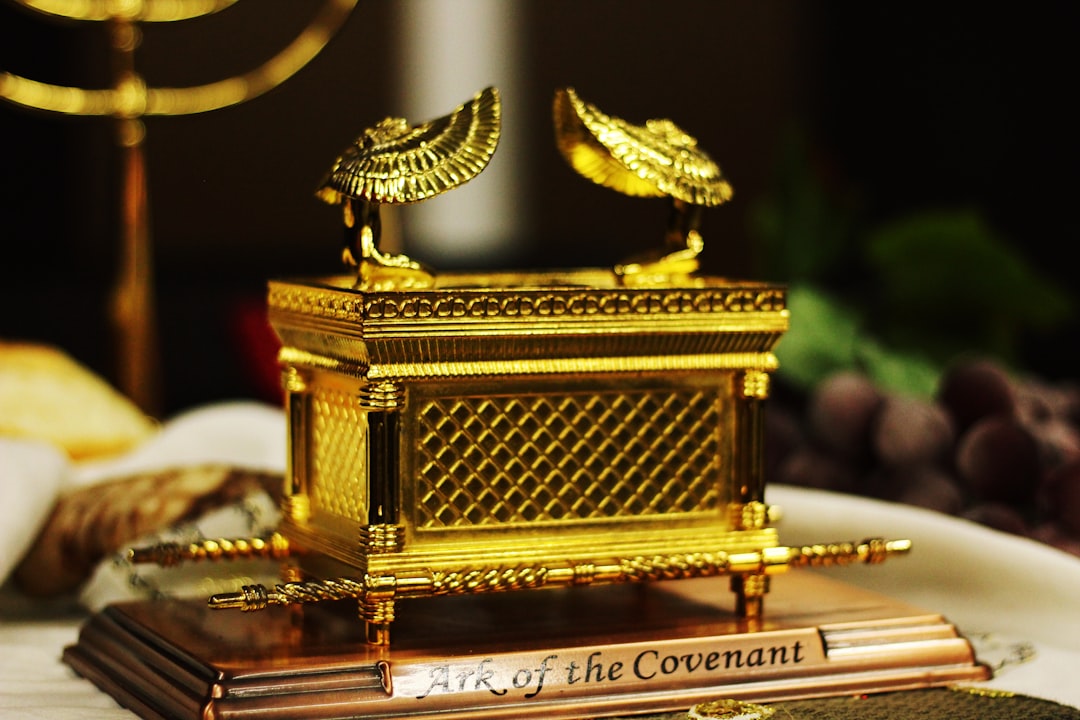
Somewhere in the ancient hills of Ethiopia or buried deep beneath Jerusalem’s Temple Mount lies the most sacred object in human history. The Ark of the Covenant, which allegedly contains the original Ten Commandments, vanished after the Babylonian destruction of Jerusalem in 587 BCE and remains hidden today in the Church of Our Lady Mary of Zion in Aksum, according to Ethiopian tradition. While archaeologist John Holladay called many theories “garbage and hogwash,” a former Ethiopian Studies professor claimed in 1992 that he examined the ark in Axum and found “a wooden box, but it’s empty”.
Many scholars believe Israel’s Ark of the Covenant was probably hidden, destroyed or taken during the Babylonian conquest of Jerusalem. Even the CIA got involved – declassified documents from the 1980s describe an effort to identify the Ark’s location using ESP, with the agency claiming to have confirmed its existence through remote viewing and alleging it’s guarded by ‘entities’ with ‘unknown’ power. The hunt continues with modern technology, but like a ghost in the moonlight, the truth remains just beyond our grasp.
Knights Templar’s Vanished Fortune
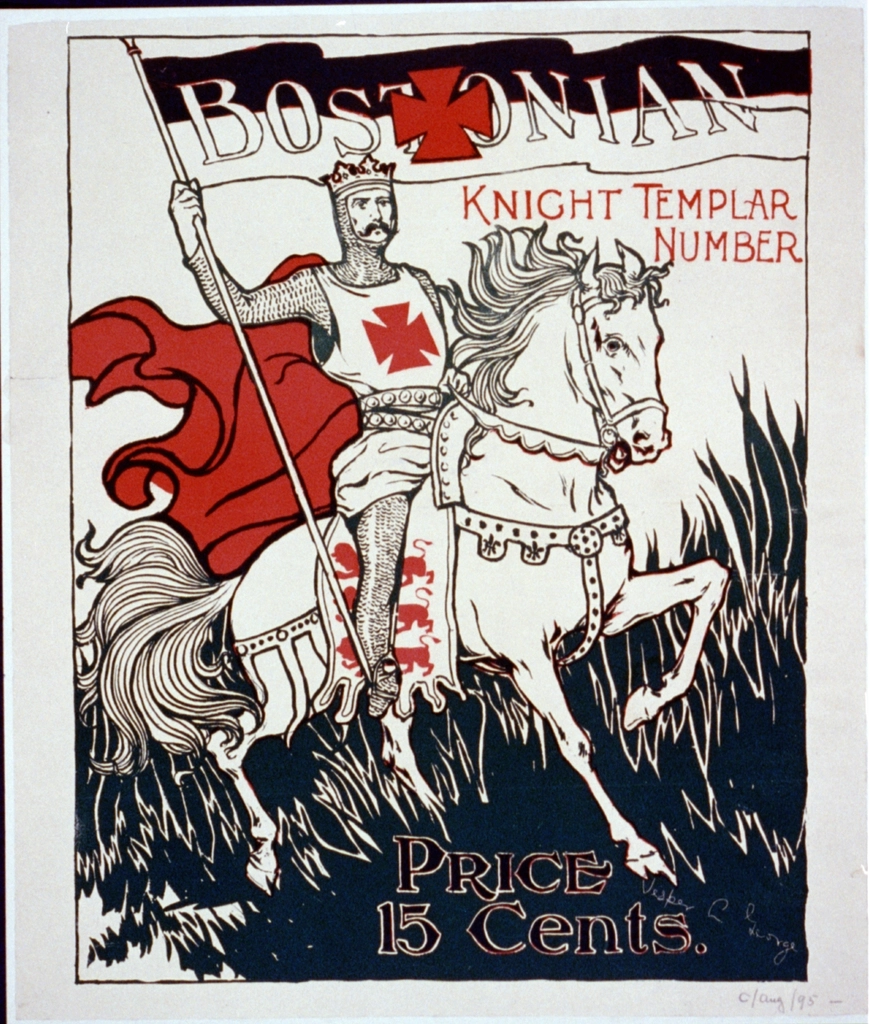
When the Order of Knights Templar was ruthlessly dissolved by King Philip the Fair of France in 1307, it possessed immense wealth and political power, yet none of the treasure amassed by the Templars has ever been found. Hypotheses about Oak Island’s treasure range from pirate gold to the Holy Grail and the Ark of the Covenant, with the Grail and the Ark having been buried there by the Knights Templar. The island off Nova Scotia has become ground zero for this centuries-old treasure hunt.
Recent research suggests the treasure was never buried in the Money Pit but was an intentional deception, with LiDAR data showing the actual location still undisturbed. A lead cross discovered at Smith’s Cove tested positive for material from Southern France dating back to the 1300s or 1400s, supporting the theory that the Knights Templar may have been on the island. The Templars’ architectural genius, demonstrated by their role in designing Lalibela’s rock-hewn churches, makes the idea of an underground hiding place that could house religious icons for centuries entirely plausible.
Russia’s Missing Eighth Wonder

The Amber Room was once called the “Eighth Wonder of the World,” and for good reason. This magnificent chamber, constructed entirely of amber panels backed with gold leaf and mirrors, was looted by Nazi forces during World War II and hasn’t been seen since 1945. The room vanished after being moved to Königsberg, Germany, and researchers hope new archaeological finds will provide insight into vanished artifacts.
Some experts believe the room was destroyed during Allied bombing raids, while others think it’s hidden in underground bunkers across Germany. The search has taken investigators from Kaliningrad to remote caves in the Bavarian mountains. Recent archaeological discoveries have used advanced techniques like ground-sensing technology to uncover lost artifacts, giving hope that similar methods might locate the Amber Room. Modern treasure hunters continue scouring Eastern Europe, following leads that appear and disappear like amber itself – beautiful but fragile.
The Billion-Dollar Lima Loot

In 1820, as revolution swept through Peru, Spanish officials faced a terrible choice: let their immense treasure fall into rebel hands or trust it to someone else. They chose British Captain William Thompson to transport gold, silver, and precious religious artifacts worth billions in today’s currency to Mexico. Thompson had other plans.
Instead of delivering the cargo, Thompson and his crew murdered the Spanish guards and sailed to Cocos Island off Costa Rica. They buried the loot and scattered, but most were captured and executed. Ground-sensing technology has recently uncovered over 6,000 interconnected earthen platforms in Ecuador dating back 2,000 years, showing how advanced detection methods are revealing hidden archaeological sites. Only Thompson and his first mate survived to tell the tale, and while Thompson later led expeditions to recover the treasure, it was never found. The island remains a magnet for modern treasure hunters, but the Pacific has kept its secrets well.
Genghis Khan’s Secret Tomb
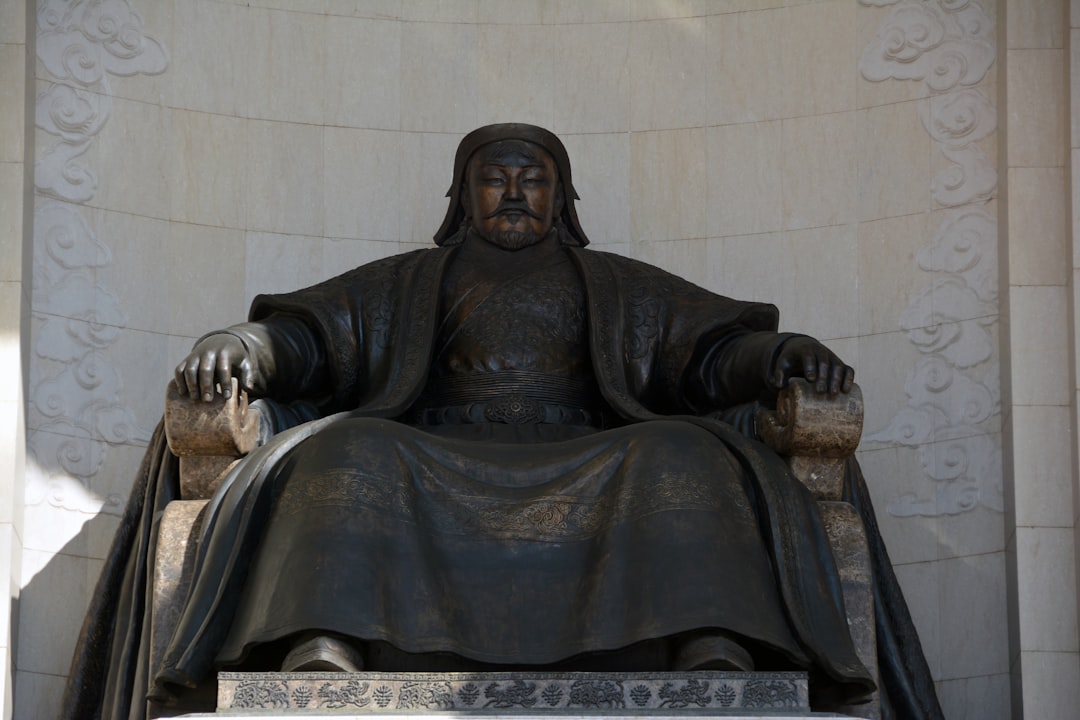
The greatest conqueror in history took his secrets to the grave – literally. Recent archaeological discoveries have provided unique insights into lives of people who lived over 5,600 years ago, demonstrating how modern techniques can uncover ancient mysteries. Genghis Khan died in 1227, and his burial location was deliberately hidden to prevent enemies from desecrating his remains.
Legend says his funeral procession killed anyone they encountered to maintain secrecy, and the burial site was trampled by horses until no trace remained. Modern expeditions have used satellites, ground-penetrating radar, and even crowd-sourced archaeology to scan Mongolia’s vast Khentii Mountains. Ancient DNA and ground-sensing technology played significant parts in archaeological discoveries made in 2024. Some researchers believe they’ve identified possible locations, but the Mongolian government restricts access to many sacred sites, keeping the Khan’s eternal rest secure for now.
The Cursed Lost Dutchman Mine
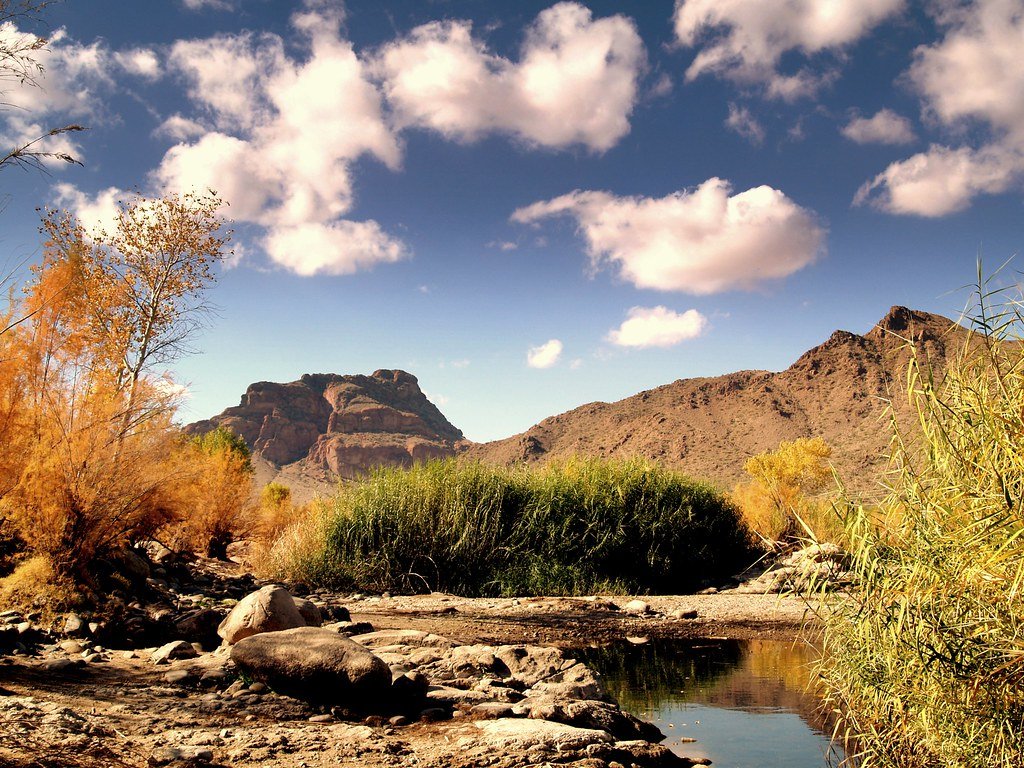
Arizona’s Superstition Mountains hide what might be America’s most famous lost treasure – a gold mine so rich it’s said to be cursed. The legend centers on Jacob Waltz, known as the “Lost Dutchman,” who allegedly discovered a fantastically rich gold mine in the 1880s but died without revealing its location.
Dozens of treasure hunters have died in these unforgiving mountains, leading to tales of Apache curses and protective spirits. While most archaeological digs continue using time-tested techniques, newer technologies including ground-sensing equipment are changing what we know about hidden locations. The terrain is so treacherous that even experienced hikers get lost, and the desert has claimed many lives. Some experts think the mine never existed, while others point to rich gold deposits throughout the region. The search continues, but the desert keeps its secrets as jealously as any pharaoh’s tomb.
The Portuguese Crown Jewel of Shipwrecks
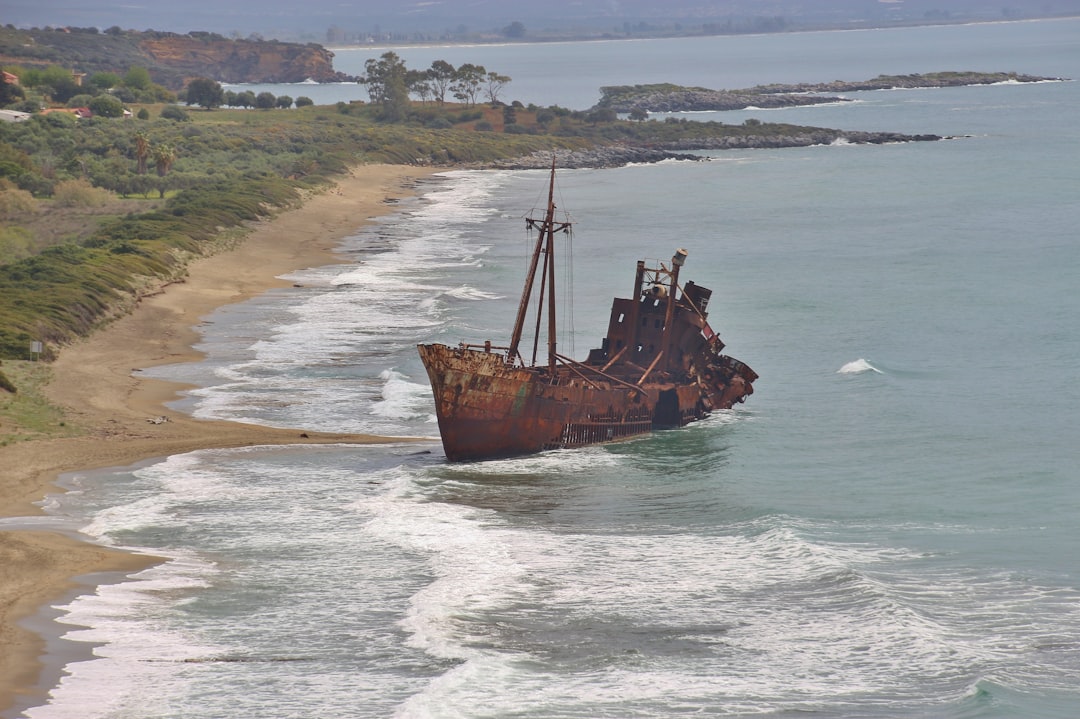
The Flor de la Mar was carrying the greatest treasure ever assembled when she sank in 1511. This Portuguese flagship was loaded with riches from conquered Malacca – diamonds, gold, silks, and precious stones that would make modern billionaires weep with envy. The ship went down in a storm off Sumatra, and her treasure remains lost in the depths.
Ocean exploration companies have helped rediscover several World War II-era ships recently, including the USS Harder submarine found by the Lost 52 project in the South China Sea. Modern treasure hunters use advanced sonar and underwater robots to scan the seabed, but the Strait of Malacca’s strong currents and heavy ship traffic make searching difficult. The Indonesian government strictly controls salvage operations in their waters, and competing claims have led to legal battles. Still, the lure of perhaps the richest shipwreck in history keeps treasure hunters diving into those murky waters.
Ireland’s Stolen Crown Jewels

In 1907, the Irish Crown Jewels vanished from Dublin Castle in one of history’s most audacious heists. The collection included the magnificent star and badge of the Order of St. Patrick, encrusted with Brazilian diamonds and rubies worth millions today. The theft happened just before King Edward VII’s visit to Ireland, causing massive embarrassment to the British Crown.
Suspicion fell on Arthur Vicars, the Ulster King of Arms responsible for the jewels’ safekeeping, but he maintained his innocence until his death. Some believe Irish republicans stole them to fund their independence movement, while others suspect an inside job involving high-ranking officials. Recent archaeological excavations have uncovered 33 tombs in southern Egypt and 63 in the Nile Delta, along with stunning gold amulets and coins, showing how precious artifacts can remain hidden for millennia. The jewels were never recovered, and theories range from them being hidden in Dublin to being dumped in the Thames. The mystery remains Ireland’s greatest unsolved crime.
Alaric’s Roman Plunder
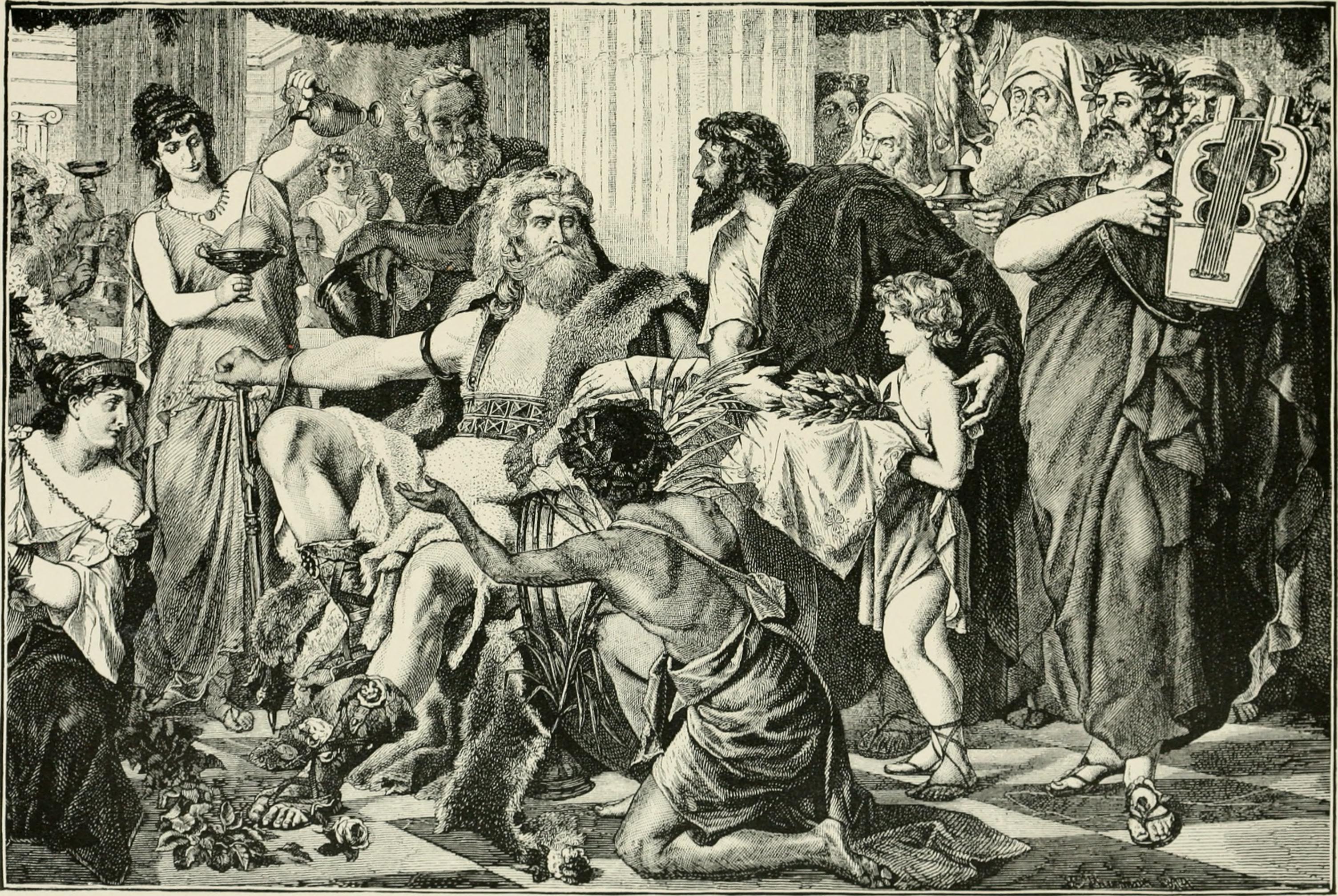
When Alaric the Visigoth sacked Rome in 410 CE, he carried away treasures that would make modern museums drool. The loot included the sacred Jewish Menorah from Solomon’s Temple, golden vessels, and precious artifacts accumulated over centuries of Roman conquest. Alaric died soon after in southern Italy, and legend says he was buried with all his treasure.
According to ancient sources, Alaric’s followers diverted the Busento River near Cosenza, buried their king with his treasure in the riverbed, then redirected the water back over the grave. They killed all the workers to keep the location secret. Recent discoveries of 2,700-year-old bronze shields from the Urartu kingdom were found beneath collapsed mudbrick walls, showing how ancient treasures can remain hidden underground for millennia. Multiple attempts have been made to drain or redirect the river, but all have failed. Modern archaeological surveys continue, but Alaric’s grave remains as elusive as the king was in life.
The Missing Fabergé Masterpieces

Of the 50 Imperial Easter eggs created by Carl Fabergé for the Russian royal family, eight remain missing since the Russian Revolution. These aren’t just decorative trinkets – they’re priceless works of art made from gold, platinum, and precious gems, each containing intricate mechanical surprises inside.
Recent archaeological discoveries have included 2,000-year-old crescent-shaped gold earrings and bronze mirrors found in Kazakhstan, demonstrating how precious artifacts can survive buried for millennia. The missing eggs include the “Royal Danish” and “Alexander III Commemorative,” last seen when Bolsheviks raided the imperial palaces. Some may have been sold secretly to fund the Soviet state, while others could be gathering dust in private collections. Occasionally, a missing Fabergé egg surfaces at auction – one was discovered in 2014 in a Midwest antique shop, purchased for just $14,000 and later valued at $33 million. The hunt for the remaining treasures continues across the globe.
The Copper Scroll’s Hidden Hoards
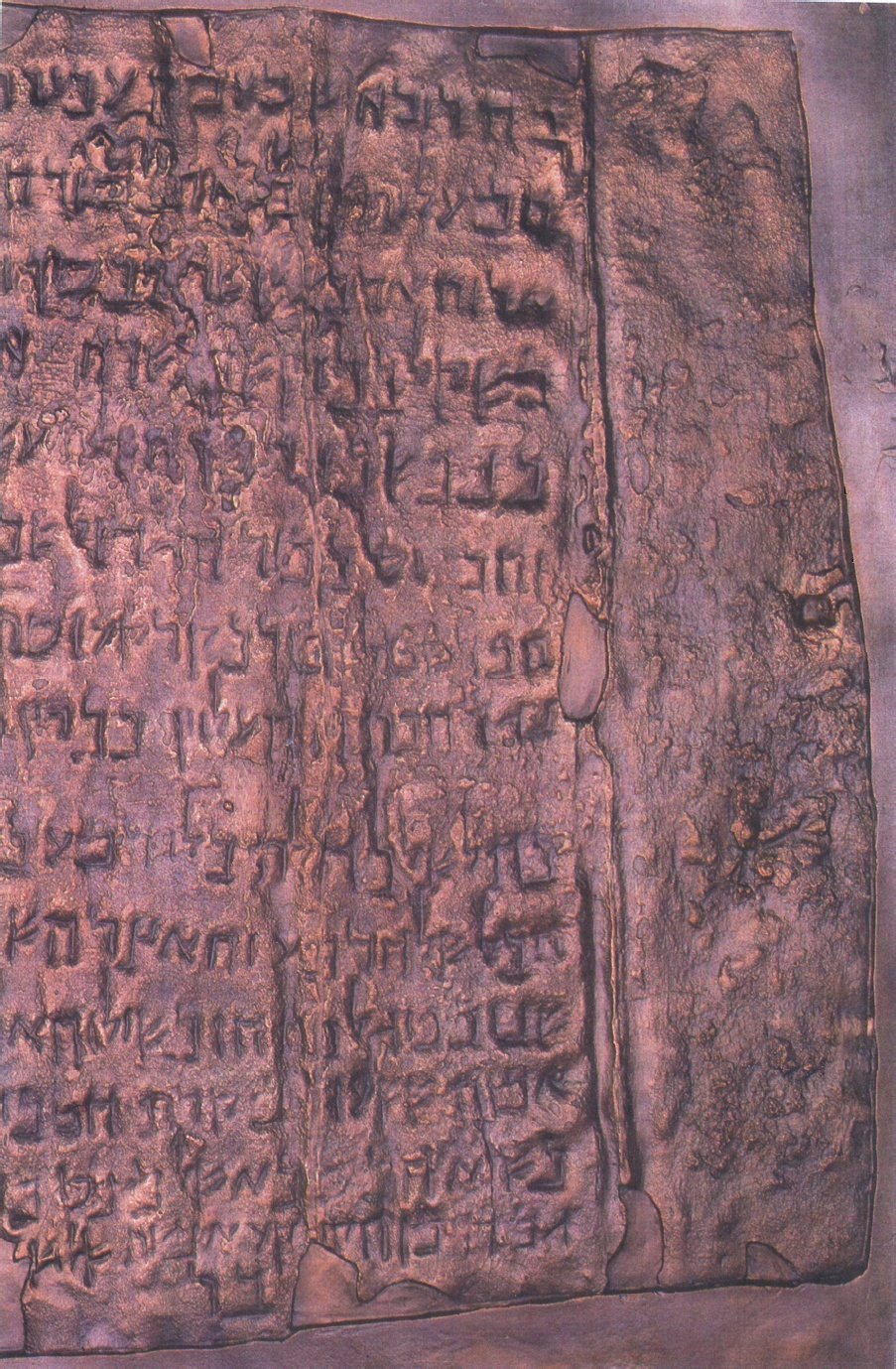
Among the Dead Sea Scrolls lies one document that stands apart from all the rest – the Copper Scroll isn’t religious text but a treasure map. This 2,000-year-old document lists 63 locations where enormous quantities of gold and silver were hidden, with total estimates reaching hundreds of tons of precious metals.
Researchers recently discovered evidence of the oldest alphabetic writing in human history etched onto clay cylinders at an ancient Syrian site, showing how ancient documents can preserve crucial information for millennia. Unlike other Dead Sea Scrolls written on parchment, this one was inscribed on copper sheets, suggesting its contents were considered especially important. The locations described use ancient landmarks that are nearly impossible to identify today, and decades of searching in the Judean Desert have yielded only tantalizing clues. Some scholars believe the treasure was hidden during the First Jewish Revolt against Rome, while others think it describes Temple treasures. The desert still guards these ancient secrets.
The Confederate Gold That Vanished

As the Confederacy crumbled in 1865, millions in gold and silver meant to fund the rebel government simply disappeared. The treasure was last seen being transported by Confederate officials fleeing Richmond, but somewhere between Virginia and Georgia, it vanished into the chaos of war’s end.
Some accounts place the treasure in Danville, Virginia, while others suggest it was divided among escaping officials or hidden in South Carolina. Archaeologists recently found two glass bottles containing mysterious liquid at George Washington’s Mount Vernon estate, believed to have been placed in the ground between 1758 and 1776 for refrigeration, showing how valuable items can remain hidden underground for centuries. Local legends speak of Confederate gold buried in various Southern states, and treasure hunters continue searching with metal detectors and ground-penetrating radar. The federal government’s post-war investigations never located the missing funds, and the mystery of the Confederacy’s last treasure endures.
The Legendary Nibelung Hoard
Long before Wagner composed his Ring Cycle, Germanic legends told of a massive treasure hoard sunk in the Rhine River. The Nibelungenlied describes how Hagen threw the treasure into the river to prevent it from falling into enemy hands. While the story is mythical, it may be based on real treasure lost during the fall of the Burgundian kingdom in the 5th century.
Recent discoveries have shown surprising connections between distant locations – a large stone in Stonehenge called the Altar Stone was sourced from northeastern Scotland, surprising scientists because other stones have Welsh roots. Archaeological evidence suggests the Burgundians were indeed fabulously wealthy, controlling trade routes and accumulating vast treasures. Modern diving expeditions in the Rhine have found ancient artifacts, but nothing matching the legendary hoard’s description. The river’s strong currents and centuries of silt make underwater archaeology extremely challenging. Still, German treasure hunters continue searching, hoping to find traces of the legendary Nibelung gold.
The Lost Inca Empire’s Golden Secret
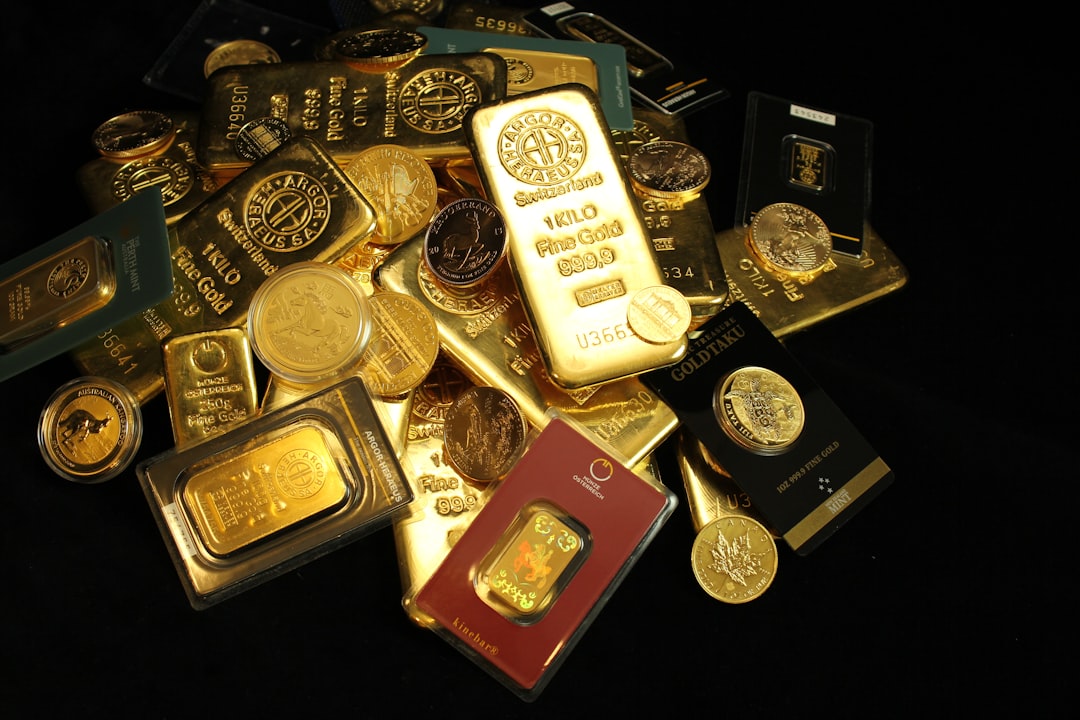
When Spanish conquistadors captured Inca emperor Atahualpa in 1532, they demanded a ransom of gold that would fill a room 17 feet long, 12 feet wide, and 8 feet high. The Incas began delivering the ransom, but when they learned the Spanish planned to kill Atahualpa anyway, they hid the remaining treasure.
Legend places this hidden gold in Ecuador’s treacherous Llanganates Mountains, where General Rumiñahui allegedly concealed it in a network of caves and underground chambers. Recent ground-sensing technology discoveries have revealed complex ancient structures, including over 6,000 interconnected earthen platforms in Ecuador dating back 2,000 years. Hundreds of expeditions have attempted to locate the treasure, but the harsh terrain, unpredictable weather, and dense cloud forests have claimed many lives. Some researchers believe the treasure was scattered across multiple locations or dumped in high-altitude lakes. The search continues, but the mountains guard their golden secret jealously.
The Beale Papers’ Encrypted Fortune
In 1885, a pamphlet appeared in Virginia describing three coded messages allegedly left by a man named Thomas Beale. According to the story, Beale and his associates discovered gold and silver while mining in Colorado, then buried their treasure worth millions in Bedford County, Virginia, sometime in the 1820s.
Only one of the three ciphers has been solved, revealing that the treasure contained gold, silver, and precious stones. The other two codes supposedly reveal the exact location and the names of the treasure’s rightful heirs. New AI techniques are leading to waves of lost texts being rediscovered, and similar technology could potentially help decode mysterious historical documents. Cryptographers and treasure hunters have spent decades trying to crack the remaining codes, with theories ranging from them being based on the Declaration of Independence to various books popular in the 1800s. Some experts believe the whole story is an elaborate hoax, while others remain convinced the treasure exists. Modern computer analysis continues the quest to break these stubborn codes.
The Future of Lost Treasure Hunting
Archaeological discoveries in 2024 benefited significantly from ancient DNA, ground-sensing technology, and artificial intelligence, with AI helping identify 303 new Nazca lines in Peru over just six months. The search for lost treasures is entering a new era where technology meets ancient mysteries. Scientists have catalogued some 4,400 ancient brains found preserved in various conditions, showing that discovering organic material at archaeological sites is more common than expected.
Recent breakthroughs in solving historical mysteries have come from modern technological advancements, with authorities in 2024 officially announcing solutions to several long-standing archaeological puzzles. Whether these legendary hoards contain gold, religious artifacts, or priceless historical documents, the hunt continues to evolve. Maybe the real treasure isn’t the gold we’re seeking, but the history we’re uncovering along the way. What secrets will tomorrow’s technology reveal about yesterday’s mysteries?

Christian Wiedeck, all the way from Germany, loves music festivals, especially in the USA. His articles bring the excitement of these events to readers worldwide.
For any feedback please reach out to info@festivalinside.com
