

- 8 Classic Movies You Thought Were American – But Were Actually Foreign - August 12, 2026
- 10 Most Beautiful Beaches in The World for a Relaxing Vacation - August 12, 2026
- 15 Hit Singles From the Last Three Decades That Still Get You Dancing. - August 12, 2026
Rod Stewart Makes History at Copacabana Beach
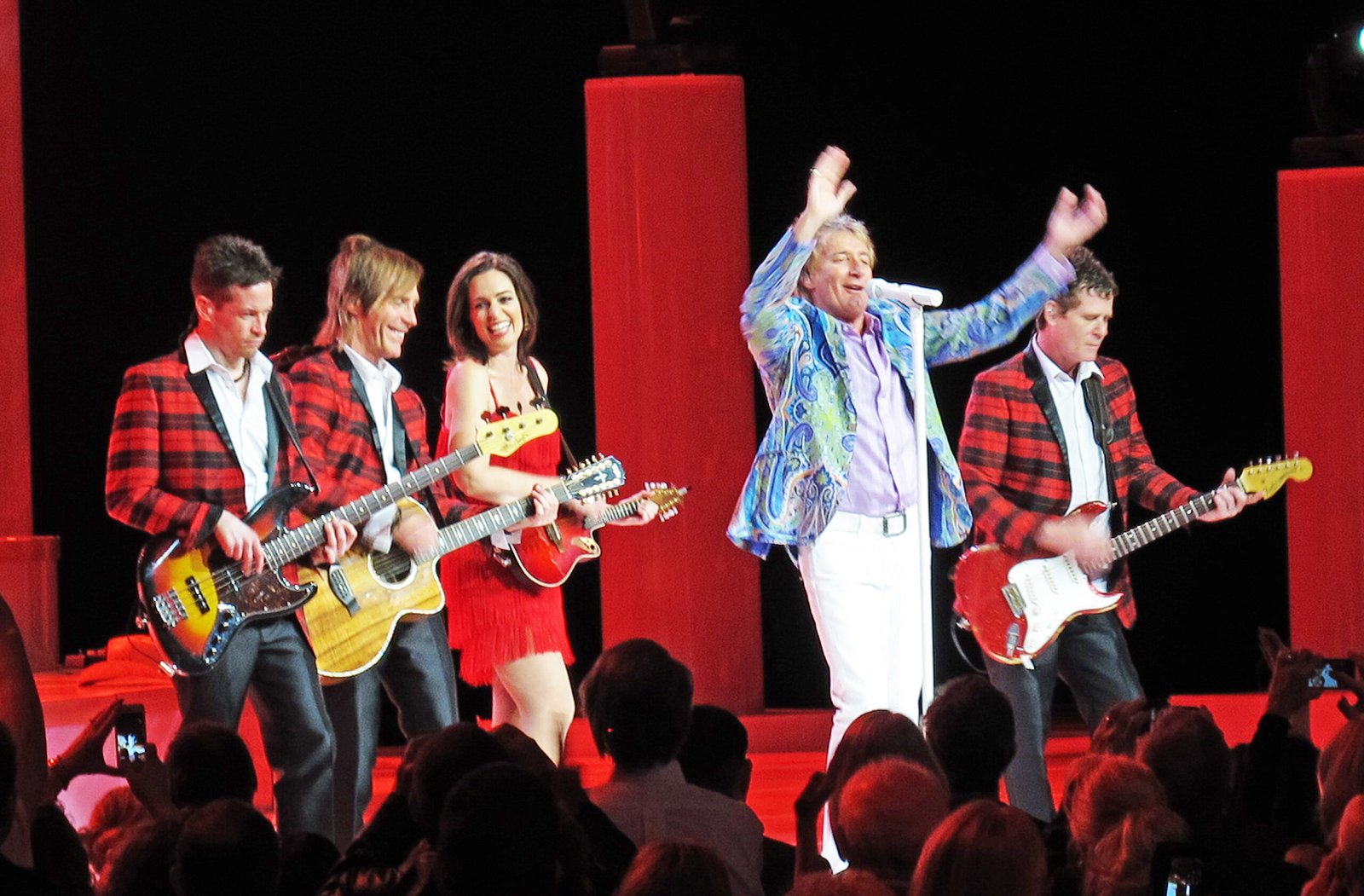
Picture this: it’s New Year’s Eve 1994, and nearly the entire population of a small country has gathered on one beach. Rod Stewart’s free concert at Copacabana Beach in Rio de Janeiro reportedly attracted an audience of at least 3.5 million people, making it the biggest music crowd ever recorded. Officially, 3.5 million people attended Sir Rod’s New Year’s Eve concert that evening, making the show on 31 December 1994 the concert with the largest attendance of all time.
The British rocker stepped onto the stage with the weight of expectations from millions. Some sources suggest that up to 4.2 million people gathered on Copacabana Beach at the time of Stewart’s performance, but this would have included an unspecified number of attendees intent only on watching the New Year’s Eve fireworks. What’s remarkable is that this concert was completely free, making music history accessible to everyone who could make it to that famous stretch of Brazilian sand.
Jean-Michel Jarre’s Electronic Spectacle in Moscow
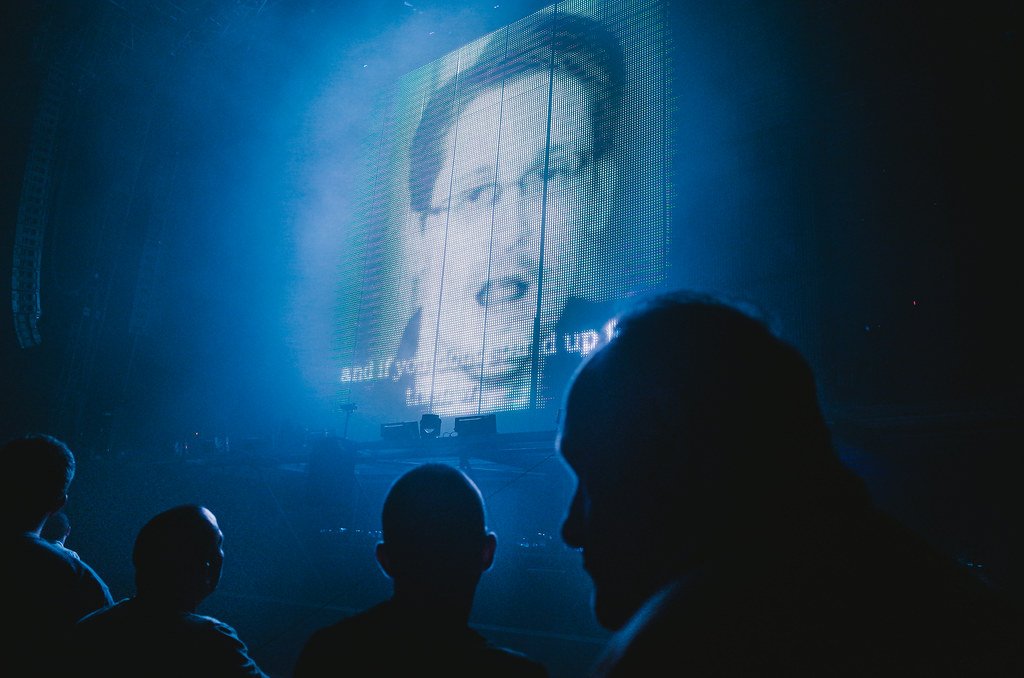
When you think of electronic music revolutionizing the concert experience, Jean-Michel Jarre’s 1997 Moscow performance stands as the ultimate example. The concert, which was held in front of the imposing architecture of the State University of Moscow, would prove to be the world’s biggest – more than 3.5 million people turned up en masse to share this unique event. This wasn’t just any celebration – Jean Michel Jarre was commissioned by the Mayor of Moscow to give a spectacular civic-event concert for the City’s 850th anniversary.
The Frenchman pulled out all the stops for this historic moment. For the occasion, Jarre reserved a huge surprise for the Russian audience; a direct link with the Russian space station, Mir, live from Space during the concert, a most moving, thrilling and unforgettable moment. Imagine being one of 3.5 million people watching a musician communicate with astronauts in real-time – it was the kind of technological marvel that seemed straight out of science fiction.
New Kids on the Block’s Disputed Central Park Gathering
The early 1990s boy band phenomenon reached its peak when New Kids on the Block supposedly drew 3 million fans to Central Park in 1990. This concert was part of a “Good Morning America” summer concert series, making it a television event as much as a live performance. However, this attendance figure remains highly disputed among music historians and venue capacity experts.
What made this particular event so controversial wasn’t just the massive crowd size, but the logistics of fitting that many people into Central Park. Unlike beach venues that can accommodate sprawling crowds, Central Park has natural boundaries that make such attendance figures questionable. The band was at the height of their popularity, but whether they truly drew 3 million fans remains one of music’s great attendance mysteries.
Jarre’s Bastille Day Celebration in Paris
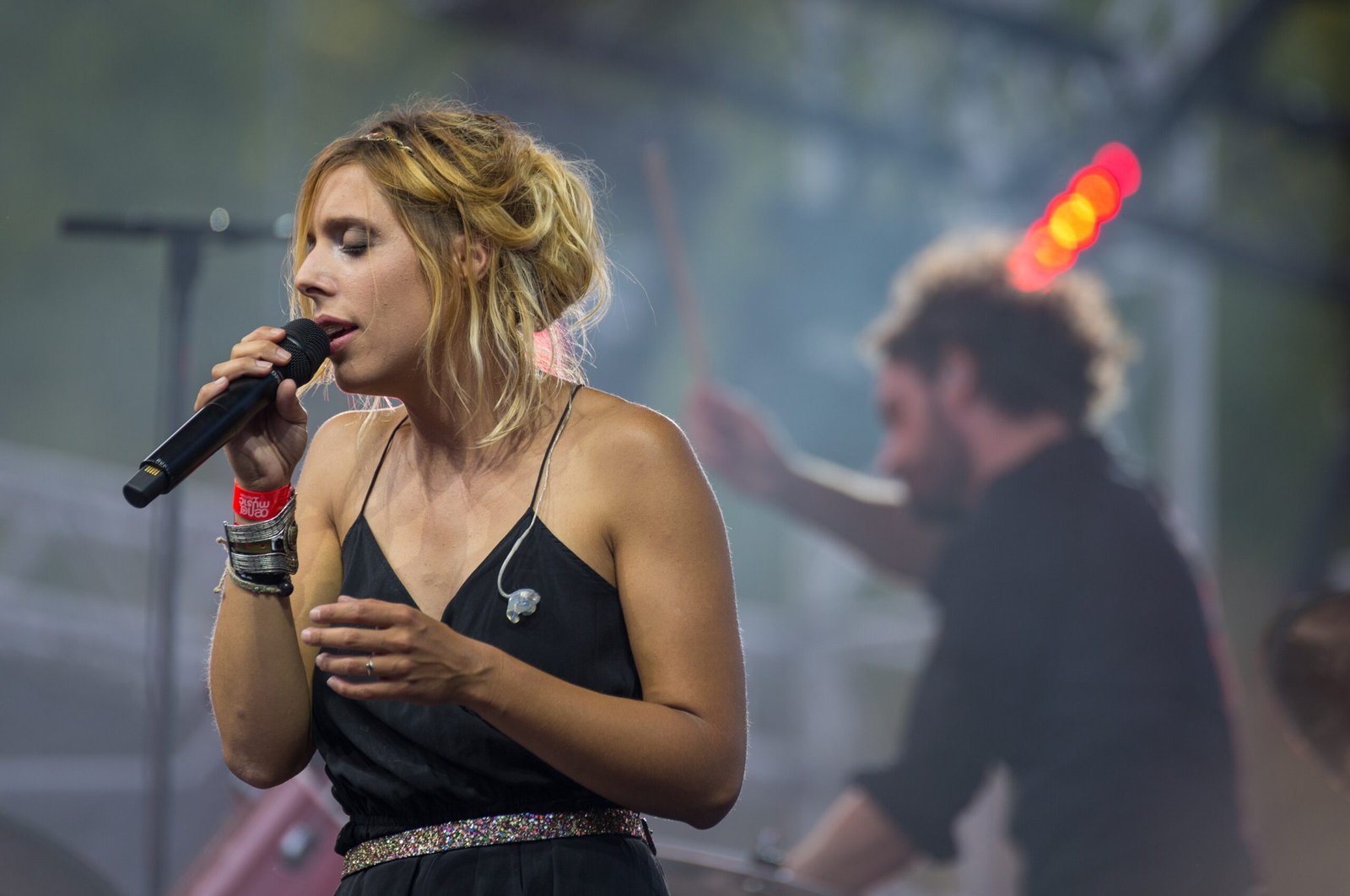
Before his Moscow triumph, Jean-Michel Jarre had already proven his ability to draw massive crowds with his 1990 Paris concert. On French National Holiday – Bastille Day – held on the 14th of July, the La Defense District of Paris was turned into a huge concert site to commemorate the 18th century French Revolution, with Jarre’s performance drawing in an additional attendance of a whopping two million fans. This celebration has been a yearly event, but Jarre’s involvement made 1990 particularly special.
The setting couldn’t have been more perfect for such a momentous occasion. Held at La Défense to celebrate the French Revolution, this show drew 2.5 million people and cemented Jarre’s reputation for producing jaw-dropping multimedia events. It was a night when electronic music and French patriotism merged into something truly spectacular, setting the stage for Jarre’s even bigger Moscow performance seven years later.
Garth Brooks Brings Country to the Big Apple
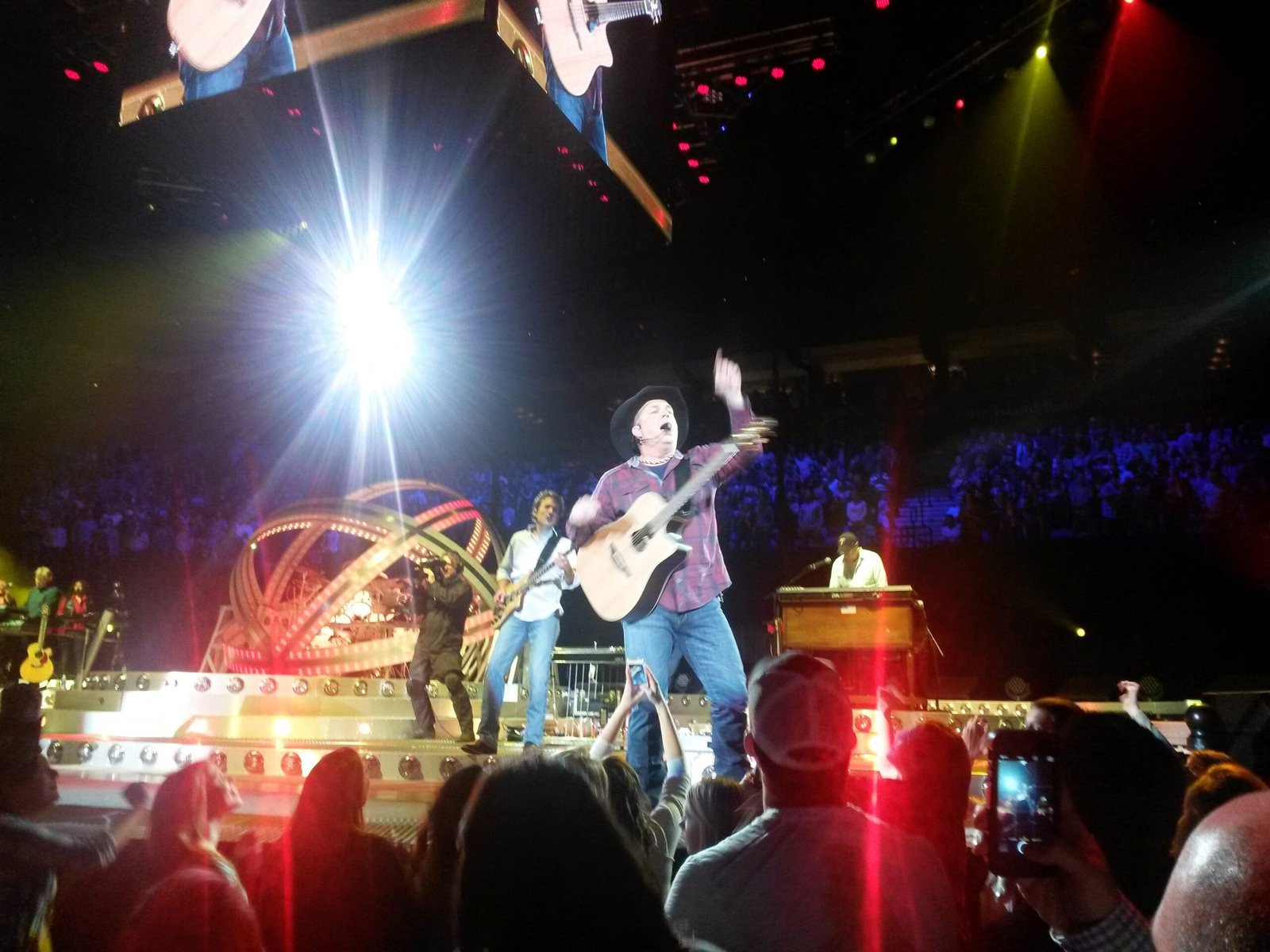
Country music isn’t typically associated with New York City, but Garth Brooks shattered that stereotype in 1997. His HBO special “Garth: Live in Central Park” drew an estimated 750,000 to over 1 million fans to the heart of Manhattan. This was a bold move for a country artist, proving that great music transcends geographical boundaries and genre expectations.
The concert was a cultural phenomenon that bridged the gap between rural and urban America. Brooks’ ability to fill Central Park with country music fans demonstrated the universal appeal of authentic storytelling through song. The event was so successful that it became a template for how country artists could expand their reach beyond traditional venues and audiences.
Monsters of Rock Moscow: When Metal Met the Masses
In 1991, just as the Soviet Union was collapsing, something unprecedented happened in Moscow. Monsters of Rock featured artists like Metallica, AC/DC, and Pantera, and this one is probably the heaviest rock concert of such scale. An estimated 1.6 million people gathered to witness what many consider the most intense rock concert in history.
The political timing was perfect – Russian youth were hungry for Western culture, and heavy metal represented freedom and rebellion. The images from this concert show a sea of people stretching beyond the horizon, with mosh pits that looked like small cities unto themselves. It was a historic moment where music became a symbol of cultural liberation, proving that rock and roll truly could change the world.
Rolling Stones Rock Rio’s Shoreline

The Rolling Stones proved they were still rock royalty in 2006 when they performed at Copacabana Beach. On 18 February 2006, The Rolling Stones played to an estimated 1.2 million revellers in the middle of their A Bigger Bang Tour. This free concert showed that even after decades in the business, the Stones could still draw massive crowds.
What made this performance special was the band’s energy despite their advanced age. Mick Jagger, then in his 60s, commanded the stage like a man half his age, proving that rock and roll attitude never gets old. The Rolling Stones played to an estimated 1.2 million revellers, creating one of the most memorable moments in the band’s legendary career.
Paul McCartney’s Solo Brazilian Adventure
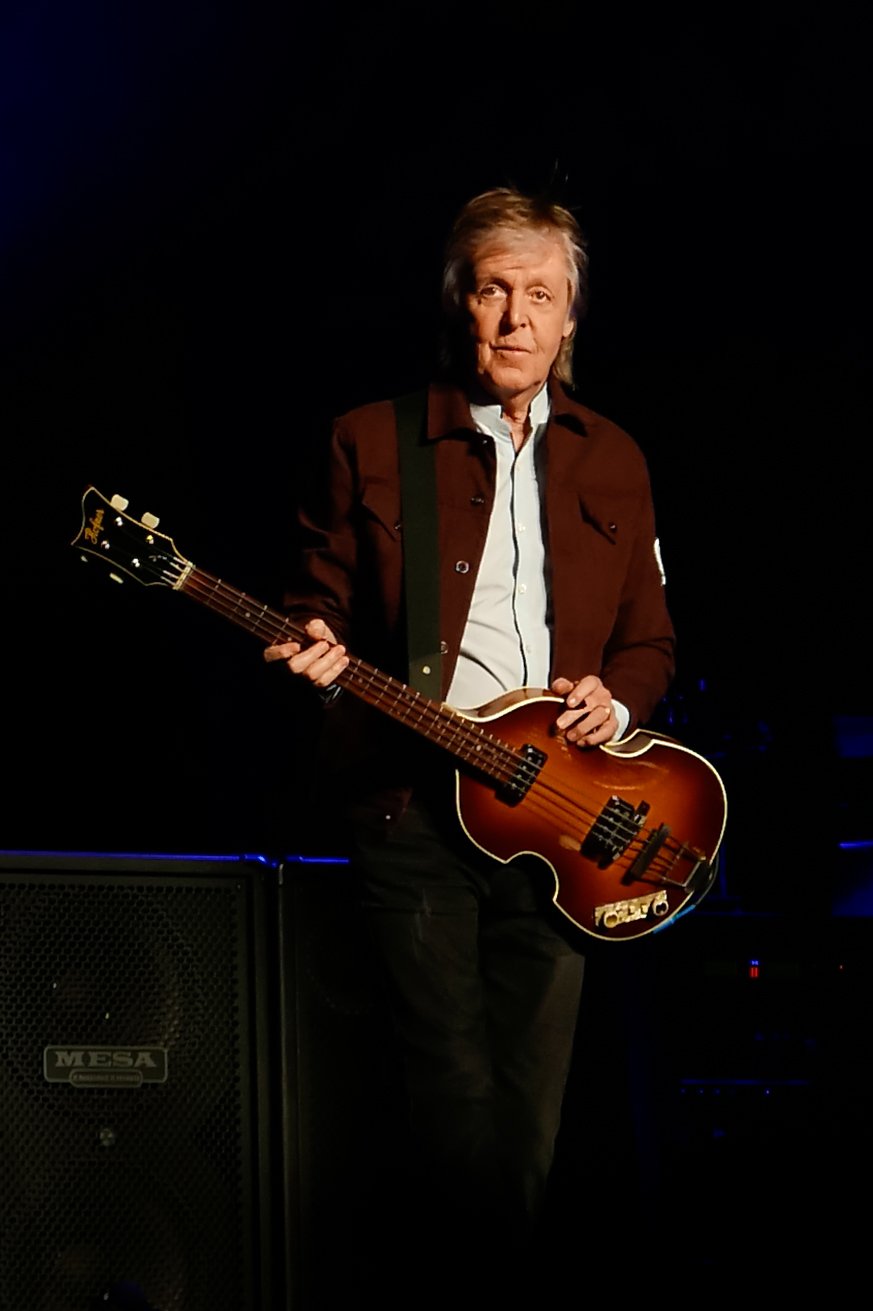
When a Beatle comes to town, people notice. Paul McCartney’s 1990 World Tour stop in Rio de Janeiro drew an estimated 1.4 million people, proving that Beatlemania was alive and well two decades after the band’s breakup. This was part of McCartney’s effort to reach new audiences in South America, where The Beatles had never performed as a group.
The concert represented more than just nostalgia – it was a celebration of songwriting genius. McCartney performed both Beatles classics and his solo material, giving the massive crowd a journey through decades of popular music history. For many Brazilian fans, it was their only chance to see a living Beatle perform live, making the experience incredibly emotional and significant.
Simon & Garfunkel’s Reunion Magic
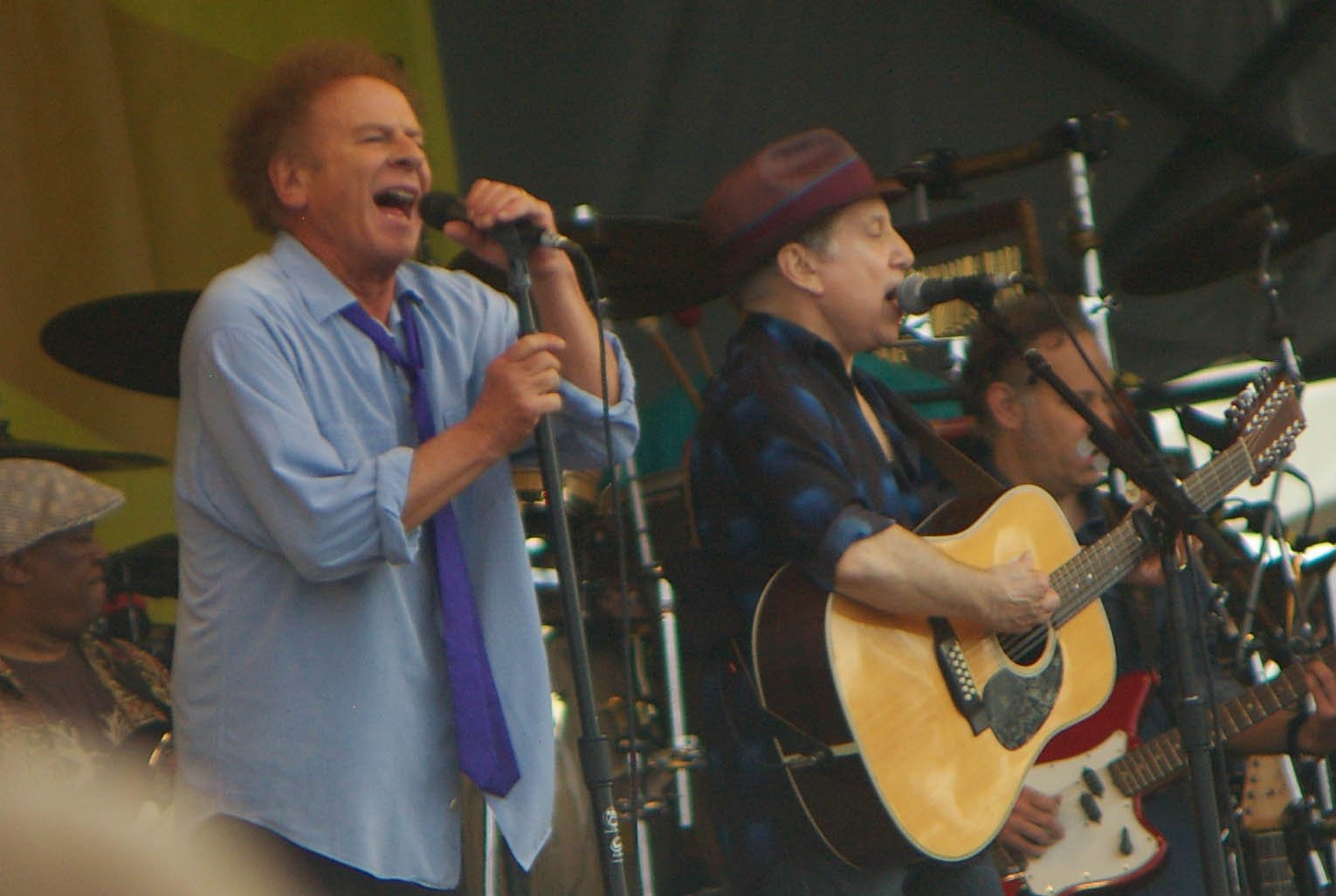
Sometimes the most powerful concerts come from unexpected reunions. Simon & Garfunkel’s 1981 concert in Central Park drew between 500,000 and 1 million people to witness the legendary duo perform together again. This wasn’t just a concert – it was a cultural event that brought together multiple generations of fans.
The magic of this performance lay in the perfect harmonies that had made the duo famous in the 1960s. Songs like “The Sound of Silence” and “Bridge Over Troubled Water” took on new meaning in the urban setting of Central Park. The reunion was relatively brief, but this concert captured lightning in a bottle, reminding everyone why Simon & Garfunkel’s music had endured.
Diana Ross Weathers the Storm
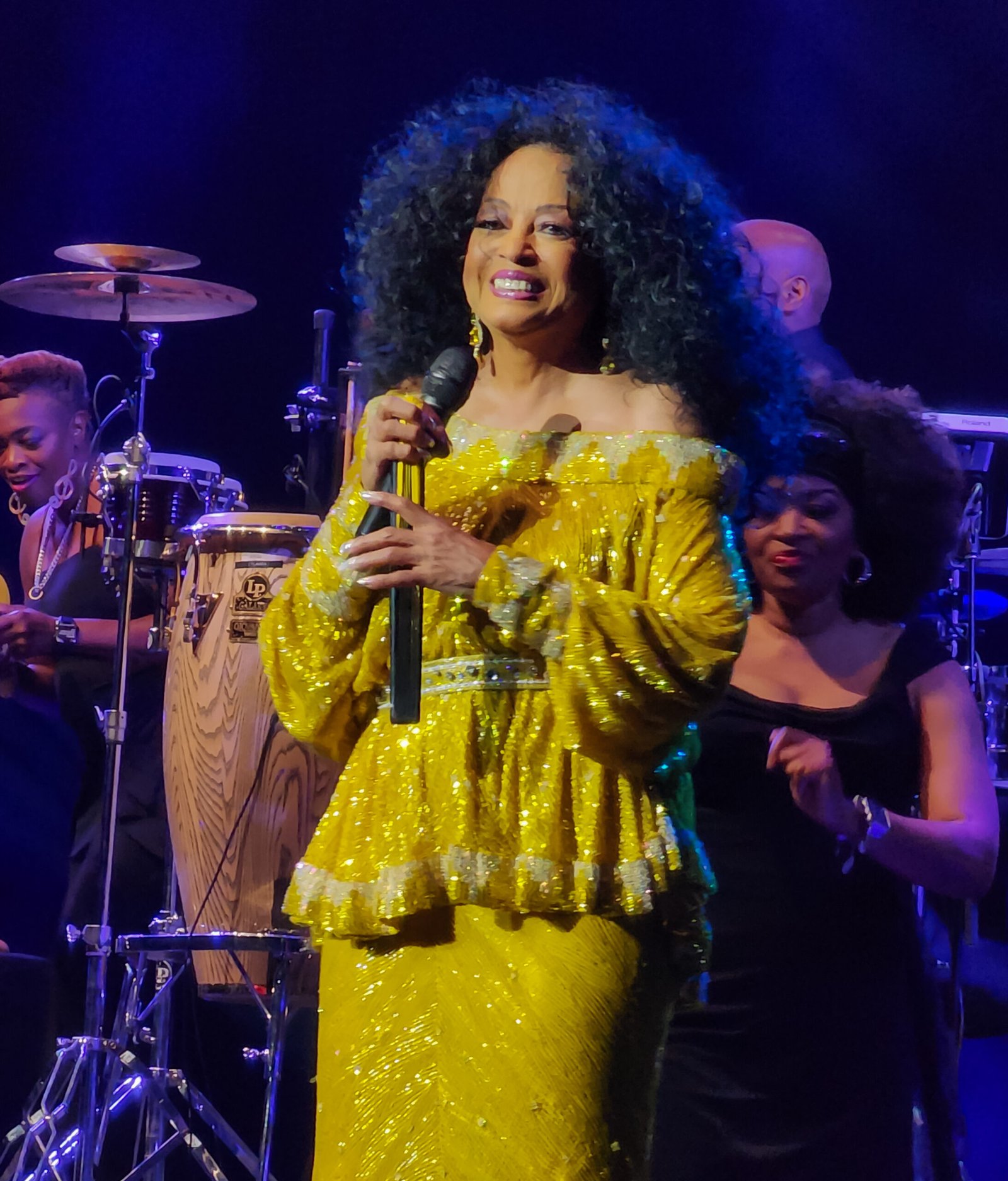
Diana Ross’s 1983 Central Park concert became legendary not just for its attendance of over 800,000 people, but for how the diva handled a major thunderstorm. The free concert was interrupted by severe weather, but Ross famously resumed the performance once the storm passed, showing true professionalism and dedication to her fans.
The concert showcased Ross’s incredible catalog, from her Supremes hits to her solo career triumphs. When the storm hit, many artists might have called it a night, but Ross’s determination to give her fans a complete show became part of Central Park concert folklore. It was a moment that perfectly captured her reputation as a consummate performer who never disappoints.
The Police Bring Synchronicity to Buenos Aires
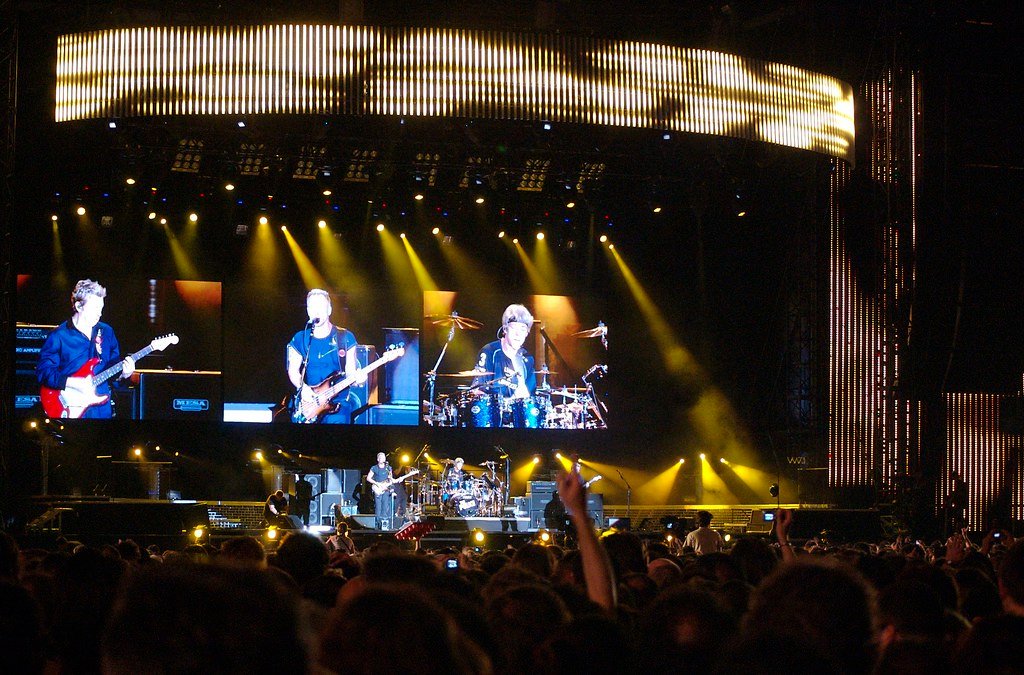
During their Synchronicity tour in 1982, The Police drew over 500,000 fans to Buenos Aires, proving that new wave and reggae-influenced rock could draw massive crowds in South America. This concert came at the height of the band’s popularity, just as “Every Breath You Take” was becoming a global phenomenon.
The Police represented something fresh and exciting in the rock world – a band that could blend punk energy with sophisticated musicianship. Sting’s commanding stage presence, combined with Stewart Copeland’s dynamic drumming and Andy Summers’ innovative guitar work, created a concert experience that was both musically complex and immediately accessible to the massive Argentine crowd.
Elton John’s New York Promotional Spectacle
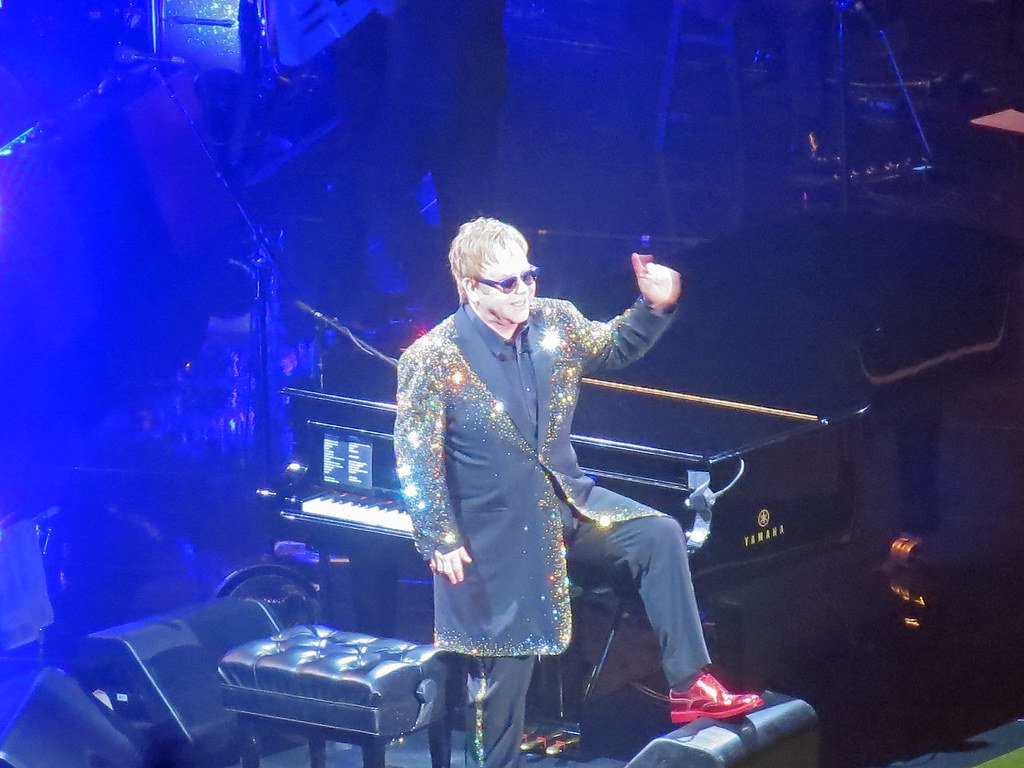
Even promotional concerts can become historic events, as Elton John proved in 1980. His free Central Park concert, designed to promote his album “21 at 33,” drew over 400,000 people to witness one of rock’s most flamboyant performers in action. John’s elaborate costumes and theatrical stage presence made this concert as much a visual spectacle as a musical one.
The concert featured John’s incredible catalog of hits, from “Rocket Man” to “Tiny Dancer,” performed with his characteristic flair for drama. His piano playing remained the centerpiece, but it was his ability to connect with such a massive crowd that made the evening truly special. For many fans, it was their first and possibly only chance to see Elton John perform for free.
Pink Floyd’s Controversial Venice Performance
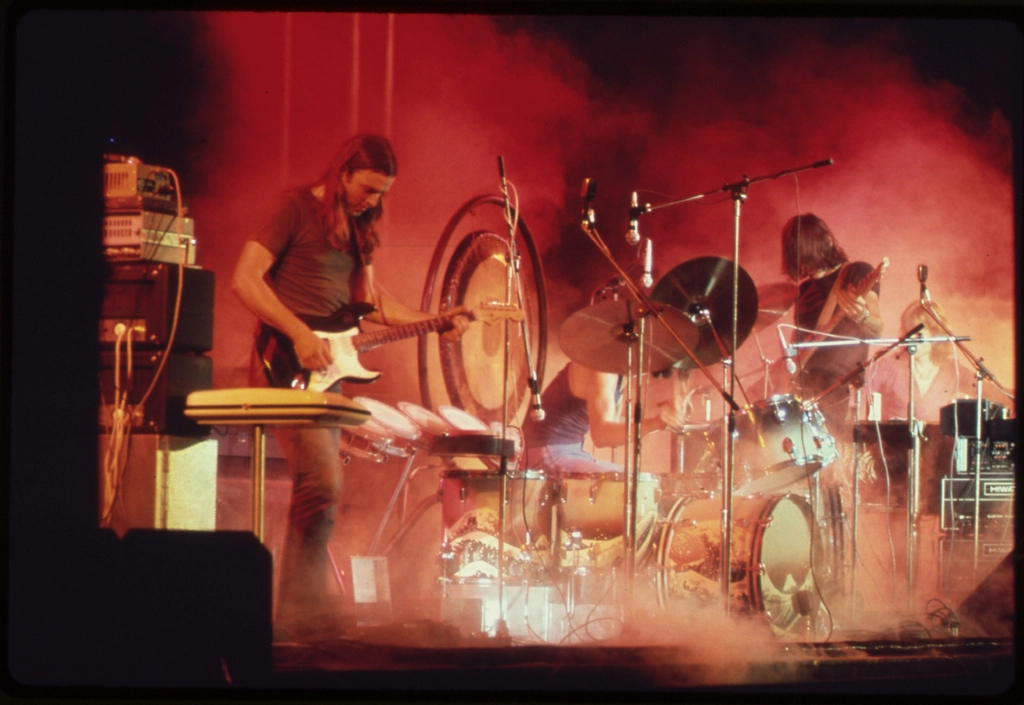
Pink Floyd’s 1989 concert in Venice was groundbreaking not just for its attendance of 200,000-350,000 people, but for its innovative staging. The band performed on a floating stage, creating one of the most unique concert experiences in rock history. However, the concert sparked controversy due to environmental concerns about the impact on Venice’s delicate ecosystem.
The visual elements were perfectly suited to Pink Floyd’s atmospheric music. The combination of their sophisticated light show with the historic Venetian backdrop created an almost surreal experience. Songs like “Shine On You Crazy Diamond” took on new dimensions when performed on water, with the city’s ancient architecture providing a stunning visual complement to the band’s sonic landscapes.
Woodstock: The Original Festival Legend
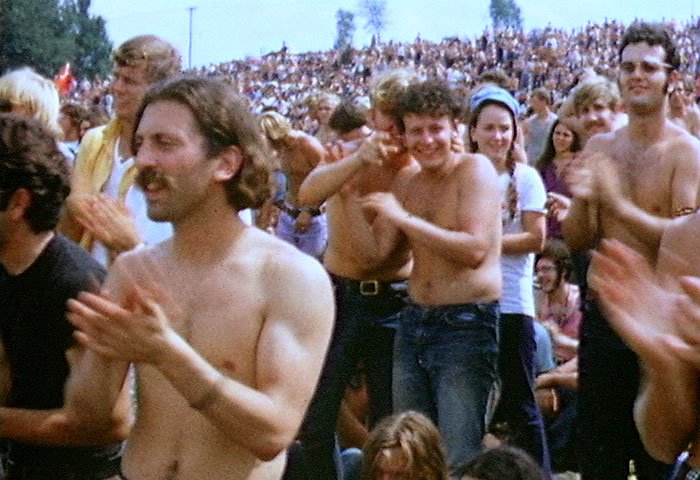
No list of massive music crowds would be complete without Woodstock. The 1969 festival drew over 400,000 people to a dairy farm in upstate New York, creating the template for all future music festivals. What was planned as a paid event became a free festival when the fences came down, leading to one of the most important cultural moments of the 1960s.
Woodstock represented more than just music – it was a statement about peace, love, and unity during one of America’s most turbulent periods. Performances by Jimi Hendrix, The Who, and Janis Joplin became legendary, but it was the spirit of cooperation among the massive crowd that truly defined the event. Despite inadequate facilities and challenging weather, the festival proved that music could bring people together in extraordinary ways.
Isle of Wight Festival’s Record-Breaking Weekend
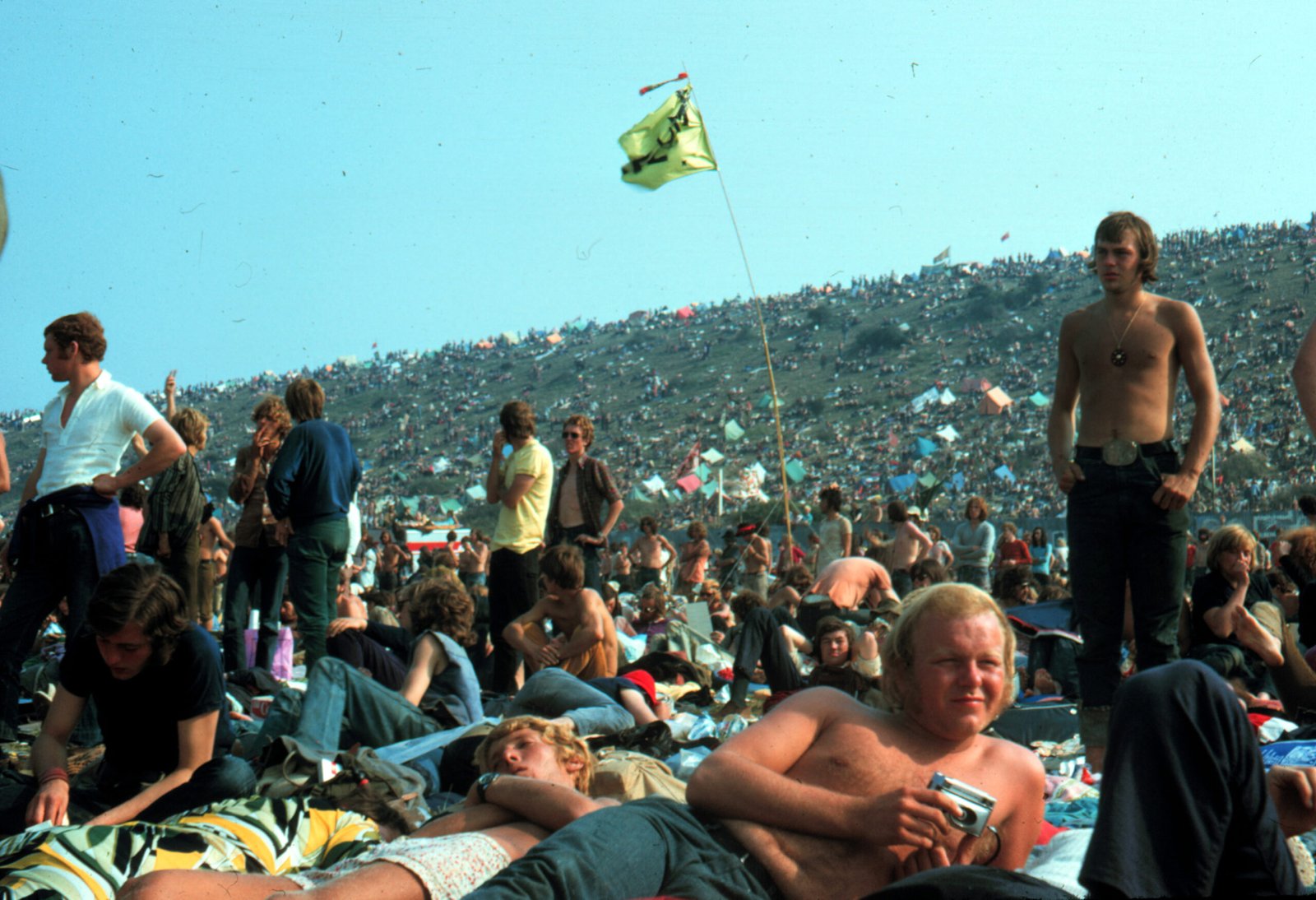
The 1970 Isle of Wight Festival drew between 600,000 and 700,000 people to witness performances by some of rock’s biggest names. Jimi Hendrix, The Doors, and The Who all performed, making it one of the last great gatherings of the original rock era. The festival came at a pivotal moment in rock history, just months before Hendrix’s death.
What made this festival special was the quality of the performances despite the massive crowds. Hendrix’s set, in particular, was considered one of his finest, featuring extended improvisations that showcased his guitar genius. The festival represented the peak of the hippie era’s optimism, even as the cultural movements of the 1960s were beginning to fragment.
Summer Jam at Watkins Glen: The Perfect Lineup
Sometimes the stars align perfectly, and that’s exactly what happened at Summer Jam at Watkins Glen in 1973. The Grateful Dead, The Allman Brothers Band, and The Band drew 600,000 people to upstate New York for what many consider the perfect festival lineup. This was Americana music at its finest, performed for one of the largest crowds in U.S. concert history.
The three bands represented different facets of American music – the Dead’s psychedelic explorations, the Allmans’ Southern rock, and The Band’s rootsy Americana. Together, they created a musical experience that felt distinctly American yet universally appealing. The peaceful nature of the crowd, despite its enormous size, showed that the spirit of Woodstock was still alive four years later.
Steve Wozniak’s US Festival: Tech Meets Music
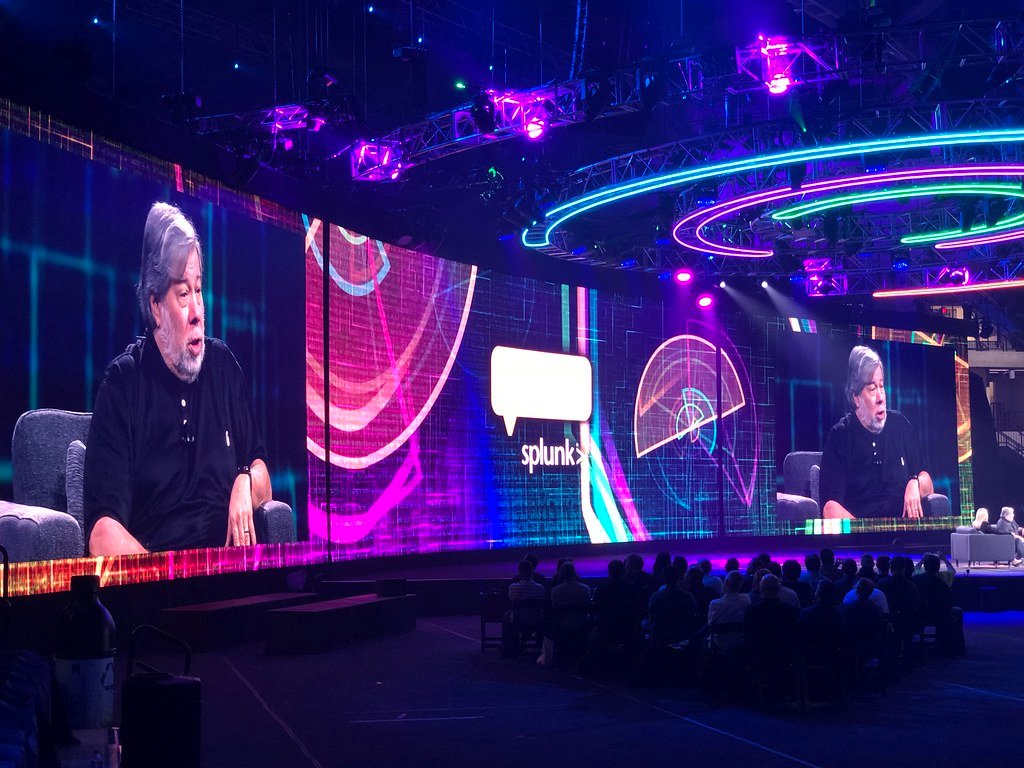
Apple co-founder Steve Wozniak’s US Festival in 1983 drew 670,000 people over three days, featuring an eclectic lineup that included U2, David Bowie, and Van Halen. This festival represented the intersection of technology and music, with Wozniak using his tech fortune to create a unique cultural experience.
The festival’s motto was “technology and music,” reflecting Wozniak’s vision of how computers and music could work together. The production values were incredibly high, with state-of-the-art sound systems and video screens that were revolutionary for their time. It was a glimpse into the future of how technology would eventually transform the concert experience.
Rock in Rio: Brazil’s Musical Institution
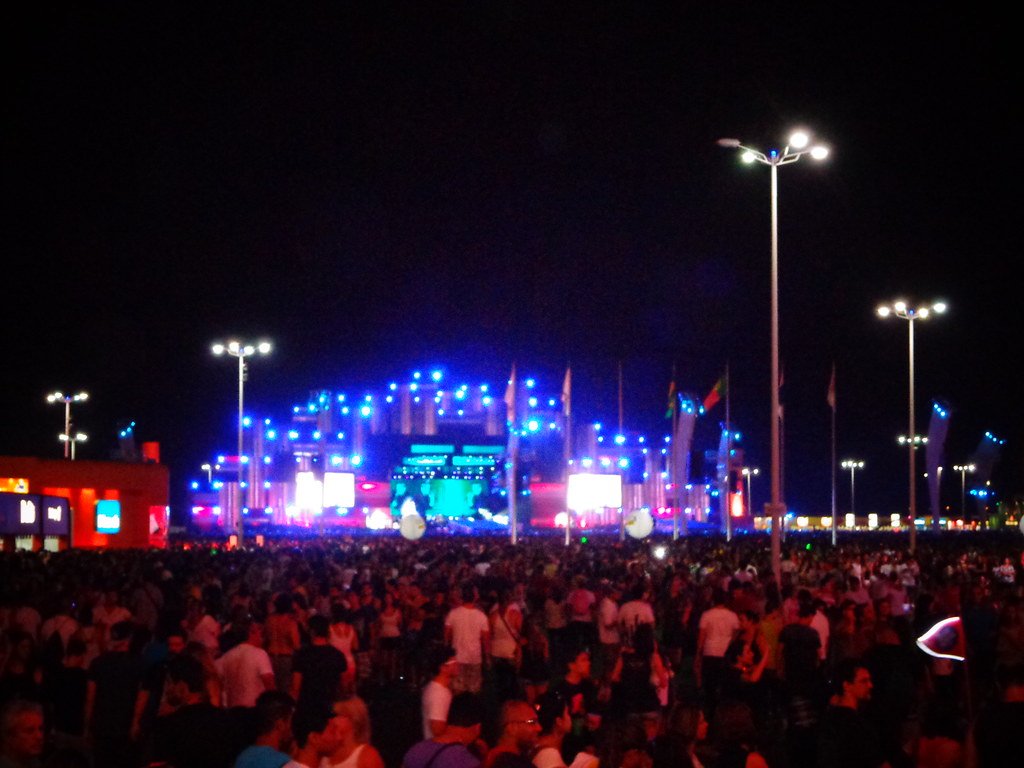
Rock in Rio became more than just a festival – it became a cultural institution. The various iterations, starting in 1985, have drawn over 1.5 million people over multiple days, featuring legendary performances by Queen, Iron Maiden, and Guns N’ Roses. The festival established Brazil as a major destination for international rock acts.
Queen’s 1985 performance is often cited as one of the greatest live rock performances ever captured on film. Freddie Mercury’s command of the massive crowd was absolute, turning Rock in Rio into his personal stage. The festival’s success helped establish the template for modern mega-festivals, proving that multi-day events could sustain massive crowds while maintaining high production values.
Live 8: Music for a Cause
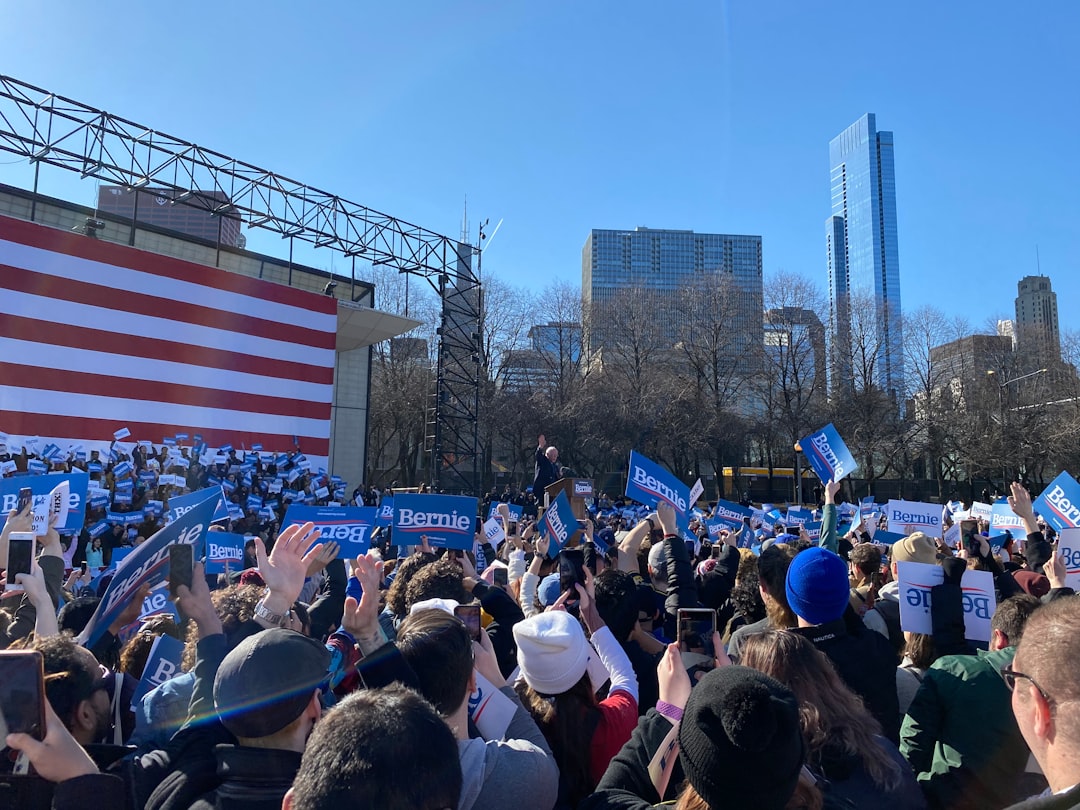
Live 8 in 2005 represented something unique – multiple simultaneous concerts across the globe aimed at raising awareness about global poverty. The Philadelphia event was part of the global Live 8 movement, featuring major artists like Stevie Wonder, Bon Jovi, and Jay-Z, attracting 1.5 million people, making it one of the largest concerts in U.S. history.
What made Live 8 special was its purpose – this wasn’t just entertainment, but activism through music. The simultaneous concerts created a sense of global unity, with musicians and audiences around the world participating in a shared cause. The Philadelphia show alone drew massive crowds, but the global television audience numbered in the billions, making it one of the most-watched musical events in history.
Madonna’s Record-Breaking Copacabana Celebration
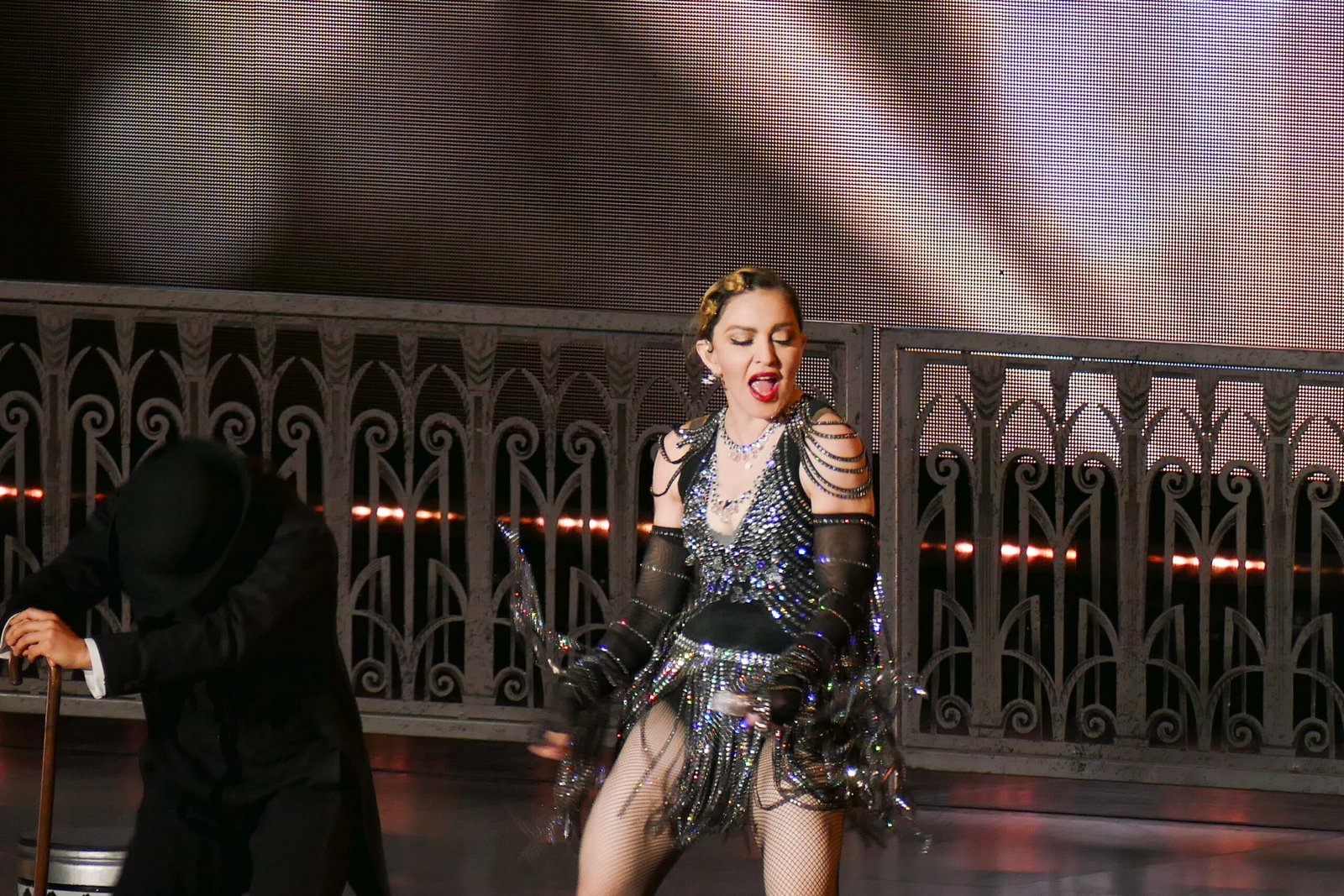
In 2024, Madonna made history by becoming the first female artist to draw over 1 million people to a standalone concert. Madonna transformed Rio de Janeiro’s Copacabana Beach into the world’s largest dance club as she performed the final night of her “Celebration Tour” before some 1.6 million fans, making it the largest audience ever assembled for a stand-alone concert. Madonna’s audience of 1.6 million is believed to be the most attended stand-alone music concert in history, and the first by a female artist to exceed 1 million.
The Queen of Pop pulled out all the stops for this historic performance. Putting together a show for 1.6 million people required eighteen sound and video towers, an 8,700-square-foot stage along with chartering cargo planes to fly in production. The concert marked the end of her retrospective tour and represented four decades of pop music excellence. Lady Gaga broke the record in 2025 with 2.5 million attendees at the same place for Mayhem on the Beach, but Madonna’s achievement remains groundbreaking for female artists in music history.
The crowds at these historic concerts prove that music truly is the universal language. From Rod Stewart’s massive New Year’s celebration to Madonna’s record-breaking finale, these events created shared experiences that transcended cultural boundaries and brought millions of people together in celebration of the power of live music. What would you have guessed was the biggest crowd in music history?

Besides founding Festivaltopia, Luca is the co founder of trib, an art and fashion collectiv you find on several regional events and online. Also he is part of the management board at HORiZONTE, a group travel provider in Germany.
