


- The Evolution of Rock ‘n’ Roll Shaped American Culture in Profound Ways. - August 27, 2026
- Certain Festival Anthems From the 60s and 70s Still Resonate Deeply Today. - August 27, 2026
- 12 Iconic Road Trips Across America That Still Capture the Spirit of Freedom. - August 27, 2026
The Codex Sassoon: A Hebrew Bible Worth $38.1 Million
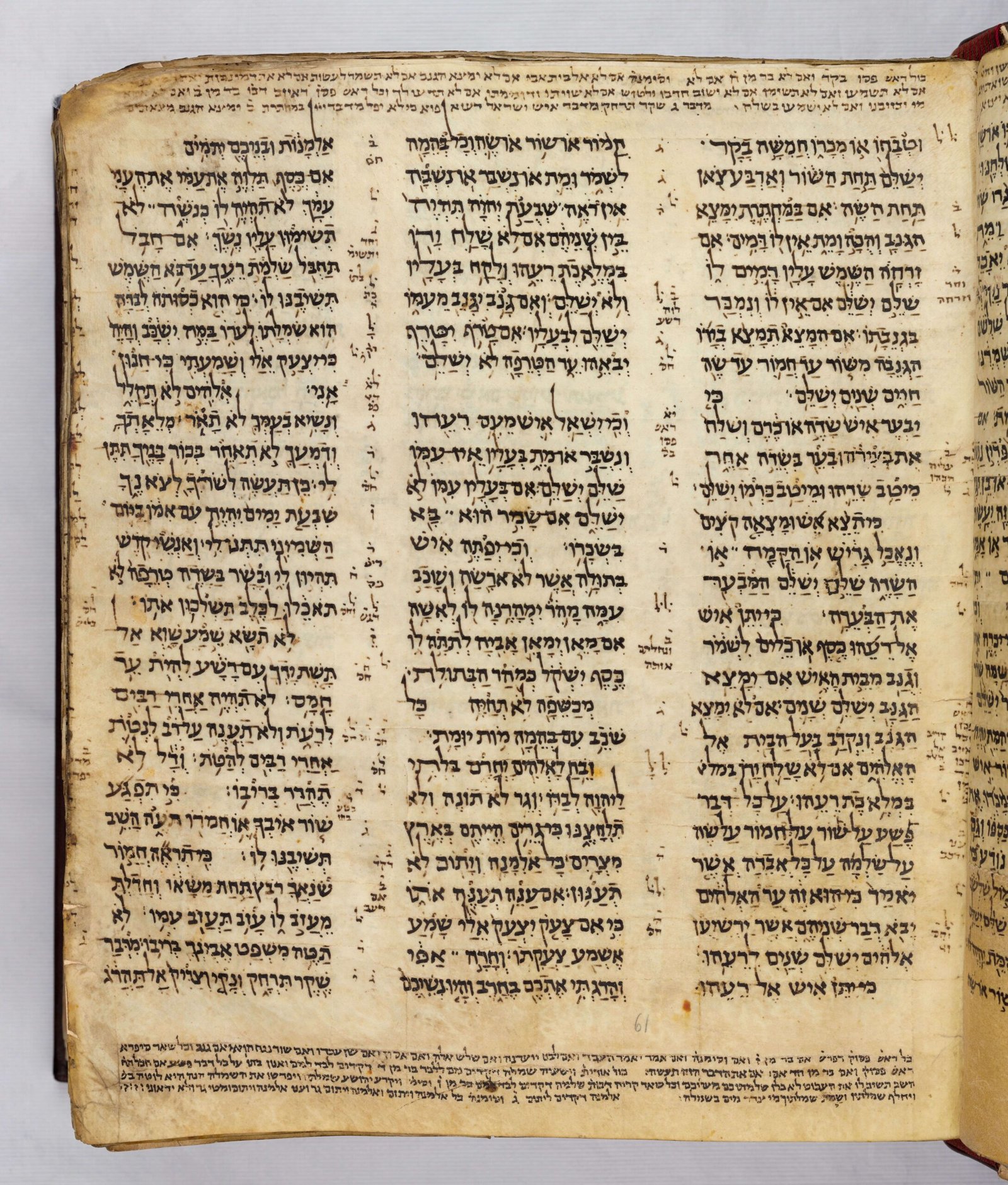
Think spending $50 on a hardcover is steep? Imagine dropping $38.1 million on a single book. That’s exactly what happened in May 2023 when the Codex Sassoon, a leather-bound, handwritten parchment volume containing a nearly complete Hebrew Bible, was purchased by former U.S. Ambassador to Romania Alfred H. Moses on behalf of the American Friends of ANU and donated to ANU Museum of the Jewish People in Tel Aviv. This ancient text now holds the record as the most valuable book ever sold at auction.
The 1,100-year-old Hebrew Bible is one of the world’s oldest surviving biblical manuscripts, containing virtually every page of the Hebrew Bible except for about eight missing leaves. Sotheby’s Judaica specialist Sharon Liberman Mintz said the $38 million price tag “reflects the profound power, influence, and significance of the Hebrew Bible, which is an indispensable pillar of humanity”. This astronomical price surpassed even Leonardo da Vinci’s scientific writings, proving that some books can indeed be worth their weight in gold.
The Codex Leicester: Leonardo da Vinci’s Scientific Masterpiece

Long before Microsoft made billions, Bill Gates made headlines for a different kind of acquisition. In 1994, he purchased Leonardo da Vinci’s Codex Leicester for $30.8 million, which equals approximately $60 million in today’s dollars. The “Codex Leicester” by Leonardo da Vinci is one of the most valuable manuscripts ever sold at auction, fetching $30.8 million in 1994. This collection of scientific writings and sketches showcases da Vinci’s groundbreaking observations and theories on various scientific subjects, including astronomy and hydraulics.
The 72-page notebook represents da Vinci’s curious mind at work, filled with mirror writing and detailed observations about water flow, fossils, and celestial movements. Gates occasionally loans the manuscript to museums around the world, ensuring that da Vinci’s genius remains accessible to the public. It’s fascinating to think that one man’s scientific journal from the Renaissance era would eventually become the most expensive manuscript purchase by one of history’s most successful tech entrepreneurs.
Shakespeare’s First Folio: The Bard’s $9.98 Million Legacy

The playwright’s first printed collection of plays, published in 1623, sold at a Christie’s auction in New York on Wednesday for $9.98 million. This particular copy made history in 2020 as the most expensive work of literature ever auctioned at that time. Rare book collector Stephan Loewentheil bought the copy via phone bid, describing it as “the holy grail of books”.
The significance of this purchase cannot be overstated. At the time of its original printing, the folio was not only Shakespeare’s first collected edition of plays, but it was also the first time that 18 out of the 36 plays in it had ever been printed. Among those 18 plays are masterpieces like Macbeth, The Tempest and Julius Caesar. Without this collection, compiled by Shakespeare’s friends after his death, these iconic works might have been lost forever. Around 235 copies of the First Folio are known to exist, and not all of them are complete. And only six complete copies are so far known to be owned privately.
The Bay Psalm Book: America’s First Literary Treasure
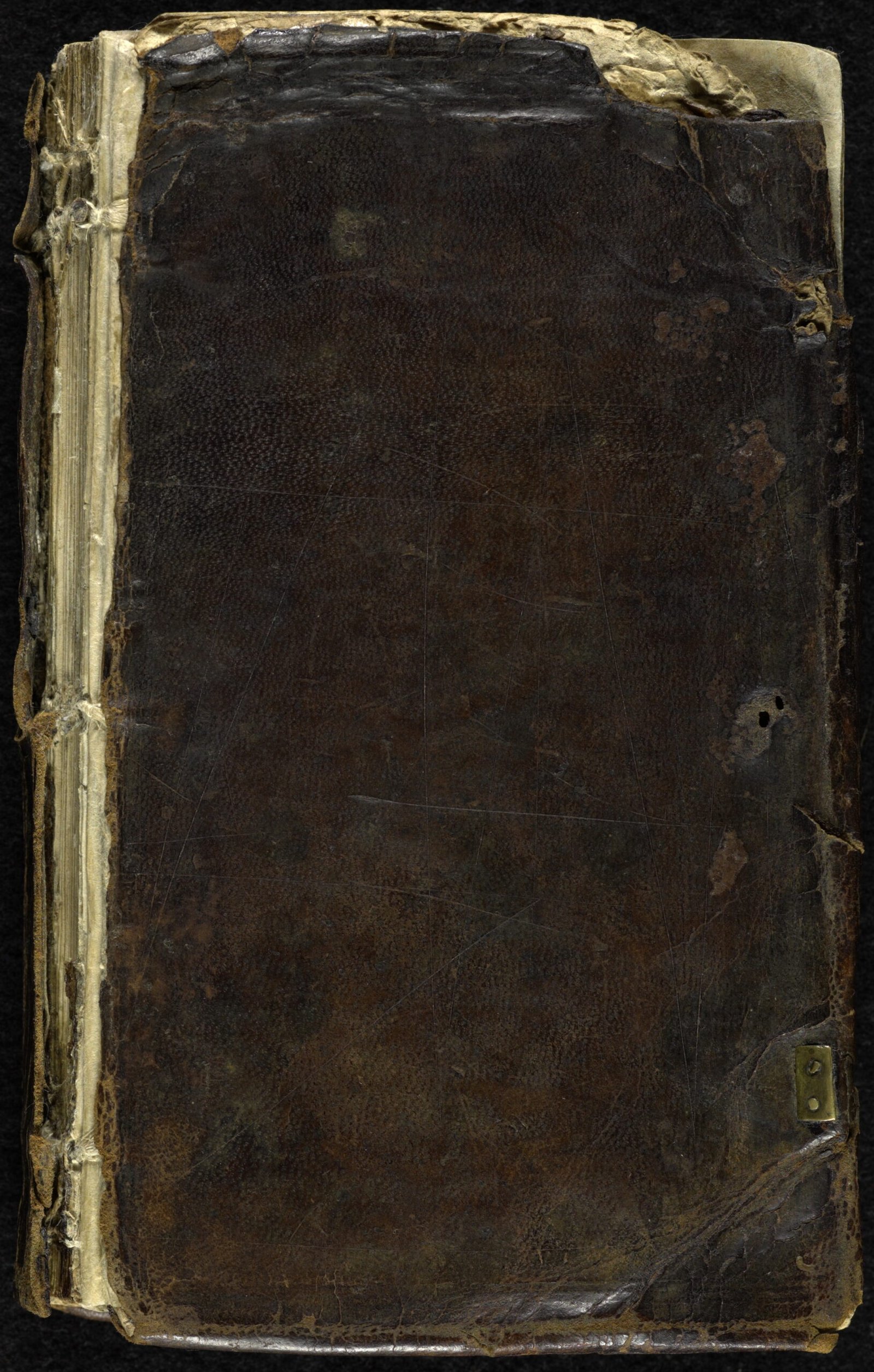
In 2013, American history took center stage when the Bay Psalm Book sold for $14.2 million. The Bay Psalm Book, the first book printed in British America, achieved a record price of $14.2 million in 2013. This 1640 publication is a landmark in American printing history and reflects early colonial religious and linguistic practices. David Rubenstein, founder of The Carlyle Group, purchased this piece of American heritage.
This humble religious text represents something much larger than its modest appearance suggests. As the first book printed in what would become the United States, it marks the beginning of American publishing. Unlike the other religious texts on this list of old books worth money, the Bay Psalm Book has the distinction of being the first book ever printed in Colonial America. Roughly 20 years after the first group of Puritans arrived in New England, a committee of 30 elders, including John Cotton and Richard Mather, commissioned this translation of the Psalms. Only 11 copies survive today, making each one incredibly precious to collectors and historians alike.
John James Audubon’s Birds of America: Nature’s $11.5 Million Showcase
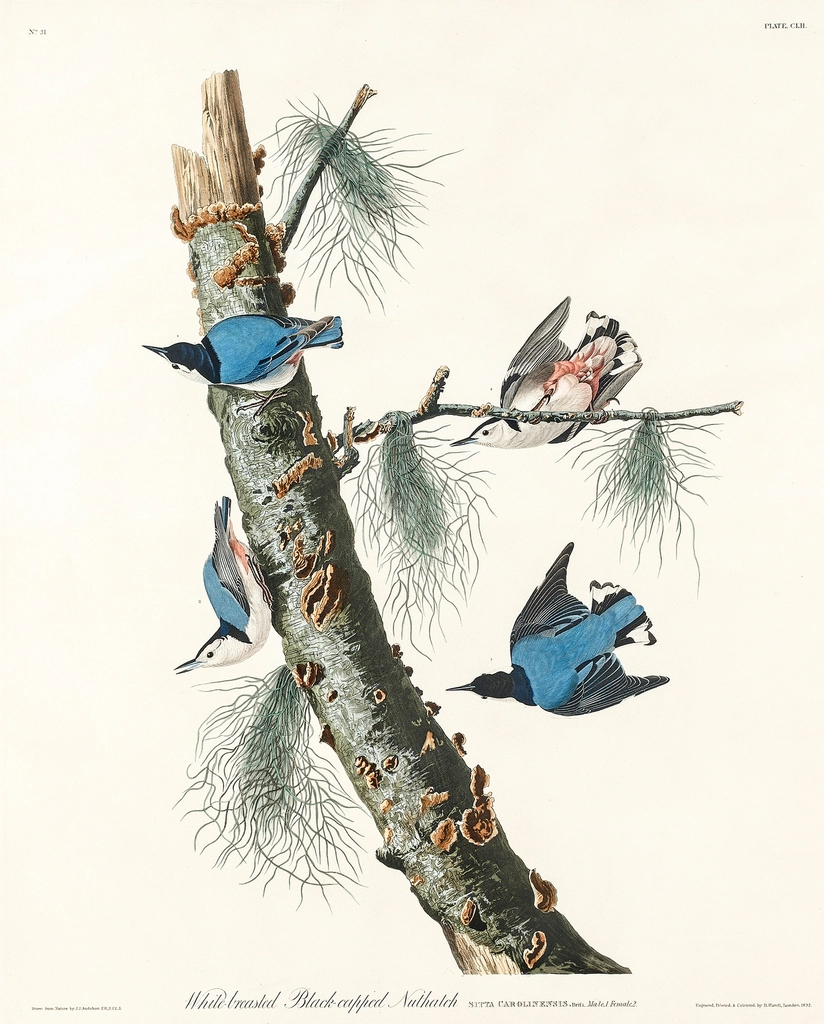
Few books combine scientific precision with artistic beauty quite like Audubon’s masterpiece. Audubon is celebrated for his detailed and vivid depictions of birds, which contributed significantly to the field of ornithology. The book is considered one of the finest ornithological works ever completed and has fetched prices exceeding $11 million at auction. In 2010, London art dealer Michael Tollemache purchased a copy for $11.5 million, which would be approximately $15 million today.
The work consists of four volumes, each containing stunning hand-colored engravings. Audubon meticulously documented various bird species, their habitats, and behaviors, often depicting them in their natural environments. These aren’t just scientific illustrations – they’re works of art that capture the essence of American wildlife in the 19th century. The massive folios, featuring life-sized bird paintings, required Audubon to travel extensively across America, sometimes enduring harsh conditions to observe and sketch his subjects in their natural habitats.
The Gospels of Henry the Lion: Medieval Magnificence
Medieval manuscripts don’t come more lavish than the Gospels of Henry the Lion. This 12th-century illuminated manuscript sold for £8.1 million (approximately $11.7 million) in 1983, which translates to roughly $32 million in today’s currency. Commissioned by Henry the Lion, Duke of Saxony, in the 12th century, this manuscript is an exquisite work of medieval artistry. It contains lavish illustrations and intricate designs, making it one of the most treasured religious manuscripts in existence.
The German government eventually purchased this national treasure, ensuring it would remain accessible to the public. The manuscript represents the pinnacle of medieval book production, featuring gold leaf, precious pigments, and intricate artistic details that took skilled monks years to complete. Each page demonstrates the incredible devotion and craftsmanship that went into creating religious texts during the Middle Ages, when books were among the most valuable possessions in existence.
The Rothschild Prayerbook: Renaissance Devotion at $13.6 Million
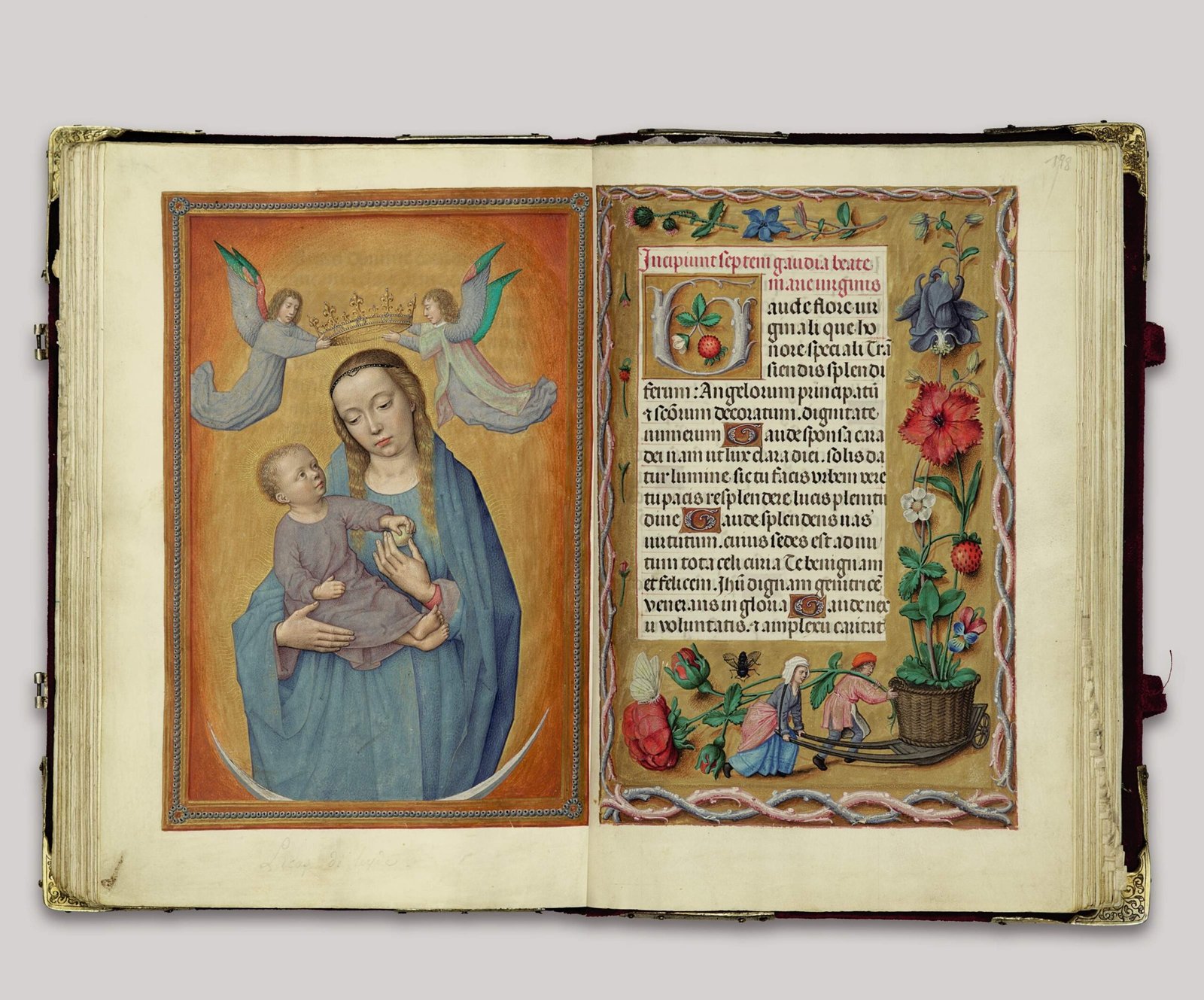
In 2014, Australian businessman Kerry Stokes made headlines when he purchased the Rothschild Prayerbook for $13.6 million. This 16th-century illuminated manuscript represents the height of Renaissance book artistry, featuring exquisite miniatures that showcase the period’s artistic sophistication. The prayerbook contains devotional texts accompanied by breathtaking illustrations that demonstrate the incredible skill of Renaissance illuminators.
What makes this particular manuscript so valuable isn’t just its age, but the extraordinary quality of its artistic decoration. Every page features meticulously painted borders, detailed religious scenes, and gold leaf accents that have remained vibrant for centuries. The book represents a time when wealthy patrons commissioned personal devotional works that were essentially portable art galleries, combining spiritual content with the finest artistic craftsmanship money could buy.
Don Quixote First Edition: Spanish Literary Gold
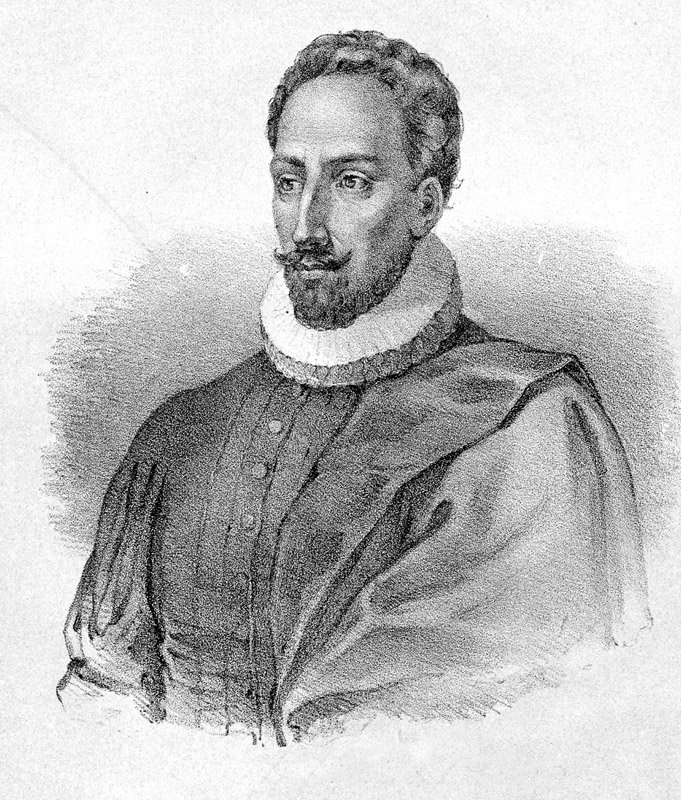
Miguel de Cervantes’s “Don Quixote,” the first edition of this classic novel, sold for $1.2 million in 2020. Its status as one of the greatest works of literature contributes to its high auction value. While this might seem modest compared to some biblical manuscripts, it represents a significant investment in literary history. Don Quixote is a landmark work of Spanish literature that has had a lasting impact on world literature and culture.
The novel’s influence extends far beyond Spanish literature, essentially creating the template for the modern novel. Cervantes’ tale of an idealistic knight and his pragmatic squire has inspired countless adaptations, from operas to Broadway musicals. The first edition represents the birth of one of literature’s most enduring characters, whose “impossible dream” continues to resonate with readers more than 400 years after publication.
The Canterbury Tales: Chaucer’s Medieval Milestone

Geoffrey Chaucer’s Canterbury Tales, one of the foundational works of English literature, commanded £4.6 million (approximately $7.5 million) in 1998, equivalent to about $13 million today. The British Library ultimately acquired this 15th-century first edition through fundraising efforts, recognizing its immense cultural significance. This purchase ensured that one of England’s most important literary treasures would remain accessible to scholars and the public.
Chaucer’s work represents a pivotal moment in English literature, showcasing the vernacular language rather than Latin or French. The tales provide an unparalleled glimpse into medieval English society, from knights and clergy to merchants and craftsmen. The manuscript’s survival through centuries of political upheaval, religious reformation, and social change makes it an invaluable window into England’s literary and cultural heritage.
Historic Manuscripts Beyond Literature

While literary works dominate the high-end auction market, historical documents also command extraordinary prices. A 1297 copy, sold for $21.3 million in 2007, exemplifies its enduring importance as a symbol of liberty and justice – this refers to a copy of the Magna Carta, one of history’s most influential legal documents. These prices demonstrate that collectors value historical significance as much as literary merit.
In 2021, a rare copy of the U.S. constitution sold for $43 million, proving that foundational political documents can command even higher prices than literary masterpieces. The intersection of history, rarity, and cultural significance creates a perfect storm for astronomical auction prices. These documents represent moments that shaped civilization, making them invaluable to collectors who understand their historical importance.
Scientific and Religious Texts: Knowledge as Treasure
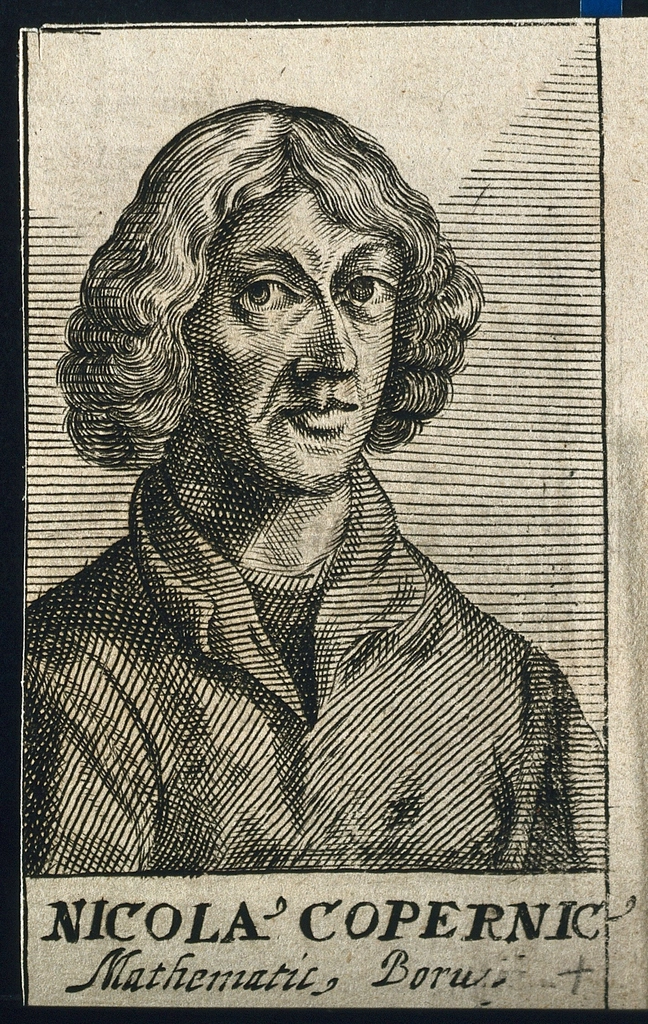
Nicolaus Copernicus’ On the Revolutions of the Heavenly Spheres is one of the most important books in scientific history. Published in 1543, this book revolutionized astronomy by proposing the heliocentric model, where the Sun (instead of the Earth) is at the center of the universe. Scientific breakthroughs documented in books can prove as valuable as artistic achievements, especially when they fundamentally changed human understanding.
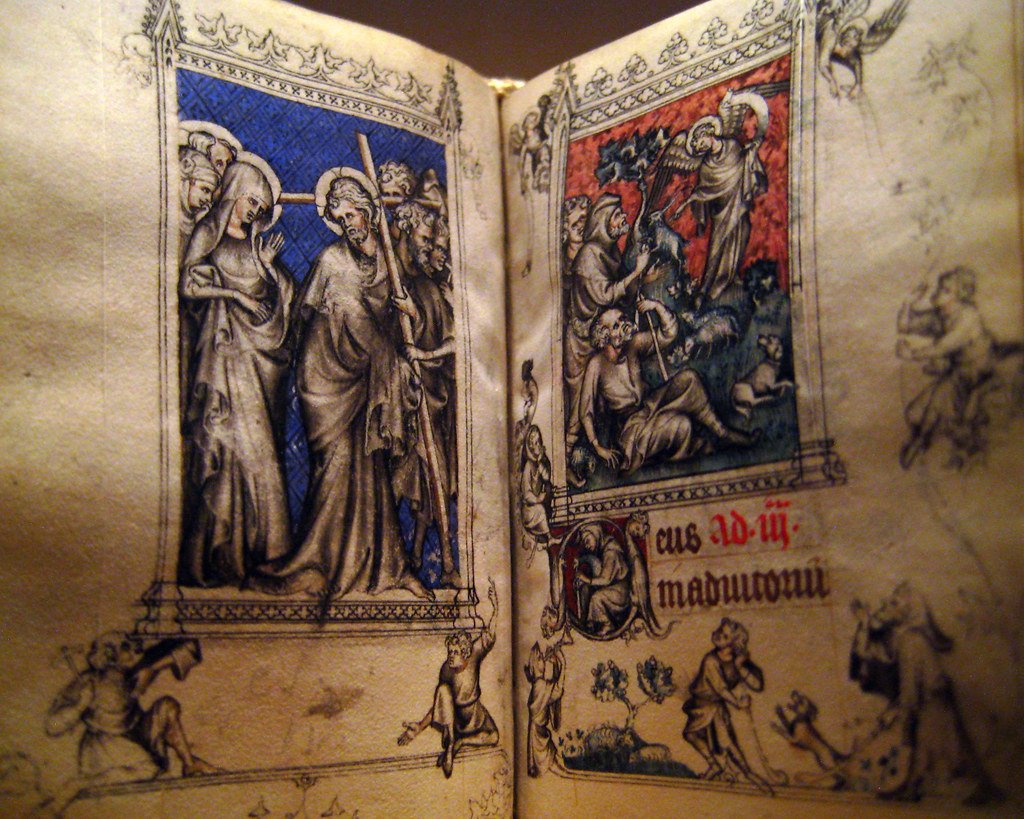
Religious manuscripts continue to command premium prices at auction. Jean Poyer’s “Book of Hours,” a beautifully illustrated manuscript from the late 15th century, sold for $4.7 million in 2009. This work is celebrated for its exquisite miniatures and detailed craftsmanship, reflecting the artistry of medieval book illumination. These devotional books represent the pinnacle of medieval artistry, combining spiritual content with extraordinary artistic achievement.
The Psychology of Collecting Rare Books
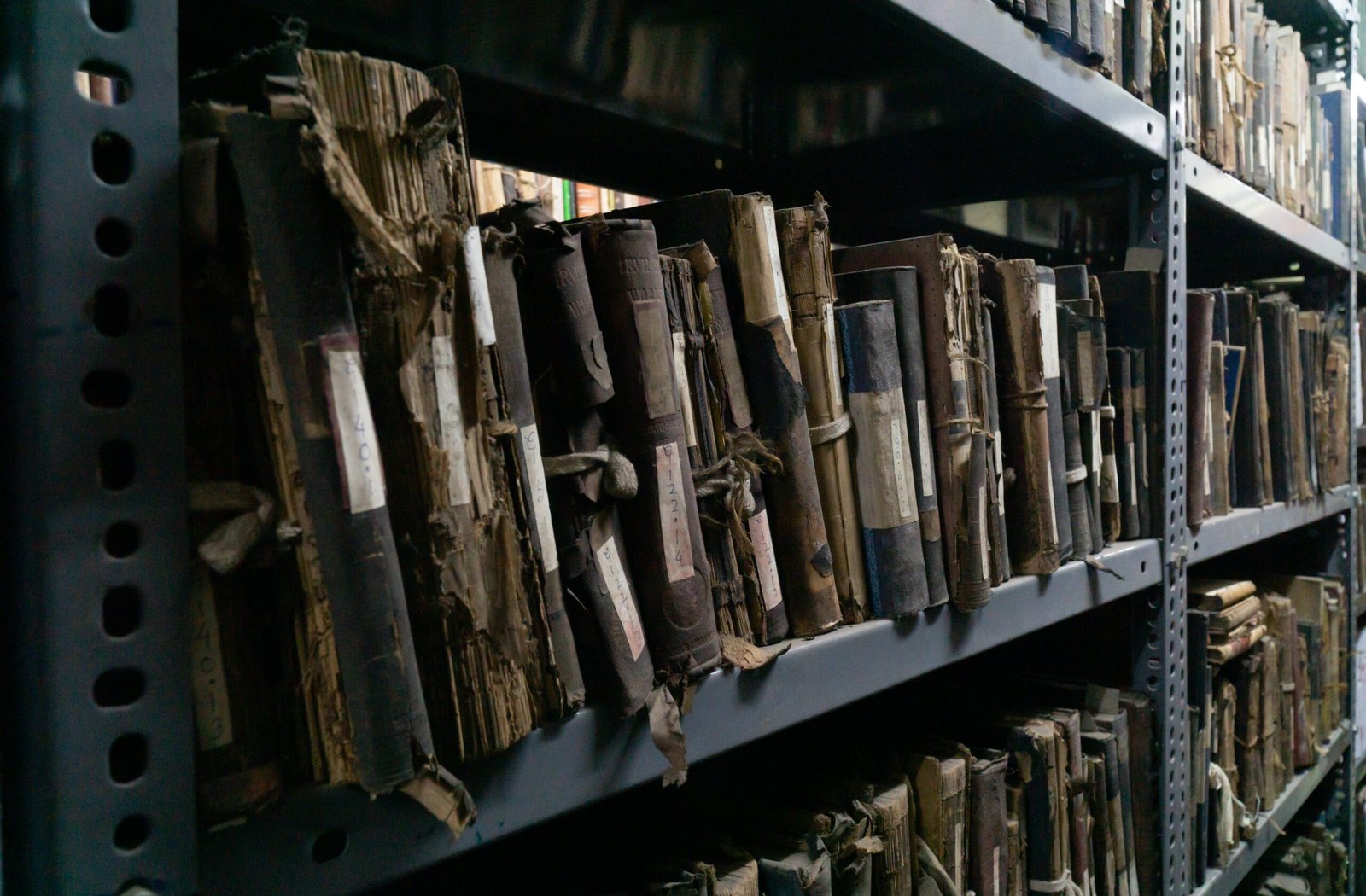
What drives someone to spend millions on a single book? The motivations are as varied as the collectors themselves. Some, like Bill Gates, view these purchases as preserving human knowledge for future generations. Others see rare books as investments that combine passion with potential financial returns. “It was my mission, realizing the historic significance of Codex Sassoon, to see that it resides in a place with global access to all people,” Moses said in a press release. “In my heart and mind that place was the land of Israel, the cradle of Judaism, where the Hebrew Bible was originated. In Israel at ANU, it will be preserved for generations to come”.
The emotional connection to these texts cannot be understated. Many collectors describe an almost mystical experience when handling centuries-old manuscripts, feeling connected to the countless readers who came before them. The physical act of turning pages that Shakespeare’s contemporaries might have touched, or viewing illustrations created by medieval monks, creates a tangible link to history that digital reproductions simply cannot replicate.
The Future of Rare Book Collecting

As digital technology makes information increasingly accessible, physical books – especially rare ones – become paradoxically more precious. The first book to achieve a sale price of greater than $1 million was a copy of the Gutenberg Bible which sold for $2.4 million in 1978. Since then, prices have continued to climb dramatically, suggesting that the market for exceptional books remains robust despite – or perhaps because of – our digital age.
The rarity factor becomes more pronounced each year, as these irreplaceable artifacts cannot be reproduced or replaced. Unlike other collectibles, rare books combine multiple value factors: historical significance, artistic merit, literary importance, and extreme scarcity. As younger collectors enter the market with substantial wealth from technology and finance careers, the demand for these ultimate luxury items shows no signs of diminishing.
What drives a person to spend more than most people earn in a lifetime on a single book? Perhaps it’s the realization that they’re not just buying paper and ink, but preserving civilization itself for future generations. After all, these books survived wars, revolutions, and centuries of neglect to reach us today – and their stories are far from over.

Besides founding Festivaltopia, Luca is the co founder of trib, an art and fashion collectiv you find on several regional events and online. Also he is part of the management board at HORiZONTE, a group travel provider in Germany.
