


Strange Fruit by Billie Holiday
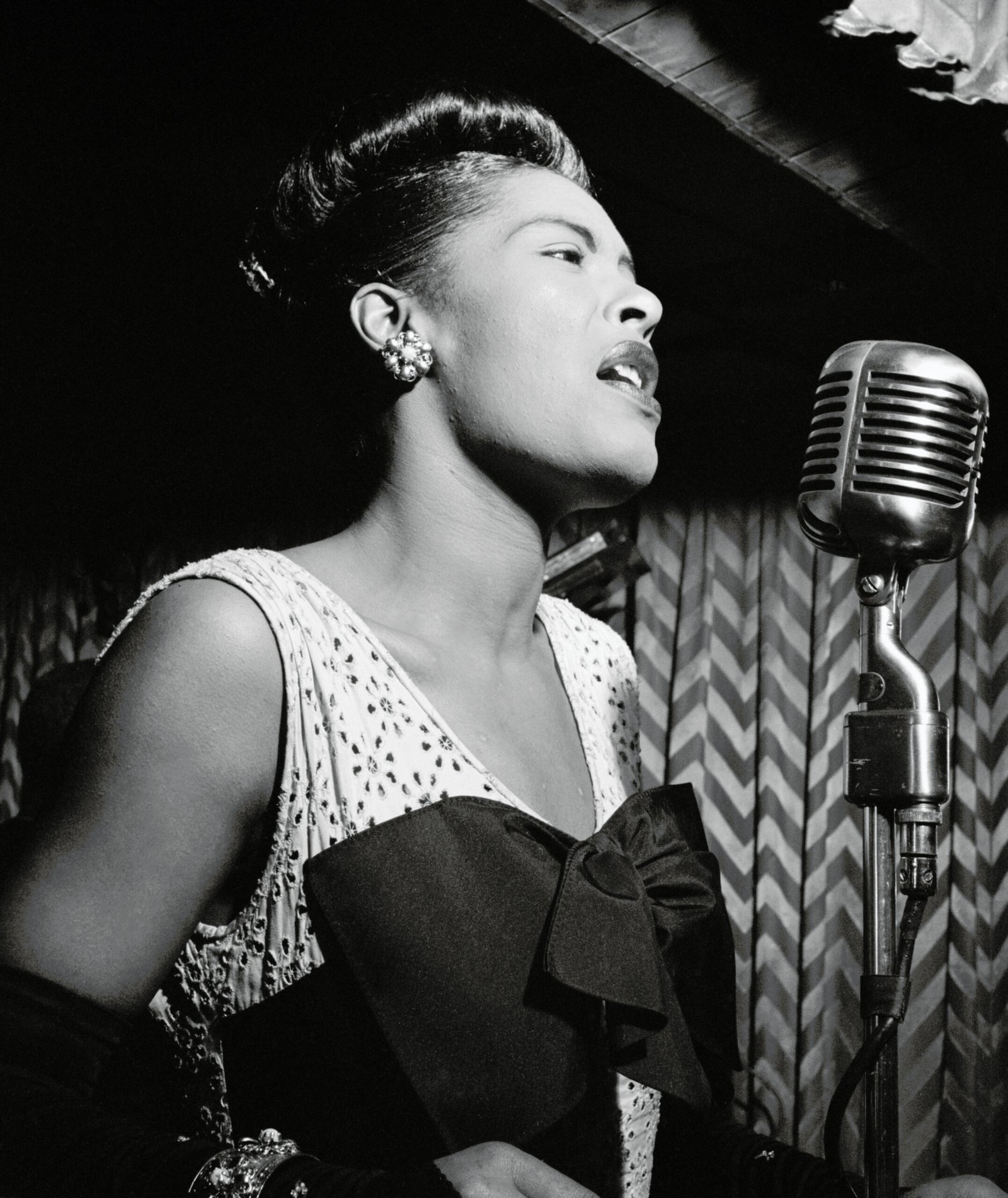
This haunting song was originally banned from radio in the 1930s because it directly addressed the horrors of lynching in the American South. The lyrics were considered too provocative and disturbing for the mainstream, and federal authorities pressured Billie Holiday to stop performing it. Many radio stations refused to play it, fearing backlash. Yet, over time, “Strange Fruit” became a rallying cry during the Civil Rights Movement and is now recognized as one of the most powerful protest songs in history. According to the Library of Congress, it’s been preserved for its cultural significance. Today, it’s taught in schools and covered by modern artists, showing how its message persists.
Lola by The Kinks

“Lola” was banned by the BBC in 1970—not for its transgender themes, but because it mentioned Coca-Cola by name. The BBC had strict rules against product placement, so the Kinks had to re-record the song replacing the brand with “cherry cola.” Despite this hiccup, “Lola” became an international hit and is still played widely on classic rock stations. Its bold narrative about gender fluidity has kept it relevant, and it’s now recognized for breaking boundaries in pop music storytelling. The song’s resilience is a testament to its catchy melody and daring subject matter.
God Save the Queen by Sex Pistols
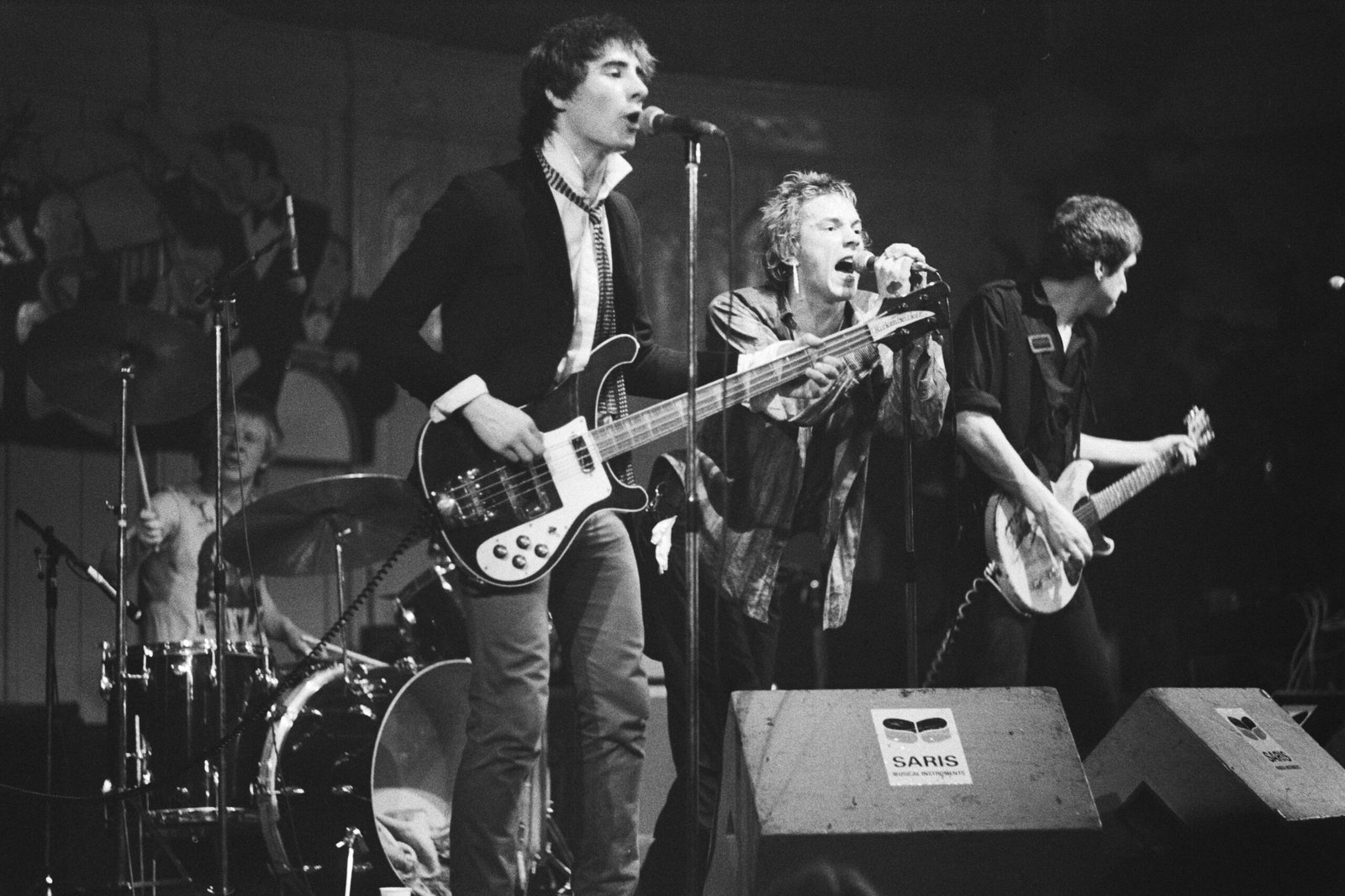
Released during Queen Elizabeth II’s Silver Jubilee in 1977, this punk anthem was banned by the BBC and many record stores for its anti-establishment lyrics and perceived disrespect for the monarchy. Yet, it shot to number two on the UK singles chart. The controversy only fueled public interest, and “God Save the Queen” became an underground hit that symbolized youthful rebellion. Today, it’s regularly featured in documentaries and punk retrospectives, highlighting its enduring impact on British culture.
Relax by Frankie Goes to Hollywood
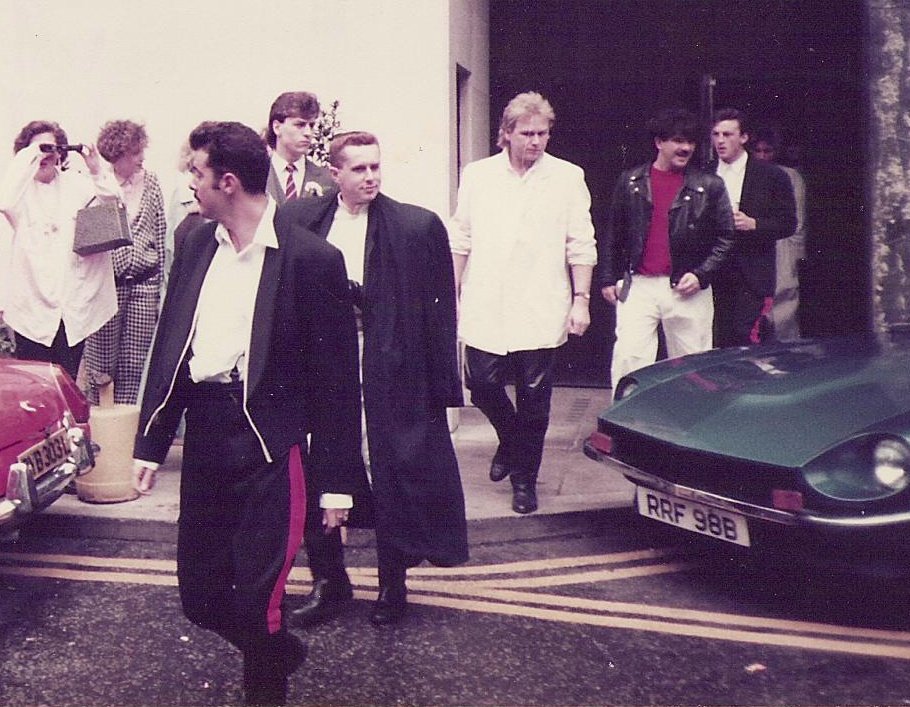
When “Relax” hit the airwaves in 1983, it was quickly banned by the BBC due to its sexually suggestive lyrics. The ban only made people more curious, and the single soared to the top of the UK charts. According to the Official Charts Company, “Relax” spent 42 weeks in the Top 40. Clubs and DJs continued to play it, cementing its place as an iconic dance track. Its pulsating beat and unapologetic style have kept it alive on playlists worldwide.
Louie Louie by The Kingsmen
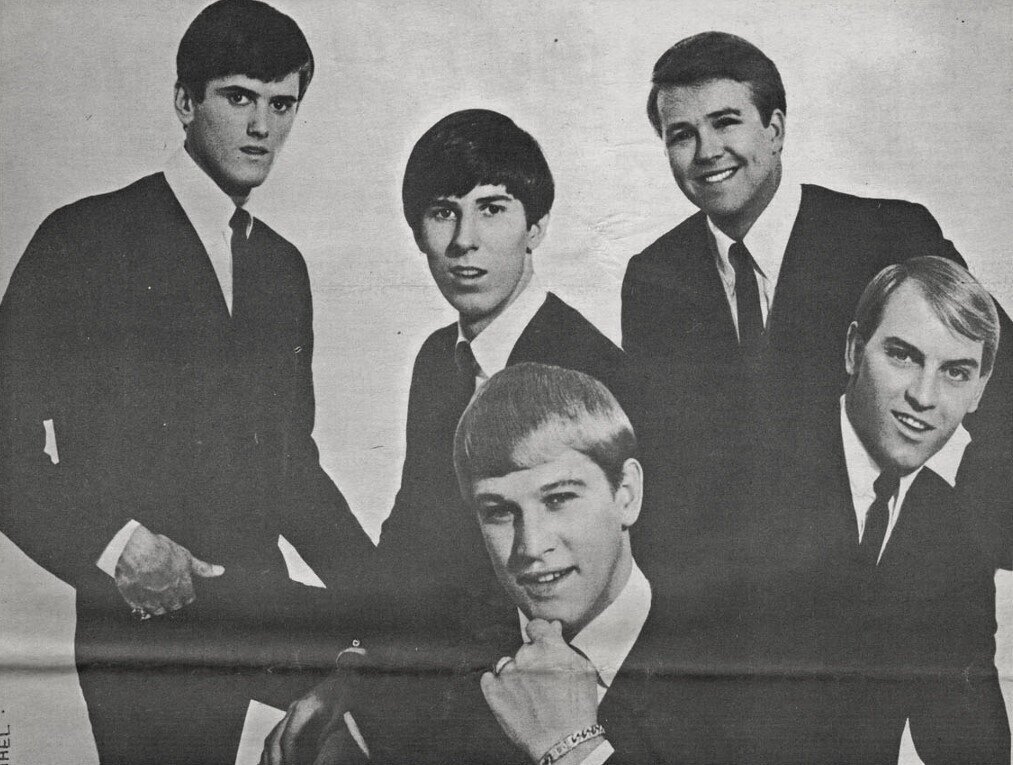
This is a retouched picture, which means that it has been digitally altered from its original version. Modifications made by Dcameron814., Public domain, https://commons.wikimedia.org/w/index.php?curid=164908056)
In the early 1960s, “Louie Louie” faced bans from radio stations across the U.S. after rumors circulated that its lyrics were obscene. The FBI even launched an investigation, but couldn’t decipher anything offensive. Despite—or maybe because of—its controversy, it became a garage rock staple. Today, “Louie Louie” is considered one of the most covered rock songs ever, often played at sports events and parties for its infectious energy.
Imagine by John Lennon

“Imagine” has faced intermittent bans worldwide, especially after 9/11, when some U.S. radio stations deemed it too “anti-religion” or “unpatriotic.” Its message of peace and unity, though radical to some, has made it a global anthem. The song is played at major events and covered by artists from all genres. In 2017, the National Music Publishers’ Association recognized “Imagine” for its social impact, underlining its ongoing relevance.
Born in the U.S.A. by Bruce Springsteen
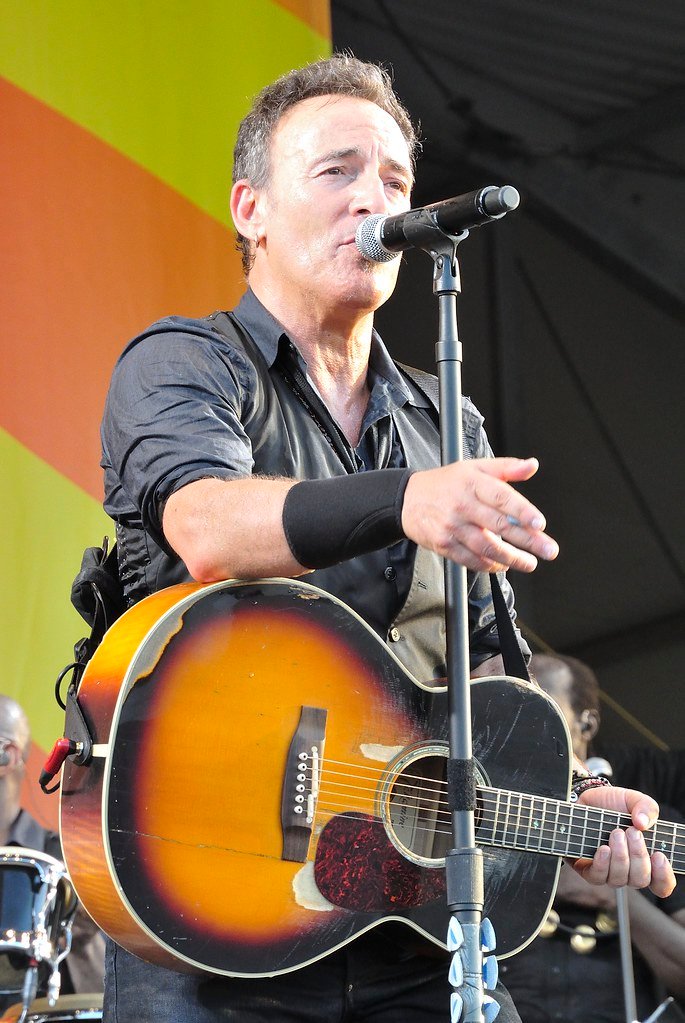
Despite its patriotic title, “Born in the U.S.A.” was banned in some countries for its critical take on America’s treatment of Vietnam veterans. Some U.S. radio stations also avoided it during times of war. Yet, the anthemic chorus and Springsteen’s raw delivery kept it alive. The song is often played at sporting events and rallies, sometimes misunderstood as purely patriotic, but always deeply resonant.
Wake Up Little Susie by The Everly Brothers

photo front
photo back, Public domain, https://commons.wikimedia.org/w/index.php?curid=17137320)
This seemingly innocent song was banned in Boston and other U.S. cities in 1957 for implying that a young couple spent the night together. Despite the ban, it reached No. 1 on the Billboard Hot 100. The controversy helped the song endure, and it’s still played on oldies stations, proving that what’s considered scandalous can change dramatically with time.
Brown Sugar by The Rolling Stones
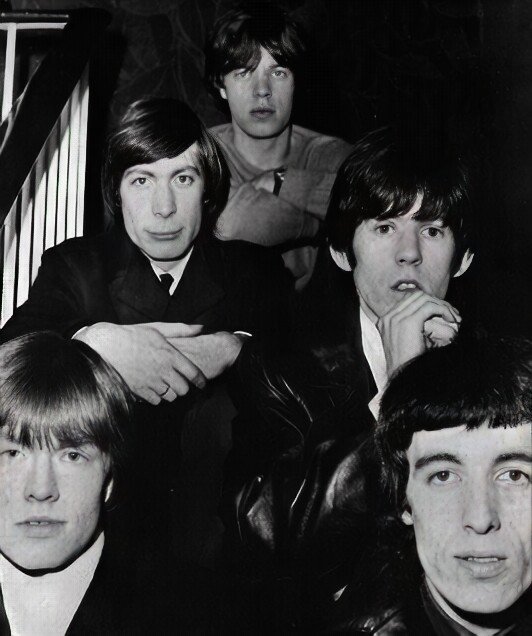
“Banned” from radio in several countries for its explicit references to slavery, sex, and drugs, “Brown Sugar” has always been controversial. In 2021, the Rolling Stones themselves decided to stop performing it at concerts due to ongoing criticism. Still, classic rock stations and fans keep the song in rotation, and it remains a subject of debate about art, censorship, and social change.
Blurred Lines by Robin Thicke featuring Pharrell Williams

“Blurred Lines” was banned from over 20 university campuses in the UK and some U.S. colleges for lyrics seen as promoting non-consensual sex. Despite widespread criticism, including lawsuits over copyright infringement, the song topped charts in more than 25 countries. Its catchy beat ensures it’s still played at parties and on radio, though always with a side of controversy.
Puff, the Magic Dragon by Peter, Paul and Mary
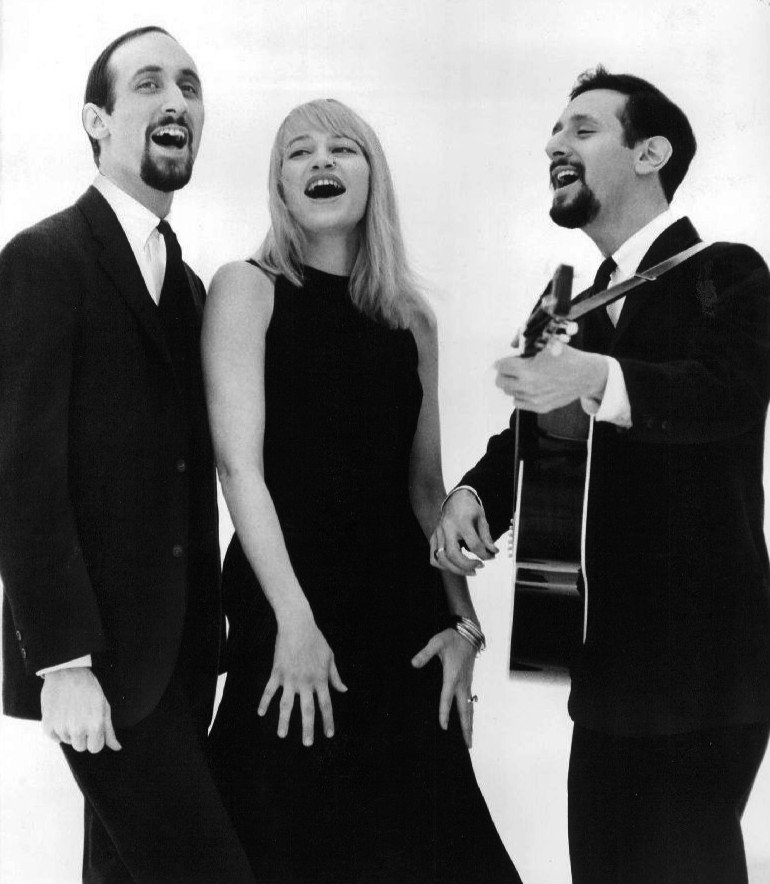
front
back, Public domain, https://commons.wikimedia.org/w/index.php?curid=29003099)
Rumors that “Puff, the Magic Dragon” was about marijuana led to radio bans in the 1960s, even though the band always denied it. The song’s whimsical story has since charmed generations, and it remains a staple in children’s music. The controversy only increased its mystique, and it’s still a singalong favorite today.
Physical by Olivia Newton-John
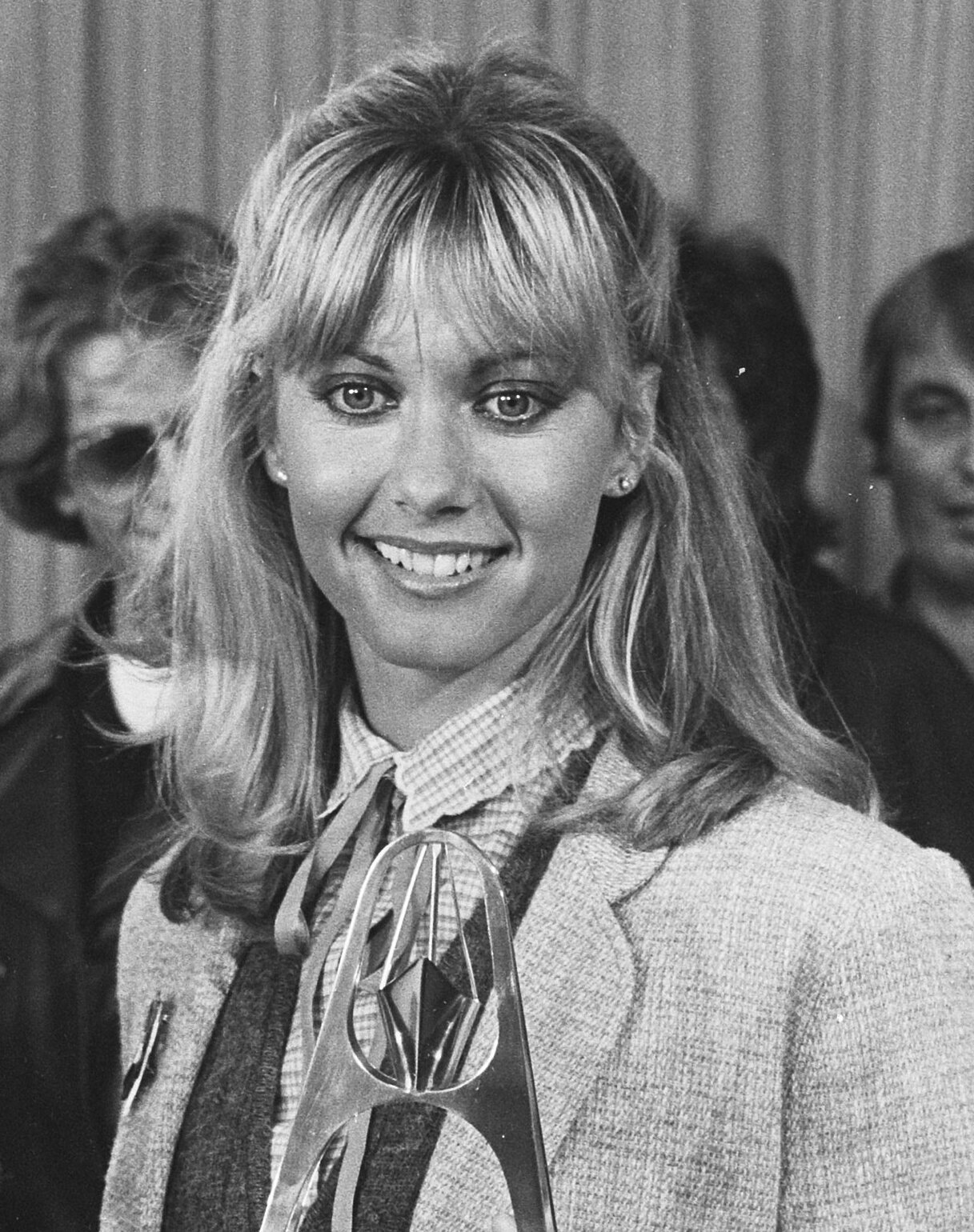
“Physical” was banned in Utah and some other U.S. regions in 1981 for its overtly sexual lyrics and risqué music video. Despite (or because of) the bans, it became the biggest hit of Newton-John’s career, spending 10 weeks at No. 1 on the Billboard Hot 100. The song’s playful energy and catchy hook keep it spinning at gyms and retro dance nights.
Cop Killer by Body Count
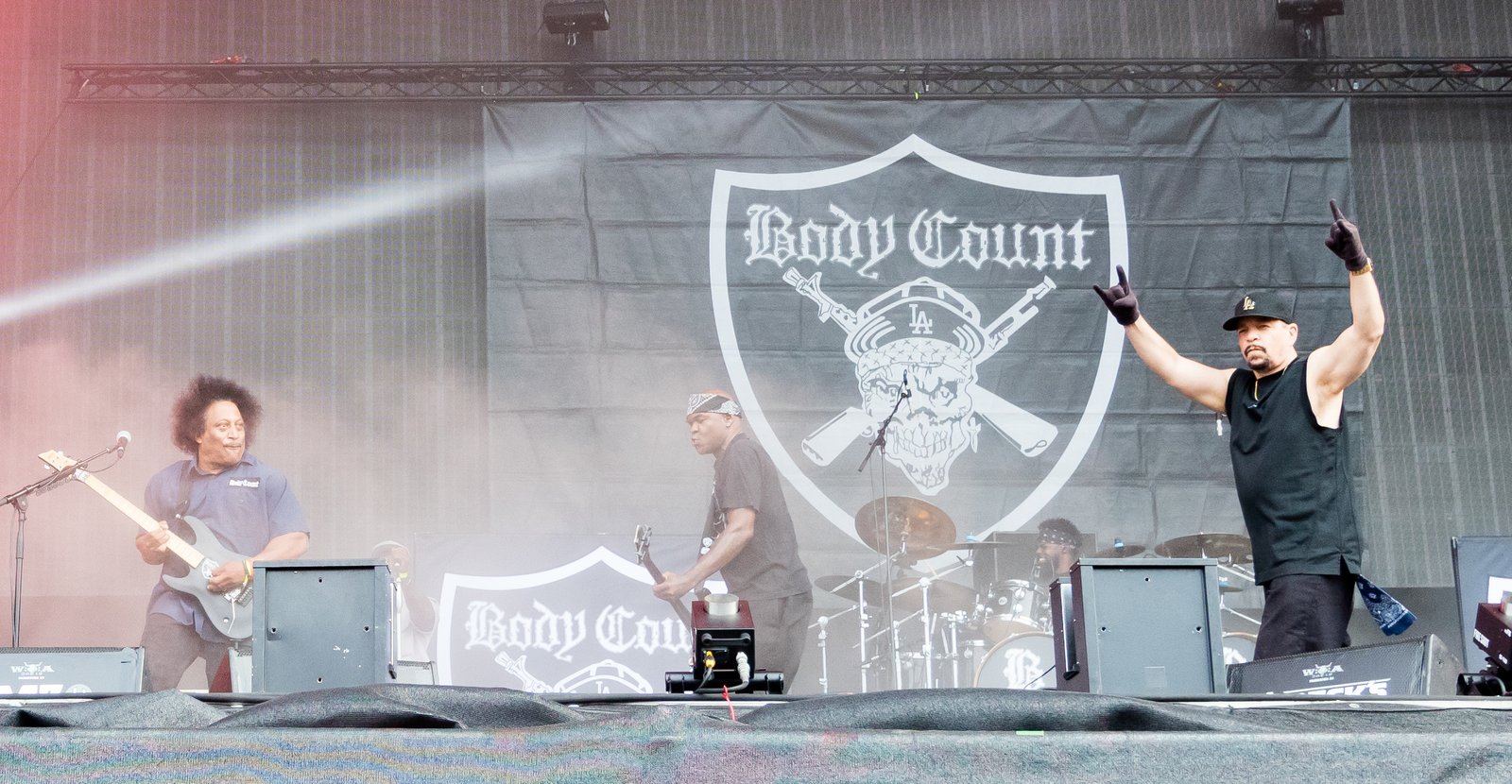
When Ice-T’s band Body Count released “Cop Killer” in 1992, police organizations and politicians demanded it be removed from stores, claiming it incited violence. Many retailers pulled the album, but the song became a flashpoint in debates about freedom of expression. It’s still discussed in music history and criminal justice courses, and clips are used in documentaries about censorship.
Love to Love You Baby by Donna Summer
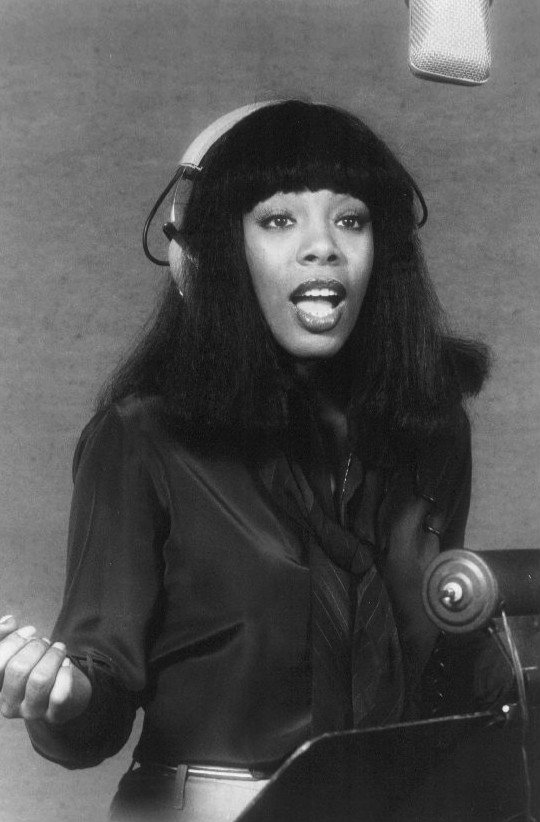
photo front
photo back, Public domain, https://commons.wikimedia.org/w/index.php?curid=19481060)
Donna Summer’s moans in “Love to Love You Baby” led some radio stations to ban it in the 1970s for being too sexually explicit. The controversy only made people more eager to hear it, and the song became a disco classic. Today, it’s sampled and referenced in modern pop and dance music, a testament to its lasting influence.
Fight the Power by Public Enemy
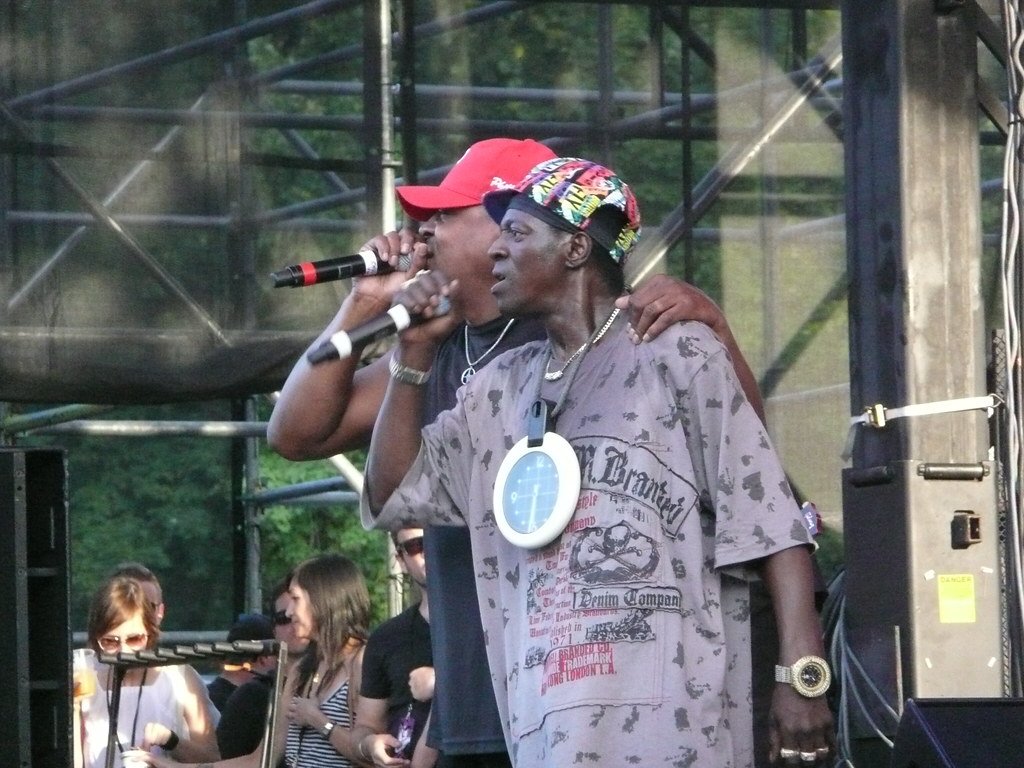
“Fight the Power” was banned from some radio and TV stations for its anti-authority lyrics and criticism of famous figures. But the song’s raw energy and powerful message made it a cornerstone of hip-hop and protest movements. It’s still played at rallies and in films like “Do the Right Thing,” proving its enduring relevance.
Money for Nothing by Dire Straits

The original version of “Money for Nothing” was banned in Canada and edited on many U.S. stations for containing a slur. Despite this, the song won a Grammy and is still played in its censored form. Its iconic riff and satirical lyrics about the music business have kept it popular on classic rock stations.
My Generation by The Who
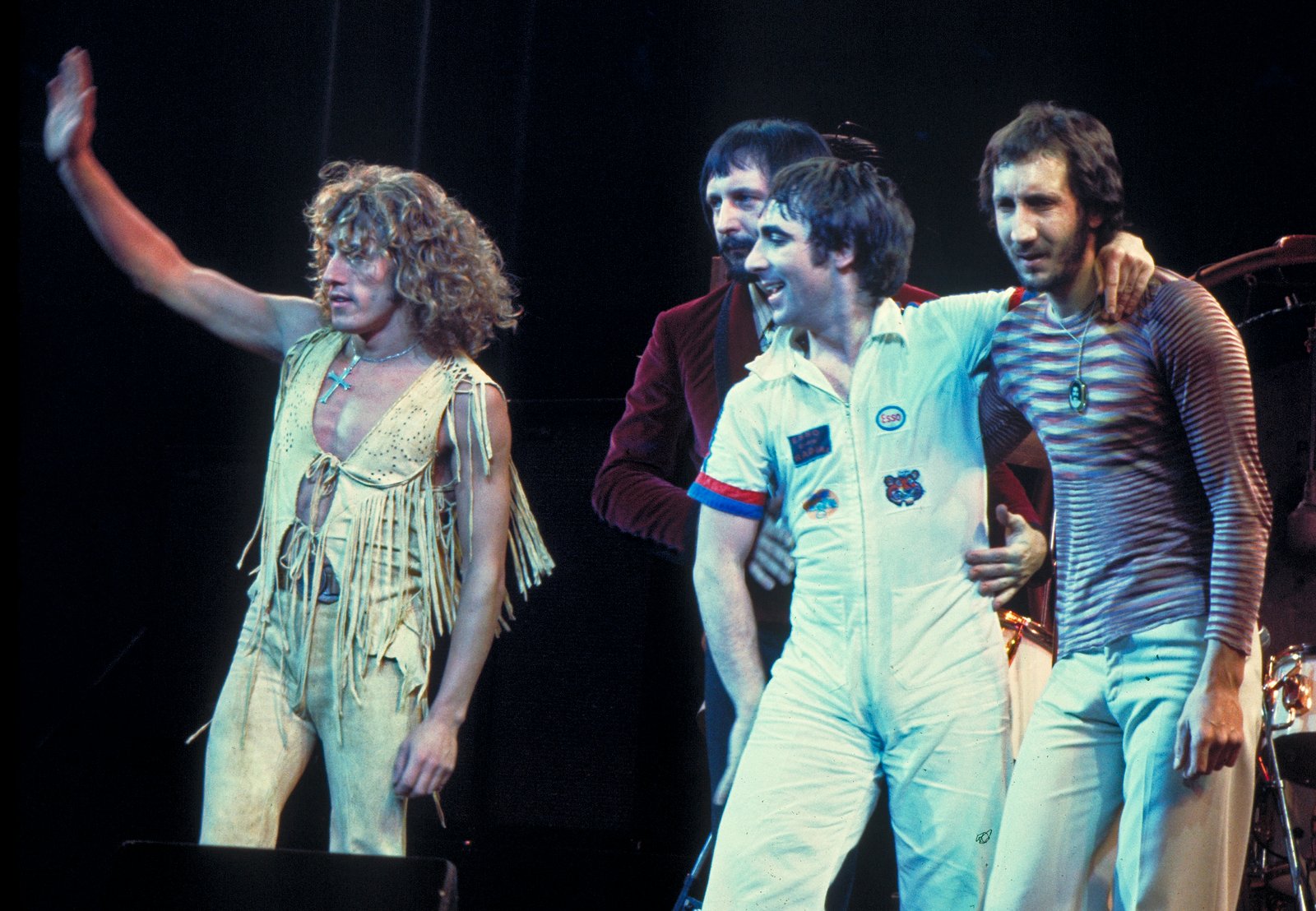
In the 1960s, “My Generation” was banned by some UK radio stations for its perceived promotion of rebellion and stuttering vocal, which was thought to mock people with disabilities. Nevertheless, it became an anthem for youth culture and is still performed by The Who, featured in commercials, and covered by new artists.
Polly by Nirvana
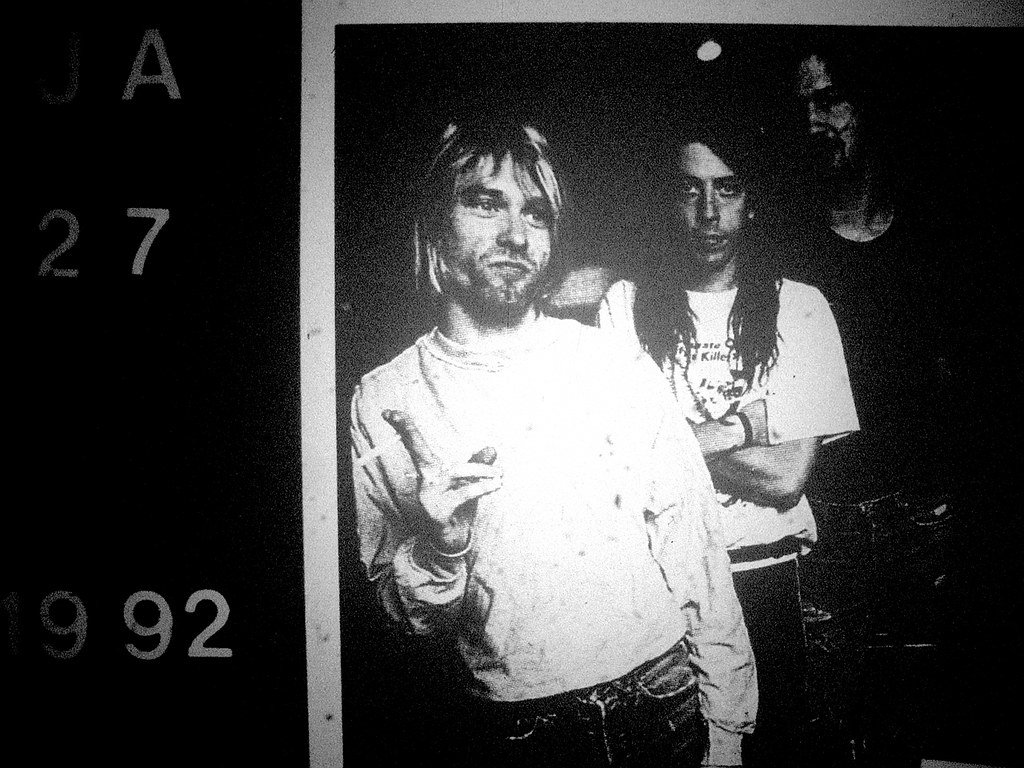
“Polly” was banned by some radio stations due to its disturbing subject matter—told from the perspective of a kidnapper. Yet, it’s considered one of Nirvana’s most powerful songs and is discussed in academic papers about music and trauma. Fans still request it at concerts, drawn to its haunting simplicity.
Judas by Lady Gaga

“Judas” faced bans in Lebanon and was condemned by religious groups for its biblical references and provocative imagery. Still, the song charted worldwide and is performed at Lady Gaga’s concerts, celebrated by fans for its boldness and danceable beat.
I Want to Break Free by Queen

“I Want to Break Free” was banned by MTV in the U.S. in the 1980s because of its music video featuring the band in drag. Conservative groups saw it as promoting cross-dressing. In the UK and Europe, it became a hit, and today, it’s celebrated as a pride anthem and played at festivals and parades around the world.

Besides founding Festivaltopia, Luca is the co founder of trib, an art and fashion collectiv you find on several regional events and online. Also he is part of the management board at HORiZONTE, a group travel provider in Germany.
