

- Classic Novels Often Reveal Profound Truths About the Human Condition - August 27, 2026
- The Golden Age of Hollywood Produced Truly Unforgettable Screen Legends. - August 27, 2026
- 15 Incredible Natural Wonders of the US That Are Still Underrated. - August 27, 2026
The Rolling Stones’ Humble Beginnings With The Everly Brothers
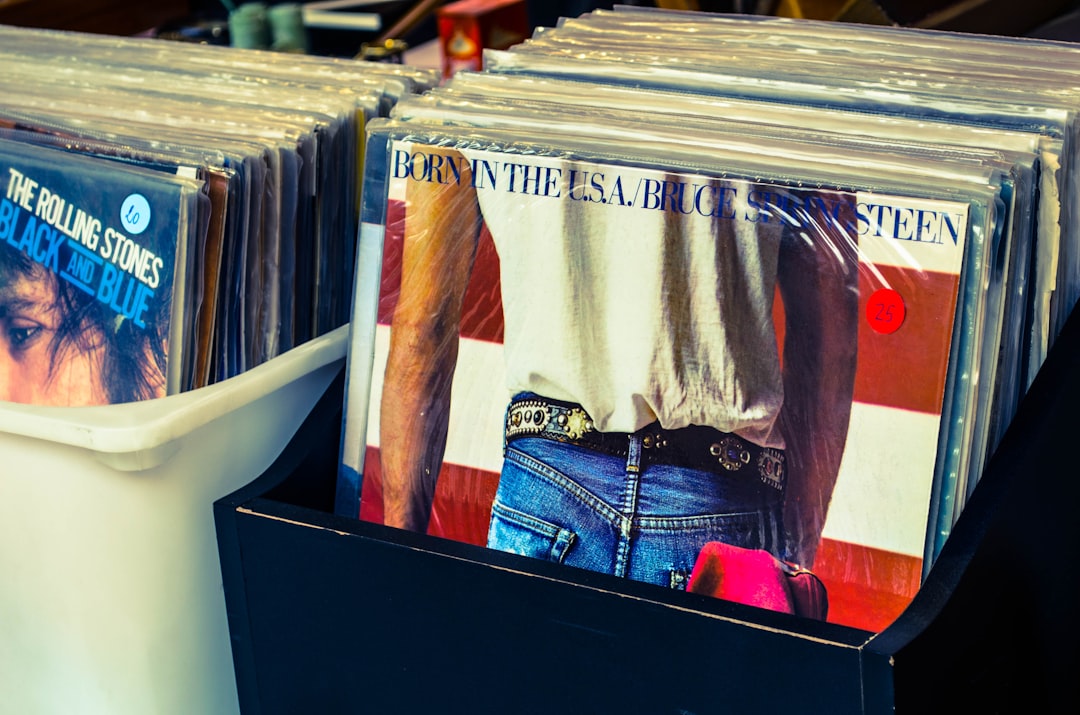
Picture this: it’s 1963, and The Rolling Stones are just getting started, performing as an opening act on a package tour headlined by The Everly Brothers and Bo Diddley. At this point, nobody could have predicted that these scruffy London lads would become one of rock’s most enduring legends. Even by the first week of the tour, it became clear that the Everlys, whose star had waned since the coming of The Beatles and other beat groups, were not selling enough tickets.
The tour ran for 30 dates over 36 days, starting at London’s New Victoria Theatre. They performed two ten-minute shows at every date, which might seem laughably short by today’s standards. But those brief performances were crucial stepping stones. The Rolling Stones are an English rock band formed in London in 1962, and they’ve now been active for over six decades as one of the most popular, influential, and enduring bands of the rock era. Meanwhile, The Everly Brothers, while still respected, never reclaimed their early dominance.
Prince Gets Booed But Gets Back Up
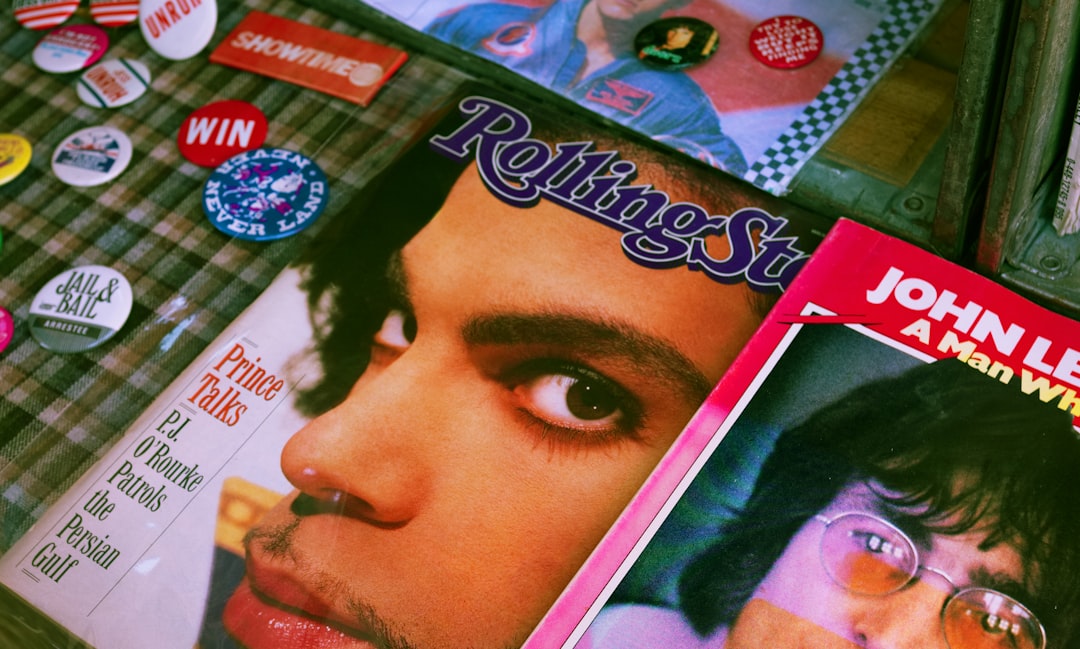
Sometimes the biggest stars face the harshest rejections. Mick Jagger was a fan of Prince’s early stuff and he invited the young performer to open a pair of Rolling Stones concerts in Los Angeles. It didn’t go well. This wasn’t just any ordinary gig either – the L.A. Coliseum was loaded with an estimated 94,000 music fans for each of the two shows in October 1981.
Prince came to the microphone in his typical stage attire from that era – see-through jacket, thigh-high boots, black bikini briefs. The crowd wasn’t having it. Dressed in his controversial bikini briefs and trench coat, and singing his sexually androgynous lyrics, he was run off stage after 25 minutes of the crowd booing, throwing shoes and beer bottles at him. But here’s the kicker – despite being pelted with food and homophobic slurs, Prince returned to open the Oct. 11 show as well. Within the following two years (1982-1984), Prince would release ‘1999’ and ‘Purple Rain’ and catapult himself into the realm of superstardom.
It was the last time Prince ever performed as an opening act. Sometimes getting knocked down is exactly what you need to never bow down again.
U2’s Rise From J. Geils Band Support
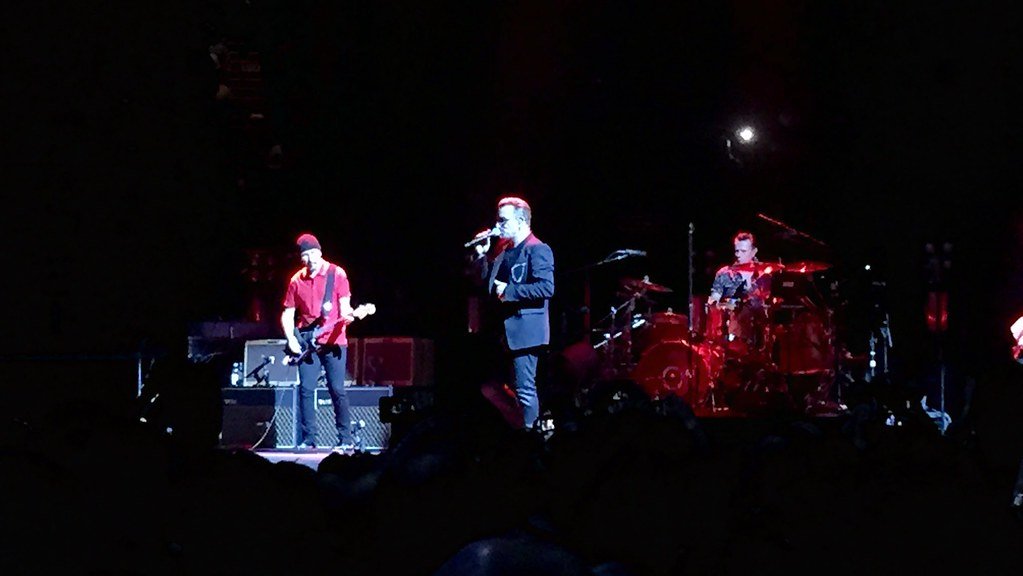
Before they were filling stadiums worldwide, U2 was grinding it out as an opening act for The J. Geils Band in 1981. The Irish quartet was still finding their sound and building their fanbase, performing songs that would later become anthems for millions. The J. Geils Band was riding high with hits like “Centerfold” and “Freeze Frame,” but their moment in the spotlight proved fleeting.
By the mid-1980s, U2 had completely reversed the dynamic. Albums like “War” and “The Unforgettable Fire” established them as serious artists, while “The Joshua Tree” in 1987 catapulted them to global superstardom. The J. Geils Band, meanwhile, struggled to maintain their commercial momentum and eventually disbanded, only reuniting occasionally for nostalgia tours.
What’s fascinating is how U2’s earnest, politically-charged rock struck a deeper chord with audiences than The J. Geils Band’s party anthems. Sometimes substance outlasts flash, and U2’s journey from opening act to headlining some of the biggest concerts in history proves that authenticity often wins in the long run.
Nirvana’s Brief Opening Stint Before Nevermind
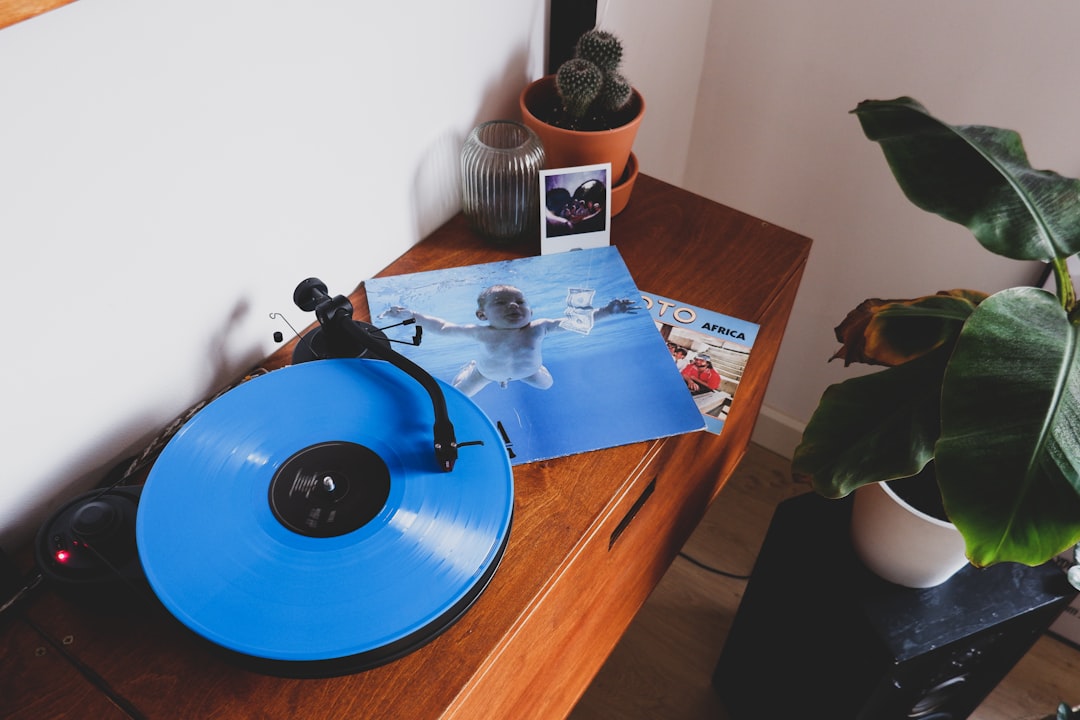
Just months before “Smells Like Teen Spirit” changed everything, Nirvana was still an opening act for Dinosaur Jr. in 1991. This was the calm before the storm – Kurt Cobain, Dave Grohl, and Krist Novoselic were about to unleash an album that would reshape popular music forever. At the time, Dinosaur Jr. was the more established act, known for their influential indie rock sound and J Mascis’s distinctive guitar work.
Then Nevermind dropped, and suddenly everyone wanted to know who this band from Seattle was. The album’s success was meteoric and unexpected, even for the band members themselves. Nirvana went from playing small clubs to headlining festivals practically overnight, while Dinosaur Jr. remained respected within alternative rock circles but never achieved that same level of mainstream breakthrough.
The tragedy of Kurt Cobain’s death in 1994 cut Nirvana’s reign short, but their cultural impact was already cemented. They proved that raw emotion and authenticity could triumph over technical proficiency or industry expectations. Dinosaur Jr. continued making great music, but they never captured that lightning-in-a-bottle moment that transformed Nirvana from opening act to cultural icons.
Metallica’s Metal Takeover From Ozzy’s Tour
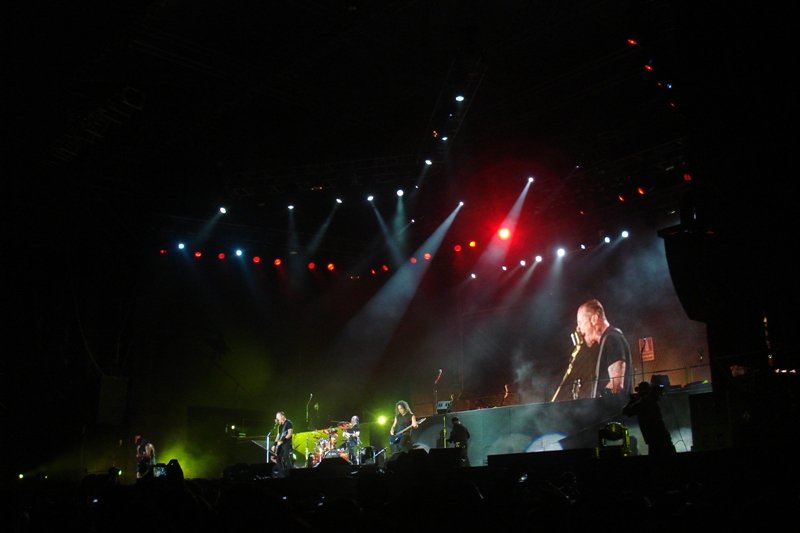
When Metallica opened for Ozzy Osbourne’s The Ultimate Sin Tour in 1986, they were already making waves in the metal underground. But supporting the Prince of Darkness himself was a huge opportunity to reach a broader audience. Ozzy was at the height of his solo career, having established himself as a legendary figure after leaving Black Sabbath.
The irony is that Metallica was about to unleash a sound that would make them bigger than their mentor. Albums like “Master of Puppets” and later “The Black Album” would establish them as the biggest metal band in the world. Their combination of technical proficiency, songwriting prowess, and business savvy proved unstoppable.
By the early 1990s, Metallica was selling out stadiums while Ozzy, though still beloved, was increasingly seen as a legacy act. The students had become the masters, proving that sometimes the opening act is hungrier and more innovative than the established headliner. Metallica’s journey from supporting Ozzy to becoming the biggest metal band ever shows how the torch gets passed in rock and roll.
Mariah Carey’s Vocal Supremacy Over Michael Bolton

derivative work: Truu (talk), CC BY-SA 3.0, https://commons.wikimedia.org/w/index.php?curid=16410663)
In 1990, a young Mariah Carey was opening for Michael Bolton, who was enjoying massive success with his blue-eyed soul approach and powerhouse ballads. Bolton seemed unstoppable, with hits like “How Am I Supposed to Live Without You” dominating radio and his concerts selling out arenas. Carey was just starting out, having recently signed with Columbia Records.
But Carey had something Bolton couldn’t match – a five-octave vocal range and an innate understanding of both pop and R&B. Her debut album showcased a voice that could soar from whisper-soft verses to stratospheric high notes that few singers could even attempt. Songs like “Vision of Love” demonstrated a technical ability that was simply breathtaking.
By the mid-90s, the roles had completely reversed. Carey became one of the best-selling artists of all time, with multiple number-one hits and a cultural influence that extended far beyond music. Bolton’s popularity faded as musical tastes shifted, and his earnest power ballads started feeling dated. Sometimes raw talent and innovation matter more than temporary commercial success.
Taylor Swift’s Country Breakthrough With Rascal Flatts
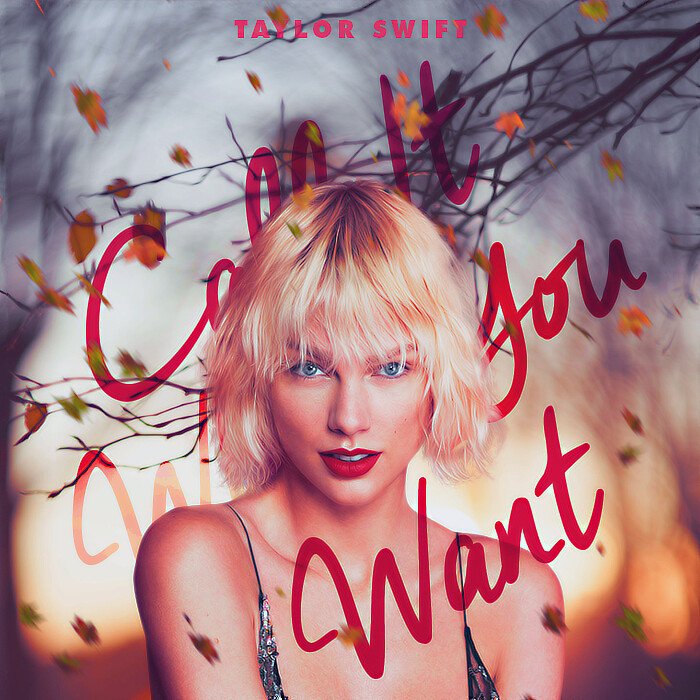
Taylor Swift was ecstatic when she got the call telling her she’d be opening for one of country music’s hottest trios, Rascal Flatts. It was the fall of 2006, and she was just 16. The opportunity came about in an unusual way – after Rascal Flatts fired their previous opening act, Eric Church, for playing too long, Taylor received a phone call on October 17, 2006, saying that she would be hired as Church’s replacement.
“Oh my God,” a teenaged Swift wrote in all caps in a diary entry penned Oct. 18, 2006. “I am on the Rascal Flatts tour! I got the call yesterday and I screamed louder than I can ever remember screaming before”. That teenage excitement was totally justified – this was her big break into the country music world.
By 2007, Taylor had quickly established herself as the most remarkable country music breakthrough artist of the decade. Swift won multiple accolades for Taylor Swift. She was one of the recipients of the Nashville Songwriters Association’s Songwriter/Artist of the Year in 2007, becoming the youngest person given the title. Meanwhile, Rascal Flatts, while still successful, never reached the global phenomenon status that Swift would achieve as she transitioned from country to pop superstardom.
Ed Sheeran’s Acoustic Revolution During Taylor’s Red Tour
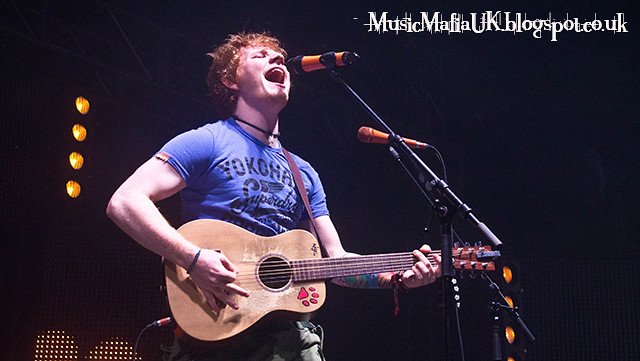
By 2013, Taylor Swift was already a massive star, and Ed Sheeran was the chosen opening act for her Red Tour. At this point, Swift was transitioning from country to pop, while Sheeran was still building his reputation as a singer-songwriter with just his guitar and loop pedal. The British musician had gained attention through YouTube and independent releases, but opening for Swift gave him massive exposure to American audiences.
What’s remarkable is how quickly Sheeran established himself as Swift’s equal rather than just her opening act. His acoustic performances won over arena crowds who came to see Swift, and his songwriting skills became legendary in the industry. Songs like “Thinking Out Loud” and “Shape of You” would eventually make him one of the biggest solo male artists in the world.
The relationship between Swift and Sheeran evolved into a genuine friendship and creative partnership, with both artists collaborating and supporting each other’s careers. This shows how sometimes the opening act-headliner dynamic can transform into mutual respect between equals. Sheeran’s rise from opening act to global superstar rivaling Swift’s own success proves that talent will always find a way to shine through.
Pink Floyd’s Psychedelic Ascension Beyond Jimi Hendrix
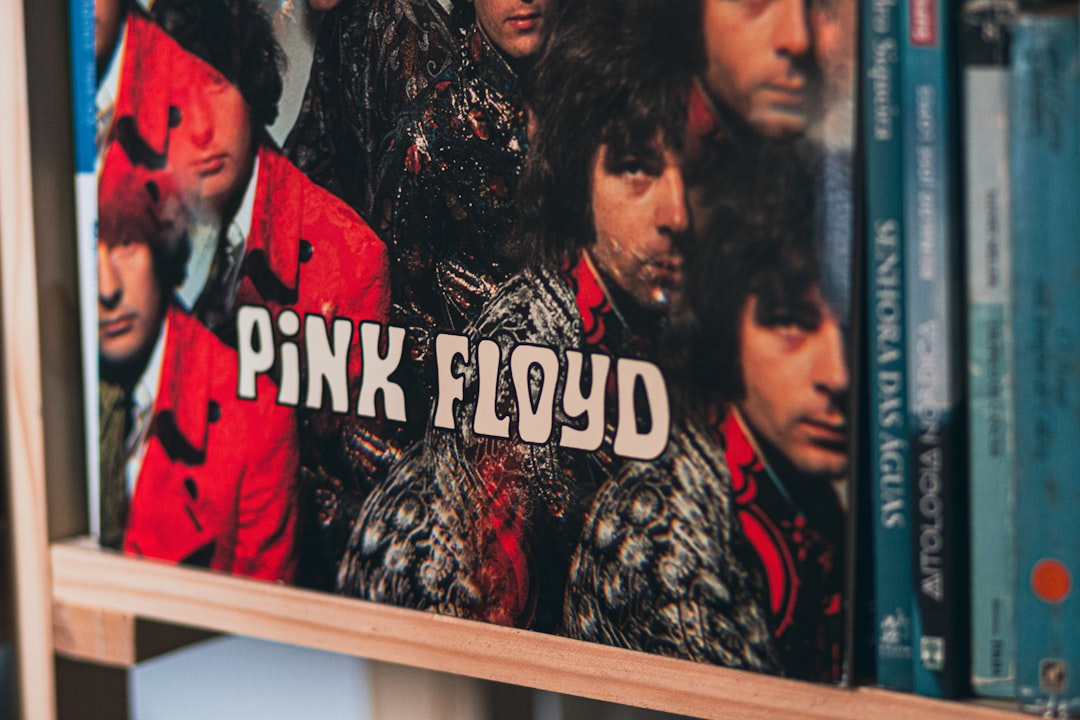
In 1967, Pink Floyd was still an experimental London band opening for guitar god Jimi Hendrix. This was during Floyd’s early psychedelic phase, when Syd Barrett was still the creative force behind their sound. Hendrix was already establishing himself as one of the most innovative guitarists in rock history, and touring with him was a prestigious opportunity for the fledgling British band.
While Hendrix’s career was tragically cut short by his death in 1970, Pink Floyd evolved into something completely different – a progressive rock juggernaut that would create some of the most ambitious and commercially successful albums in music history. “The Dark Side of the Moon” alone spent 14 years on the Billboard charts, becoming one of the best-selling albums of all time.
The contrast is striking: Hendrix was a virtuoso individual performer whose influence was immediate and profound, while Pink Floyd became a collective creative force that built their legacy over decades. Both approaches have merit, but Floyd’s longevity and commercial success ultimately dwarfed even Hendrix’s legendary status. Sometimes the opening act has staying power that the headliner, despite their brilliance, simply can’t match.
Bruno Mars’ Smooth Transition From Travie McCoy’s Shadow
derivative work: TheCuriousGnome (talk), CC BY 2.0, https://commons.wikimedia.org/w/index.php?curid=14720088)
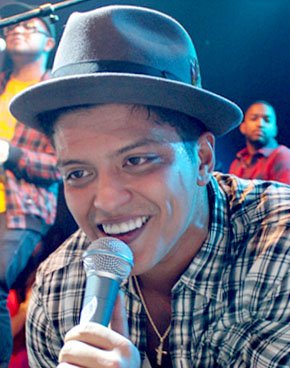
Before he became a global superstar, Bruno Mars was opening for Gym Class Heroes’ Travie McCoy in 2010. At the time, McCoy was riding high with hits like “Billionaire” featuring Bruno Mars himself, and “Stereo Hearts.” Mars was still establishing his solo career, having worked primarily as a songwriter and producer for other artists.
Mars had already written hits for other artists, but his debut solo album “Doo-Wops & Hooligans” was about to change everything. Songs like “Just the Way You Are” and “Grenade” showcased his versatility, blending pop, R&B, funk, and soul in a way that felt both retro and completely modern. His live performances were electric, combining old-school showmanship with contemporary production values.
By 2012, Mars had far eclipsed McCoy in mainstream success. While McCoy remained a respected figure in hip-hop and alternative music, Mars became a stadium-filling superstar who could sell out multiple nights at venues like Madison Square Garden. His Super Bowl halftime performances cemented his status as one of the premier entertainers of his generation, proving that sometimes the opening act is just waiting for their moment to take center stage.
The Pattern Behind These Remarkable Reversals
Looking at these stories, several patterns emerge that explain how opening acts can eventually surpass their headliners. First, hunger often beats complacency – opening acts are typically hustling to prove themselves while headliners might be coasting on past success. Second, cultural timing matters enormously; sometimes an opening act represents where music is heading while the headliner represents where it’s been.
Innovation also plays a crucial role. Many of these opening acts brought something genuinely new to the table – whether it was Nirvana’s grunge authenticity, Prince’s genre-blending artistry, or Taylor Swift’s storytelling approach to country music. They weren’t just copying what came before; they were creating something that audiences didn’t even know they wanted.
Perhaps most importantly, these artists combined talent with relentless work ethic. Being an opening act is often a humbling experience – you’re playing to crowds who didn’t come to see you, dealing with shorter sets and less-than-ideal sound conditions. The artists who eventually surpass their headliners use these challenges as motivation rather than obstacles, turning every performance into an opportunity to win over new fans one song at a time.
What This Means for Today’s Music Industry

These historical reversals offer valuable lessons for today’s music landscape. In an era of streaming and social media, the traditional gatekeepers have less power, but the fundamental dynamics remain the same. Opening acts still need to prove themselves night after night, and audiences can still sense authenticity versus manufactured success.
The key difference now is that an opening act can build a following much more quickly through digital platforms. They don’t have to wait for radio play or record label support – they can create viral moments, build fan communities, and establish their brand independently. This democratization of the music industry means we might see even more dramatic opening act-to-superstar transformations in the future.
For artists currently in opening act positions, these stories provide both inspiration and instruction. Success isn’t guaranteed just because you’re talented – it requires the right combination of preparation, opportunity, innovation, and persistence. But when those elements align, the results can be extraordinary, transforming a 20-minute opening set into the foundation of a legendary career that outlasts and overshadows the very headliners who gave you your first big break.
CEO-Co-Founder
