


For any feedback please reach out to info@festivalinside.com
- These 10 Books Will Challenge Everything You Thought You Knew About History. - August 12, 2026
- 13 Top Trending Songs on Instagram Reels in 2026 - August 12, 2026
- The Best Rock Music Was Made When Nobody Was Watching - August 12, 2026
The Royal Wedding That Changed Everything

Picture this: a 24-year-old crown prince nervously adjusting his ceremonial uniform as he prepares to marry a princess he’d met just days before. On October 12, 1810, Crown Prince Ludwig of Bavaria married Princess Therese of Saxe-Hildburghausen in the court chapel of Munich, creating what would become the world’s most famous beer festival. The weather was absolutely miserable that day – cold, damp, and drizzly – but nobody could have predicted this soggy ceremony would spark a 200-year-old tradition. The wedding date wasn’t chosen randomly; October 12 was the name day of Ludwig’s father, King Max I. Talk about killing two birds with one stone!
What made this wedding special wasn’t just the royal glamour, but the radical decision to include ordinary citizens in the celebration. The Bavarian royal family invited the citizens of Munich to attend the festivities, held on the fields in front of the city gates. This was revolutionary stuff back then – royals didn’t typically party with commoners!
Five Days of Pure Celebration
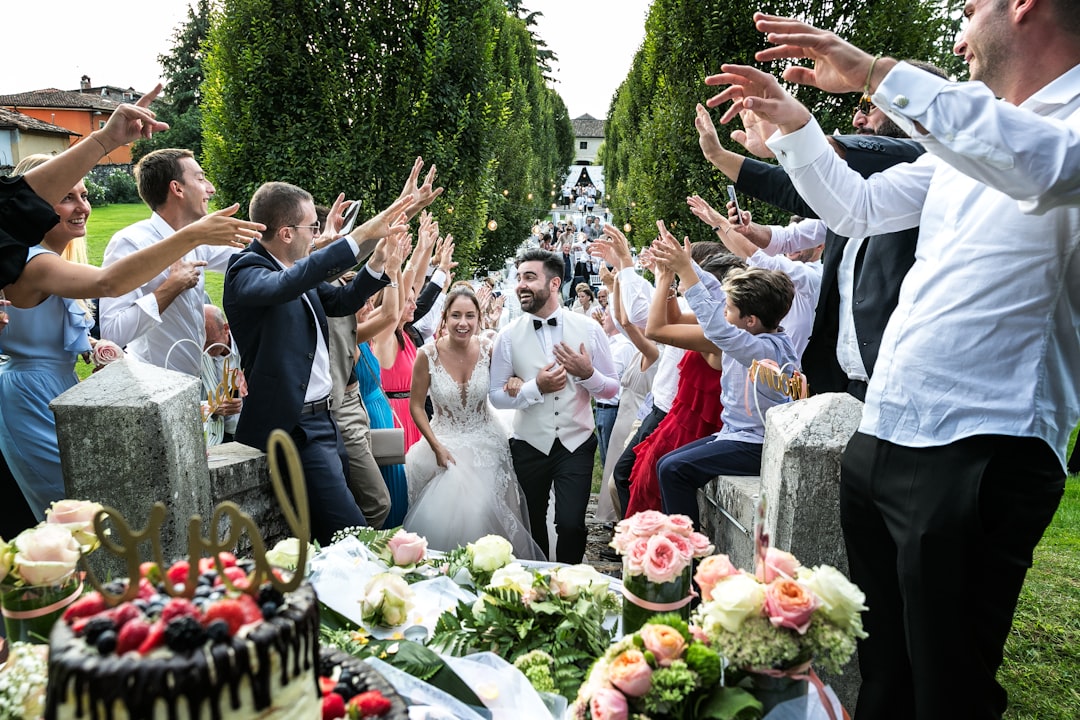
The kingdom of Bavaria was only 4 years old at that time, and showcased its splendour during a 5-day wedding celebration. The newlyweds didn’t just throw a quick reception and call it a day. The wedding festivities were grand, lasting nearly a week from October 12th to October 17th. This wasn’t your typical wedding party – it was more like a medieval music festival with royal backing. The whole city of Munich was illuminated for this occasion, with both public squares and private buildings extensively decorated with lights, taking even six weeks to set up decorations at the Max-Joseph Square.
Citizens went absolutely wild with the decorations. Banker and Oktoberfest initiator Andreas von Dall’Armi embellished the façade of his home at the Rindermarkt with a statue of Bavaria including a lion. The level of enthusiasm was infectious – everyone wanted to outdo their neighbors with the most spectacular displays.
The Horse Race That Started It All
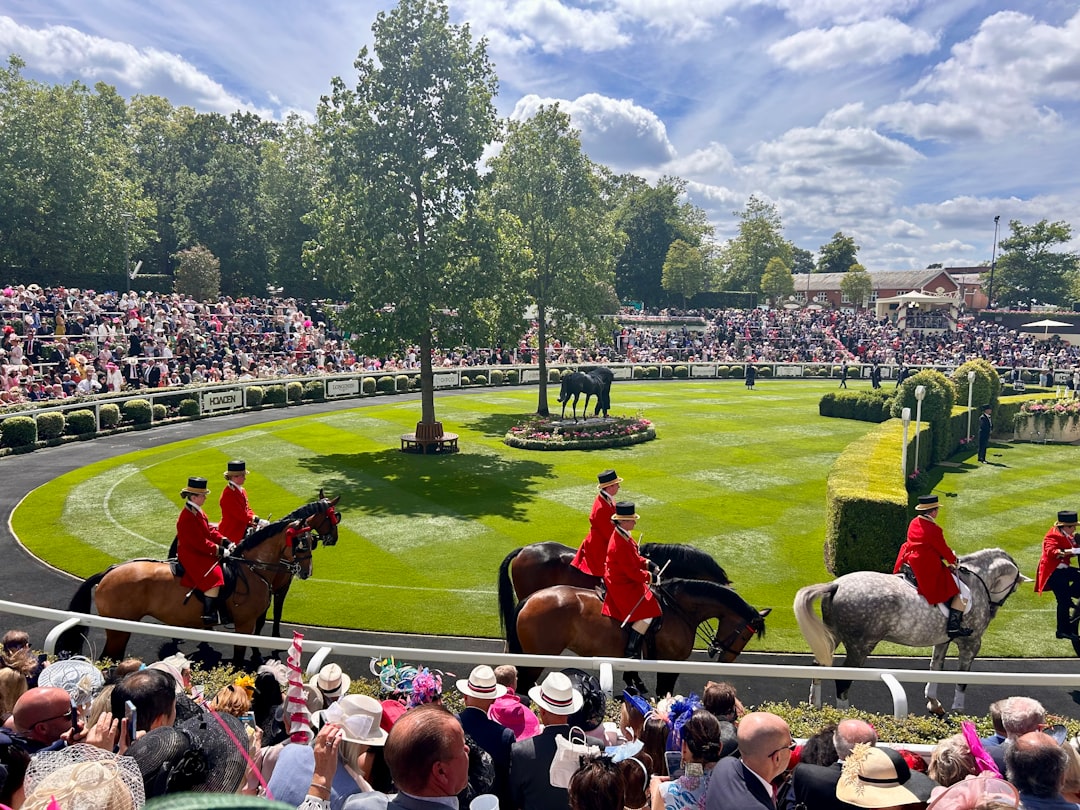
The celebration was capped off with a thrilling horse race, an idea proposed by Andreas Michael Dall’Armi, a member of the Bavarian National Guard. This wasn’t just any random entertainment choice. Munich had a special relation to festive horse races, with the “Scharlachrennen” (Scarlet Race) being held since 1448 in front of the Karlstor. The race took place on October 17, 1810, and became the grand finale of the celebration.
Out of 30 starting horses, it was the horse of Franz Baumgartner which completed the three laps on the 11565 Bavarian feet (3370 meters) long course first. The royal family watched from a makeshift pavilion, and here’s where it gets interesting: as there wasn’t much time to design and construct a tent for the royal family, a Turkish audience tent, acquired by Elector Max Emanuel in the Ottoman wars in 1687, was reused for this purpose. Recycling at its finest!
From Therese’s Field to the Wiesn
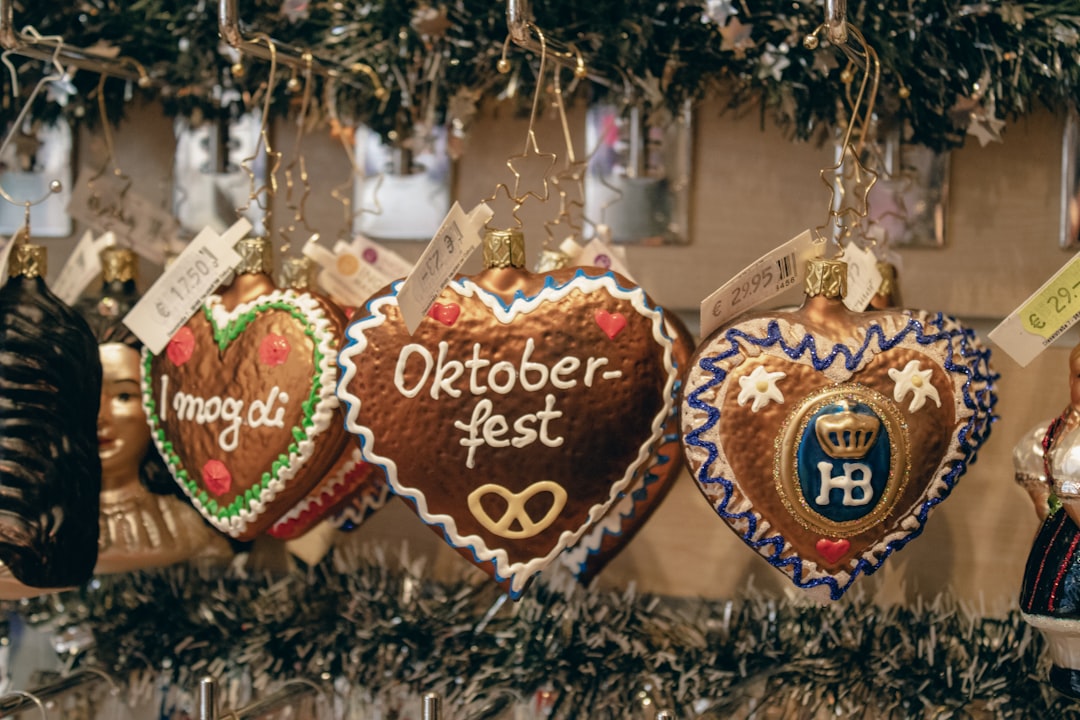
These famous public fields were named Theresienwiese (“Therese’s fields”) in honor of the new crown princess, but in Munich, the name became known as the “Wies’n,” and it is on these fields that Oktoberfest has been held since 1810. The naming was a sweet gesture that stuck around way longer than anyone expected. This race took place on a meadow just outside Munich’s city gates, a location that has since been named “Theresens-Wiese” or “The Wiesn” in honor of the bride.
What’s fascinating is how the royal couple reacted to all this excitement. The royal couple was so delighted by the festivities that they decided to make the celebration an annual event. Thus, Oktoberfest was born. Imagine being so pleased with your wedding reception that you decide to throw the same party every year – that’s some serious party planning confidence!
The Evolution from Agricultural Fair to Beer Paradise

The early years of Oktoberfest looked nothing like today’s beer-soaked extravaganza. The following year the race was combined with a state agricultural fair, and in 1818 booths serving food and drink were introduced. It started as more of a county fair with some drinking on the side rather than a beer festival with some rides thrown in.
While the Oktoberfest didn’t take place in 1813 due to the Napoleonic Wars, it grew in size with every year and trees for climbing, bowling alleys and swings were added. In 1820, the first merry-go-round was up and running. By the 1890s, everything changed when beer halls became the main attraction. By the late 1800s, beer had become a central feature of the festival, with the first large beer tents appearing in the 1890s. These tents, hosted by Munich’s breweries, quickly became the heart of the celebration.
The Timing Shift That Confused Everyone
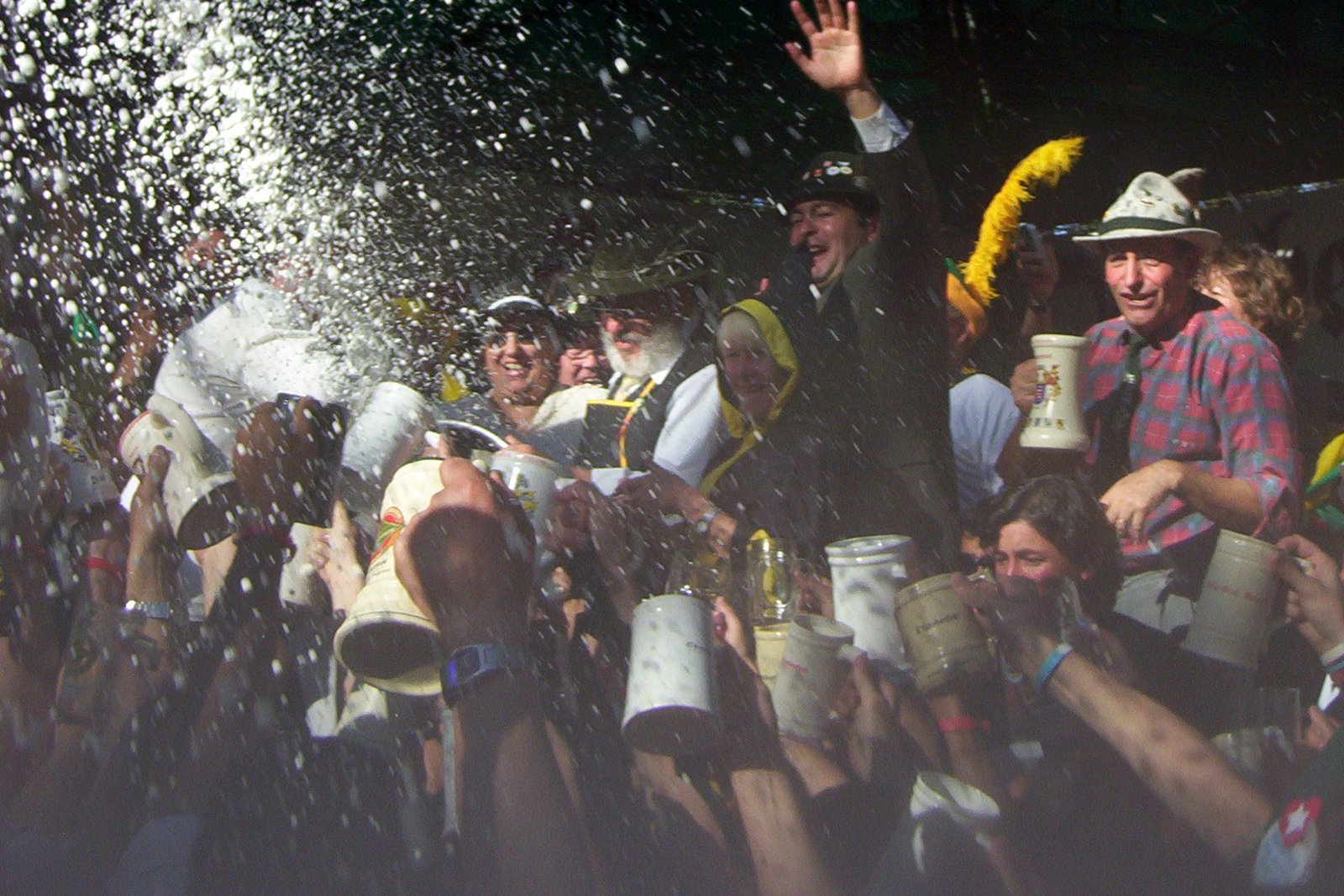
Here’s something that trips up visitors even today: Despite its name hinting at the tenth month of the year, the Oktoberfest starts on the Saturday after September 15th. Originally, the event did take place in October. However, it was eventually moved to September due to the better weather conditions. Smart move, considering Bavaria’s unpredictable October weather.
Initially, the festival was celebrated in October, but as the years went by, the dates were moved to late September to take advantage of Bavaria’s milder weather. This timing shift makes perfect sense when you think about it – nobody wants to drink beer outdoors in freezing rain when they could do it in pleasant September sunshine instead.
A Marriage That Wasn’t Exactly Fairy Tale Perfect
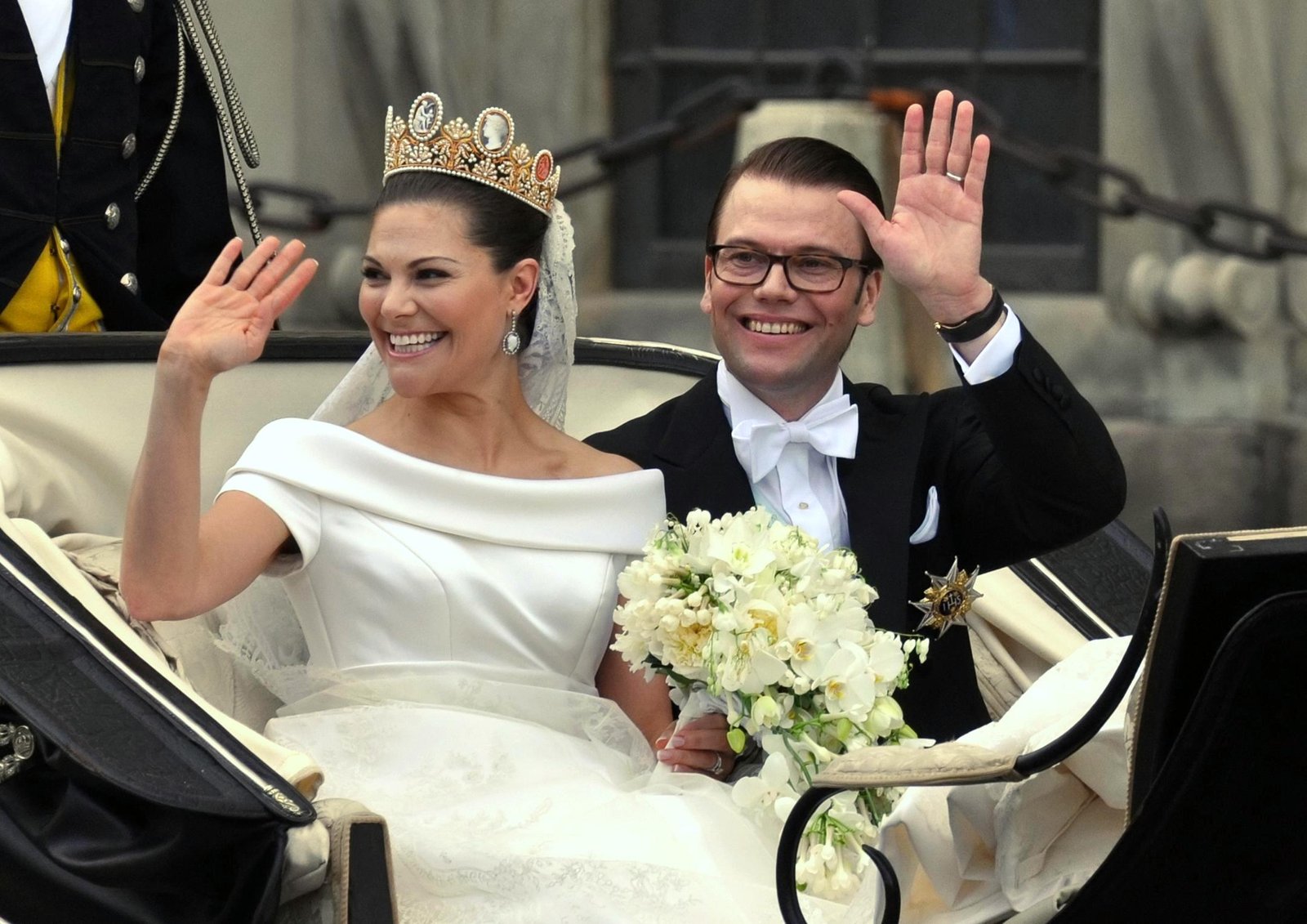
While the wedding celebration was legendary, the actual marriage was a bit more complicated. Although the marriage of Ludwig and Therese began with great celebration and promise, it was not a happy marriage. Ludwig had many affairs that Therese reluctantly tolerated. Several times, she left while Ludwig was having affairs and she refused to associate with his mistresses.
Among Ludwig’s mistresses were the scandalous English aristocrat Lady Jane Digby, Italian noblewoman Marianna Marquesa Florenzi, and Lola Montez, an Irish dancer and actress who became famous as a “Spanish dancer.” Ludwig’s affair with Lola Montez likely contributed to his abdication in 1848. Despite their rocky marriage, their wedding party outlasted their reign by centuries!
Modern Oktoberfest by the Numbers
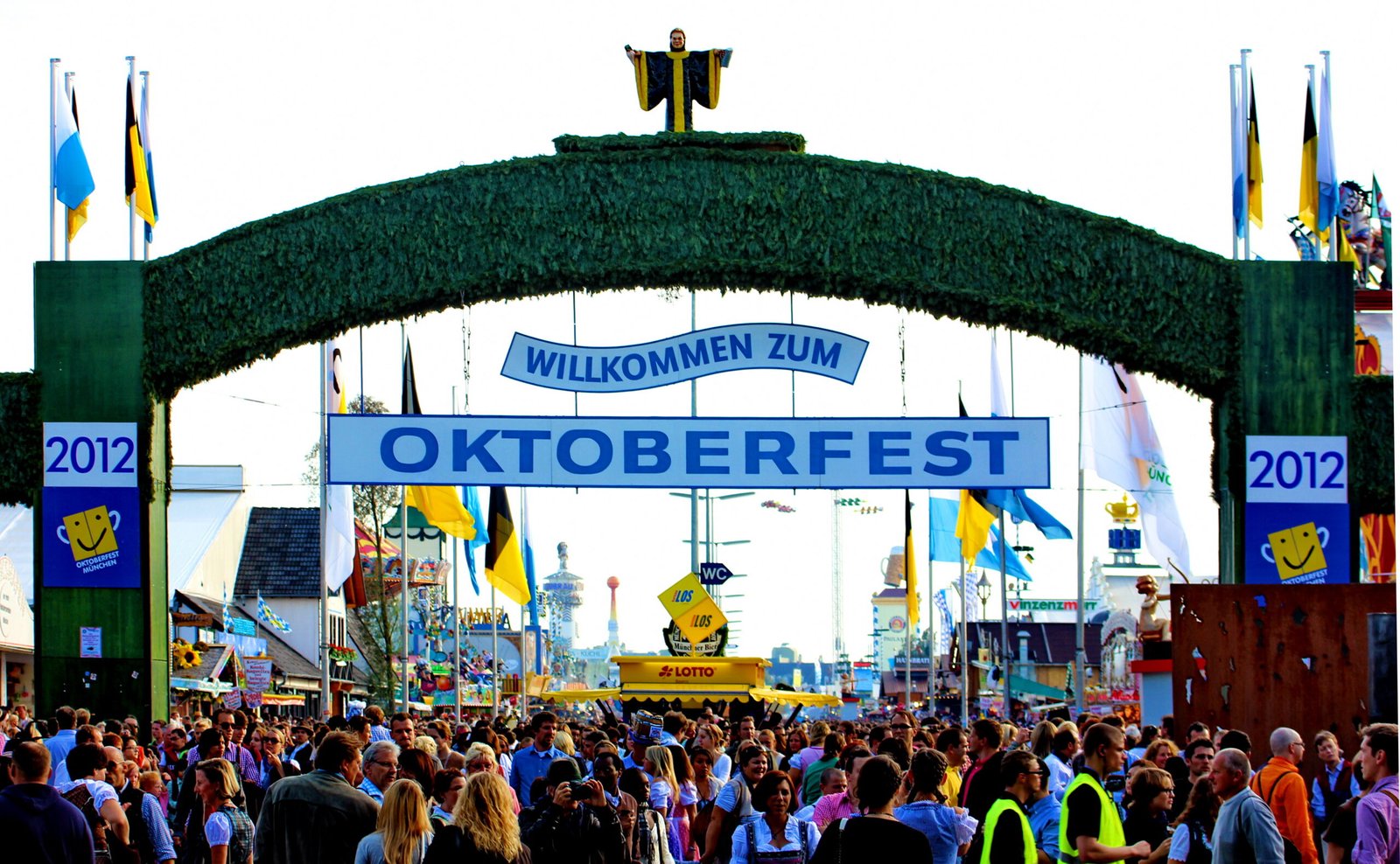
In 2024, there were around 6.7 million visitors to Munich’s Oktoberfest celebration. The attendance record was set a year earlier with 7.2 million visitors. These numbers are absolutely staggering when you consider the festival only lasts 16 days. Oktoberfest 2024 finished on Sunday October 6th and, as in previous years, beer consumption hit a mind-boggling 7 million Liters at the festival in just 16 days.
The economic impact is massive too. In 2023, the festival generated over 1.25 billion euros from food, drinks, rides, and attractions. The price for a liter of beer at Oktoberfest 2024 ranged between €13.60 and €15.30, reflecting an average increase of approximately 3.87% compared to 2023. That’s some expensive beer, but apparently millions of people think it’s worth it!
The Global Oktoberfest Phenomenon

What started as one royal wedding celebration has spawned hundreds of festivals worldwide. Several large folk festivals worldwide follow the model of Munich’s Oktoberfest: Qingdao Oktoberfest (Qingdao, China) – approximately 3 million visitors annually; Kitchener–Waterloo Oktoberfest (Kitchener, Canada) – around 700,000 visitors annually; Blumenau Oktoberfest (Blumenau, Brazil) – about 600,000 visitors annually.
The Oktoberfest of Blumenau is one of the largest German festivals around the world, attracting around one million people every year. Each year, an average of 700,000 people take part in Kitchener-Waterloo’s 9-day Oktoberfest celebrations that have now become Canada’s largest Thanksgiving celebration. It’s remarkable how a Bavarian wedding tradition has found homes in places as far-flung as China and Brazil.
The Traditional Costume Connection
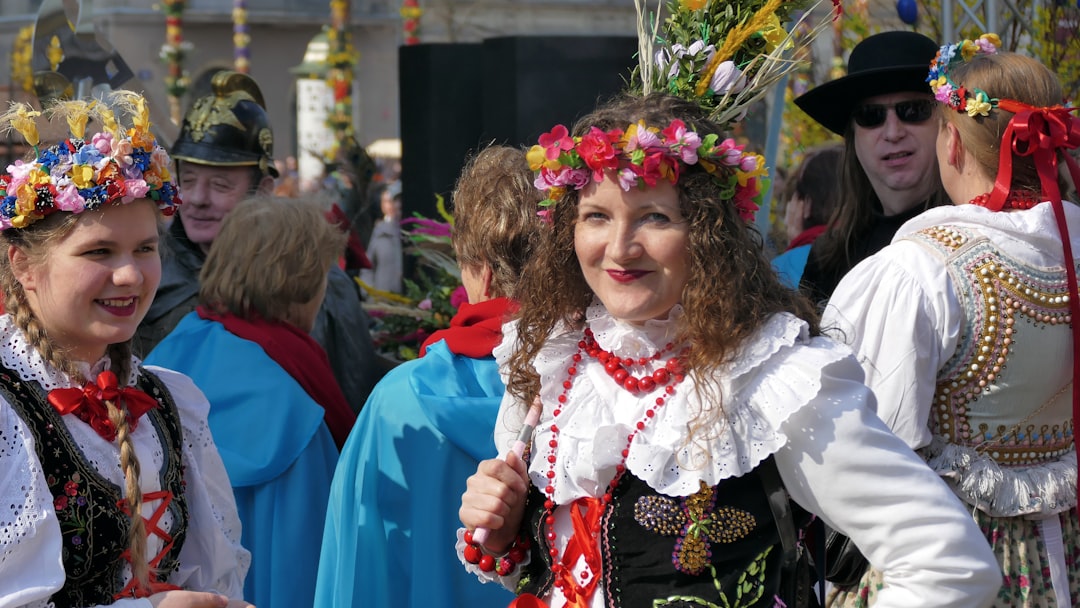
The colorful dirndls and lederhosen we associate with Oktoberfest today have their own royal connection. The costume and riflemen parade taking place on the first Sunday of the Oktoberfest also has its origins with King Ludwig and Queen Therese of Bavaria, whose wedding sparked the whole festival. In honour of their silver wedding anniversary, a traditional costume parade took place in 1835 for the first time.
The first costume parade was held in 1835 to mark the silver wedding anniversary of King Ludwig I of Bavaria and Princess Therese. A second parade followed in 1895, organised by the Bavarian novelist Maximilian Schmidt and involving about 1,400 participants in 150 costume groups. Today, these parades are massive spectacles with thousands of participants showing off authentic regional costumes from across Bavaria and beyond.
Security and Safety: Learning from Tragedy
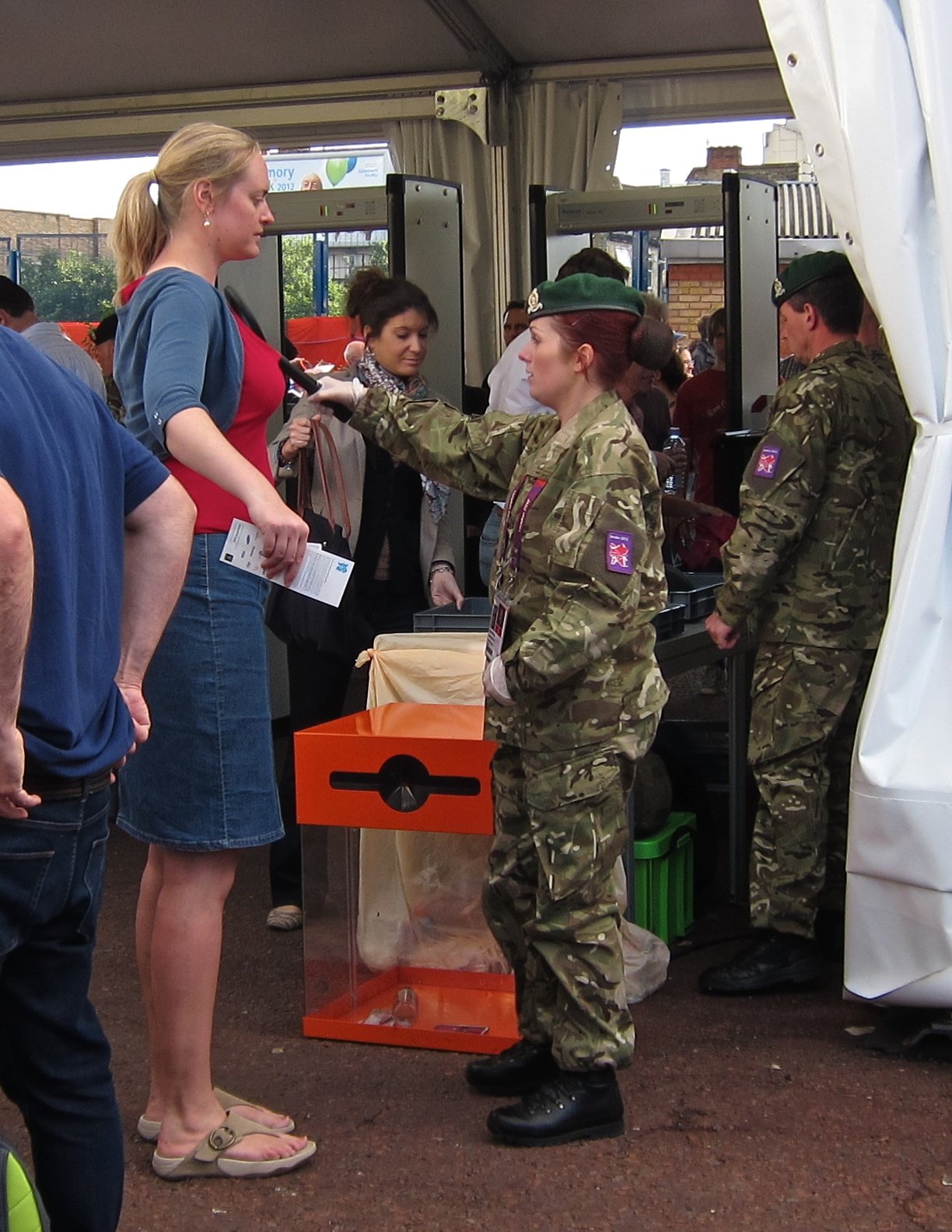
Oktoberfest’s history isn’t all beer and celebration. On 26 September 1980 a pipe bomb exploded near the main entrance, killing 13 and injuring more than 225. It remains Germany’s second-deadliest terrorist attack. This tragedy led to significant security improvements that continue today.
Modern Oktoberfest has extensive safety measures. Large-scale celebrations such as the Oktoberfest can sometimes involve behavior which requires police intervention. In 2023, there were a total of 1,854 criminal offenses at the Wiesn, with drunk driving constituting the largest share of them. Since 1999, there have been an average of 1,835 police deployments during those days in Munich. The festival has also introduced environmental initiatives and “quiet” periods to make it more family-friendly.
International Visitors and Cultural Exchange
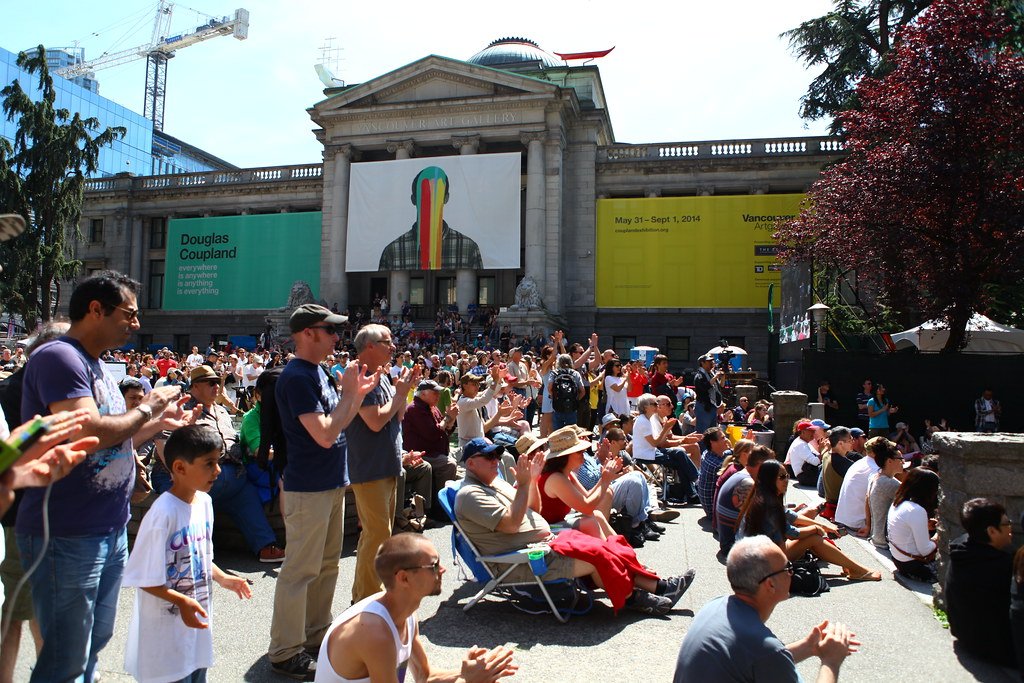
While the majority of visitors came from Munich and surrounding areas, international guests made up significant numbers again. These came mostly from the USA, Italy, the UK, Austria, Poland, France, Switzerland, Spain, the Netherlands and, for the first time, increasingly from India. The international mix creates a unique cultural melting pot in the beer tents.
The audience is colourful, families, couples, friends, young people and senior citizens. Tourists mingle with the locals, especially from the USA. But Italian, French and Spanish, Polish, Swiss German as well as British and Australian English could also be heard on the festival grounds. It’s fascinating how a local Bavarian tradition has become a global meeting point where people from every continent come together to celebrate.
Conclusion: The Wedding Gift That Keeps on Giving
From a cold, rainy October wedding in 1810 to a global phenomenon attracting millions, Oktoberfest proves that sometimes the best traditions start completely by accident. Ludwig and Therese’s wedding celebration was meant to be a one-time royal spectacle, but it tapped into something universal – the human need to come together, celebrate, and share good food and drink with strangers who become friends.
By then, the beer festival inspired by their marriage was a regular fixture and a tourist attraction. It is now one of the best known cultural events in Europe and it all began with an October royal wedding. Today, when millions of people raise their steins in beer halls from Munich to Cincinnati to Blumenau, they’re participating in a tradition that started with one couple’s decision to share their joy with their community.
Who would have thought that a royal wedding reception would outlast the kingdom that threw it? Sometimes the most enduring legacies come from the simplest gestures – like inviting your neighbors to join your party.

Christian Wiedeck, all the way from Germany, loves music festivals, especially in the USA. His articles bring the excitement of these events to readers worldwide.
For any feedback please reach out to info@festivalinside.com
