


- The Evolution of Rock ‘n’ Roll Shaped American Culture in Profound Ways. - August 27, 2026
- Certain Festival Anthems From the 60s and 70s Still Resonate Deeply Today. - August 27, 2026
- 12 Iconic Road Trips Across America That Still Capture the Spirit of Freedom. - August 27, 2026
Tupac Shakur takes aim at Biggie Smalls in Hit ‘Em Up
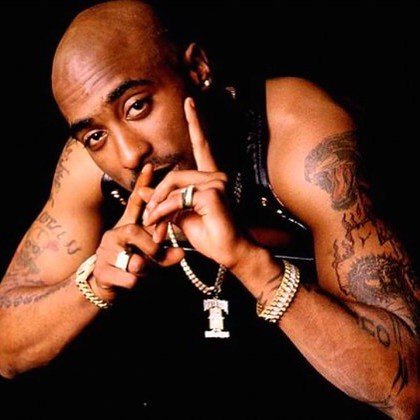
Few tracks in hip-hop history hit with the raw venom of Tupac’s “Hit ‘Em Up.” Released in 1996, this song wasn’t just a diss—it was a declaration of war. Tupac fired directly at The Notorious B.I.G., accusing him of betrayal and even making shocking personal claims about Biggie’s wife. The East Coast vs. West Coast feud was already boiling, but “Hit ‘Em Up” sent it into overdrive. The track stormed the charts, peaking at number 13 on Billboard’s Hot Rap Songs, and became notorious for its explicit threats and unapologetic aggression. Fans and critics still talk about it today as one of the most brutal musical takedowns ever recorded. The song’s influence lingers, and its impact on hip-hop culture is undeniable.
Drake calls out Meek Mill in Back to Back
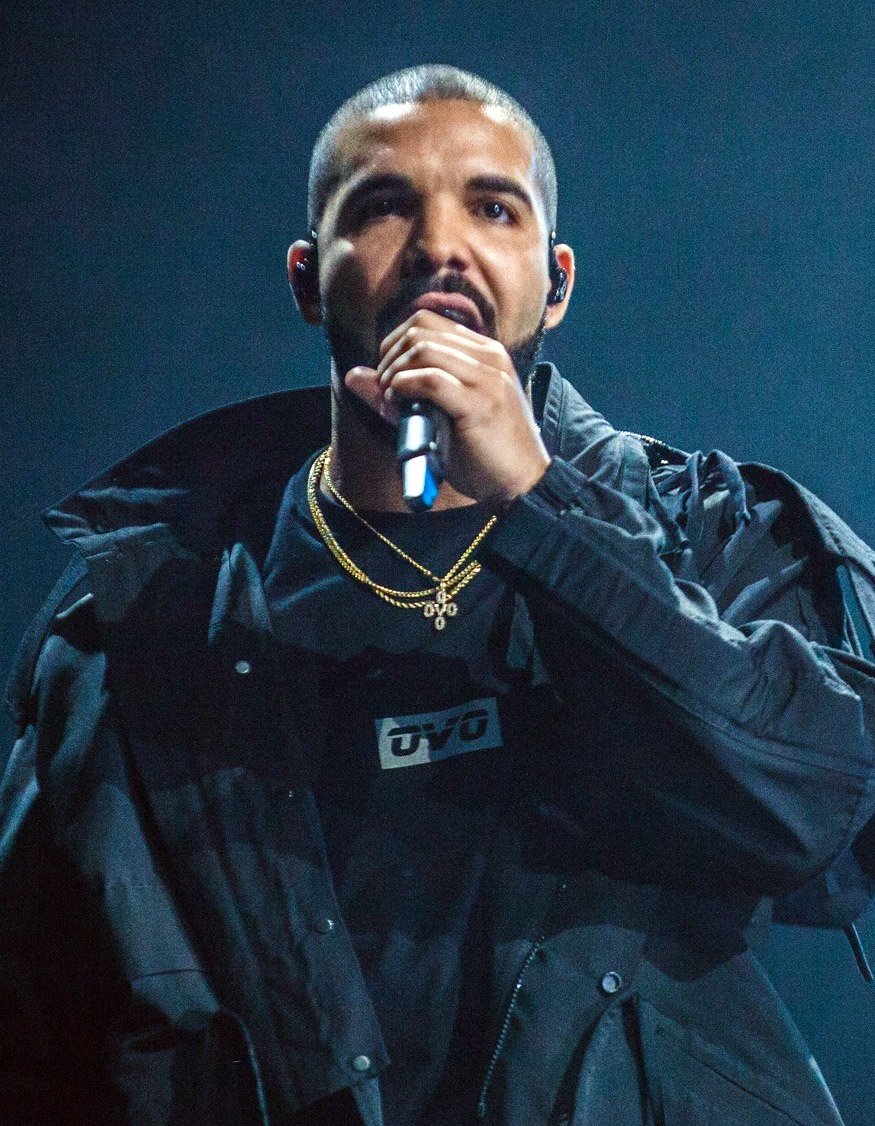
Drake’s “Back to Back” was more than a clapback—it was a cultural moment. After Meek Mill accused Drake of using ghostwriters, Drake responded with not one but two diss tracks, with “Back to Back” becoming a hit in its own right. The song peaked at number 21 on the Billboard Hot 100 and earned a Grammy nomination, a rare feat for a diss track. Drake’s clever wordplay and relentless delivery left Meek reeling, and the lines from this track are still quoted online years later. The feud even boosted streaming numbers for both artists, showing how drama can turn into chart success. Many saw Drake’s approach as calculated and ruthless, and the feud changed the way rap beefs played out in the era of social media.
Nicki Minaj slams Remy Ma in No Frauds
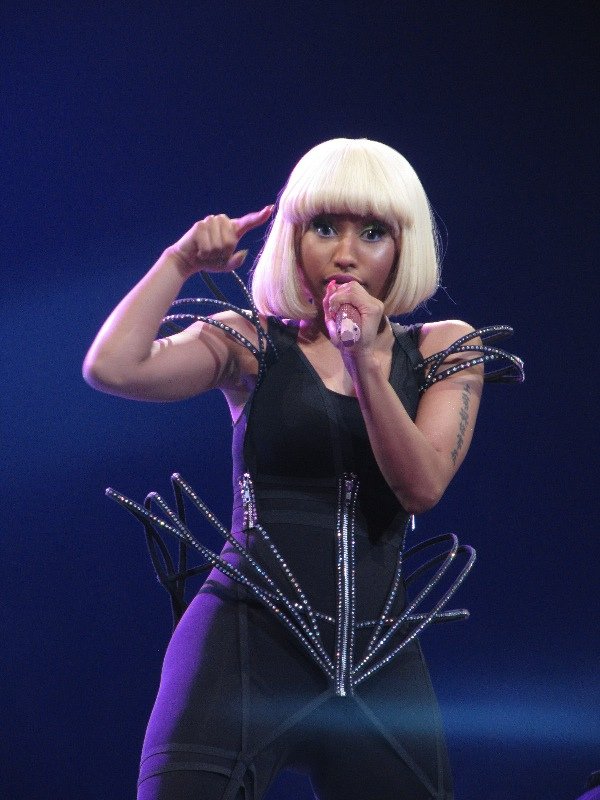
When Remy Ma dropped “ShETHER,” a scathing attack on Nicki Minaj, the world waited for Nicki’s reply. “No Frauds” was her answer, and it wasn’t subtle. Nicki teamed up with Lil Wayne and Drake, bringing heavyweights for backup. The song hit number 14 on the Billboard Hot 100 and pulled no punches, calling Remy’s credibility and career into question. Nicki’s fans rallied, and the online back-and-forth between the two artists became headline news. The diss solidified Nicki’s position at the top of the rap game and reminded everyone that she could hold her own in any lyrical battle. The whole episode showed just how heated and personal rivalries in hip-hop can get.
Jay-Z takes on Nas in Takeover

Jay-Z’s “Takeover,” released in 2001, was a calculated assault on his longtime rival Nas. Jay-Z dissected Nas’s career, poking holes in his legacy and questioning his relevance. The song appeared on Jay-Z’s critically acclaimed album, “The Blueprint,” which debuted at number one on the Billboard 200. Fans and music critics credit “Takeover” with reigniting the famous Jay-Z vs. Nas rivalry, one of hip-hop’s most legendary. Jay’s use of biting lyrics and sharp delivery made this track unforgettable, and the feud would go on to shape both artists’ careers for years to come. The battle between these two giants showed just how competitive the rap world can get—and how it can fuel creativity.
Nas retaliates with Ether
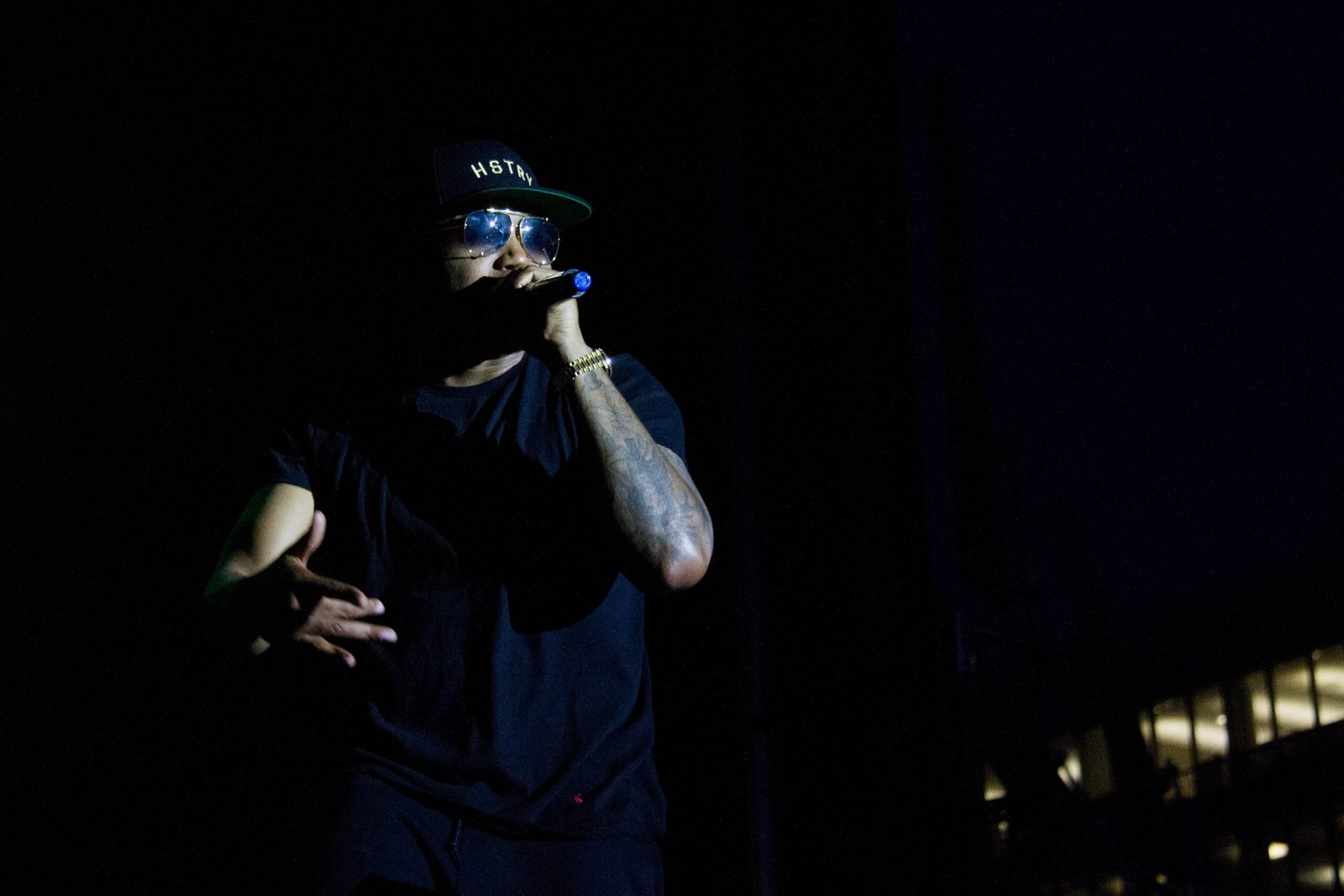
Nas didn’t hesitate to answer Jay-Z’s “Takeover.” His response, “Ether,” quickly became an anthem for hip-hop fans everywhere. The track, released on Nas’s 2001 album “Stillmatic,” took direct aim at Jay-Z’s ego, image, and personal life. Many fans and music writers declared Nas the winner of the battle, and “Ether” became a slang term for destroying someone in a verbal contest. The song helped revive Nas’s career, pushing “Stillmatic” into the top 10 of the Billboard 200. The back-and-forth between Jay-Z and Nas is still studied by aspiring rappers as a masterclass in lyrical warfare.
Eminem puts Machine Gun Kelly in the crosshairs with Killshot

Eminem has never been shy about airing his grievances on wax, and “Killshot” is a prime example. The 2018 diss track targeted Machine Gun Kelly after MGK called out Eminem’s career and family. “Killshot” broke YouTube records, racking up over 38 million views in its first 24 hours—one of the biggest debuts for a hip-hop video. Eminem’s sharp wit and aggressive delivery left little room for a comeback, and critics praised his technical skill. The feud brought renewed attention to both rappers, with fans picking sides online and dissecting every line for hidden meaning. It was proof that rap beefs can still dominate pop culture in the streaming era.
Pusha T exposes Drake’s secrets in The Story of Adidon

Pusha T’s “The Story of Adidon” wasn’t just a diss—it was a bombshell. In 2018, Pusha dropped this track after a heated back-and-forth with Drake, revealing that Drake had a secret child. The song sent shockwaves through the industry and fans alike, sparking debates everywhere. Pusha rapped over Jay-Z’s “The Story of O.J.” instrumental, turning a diss into a headline-making exposé. The track trended worldwide on social media and had lasting effects on Drake’s public persona. Pusha T’s willingness to go personal made this one of the most talked-about diss tracks in recent memory.
Kanye West and Jay-Z air grievances in Big Brother

Kanye West’s “Big Brother,” from his 2007 album “Graduation,” is an unusual entry on this list. The song is both a tribute and a diss, as Kanye opens up about his complicated relationship with Jay-Z. He praises Jay as a mentor but also expresses frustration over feeling overshadowed and overlooked. The track reached number 15 on the Billboard Hot Rap Songs chart. Fans appreciated Kanye’s honesty and vulnerability, and the song sparked discussions about competition and friendship in the music business. “Big Brother” became an anthem for anyone who’s ever felt competitive with someone they admire.
Miley Cyrus throws shade at Nicki Minaj in Cattitude
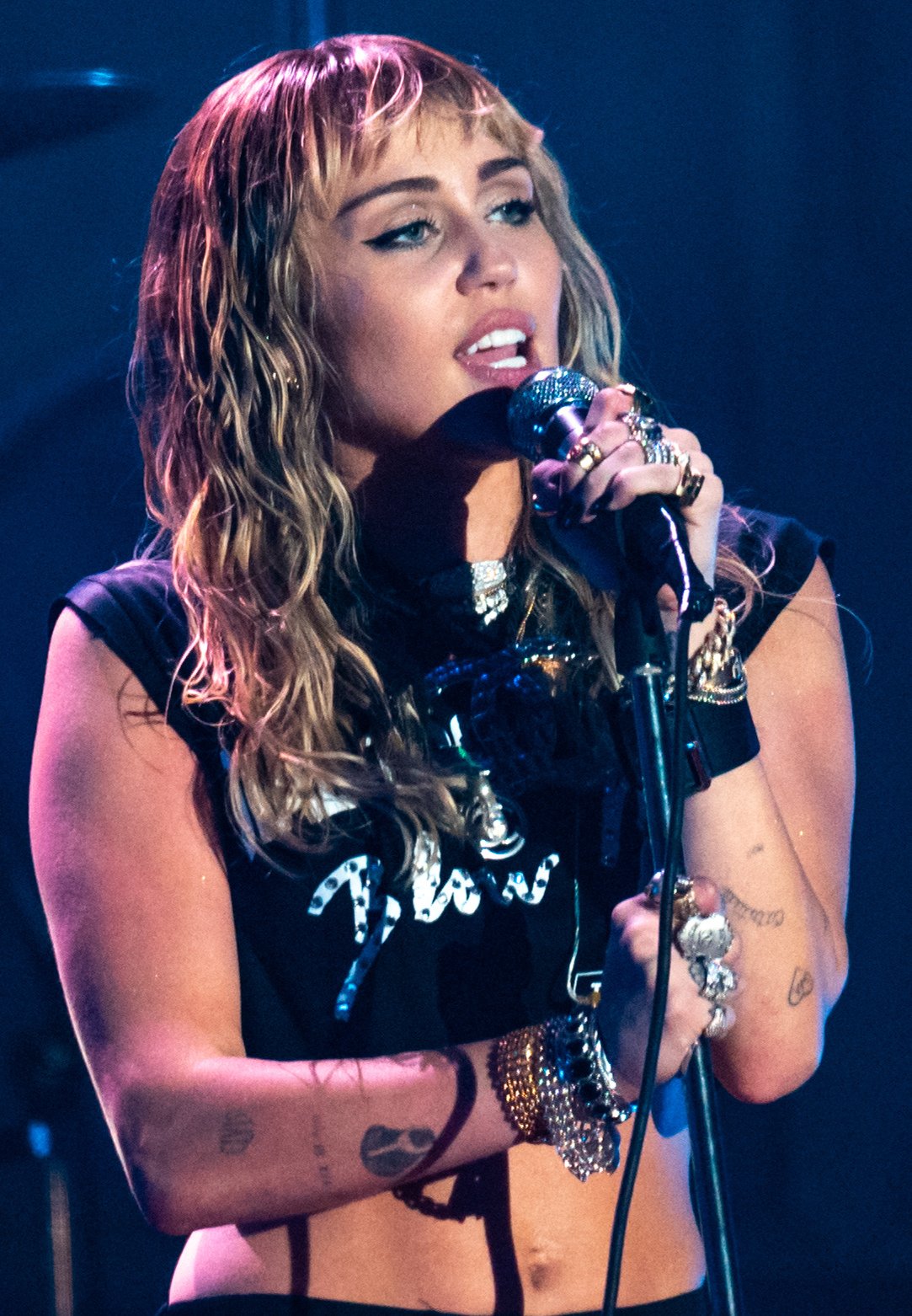
Miley Cyrus surprised fans with her 2019 track “Cattitude,” where she raps, “I love you Nicki, but I listen to Cardi.” The lyric was a clear jab at Nicki Minaj and reignited rumors of a feud between the two pop stars. The song sparked debate online, with fans taking sides and dissecting the meaning behind Miley’s words. “Cattitude” didn’t chart as high as some of the others on this list, but it generated plenty of headlines and social media buzz. The feud highlighted how even pop stars can get caught up in musical beefs, blurring the lines between rap and pop drama.
Lil’ Kim and Nicki Minaj’s ongoing battle in Black Friday

Lil’ Kim’s “Black Friday” was a direct response to Nicki Minaj’s rise to fame. Released in 2011 as a mixtape track, Lil’ Kim accused Nicki of copying her style and disrespecting her legacy. The song went viral online, and the feud played out in interviews and social media posts for years. Fans of both artists engaged in heated debates, and the beef is credited with bringing attention back to female rap rivalries. “Black Friday” remains a staple in conversations about hip-hop beefs, demonstrating how rivalries can span generations.
Cardi B claps back at Nicki Minaj in Through Your Phone

Cardi B’s “Through Your Phone” from her Grammy-winning album “Invasion of Privacy” is often interpreted as a dig at Nicki Minaj. The lyrics about betrayal and revenge fueled rumors of a feud, especially after the two artists had a public altercation at the 2018 Harper’s Bazaar ICONS party. While not a traditional diss track, its pointed lyrics and emotional delivery struck a chord with fans. The song helped push “Invasion of Privacy” to number one on the Billboard 200, and the Cardi vs. Nicki drama became a hot topic in music news. The rivalry highlighted the pressures faced by women in hip-hop.
Ice Cube leaves N.W.A. and fires back with No Vaseline
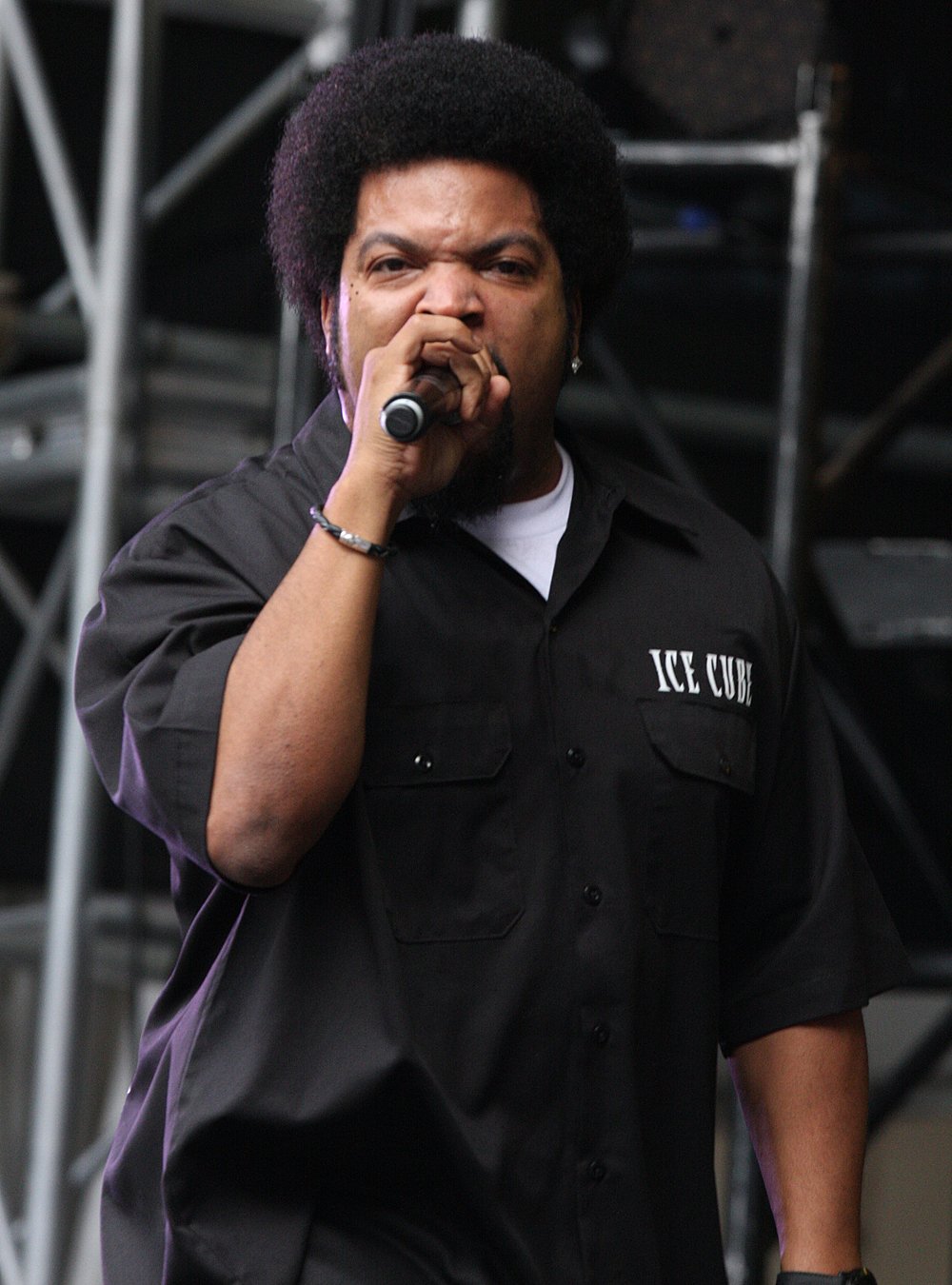
After leaving N.W.A., Ice Cube released “No Vaseline” in 1991, a scathing attack on his former group members. The song accused them of betrayal and exploitation, with Ice Cube pulling no punches. “No Vaseline” is frequently cited as one of the most effective diss tracks ever, and it helped establish Ice Cube as a solo force in hip-hop. The track’s influence is still felt today, and it remains a go-to example of how to end a group feud with lyrical precision. Its legacy is cemented in the annals of hip-hop history.
Kendrick Lamar shakes the industry with Control verse

Kendrick Lamar’s verse on Big Sean’s “Control” in 2013 was less a diss track and more a challenge to the entire rap industry. Kendrick name-dropped several top rappers—including Drake, J. Cole, and Meek Mill—declaring himself the “king of New York.” The verse sparked a wave of responses, with dozens of rappers recording their own replies. “Control” trended globally, and Kendrick’s boldness was hailed by critics as a return to competitive lyricism. The verse didn’t chart as a single, but its cultural impact was massive and is still being discussed today.
Drake and Kanye West swap jabs on Donda and Certified Lover Boy

In 2021, fans watched as Drake and Kanye West exchanged not-so-subtle insults on their respective albums. Kanye’s “Donda” featured lines interpreted as shots at Drake, while Drake’s “Certified Lover Boy” responded in kind, with tracks like “7am on Bridle Path” containing pointed references. The rivalry dominated hip-hop headlines, and both albums debuted at number one and two on the Billboard 200, respectively. The competitive energy pushed both artists to new creative heights, and their feud became a defining moment of the year in music.
Taylor Swift gets personal with Katy Perry in Bad Blood
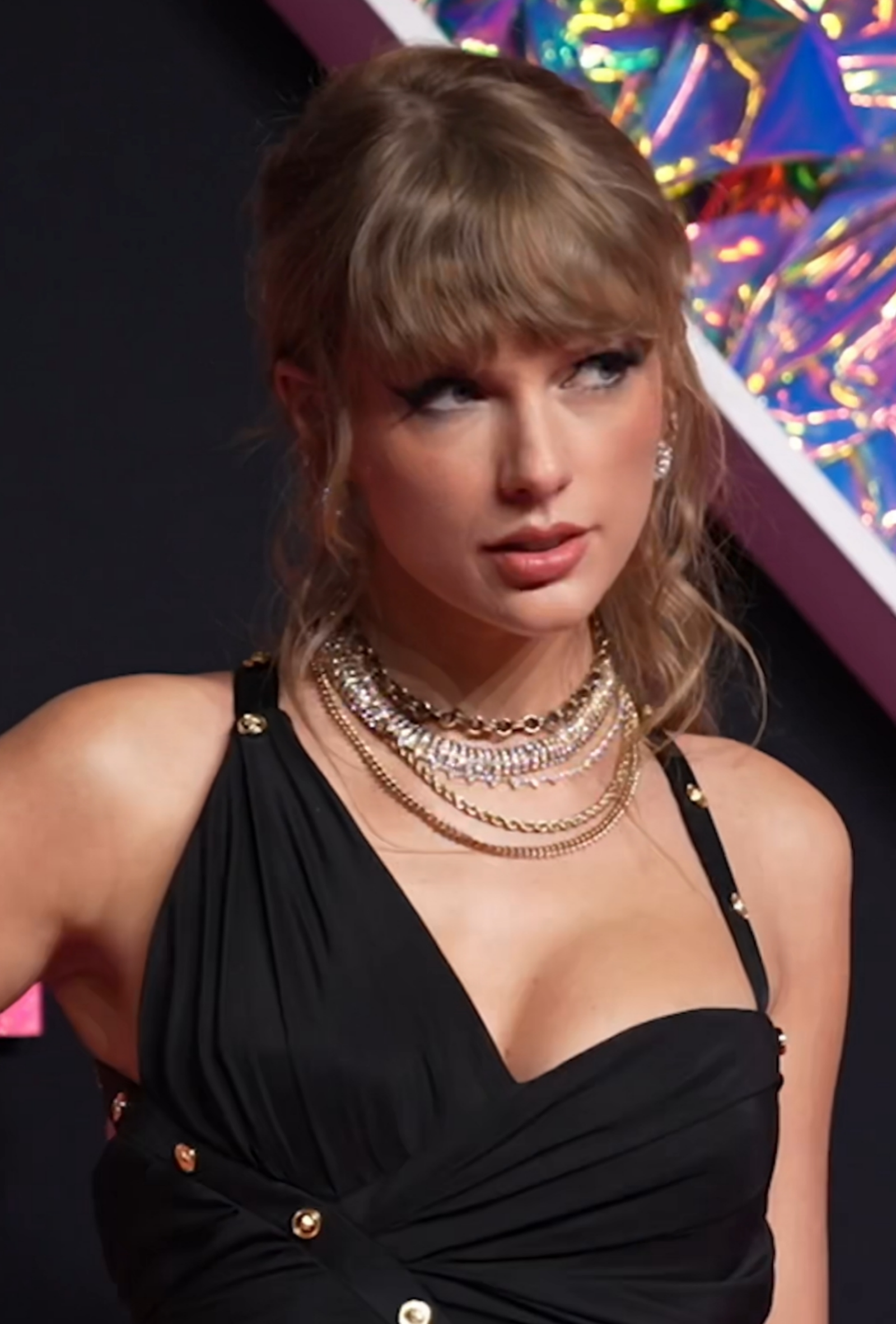
Taylor Swift’s “Bad Blood,” released in 2015, is widely believed to be about her fallout with Katy Perry. The song reached number one on the Billboard Hot 100 and won a Grammy for Best Music Video. The lyrics paint a picture of betrayal and lost friendship, and the star-studded video fueled speculation about its true meaning. The feud became pop culture legend, with fans and media analyzing every detail. Eventually, Taylor and Katy reconciled publicly, but “Bad Blood” remains a classic example of turning personal drama into a chart-topping hit.
50 Cent targets Ja Rule with Back Down
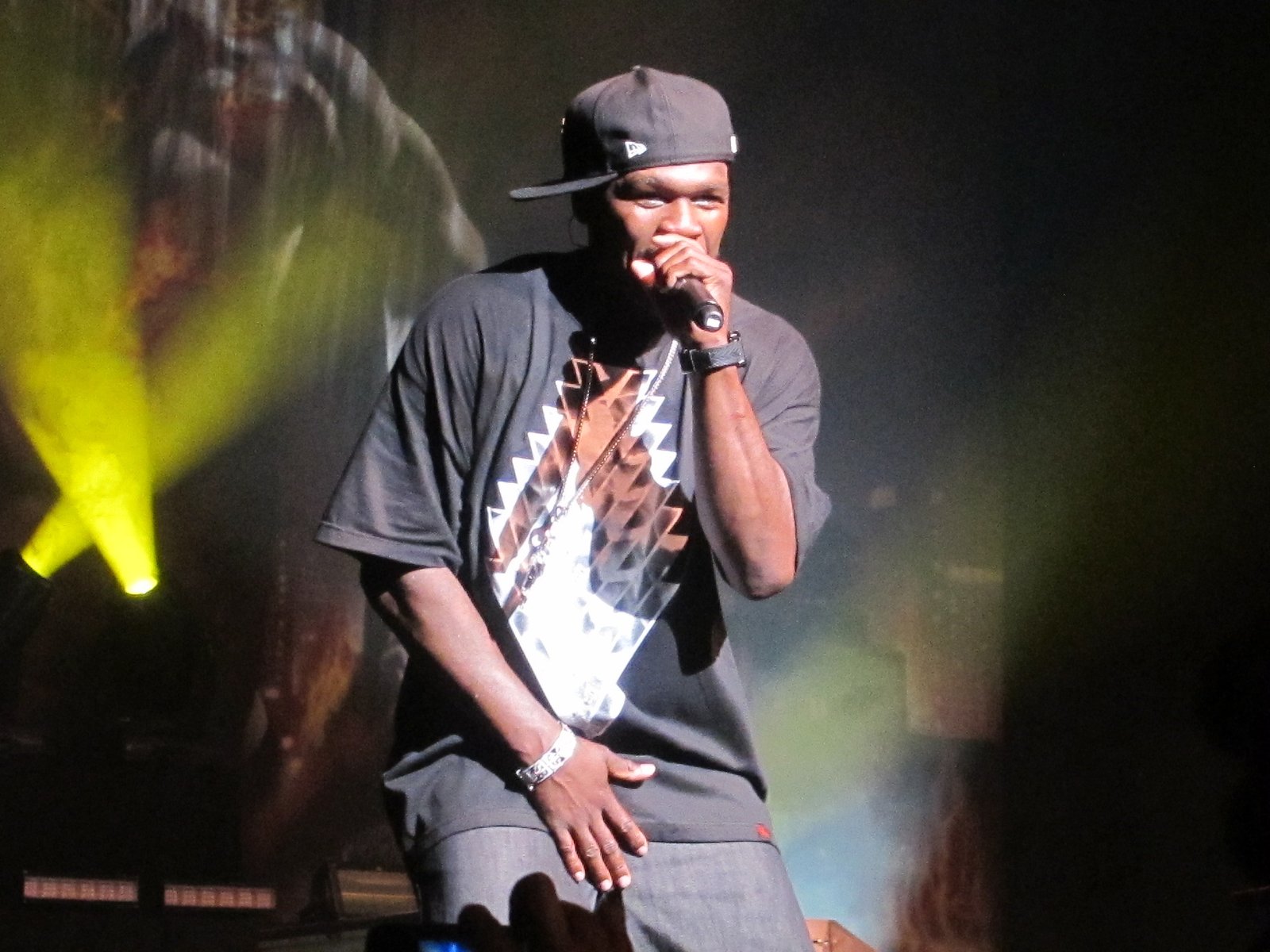
50 Cent’s “Back Down,” from his 2003 debut “Get Rich or Die Tryin’,” is a direct assault on Ja Rule and his Murder Inc. crew. The track was part of a long-running feud that dominated early 2000s hip-hop headlines. “Get Rich or Die Tryin’” topped the Billboard 200, and the beef helped propel 50 Cent’s career. The feud was so intense that it spilled over into real-life altercations, showing just how seriously some artists take these rivalries. The aggressive energy of “Back Down” captured the spirit of early 2000s rap battles.
Nicki Minaj returns fire at Cardi B in Barbie Dreams
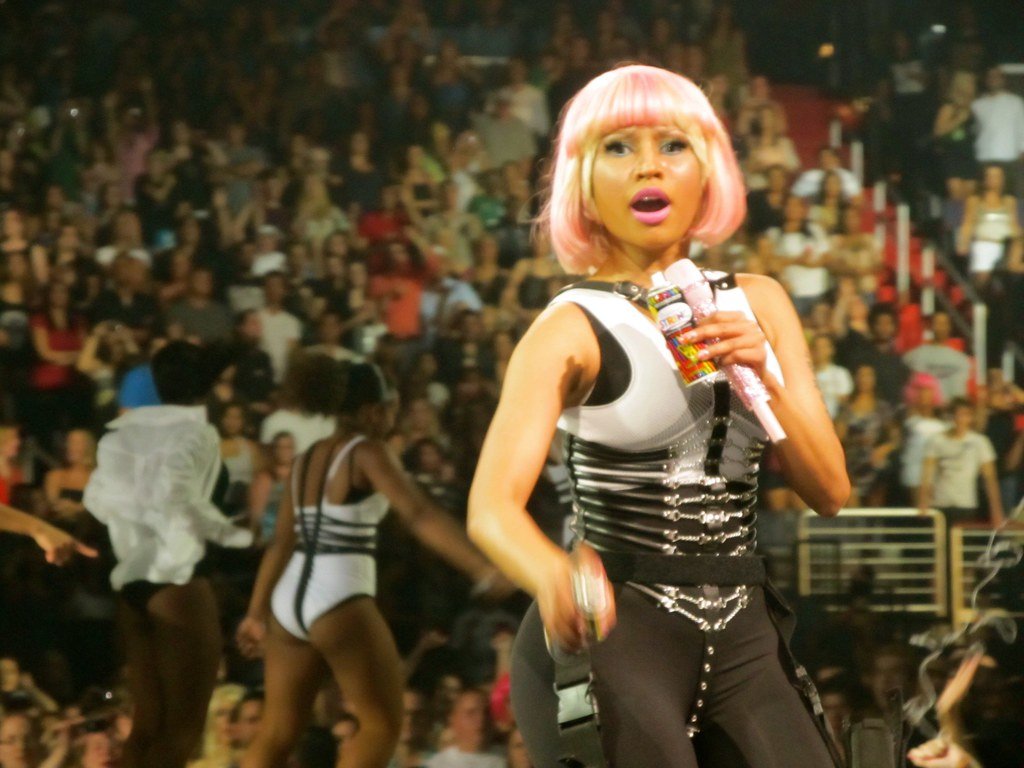
Nicki Minaj’s “Barbie Dreams” takes shots at several male rappers, but many believed there were veiled references to Cardi B as well. Released in 2018, the song climbed to number 18 on the Billboard Hot 100. Nicki’s playful yet pointed lyrics sparked debate among fans about who was being targeted. The track is a nod to The Notorious B.I.G.’s “Just Playing (Dreams),” showing Nicki’s respect for hip-hop tradition while stirring up controversy. The ongoing rivalry between Nicki and Cardi kept fans glued to their screens, awaiting the next move.
Jay-Z and Drake’s competitive digs on Light Up

On “Light Up,” from Drake’s 2010 debut album “Thank Me Later,” Jay-Z delivers lines that many interpreted as warnings and subtle jabs at Drake. The song peaked at number 33 on Billboard’s Hot R&B/Hip-Hop Songs chart. Their competitive relationship has been well-documented, with both artists referencing each other in songs over the years. The mutual respect is obvious, but so is the rivalry, with each one striving to outdo the other. Their competitive spirit has pushed both to excel, making their exchanges a highlight for hip-hop fans.
Mariah Carey and Eminem’s war of words in Obsessed
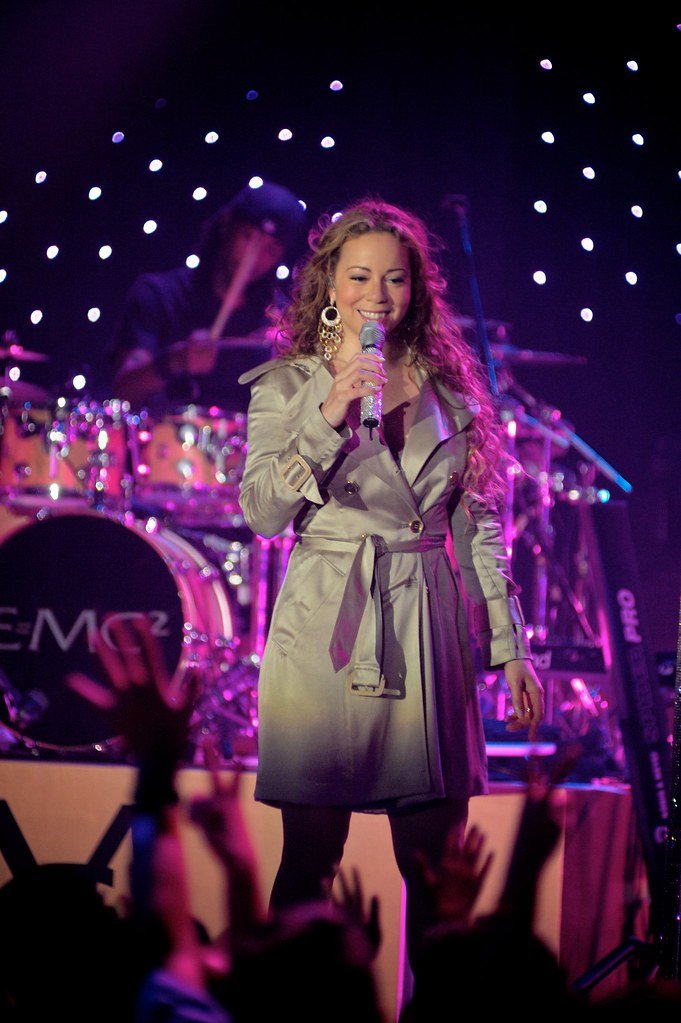
Mariah Carey’s “Obsessed” is often seen as a response to Eminem’s claims that they once dated, which Mariah has denied. Released in 2009, the song peaked at number seven on the Billboard Hot 100 and became a summer anthem. Eminem fired back with his own diss tracks, including “The Warning,” keeping the feud in the headlines. The back-and-forth between these two very different artists fascinated fans and demonstrated how personal disputes can spill into the world of pop music. The drama added another layer to both of their already complex careers.
Lady Gaga fires back at Madonna with Born This Way
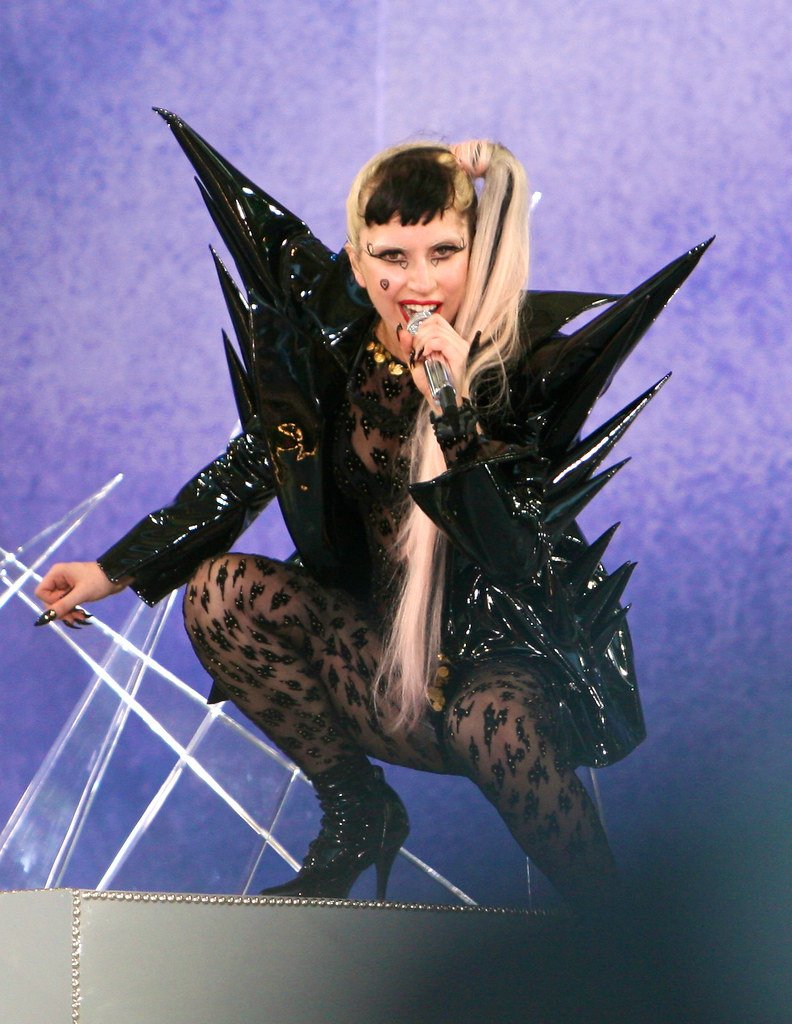
Lady Gaga’s 2011 hit “Born This Way” drew comparisons to Madonna’s “Express Yourself,” with some critics accusing Gaga of copying Madonna’s style. Madonna herself fueled the feud with pointed comments in interviews. Gaga responded by embracing her influences while insisting on her own originality. “Born This Way” shot to number one on the Billboard Hot 100 and became an anthem for self-acceptance. The public back-and-forth between these pop icons became a defining moment in pop culture, showing that even legends aren’t above a little shade.
The End.

Besides founding Festivaltopia, Luca is the co founder of trib, an art and fashion collectiv you find on several regional events and online. Also he is part of the management board at HORiZONTE, a group travel provider in Germany.
