

1. “The Iron Heel” by Jack London (1908)
Jack London’s “The Iron Heel” doesn’t come up in most mainstream political conversations, but its vision of a corporate oligarchy eerily mirrors today’s anxieties about wealth inequality. London weaves a story about the rise of an oppressive plutocracy, decades before anyone coined the term “the 1%.” In 2024, global billionaires owned more wealth than the bottom 60% of humanity, a fact that sounds ripped straight from London’s pages. The novel’s depiction of surveillance, labor uprisings, and coordinated state violence against dissenters echoes modern concerns about civil liberties and the militarization of police forces. Readers in the early 20th century dismissed London’s warnings as hyperbolic, but the headlines of recent years have proven how chillingly accurate his predictions were. Today’s debates on corporate influence in politics and the shrinking middle class make “The Iron Heel” shockingly relevant. The book even anticipates the rise of populist movements as a response to unchecked capitalism, a topic dominating current elections worldwide.
2. “It Can’t Happen Here” by Sinclair Lewis (1935)

Sinclair Lewis’s once-overlooked novel exploded back into the public consciousness during several recent election cycles. The book tells the story of a populist demagogue seizing the American presidency and dismantling democratic institutions. Lewis described an America where civil liberties erode under the guise of “restoring order,” and where dissent is criminalized—paralleling real-life trends monitored by organizations like Freedom House, which downgraded the U.S. democracy score in the last decade. In the era of rising authoritarianism globally, Lewis’s vision feels less like dystopian fiction and more like an urgent warning. The rise of media manipulation, attacks on the press, and the weaponization of patriotism were all themes Lewis explored before WWII. “It Can’t Happen Here” now reads like a blueprint for democratic backsliding, making its rediscovery both chilling and vital.
3. “The Wanting Seed” by Anthony Burgess (1962)
Anthony Burgess, best known for “A Clockwork Orange,” also penned “The Wanting Seed,” a sharp satire about overpopulation and government overreach. Burgess imagines a future where the state tightly controls reproduction, echoing China’s former one-child policy and recent debates about reproductive rights worldwide. With the United Nations reporting that the world’s population surpassed 8 billion in 2022, the resource shortages and social unrest described in the novel feel all too plausible. Burgess predicted cycles of government response—ranging from liberalism to authoritarianism—in a society desperate to solve demographic crises. The book’s exploration of surveillance, forced migrations, and social engineering now seems prescient, especially as governments grapple with climate migration and aging populations. Burgess’s vision remains a dark mirror to today’s demographic anxieties.
4. “The Handmaid’s Tale” by Margaret Atwood (1985)
Margaret Atwood’s dystopia, once considered a stretch, has become a cultural reference point in debates about gender and politics. The book’s premise—a regime that strips women of rights and autonomy—echoes real-world events, especially after the U.S. Supreme Court overturned Roe v. Wade in 2022. “The Handmaid’s Tale” now serves as a symbol in protests and legal battles over reproductive freedom, both in the U.S. and abroad. Atwood’s vision of theocratic rule and state-controlled fertility is no longer just fiction; the World Economic Forum and Amnesty International have flagged rollbacks of women’s rights globally. The novel’s chilling atmosphere, where the personal becomes political, predicted a future many are fighting against today. The resurgence of interest in Atwood’s work shows how fiction can foreshadow—and perhaps fuel—real-life resistance.
5. “We” by Yevgeny Zamyatin (1924)

“We” by Yevgeny Zamyatin is a Russian classic that predates Orwell’s “1984” and inspired much of the genre’s DNA. Zamyatin imagined a state where privacy is obliterated—citizens live in glass houses and are constantly surveilled. Today, governments and corporations collect more data than ever, with Statista reporting that 328.77 million terabytes of data are created daily in 2024 alone. The novel’s depiction of algorithmic control and loss of individuality resonates in an age of facial recognition, social credit systems, and predictive policing. Zamyatin’s ideas about the dangers of enforced conformity and the erasure of dissent have proven prophetic in societies grappling with mass surveillance. The book’s warnings about technological utopianism gone wrong are more urgent than ever.
6. “A Very British Coup” by Chris Mullin (1982)

Chris Mullin’s political thriller, largely forgotten outside the UK, presciently forecasted elite efforts to undermine elected governments viewed as too radical. The plot follows a socialist Prime Minister whose administration is sabotaged by intelligence agencies, the press, and the business elite. Recent years have seen similar controversies: leaks, media campaigns, and legal challenges aimed at destabilizing progressive leaders in Europe and Latin America. The Transparency International Corruption Perceptions Index has shown rising distrust in political institutions, aligning with Mullin’s central themes. The novel’s exploration of “deep state” politics and media manipulation feels startlingly contemporary, especially as conspiracy theories about government overreach continue to gain traction. Mullin’s work remains an underappreciated warning about the fragility of democratic mandates.
7. “The Sheep Look Up” by John Brunner (1972)
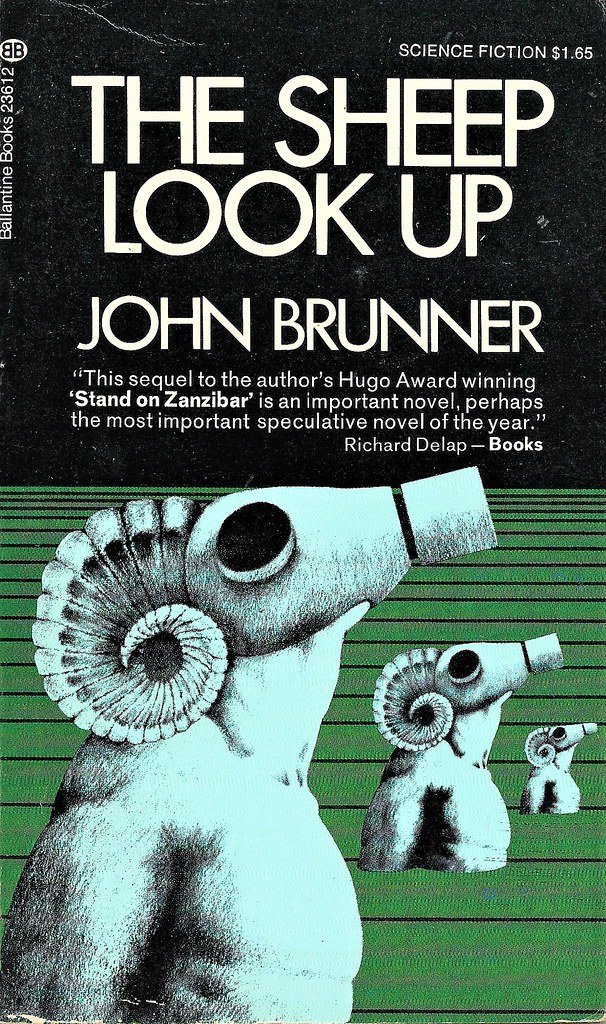
John Brunner’s ecological disaster novel seemed outlandish when it was published, but its predictions about pollution, pandemics, and corporate control over food and water now read like the nightly news. In 2024, the World Health Organization reported that 99% of the global population breathes air that exceeds safe pollution limits—a fact Brunner imagined decades earlier. The novel’s depiction of water shortages, environmental refugees, and pharmaceutical monopolies has proven hauntingly accurate, especially as climate change drives new crises. Brunner’s vision of a society poisoned by its own neglect feels less like science fiction and more like a documentary. The book’s warnings about environmental collapse have only grown in relevance, making it a must-read for anyone concerned about the planet’s future.
8. “The Turner Diaries” by William Luther Pierce (1978)
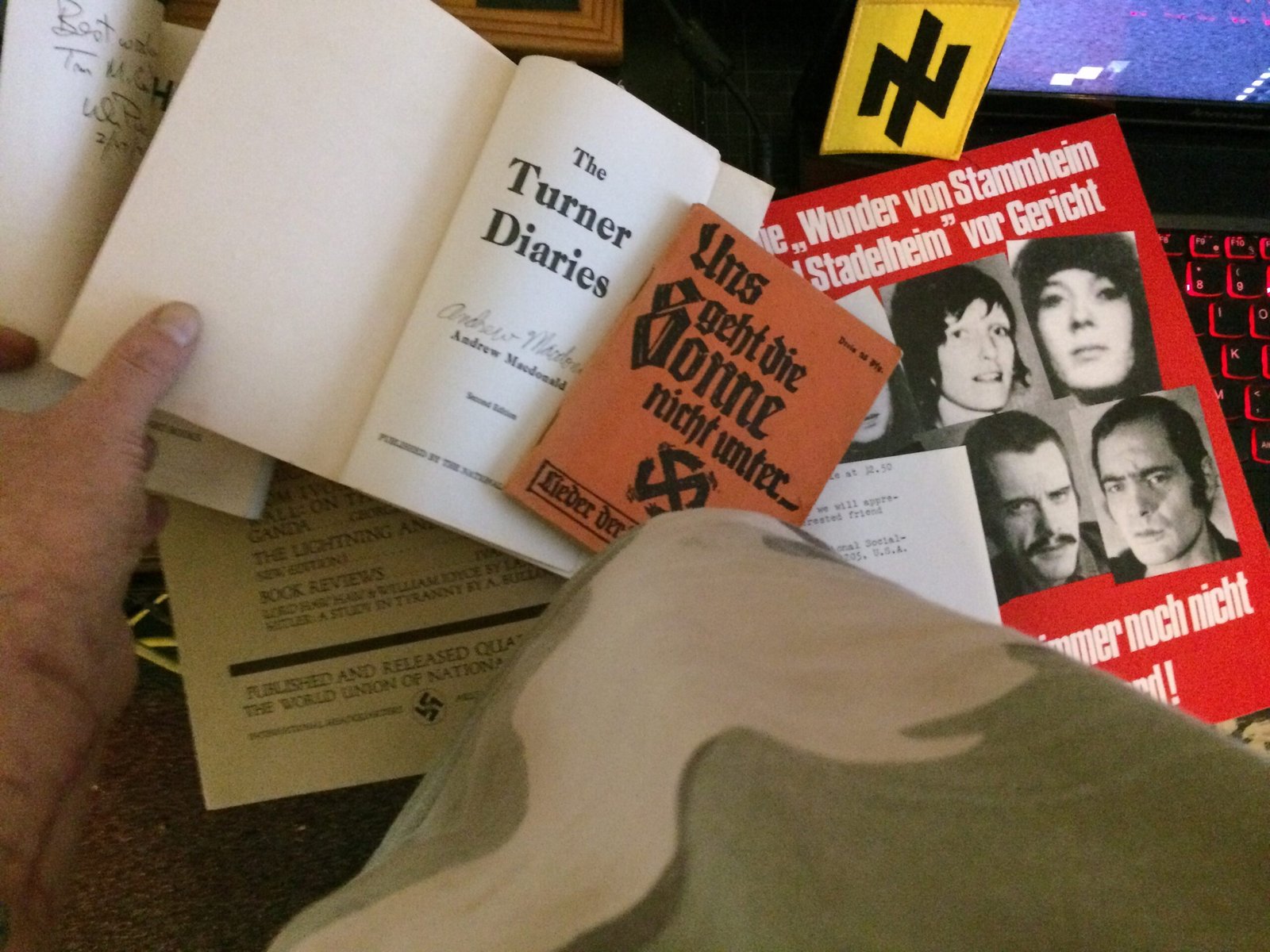
While controversial and rightly condemned, “The Turner Diaries” predicted the rise of extremist violence fueled by racism and conspiracy theories. The book, written under a pseudonym, became a blueprint for far-right terrorism, cited by perpetrators of real-world attacks. The Anti-Defamation League and Global Terrorism Database have tracked a surge in hate crimes and extremist plots in the past decade, reflecting the novel’s grim themes. The book’s influence on real events, including the Oklahoma City bombing, underscores how fiction can sometimes foreshadow—and even inspire—disturbing trends. Governments and security agencies now monitor similar rhetoric online, recognizing the danger of radicalization through propaganda. Even as it is shunned, the novel’s predictive power about the dangers of unchecked hate remains undeniable.
9. “The Drowned World” by J.G. Ballard (1962)

Ballard’s vision of a world transformed by climate change seemed fanciful in the early 1960s, but with the UN Climate Change Panel reporting record heatwaves, rising sea levels, and vanishing coastlines in 2025, his predictions are startlingly accurate. Ballard described cities submerged by floods and societies fractured by environmental collapse—images echoed in modern disasters from New Orleans to Jakarta. The novel’s portrayal of psychological and social disintegration in the face of catastrophe feels particularly relevant as governments struggle to respond to climate-driven migration and resource conflicts. Ballard’s exploration of adaptation and survival in a radically altered world is more poignant—and terrifying—than ever.
10. “The Plot Against America” by Philip Roth (2004)

Roth’s alternate history imagines what would have happened if a populist, isolationist candidate had won the U.S. presidency in the 1940s. The novel explores the normalization of anti-Semitism, propaganda, and the manipulation of national identity—issues that have become alarmingly prominent in recent years. The Anti-Defamation League reported a record number of anti-Semitic incidents in the U.S. in 2024, echoing Roth’s fears. The book’s depiction of families torn apart by political polarization rings true in today’s divided societies. Roth anticipated the dangers of “othering” and the ease with which democratic norms can erode under pressure. The novel’s prescience about the fragility of pluralism makes it a haunting read in the age of rising hate speech and nationalist politics.
11. “Ecotopia” by Ernest Callenbach (1975)
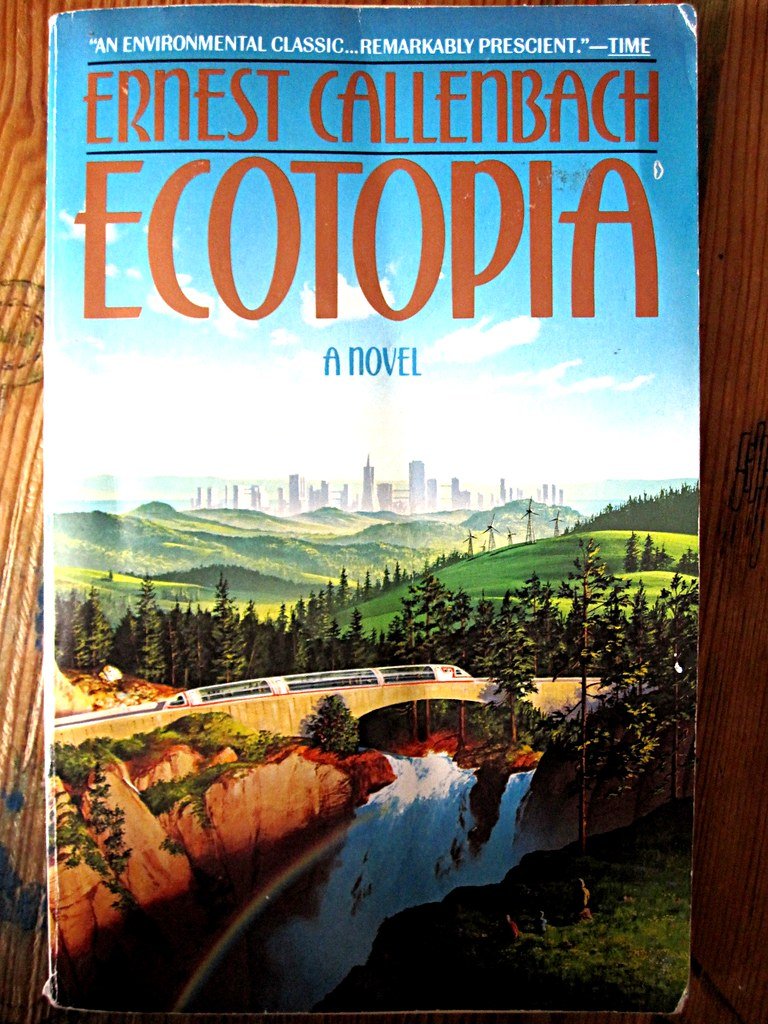
“Ecotopia” is often seen as a utopian fantasy, but it also anticipated the rise of environmental politics, eco-cities, and green technology. In 2024, global investment in renewable energy hit a record $1.7 trillion, according to BloombergNEF, echoing Callenbach’s vision of sustainable societies. The novel’s focus on recycling, bike culture, and alternative energy predated real-world trends by decades. Callenbach’s depiction of political secession and regional autonomy has also found new relevance with growing talk of localism and devolution in the face of globalization. The book predicted both the promise and the challenges of ecological reform, providing a blueprint for today’s green movements.
12. “1985” by György Dalos (1983)

György Dalos’s “1985” picks up where Orwell’s “1984” left off, exploring the collapse of totalitarian regimes from within. Dalos predicted the bureaucratic stagnation, internal dissent, and economic malaise that ultimately led to the fall of the Soviet Union in 1991. His depiction of reformers clashing with hardliners, and the slow erosion of absolute power, mirrors the real history of Eastern Europe’s revolutions. The book’s focus on the unpredictability of political change feels especially relevant as new authoritarian and populist movements rise and fall worldwide. Dalos’s insights into the dynamics of regime change remain valuable for anyone grappling with the complexities of modern governance.
13. “The Dispossessed” by Ursula K. Le Guin (1974)
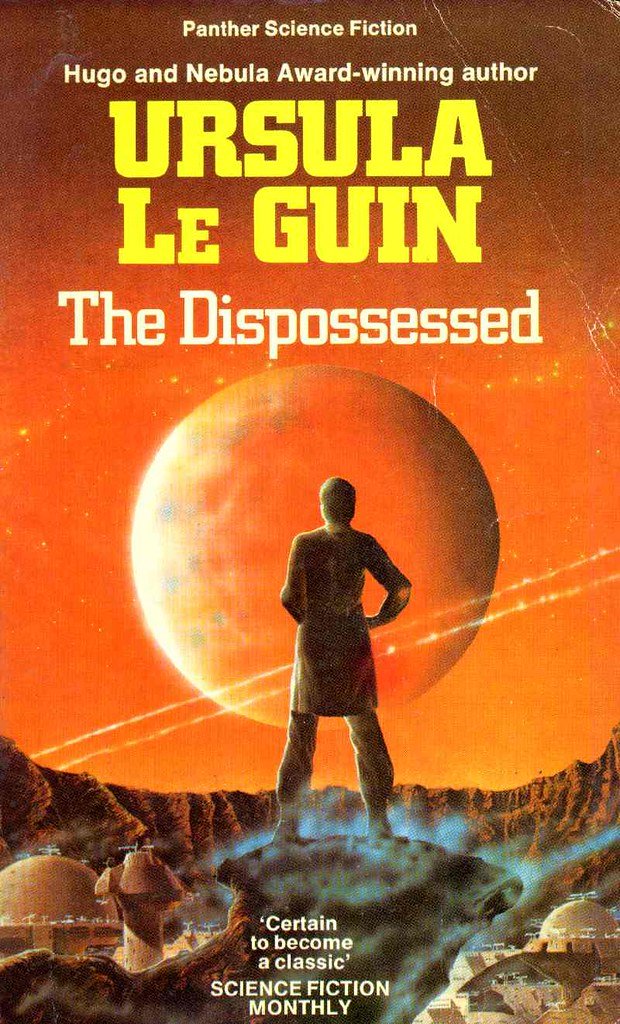
Le Guin’s exploration of anarchist societies and the politics of scarcity anticipated many modern debates about inequality, resource distribution, and alternative governance. The novel’s depiction of a society struggling to balance individual freedom with collective responsibility echoes contemporary arguments about universal basic income and cooperative economics. UN reports on global inequality and the failures of neoliberalism show how Le Guin’s imagination has become reality for millions. The book’s emphasis on the challenges of creating a truly just society resonates in an era of rising labor unrest and calls for systemic reform. Le Guin’s work remains essential reading for those seeking alternatives to capitalist orthodoxy.
14. “The Space Merchants” by Frederik Pohl and C.M. Kornbluth (1952)

This satirical novel predicted the rise of consumer culture, corporate lobbying, and the commodification of politics. In 2024, the world’s largest corporations spend billions on political influence, with the Center for Responsive Politics documenting record lobbying expenditures in the U.S. alone. The book’s portrayal of advertising-driven governance and environmental neglect feels more relevant than ever, as social media and targeted ads shape public opinion and policy. Pohl and Kornbluth anticipated the dangers of treating citizens as consumers and politics as a marketplace. The novel’s warnings about manipulative marketing and corporate power continue to resonate.
15. “V for Vendetta” by Alan Moore and David Lloyd (1982-1989)
Originally a graphic novel, “V for Vendetta” foresaw the rise of mass surveillance, populist authoritarianism, and protest movements fueled by symbolism. The world has seen a wave of protest iconography, from the “Anonymous” mask to the resurgence of grassroots activism in Hong Kong, France, and the U.S. Amnesty International and Human Rights Watch have documented crackdowns on dissent and the expansion of surveillance states, issues Moore and Lloyd dramatized decades ago. Their depiction of a society manipulated by fear and controlled by propaganda seems ripped from today’s headlines. The novel’s enduring influence on protest culture is a testament to its prophetic power.
16. “The Mandarins” by Simone de Beauvoir (1954)

De Beauvoir’s postwar exploration of political idealism and compromise predicted the ideological battles that have shaped modern democracies. The novel’s characters wrestle with questions of resistance, collaboration, and the price of political engagement—issues that resonate with today’s activists and policymakers. The Pew Research Center reports rising polarization and disillusionment with democratic institutions, reflecting the novel’s themes of political fatigue and ethical ambiguity. De Beauvoir anticipated the burnout and cynicism that comes with relentless political struggle, making her work strangely comforting for those feeling overwhelmed by today’s challenges.
17. “The Children of Men” by P.D. James (1992)

James’s vision of a world facing extinction due to global infertility seemed outlandish at the time, but with fertility rates dropping below replacement levels in more than half the world’s countries by 2024 (according to the UN Population Division), her warnings hit home. The novel explores how political systems respond to existential crisis, from authoritarian rule to social breakdown. The book’s depiction of societal despair and the search for hope feels especially relevant as governments confront demographic decline and aging populations. James anticipated the psychological and political impact of fertility crises, a topic now dominating headlines from Japan to Italy.
18. “The Camp of the Saints” by Jean Raspail (1973)

Raspail’s controversial novel predicted mass migrations and the resulting political backlash in the West. The book has been cited in debates about immigration policy, with the International Organization for Migration reporting record refugee flows and rising anti-immigrant sentiment in recent years. Raspail’s depiction of societal fear and political exploitation of migration anxieties mirrors real-world debates in Europe and North America. The novel’s influence—though divisive—reflects the enduring power of fiction to shape public discourse on sensitive issues.
19. “The Ministry of Fear” by Graham Greene (1943)

Greene’s wartime thriller anticipated the postwar rise of the security state, with its focus on surveillance, suspicion, and government manipulation. The expansion of intelligence agencies and anti-terror laws in the wake of 9/11 and subsequent attacks mirrors Greene’s predictions about societies ruled by fear. The Global Peace Index and Freedom House have tracked a steady erosion of civil liberties in the name of security, echoing the novel’s central warnings. Greene’s story of paranoia and power remains a relevant cautionary tale as governments grapple with the balance between safety and freedom.
20. “The Circle” by Dave Eggers (2013)

Eggers’s novel, though more recent, is often overlooked in political fiction but has proven incredibly prescient about the dangers of Big Tech. With companies like Meta, Google, and Amazon wielding unprecedented influence, the book’s warnings about surveillance capitalism, privacy erosion, and social media manipulation are more urgent than ever. In 2024, the European Union and U.S. have launched antitrust investigations and enacted new data privacy laws, echoing Eggers’s fears about unchecked corporate power. The novel’s vision of a world where transparency is weaponized and personal data is currency has become our reality. Eggers’s cautionary tale is essential reading for the digital age.

Besides founding Festivaltopia, Luca is the co founder of trib, an art and fashion collectiv you find on several regional events and online. Also he is part of the management board at HORiZONTE, a group travel provider in Germany.
