


- 10 Spring 2026 Shoe Trends Every Woman Should Know - August 20, 2026
- 10 Mind-Blowing Literary Theories That Change How You Read Classic Stories - August 20, 2026
- 12 Iconic Buildings Considered Architectural Marvels Around The World - August 20, 2026
The Endless Afghan Graveyard
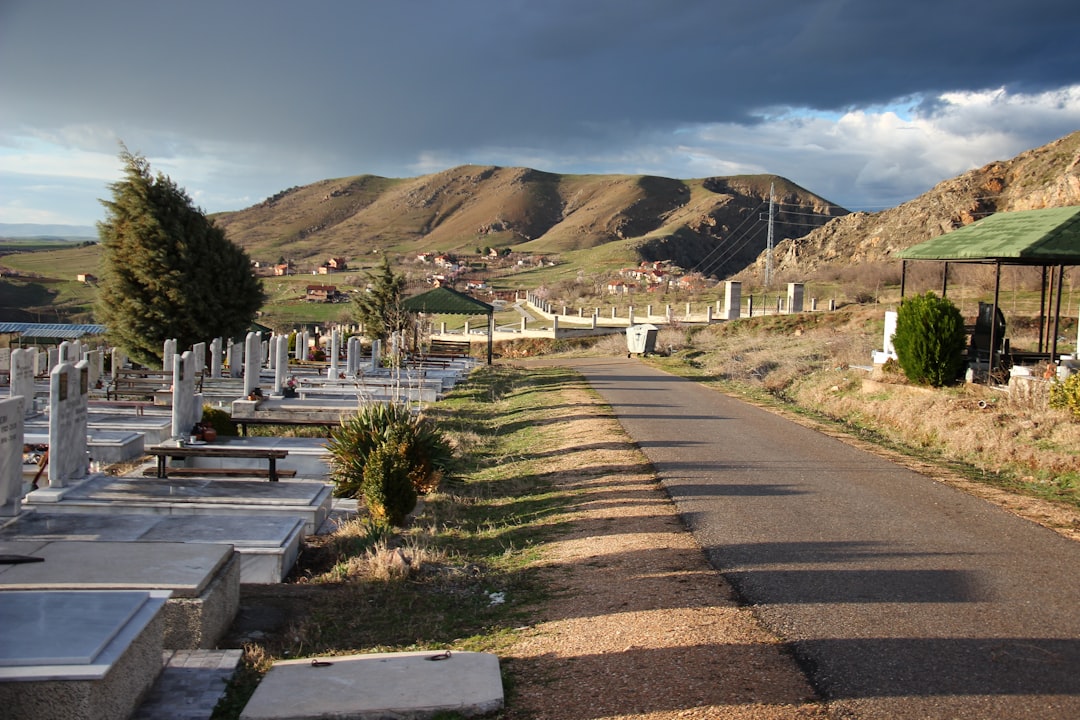
Afghanistan has earned its reputation as the “graveyard of empires,” but you’d think someone would have gotten the memo by now. From the U.S. War in Afghanistan spanning 2001-2021, which resulted in an estimated 176,000-212,000+ deaths including 46,319 civilians, plus an additional 66,650 deaths in the related War in North-West Pakistan, the pattern is disturbingly familiar. The conflict became the longest war in United States military history, surpassing the Vietnam War by six months.
The historical echoes are deafening. During the Soviet-Afghan War, estimates suggest some 1.5 million Afghans were killed before 1992, while by 1982, some 2.8 million Afghans had sought asylum in Pakistan, and another 1.5 million had fled to Iran. Alexander the Great, British forces, Soviet troops, and American coalition forces all thought they could tame this mountainous nation. They all learned the same bitter lesson: Islam has historically allowed Afghan leaders to overcome tribal differences and conflict, especially against foreigners and non-Muslims, with centuries of foreign invasion cementing the religious nature of resisting outsiders.
Democracy’s Death by a Thousand Cuts

Hitler didn’t just appear overnight—he used propaganda, economic crisis, and popular anger to methodically dismantle German democracy. Sound familiar? The present threat to democracy is the product of 16 consecutive years of decline in global freedom, with 60 countries suffering declines over the past year while only 25 improved. We’re watching the same playbook unfold across the globe.
Democratic backsliding has occurred in a variety of governments—from Poland to Hungary, Brazil, Venezuela and the Philippines. Watching what the Polish law and justice government has done in the last year, they’re obviously drawing pages out of Viktor Orban’s playbook in Hungary, who probably watched what Putin did a decade before—suppressing judicial independence, packing courts, and proceeding to intimidate and control the media. It’s like watching dominoes fall, except these dominoes are democracies.
As of today, some 38 percent of the global population live in Not Free countries, the highest proportion since 1997, with only about 20 percent living in Free countries. The numbers don’t lie—we’re sliding backward faster than we’re moving forward.
When Markets Go Mad

You’d think after the Great Depression nearly destroyed the global economy, we’d have learned something about reckless speculation and deregulation. Apparently not. The 2008 financial crisis followed almost exactly the same script: excessive deregulation, risky speculation, and a collective belief that “this time is different.” Both crises shared the dangerous cocktail of loose lending standards, complex financial instruments that nobody fully understood, and the fatal assumption that housing prices could only go up.
The parallels are striking. In the 1920s, banks speculated wildly with depositors’ money. In the 2000s, they packaged toxic mortgages into “safe” securities. The Glass-Steagall Act was created after 1929 to separate commercial and investment banking—then it was repealed in 1999, setting the stage for 2008. Both crashes devastated ordinary families while the wealthy often emerged unscathed.
What’s truly maddening is that economists warned about both bubbles before they burst. Yet greed and short-term thinking triumphed over wisdom and caution. The Federal Reserve and regulatory agencies ignored warning signs in both eras, prioritizing economic growth over financial stability.
Forever Wars Nobody Wanted

Vietnam and Iraq: two wars fought half a world away, against enemies we barely understood, with goals that shifted like desert sand. Both conflicts dragged on for years, costing hundreds of thousands of lives and trillions of dollars. Both were sold to the American public with promises of quick victory and noble purpose. Both became quagmires that divided the nation.
The Vietnam War lasted from 1955 to 1975, officially ending with the fall of Saigon. The Iraq War began in 2003 with the overthrow of Saddam Hussein but continued as an insurgency for nearly a decade. In both cases, initial military success gave way to prolonged guerrilla warfare against an enemy that melted into the civilian population.
Both wars revealed the same fundamental truth: military might can topple governments but cannot create stable, democratic societies. Local knowledge, cultural understanding, and genuine popular support matter more than advanced weaponry. Yet these lessons seem to evaporate whenever the next crisis demands military intervention.
Pandemic Amnesia Strikes Again

The 1918 Spanish flu infected about 500 million people, roughly one-third of the world’s population at that time, and resulted in the deaths of 50 million, including 675,000 Americans. Fast forward to 2020, and COVID-19 became the deadliest disease event in American history, with a death toll surpassing that of the 1918 Spanish flu. According to tracking data, COVID deaths stand at more than 675,400.
The parallels between the pandemics are eerie. During both pandemics, public health officials put similar measures in place to prevent spread: closing schools, banning public gatherings, requiring protective gear like masks and gloves, and requiring people to isolate or quarantine. While the incubation period of the virulent Spanish flu was very short—a day or two—COVID-19’s incubation period can stretch to a fortnight, facilitating its unnoticed, asymptomatic spread.
The difference lies in our response. It’s generally known around the world that America didn’t do a very good job in the early stages of controlling the pandemic, despite having a century of epidemiological knowledge and modern medical infrastructure. We had every advantage the 1918 generation lacked, yet still stumbled repeatedly.
Infrastructure Ignored Until It Crumbles
Rome didn’t fall in a day—it crumbled slowly as emperors ignored infrastructure while fighting endless wars and political battles. The Roman road system, once the marvel of the ancient world, deteriorated as maintenance was deferred. Aqueducts leaked, bridges collapsed, and the very foundations of empire rotted from within.
Today’s America faces eerily similar challenges. The American Society of Civil Engineers regularly gives U.S. infrastructure grades that would make any student’s parents call for tutoring. Bridges built in the 1950s are past their design life. Water systems installed before World War II still serve major cities. Electrical grids strain under demands they weren’t designed to handle.
The pattern is always the same: politicians promise infrastructure investment during campaigns, then discover it’s easier to cut ribbons on new projects than maintain existing ones. Maintenance doesn’t win votes or photo opportunities. Yet when bridges collapse or power grids fail, everyone acts surprised, as if decay and neglect were unforeseeable natural disasters rather than predictable consequences of chronic underinvestment.
Drawing Lines in the Sand

The Treaty of Versailles was supposed to end all wars. Instead, it created arbitrary borders and imposed punitive terms that guaranteed future conflict. European powers carved up the Middle East with rulers and backroom deals, creating nations that existed only on maps, not in the hearts of their people.
Today’s conflicts in Syria, Iraq, Afghanistan, and across Africa often trace back to colonial borders that ignored ethnic, religious, and tribal realities. The Sykes-Picot Agreement of 1916 divided Ottoman territories between British and French spheres of influence, creating Iraq, Syria, and Lebanon as artificial constructs. Kurdish people found themselves scattered across four different countries, their aspirations for statehood repeatedly crushed.
The pattern repeats endlessly: external powers impose solutions that serve their interests rather than local realities. Borders drawn in distant capitals become permanent sources of conflict. Ethnic groups find themselves minorities in countries they never chose to join. When these artificial constructs inevitably fail, the same powers that created them act bewildered by the “ancient ethnic hatreds” they helped manufacture.
Environmental Warnings Ignored

The Dust Bowl of the 1930s should have been America’s wake-up call about environmental consequences. Aggressive farming practices, combined with severe drought, turned millions of acres of topsoil into airborne dirt clouds that darkened skies from Oklahoma to Washington D.C. Families abandoned their farms, creating the largest migration in American history.
Scientists understood the causes even then: overplowing, removing native grasses, and farming marginal land during wet years that couldn’t sustain agriculture during dry cycles. The lesson was clear: human activities can dramatically alter local and regional climates with catastrophic consequences.
Yet today, despite far more sophisticated climate science, we’re repeating the same pattern on a global scale. Rising temperatures, changing precipitation patterns, and extreme weather events mirror the Dust Bowl’s warning signs, but magnified across the entire planet. The fossil fuel industry uses the same playbook as 1930s agricultural interests: deny the science, delay action, and prioritize short-term profits over long-term survival.
Prohibition Never Works

Prohibition in the 1920s was supposed to create a moral, crime-free America. Instead, it created Al Capone, speakeasies, and the most powerful criminal organizations in American history. Banning alcohol didn’t eliminate demand—it simply moved the entire industry underground, where violence replaced regulation and corruption flourished.
The War on Drugs has followed exactly the same script for over five decades. Despite spending trillions of dollars and incarcerating millions of Americans, drug use remains widespread while cartels have become more powerful than some governments. Criminalizing addiction has created a black market that spans continents and corrupts institutions from police departments to banking systems.
Portugal’s decriminalization experiment proves the alternative works: treating addiction as a health issue rather than a criminal one reduces both drug use and crime. Yet most countries continue the same failed prohibition model, apparently believing that this time, somehow, criminalization will work differently than it ever has before.
Holy Wars Never End

The Crusades were supposed to be holy wars to reclaim the Holy Land. Instead, they became centuries of bloodshed that poisoned Christian-Muslim relations for generations. Launched with religious fervor and promises of salvation, they devolved into political power grabs, economic exploitation, and brutal violence against civilians.
Today’s conflicts in the Middle East, from Syria to Yemen to Palestine, echo the same toxic blend of religious zeal and political ambition. Different groups claim divine mandate for their violence, turning political disputes into holy wars where compromise becomes heresy. Sacred sites become military objectives, and religious differences justify unlimited brutality.
The pattern is timeless: leaders invoke God to justify war, promising that victory will bring peace and righteousness. Instead, each generation of holy warriors creates new grievances, new martyrs, and new cycles of revenge. The original religious goals become secondary to the machinery of violence itself.
Exploitation Never Changes, Only the Methods
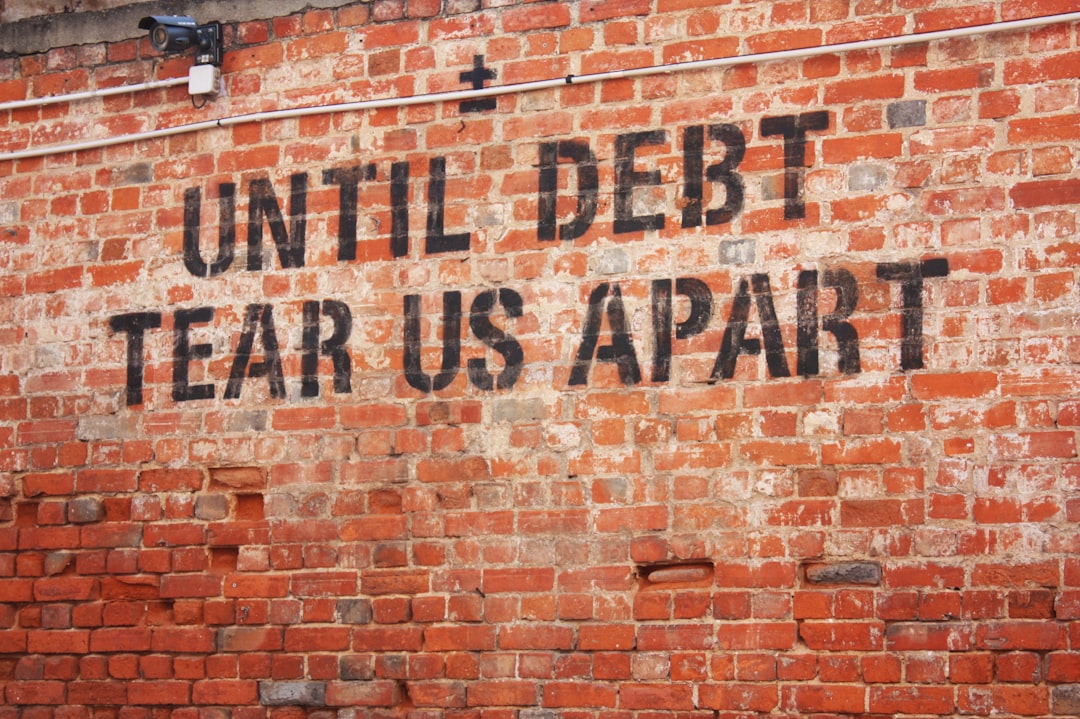
Classical colonialism used ships and soldiers to extract wealth from distant lands. Modern neocolonialism uses debt, trade agreements, and multinational corporations to achieve the same goals with less obvious violence. The extraction continues—only now it’s called “development,” “structural adjustment,” or “free trade.”
China’s Belt and Road Initiative perfectly exemplifies this new colonialism. Instead of gunboats, China offers loans for infrastructure projects that countries cannot repay. When debt payments become impossible, China claims strategic assets like ports, airports, and natural resources. It’s colonialism with a banker’s smile rather than a soldier’s sword.
The victims remain the same: developing nations rich in natural resources but poor in political power. Their commodities flow to wealthy countries while their people remain impoverished. Local elites collaborate with foreign powers, enriching themselves while their nations mortgage their futures. The names change, but the game remains identical.
Appeasement Emboldens Aggression
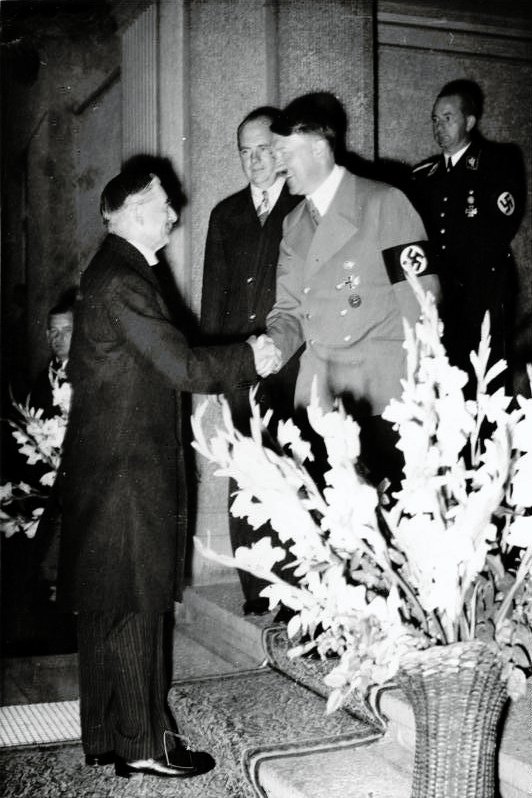
Neville Chamberlain’s “peace for our time” became history’s most famous example of appeasement’s failure. Giving Hitler the Sudetenland didn’t satisfy German ambitions—it convinced the Nazi regime that Western democracies lacked the will to fight. Each concession encouraged greater demands until war became inevitable.
Today’s autocrats learned Hitler’s lesson well. Putin tested Western resolve with Crimea in 2014, faced minimal consequences, then launched a full-scale invasion of Ukraine in 2022. Xi Jinping observed the world’s muted response to Hong Kong’s suppression and continues pressuring Taiwan. Iran, North Korea, and other authoritarian regimes probe for weakness, escalating when they find it.
The pattern is always the same: aggression met with diplomatic protests and limited sanctions emboldens further aggression. Autocrats interpret restraint as weakness and moderation as invitation. They understand that democracies prefer negotiations to confrontation, and they exploit this preference ruthlessly until confrontation becomes unavoidable.
Market Manias and Bubble Madness
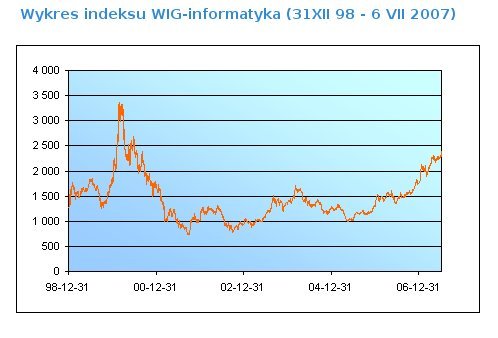
The dot-com bubble of the late 1990s was going to revolutionize everything. Any company with “.com” in its name could raise millions, regardless of whether it had revenue, profits, or even a viable business plan. Investors threw money at concepts sketched on napkins, convinced that traditional economics no longer applied to the “new economy.”
The crypto bubble followed an almost identical script two decades later. Bitcoin and other cryptocurrencies were going to replace traditional money, eliminate banks, and create decentralized financial utopia. Initial coin offerings raised billions for projects that existed only as whitepapers. “Digital gold,” “blockchain everything,” and “diamond hands” replaced “eyeballs,” “network effects,” and “first-mover advantage” as the mantras of a new generation of true believers.
Both bubbles shared the same psychological dynamics: fear of missing out, contempt for skeptics, and absolute certainty that this time was different. Both crashed when reality collided with fantasy, wiping out trillions in paper wealth and leaving ordinary investors holding worthless assets while early promoters cashed out at the peak.
Nuclear Games of Chicken
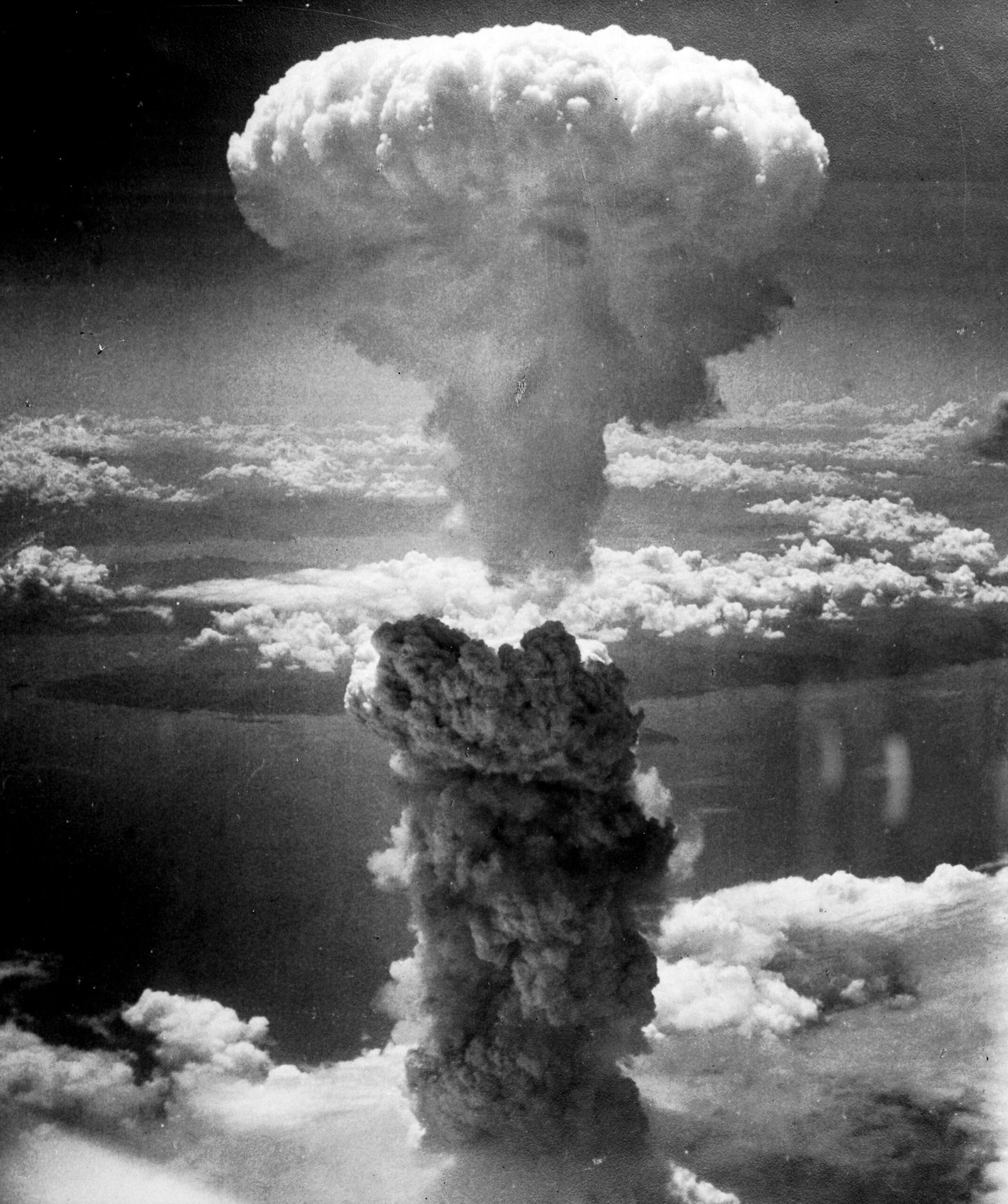
The Cold War arms race was supposed to ensure “mutually assured destruction” would prevent nuclear war. Instead, it created a hair-trigger world where computer glitches, communication failures, or simple misunderstandings could end civilization. Both superpowers built arsenals capable of destroying Earth multiple times over, convinced that more weapons meant more security.
Today’s nuclear landscape is even more dangerous. Nine countries now possess nuclear weapons, with more seeking them. Nuclear materials and technology have proliferated beyond state control. Terrorist groups actively seek nuclear capabilities while failed states struggle to secure existing arsenals.
The original Cold War logic—that rational actors won’t risk mutual annihilation—assumes rational actors remain in control. But what happens when authoritarian leaders face domestic collapse, religious extremists gain access to weapons, or artificial intelligence systems make targeting decisions? The nuclear sword of Damocles hangs lower than ever, held by more hands, over more heads.
Information Control Through Fear
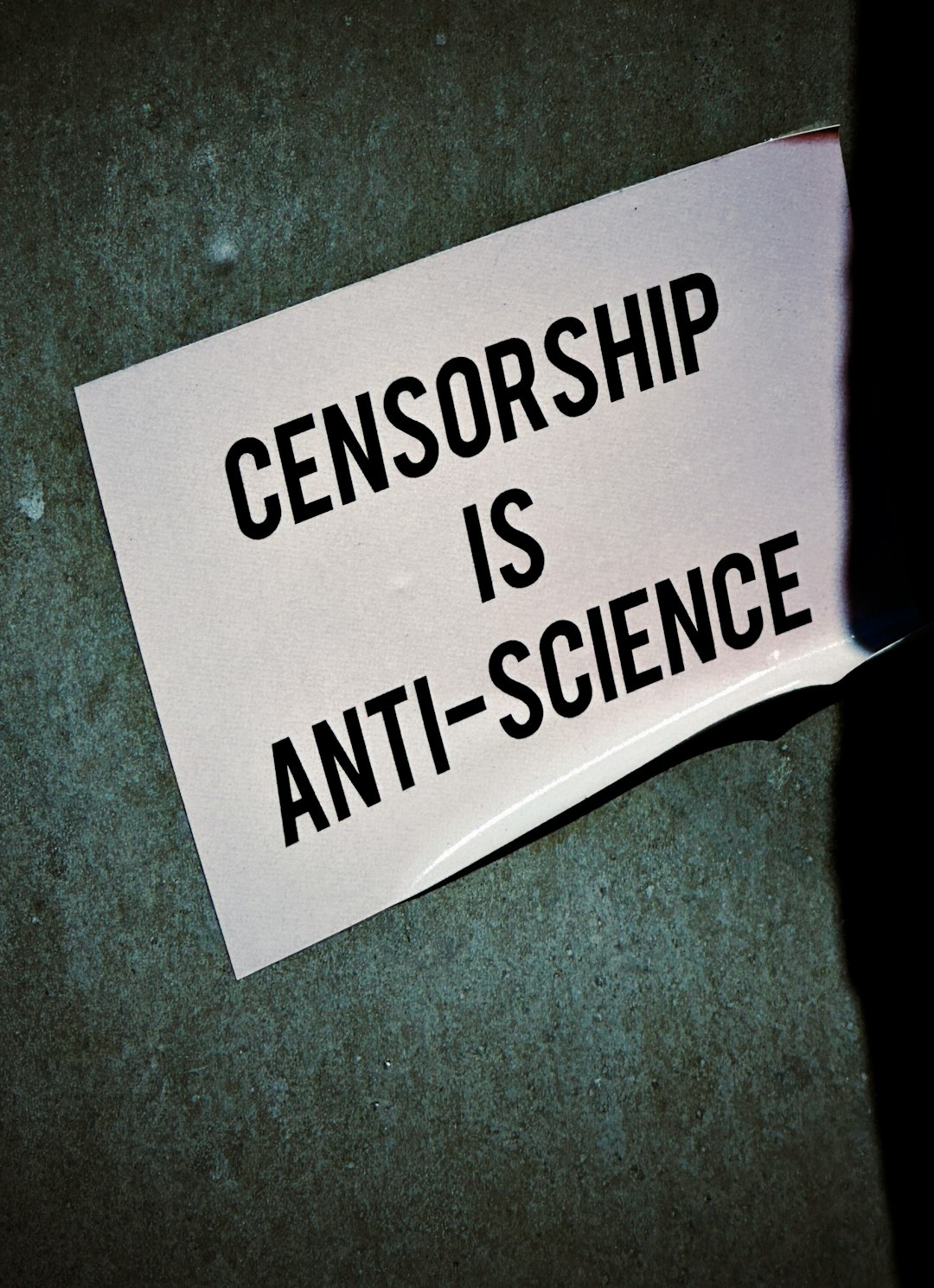
The Spanish Inquisition pioneered information control through terror, torture, and absolute authority over truth. Heretical ideas were not just wrong—they were crimes punishable by death. The Inquisition’s power came not from converting hearts and minds, but from making the cost of dissent so high that silence became survival.
Modern authoritarians use subtler but equally effective methods. Instead of torture chambers, they deploy bot armies, deepfakes, and disinformation campaigns. Instead of burning books, they flood information channels with lies until truth becomes indistinguishable from fiction. The goal remains identical: make independent thought impossible by controlling the information environment.
China’s social credit system represents the Inquisition’s digital evolution. Citizens face economic and social punishment for “wrong” opinions, associations, or behaviors. Surveillance technology tracks every purchase, movement, and social interaction. The result is self-censorship so complete that external censorship becomes unnecessary—people monitor their own thoughts for heretical tendencies.
Never Again, Again, and Again
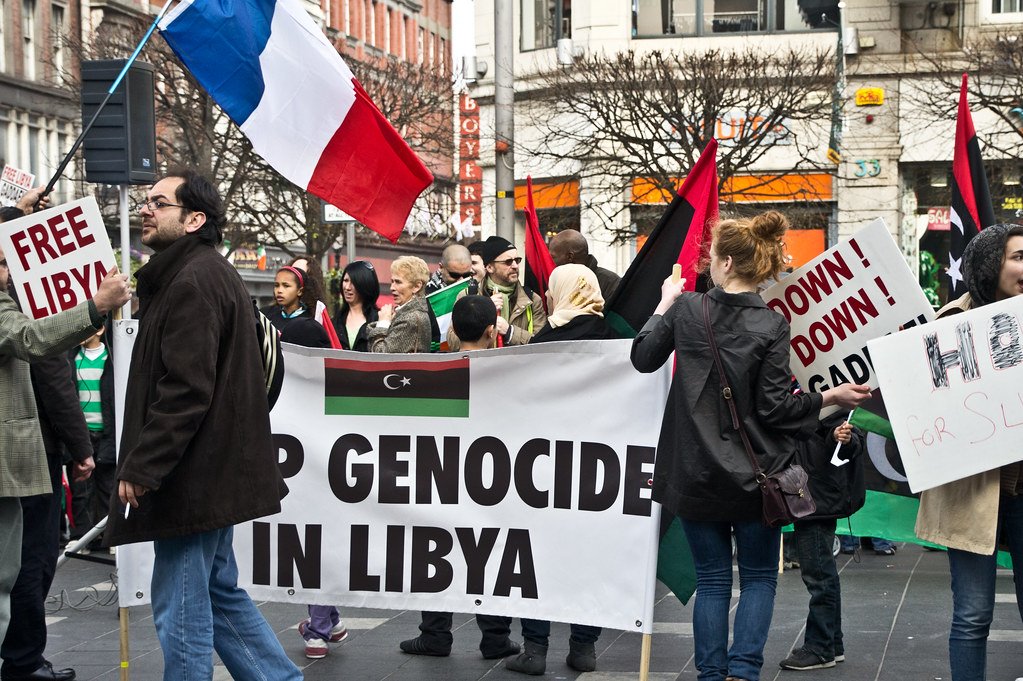
The Holocaust was supposed to end with “never again.” The international community created institutions, laws, and watchdog organizations to prevent future genocides. Yet genocide has continued in Cambodia, Rwanda, Bosnia, Myanmar, and Xinjiang. Each time, the world expresses shock, as if systematic mass murder were an unpredictable natural disaster rather than a predictable human choice.
The pattern is grimly consistent: dehumanizing propaganda portrays target groups as existential threats, economic competitors, or racial contaminants. Governments pass discriminatory laws, segregate populations, and arm militia groups. Violence escalates gradually—harassment becomes assault, assault becomes murder, murder becomes systematic extermination.
International response follows the same script: early warnings are ignored, diplomatic protests prove meaningless, and military intervention arrives too late. Afterward, leaders vow that such horrors will never happen again, while the machinery of genocide quietly assembles in the next target country. The institutions created to prevent genocide become museums documenting their own failure.
Wealth Gaps and Social Explosions
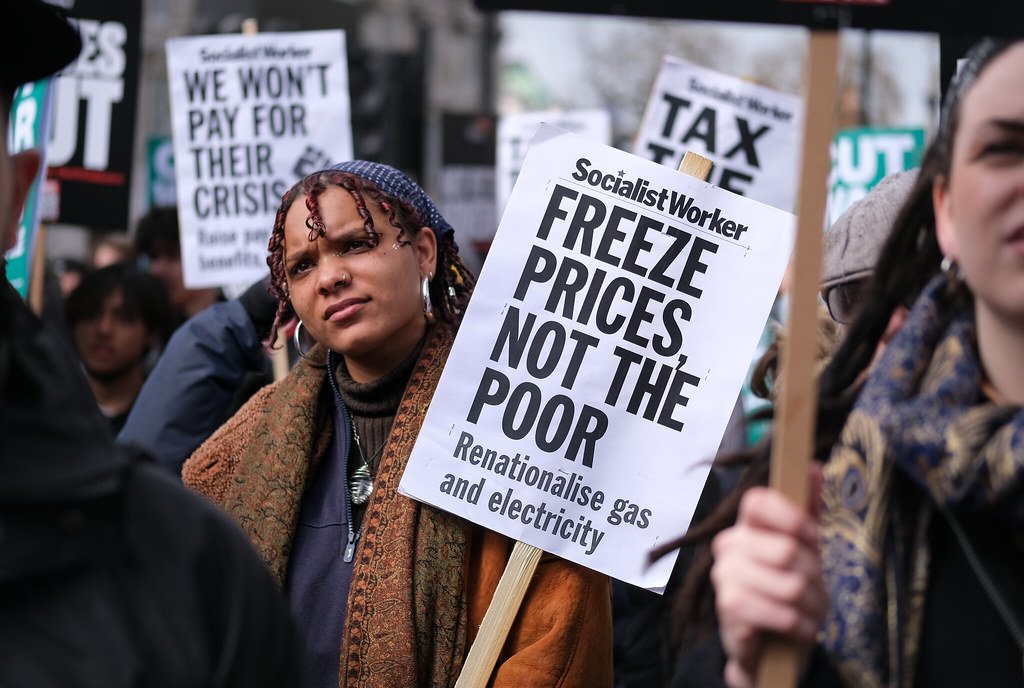
The French Revolution began with inequality so extreme that aristocrats played at being shepherds while peasants starved. The wealthy lived in parallel universes, completely disconnected from the suffering their system created. When revolution came, its violence reflected decades of accumulated rage against injustice.
Occupy Wall Street, the Arab Spring, and populist movements worldwide share the same root cause: extreme inequality that destroys social cohesion. When a tiny elite captures most economic gains while the majority struggles with stagnant wages, declining opportunities, and shrinking social mobility, revolution becomes inevitable.
The specific triggers vary—bread prices, housing costs, student debt, unemployment—but the underlying dynamic remains constant. Societies can tolerate some inequality, but beyond a tipping point, the social contract breaks down. When people have nothing left to lose, they lose it. When peaceful change seems impossible, violent change becomes attractive.
Overconfidence and Inevitable Disaster

The Titanic was “unsinkable.” The Challenger space shuttle was the safest vehicle ever built. The subprime mortgage market was backed by ever-rising housing prices. In each case, technological arrogance met predictable failure with catastrophic results.
The pattern is always the same: initial success breeds overconfidence, overconfidence leads to cutting corners, and corner-cutting creates vulnerabilities that eventually manifest as disasters. Engineers warned about ice in the North Atlantic, O-ring failures in cold weather, and unsustainable lending practices. Their warnings were ignored because success had created an illusion of invincibility.
Modern examples proliferate: algorithmic trading systems causing flash crashes, social media platforms amplifying misinformation, and artificial intelligence systems making biased decisions. Each technology promises to eliminate human error while creating new categories of systematic failure. We remain convinced that this time is different, that our technology is foolproof, right up until it catastrophically fails.
Proxy Wars and Great Power Games

Korea and Vietnam were the Cold War’s bloodiest proxy conflicts, where superpowers fought each other using other nations’ soldiers and territory. Millions died while America and the Soviet Union avoided direct confrontation that might trigger nuclear war. Local populations paid the price for global power competitions they neither started nor controlled.
Ukraine has become the latest proxy battleground, where NATO and Russia fight using Ukrainian lives and territory. The weapons, intelligence, and financing are international, but the dying is local. Syria, Yemen

Besides founding Festivaltopia, Luca is the co founder of trib, an art and fashion collectiv you find on several regional events and online. Also he is part of the management board at HORiZONTE, a group travel provider in Germany.
