

For any feedback please reach out to info@festivalinside.com
- 31 ’70s Lyrics That Were Hiding in Plain Sight the Whole Time - September 9, 2026
- Iconic Speeches That Echo Through History, Still Stirring Souls Today - September 9, 2026
- 10 Underrated 80s Rock Bands Whose Music Deserves a Dramatic Revival - September 9, 2026
The Archaeological Quest for Homer’s Troy
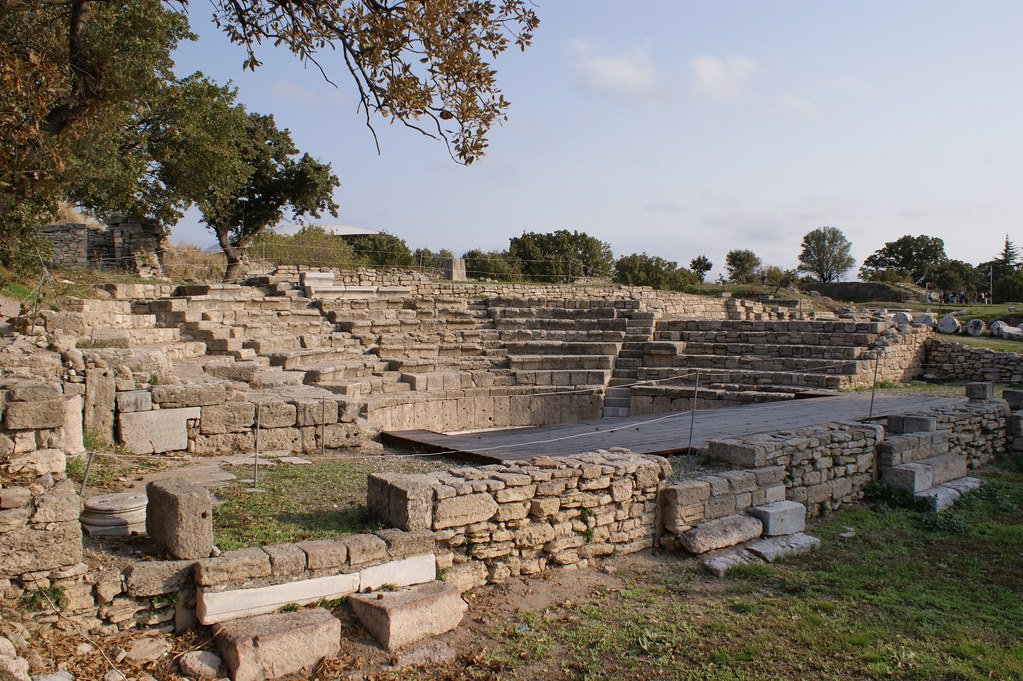
Picture this: thousands of years ago, a devastating war supposedly raged between Greeks and Trojans over the world’s most beautiful woman. For most of history, people dismissed this as pure fiction—just a poet’s fantasy about gods and heroes. But then Heinrich Schliemann grabbed a shovel and started digging, and everything changed.
In 2024, archaeologists at Troy made their most significant discovery yet. Teams uncovered a collection of 3,500-year-old sling stones near the palace from Troy’s sixth phase, made of river rock and clay. These weren’t just random rocks—they were weapons of war, concentrated exactly where you’d expect them during a siege. The 2025 excavation campaign focuses on layers from the Late Bronze Age, specifically those associated with the city’s destruction around 1200 B.C., often linked to the tale of the Trojan War.
Here’s where it gets really interesting. Research by Anatolian specialists has shown that what we today call Troy was in the Late Bronze Age the kingdom of Wilusa, powerful enough to conclude treaties with the Hittite Empire, and there were political and military tensions around Troy precisely during the thirteenth and early twelfth centuries B.C.—the supposed time of Homer’s Trojan War. The evidence keeps piling up like those ancient sling stones.
Arthur’s Shadow: King Without a Kingdom
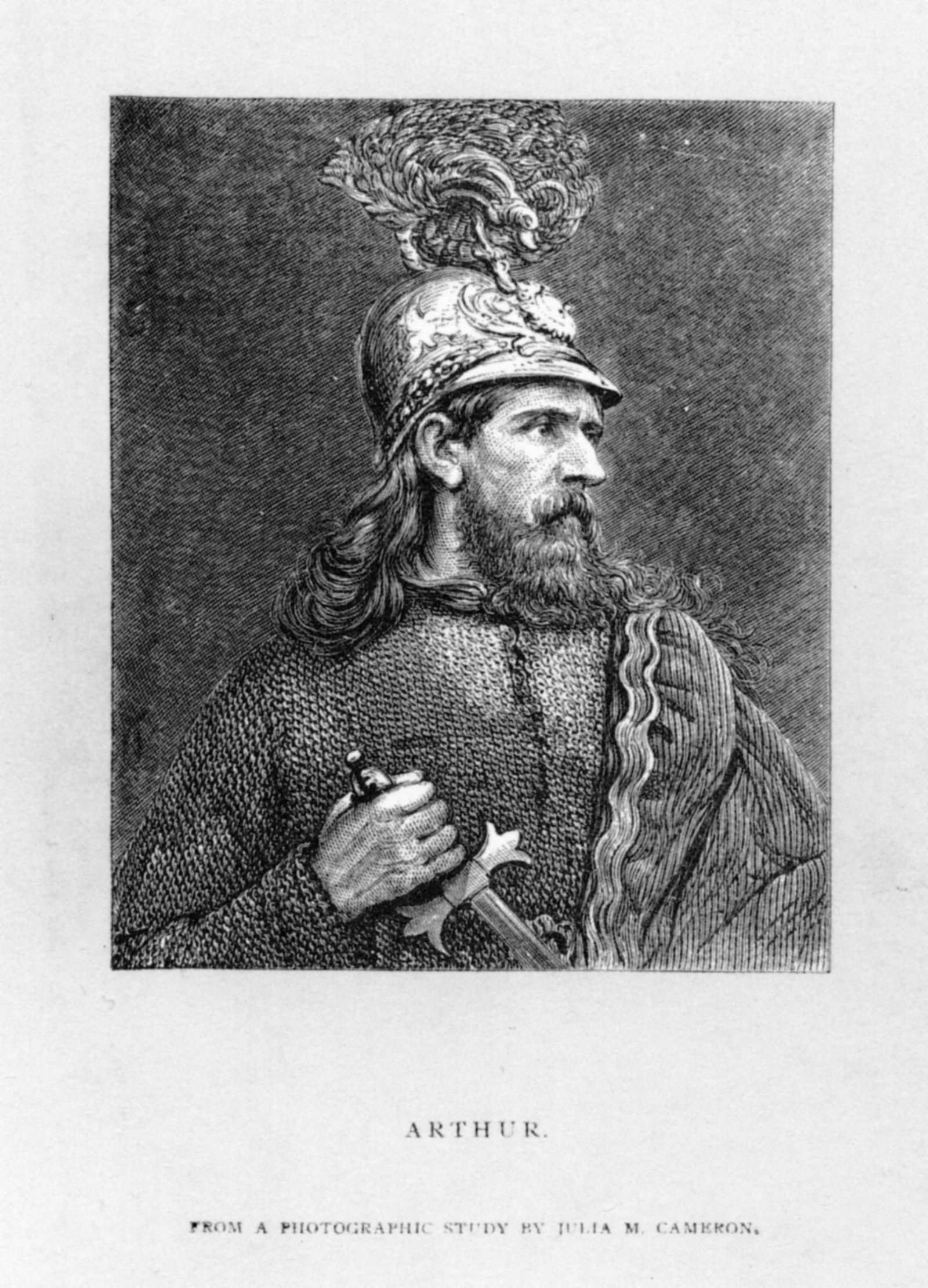
Every kid knows about King Arthur, right? The sword in the stone, the Round Table, Camelot—it’s all so vivid, so real. But here’s the thing that’ll blow your mind: In the 21st century, the academic consensus rejects his historicity. That’s right, most scholars today believe the once and future king never existed at all.
There is no archaeological evidence for an historical Arthur, no contemporary monuments to him, for example. Written records—are there any written records from this period about him by anyone who knew him personally? No. The silence is deafening. Yet somehow, this non-existent king became more influential than most real monarchs.
The latest archaeological findings don’t help Arthur’s case either. Excavations at the site of King Arthur’s Hall on Bodmin Moor, which scholars once thought had been constructed in the medieval period, yielded evidence that it actually dates back some 4,000 years earlier, with radiocarbon and optically stimulated luminescence dating yielding a date between 5,500 and 5,000 years ago. Even the places supposedly connected to Arthur turn out to be far older than the man himself.
The Great Flood: When Waters Rise and Stories Spread
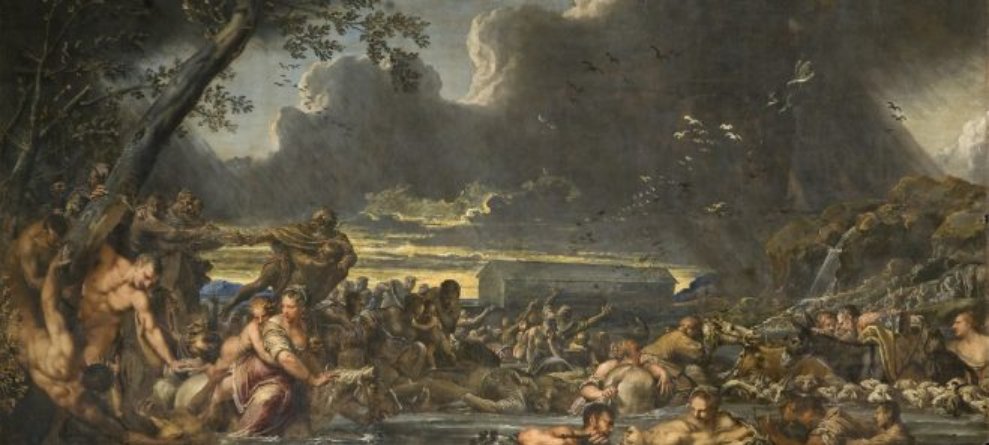
Here’s something that’ll make you reconsider that old Sunday school story: flood myths appear in practically every culture on Earth. Noah’s ark, the Epic of Gilgamesh, Hindu texts—they’re all telling variations of the same devastating tale. Coincidence? Not likely.
Scientists have been diving deep into this mystery, literally. In 1997, William Ryan, Walter Pitman, Petko Dimitrov, and their colleagues first published the Black Sea deluge hypothesis, proposing that a catastrophic inflow of Mediterranean seawater into the Black Sea freshwater lake occurred around 7,600 years ago, c. 5600 BCE. Imagine the Mediterranean suddenly breaking through natural barriers and flooding an entire region faster than people could escape.
But here’s where the story gets murkier. A 2022 literature review concluded that there was insufficient evidence for a flood scenario. It was more likely that the waters of the Black Sea itself gradually outflowed to the Mediterranean. There was also no archaeological evidence of humans evacuating the area during the relevant time. So much for that dramatic flood theory—though the myths persist with remarkable consistency across cultures.
Robin Hood: The People’s Champion Who Never Was
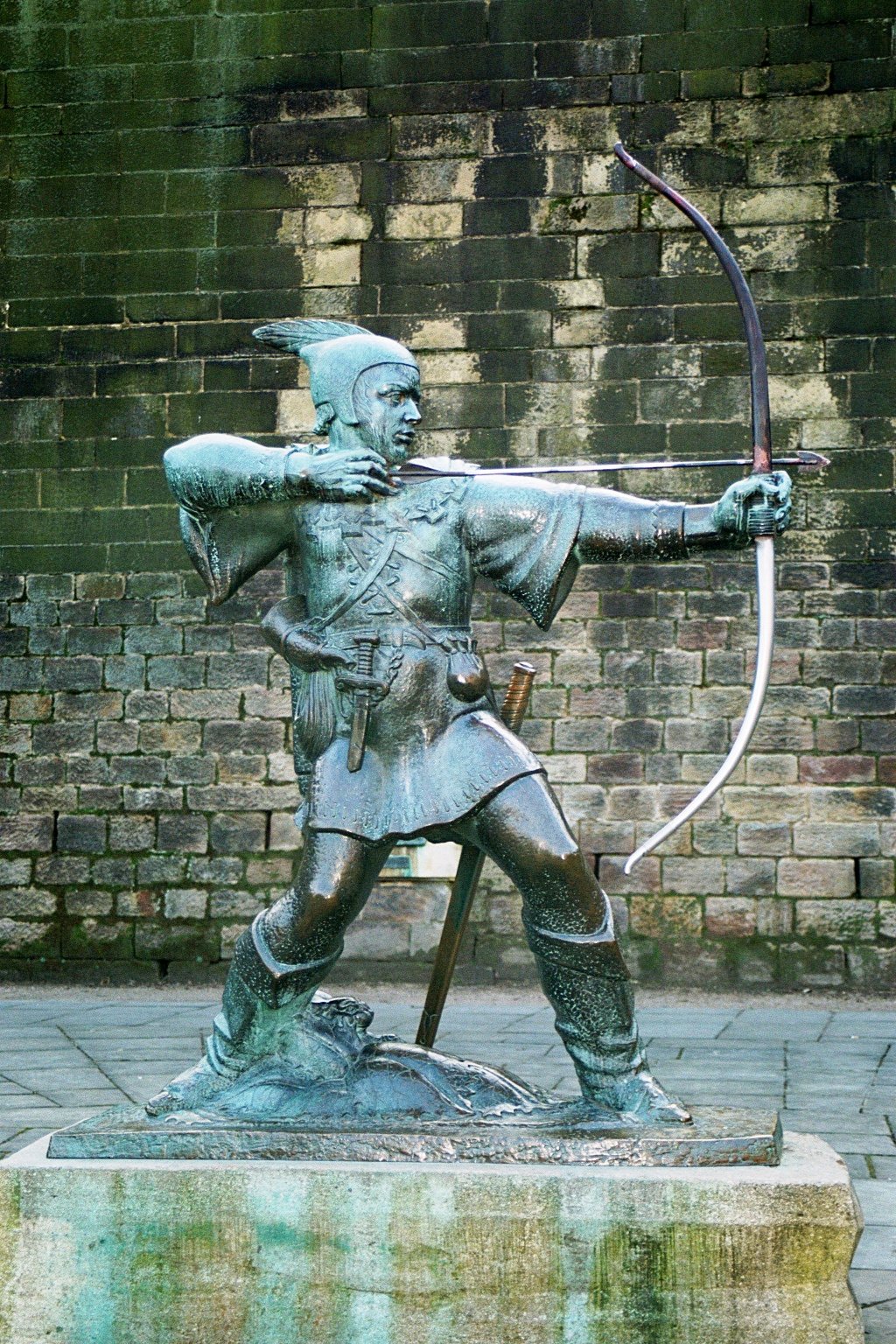
Deep in Sherwood Forest, a legendary outlaw supposedly robbed from the rich and gave to the poor. Robin Hood represents everything we love about rebellious heroes—but did he actually exist? The answer is both yes and no, which makes the story even more fascinating.
There’s no single historical Robin Hood, but there were definitely real outlaws who inspired the legend. English records from the 13th and 14th centuries mention fugitives like Robert Hod who defied corrupt sheriffs. The myth likely merged multiple real rebels into one perfect symbol of resistance against feudal oppression.
What’s brilliant about the Robin Hood legend is how it evolved. Each generation added their own spin—sometimes he’s a yeoman farmer, sometimes a dispossessed nobleman, sometimes a Saxon resisting Norman rule. The story shape-shifted to match whatever injustice people were facing. That’s not historical accuracy, but it’s something more powerful: it’s the crystallization of human hope for justice.
El Dorado: The Golden Man Who Became a Golden City

Let’s clear up one of history’s biggest misunderstandings right away: El Dorado was never a city. Historically, then, “El Dorado” refers not to a city but to a man—the golden king of the Muisca. The Spanish conquistadors got it all wrong, and that mistake launched a thousand doomed expeditions.
The real story is actually more amazing than the myth. According to legend, one of the rulers of the Muisca Confederation, known as the zipa, would inaugurate his rule through a ritual taking place at Lake Guatavita. The new zipa would be anointed with gold dust, taken aboard a raft onto the lake, and would throw gold objects into the lake as an offering to the gods. He would then immerse himself into the lake, washing the gold from his body, to emerge from the lake reborn from the divine sun as the new ruler of the Muisca.
The Spanish heard about this “golden man” and immediately imagined cities paved with gold. When the Spanish conquistadors arrived in Colombia during the 16th century, they heard tales of El Dorado and became obsessed with finding this mythical city of untold riches. Led by adventurers such as Gonzalo Jimenez de Quesada and his expedition, the Europeans embarked on arduous journeys deep into the uncharted territories of Colombia in search of the fabled city. They never found it because it never existed—but the real ceremony was far more sophisticated than anything their gold-hungry minds could imagine.
The Atlantis Paradox: Plato’s Perfect Lie

Here’s a secret that might disappoint you: Atlantis was never meant to be real. Plato invented it around 360 BCE as a philosophical thought experiment, not a historical account. He was trying to illustrate points about ideal societies and the dangers of hubris—yet somehow, people have been searching for this fictional island for over 2,000 years.
The story goes that Atlantis was a powerful maritime civilization that became corrupt and was destroyed by the gods in a single day and night. Plato was pretty clear this was a parable, but that didn’t stop later generations from treating it as lost history. The irony is delicious: a story about the dangers of believing in your own mythology became mythology itself.
What’s fascinating is how every generation finds their own “Atlantis.” Whether it’s Santorini, the Azores, or even Antarctica, people keep projecting the lost civilization onto real places. It says more about our desire to believe in vanished golden ages than it does about actual history.
The Amazons: Warrior Women Between Myth and Reality

For centuries, people dismissed the Amazons as pure Greek fantasy—warrior women who cut off their right breast to draw their bows better, who lived without men except for brief encounters to produce daughters. It was too wild, too impossibly feminist for ancient times. Then archaeologists started digging up graves in the steppes of Russia and Kazakhstan.
What they found changed everything. Real graves of women buried with weapons, women who showed signs of battle injuries, women who clearly lived as warriors. These weren’t the mythical Amazons of Greek stories, but they were real female fighters who likely inspired those tales when Greek traders encountered them along the Black Sea.
The Greeks probably exaggerated what they saw, as people do. Real mounted women warriors became mythical Amazons in the retelling. It’s a perfect example of how a kernel of truth can grow into legend, then evolve so far from its origin that people stop believing any of it was real.
The Exodus: When History Meets Faith
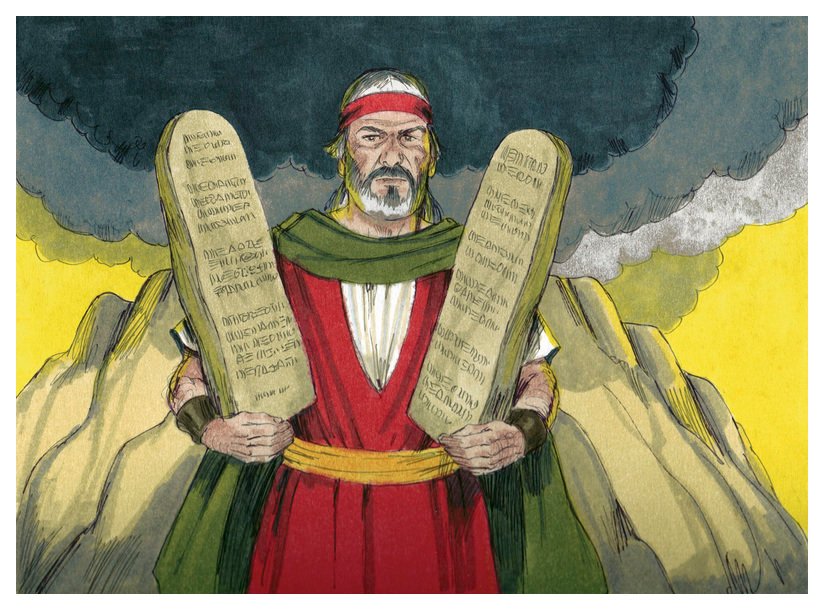
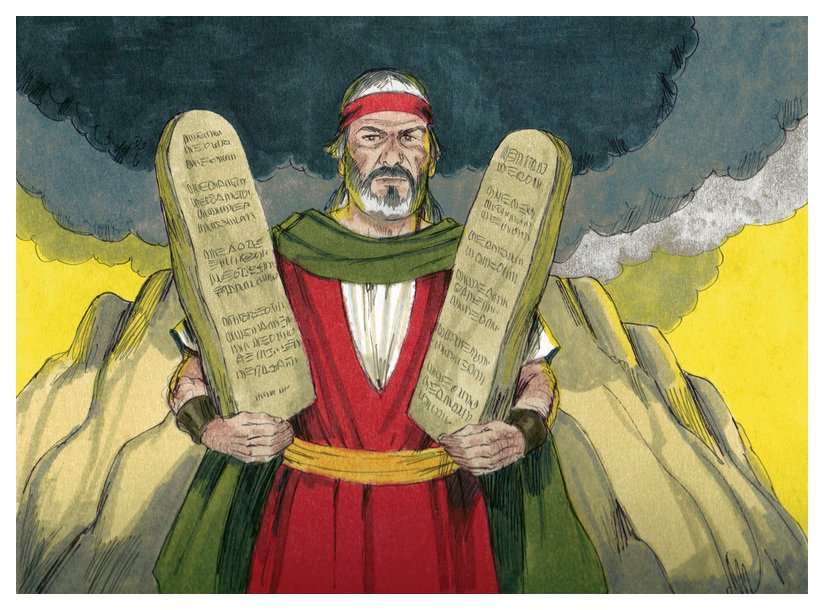
The story of Moses leading the Israelites out of Egypt is one of history’s most powerful narratives. But here’s the uncomfortable truth: archaeologists have found virtually no evidence for a massive Hebrew presence in Egypt or a sudden departure of hundreds of thousands of people. Egyptian records, obsessively detailed about everything else, are silent on this supposed national catastrophe.
This doesn’t mean the story is worthless—it just means we need to understand what kind of story it is. Like many ancient texts, it’s probably preserving cultural memory in mythologized form. Maybe smaller groups of people did leave Egypt at different times, and these experiences grew into the grand narrative we know today.
The lack of archaeological evidence doesn’t diminish the story’s power or meaning for millions of people. It just reminds us that historical truth and religious truth aren’t always the same thing—and that’s okay.
The Knights Templar: History’s Most Persistent Conspiracy
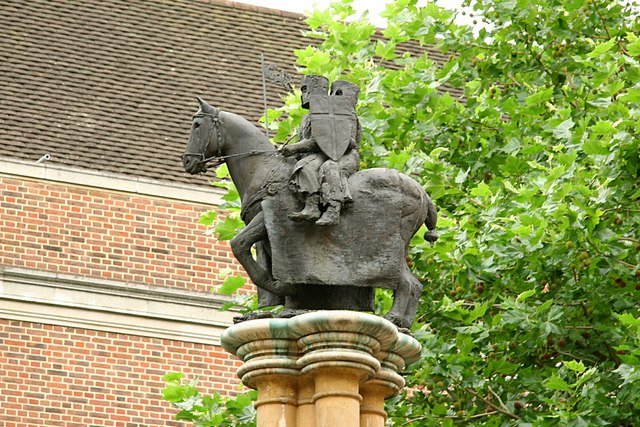
No other medieval organization has spawned more conspiracy theories than the Knights Templar. According to popular culture, they found the Holy Grail, discovered America before Columbus, and are still secretly running the world. The reality is both more mundane and more interesting than the myths.
The Templars were real—a Catholic military order that became incredibly wealthy and powerful during the Crusades. They were also real victims of political persecution when King Philip IV of France decided their wealth was too tempting to resist. In 1307, he had them arrested on charges of heresy and blasphemy, many of which were clearly fabricated.
But here’s where it gets weird: instead of disappearing after their dissolution, the Templars became more famous than ever. Every mystery, every secret society, every hidden treasure somehow connects back to them. They’ve become a historical blank check that conspiracy theorists can fill in with whatever they want.
The Lost Colony of Roanoke: America’s Enduring Mystery
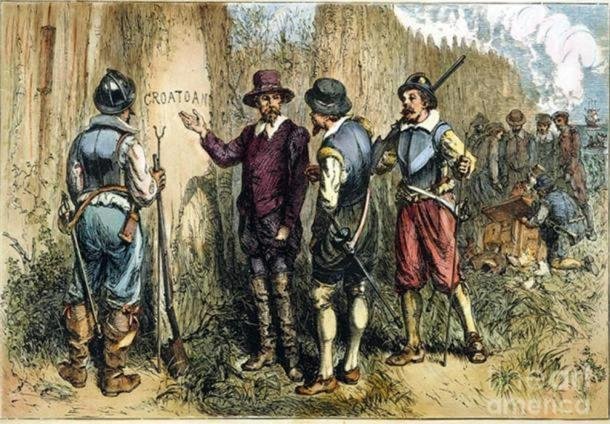
In 1587, 115 English colonists vanished from Roanoke Island without a trace. The only clue was the word “CROATOAN” carved into a fence post. It’s a genuine historical mystery that has never been solved, and that’s exactly why it’s so enduring.
The colonists probably didn’t vanish into thin air—they most likely integrated with local Native American tribes, died of disease, or were killed in conflicts. But “probably” isn’t as satisfying as “mysteriously disappeared,” so the myth of the Lost Colony persists. It’s become a canvas for projecting fears about the wilderness, about survival, about what happens when civilization meets the unknown.
Modern archaeology has found tantalizing clues—artifacts that suggest the colonists might have tried to establish settlements elsewhere, evidence of European goods among Native American sites. But conclusive proof remains elusive, which is perhaps why the story maintains its grip on our imagination.
The Curse of the Pharaohs: Ancient Egypt’s Modern Mythology
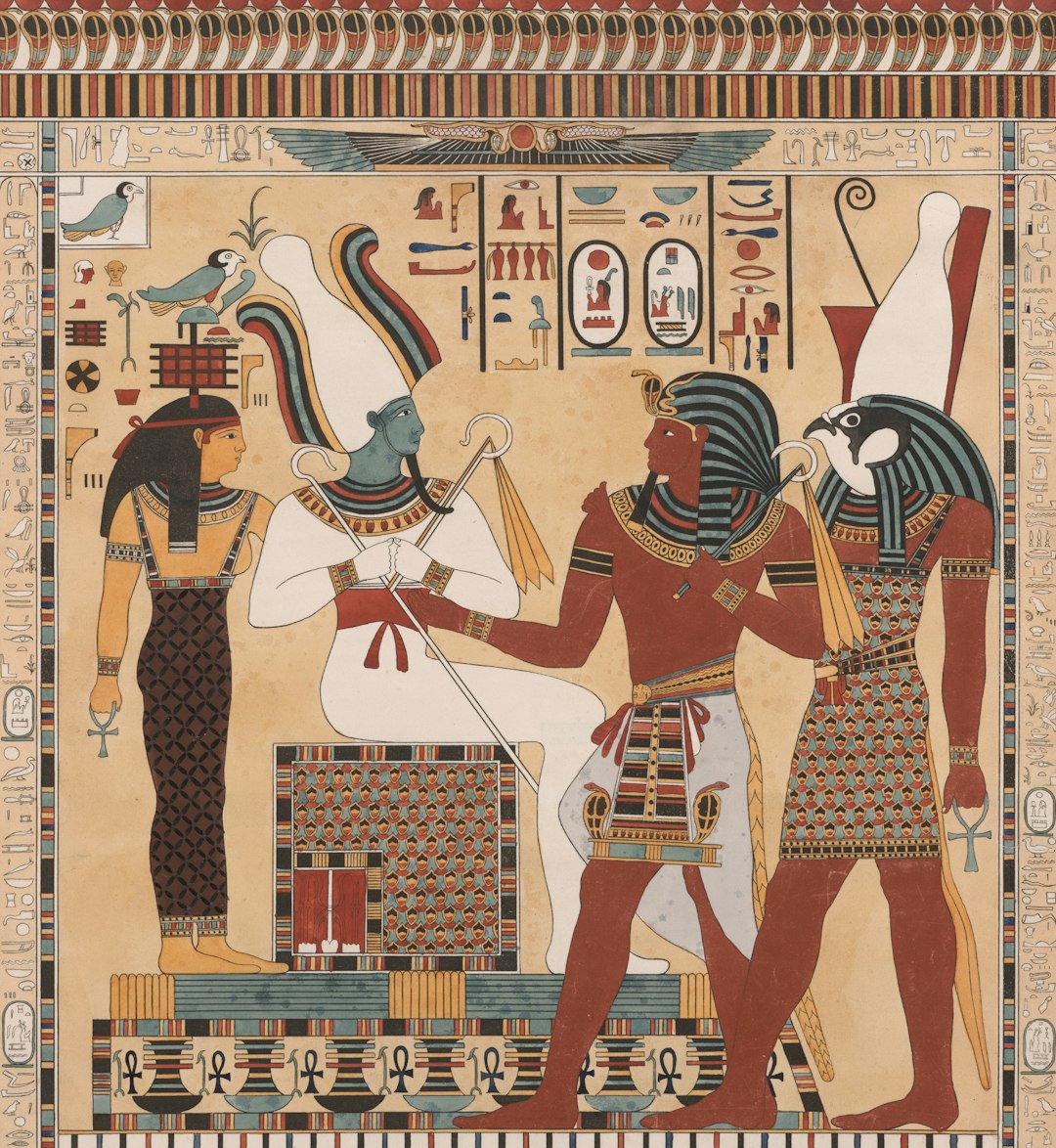
When Howard Carter opened Tutankhamun’s tomb in 1922, he supposedly unleashed an ancient curse that killed anyone who disturbed the pharaoh’s rest. Lord Carnarvon, Carter’s financial backer, died shortly after, and newspapers went wild with stories of supernatural vengeance.
Here’s what actually happened: Carnarvon died of an infected mosquito bite, which was unfortunately common in Egypt at that time. Carter himself lived for another 16 years, dying peacefully in his bed. Most of the other expedition members lived normal lifespans. The “curse” was really just a combination of coincidence, sensationalist journalism, and people’s desire to believe in ancient mysteries.
But the myth of the curse has outlasted the reality. It speaks to something deeper—our fascination with the idea that some things are too sacred to disturb, that the ancient world had powers we’ve lost. It’s easier to believe in curses than to accept that sometimes bad things just happen.
The Fountain of Youth: Ponce de León’s Misunderstood Quest

Every American schoolchild learns that Juan Ponce de León searched Florida for the Fountain of Youth. It’s a neat story: ambitious explorer seeks magical spring that grants eternal life. There’s just one problem—it’s not true.
Ponce de León was actually looking for gold and new lands to colonize. The Fountain of Youth story was attached to his expedition decades later by Spanish chroniclers who loved mixing historical facts with legendary elements. The real irony is that Ponce de León died in Florida, probably from wounds received fighting the Calusa people—not exactly the outcome you’d expect from someone who found the fountain of eternal youth.
The myth persists because it captures something universal about human desire—the wish to escape aging and death. Florida’s tourism industry certainly hasn’t discouraged the legend either. Sometimes the most powerful stories are the ones that tell us what we want to hear, not what actually happened.
When Myths Become More Real Than Reality

Here’s the strangest thing about all these legends: sometimes they become more historically significant than the actual events they’re based on. The idea of King Arthur has shaped English identity for centuries, even though Arthur probably never existed. The search for El Dorado changed the course of South American history, even though the golden city was never there.
These stories reveal something profound about human nature—we need myths to make sense of the world. Facts alone aren’t enough; we need narratives that give meaning to existence, that explain how things came to be, that inspire us to be better than we are. The truth behind these legends isn’t just about what happened in the past—it’s about what we need to believe about ourselves.
Maybe that’s the real lesson here: the line between history and legend isn’t as clear as we’d like to think. Every historical account is shaped by the person telling it, and every legend preserves some grain of truth. The most important question isn’t whether these stories are “real”—it’s what they tell us about the people who created them and the people who keep believing in them.
Did you expect that the stories you grew up with would turn out to be such complex mixtures of truth and fiction?

Christian Wiedeck, all the way from Germany, loves music festivals, especially in the USA. His articles bring the excitement of these events to readers worldwide.
For any feedback please reach out to info@festivalinside.com
