

- 10 Spring 2026 Shoe Trends Every Woman Should Know - August 20, 2026
- 10 Mind-Blowing Literary Theories That Change How You Read Classic Stories - August 20, 2026
- 12 Iconic Buildings Considered Architectural Marvels Around The World - August 20, 2026
The Jim Twins: Separated at Birth, United by Fate

Sometimes life writes stories that are so strange, reality seems to outdo fiction. In 1979, a set of twins was reunited at age 39. They had been separated at four-weeks-old, and for 37 years, hardly knew of each other’s existence. So when they met, there were a few surprises: both boys had been named Jim by their adoptive parents, both loved math and carpentry, and both pursued careers in security. Even eerier, they each married women named Linda, divorced, and remarried women named Betty. As for their kid’s names? James Allan and James Alan.
The coincidences didn’t end there. They each had a son, one named James Alan and one named James Allan. They also each had a dog named Toy. They both got divorced, but later each remarried women named Betty. What are the odds? It makes you wonder if there’s something hardwired into our DNA that goes beyond simple genetics.
Mark Twain and Halley’s Comet: A Cosmic Connection
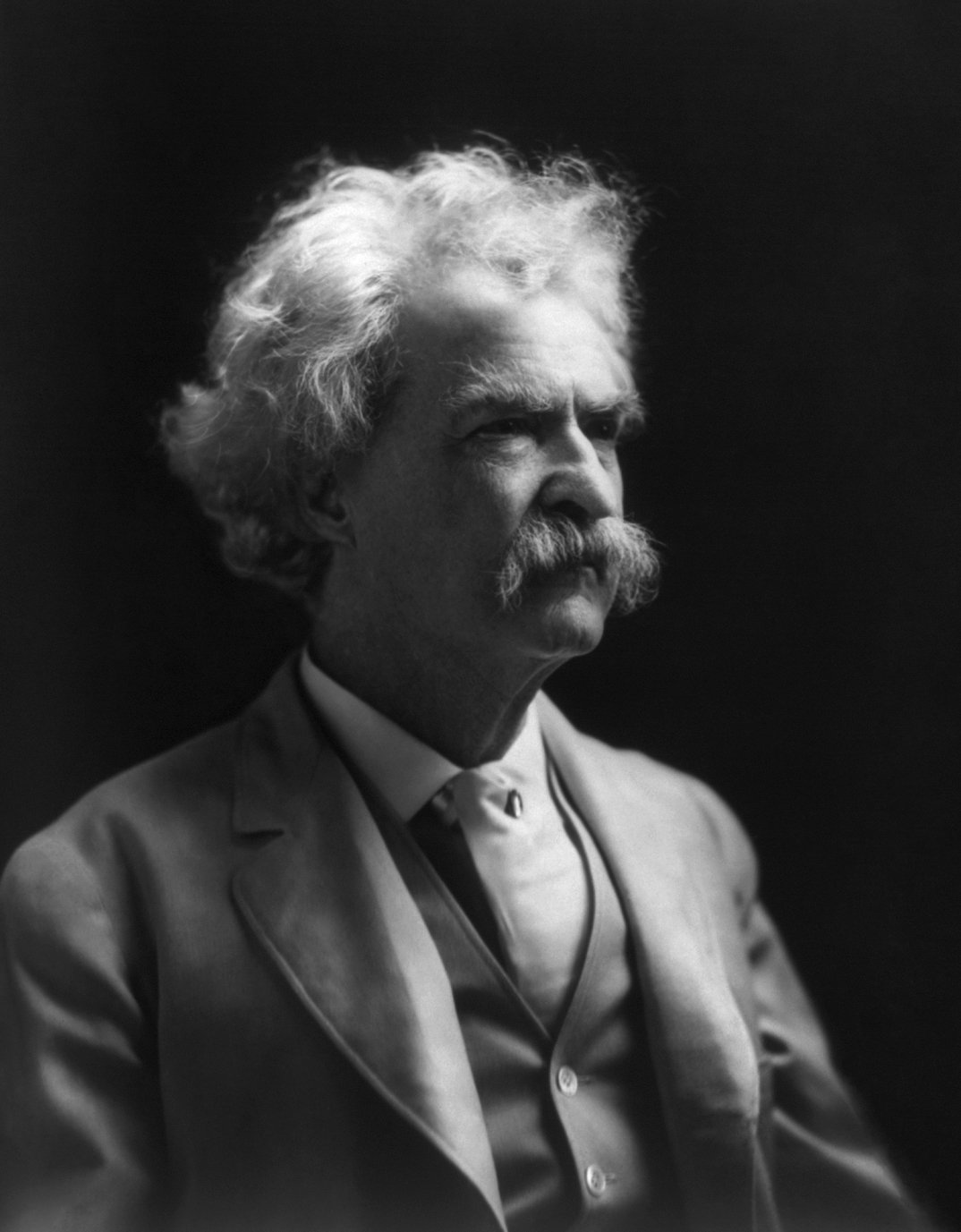
Author Mark Twain was born in 1835, a year that Halley’s Comet was visible from the Earth, a phenomenon that occurs just once every 76 years. The day after the next appearance of the comet, in 1910, Twain died. But this wasn’t just some random occurrence. The year before his death, Twain had actually predicted (and hoped for) this very outcome, stating “I came in with Halley’s Comet in 1835. It is coming again next year, and I expect to go out with it.”
He was quoted as saying: “It will be the greatest disappointment of my life if I don’t go out with Halley’s Comet.” Sometimes the universe seems to have a sense of poetry, granting even our most specific wishes in the most dramatic ways possible.
The Titanic’s Fictional Twin: A Prophetic Novel
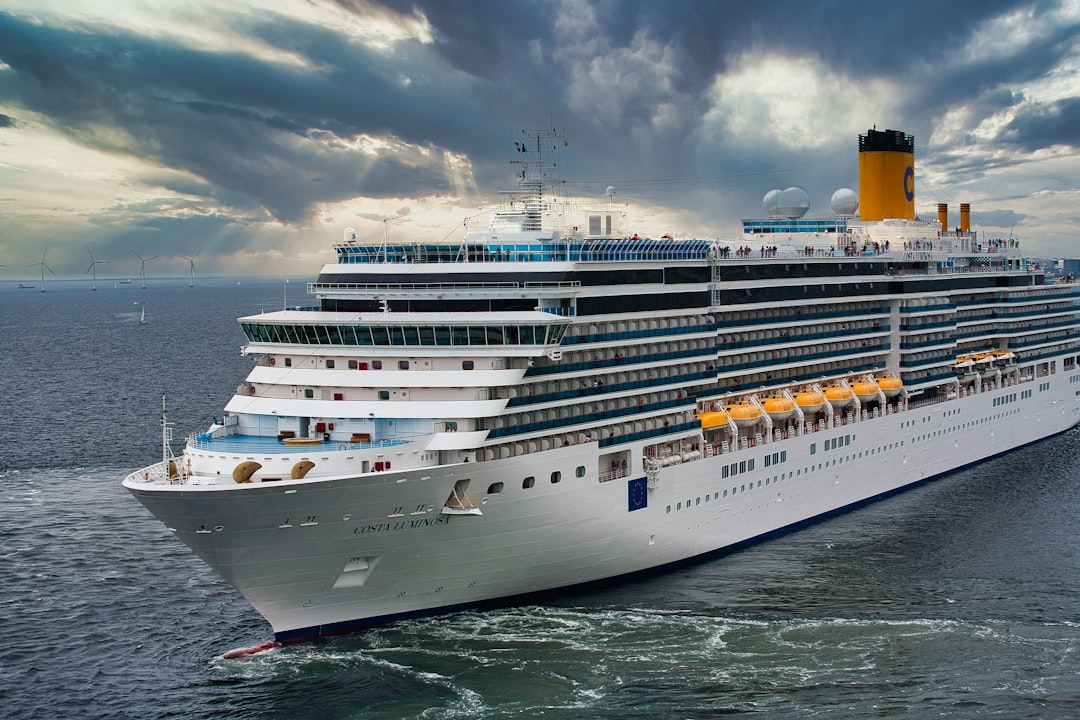
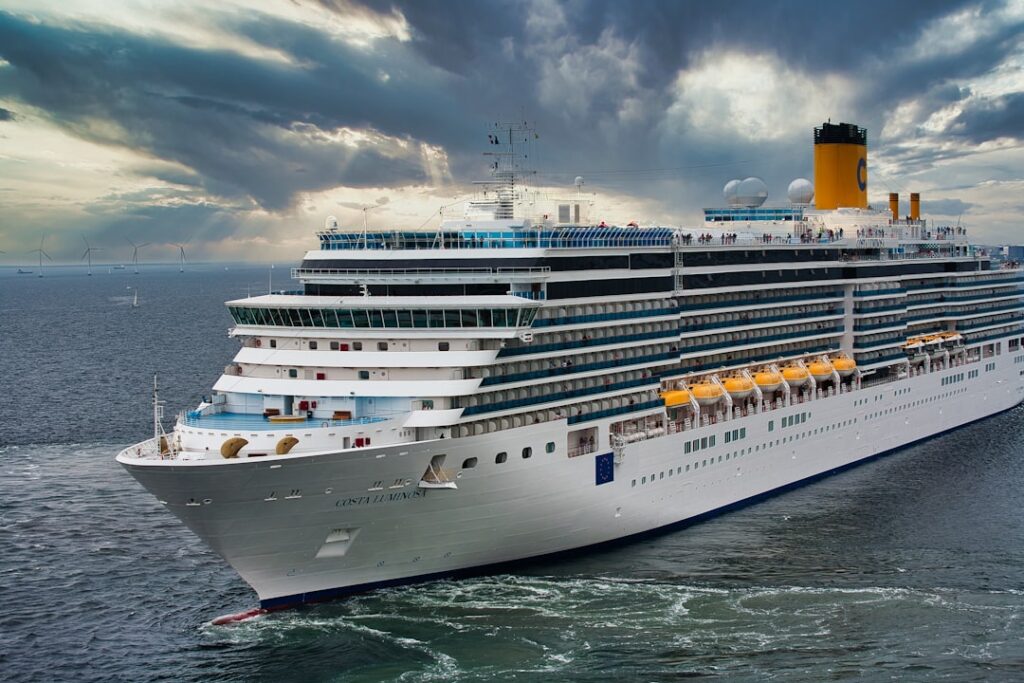
Fourteen years before the Titanic sank, author Morgan Robertson wrote a novel called “Futility” about a massive ship called the Titan. The ship in the book was called the Titan, but that’s not the end of the similarities. For example, like the real Titanic, the Titan was described as unsinkable. They also both had insufficient lifeboats and they both collided with icebergs in the North Atlantic.
The parallels are so precise they’re almost unsettling. Both ships were about 800 feet long, both were considered “unsinkable,” and both met their doom in the same waters. It’s like Robertson had a crystal ball, except his vision was of humanity’s hubris meeting nature’s indifference. Did he somehow tap into the future, or was this just an educated guess about the dangers of maritime overconfidence?
The Assassination That Started WWI: A Sandwich Shop Encounter
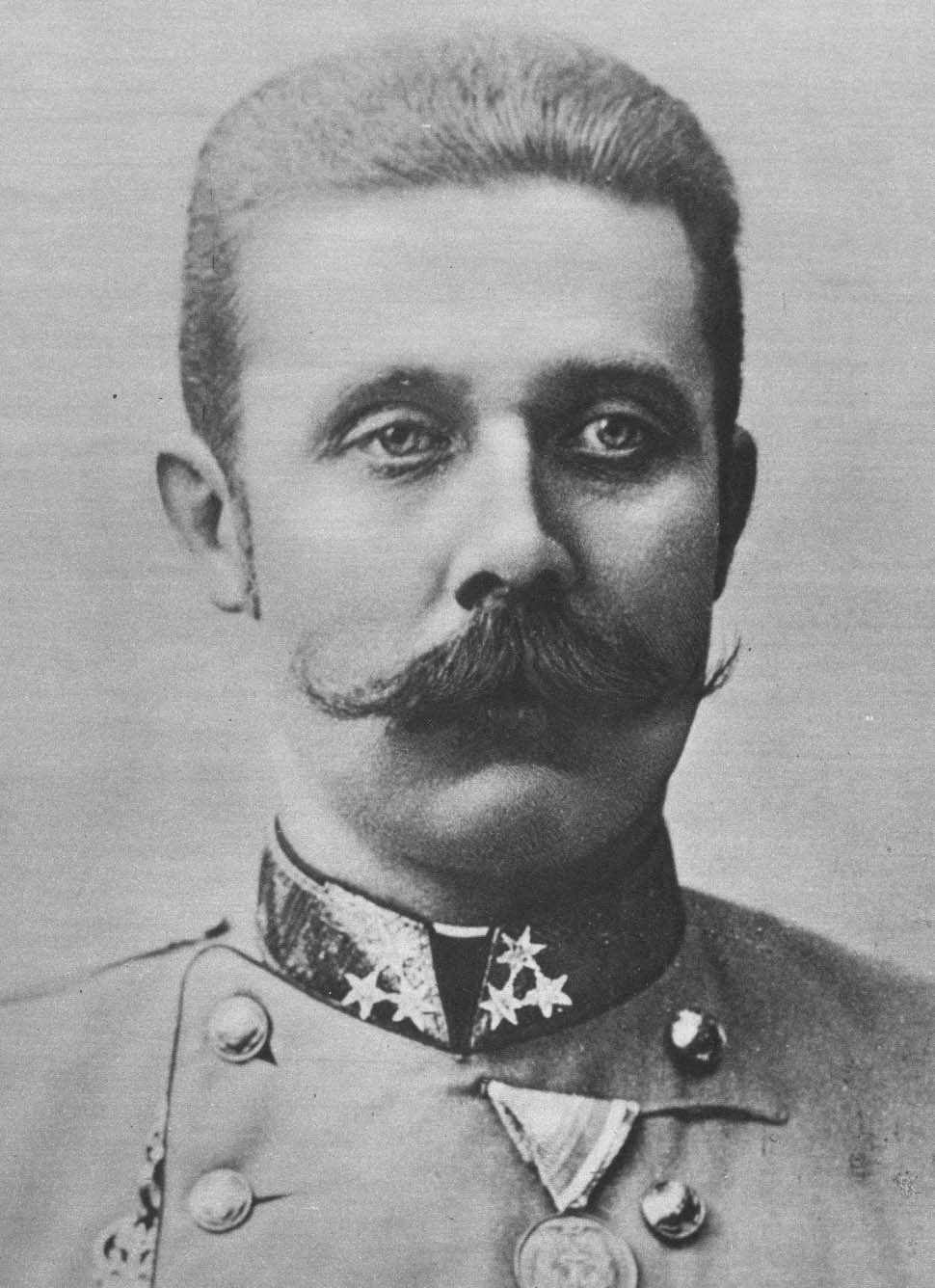
While you might have learned that World War I was caused by the assassination of Archduke Franz Ferdinand, your history teacher could have left out the fact that the assassination was made possible because the assassins stopped for a sandwich. You see, their original attempt to kill the archduke failed miserably: their bomb hit the car behind Ferdinand’s, and he escaped the scene unscathed. Obviously, the assassins were angry about this, and one of them stopped to get a sandwich at a nearby cafe.
Meanwhile, the archduke dashed off in his car, happy to be alive. Unfortunately, his driver made a wrong turn, and passed right by the cafe where his attacker had stopped for a bite to eat. The man saw him, shot the archduke and his wife, and sent the world into a tailspin. A wrong turn and a sandwich craving changed the course of world history. Sometimes the most casual decisions have the most catastrophic consequences.
Edgar Allan Poe’s Chilling Prediction
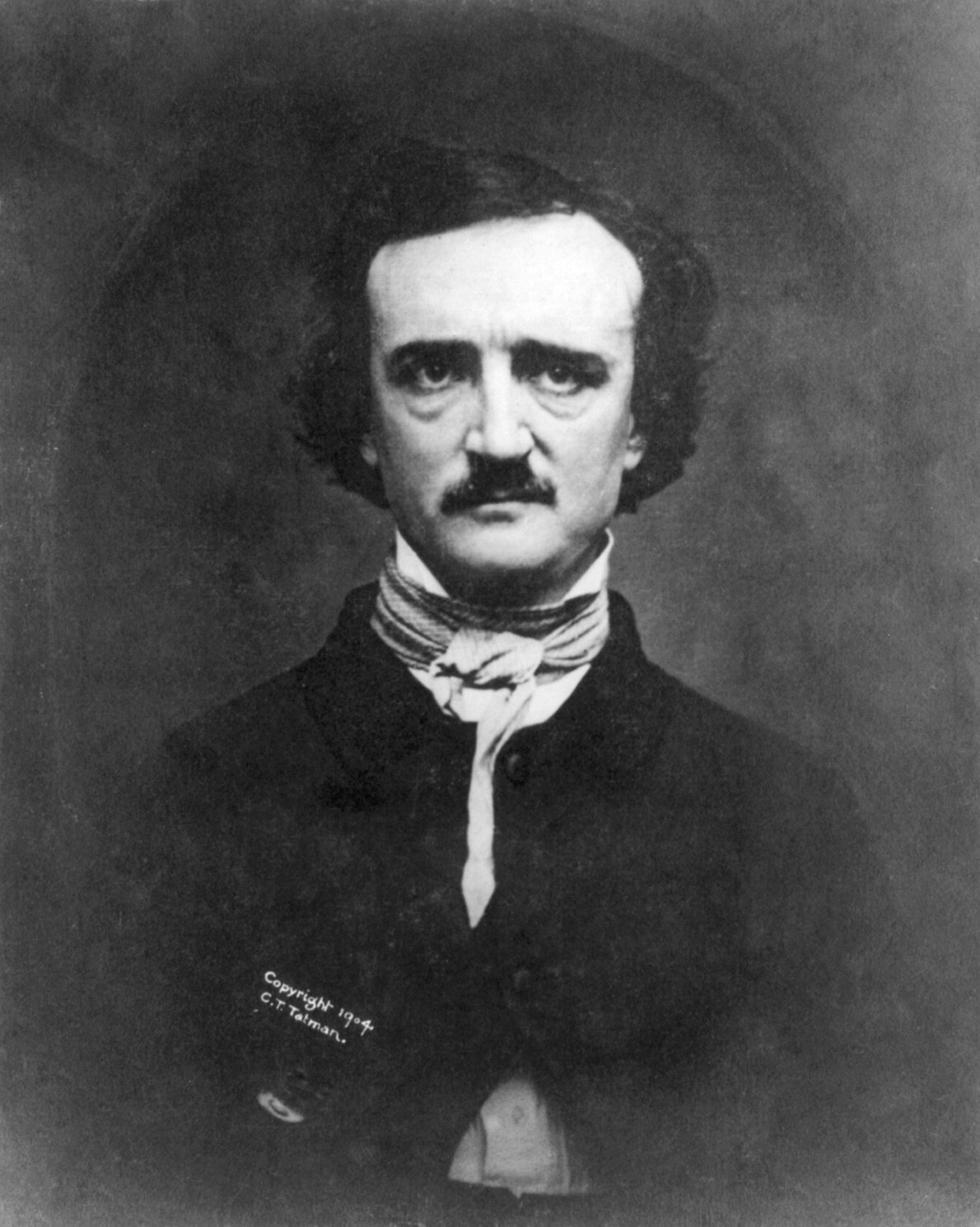
In 1838, Edgar Allan Poe wrote “The Narrative of Arthur Gordon Pym,” a story about shipwrecked sailors who resorted to cannibalism, eating a cabin boy named Richard Parker. It was just another dark tale from the master of gothic horror. But 46 years later, life imitated art in the most disturbing way possible.
In 1884, the yacht Mignonette sank in the South Atlantic, leaving four survivors adrift in a lifeboat. After days without food or water, they made the terrible decision to kill and eat the weakest member of their group. The victim? A 17-year-old cabin boy named Richard Parker. Poe’s fictional cannibalism had become horrifyingly real, right down to the name of the victim.
The Man Who Survived Two Atomic Bombs

Tsutomu Yamaguchi was a Japanese marine engineer who survived both the Hiroshima and Nagasaki atomic bombings during World War II. Although at least 160 people are known to have been affected by both bombings, he is the only person to have been officially recognized by the government of Japan as surviving both explosions. A resident of Nagasaki, Yamaguchi was in Hiroshima on business for his employer Mitsubishi Heavy Industries when the city was bombed at 8:15 AM, on 6 August 1945. He returned to Nagasaki the following day and, despite his wounds, returned to work on 9 August, the day of the second atomic bombing.
That morning, while he was being told by his supervisor that he was “crazy” after describing how one bomb had destroyed the city, the Nagasaki bomb detonated. This was accepted by the Japanese government in March 2009, making Yamaguchi the only person officially recognized as a survivor of both bombings. Speaking of the recognition, he said, “My double radiation exposure is now an official government record. It can tell the younger generation the horrifying history of the atomic bombings even after I die”.
The Brotherly Irony of the Lincoln Assassination
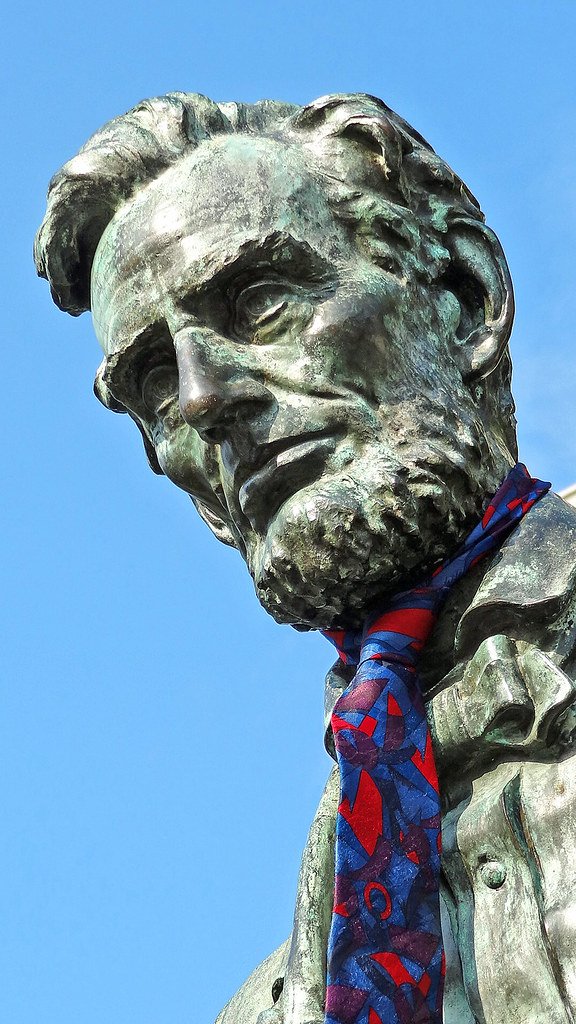
Unlike his now-notorious brother, Edwin Booth was a devoted supporter of the Union during the Civil War—but he also had a more personal connection to the martyred President Abraham Lincoln. In late 1864, Lincoln’s son Robert Todd was traveling via train from New York to Washington, D.C. During a stop in Jersey City, New Jersey, he stepped back on the crowded platform to let others pass by, pressing his back against a stopped train.
As the train started to move, Robert Todd Lincoln slipped and fell into the gap between the platform and the train. Just as he was about to be crushed, someone grabbed him and pulled him to safety. His rescuer was Edwin Booth, the famous actor and brother of John Wilkes Booth. Months later, Edwin’s brother would assassinate Robert’s father. The irony is almost too perfect to believe.
The Eerie Parallels Between Lincoln and JFK
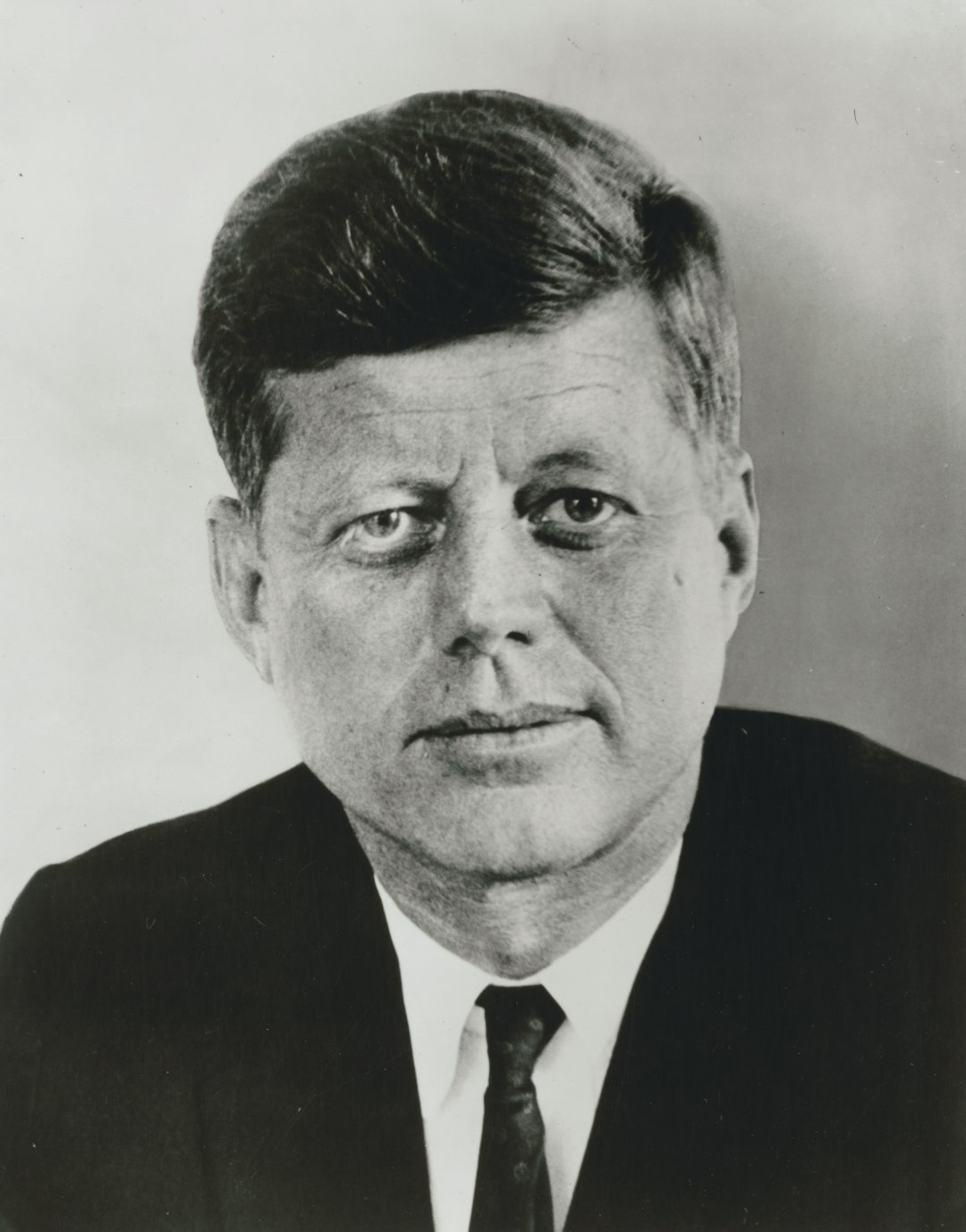
Two of America’s presidents, namely Abraham Lincoln and John F Kennedy, share a multitude of barely believable coincidences. Both were killed from gunshot wounds to the back of the head; both died on a Friday; both died before a celebration (Kennedy was assassinated on the eve of Thanksgiving, Lincoln was killed right before Easter); and each one of them were accompanied by their wife and another couple.
The coincidences go deeper: both were succeeded by vice presidents named Johnson. Lincoln was shot in Ford’s Theatre, Kennedy in a Ford Lincoln car. Both assassins were known by three names and were themselves killed before trial. It’s enough to make conspiracy theorists go wild, but sometimes history just likes to repeat itself in the strangest ways.
Roy Sullivan: The Human Lightning Rod
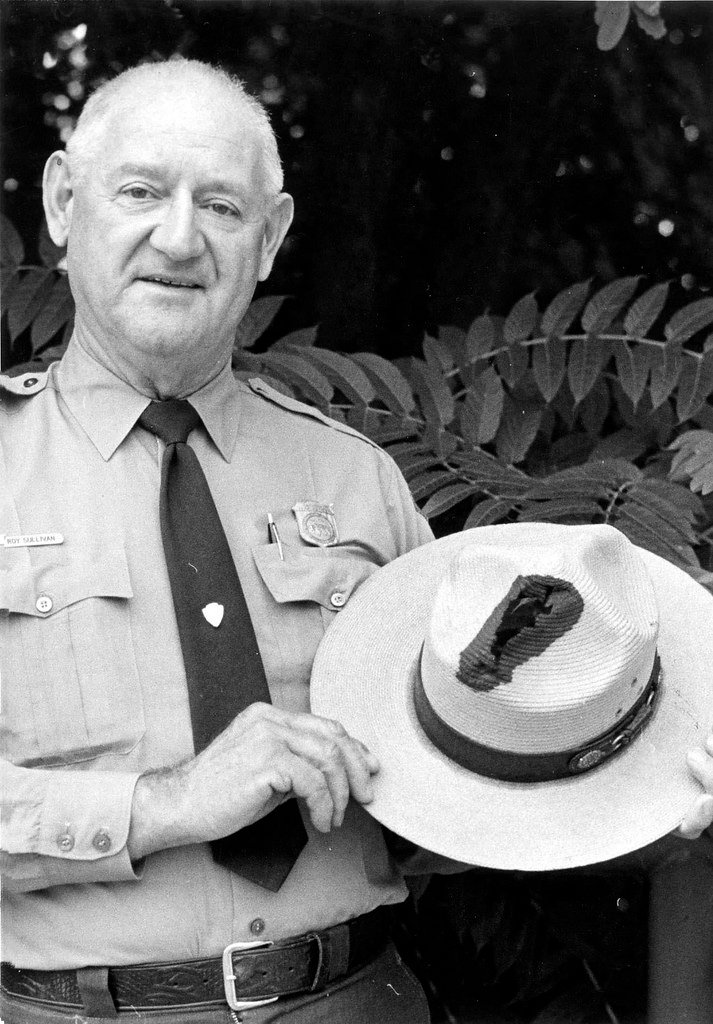
Sullivan is recognized by Guinness World Records as the person struck by lightning more recorded times than any other human being. All seven strikes were documented by the superintendent of Shenandoah National Park, R. Taylor Hoskins. A George Washington University statistics professor once calculated that the odds of somebody being whacked by lightning seven times is 4.15 in 100,000,000,000,000,000,000,000,000,000,000. That’s a lot of zeros.
On June 25, 1977, Sullivan was struck while fishing in a freshwater pool. The lightning hit the top of his head, set his hair on fire, traveled down, and burnt his chest and stomach. Sullivan turned to his car when something unexpected occurred – a bear approached the pond and tried to steal trout from his fishing line. Sullivan had the strength and courage to strike the bear with a tree branch, despite the fact that his hair was on fire. On the morning of September 28, 1983, Sullivan died at the age of 71 from a self-inflicted gunshot wound to the head. Lightning couldn’t kill him, but heartbreak did.
The Unsinkable Violet Jessop
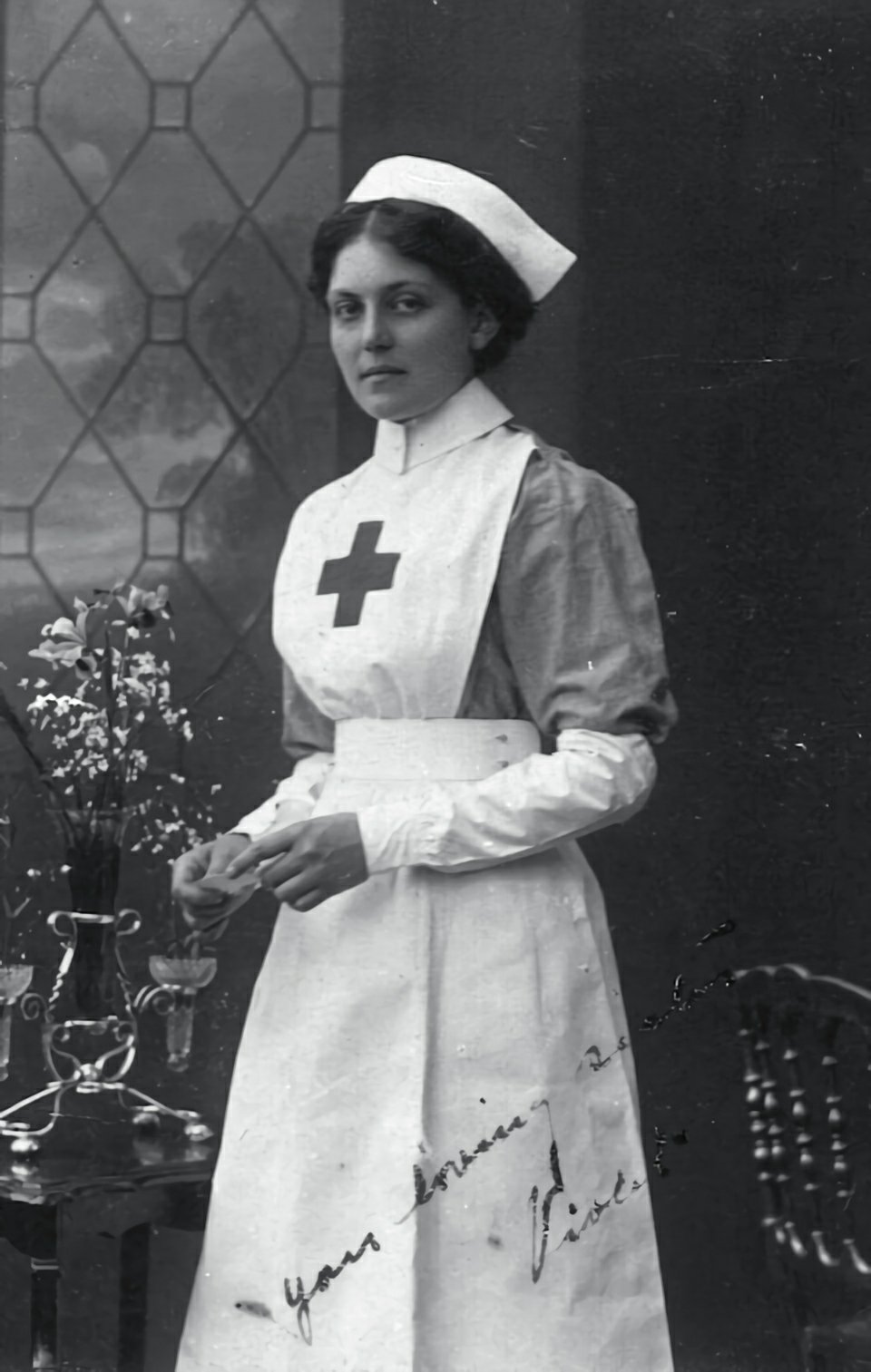
Fortunately for Violet Jessop, she survived all three. Jessop was aboard the RMS Titanic when it sunk in 1912 (she was aboard lifeboat 16 and handed a baby to look after), as well as its sister ship, the HMHS Britannic, when it sunk in 1916 (her lifeboat was nearly sucked under the boat’s propellers, but she jumped out and survived). She was also aboard the third of the sister ships, the RMBS Olympic, when it collided with a British warship in 1911 (there were no fatalities in this one).
Jessop died at 83 of congestive heart failure in 1971. She survived three major maritime disasters involving the Olympic-class ships and lived to tell about all of them. Some people have all the luck—or all the bad luck, depending on how you look at it. Either way, she was one tough lady.
The Strange Case of Anthony Hopkins and the Lost Book
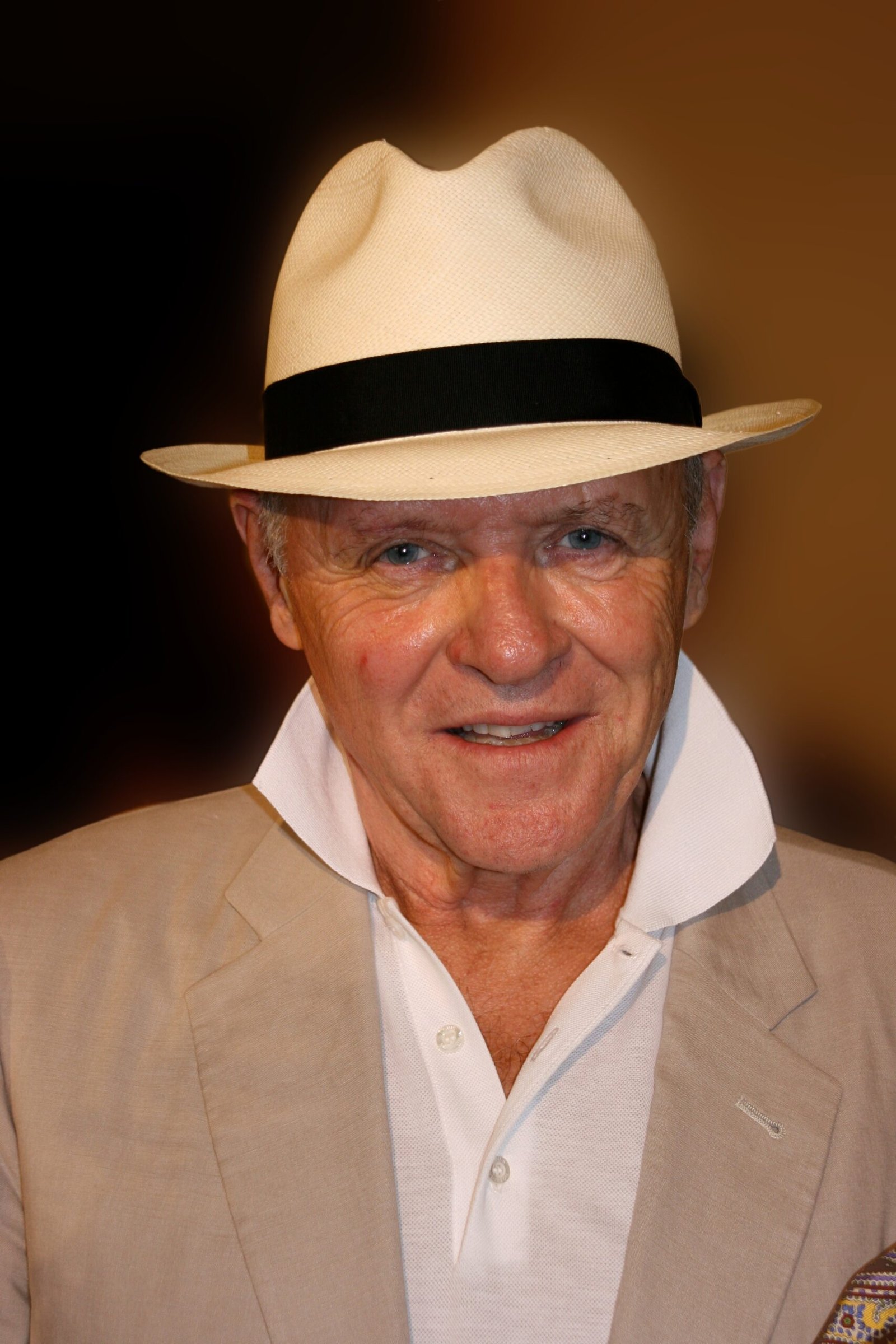
When Anthony Hopkins was preparing for his role in The Girl from Petrovka, he wanted to find a version of the book (written by George Feifer) so he could study it before filming began. But wherever he looked, he couldn’t find a copy until one day, while sitting on the subway, he found a copy on the carriage in which he was travelling. But that’s not the end, because when Hopkins later met the author, Feifer told him that he also didn’t have a copy of the book. Why? Because he’d lent his last one to a friend, who had then accidentally lost it on the subway!
The book Hopkins found was the exact same copy the author had lost. In a city of millions, on a subway system with hundreds of trains, Hopkins found the one book he needed—and it happened to be the author’s personal copy. Some coincidences are so perfect they almost seem orchestrated by the universe itself.
The Double Lottery Winner’s Tragic Tale
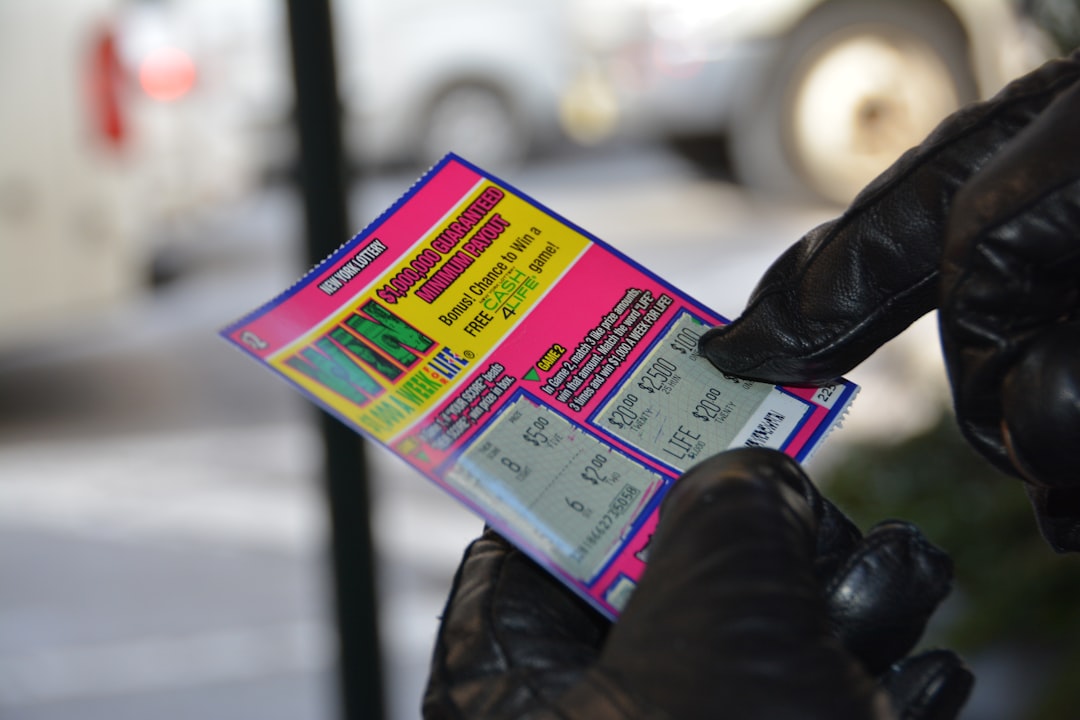
In 1980, Maureen Wilcox experienced an extraordinary stroke of luck when she bought tickets for the Massachusetts State Lottery and the Rhode Island State Lottery. Incredibly, she picked the winning numbers for both lotteries. However, her luck took a strange twist when it was discovered that she had mixed up the tickets and entered the winning numbers for Massachusetts in Rhode Island and vice versa, leaving her with no winnings at all.
Meanwhile, in 1985, Evelyn Adams won the New Jersey lottery twice in four months. The odds of this happening were calculated at 1 in 17 trillion. Unfortunately, her incredible luck eventually ran out when she lost all her winnings gambling in Atlantic City. Sometimes extraordinary fortune can be a blessing and a curse rolled into one.
The Cursed Tomb of Tamerlane

On June 20, 1940, Soviet archaeologists uncovered the tomb of Tamerlane, a descendent of Genghis Khan. A warning inscription read “Whoever opens my tomb will unleash an invader more terrible than I.” They opened it anyway. Germany invaded the Soviet Union two days later.
The timing was so precise it’s almost supernatural. Tamerlane, the 14th-century conqueror who terrorized much of Asia and Europe, seemed to reach beyond the grave to fulfill his curse. The Soviet Union, which had just disturbed his eternal rest, found itself facing the largest invasion in human history. Sometimes ancient warnings should be taken seriously.
The Hoover Dam’s Deadly Bookends
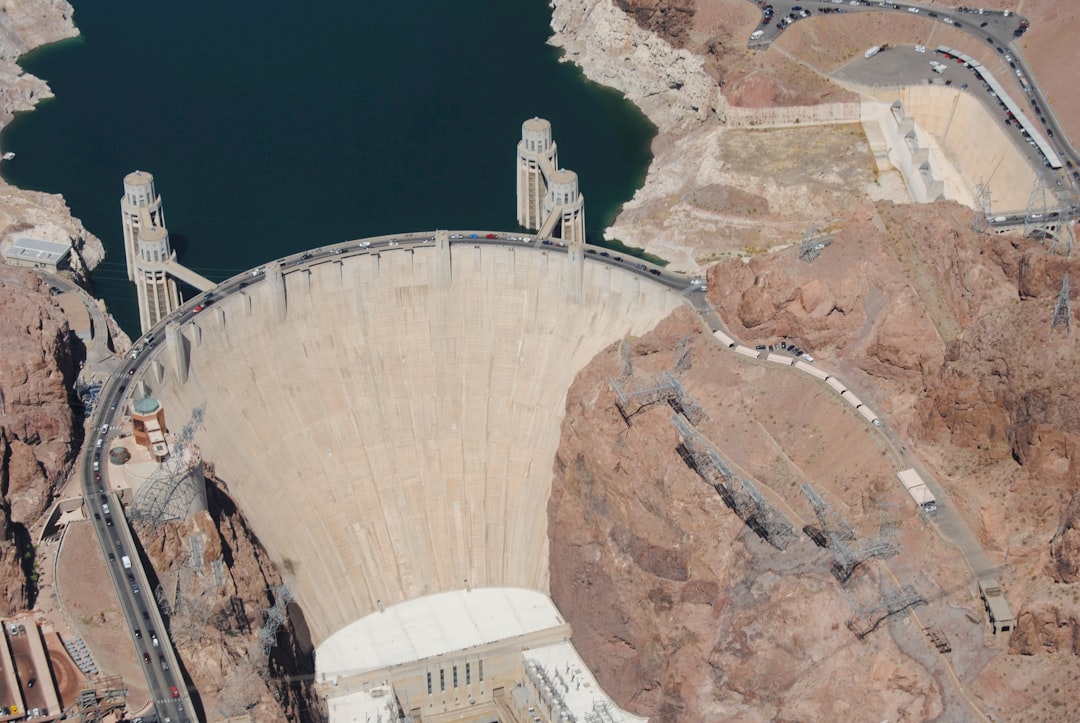
The first worker to die during the dam’s construction was J.G. Tierny on December 20, 1922. The last person to die there was J.G. Tierny’s son, who died on December 20, 1935. According to the United States Bureau of Reclamation, out of the estimated 21,000 people that worked on the building of the Hoover Dam, there were 96 deaths on the job site. Among the first was J.G. Tierney, who drowned along with his colleague on December 20, 1922 while conducting a geological survey prior to construction.
The fact that father and son died exactly 13 years apart on the same date during the same construction project is haunting. It’s like the dam demanded a sacrifice from the same family to mark both the beginning and end of its construction. The mathematical precision of this tragedy makes it all the more chilling.
The German Day of Fate

Germans have their own coincidentally significant day: November 9. A number of famous or infamous events in German history have fallen on that day, from the announcement of Kaiser Wilhelm II’s abdication of the throne in 1918 (which put an end to the German monarchy), to the horrors of Kristallnacht in 1938. In 1989, the Berlin Wall fell on November 9, cementing the day’s standing in the German public consciousness.
Germans even have a word for it: Schicksalstag, or “The Day of Fate.” It’s remarkable how history seems to converge on certain dates, as if time itself has chosen specific moments to reshape the world. November 9th has become Germany’s most significant date, marking both its darkest hours and its greatest triumphs.
Conclusion: When Reality Defies Logic

These bizarre coincidences remind us that our world is far stranger and more interconnected than we often realize. While skeptics might dismiss these as mere statistical anomalies or selective storytelling, the sheer precision and timing of these events suggest something more mysterious at work. Whether it’s the universe’s sense of humor, the invisible threads of fate, or just the law of large numbers playing out in spectacular fashion, these stories captivate us because they challenge our understanding of probability and causation.
From twins living identical lives to men surviving impossible odds, these coincidences make us question whether there’s a hidden pattern to existence or if we’re simply witnesses to the most improbable moments in an infinitely complex universe. What do you think—are these just random events, or is there something more mystical connecting the dots of human experience?

Besides founding Festivaltopia, Luca is the co founder of trib, an art and fashion collectiv you find on several regional events and online. Also he is part of the management board at HORiZONTE, a group travel provider in Germany.
