

- 10 Spring 2026 Shoe Trends Every Woman Should Know - August 20, 2026
- 10 Mind-Blowing Literary Theories That Change How You Read Classic Stories - August 20, 2026
- 12 Iconic Buildings Considered Architectural Marvels Around The World - August 20, 2026
Michael Jackson – Thriller (1983)
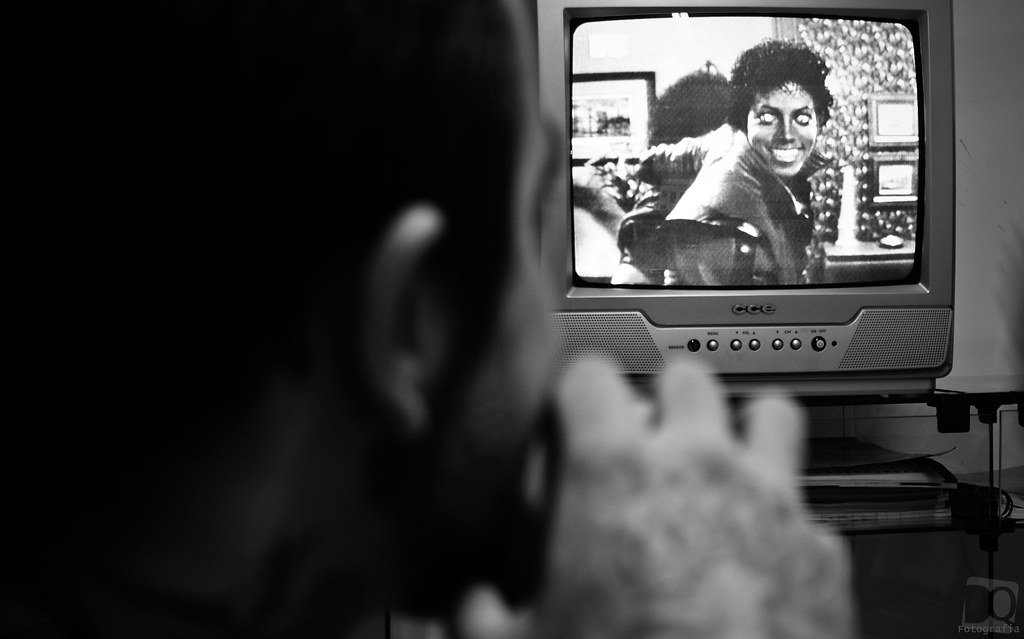
Picture this: It’s 1983, and MTV is still figuring out what it wants to be. Then comes Michael Jackson with a 14-minute horror movie disguised as a music video. John Landis didn’t just direct a promotional clip – he crafted a genuine short film that redefined what music videos could achieve.
The production budget of $500,000 was astronomical for its time, but every penny shows on screen. From the werewolf transformation to the iconic zombie choreography, Thriller became a cultural phenomenon that transcended music. It’s essentially a mini-movie with three distinct acts, complete with dialogue, character development, and genuine scares.
Madonna – Like a Prayer (1989)
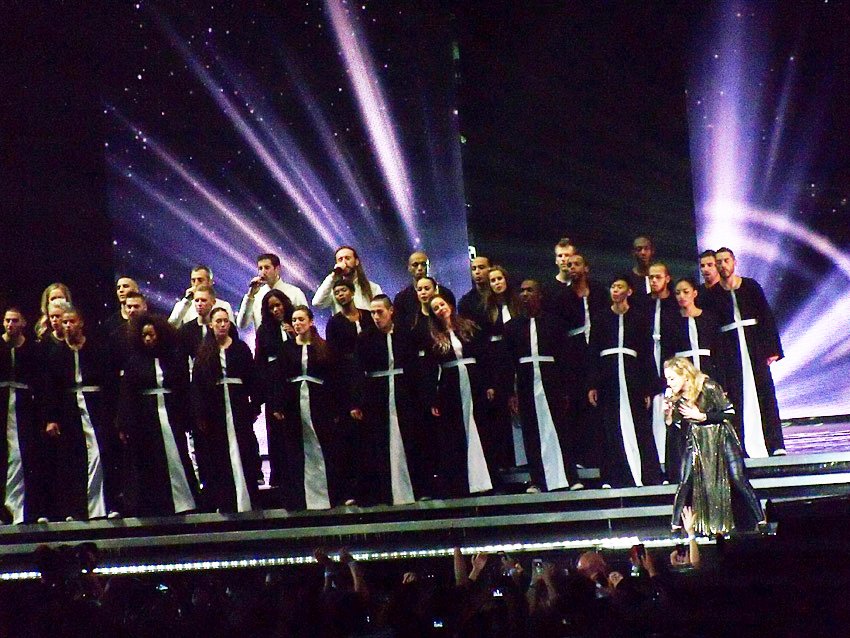
Religious imagery mixed with racial tensions and burning crosses – Madonna’s ‘Like a Prayer’ was controversial before controversial was cool. Mary Lambert’s direction turned what could have been a simple performance video into a powerful statement about faith, prejudice, and redemption.
The video tells a complete story in just five minutes, featuring Madonna witnessing a crime, finding refuge in a church, and experiencing a spiritual awakening. The cinematography is stunning, with each frame carefully composed like a Renaissance painting. Vatican officials condemned it, which probably made Madonna smile even wider.
Beyoncé – Formation (2016)

Melina Matsoukas created something that felt less like a music video and more like a visual manifesto. Released just one day before Beyoncé’s Super Bowl halftime show, “Formation” packed decades of African American history into four minutes of pure artistic power.
The imagery is deliberately provocative – from the police car sinking into floodwater to the “Stop shooting us” graffiti. But it’s the technical execution that elevates it beyond mere activism. The costume design, the choreography, the way each shot builds on the previous one – it’s filmmaking at its finest, just wrapped in a pop song.
Lady Gaga – Bad Romance (2009)
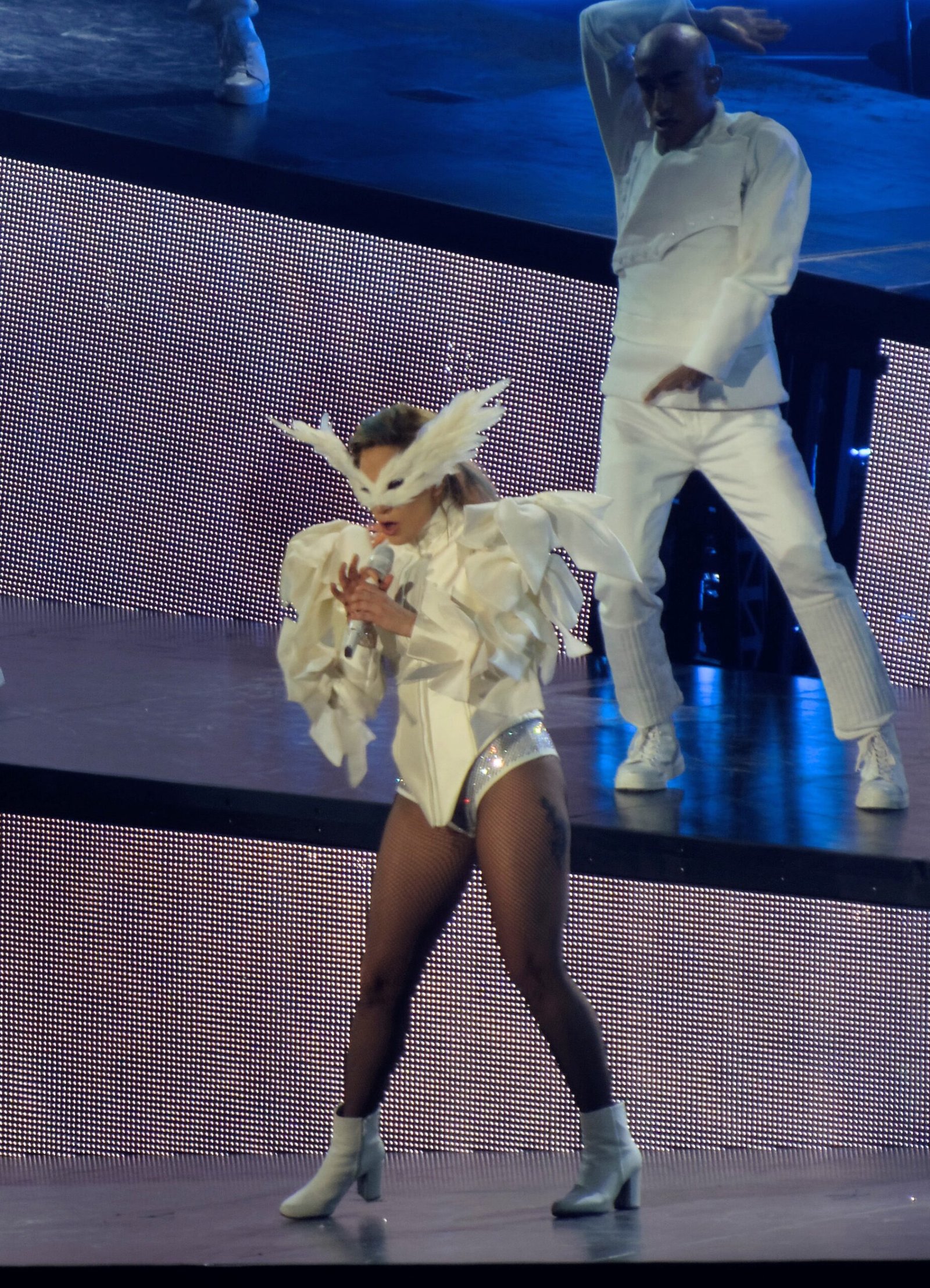
Francis Lawrence took Lady Gaga’s already theatrical persona and amplified it into something that feels like a fever dream directed by Stanley Kubrick. The production design alone deserves awards – those white bathhouse sets, the diamond-encrusted costumes, the surreal choreography that looks like modern art in motion.
What makes this video Oscar-worthy isn’t just the visual spectacle, but how it tells a story about commodification and desire without a single word of dialogue. The narrative unfolds through pure imagery, from the opening auction scene to the fiery conclusion. It’s pop music as high art, and somehow it works perfectly.
George Michael – Freedom! ’90 (1990)

David Fincher was already establishing himself as a master of visual storytelling when he directed this video, and “Freedom! ’90” shows why. The concept is deceptively simple – supermodels lip-syncing while George Michael’s iconic imagery burns. But the execution is flawless.
Fincher’s signature style is evident in every frame: the precise camera movements, the perfect lighting, the way he captures both vulnerability and power in the models’ performances. It’s a video about artistic rebirth, and the director treats it with the seriousness of a character study. The fact that George Michael himself never appears makes it even more powerful.
My Chemical Romance – Welcome to the Black Parade (2006)
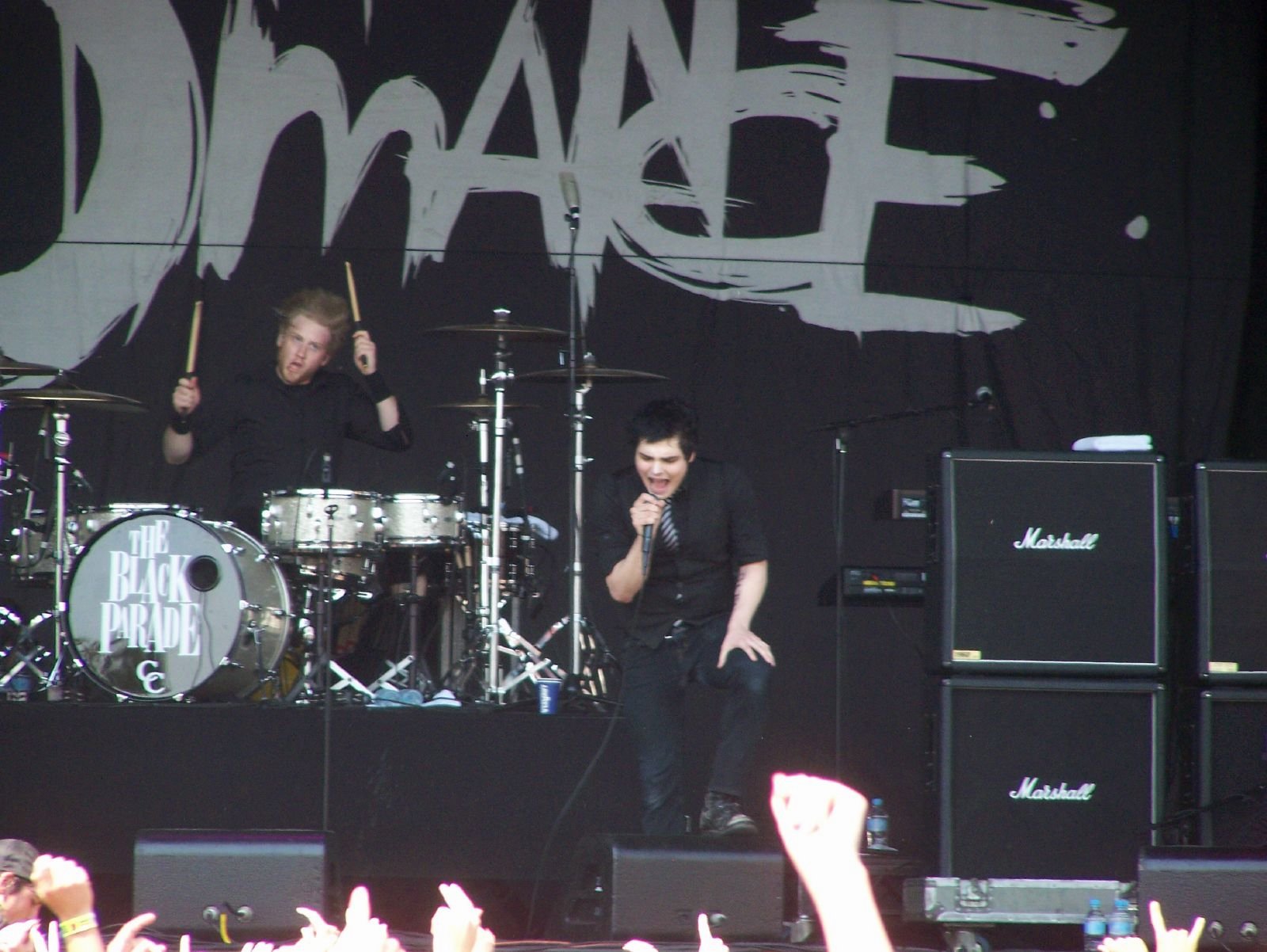
Samuel Bayer turned an emo anthem into a full-scale rock opera that feels like ‘The Wall’ meets ‘A Clockwork Orange.’ The video’s opening sequence alone – with the marching band in the desert – is more visually striking than many Hollywood blockbusters.
The production value is insane for a rock video. The elaborate costumes, the synchronized marching choreography, the way the band members’ makeup becomes increasingly theatrical as the video progresses. It’s a complete artistic statement that matches the song’s epic scope. You can feel the director’s vision in every cut.
Taylor Swift – All Too Well: The Short Film (2021)
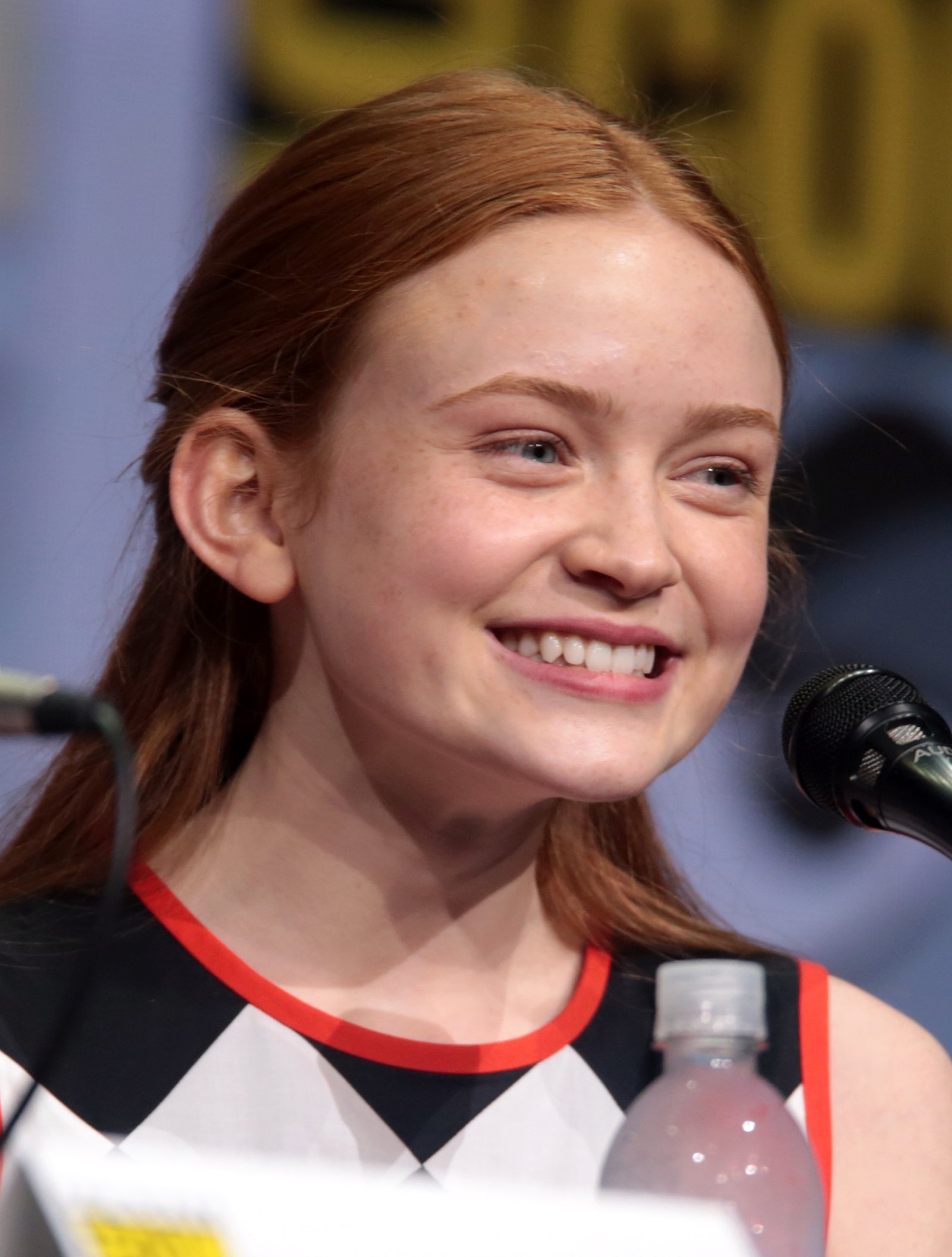
Taylor Swift proved she’s not just a songwriter but a legitimate filmmaker with this 15-minute emotional journey. The video functions as a complete short film, with a beginning, middle, and end that could stand alone without the song.
The performances from Sadie Sink and Dylan O’Brien are genuinely affecting, and Swift’s direction shows remarkable restraint and maturity. She uses close-ups and long shots with the precision of an experienced filmmaker, creating moments of intimacy that feel voyeuristic. The autumn cinematography is gorgeous, making every frame look like a painting.
Tool – Schism (2001)
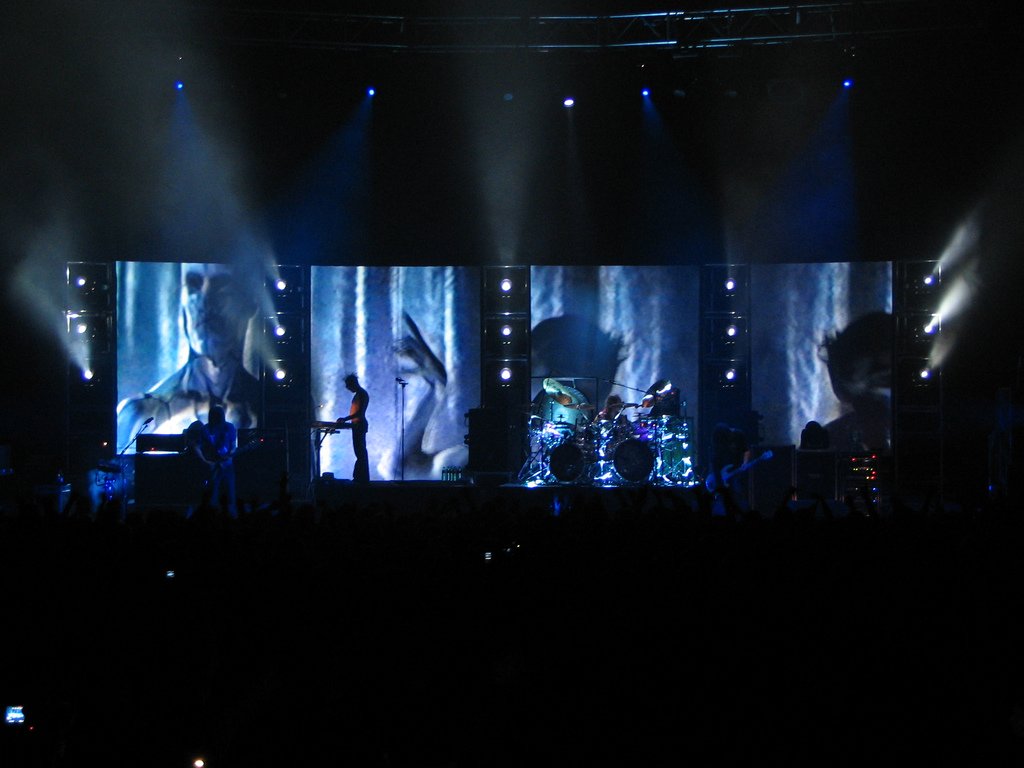
Adam Jones created something that belongs in a contemporary art museum as much as on MTV. The stop-motion animation technique used in “Schism” is painstakingly detailed, with each frame hand-crafted to create an otherworldly experience.
The video’s abstract imagery perfectly matches Tool’s complex musical arrangements. Bodies morph and transform in ways that are both beautiful and disturbing, creating a visual language that speaks to the song’s themes of disconnection and fracture. It’s experimental filmmaking disguised as a rock video, and it pushes the medium into entirely new territory.
OK Go – This Too Shall Pass (2010)

James Frost and OK Go created something that seems impossible – a single-take video featuring an elaborate Rube Goldberg machine that actually works. The technical achievement alone is staggering, but what makes it Oscar-worthy is the sheer joy and creativity on display.
Every element had to be perfectly timed and executed, from the paint cannons to the falling pianos. It’s like watching a live-action cartoon, but one that required months of engineering and countless takes to achieve. The video celebrates the beauty of mechanical precision while remaining completely playful and accessible.
Kendrick Lamar – Alright (2015)

Colin Tilley created a video that feels like a documentary and a music video simultaneously. The black-and-white cinematography gives it a timeless quality, while the content – police brutality, systemic racism, community strength – makes it urgently contemporary.
The video’s most powerful moment comes when Kendrick is literally carried by his community, floating above the streets like a modern-day prophet. It’s both metaphorical and literal, showing how art can elevate and inspire. The technical execution is flawless, but it’s the emotional impact that makes it unforgettable.
Radiohead – Just (1995)

Image:Thom Yorke (Amsterdam).jpg by Michell Zappa
Image:CGreenwood2006-06Radiohead.jpg by Jesse Aaron Safir
Image:Jonny Greenwood (Amsterdam).jpg by Michell Zappa
Image:Radiohead in amsterdam.jpg by Michell Zappa
Image:Phil Selway.jpg by Michell Zappa, CC BY-SA 2.5, https://commons.wikimedia.org/w/index.php?curid=3232309)
Jamie Thraves directed what might be the most frustrating and brilliant music video ever made. The entire video builds toward a moment of revelation that never comes, leaving viewers with questions that will never be answered.
The video follows a man lying on the sidewalk, drawing a crowd of curious onlookers. When he finally reveals why he’s there, the subtitles disappear, and we never learn his secret. It’s a masterclass in tension and release, using the medium’s limitations as strengths. The cinematography is crisp and professional, but it’s the narrative structure that makes it genius.
Rihanna – Bitch Better Have My Money (2015)

Rihanna co-directed this video with Megaforce, and the result is a stylish thriller that wouldn’t look out of place in a Tarantino film. The video follows a revenge plot with genuine narrative complexity, complete with character development and plot twists.
The cinematography is gorgeous, with each scene carefully lit and composed. The costume design tells its own story, from the innocent housewife disguise to the final scene’s glamorous reveal. It’s pop music as crime drama, and somehow it works perfectly. The violence is stylized but never gratuitous, serving the story rather than dominating it.
Major Lazer – Get Free (2012)
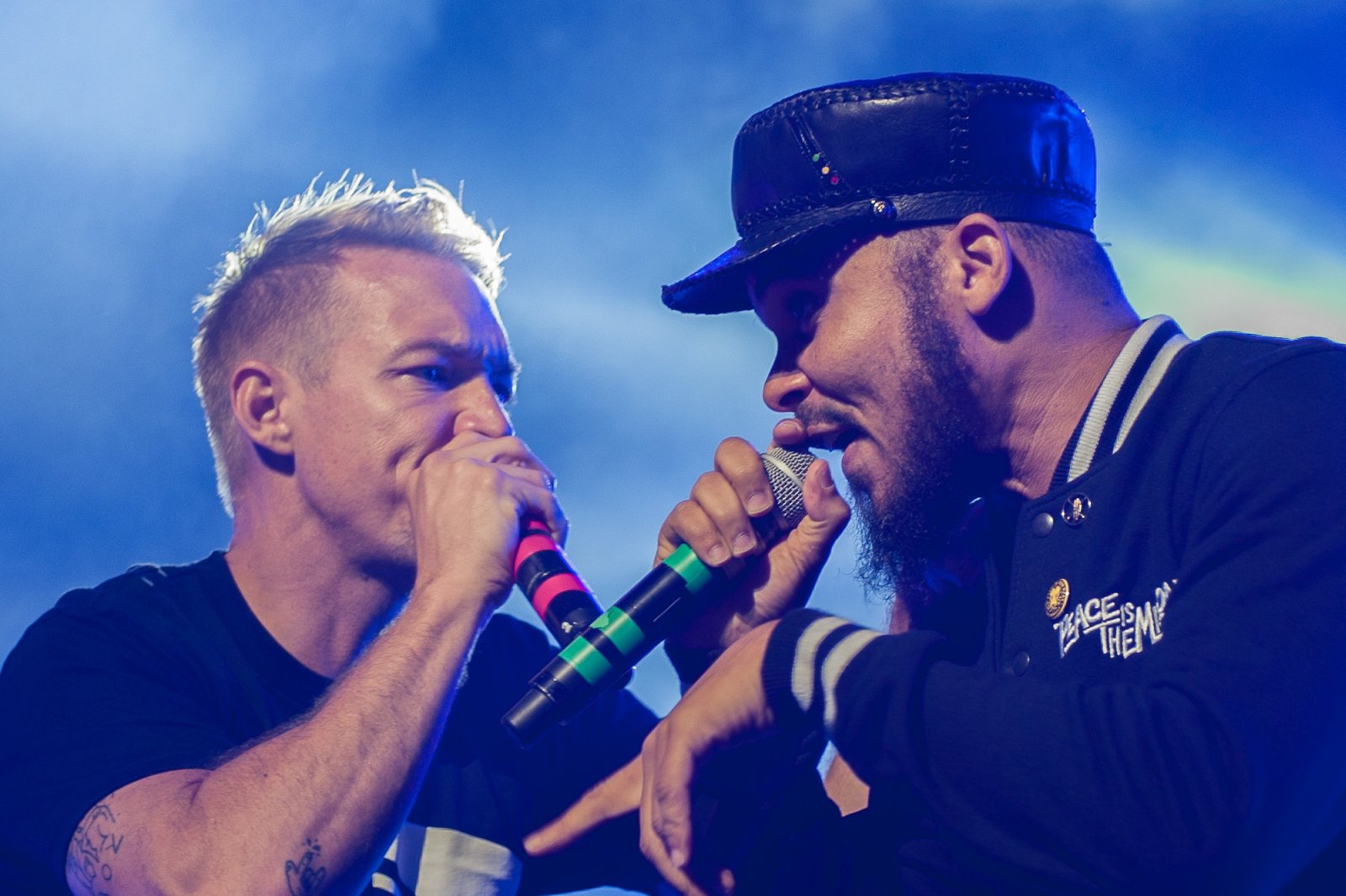
So Me directed this animated masterpiece that feels like a feature film compressed into four minutes. The video follows a young girl’s journey through a fantastical world, with each scene more visually stunning than the last.
The animation style is unique – somewhere between traditional hand-drawn animation and modern digital techniques. The color palette is vibrant and dreamlike, creating a world that feels both familiar and completely alien. It’s storytelling through pure imagery, with no dialogue needed to convey the emotional journey.
The Blaze – Territory (2017)

The Blaze directed their own video, creating something that feels more like a short film than a music video. The story follows a group of young men in a car, but the emotional journey goes far deeper than the simple premise suggests.
The cinematography is stunning, with each shot carefully composed to maximize emotional impact. The way the camera captures both the claustrophobia of the car and the vastness of the landscape creates a perfect visual metaphor for the themes of escape and belonging. It’s intimate and epic simultaneously.
Little Simz – Young (2025)
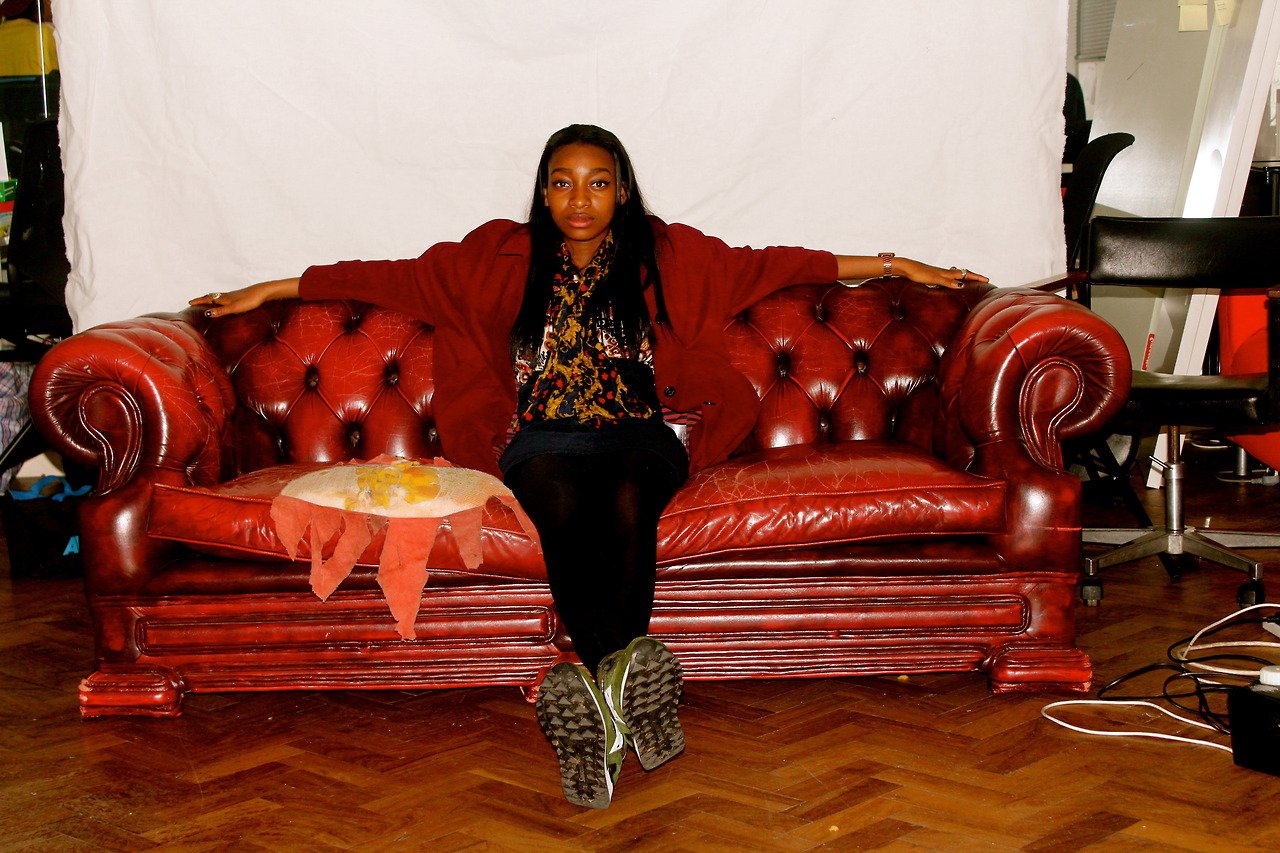
Jeremy Cole directed this video that perfectly captures the complexity of growing up in modern Britain. The video follows a young person navigating family expectations, peer pressure, and personal identity, all while maintaining visual sophistication that rivals independent films.
The performance from the young actor is genuinely moving, and Cole’s direction brings out nuances that many feature films miss. The cinematography is naturalistic but beautiful, finding poetry in everyday moments. It’s a video that treats its subject matter with the seriousness it deserves while remaining accessible and emotionally resonant.
Coldplay – Life in Technicolor ii (2008)

Dougal Wilson created something magical with this video – a story told entirely through the actions of a cleaning lady in an empty office building. The concept is simple, but the execution is flawless, turning mundane office spaces into a playground of imagination.
The video’s charm lies in its simplicity and humanity. Watching the character interact with office supplies and furniture creates genuine moments of joy and wonder. It’s a video that celebrates creativity and finds beauty in the ordinary. The cinematography is clean and professional, but it’s the performance and concept that make it special.
Conclusion
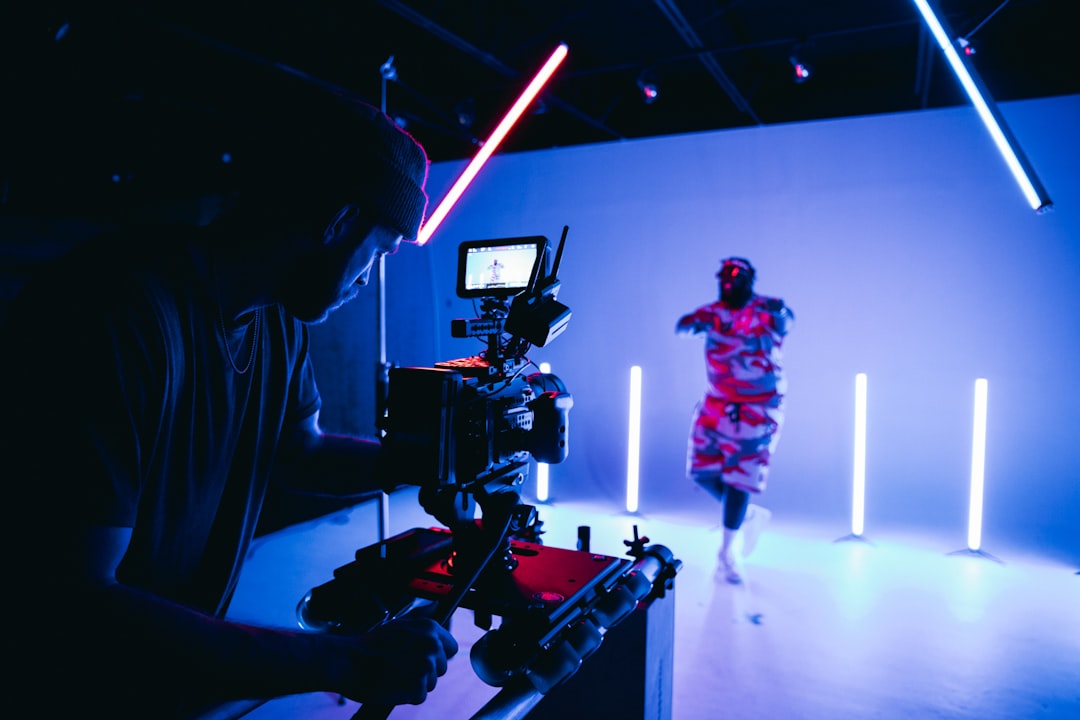
These music videos prove that the medium can be just as artistically valid as traditional cinema. From Michael Jackson’s horror masterpiece to Little Simz’s intimate character study, each video demonstrates that directors can create complete artistic statements within the constraints of a three-to-five-minute pop song.
The Academy Awards have slowly started recognizing music videos in technical categories, but these 16 examples show that the medium deserves broader recognition. They combine musical performance with visual storytelling, creating experiences that are both entertaining and artistically significant.
What makes these videos truly Oscar-worthy isn’t just their technical excellence, but their ability to expand what we think music videos can be. They’re not just promotional tools – they’re genuine works of art that happen to feature great songs. Did you expect music videos to be this cinematically sophisticated?

Besides founding Festivaltopia, Luca is the co founder of trib, an art and fashion collectiv you find on several regional events and online. Also he is part of the management board at HORiZONTE, a group travel provider in Germany.
